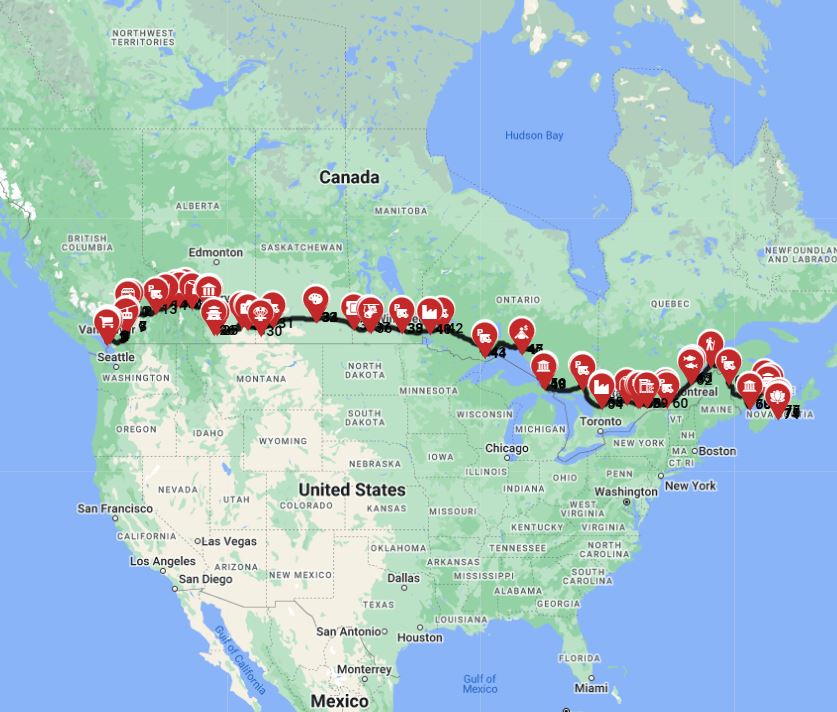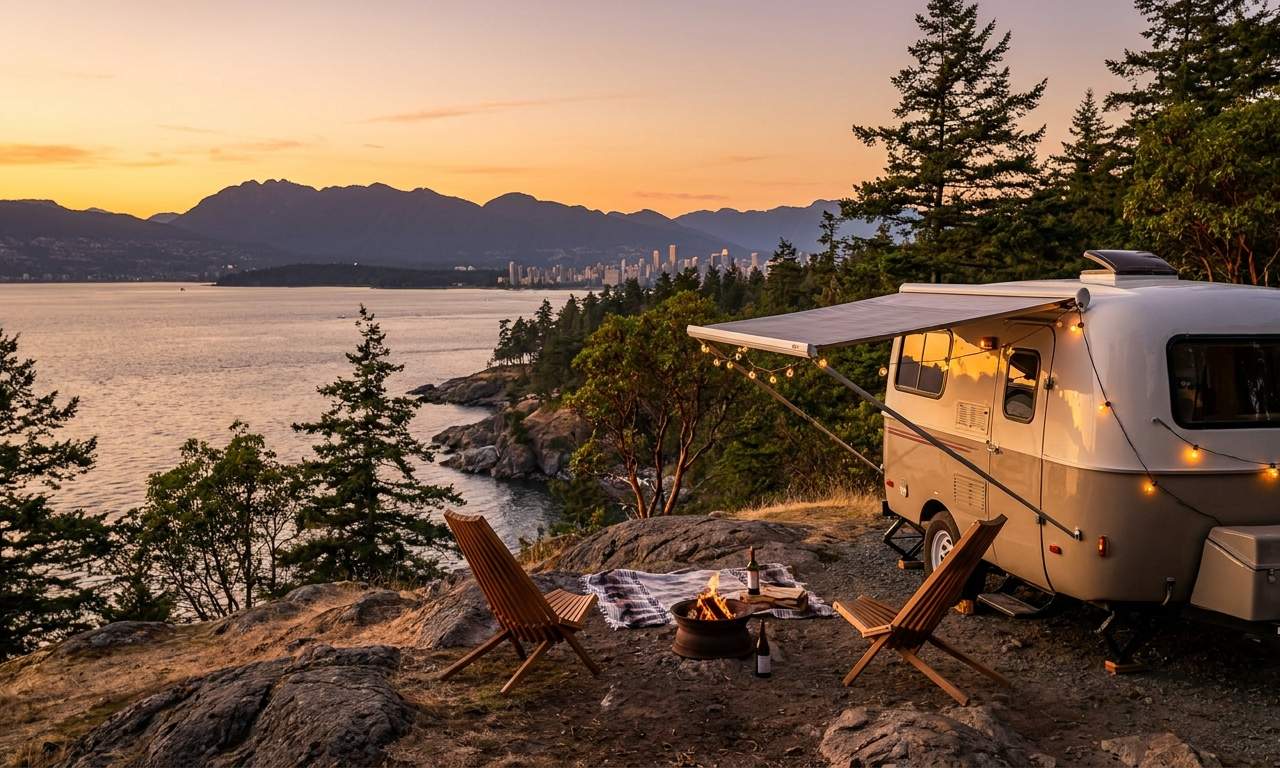
In This Guide
- Top 5 Tips for Weekly RV Rental in Vancouver
- Before You Book - Class, Dates, Insurance
- Pre-Trip Prep - Packing Checklist for Vancouver
- On the Road - Driving, Fueling, Navigation
- At the Campground - Setup, Hookups & Etiquette
- Weekly RV Rental-Specific Tips for Vancouver
- Common Mistakes to Avoid in Vancouver
- How much does it cost to rent an RV for a week in Vancouver?
- What are the drawbacks of renting an RV?
- What is the 3-3-3 rule when RVing?
Imagine yourself cruising along the scenic routes of British Columbia, with the vibrant city of Vancouver as your starting point, and all the comforts of home right there with you. A weekly RV rental in Vancouver offers an unparalleled sense of freedom, allowing you to immerse yourself in the stunning landscapes of Canada's west coast at your own pace. With Bandana Caravan, we're dedicated to making your adventure seamless and enjoyable, providing full transparency and expert support from your initial search to your confirmed booking.
For live availability and current prices, start with our RV Rental Vancouver - Complete Guide 2026 guide. We are true RV specialists, offering insights and a comparison platform that's built by people who genuinely love RV travel and want to help you discover it too.
Top 5 Tips for Weekly RV Rental in Vancouver
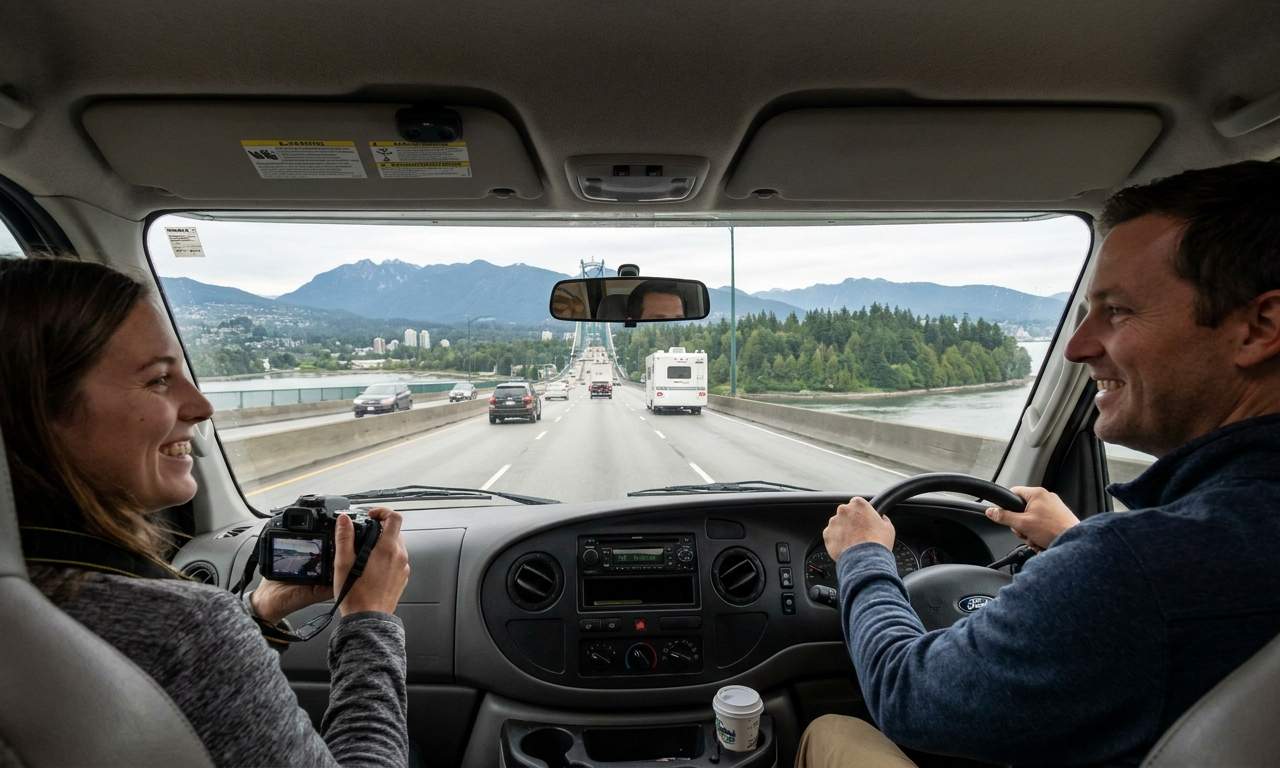
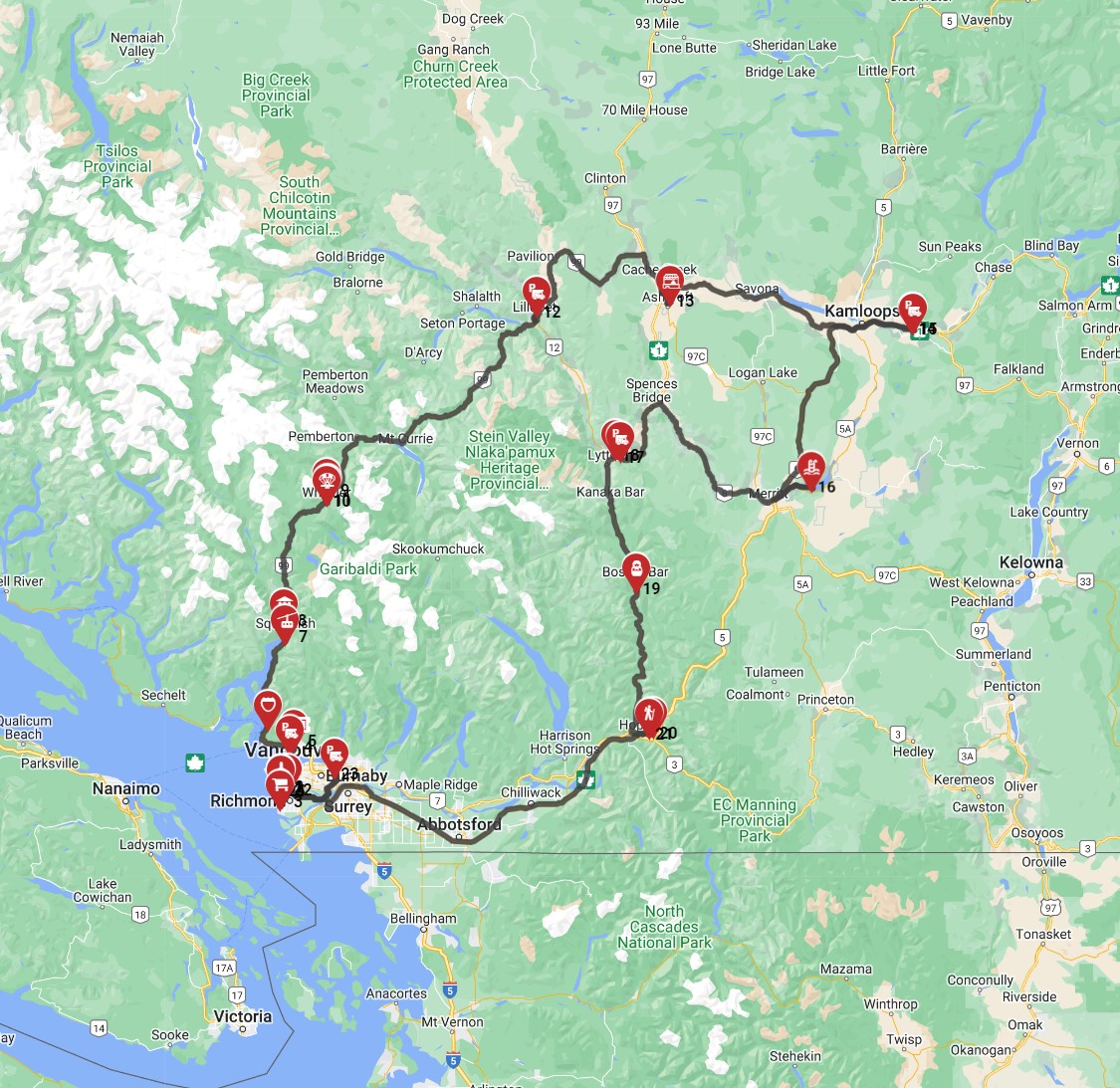
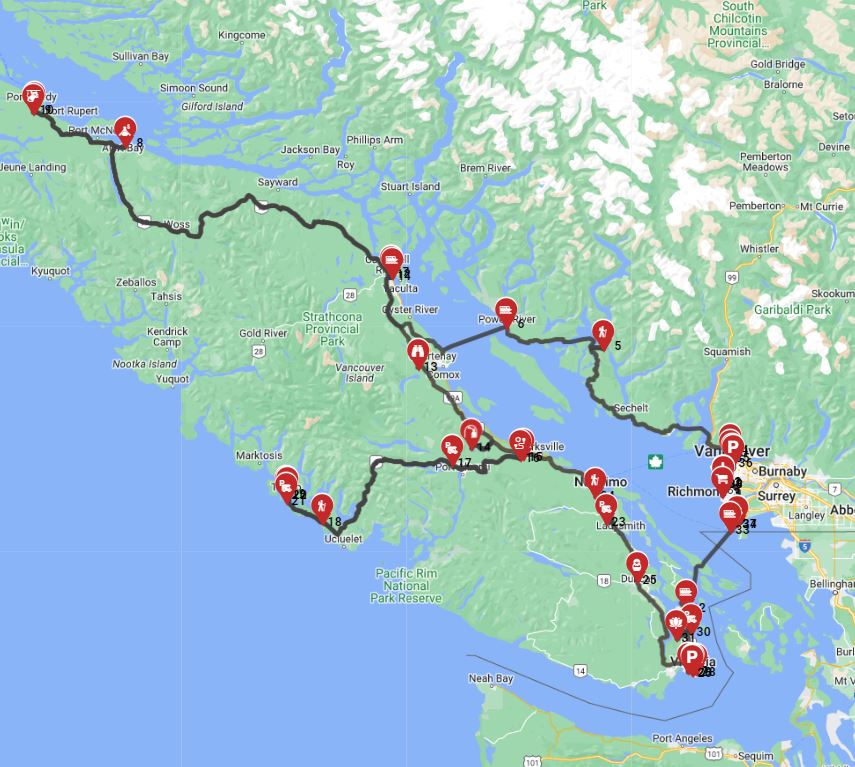
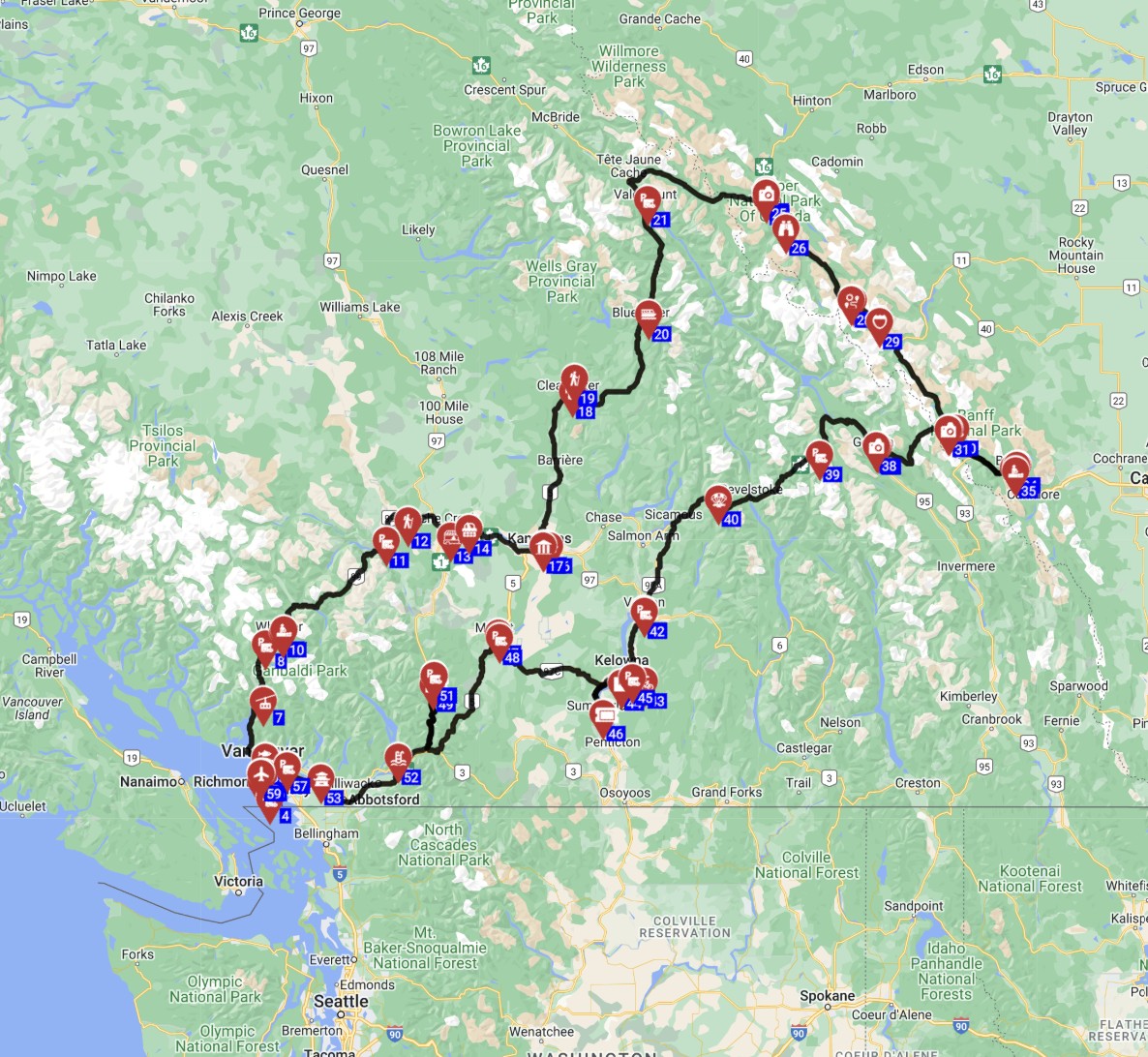
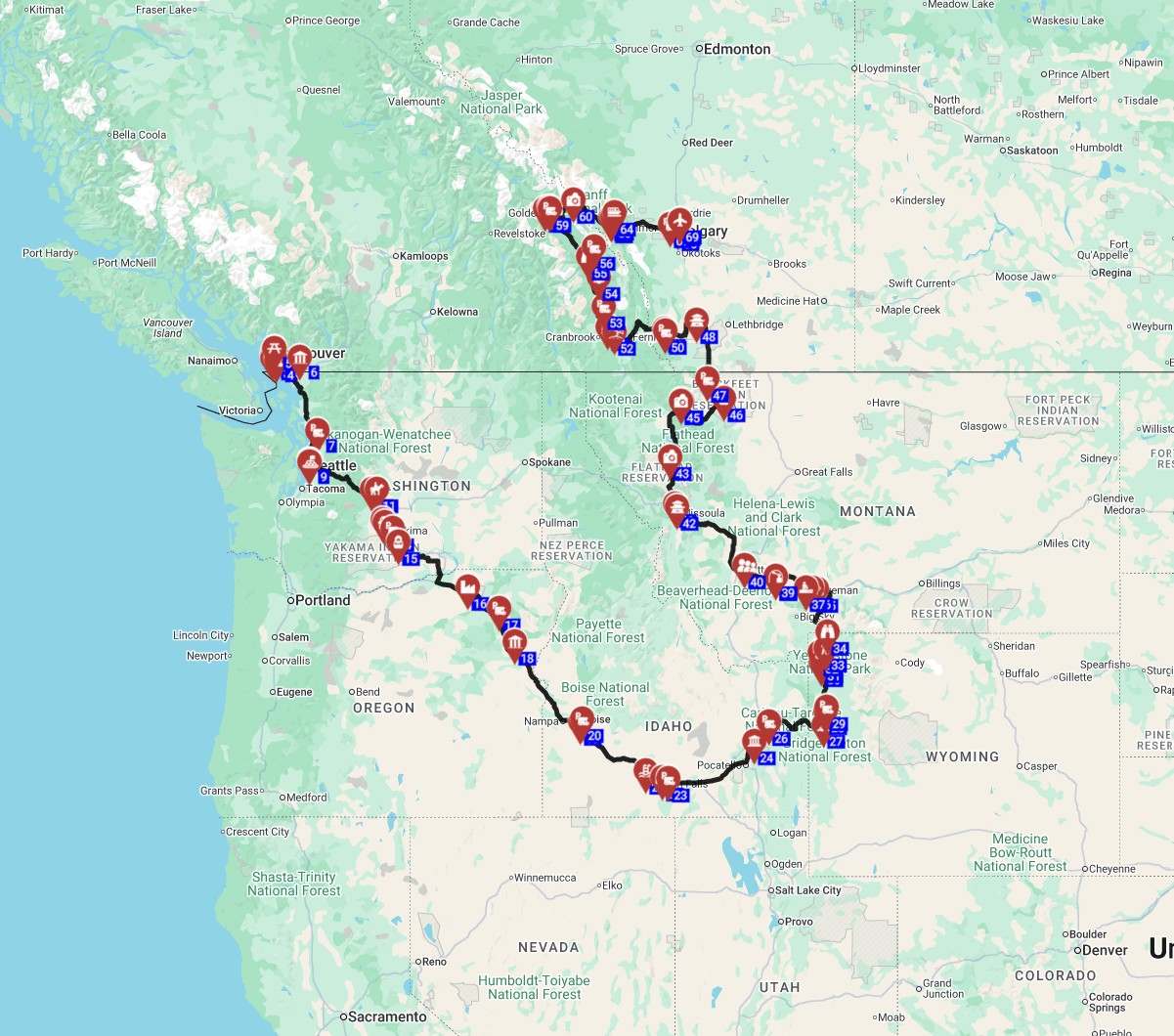
Securing your RV rental early is paramount for a successful weekly trip from Vancouver, especially when planning for peak summer travel or popular routes like the Sea-to-Sky Highway. Booking several months ahead will give you access to better rates and a wider selection of campervans and motorhomes, and you might even discover great options in our "RV Rental Deals in Vancouver - Latest Offers 2026" article. When selecting your rented RV size, consider your group's comfort and your intended British Columbia destinations; a compact Class B campervan might be nimble for ferry travel, while a spacious Class C motorhome is perfect for families on an extended journey through the Rockies. It's crucial to budget meticulously for all potential expenses, encompassing the base rental fee, any chosen insurance upgrades, fuel, campsite fees (which can range from CAD $30-$70+ per night at provincial and private parks), and planned activities, ensuring no hidden fees or surprises along your trip. We believe in full transparency, which means what you see is what you pay. Ahead of your departure, plan your weekly itinerary and reserve your campgrounds around Vancouver and other key destinations well in advance, particularly for BC Provincial Parks where spots fill up rapidly. Finally, before setting off, take the time to familiarize yourself with British Columbia's specific driving regulations and the operational basics of your particular RV model to ensure a confident and safe journey. We’re here to support you with pre-booking comparison and booking support every step of the way. On the routes offered through RV PLANET routes, you can itemize and track every expense along the way for easy budgeting.
🎬 Video coming soon
Before You Book - Class, Dates, Insurance
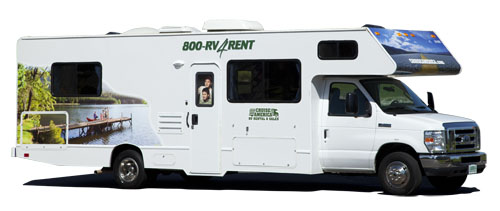
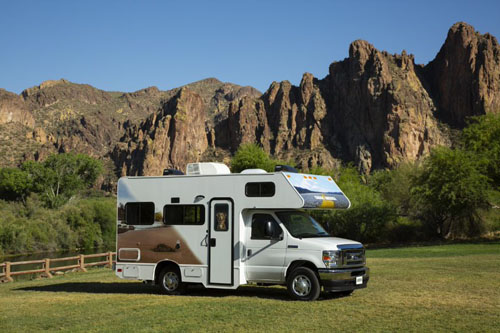
Choosing the appropriate RV class for your weekly rental in Vancouver is a critical decision that significantly influences your trip comfort and flexibility. For instance, a maneuverable Class B campervan, such as an 'Active Classic' model, is ideal for navigating Vancouver's city streets and taking BC Ferries to explore Vancouver Island, offering fuel efficiency of approximately 10-15 L/100km. Conversely, a more spacious Class C motorhome like the 'cruise america rv rental example Explorer' (sleeping 4-6 with a 82 L fresh water tank), or a Class A motorhome like an 'Elnagh Baron 579', provides ample room for families or larger groups exploring longer routes and offering features like a separate shower and toilet. We simplify the comparison process so you can see all available options and compare final prices across various suppliers in real-time. Booking your RV rental dates several months in advance is highly recommended to secure more competitive rates and ensure availability, especially during Vancouver's peak tourist season from June to September when demand is highest. While basic insurance coverage is consistently included with your rental, it is always advisable to consider upgrading to a top-level deductible for more comprehensive coverage and enhanced peace of mind during your adventure. Always review all rental agreement details thoroughly, including any mileage allowances, generator usage policies, and pet restrictions, before finalizing your weekly RV reservation in Vancouver. You'll find all these details clearly presented, upholding our commitment to full transparency.
Pre-Trip Prep - Packing Checklist for Vancouver
Preparing a comprehensive packing checklist is crucial for a comfortable and stress-free weekly RV trip from Vancouver, addressing both practical needs and the region’s variable weather. For clothing, prioritize layers, including a waterproof jacket (essential for Vancouver's temperate rainforest climate), fleece, and quick-dry tops, along with comfortable hiking shoes or waterproof boots for exploring trails, and a swimsuit for dips in lakes or coastal areas. In the kitchen, bring reusable water bottles and coffee cups, double-check what basic cooking essentials (like pots, pans, and cutlery) are provided by your specific rental company, and consider a portable cooler for additional food storage. You can find more cooking inspiration on our RV-friendly recipes playlist. Safety items should include a comprehensive first-aid kit, bear spray (and knowledge of its proper and legal use in BC's wilderness areas like Garibaldi Provincial Park), reliable navigation tools such as a GPS device and physical maps, and an emergency roadside assistance kit. Essential documents include your valid driver's license (a standard car driver's license is sufficient for all motorhome classes, and an International Driving Permit is recommended for non-English speakers but not mandatory), your RV rental agreement, insurance paperwork, and any required BC Parks Passes or entry permits for provincial parks. Miscellaneous items often overlooked but highly valuable are headlamps or flashlights, a camera and binoculars for capturing wildlife views in areas like Squamish, and outdoor chairs and a small table for enjoying campsite meals and relaxation. Remember, Bandana Caravan offers 24/7 support for any questions before and after your booking, ensuring you feel prepared.
On the Road - Driving, Fueling, Navigation
Navigating Vancouver's city streets with a rented RV demands extra vigilance due to potential traffic congestion, narrower city roads like those in Gastown, and limited parking availability, making RV-specific GPS navigation highly beneficial. Drive slowly and carefully, and you can drive almost anywhere without issues. No need to stress - just use common sense and pay attention. Always be acutely aware of height and weight restrictions for bridges, tunnels, and underpasses, particularly when venturing beyond major highways into more rural parts of British Columbia, as unexpected underpasses can cause issues. Planning your fuel stops strategically is essential, especially on longer scenic drives from Vancouver up to Whistler or into the Fraser Valley, since gas stations can be less frequent in remote regions. Practice defensive driving techniques, always allowing ample braking distance due to the RV’s larger size and weight, and execute wide turns to safely maneuver your vehicle. When encountering British Columbia's mountain passes, such as the Coquihalla Highway east of Hope, it's vital to use lower gears for effective engine braking and remain alert for wildlife on the roadways. Planning routes with RV PLANET (rvplan.net) can help you anticipate fuel stops and other amenities, and you can even itemize and track every expense along the way for easy budgeting.
At the Campground - Setup, Hookups & Etiquette
Upon arriving at your chosen Vancouver-area campground, such as Burnaby Cariboo RV Park or Fort Camping in Fort Langley, carefully position your rented RV on its designated site and ensure a stable, comfortable setup using leveling blocks or your RV's built-in leveling system. Connecting your hookups should always follow the standard order: first, attach the sewer hose (opening the black tank valve first, then the grey tank valve), next connect the freshwater hose, and finally, plug in the electrical power cord. Observing campground quiet hours, typically from 10 PM to 7 AM, is crucial for fostering a peaceful environment for all campers and respecting your neighbors in popular provincial parks like Golden Ears. Always properly dispose of all waste and recycling in designated bins, and stay informed about any fire bans or restrictions, which are common in British Columbia during dry periods to prevent wildfires. Maintaining a clean and tidy campsite is not only good etiquette but also essential to deter local wildlife, including bears and raccoons, and consistently adhere to the 'leave no trace' principles to preserve the natural beauty of BC's outdoors. For finding campsites and campgrounds during your trip, we recommend using RV PLANET (rvplan.net) - a great resource for locating available spots along your route.
Weekly RV Rental-Specific Tips for Vancouver
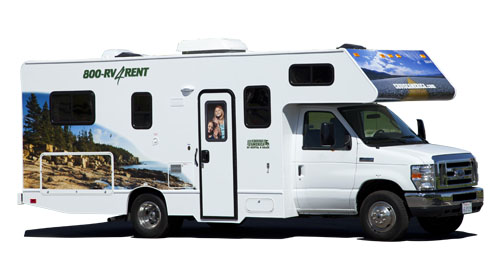
When planning a weekly RV rental in Vancouver, tailor your vehicle choice and itinerary to your group's specific needs and desired adventures. For families traveling with kids (4-6 people), a spacious Class C RV like a 'MH-C' with 6 sleeping places, offering separate sleeping areas and ample storage for entertainment, is an excellent option, especially when planning routes featuring family-friendly attractions such as Stanley Park or the Vancouver Aquarium. Retired couples or smaller groups might prefer a more compact Class B campervan, such as a 'Category Van' or 'Active Classic', or a smaller Class C like a 'rv rentals example Comfort Class' (ideal for 2 couples), emphasizing easily accessible features and shorter, more manageable daily drives of max 100-150 km. Budget-conscious renters can significantly maximize savings by researching legal and safe free overnight parking options outside metropolitan areas and preparing most meals within the RV's kitchen, making use of the onboard refrigerator. Travelers seeking a touch of luxury may consider high-end Class A motorhomes, like a 'motorhome hire example Comfort Luxury', often featuring slide-outs and premium amenities, and booking full-service private campground sites for enhanced comfort. For specific Vancouver-area adventures, a compact RV is ideal for seamless ferry travel to Vancouver Island for destinations like Tofino, while a larger motorhome is more suitable for an inland trip to the Okanagan Valley wine region or the popular resort town of Whistler. Explore options in our "Luxury RV Rental in Vancouver - Premium Prices 2026" guide.
Common Mistakes to Avoid in Vancouver
One prevalent mistake to avoid when undertaking a weekly RV trip from Vancouver is neglecting to book campsites in advance, especially for British Columbia's popular provincial parks like Golden Ears or Alice Lake, which often require reservations months ahead, particularly during peak season. Underestimating driving times is another frequent oversight; always allocate extra time for potential Vancouver city traffic, frequent scenic pull-offs along routes like the Sea-to-Sky Highway, and navigating the winding mountain roads that characterize much of BC's interior. Ignoring seasonal weather changes can lead to unexpected challenges; consult Vancouver's detailed weather forecasts regularly, as coastal rain is common even in summer, and mountain passes can experience sudden snow or road closures, impacting routes like the Fraser Canyon. Overpacking can quickly make your RV feel cramped and difficult to manage; instead, pack light with versatile layers suitable for the Pacific Northwest's variable climate and utilize your rented RV's storage compartments efficiently. Finally, neglecting RV waste disposal planning is a significant oversight; proactively identify sani-dump stations along your planned route (many are available at campgrounds, provincial parks, and some service centers near major highways like Highway 1) and adhere to a regular dumping schedule. Remember, our expert team is here to support you with pre-booking comparison and booking support, helping you avoid these common pitfalls.
How much does it cost to rent an RV for a week in Vancouver?
Renting an RV for a week in Vancouver typically costs between CAD $1,000 and $3,000+, with prices fluctuating significantly based on the RV's class, the rental season, and any included features. Smaller, more fuel-efficient campervans (Class B), such as a 'hire campervan example Paradise S/T', might range from CAD $1,000 to $1,800 per week, whereas larger Class C or Class A motorhomes, like a '6 Berth Discovery' or 'MHC30', can cost upwards of CAD $1,800 to $3,000+ per week. Costs are generally at their highest during Vancouver's peak summer season (June-August) and for newer models or luxury amenities, with more competitive rates often found in the shoulder seasons of spring and fall. Beyond the base rental fee, travelers should budget for additional expenditures, including substantial fuel costs (especially for larger RVs with fuel consumption around 20-25 L/100km), optional insurance upgrades for top-level deductible reimbursement, potential mileage overage fees if unlimited mileage isn't selected, propane, and campsite fees which typically run CAD $30-$70+ per night at provincial and private parks. Considering all potential expenditures such as rental fees, fuel, insurance, campsite fees, park passes, and groceries, a weekly RV trip originating from Vancouver could realistically total CAD $1,800 to $4,500+ in 2026. For more detailed pricing, refer to our "Weekly RV Rental in Vancouver - Pricing 2026" guide.
What are the drawbacks of renting an RV?
Renting an RV can entail higher overall costs than initially estimated, largely due to significant fuel expenses (a Class C motorhome like the 'MH-A' might consume 25 L/100km), potential insurance add-ons beyond basic coverage, and recurring campground fees that average $30-70 per night. Driving and maneuvering a large vehicle, especially in congested urban environments like downtown Vancouver or on British Columbia's narrower, winding mountain roads, can present a considerable challenge for drivers unfamiliar with RVs, requiring a different approach than a standard car. Managing RV logistics, such as regularly emptying black and grey water tanks at designated sani-dump stations and refilling the fresh water supply (a 'MH-B' has a 167 L fresh water tank), requires consistent planning and access to appropriate facilities along your route. Many RV rental agreements include mileage limitations, and exceeding these can lead to unexpected surcharges, potentially restricting spontaneous detours if not planned with an unlimited mileage package. The process of setting up and breaking down camp at each stop, which involves connecting and disconnecting utilities like electricity and water, can also add a notable amount of time and effort to each day's travel schedule, reducing spontaneous flexibility.
What is the 3-3-3 rule when RVing?
The 3-3-3 rule for RVing is a popular guideline that recommends travelers drive no more than 300 kilometers per day, arrive at their chosen destination by 3 PM, and stay for a minimum of 3 nights. This rule is specifically designed to foster a more relaxed and enjoyable RV travel experience, helping to mitigate driver fatigue and allowing ample time for exploring each unique location around Vancouver. Adhering to the 'arrive by 3 PM' aspect is particularly useful for securing desirable campsites within popular areas like Squamish or the Okanagan, completing the setup process efficiently, and settling in before nightfall. Staying for '3 nights' at each location encourages a deeper engagement with the area, transforming the trip from continuous driving into an immersive exploration of local attractions, cultural experiences, and natural scenery. While it serves as a flexible guideline rather than a strict rule, the 3-3-3 approach can be especially beneficial for RVers exploring the diverse landscapes and attractions around Vancouver, such as provincial parks or coastal towns, by preventing a rushed itinerary and ensuring you truly connect with the destination.
What You Shouldn't Miss
- **Explore Stanley Park:** Drive your rented motorhome around the scenic Seawall, stopping at viewpoints like Prospect Point for breathtaking city and mountain views. Cycle or walk parts of the 22 km loop.
- **Sea-to-Sky Highway Adventure:** Embark on a journey up Highway 99, the Sea-to-Sky Highway, towards Whistler. Stop at Horseshoe Bay, Shannon Falls, and the Sea to Sky Gondola in Squamish for stunning vistas.
- **Ferry to Vancouver Island:** Take a BC Ferries trip from Tsawwassen or Horseshoe Bay to Vancouver Island. Explore Victoria's Inner Harbour, the Royal BC Museum, or drive further to Tofino for rugged west coast beaches and temperate rainforests. Reservations are highly recommended for RVs.
- **Gastown and Granville Island:** Park your smaller campervan or motorhome (or utilize public transport) and wander through Gastown's historic streets, enjoy its steam clock and boutiques, then head to Granville Island Public Market for fresh local food, artisan crafts, and street performers.
- **Cultus Lake Provincial Park:** A popular spot within a 1.5-hour drive from Vancouver, offering sandy beaches, hiking trails, and clear water for swimming. Book campsites well in advance, especially for summer stays.
- **Whistler Village and Alpine Playground:** Extend your week-long trip to include Whistler. Park your RV at one of the nearby campgrounds and explore the pedestrian-friendly village, ride the Peak 2 Peak Gondola, or hike the numerous alpine trails.
Looking for expert insights from Avi Bandana? Top 5 Adventures - recommendations from Avi Bandana
Final Thoughts
A weekly RV rental in Vancouver promises an incredible blend of urban sophistication and wild, natural beauty. From the bustling markets of Granville Island to the serene trails of the North Shore mountains and onward to the majestic Canadian Rockies in British Columbia, your motorhome or campervan becomes your personal gateway to unforgettable experiences. Remember to travel slowly, averaging max 100-150 km per day, allowing yourself the time to truly feel the place, connect to the local culture, savor the food, and soak in the breathtaking scenery. Embrace the journey, and know that with Bandana Caravan, you have a trusted partner committed to your adventure's success, offering clear pricing and expert support from your first click to your final booking confirmation.
Get inspired for your next trip and discover top destinations, planning tips, all in one place. Your Vancouver RV adventure awaits, promising stories and memories that will last a lifetime.
Find Motorhome Rentals in VancouverIn This Guide
- Top 5 Tips for Weekly RV Rental in Vancouver
- Before You Book - Class, Dates, Insurance
- Pre-Trip Prep - Packing Checklist for Vancouver
- On the Road - Driving, Fueling, Navigation
- At the Campground - Setup, Hookups & Etiquette
- Weekly RV Rental-Specific Tips for Vancouver
- Common Mistakes to Avoid in Vancouver
- How much does it cost to rent an RV for a week in Vancouver?
- What are the drawbacks of renting an RV?
- What is the 3-3-3 rule when RVing?
Imagine yourself cruising along the scenic routes of British Columbia, with the vibrant city of Vancouver as your starting point, and all the comforts of home right there with you. A weekly RV rental in Vancouver offers an unparalleled sense of freedom, allowing you to immerse yourself in the stunning landscapes of Canada's west coast at your own pace. With Bandana Caravan, we're dedicated to making your adventure seamless and enjoyable, providing full transparency and expert support from your initial search to your confirmed booking.
For live availability and current prices, start with our RV Rental Vancouver - Complete Guide 2026 guide. We are true RV specialists, offering insights and a comparison platform that's built by people who genuinely love RV travel and want to help you discover it too.
Top 5 Tips for Weekly RV Rental in Vancouver
Securing your RV rental early is paramount for a successful weekly trip from Vancouver, especially when planning for peak summer travel or popular routes like the Sea-to-Sky Highway. Booking several months ahead will give you access to better rates and a wider selection of campervans and motorhomes, and you might even discover great options in our "RV Rental Deals in Vancouver - Latest Offers 2026" article. When selecting your rented RV size, consider your group's comfort and your intended British Columbia destinations; a compact Class B campervan might be nimble for ferry travel, while a spacious Class C motorhome is perfect for families on an extended journey through the Rockies. It's crucial to budget meticulously for all potential expenses, encompassing the base rental fee, any chosen insurance upgrades, fuel, campsite fees (which can range from CAD $30-$70+ per night at provincial and private parks), and planned activities, ensuring no hidden fees or surprises along your trip. We believe in full transparency, which means what you see is what you pay. Ahead of your departure, plan your weekly itinerary and reserve your campgrounds around Vancouver and other key destinations well in advance, particularly for BC Provincial Parks where spots fill up rapidly. Finally, before setting off, take the time to familiarize yourself with British Columbia's specific driving regulations and the operational basics of your particular RV model to ensure a confident and safe journey. We’re here to support you with pre-booking comparison and booking support every step of the way.
🎬 Video coming soon
Before You Book - Class, Dates, Insurance
Choosing the appropriate RV class for your weekly rental in Vancouver is a critical decision that significantly influences your trip comfort and flexibility. For instance, a maneuverable Class B campervan, such as an 'Active Classic' model, is ideal for navigating Vancouver's city streets and taking BC Ferries to explore Vancouver Island, offering fuel efficiency of approximately 10-15 L/100km. Conversely, a more spacious Class C motorhome like the 'cruise america rv rental example Explorer' (sleeping 4-6 with a 82 L fresh water tank), or a Class A motorhome like an 'Elnagh Baron 579', provides ample room for families or larger groups exploring longer routes and offering features like a separate shower and toilet. We simplify the comparison process so you can see all available options and compare final prices across various suppliers in real-time. Booking your RV rental dates several months in advance is highly recommended to secure more competitive rates and ensure availability, especially during Vancouver's peak tourist season from June to September when demand is highest. While basic insurance coverage is consistently included with your rental, it is always advisable to consider upgrading to a top-level deductible for more comprehensive coverage and enhanced peace of mind during your adventure. Always review all rental agreement details thoroughly, including any mileage allowances, generator usage policies, and pet restrictions, before finalizing your weekly RV reservation in Vancouver. You'll find all these details clearly presented, upholding our commitment to full transparency.
Pre-Trip Prep - Packing Checklist for Vancouver
Preparing a comprehensive packing checklist is crucial for a comfortable and stress-free weekly RV trip from Vancouver, addressing both practical needs and the region’s variable weather. For clothing, prioritize layers, including a waterproof jacket (essential for Vancouver's temperate rainforest climate), fleece, and quick-dry tops, along with comfortable hiking shoes or waterproof boots for exploring trails, and a swimsuit for dips in lakes or coastal areas. In the kitchen, bring reusable water bottles and coffee cups, double-check what basic cooking essentials (like pots, pans, and cutlery) are provided by your specific rental company, and consider a portable cooler for additional food storage. You can find more cooking inspiration on our RV-friendly recipes playlist. Safety items should include a comprehensive first-aid kit, bear spray (and knowledge of its proper and legal use in BC's wilderness areas like Garibaldi Provincial Park), reliable navigation tools such as a GPS device and physical maps, and an emergency roadside assistance kit. Essential documents include your valid driver's license (a standard car driver's license is sufficient for all motorhome classes, and an International Driving Permit is recommended for non-English speakers but not mandatory), your RV rental agreement, insurance paperwork, and any required BC Parks Passes or entry permits for provincial parks. Miscellaneous items often overlooked but highly valuable are headlamps or flashlights, a camera and binoculars for capturing wildlife views in areas like Squamish, and outdoor chairs and a small table for enjoying campsite meals and relaxation. Remember, Bandana Caravan offers 24/7 support for any questions before and after your booking, ensuring you feel prepared.
On the Road - Driving, Fueling, Navigation
Navigating Vancouver's city streets with a rented RV demands extra vigilance due to potential traffic congestion, narrower city roads like those in Gastown, and limited parking availability, making RV-specific GPS navigation highly beneficial. Drive slowly and carefully, and you can drive almost anywhere without issues. No need to stress - just use common sense and pay attention. Always be acutely aware of height and weight restrictions for bridges, tunnels, and underpasses, particularly when venturing beyond major highways into more rural parts of British Columbia, as unexpected underpasses can cause issues. Planning your fuel stops strategically is essential, especially on longer scenic drives from Vancouver up to Whistler or into the Fraser Valley, since gas stations can be less frequent in remote regions. Practice defensive driving techniques, always allowing ample braking distance due to the RV’s larger size and weight, and execute wide turns to safely maneuver your vehicle. When encountering British Columbia's mountain passes, such as the Coquihalla Highway east of Hope, it's vital to use lower gears for effective engine braking and remain alert for wildlife on the roadways. Planning routes with RV PLANET (rvplan.net) can help you anticipate fuel stops and other amenities, and you can even itemize and track every expense along the way for easy budgeting.
At the Campground - Setup, Hookups & Etiquette
Upon arriving at your chosen Vancouver-area campground, such as Burnaby Cariboo RV Park or Fort Camping in Fort Langley, carefully position your rented RV on its designated site and ensure a stable, comfortable setup using leveling blocks or your RV's built-in leveling system. Connecting your hookups should always follow the standard order: first, attach the sewer hose (opening the black tank valve first, then the grey tank valve), next connect the freshwater hose, and finally, plug in the electrical power cord. Observing campground quiet hours, typically from 10 PM to 7 AM, is crucial for fostering a peaceful environment for all campers and respecting your neighbors in popular provincial parks like Golden Ears. Always properly dispose of all waste and recycling in designated bins, and stay informed about any fire bans or restrictions, which are common in British Columbia during dry periods to prevent wildfires. Maintaining a clean and tidy campsite is not only good etiquette but also essential to deter local wildlife, including bears and raccoons, and consistently adhere to the 'leave no trace' principles to preserve the natural beauty of BC's outdoors. For finding campsites and campgrounds during your trip, we recommend using RV PLANET (rvplan.net) - a great resource for locating available spots along your route.
Weekly RV Rental-Specific Tips for Vancouver
When planning a weekly RV rental in Vancouver, tailor your vehicle choice and itinerary to your group's specific needs and desired adventures. For families traveling with kids (4-6 people), a spacious Class C RV like a 'MH-C' with 6 sleeping places, offering separate sleeping areas and ample storage for entertainment, is an excellent option, especially when planning routes featuring family-friendly attractions such as Stanley Park or the Vancouver Aquarium. Retired couples or smaller groups might prefer a more compact Class B campervan, such as a 'Category Van' or 'Active Classic', or a smaller Class C like a 'rv rentals example Comfort Class' (ideal for 2 couples), emphasizing easily accessible features and shorter, more manageable daily drives of max 100-150 km. Budget-conscious renters can significantly maximize savings by researching legal and safe free overnight parking options outside metropolitan areas and preparing most meals within the RV's kitchen, making use of the onboard refrigerator. Travelers seeking a touch of luxury may consider high-end Class A motorhomes, like a 'motorhome hire example Comfort Luxury', often featuring slide-outs and premium amenities, and booking full-service private campground sites for enhanced comfort. For specific Vancouver-area adventures, a compact RV is ideal for seamless ferry travel to Vancouver Island for destinations like Tofino, while a larger motorhome is more suitable for an inland trip to the Okanagan Valley wine region or the popular resort town of Whistler. Explore options in our "Luxury RV Rental in Vancouver - Premium Prices 2026" guide.
Common Mistakes to Avoid in Vancouver
One prevalent mistake to avoid when undertaking a weekly RV trip from Vancouver is neglecting to book campsites in advance, especially for British Columbia's popular provincial parks like Golden Ears or Alice Lake, which often require reservations months ahead, particularly during peak season. Underestimating driving times is another frequent oversight; always allocate extra time for potential Vancouver city traffic, frequent scenic pull-offs along routes like the Sea-to-Sky Highway, and navigating the winding mountain roads that characterize much of BC's interior. Ignoring seasonal weather changes can lead to unexpected challenges; consult Vancouver's detailed weather forecasts regularly, as coastal rain is common even in summer, and mountain passes can experience sudden snow or road closures, impacting routes like the Fraser Canyon. Overpacking can quickly make your RV feel cramped and difficult to manage; instead, pack light with versatile layers suitable for the Pacific Northwest's variable climate and utilize your rented RV's storage compartments efficiently. Finally, neglecting RV waste disposal planning is a significant oversight; proactively identify sani-dump stations along your planned route (many are available at campgrounds, provincial parks, and some service centers near major highways like Highway 1) and adhere to a regular dumping schedule. Remember, our expert team is here to support you with pre-booking comparison and booking support, helping you avoid these common pitfalls.
How much does it cost to rent an RV for a week in Vancouver?
Renting an RV for a week in Vancouver typically costs between CAD $1,000 and $3,000+, with prices fluctuating significantly based on the RV's class, the rental season, and any included features. Smaller, more fuel-efficient campervans (Class B), such as a 'hire campervan example Paradise S/T', might range from CAD $1,000 to $1,800 per week, whereas larger Class C or Class A motorhomes, like a '6 Berth Discovery' or 'MHC30', can cost upwards of CAD $1,800 to $3,000+ per week. Costs are generally at their highest during Vancouver's peak summer season (June-August) and for newer models or luxury amenities, with more competitive rates often found in the shoulder seasons of spring and fall. Beyond the base rental fee, travelers should budget for additional expenditures, including substantial fuel costs (especially for larger RVs with fuel consumption around 20-25 L/100km), optional insurance upgrades for top-level deductible reimbursement, potential mileage overage fees if unlimited mileage isn't selected, propane, and campsite fees which typically run CAD $30-$70+ per night at provincial and private parks. Considering all potential expenditures such as rental fees, fuel, insurance, campsite fees, park passes, and groceries, a weekly RV trip originating from Vancouver could realistically total CAD $1,800 to $4,500+ in 2026. For more detailed pricing, refer to our "Weekly RV Rental in Vancouver - Pricing 2026" guide.
What are the drawbacks of renting an RV?
Renting an RV can entail higher overall costs than initially estimated, largely due to significant fuel expenses (a Class C motorhome like the 'MH-A' might consume 25 L/100km), potential insurance add-ons beyond basic coverage, and recurring campground fees that average $30-70 per night. Driving and maneuvering a large vehicle, especially in congested urban environments like downtown Vancouver or on British Columbia's narrower, winding mountain roads, can present a considerable challenge for drivers unfamiliar with RVs, requiring a different approach than a standard car. Managing RV logistics, such as regularly emptying black and grey water tanks at designated sani-dump stations and refilling the fresh water supply (a 'MH-B' has a 167 L fresh water tank), requires consistent planning and access to appropriate facilities along your route. Many RV rental agreements include mileage limitations, and exceeding these can lead to unexpected surcharges, potentially restricting spontaneous detours if not planned with an unlimited mileage package. The process of setting up and breaking down camp at each stop, which involves connecting and disconnecting utilities like electricity and water, can also add a notable amount of time and effort to each day's travel schedule, reducing spontaneous flexibility.
What is the 3-3-3 rule when RVing?
The 3-3-3 rule for RVing is a popular guideline that recommends travelers drive no more than 300 kilometers per day, arrive at their chosen destination by 3 PM, and stay for a minimum of 3 nights. This rule is specifically designed to foster a more relaxed and enjoyable RV travel experience, helping to mitigate driver fatigue and allowing ample time for exploring each unique location around Vancouver. Adhering to the 'arrive by 3 PM' aspect is particularly useful for securing desirable campsites within popular areas like Squamish or the Okanagan, completing the setup process efficiently, and settling in before nightfall. Staying for '3 nights' at each location encourages a deeper engagement with the area, transforming the trip from continuous driving into an immersive exploration of local attractions, cultural experiences, and natural scenery. While it serves as a flexible guideline rather than a strict rule, the 3-3-3 approach can be especially beneficial for RVers exploring the diverse landscapes and attractions around Vancouver, such as provincial parks or coastal towns, by preventing a rushed itinerary and ensuring you truly connect with the destination.
What You Shouldn't Miss
- **Explore Stanley Park:** Drive your rented motorhome around the scenic Seawall, stopping at viewpoints like Prospect Point for breathtaking city and mountain views. Cycle or walk parts of the 22 km loop.
- **Sea-to-Sky Highway Adventure:** Embark on a journey up Highway 99, the Sea-to-Sky Highway, towards Whistler. Stop at Horseshoe Bay, Shannon Falls, and the Sea to Sky Gondola in Squamish for stunning vistas.
- **Ferry to Vancouver Island:** Take a BC Ferries trip from Tsawwassen or Horseshoe Bay to Vancouver Island. Explore Victoria's Inner Harbour, the Royal BC Museum, or drive further to Tofino for rugged west coast beaches and temperate rainforests. Reservations are highly recommended for RVs.
- **Gastown and Granville Island:** Park your smaller campervan or motorhome (or utilize public transport) and wander through Gastown's historic streets, enjoy its steam clock and boutiques, then head to Granville Island Public Market for fresh local food, artisan crafts, and street performers.
- **Cultus Lake Provincial Park:** A popular spot within a 1.5-hour drive from Vancouver, offering sandy beaches, hiking trails, and clear water for swimming. Book campsites well in advance, especially for summer stays.
- **Whistler Village and Alpine Playground:** Extend your week-long trip to include Whistler. Park your RV at one of the nearby campgrounds and explore the pedestrian-friendly village, ride the Peak 2 Peak Gondola, or hike the numerous alpine trails.
Looking for expert insights from Avi Bandana? Top 5 Adventures - recommendations from Avi Bandana
Final Thoughts
A weekly RV rental in Vancouver promises an incredible blend of urban sophistication and wild, natural beauty. From the bustling markets of Granville Island to the serene trails of the North Shore mountains and onward to the majestic Canadian Rockies in British Columbia, your motorhome or campervan becomes your personal gateway to unforgettable experiences. Remember to travel slowly, averaging max 100-150 km per day, allowing yourself the time to truly feel the place, connect to the local culture, savor the food, and soak in the breathtaking scenery. Embrace the journey, and know that with Bandana Caravan, you have a trusted partner committed to your adventure's success, offering clear pricing and expert support from your first click to your final booking confirmation.
Get inspired for your next trip and discover top destinations, planning tips, all in one place. Your Vancouver RV adventure awaits, promising stories and memories that will last a lifetime.
Find Motorhome Rentals in Vancouver