
In This Guide
- Top 5 Tips for weekly rv rental RV Rental in UK
- Before You Book — Class, Dates, Insurance
- Pre-Trip Prep — Packing Checklist for UK
- On the Road — Driving, Fueling, Navigation
- At the Campground — Setup, Hookups & Etiquette
- weekly rv rental-Specific Tips for UK
- Common Mistakes to Avoid in UK
- What are the challenges of driving an RV on UK roads?
- Can you wild camp with an RV in the UK?
- What is the best time of year to rent an RV in the UK?
- Can I bring my pet on a weekly RV rental in the UK?
- What cultural etiquette should RV renters know for UK travel?
- What unique food and drink experiences can you have on an RV trip in the UK?
- What are the best internet and mobile data options for RVers in the UK?
- How much does a weekly RV rental in the UK cost beyond the hire fee?
Top 5 Tips for weekly rv rental RV Rental in UK
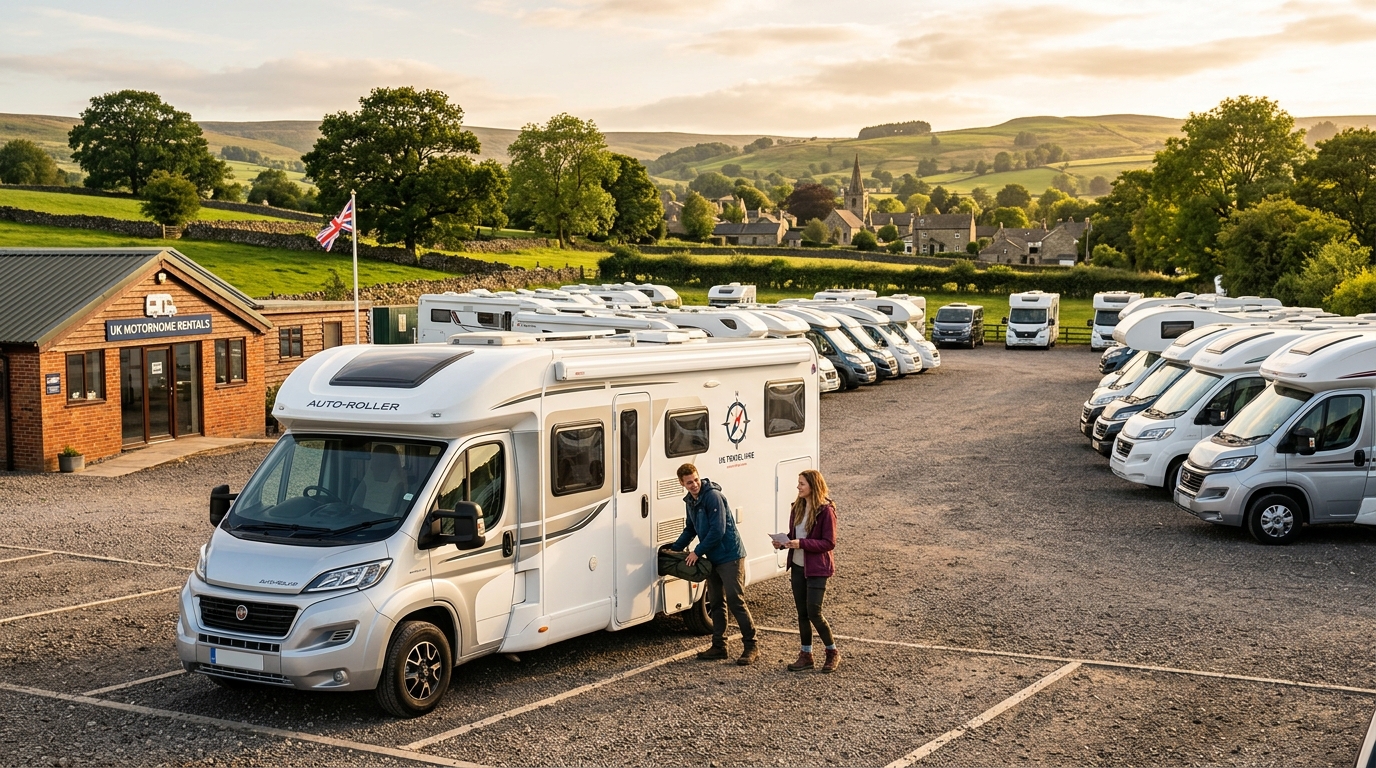
When planning your UK RV adventure, booking your motorhome well in advance is crucial, especially if you're travelling during peak seasons like summer or school holidays, as this secures your preferred models and dates.
Selecting an RV class that comfortably fits your group size and is manageable on UK roads is paramount; consider vehicle dimensions carefully. Familiarizing yourself with UK driving regulations, particularly driving on the left and understanding common road signs, will greatly enhance your confidence and safety. Planning your route and pre-booking campsites is also highly recommended, as spontaneous stays can be challenging, especially in popular areas during peak times. Lastly, budget for all potential costs beyond the rental fee, including fuel, tolls, campsite fees, and attractions, to ensure a smooth and stress-free trip. On the routes offered through RV PLANET routes, you can itemize and track every expense along the way for easy budgeting.
Before You Book — Class, Dates, Insurance
Choosing the right RV class depends on your group size, comfort needs, and driving confidence. Smaller campervans generally offer easier navigation on the UK's narrow lanes, while larger motorhomes provide more living space and amenities. Locking in your dates well in advance, ideally 6-12 months ahead, is key to ensuring availability and potentially securing better rates, particularly for travel during summer months, school holidays, or major events.
Basic insurance is always included with your rental. To review prices that incorporate the most comprehensive coverage, simply select that option during your search, and all relevant insurance details will be clearly presented.
Pre-Trip Prep — Packing Checklist for UK
When packing for your UK RV adventure, focus on versatile layers to adapt to the changeable weather, always including a waterproof jacket and sturdy, comfortable walking shoes. For the kitchen and dining, reusable shopping bags, a travel mug, and essential cooking basics like spices are beneficial. Remember to pack a comprehensive first-aid kit, high-visibility vests for roadside emergencies, a portable power bank for devices, and essential documents like your driving license, passport, rental agreement, and insurance details. For ideas you can prep on the road, watch our RV-friendly recipes playlist on YouTube.
Don't forget UK-specific essentials such as a universal travel adapter (Type G plug), insect repellent (particularly for rural areas like Scotland), and a compact umbrella. For finding campsites and campgrounds during your trip, we recommend using RV PLANET (rvplan.net) — a great resource for locating available spots along your route.
- Waterproof jacket
- Sturdy walking shoes
- Layers (t-shirts, jumpers, fleece)
- Warm socks
- Hat and gloves (even in summer for cooler evenings)
- Reusable shopping bags
- Travel mugs/water bottles
- Basic cooking spices, oil, tea/coffee
- Collapsible washing-up bowl and biodegradable soap
- First-aid kit
- High-visibility vests
- Portable power bank for devices
- Torch/headlamp
- Driving license (International Driving Permit if required)
- Passport/ID
- RV rental agreement and insurance details
- Physical map of your route (backup to GPS)
- Campsite booking confirmations
- Universal travel adapter (Type G plug)
- Insect repellent (especially for midges in Scotland)
- Compact umbrella
- Small currency for tolls or parking meters
On the Road — Driving, Fueling, Navigation
When driving in the UK, always remember to drive on the left. Be aware that RVs are wider and taller than typical cars, so exercise caution on narrow country roads, through historic villages, and when approaching height/width restrictions. Most RVs in the UK use diesel fuel; ensure you select the correct pump, often labeled 'gas oil' or 'diesel'. Fuel stations are plentiful, but it's wise to plan your routes in remote areas.
Utilize RV-specific GPS apps that factor in vehicle dimensions to avoid unsuitable routes. Be prepared for complex multi-lane roundabouts, as understanding lane discipline is key for safe navigation. UK postcodes cover broader areas than individual addresses, so use specific street names or landmarks for precise navigation, especially in urban settings.
At the Campground — Setup, Hookups & Etiquette
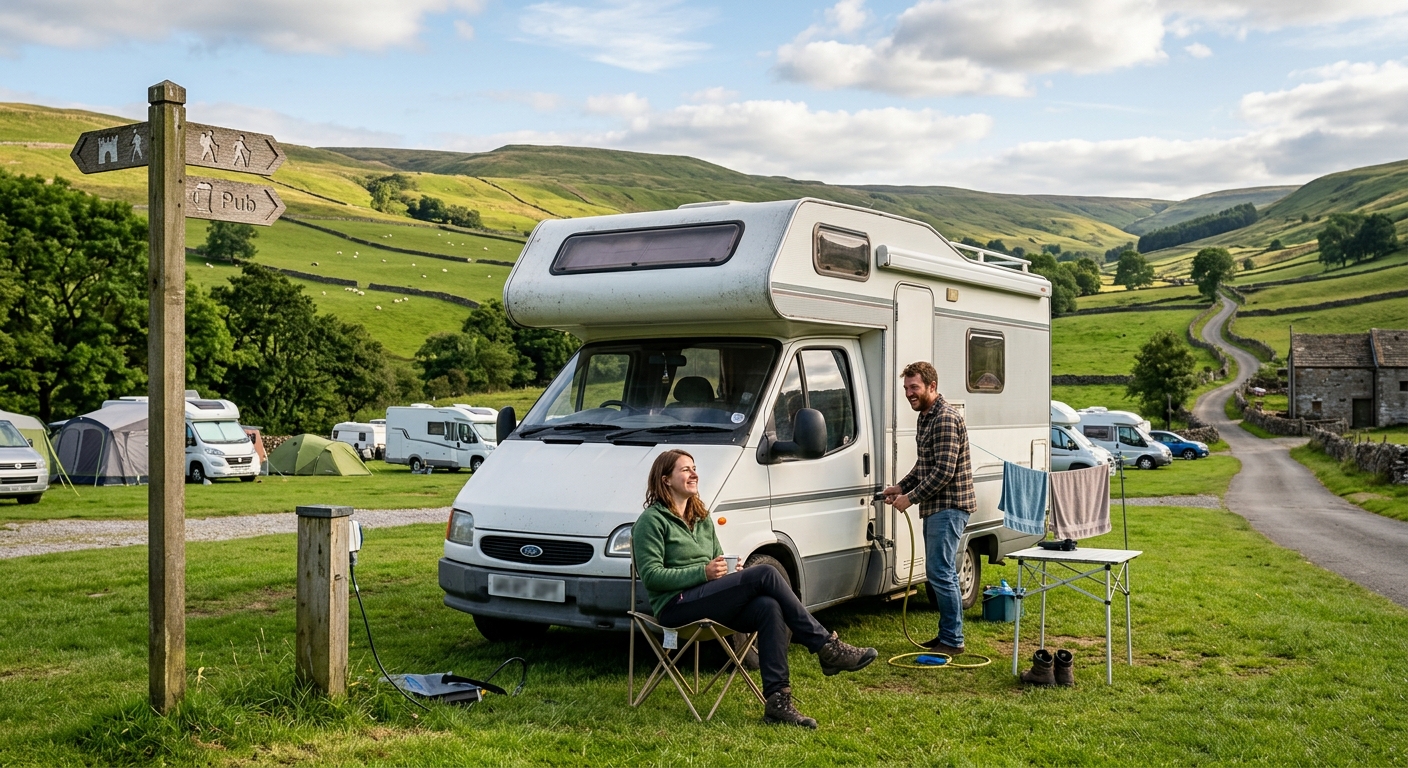
Upon arriving at a campsite, check in at reception, locate your designated pitch, and carefully maneuver your RV into position, ensuring enough space for awnings and respecting neighbors' privacy. Use leveling blocks under your RV's wheels to create a stable and comfortable living space; this is also essential for appliances like refrigerators to function correctly. Connect your electricity first (reversing the order when disconnecting), then water, and finally the grey water hose if applicable, securing all connections tightly.
Locate the Chemical Disposal Point (CDP) for black water (toilet waste) and dedicated grey water disposal points, following all site instructions for responsible waste management. Most UK campsites observe quiet hours, typically from 10 PM to 7 AM. Be considerate of other campers by keeping noise levels low, minimizing outdoor lighting, and ensuring pets are quiet.
weekly rv rental-Specific Tips for UK
For family adventures, opt for RVs with multiple sleeping areas or bunk beds. Plan routes with frequent stops at family-friendly attractions like national parks, castles, or beaches to keep children entertained and break up longer drives. Senior travelers might prefer RVs offering easy access, automatic transmission, and comfortable, ergonomic seating. Prioritize routes with accessible facilities and consider shorter daily driving distances to reduce fatigue.
Budget explorers can seek out off-peak rental periods for lower rates, utilize free overnight parking schemes such as 'Brit Stops' at participating pubs and farms, and maximize their RV kitchen to prepare meals and save on dining out. For those seeking a touch of luxury, consider premium RV models featuring enhanced amenities like integrated ovens, larger living spaces, and advanced entertainment systems, and book high-end campsites with full facilities and scenic pitches.
Common Mistakes to Avoid in UK
A common mistake first-time RV renters make in the UK is underestimating travel times. Always add extra buffer time to your journey, as narrow roads, traffic, and unexpected scenic stops can significantly extend travel durations, especially in rural areas. Instead, always be aware of your specific RV's height, width, and length; regularly check for signs indicating height restrictions on bridges, width limits on country lanes, and tight turns in historic towns.
Not booking campsites in advance is another pitfall; secure your pitches, particularly during peak season (June-August) or for popular destinations, to avoid disappointment and ensure you have a safe overnight spot. Don't forget to pack versatile layers and waterproof gear year-round, as British weather can be unpredictable. Lastly, avoid overpacking; storage space in an RV is limited, and an overloaded vehicle can negatively impact fuel efficiency, handling, and overall safety.
What are the challenges of driving an RV on UK roads?
Driving an RV on UK roads presents specific challenges, including navigating notoriously narrow country lanes, historic village streets, and complex multi-lane roundabouts, as well as being mindful of strict height and width restrictions. Many rural roads are single-track with passing places, requiring drivers to be vigilant for oncoming traffic and prepared to pull over. Older towns often have very narrow streets, sharp turns, and limited maneuvering space, which can be challenging for larger vehicles.
Multi-lane roundabouts are common in the UK; understanding correct lane discipline and exit procedures is crucial for safe navigation. RV drivers must constantly monitor for signs indicating low bridges, narrow arches, and width limits, particularly on secondary roads and in urban centers. Finding suitable and legal parking for larger RVs can also be difficult in busy towns and popular tourist areas, often requiring pre-planning or using designated RV parks.
Can you wild camp with an RV in the UK?
Wild camping with an RV in the UK is largely restricted, particularly in England and Wales, but it is more permissible in parts of Scotland with adherence to "Leave No Trace" principles. Alternatively, schemes like 'Brit Stops' offer legal overnight parking. Generally, wild camping, including with an RV, is illegal without explicit permission from the landowner in England and Wales, and unauthorized overnight parking can result in fines.
While Scotland has a "Right to Roam," this primarily applies to non-motorized camping. RVs should use designated overnight parking areas, often in remote car parks or lay-bys, and strictly follow the "Leave No Trace" ethos. If you find a legal overnight spot, always ensure you are not causing an obstruction, disturbing wildlife, or leaving any rubbish behind.
What is the best time of year to rent an RV in the UK?
The best time to rent an RV in the UK for pleasant weather and longer daylight hours is typically late spring (May-June) or early autumn (September-October). Summer (July-August) offers the warmest weather despite higher crowds and prices, making it essential to book well in advance. Spring provides milder temperatures, blooming landscapes, and fewer crowds than summer, ideal for sightseeing and outdoor activities.
Autumn offers crisp weather, stunning fall foliage, and reduced tourist numbers compared to summer, often with more flexibility for RV rentals and campsite availability. Winter is characterized by colder temperatures, shorter daylight hours, and potential for rain or snow, making it suitable for experienced RVers seeking quiet trips or specific winter activities, though many sites may be closed.
Can I bring my pet on a weekly RV rental in the UK?
Many weekly RV rental companies in the UK offer pet-friendly vehicles, but it's crucial to confirm specific policies and any potential additional fees with your chosen provider. Ensure your pet complies with all UK pet travel regulations, including microchipping, rabies vaccinations, and a valid pet passport or animal health certificate if arriving from abroad.
Research and book pet-friendly campsites in advance, as not all sites allow animals, and some may have specific rules regarding leashes or designated exercise areas. Identify pet-welcoming pubs, parks, and attractions along your route to ensure your furry companion can join in your adventures. Always practice responsible pet ownership by keeping your pet under control, cleaning up after them promptly, and respecting other campers and local wildlife.
What cultural etiquette should RV renters know for UK travel?
RV renters in the UK should be aware of local customs, such as queuing patiently and offering polite greetings like "hello" and "thank you," which greatly enhance interactions. The British are known for their orderly queues; always wait your turn patiently in shops, at attractions, and on public transport. Simple courtesies are highly valued and contribute to positive experiences.
When it comes to pub etiquette, order drinks and food at the bar, and it's common practice to buy "rounds" for your group. While not mandatory, leaving a small tip for good service is appreciated. Generally, maintain a reasonable amount of personal space in public settings. Be mindful of noise levels, especially at campsites during designated quiet hours or in peaceful rural areas, to avoid disturbing others. A quick wave or flash of headlights to acknowledge other drivers who have given way is also a common and appreciated gesture.
What unique food and drink experiences can you have on an RV trip in the UK?
An RV trip in the UK offers unique culinary experiences, from exploring local farm shops and farmers' markets for fresh, seasonal produce to enjoying traditional pub fare and sampling regional delicacies. Utilize your RV kitchen by stocking up on artisan cheeses and local meats directly from charming farm shops found throughout the countryside. Explore vibrant town markets to discover regional specialties and unique ingredients to cook or enjoy on the go.
Immerse yourself in classic British culture by stopping at local pubs for hearty meals and a pint of real ale or cider. Sample iconic dishes such as a Cornish pasty, a full English or Scottish breakfast, or Welsh rarebit. Don't miss the chance to try renowned whiskies and gins from distilleries across Scotland and England, or indulge in a quintessential afternoon tea experience at a charming tearoom.
What are the best internet and mobile data options for RVers in the UK?
RV operators in the UK can primarily rely on a combination of local SIM cards, portable Wi-Fi devices, and campsite Wi-Fi, though it's important to note that mobile coverage can be limited in very rural or remote areas. Purchasing a pay-as-you-go SIM card from major UK mobile providers typically offers the best value for mobile data, often with generous allowances.
Portable Wi-Fi devices create a personal Wi-Fi hotspot using a mobile SIM card, allowing multiple devices to connect simultaneously, which is ideal for families or groups. Campsite Wi-Fi is often available, usually for an additional fee, but the quality and speed can vary significantly, especially during peak times. Public Wi-Fi hotspots in cafes and town centers are useful for quick checks but may not be secure for sensitive online activities. To mitigate areas with poor signal, download maps, music, movies, and other content before traveling.
How much does a weekly RV rental in the UK cost beyond the hire fee?
Beyond the base hire fee, a weekly RV rental in the UK typically incurs costs for fuel, road tolls, specific campsite fees, food, attraction entry, and an emergency fund. Budget for significant fuel expenses, as RVs have higher consumption rates, and diesel is the predominant fuel type. Be aware of charges for specific bridges and toll roads, which can add to your travel costs.
Expect nightly campsite fees to range from £20-£50+ depending on location, facilities, and season, although 'Brit Stops' offer free alternatives. While cooking in your RV saves money, factor in grocery costs from local shops and markets, plus occasional pub meals or takeaways. Entry fees for historical sites, national parks, and other attractions should also be included in your overall budget. It's prudent to allocate funds for unexpected expenses like minor repairs or last-minute itinerary changes.
Final Thoughts
Renting an RV in the UK offers an unparalleled way to explore its diverse landscapes and rich history at your own pace. From the rolling hills of the Cotswolds to the dramatic coastlines of Scotland, a rented motorhome provides the freedom and flexibility to craft your perfect adventure.
With a little planning, you can navigate the unique challenges and embrace the joys of RV travel in Britain. Remember to compare your options on Bandana Caravan to find the perfect vehicle for your needs, and utilize resources like RV PLANET (rvplan.net) for route planning. Your unforgettable UK road trip awaits – get inspired and start planning today!
