In This Guide
- Top 5 Tips for weekly rv rental RV Rental in Toronto
- Before You Book - Class, Dates, Insurance
- Pre-Trip Prep - Packing Checklist for Toronto
- On the Road - Driving, Fueling, Navigation
- At the Campground - Setup, Hookups & Etiquette
- weekly rv rental-Specific Tips for Toronto
- Common Mistakes to Avoid in Toronto
- What is the rule of 3 with an RV?
- What are some important things to know before renting an RV?
Top 5 Tips for weekly rv rental RV Rental in Toronto
Planning a weekly RV rental in Toronto offers an incredible blend of urban excitement and natural beauty, but a little preparation goes a long way. For live availability and current prices, start with our RV Rental Toronto - Complete Guide 2026 guide. Here are our top 5 tips to ensure your week-long adventure is smooth and memorable:- **Book your RV well in advance for best selection and rates.** Securing your motorhome or campervan 2 to 3 months before your desired travel dates, especially for peak summer season (June-August), can result in better availability and potentially lower prices, as rates are dynamic and fluctuate based on demand.
- **Choose an RV size that is manageable for urban driving and parking near Toronto.** While larger Class C motorhomes like the "MH-C" (often equipped with Front Air condition, Generator, and sleeping for 6) offer ample space, a more compact Class B campervan such as the "Combi Van" with Automatic transmission is often easier to navigate on city outskirts. Drive slowly and carefully, and you can drive almost anywhere without issues. No need to stress - just use common sense and pay attention to signs and vehicle dimensions.
- **Research RV-friendly campgrounds near Toronto with good public transit links.** Staying at campgrounds like Indian Line Campground or Glen Rouge Campground allows you to comfortably settle in while still having easy access to downtown Toronto via GO Transit or the TTC (Toronto Transit Commission).
- **Budget comprehensively to include fuel, campground fees, and attraction costs.** A typical weekly rental in Toronto might cost $1050-$2100 CAD for the motorhome itself, but factor in an additional $300-$500 CAD for fuel, $250-$400 CAD for campground fees (at $35-$60/night), and approximately $200-$400 CAD for activities and tolls for a family of four. On the routes offered through RV PLANET routes, travelers can itemize and track every expense along the way for easy budgeting.
- **Utilize Toronto's public transit (TTC) for exploring the city center from your campground.** Instead of attempting to park a large vehicle in the dense downtown core, use Toronto’s efficient public transit system. Many peripheral campgrounds, like Indian Line, are conveniently located near bus stops that connect to GO Transit stations for a seamless commute into the city.
Before You Book - Class, Dates, Insurance
Prior to confirming your weekly RV rental in Toronto, carefully consider the optimal vehicle class, your desired travel dates, and essential insurance coverage. Choosing the right motorhome or campervan ensures your trip matches your comfort and navigation needs. For a family of four, a Class C motorhome like the "24' Class C Motorhome" (sleeping 5, with 166 Liter fresh water tank) offers a balanced blend of space and maneuverability, while couples might prefer a smaller campervan such as the "Koru Star 2 Freedom (LDV)" (sleeping 2). Finalizing your travel dates several months in advance is crucial to securing preferred RV models and potentially better rates, particularly if you plan to visit during Toronto's popular summer festivals in July and August. However, don't fret if you're a spontaneous traveler- many national and provincial parks reserve 25-30% of their spots for first-come-first-serve arrivals, so you'll often find a spot. If not at the first campground, then the next one- just call ahead before driving. You can compare different options and find the best deals for your chosen dates, perhaps even exploring a "Weekly RV Rental in Toronto - Pricing 2026" guide for insights. Understanding the included basic insurance and exploring additional comprehensive coverage options is vital for peace of mind. While basic liability insurance is standard with all rentals, an optional upgrade to a top-level deductible reimbursement can offer enhanced financial protection in case of unforeseen incidents. Bandana is committed to full transparency, so you'll always see the final price with no hidden fees or surprises when selecting your options.Pre-Trip Prep - Packing Checklist for Toronto
A thorough pre-trip packing checklist ensures your weekly RV adventure in Toronto is comfortable and hassle-free. Start by packing layers of clothing, including rain gear and comfortable walking shoes, as Toronto's weather can be changeable and city exploration involves a lot of walking. Consider the varying climates, especially if your route takes you through Ontario, as discussed in our "RV Rental Ontario - Complete Guide 2026". Bringing essential kitchen items and non-perishable pantry staples for self-catering can significantly reduce food costs, enhancing the flexibility and enjoyment of your trip. Don't forget a cooler for day trips to places like the Toronto Islands, which can be reached after parking your RV on the mainland. For those who enjoy cooking on the road, exploring an RV-friendly recipes playlist can provide great meal ideas. Ensure you have a first-aid kit, a flashlight, and physical or offline maps for safety and navigation, especially when venturing outside cellular service areas. Finally, gather all necessary documents: your rental agreement, insurance details, a valid driver's license (a standard car license is sufficient for all motorhome classes, and an International Driving Permit is recommended but not mandatory for non-English speaking visitors), and any campground confirmations. Double-checking these items prevents common mistakes and prepares you for a worry-free week.On the Road - Driving, Fueling, Navigation
Driving a rented motorhome in and around Toronto requires awareness and strategic planning to ensure a smooth journey. Always be aware of your RV's dimensions, especially its height (e.g., a "MHC30" Class A motorhome can be over 3 meters tall), and use an RV-specific GPS system to avoid low bridge clearances and plan safe routes. Toronto's Gardiner Expressway and Don Valley Parkway can be busy, so consider off-peak hours for city approaches. Drive slowly and carefully, and you can drive almost anywhere without issues. No need to stress- just use common sense and pay attention. Understanding Ontario's toll roads, particularly the 407 ETR, is important; plan alternative routes if you wish to avoid these electronic tolls, which can add unexpected costs to your trip. Identify RV-friendly gas stations with larger forecourts for easier maneuvering, especially for longer Class C motorhomes like the "MH-A" (with a 208 Liter fuel tank). Locate RV-specific services such as dump stations (e.g., at Indian Line Campground or private RV parks in the Greater Toronto Area), propane refills, and repair shops in advance using resources like rvplan.net. Utilize park-and-ride options outside the city or at GO Transit stations, such as Unionville GO or Kipling GO, to access downtown Toronto efficiently without driving your RV into the congested core. This strategy is particularly useful for trips focused on urban exploration, as highlighted in "RV Travel Guide to Toronto - Tips and Top Spots 2026".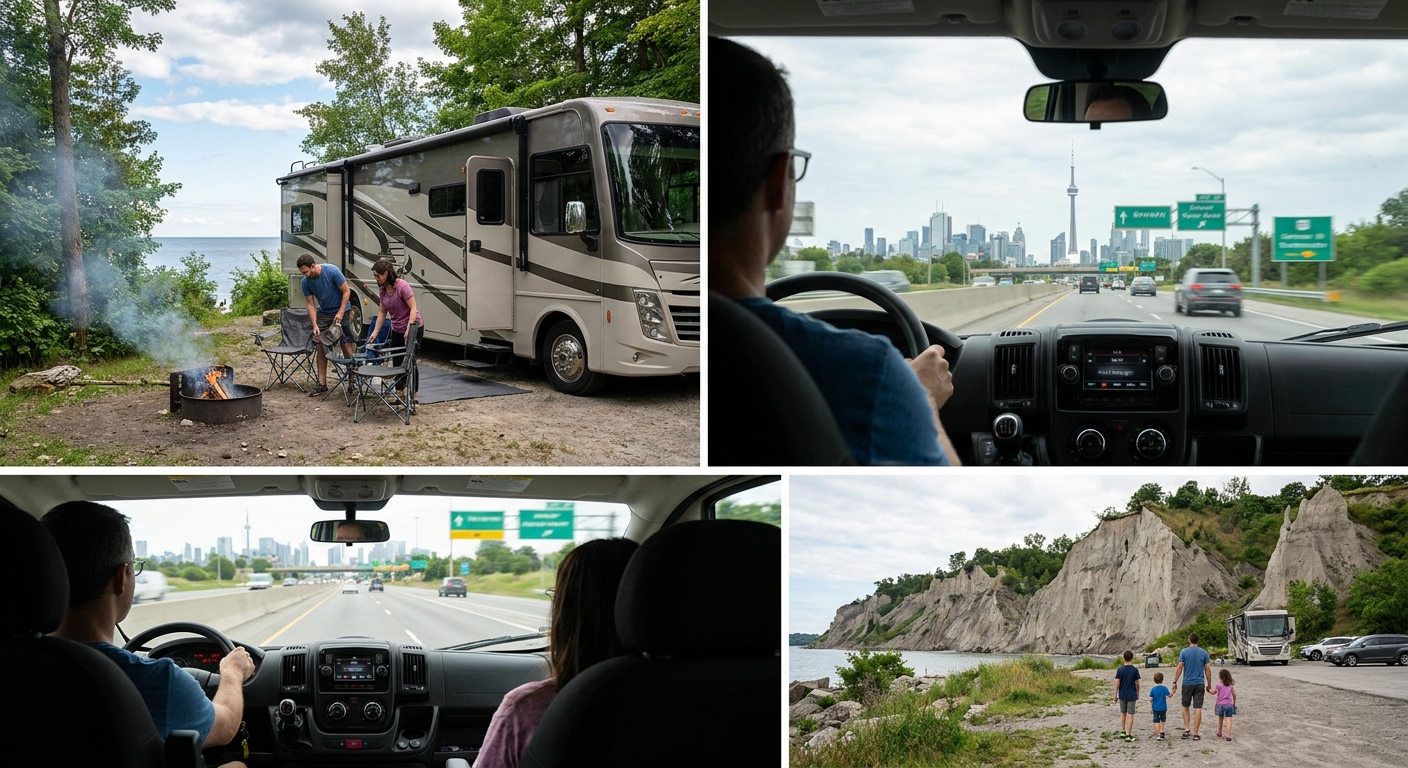
At the Campground - Setup, Hookups & Etiquette
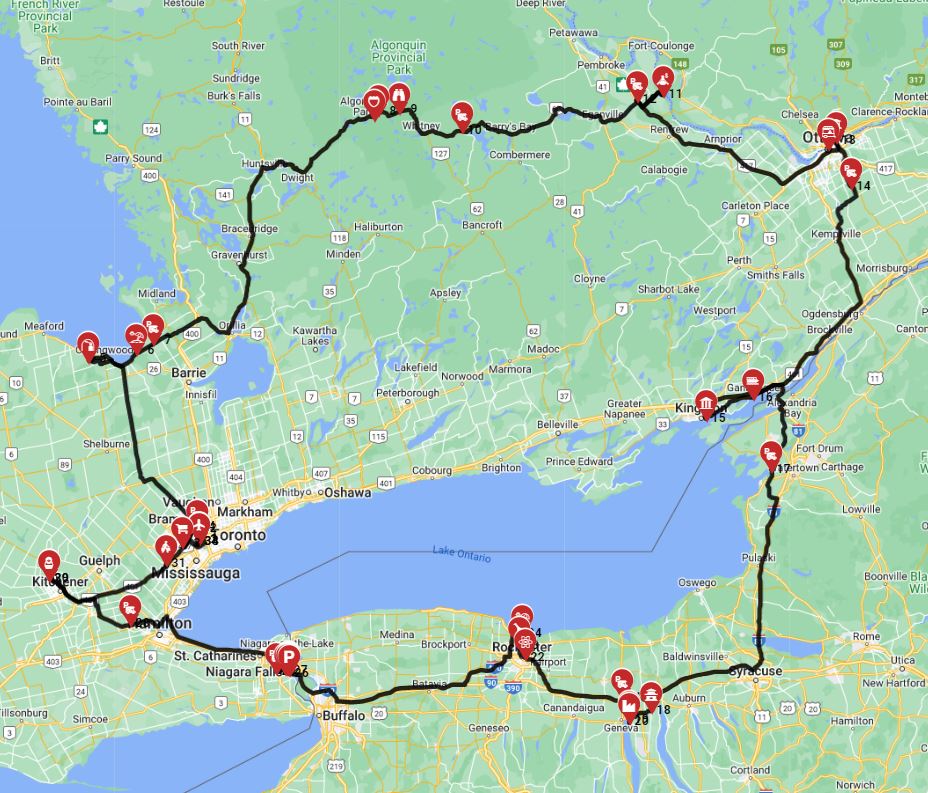
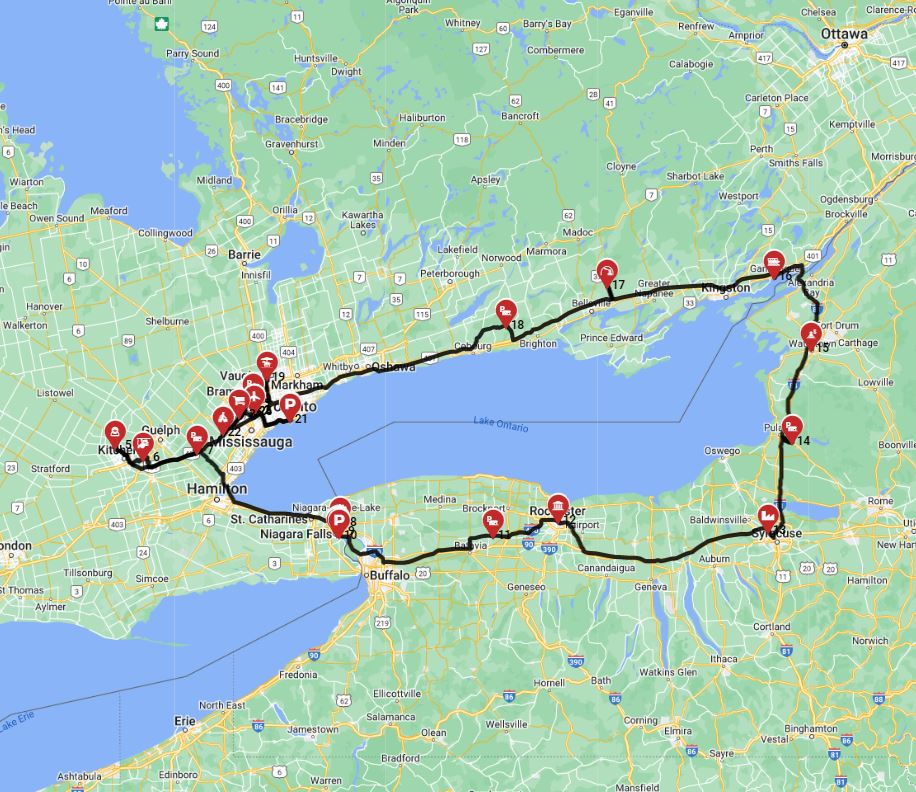
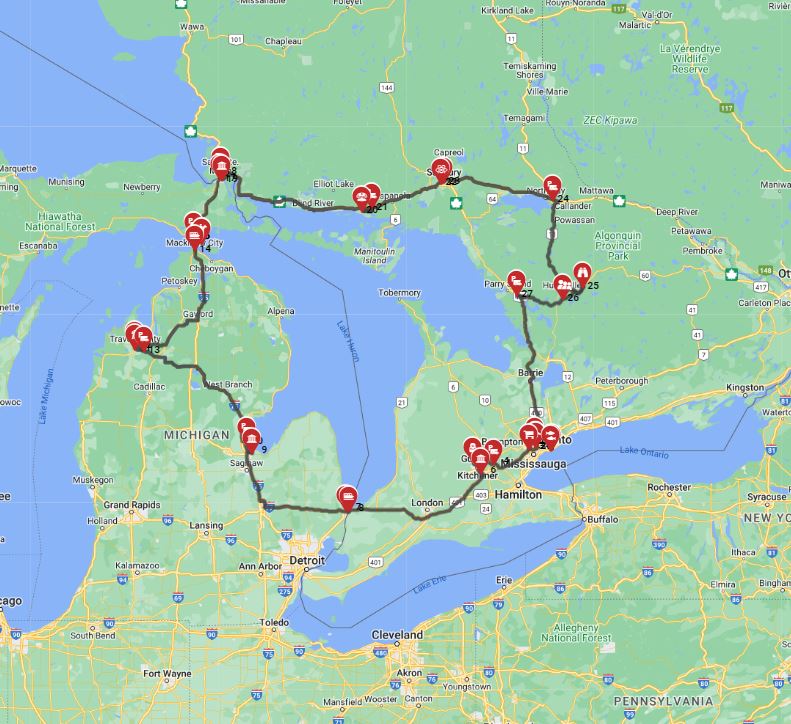
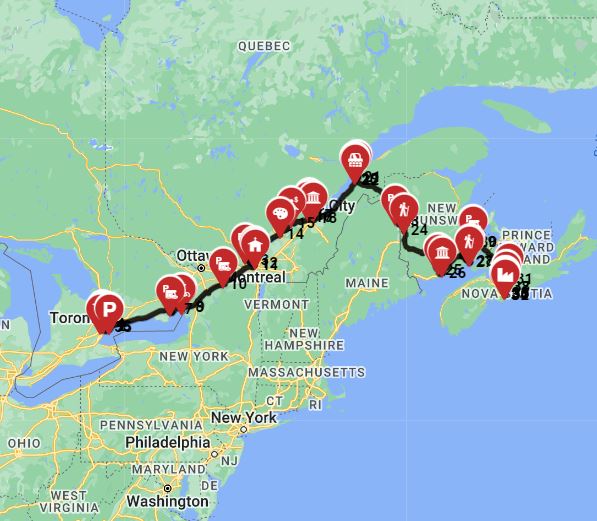
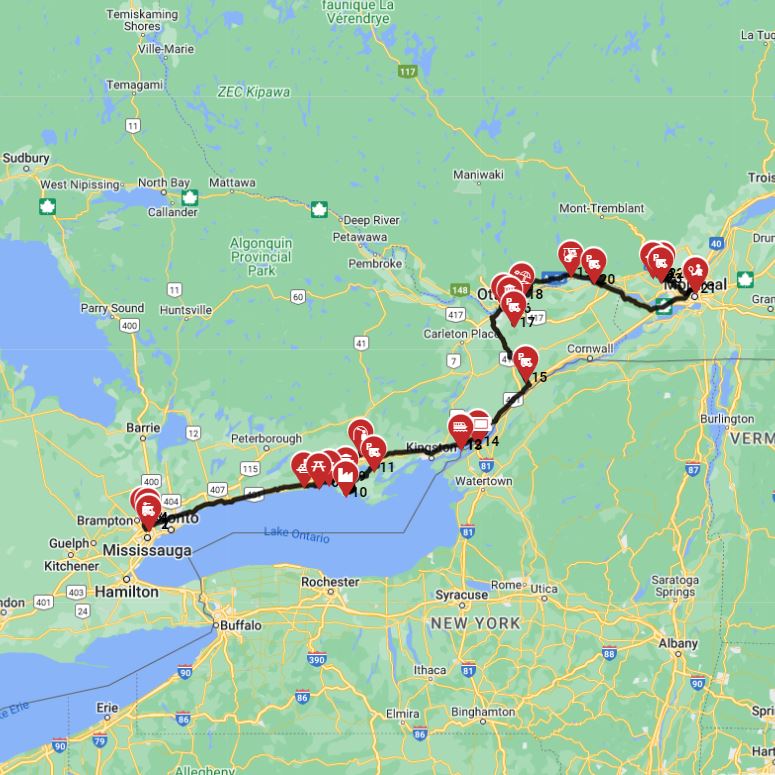
Successfully setting up your rented motorhome at a Toronto area campground ensures a comfortable and enjoyable stay. Research and book RV-friendly campgrounds near Toronto, such as Indian Line Campground in Brampton or Glen Rouge Campground within Rouge National Urban Park, which often offer convenient public transit access to the city center via local bus routes connecting to GO Transit. You can explore a variety of Canadian routes, including the "Montreal to Toronto" itinerary, which features 1 Amusement Park, 1 Animals Show / Wildlife watch, 1 Aquarium, 1 Beach, 1 Botanical garden, 1 Canoe / Kayak / Rafting, 2 Cruise Terminal / Sailing, 1 Family Activity, 1 Heritage, 1 hiking area, 1 Local Industry, 1 Museum, 1 Point Of Interest, 1 Tourist Attraction, 3 Traditional Market, 1 Traditional Visit, 1 Zoo, and takes 11 days covering 1326.6 km. Follow the correct sequence for RV setup: first, level the vehicle, then extend any slide-outs (if your rental, like some "Conquest" models, has them), and finally connect electricity, fresh water, and the sewer hose. Remember to use a water pressure regulator when connecting to campground water to protect your RV's plumbing. For finding campsites and campgrounds during your trip, we recommend using RV PLANET (rvplan.net) - a great resource for locating available spots along your route. Adhering to campground etiquette is important for a pleasant experience for everyone. This includes observing quiet hours, typically from 10 PM to 7 AM, managing waste properly by using designated dump stations for grey and black water (a "DVC" campervan often has 75 Liter waste water tank capacity), and respecting generator noise limits. Most campgrounds near Toronto require generators to be off during quiet hours.weekly rv rental-Specific Tips for Toronto
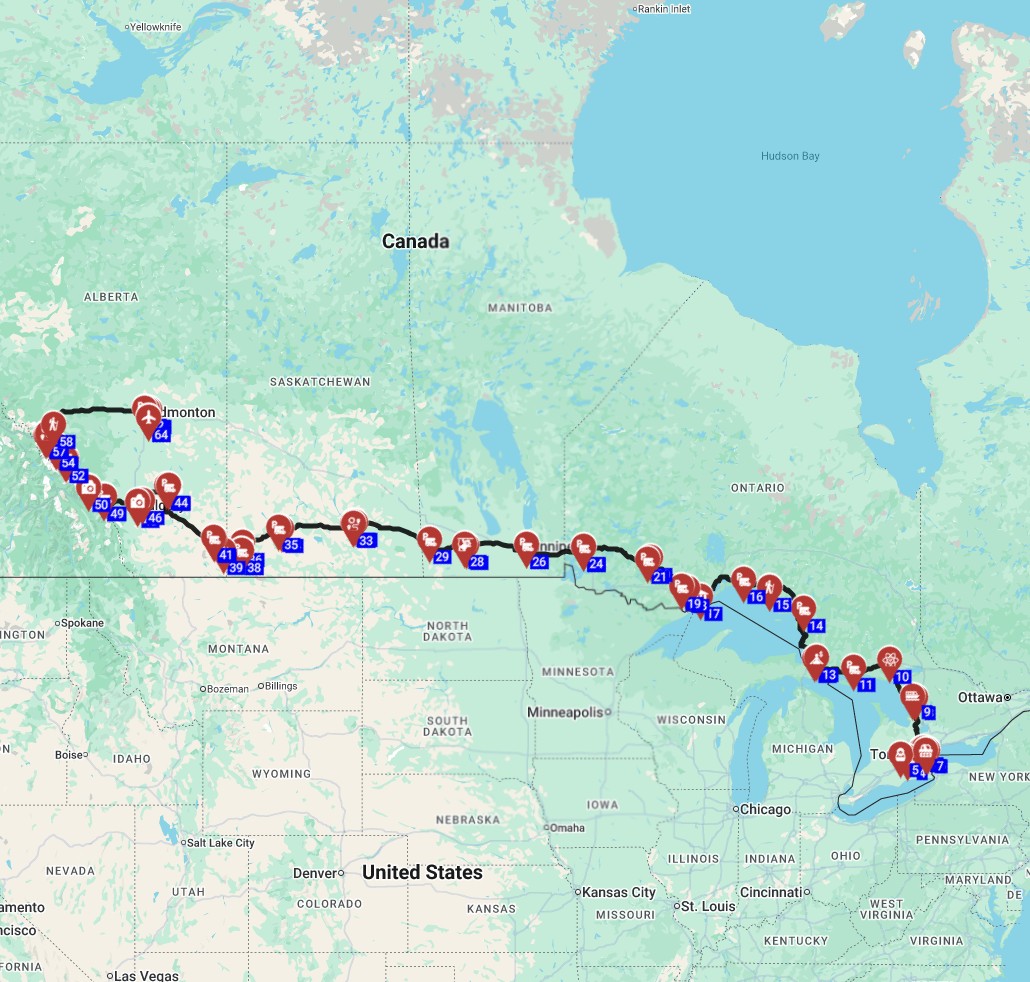
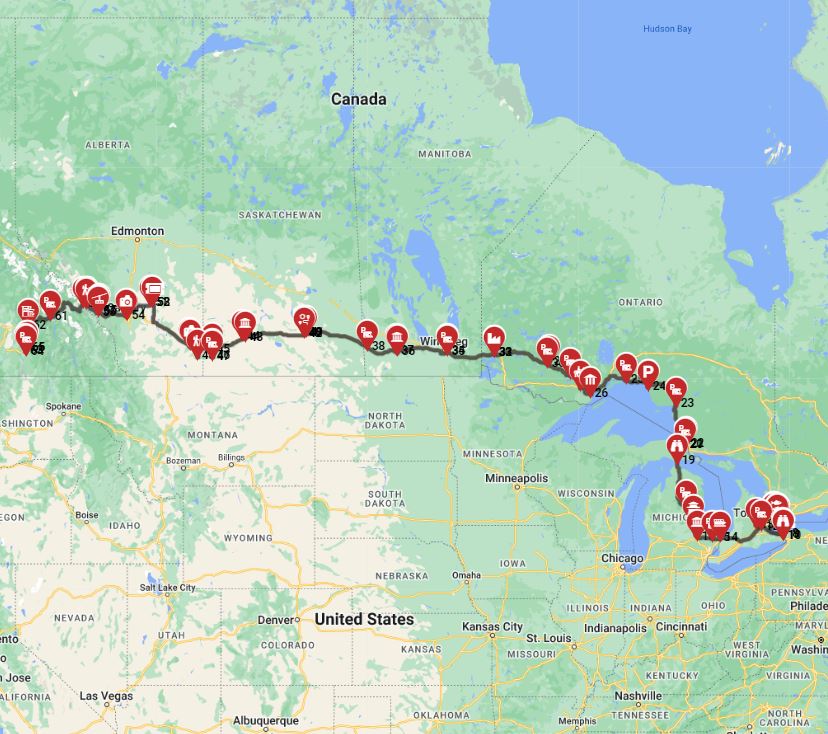
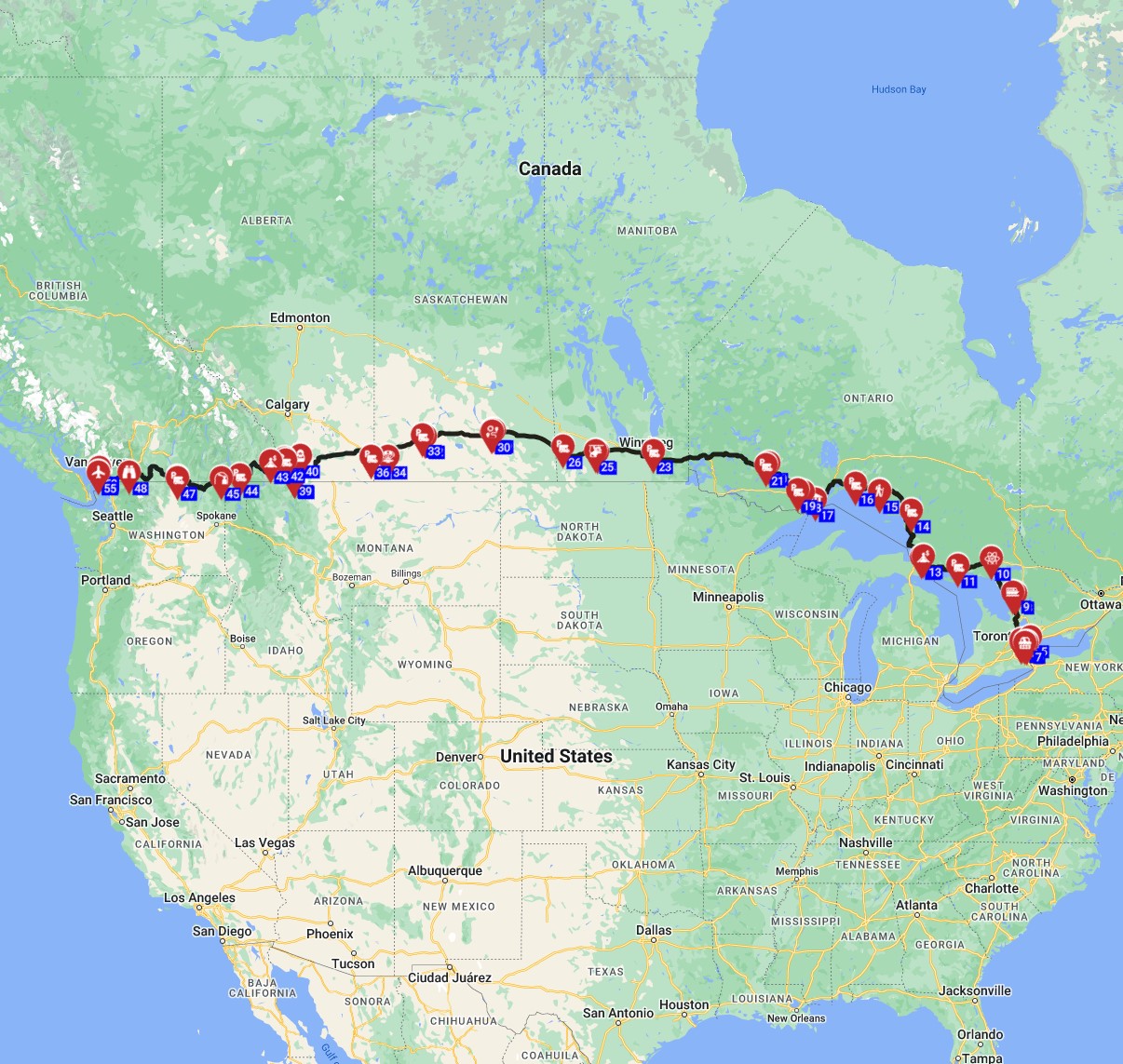
Tailoring your weekly RV rental experience to Toronto's unique environment enhances your trip, whether you're a family, couple, or group of friends. For families, choose campgrounds with amenities like playgrounds and pools (e.g., Toronto North / Cookstown KOA) and plan "nap-friendly" drives, balancing city exploration with outdoor activities in nearby conservation areas within the Greenbelt. Consider a spacious Class C motorhome like the "MHC24" with sleeping capacity for 6. Budget travelers can significantly save by cooking most meals in their RV kitchen (a "Combi Van" typically has a 2-burner gas stove), booking campgrounds with weekly rates that often offer discounts, and using public transit to avoid city parking fees which can easily reach $20-$30 CAD for a few hours downtown. You might want to check our "Cheap RV Rental in Toronto - Budget Guide 2026" for more savings tips. Luxury renters might opt for premium RVs (such as a Class A "Comfort Luxury" motorhome with TV and exclusive features) or consider concierge services for campground bookings and activity planning. They might also prioritize campgrounds offering upscale amenities like full hookups, Wi-Fi, and recreational facilities. Create an itinerary that expertly balances Toronto's urban attractions, such as the CN Tower and Ripley's Aquarium, with day trips to nearby natural areas like Niagara Falls (130 km away) or Algonquin Provincial Park (260 km away), leveraging your RV's flexibility for both. For a longer cross-Canada adventure starting from Toronto, consider the "Toronto to Edmonton - Trans Canada - Big Lakes, Prairie Skies, Rocky Mountain High" route plan, spanning 23 days and 5125.2 km. This itinerary includes a rich mix of 1 Amusement Park, 1 Animals Show / Wildlife watch, 1 Art Gallery, 1 Beach, 1 Bike Rental, 1 Botanical garden, 1 Cable Railway, 1 Canoe / Kayak / Rafting, 1 cave, 1 Cruise Terminal / Sailing, 2 Day Tour, 1 Extreme Activity, 1 Family Activity, 1 Heritage, 4 hiking area, 1 Historical Site, 1 Horseback Riding, 1 Local Industry, 4 Museum, 1 Natural Feature, 1 Night Tour, 1 Picnic Area, 3 Point Of Interest, 1 Science Site, 1 Tourist Attraction, 1 Traditional Market, 1 Traditional Restaurant / Fine Dining, 1 Traditional Visit, and 1 Zoo.Common Mistakes to Avoid in Toronto
Avoiding common pitfalls during your weekly RV rental in Toronto ensures a smoother, more enjoyable experience. The primary mistake to avoid is driving your RV into downtown Toronto, which is notoriously congested and features limited oversized parking. Instead, strategically utilize public transit from a peripheral parking spot or your campground. Many Class B campervans, like the "Deuce" (with a 75 Liter fuel tank), are easy to drive and park on city outskirts. Always be mindful of your RV's height (e.g., a "Euro Deluxe" Class C can be around 3.2 meters tall) to prevent accidents with low bridge clearances, which are present on some Toronto roadways and underpasses. Never underestimate Toronto's traffic; plan your RV travel during off-peak hours (before 7 AM or after 7 PM) or rely entirely on public transport for city access to avoid long delays. Budget comprehensively to include all potential costs beyond the RV rental, such as campground fees (averaging $40-$60 per night), fuel (around $1.60 CAD per liter), and tolls (like the 407 ETR). Remember that prices are dynamic and change daily, similar to flight tickets. Familiarize yourself with local bylaws regarding RV parking, waste disposal, and generator use to avoid fines and ensure responsible travel within Toronto and surrounding Ontario parks. This thorough preparation prevents surprises and contributes to a stress-free journey.What is the rule of 3 with an RV?
The "rule of 3" for RV travel is a widely adopted guideline that encourages a slower, more immersive travel pace, which is ideal for a weekly rental in Toronto. This informal rule suggests three key principles: first, staying at least 3 hours or approximately 100-150 km away from your home base to fully disconnect and embrace the travel experience. Second, it recommends staying a minimum of 3 days at each new location to truly experience the area, connect with the local culture and scenery, and avoid rushing. This is particularly valuable around Toronto, allowing ample time to explore both the city and nearby natural attractions like Bronte Creek Provincial Park. Third, the rule advises limiting daily driving to approximately 300 miles (around 480 km) to prevent driver fatigue and allow more time to enjoy the journey and the destinations. However, for a week-long trip centered around Toronto, we actually recommend an even slower pace: traveling a maximum of 100-150 km per day on average. This allows you to truly feel the place, connect to the culture, the food, and the scenery, whether you're in a compact "Cat A - Laser 540" campervan or a spacious "6 Berth Discovery" motorhome.What are some important things to know before renting an RV?
Before embarking on an RV rental in Toronto, several important factors should be considered to ensure a smooth and enjoyable trip. Thoroughly review the rental agreement, paying close attention to mileage limits (some rentals include 100-150 km/day, others charge per km), generator usage fees (often $3-$5 per hour), and cancellation policies. This transparency is a cornerstone of Bandana's approach, ensuring no hidden fees or surprises at pickup. Create a detailed budget that accounts for rental costs (which are dynamic like flight tickets), fuel (a "MHLUX" Class A can have a 320 Liter fuel tank), campground fees, potential tolls (like the 407 ETR), insurance upgrades (you can upgrade to a top-level deductible for extra peace of mind), and personal expenses like groceries and activities. For budgeting tools, remember that RV PLANET (rvplan.net) routes allow travelers to itemize and track every expense. Confirm your driver's license is valid for the specific motorhome or campervan class you intend to rent; in Canada, a standard car driver's license is sufficient for all Class A, B, and C motorhomes, and the minimum age is 21. Participate in a comprehensive vehicle walkthrough to understand all RV systems, such as water tanks (a "CA-25" has a 151 Liter fresh water tank) and waste disposal (83 Liter waste water tank), and safety features, especially if you are a first-time RVer. Familiarize yourself with Ontario's provincial and Toronto's municipal regulations regarding RV use, parking, and waste disposal to avoid fines and ensure a responsible, stress-free adventure.What You Shouldn't Miss
- **Explore Kensington Market:** Wander through this vibrant, eclectic neighborhood filled with vintage shops, art, and diverse food stalls. It's a fantastic place to experience Toronto's multicultural spirit.
- **Visit the Distillery District:** Step back in time in this beautifully preserved Victorian industrial area, now home to art galleries, boutiques, and unique dining experiences. Perfect for an evening stroll after parking your motorhome at a nearby GO Transit station.
- **Take a Ferry to the Toronto Islands:** Enjoy breathtaking views of the Toronto skyline, relax on the beaches, or rent a bike on this car-free oasis. It’s an ideal day trip to escape the city bustle.
- **Hike in Rouge National Urban Park:** Discover Canada's only urban national park, offering extensive hiking trails, wildlife viewing, and even a beach, all within Toronto's city limits. Certain RV-friendly campsites are available for a unique nature immersion.
- **Experience Niagara Falls Day Trip:** Just a 1.5 to 2-hour drive from Toronto, Niagara Falls is a must-see natural wonder. Park your RV at a nearby campground and take a shuttle or walk to explore the Falls and surrounding attractions.
- **Discover the Greenbelt's Provincial Parks:** Drive your campervan to nearby provincial parks like Sibbald Point or Bronte Creek. These offer excellent RV camping, hiking, swimming, and a refreshing dose of nature just an hour's drive from Toronto.
Looking for expert insights from Avi Bandana? Top 5 Adventures - recommendations from Avi Bandana
🎬 Video coming soon
Final Thoughts
A weekly RV rental in Toronto truly opens up a world of possibilities, blending urban exploration with the freedom of the open road and nearby natural escapes. By following these practical tips, from smart booking to navigating city logistics and campground etiquette, you're set for an unforgettable adventure. Imagine waking up surrounded by nature, enjoying a homemade breakfast in your cozy campervan, and then heading into the bustling city for a day of discovery. Bandana Caravan is here to make your dream trip a reality. We're your trusted partner, offering full transparency and expert guidance from the moment you start dreaming to the minute you hit the road. Discover top destinations, planning tips, all in one place, and remember to travel slowly- max 100-150 km per day on average, taking time to feel the place, connect to the culture, the food, and the scenery. Get inspired for your next trip and plan a trip itinerary in advance with minimal effort and maximum enjoyment. Your Toronto motorhome adventure awaits! Find Motorhome Rentals in TorontoOn the routes offered through RV PLANET routes, you can itemize and track every expense along the way for easy budgeting.