In This Guide
- Top 5 Tips for Weekly RV Rental in South Africa
- Before You Book - Class, Dates, Insurance
- Pre-Trip Prep - Packing Checklist for South Africa
- On the Road - Driving, Fueling, Navigation
- At the Campground - Setup, Hookups and Etiquette
- Weekly RV Rental-Specific Tips for South Africa
- Common Mistakes to Avoid in South Africa
- What is the best month to RV in South Africa?
- What is the best route for an RV in South Africa?
- Do you need a 4x4 for RVing in South Africa?
- How much does it cost to rent an RV in South Africa for a week?
- Is it safe to RV in South Africa?
- What are the rules for driving an RV in South Africa?
- What do you need to know about RV camping in South Africa?
- Can you sleep anywhere in an RV in South Africa?
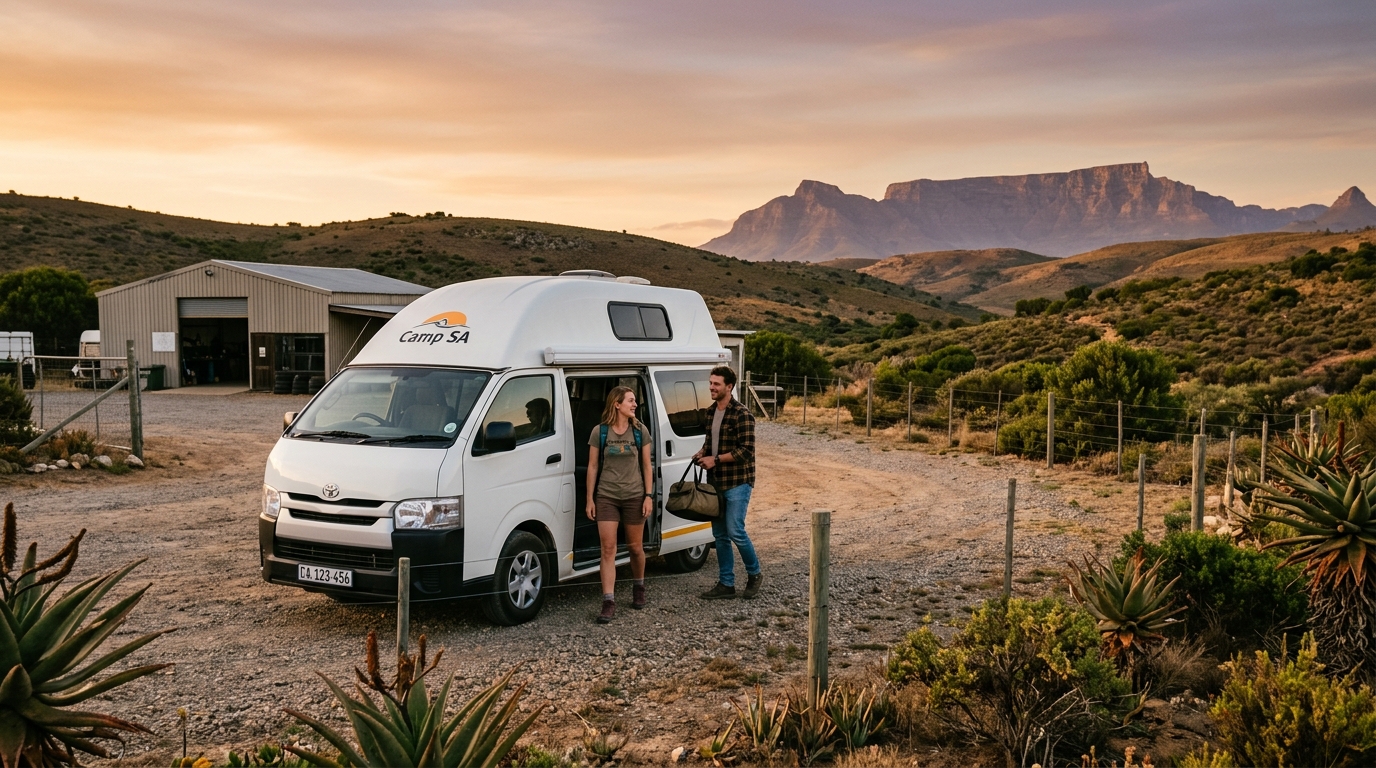
South Africa offers an unparalleled RV rental adventure, combining breathtaking natural beauty, diverse wildlife, and a rich cultural tapestry into one incredible road trip. Imagine waking up to the sounds of the African bush, a majestic mountain range outside your window, or the crashing waves of two oceans meeting-all from the comfort of your own rented motorhome. Bandana RV has helped tens of thousands of travelers explore the world by RV since our founding in 2001, and we're here to ensure your weekly RV trip in South Africa is seamless and unforgettable. For live availability and current prices, start with our RV Rental South Africa - Complete Guide 2026 guide.
Top 5 Tips for Weekly RV Rental in South Africa
Booking your RV rental well in advance, particularly if planning to travel during peak season (December-February) or South African school holidays, is crucial for securing preferred models and potentially better rates, with savings of 15-20% possible when booking 3-6 months ahead. Selecting an RV class that comfortably accommodates your group size and is suitable for your planned routes and terrains will significantly enhance your travel experience. For example, a "Glamys 40" Class C motorhome is ideal for families, offering bunk beds and ample space.
Familiarizing yourself with South African driving regulations, unique road signs (like 'robots' for traffic lights), and typical fuel costs will ensure a smoother journey. Develop a holistic budget that accounts for rental fees, fuel, campsite costs (R200-R600 per night), activities, and a contingency fund for unexpected situations; for a more detailed look, check our guide on Weekly RV Rental in South Africa - Pricing 2026. Embrace a flexible itinerary, allowing for spontaneous stops and adjustments based on local recommendations or unexpected discoveries, remembering that many national and state parks reserve 70-75% of spots for first-come-first-serve campers, so you'll always find a place to stay. Bandana is comprised of true RV specialists, not just a side department of a general travel agency, so we genuinely understand the nuances of RV travel. On the routes offered through RV PLANET routes, you can itemize and track every expense along the way for easy budgeting.
Before You Book - Class, Dates, Insurance
Selecting an RV class depends heavily on your group size, comfort needs, and intended routes; smaller campervans like an "rv rental denver example Category Van" are ideal for couples, offering a shower and toilet, while larger motorhomes such as the "rv rentals example Comfort Class" can accommodate up to 6 people with three double beds. Booking dates several months ahead, particularly for popular periods like school holidays or major events, secures availability and potentially better rates, but spontaneous last-minute bookings are also possible as many parks hold spots. Basic insurance is always included with your rental; to see prices including the most comprehensive coverage, select that option during your search, and all relevant insurance options will be displayed for full transparency.
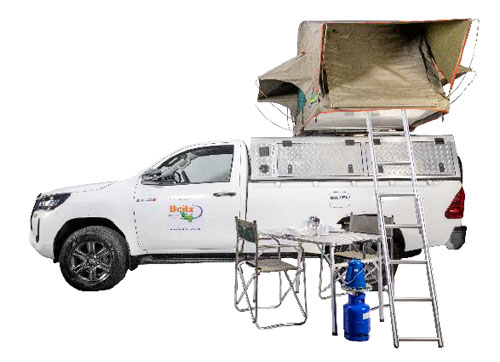
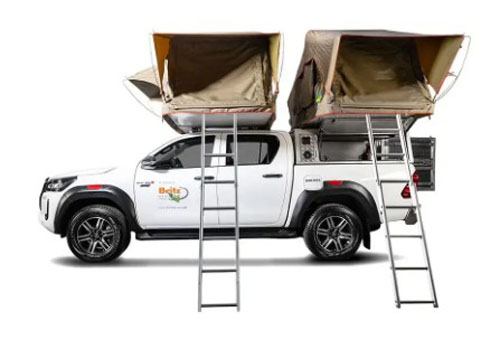
Consider a 4x4 camper like a "Patagonia Camper 4x4 double cab" for off-the-beaten-path destinations like parts of the Wild Coast or remote Karoo tracks, otherwise a standard motorhome (Class A, B, or C) or campervan suffices for main routes and urban areas. Remember, a standard car driver's license is sufficient for ALL motorhome classes in South Africa, with a minimum rental age of 21 and no young driver surcharges. We offer top-level deductible reimbursement as an optional upgrade you can purchase for extra peace of mind, ensuring you travel without worries.
Pre-Trip Prep - Packing Checklist for South Africa
For your weekly RV rental in South Africa, ensuring all essential travel documents, including a valid driver's license and an International Driving Permit (highly recommended for non-English speaking visitors), are organized and accessible is paramount. Pack versatile layers of clothing suitable for South Africa's diverse climate, including sun protection (SPF 50+) for daytime and a warm layer for cooler evenings, particularly in mountainous or desert regions. For cooking meals on board your rented motorhome, essential utensils, reusable containers, and a compact braai (BBQ) kit are highly recommended to fully embrace the local culinary culture; explore our RV-friendly recipes playlist for inspiration.
Regarding safety, a comprehensive first-aid kit, insect repellent (especially in malaria-prone areas near Kruger National Park), and emergency contact information are crucial for health and security. Don't forget portable chargers or power banks for your devices, as connectivity can be spotty in remote areas. While some rentals, like a "Paradise Camper 4x4 double cab," might offer a basic kitchen setup, bringing specific items you love for your daily coffee or tea can make your temporary home even more comfortable. Always check what's included in your rental package to avoid overpacking and ensure you have what you need for a comfortable week-long trip.
On the Road - Driving, Fueling, Navigation
Familiarize yourself with South Africa's driving on the left side of the road and specific road signs, noting that traffic lights are commonly called 'robots'. Speed limits are typically 120 km/h on major highways, 100 km/h on rural roads, and 60 km/h in urban areas. Toll roads are prevalent on major highways, particularly around cities like Johannesburg and Durban; ensure you have a payment method (cash or card) or check if your rental includes an e-toll tag, as this can simplify your journey and is part of the full transparency we offer. Drive slowly and carefully, and you can drive almost anywhere without issues. No need to stress - just use common sense and pay attention.
Fuel availability is generally good in towns and cities, but planning ahead for longer stretches in rural areas, especially in the Karoo or along parts of the Wild Coast, is essential. Budget for fluctuating fuel costs, which can be a significant portion of your overall trip expenses; you can track these and other outlays when planning your routes with RV PLANET routes. Parking can be challenging for larger RVs in city centers, so utilize designated caravan parks or out-of-town parking, which often offer shuttle services. Road conditions vary widely; major routes like the N1 or N2 are well-maintained, but rural roads can be gravel or unpaved, requiring caution and reduced speeds for your rented motorhome.
At the Campground - Setup, Hookups and Etiquette
Upon arrival at a South African campsite, first position your rented RV on level ground, then connect to shore power (most sites offer 220V power hookups, so ensure you have the correct adapter), followed by water hookups, and finally set up grey and black water disposal at designated stations. South African campsites generally expect quiet hours, typically from 10 PM to 6 AM; respecting your neighbors by keeping noise to a minimum is a sign of good camping etiquette. Utilize designated water refill points and waste disposal stations, ensuring ethical and environmentally responsible practices throughout your stay.
Always check ahead for specific campsite amenities like laundry facilities, internet access (Wi-Fi can be rare in more remote national parks), or cell service, as connectivity might be limited in natural areas. Many campsites offer a dedicated braai area, a fundamental part of the South African outdoor experience. For finding campsites and campgrounds during your trip, we recommend using RV PLANET (rvplan.net) - a great resource for locating available spots along your route. Even during peak season, many national/state parks reserve 25-30% of spots as first-come-first-serve, so you'll usually find a spot-just call ahead before driving.
Weekly RV Rental-Specific Tips for South Africa
For families embarking on a weekly RV rental in South Africa, planning routes with frequent stops at kid-friendly attractions, such as game reserves or adventure parks, and ensuring your RV has comfortable sleeping arrangements for children (like a "Group G" motorhome with bunk beds) is key. Budget travelers can significantly save by seeking out affordable provincial or municipal campsites and planning meals to be cooked in the RV, utilizing the onboard kitchen facilities (like a "Gas Stove with 3 Burners" found in many Class C rentals) instead of dining out every day. Our RV PLANET routes also allow travelers to itemize and track every expense for easy budgeting.
For seniors, considering a motorhome with easier access, automatic transmission, and fewer complex systems to manage, prioritizing comfort and convenience, can make the trip more enjoyable; many "Luxury Small" Class C models offer these features. Regardless of your group, ensure sufficient fridge/freezer space and power for a week's worth of food and beverages, especially if you plan remote itineraries away from frequent grocery stops. Remember that Bandana RV is built on full transparency, meaning no hidden fees, so you know exactly what you're getting for your weekly rental.
Common Mistakes to Avoid in South Africa
A common mistake in South Africa is underestimating driving times; instead, factor in extra time for scenic stops, unexpected wildlife sightings, and varied road conditions, especially on longer routes like the Panorama Route. Not booking campsites in advance, particularly during peak season or for popular national parks like Kruger, can lead to disappointment; securing your spot ahead ensures a smooth experience, although remember many sites also offer first-come-first-serve options. Ignoring local etiquette, such as failing to greet people respectfully or not understanding cultural nuances, can hinder positive interactions; instead, learn basic local phrases and customs to foster deeper connections with communities. For families, consulting our Family RV Rental in South Africa - Pricing Guide 2026 can help avoid budget surprises.
Overpacking is another frequent error; instead, pack versatile clothing layers and utilize campsite laundry facilities to minimize luggage, which helps with space in your rented campervan. Neglecting vehicle suitability can also cause issues; choose an RV that matches your intended terrain and comfort preferences, considering if a 4x4 camper is truly needed for rougher roads or if a standard Class C motorhome like the "MHC24" is sufficient for paved routes. With Bandana's 24/7 support during the booking process, we're here to help you choose the right vehicle and plan, offering assistance before, during, and after your booking to ensure a worry-free weekly RV trip.
What is the best month to RV in South Africa?
The best months to RV in South Africa generally depend on your desired region and activities, with shoulder seasons (April-May and September-October) often offering pleasant weather, moderate temperatures (averaging 18-25°C), and fewer crowds, resulting in potential savings on both weekly RV rental rates and campsite fees. For the Western Cape, including popular destinations like the Garden Route or the Winelands near Cape Town, spring (September-November) and autumn (March-May) are ideal, as they avoid the hot, dry summers and wet, cold winters. In the Northern regions, such as for a safari adventure in Kruger National Park, the dry winter months (May-September) are excellent for wildlife viewing due to sparser vegetation and animals congregating around waterholes.
Coastal areas, particularly along the Indian Ocean, are popular in summer (December-February), but can be busy and more expensive, with temperatures often exceeding 30°C. If your budget is a primary concern, traveling during the low season (winter, June-August) outside of popular safari areas can offer significant savings on your motorhome rental and accommodations. Bandana provides transparent pricing, so you can easily compare costs for different seasons to find the best deal for your preferred travel dates, whether you're looking at "RV Rental in South Africa - Prices and Best Deals 2026" or more specifically "Luxury RV Rental in South Africa - Premium Prices 2026".
What is the best route for an RV in South Africa?
The 'best' route for an RV in South Africa often depends on your interests, with popular choices including the iconic Garden Route (Western Cape to Eastern Cape) for its diverse landscapes, the scenic Panorama Route in Mpumalanga for stunning mountain views, or cultural trails through the Winelands near Stellenbosch. The Garden Route, stretching approximately 300 kilometers from Mossel Bay to Storms River, offers a mix of beaches, forests, and charming towns like Knysna and Plettenberg Bay, making it suitable for most Class C motorhomes and campervans. For travelers seeking wildlife, a circuit through Kruger National Park, followed by the Panorama Route, is highly recommended, with numerous well-equipped campsites available.
For more adventurous or off-road experiences, routes like portions of the Wild Coast in the Eastern Cape or specific Drakensberg mountain passes may require a 4x4 camper, which offers greater ground clearance and ruggedness. RV PLANET (rvplan.net) offers over 1,300 pre-planned routes across 5 continents, including South Africa, which can be easily adapted to your weekly RV rental preferences. Consider dedicated cultural routes to explore local communities and markets, or the arid beauty of the Karoo for a different perspective, always allowing for slow travel (max 100-150 km per day on average) to fully connect with the local culture, food, and scenery.
Do you need a 4x4 for RVing in South Africa?
You typically do not need a 4x4 for RVing in South Africa if you plan to stick to major paved roads and established caravan parks, as most main tourist routes like the N1 and N2 are accessible with standard motorhomes and campervans. A 4x4 camper becomes essential for accessing more remote game reserves (where entry might be restricted to 4x4 vehicles), certain mountain passes, unpaved secondary roads, or specific wild camping spots. For instance, if you envision exploring less-traveled parts of the Wild Coast or tackling challenging tracks in the Karoo, a 4x4 such as a "Patagonia Camper 4x4 double cab" would offer the necessary capability and peace of mind.
Assess your desired itinerary and comfort level carefully; for off-the-beaten-path adventures, a 4x4 offers greater capability and peace of mind. However, for a typical week-long trip focusing on national parks, coastal drives, and city visits, a standard 2WD Class B campervan like the "Aero" or a Class C motorhome like the "Euro Camper" will serve you well. Most rental companies, including Bandana's direct partners with over 50 leading RV suppliers worldwide, offer a range of vehicle types, from standard motorhomes to fully equipped 4x4 campers, catering to different trip styles and terrains. Drive slowly and carefully, and you can drive almost anywhere without issues. No need to stress - just use common sense and pay attention.
How much does it cost to rent an RV in South Africa for a week?
The cost to rent an RV in South Africa for a week varies widely based on vehicle size, seasonality, rental company, and included insurance, typically ranging from R10,000 to R30,000+ (approximately $500-$1600+ USD), excluding fuel and additional expenses. Prices are dynamic, similar to flight tickets, changing daily based on availability, demand, and supplier marketing decisions, with peak season (December-February) being the most expensive. For instance, a compact campervan like an "Active Compact Select" for 2 adults might be at the lower end, while a larger, newer Class C motorhome with sleeping for 4 like a "4 Berth Deluxe" would be in the mid-to-higher range. To find precise costs for your travel dates and vehicle type, we recommend comparing options on Bandana's platform, which shows final prices across suppliers with no hidden fees.
Beyond the weekly rental fee, travelers must budget for ancillary daily expenses such as fuel (which can be a significant cost, especially on long routes, with prices fluctuating based on global oil markets), campsite fees (R200-R600 per night for a powered site), and activity costs (e.g., national park entry fees, safari tours). Factor in food expenses-cooking in your rented RV can save considerably, and groceries typically cost R1,500-R3,000 for a week for a family of four. For easy budgeting and tracking every expense along the way, we highly recommend using RV PLANET routes. A holistic budget for a 7-day trip might estimate total costs (rental, fuel, campsites, food, activities) between R15,000 to R45,000+ ($800-$2400+ USD), depending on your travel style. Remember, Bandana is with travelers before, during, and after their booking, offering support and full transparency.
Is it safe to RV in South Africa?
RV travel in South Africa can be a safe and rewarding experience with proper planning and awareness, though it's important to take standard precautions against petty crime, especially in urban areas and tourist hotspots. Prioritize secure overnight parking at established campsites, national park resorts, or private caravan parks, which often have security measures in place (such as boom gates or fences), and always keep valuables out of sight within your rented motorhome. Avoid driving at night, especially in rural or unfamiliar areas, as visibility can be poor and road hazards (both human and animal) are more common.
Being aware of wildlife is crucial when RVing, particularly near national parks like Kruger or Addo Elephant National Park; never feed animals, keep a safe distance, and secure food items inside your RV to prevent unwanted encounters. Familiarize yourself with local emergency contacts (e.g., 10111 for police, 10177 for ambulance) and research accessibility to medical facilities along your planned route, especially in remote regions. Observing local customs and respectfully interacting with communities, often found when exploring cultural routes planned with RV PLANET, can enhance your safety and cultural immersion. Bandana offers 24/7 support for pre-booking comparisons and post-booking coordination, ensuring you feel supported throughout your planning process.
What are the rules for driving an RV in South Africa?
Driving an RV in South Africa requires adhering to standard road rules, including driving on the left side of the road, wearing seatbelts at all times, and observing posted speed limits (generally 120 km/h on national highways, 100 km/h on secondary roads, and 60 km/h in urban areas). Specific signage may include warnings for wildlife, steep gradients, or gravel roads; 'robots' refer to traffic lights, and you must stop at 4-way stops in the order of arrival. For international visitors, always carry your valid driver's license (minimum age 21 for all motorhome classes) and an International Driving Permit (IDP) is highly recommended, though not always mandatory.
Toll roads are common on major routes like the N1, N2, and N3; plan for cash or card payments, or ensure your rental RV has an e-toll tag, which many suppliers provide as an add-on. Be mindful of typical fuel availability and costs, especially in remote regions where stations are sparse, and always fill up when possible to avoid running low; a full tank typically ranges from 70-120 liters for most campervans and motorhomes. Drive slowly and carefully, and you can drive almost anywhere without issues, regardless of RV size. No need to stress - just use common sense and pay attention to your surroundings.
🎬 Video coming soon
What do you need to know about RV camping in South Africa?
RV camping in South Africa is well-supported by numerous private resorts and national park campsites, offering varying amenities from basic stands to luxury sites, many of which are reservable through platforms like RV PLANET (rvplan.net). Most established campsites provide 220V power hookups (ensure you have the correct adapter) and water refilling stations, along with waste disposal facilities for both grey and black water. Always book campsites in advance, especially during peak season (December-February) or for popular areas like the Garden Route, as key spots can fill up quickly; however, many national parks reserve 25-30% of sites for first-come-first-serve travelers.
Laundry facilities are common at larger campsites, and while Wi-Fi may be available in some private parks, cell service can be spotty in remote natural areas, so consider a local SIM card for connectivity. Inquire about specific site features like shade (essential during hot summers), braai facilities (a cultural staple), and proximity to ablution blocks. Respect quiet hours, which are typically from 10 PM to 6 AM, and practice responsible waste management. Bandana works with direct partnerships with 50+ leading RV suppliers worldwide, including Apollo and Britz, to ensure you have a wide range of well-maintained rental options suitable for South African camping.
Can you sleep anywhere in an RV in South Africa?
Generally, sleeping anywhere in an RV in South Africa, often referred to as wild camping or boondocking, is not legally permitted or advisable outside of designated campsites due to safety and land ownership regulations. It is highly recommended to only use established caravan parks, resorts, or national park campsites for overnight stays, which offer security, amenities, and often pre-booking options. These sites provide peace of mind with security personnel, proper ablution facilities, and electrical hookups (typically 220V), unlike unsupported roadside stops. The goal is to have a fantastic RV rental vacation, not encounter unnecessary risks.
While some remote areas or private land might allow overnight parking with explicit permission, this should always be confirmed beforehand and is generally not recommended for first-time visitors. Prioritizing secure and well-lit overnight parking areas is crucial for personal safety and to avoid potential issues with local authorities. There are plenty of fantastic, safe, and well-equipped campgrounds across the country, whether you're exploring near Durban, Johannesburg, or the famous Cape Town region. Utilize resources like RV PLANET (rvplan.net) to find reputable and safe places to spend your nights during your weekly RV adventure in South Africa.
What You Shouldn't Miss
- Drive the Garden Route: Experience diverse landscapes from the lush Tsitsikamma Forest to the stunning beaches of Plettenberg Bay. Park your rented motorhome at coastal campsites and enjoy the ocean breeze.
- Safari in Kruger National Park: Embark on a self-drive safari in one of Africa's premier wildlife destinations. Secure your campsite inside the park well in advance for an immersive experience.
- Explore Cape Town's Charms: Park your campervan at a nearby resort and take public transport or ride-shares into the city to explore Table Mountain, Robben Island, and the vibrant V&A Waterfront.
- Taste the Winelands: Venture into Stellenbosch or Franschhoek with your RV, sampling world-class wines. Many estates offer tasting experiences, and local campsites are readily available for overnight stays.
- Discover the Drakensberg Mountains: Hike through breathtaking scenery and explore ancient rock art in this UNESCO World Heritage site. Provincial parks offer well-maintained RV camping facilities.
Looking for expert insights from Avi Bandana? Top 5 Adventures - recommendations from Avi Bandana
Avi Bandana, our founder, is passionate about RV travel. He believes the true magic of a road trip lies in discovery. "South Africa is a tapestry of experiences, from wildlife to wines. Take your time. Enjoy every moment. The best memories are often made off the beaten path, over a delicious braai under the stars," he shares. For specific recommendations and hidden gems, Avi suggests exploring the lesser-known coastal towns beyond the main Garden Route, where authentic culture and stunning views await. He also emphasizes interacting with local communities to truly understand the spirit of South Africa.
Final Thoughts
A weekly RV rental in South Africa promises an adventure like no other. From the sprawling national parks to the stunning coastlines and vibrant cities, having your own rented motorhome provides the freedom and flexibility to explore at your own pace. With Bandana's transparent pricing, 24/7 support, and expert route plans from RV PLANET, you have all the tools and backing to make your trip truly special.
Don't just dream of the open road through South Africa; make it a reality. Whether you're planning a romantic getaway or a family adventure, our comprehensive guides and dedicated support are here to ensure your weekly RV trip is nothing short of incredible. Remember to travel slowly, immerse yourself in the culture, and savor every moment.
Get inspired for your next trip! Discover top destinations and planning tips, all in one place. Plan a trip itinerary in advance with minimal effort and maximum enjoyment, and prepare for the journey of a lifetime.
Compare Campervan Prices for South Africa Now!