For live availability and current prices, start with our RV Rental Madrid - Complete Guide 2026 guide.
In This Guide
- Top 5 Tips for RV Rental in Madrid
- Before You Book - Class, Dates, Insurance
- Pre-Trip Prep - Packing Checklist for Madrid
- On the Road - Driving, Fueling, Navigation
- At the Campground - Setup, Hookups & Etiquette
- RV Rental-Specific Tips for Madrid
- Common Mistakes to Avoid in Madrid
- What are the new motorhome rules in Spain?
- Is Spain campervan friendly?
- What do I need to take my motorhome to Spain?
- Can you rent an RV in Spain?
- What is the 3-3-3 rule when RVing?
- What do I need to know before renting an RV?
- What are the drawbacks of renting an RV?
Exploring the vibrant heart of Spain, Madrid, with a rented motorhome offers an unparalleled sense of freedom and flexibility. Imagine waking up to a different scenic view each day, from the historic charm of Toledo to the serene landscapes of Sierra de Guadarrama, all while carrying your home on wheels. For live availability and current prices, start with our RV Rental Madrid - Complete Guide 2024 guide, which provides comprehensive insights for your trip.
Top 5 Tips for RV Rental in Madrid
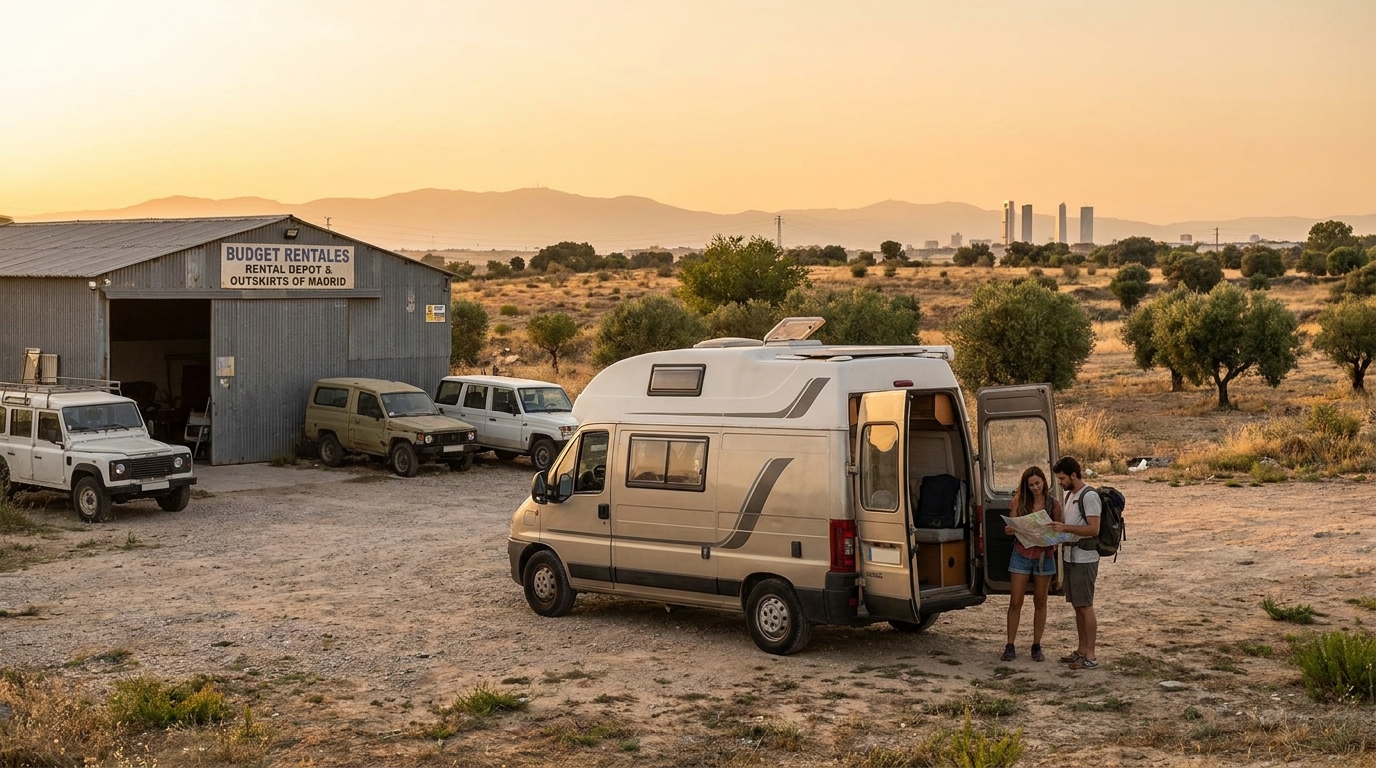
Navigating Madrid with a rented RV is straightforward with proper preparation, as the city has specific regulations for vehicles that visitors should be aware of. First, familiarize yourself with Madrid's Low Emission Zones (ZBE), particularly the Central ZBE, which covers approximately 60 square kilometers of the city center; ensure your RV is registered if necessary or plan to park outside and use public transport to avoid fines up to €200.
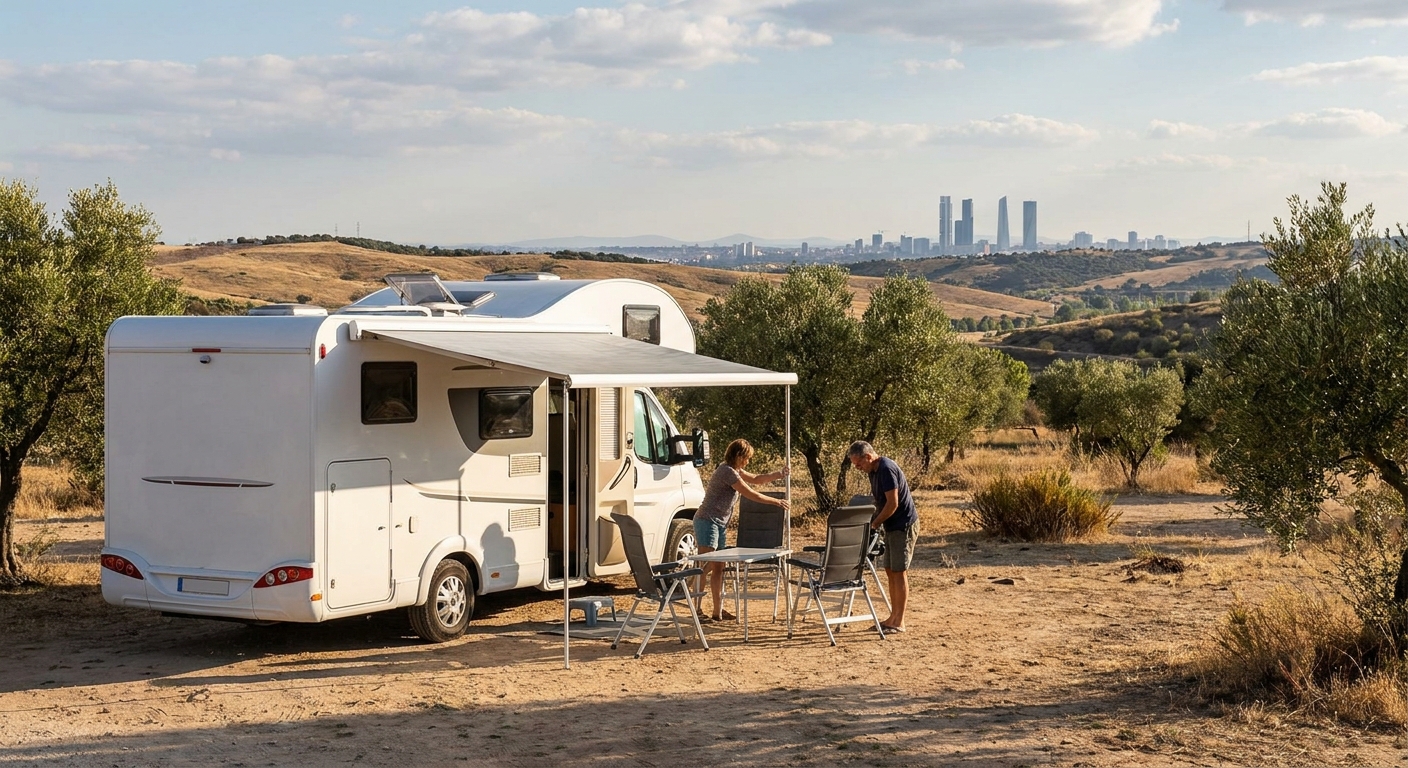
Second, understanding Spain's 'pernocta' (overnight parking) versus 'camping' rules is essential for legal and respectful stops; generally, you can park and sleep in your RV where cars are allowed, but deploying awnings or setting out chairs is considered 'camping' and restricted to official campgrounds. Third, booking campsites, especially those near Madrid like Camping Alpha or Camping Osuna, well in advance during peak season (July-August and Easter week) is crucial to secure your spot, as popular sites can fill up quickly.
Fourth, equip your rented motorhome with the correct European electrical adapters (Type F 'Schuko' plugs are standard) and consider a local Spanish SIM card for reliable navigation and communication, especially if relying on GPS apps. Finally, learning a few basic Spanish phrases, such as "Hola," "Gracias," and "Dónde está el camping más cercano?" (Where is the nearest campsite?), greatly enhances interactions with locals and makes finding assistance easier. Remember, drive slowly and carefully, and you can drive almost anywhere without issues. No need to stress - just use common sense and pay attention.
For more specific tips tailored to shorter trips, check out our Weekly RV Rental in Madrid - Pricing 2024 page, which details rental costs and options for a week-long adventure.
Before You Book - Class, Dates, Insurance
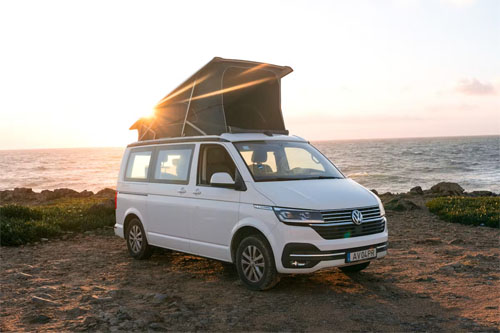
Before confirming your RV rental in Madrid, select a motorhome class that comfortably fits your group size and travel style. For instance, a compact campervan like a "hire campervan example Paradise S/T," ideal for a couple, offers easy maneuverability for city driving and parking near historical sites like the Royal Palace, while a larger Class C motorhome like an "rv rentals example Comfort Class" with "3 double beds" and seating for up to six, provides ample space for a family exploring destinations like Toledo or Segovia.
To ensure availability and potentially better rates, it's wise to lock in your rental dates 3-6 months ahead, especially for peak seasons such as summer holidays, Easter, or major public holidays in Spain. Prices for RV rentals are dynamic, much like flight tickets, and change daily based on availability, seasonality, and supplier marketing decisions; the final price is always set at the actual booking time.
When it comes to protection, evaluate insurance options thoroughly; basic third-party liability coverage is always included with your Bandana RV rental, but you can upgrade to a top-level deductible reimbursement for extra peace of mind against potential damages or incidents. Our full transparency policy means there are no hidden fees or surprises, ensuring you understand all costs upfront, including the security deposit typically required by suppliers.
Pre-Trip Prep - Packing Checklist for Madrid
Proper pre-trip preparation for your Madrid RV rental adventure ensures a smooth journey through Spain. Pack layers of clothing suitable for Madrid's varying weather, as temperatures can fluctuate from warm days to cool evenings, especially when visiting areas like the Sierra de Guadarrama mountains; comfortable walking shoes are also a must for exploring historic centers.
Ensure essential kitchen items are either included with your rental or brought from home, such as a travel coffee maker or specific cooking utensils for preparing meals in your mobile home. Many RVs, like the "cruise america rv rental example Explorer", come equipped with a "Gas Stove" and "Refrigerator", perfect for cooking up some delicious Spanish dishes. You can find inspiration and practical ideas in our RV-friendly recipes playlist.
Legally, you must carry safety equipment in your motorhome, including at least one reflective vest for the driver (two are recommended for all front-seat occupants), two warning triangles, and a first-aid kit, to be compliant with Spanish traffic laws. Lastly, organize all necessary documents: your valid standard car driver's license (an International Driving Permit is recommended for non-EU licenses, but not mandatory in most cases), passport, RV rental agreement, and insurance papers.
On the Road - Driving, Fueling, Navigation
Driving your rented motorhome or campervan around Madrid requires an awareness of local regulations and road conditions. Be aware of Madrid's ZBE (Low Emission Zones) and ensure your RV complies; older models might need a DGT environmental label or require you to park in designated areas outside the core city, like parking lots near Metro stations such as the one at Ciudad Universitaria, then use public transport to reach the city center.
Locate appropriate fuel stations, such as Repsol or Cepsa, that can easily accommodate larger vehicles, especially on major highways like the A-2 or A-4, noting that diesel (Gasóleo) is common and usually cheaper than gasoline. Familiarize yourself with Spanish road signs, particularly those related to speed limits (typically 120 km/h on autopistas, 90 km/h on autovías, and 50 km/h in urban areas), parking restrictions, and specific RV limitations, which are often clearly marked near attractions.
Anticipate tolls on many major Spanish highways (autopistas) and budget accordingly, or plan routes using toll-free alternatives (autovías) for a more scenic and cost-effective journey; RV-specific GPS systems like those from Sygic or TomTom can help navigate tricky city streets and avoid restricted areas. Remember that slow travel is key: aim for max 100-150 km per day on average, taking time to feel the place, connect to the culture, the food, and the scenery. On the routes offered through RV PLANET routes, you can itemize and track every expense along the way for easy budgeting.
For detailed route plans, including points of interest and estimated travel times, explore RV PLANET routes, where you can also itemize and track every expense for easy budgeting.
At the Campground - Setup, Hookups & Etiquette
Upon arriving at your chosen campsite near Madrid, like Camping Madrid Sur in Aranjuez or Camping La Fresneda, take a few moments to park and level your rented RV carefully using leveling blocks if needed; this ensures comfort, proper drainage, and optimal function of appliances like your refrigerator and shower.
Connect hookups in the correct order: electricity first (using your European adapter), then fresh water, and finally wastewater disposal, ensuring tanks are properly managed to prevent overflow and maintain hygiene. Respect quiet hours, typically enforced from late evening (around 10 PM) to early morning (8 AM), and maintain a considerate volume level throughout your stay, especially when using outdoor spaces.
Dispose of all waste responsibly at designated points; Spanish campsites have clear facilities for gray water, black water, and general rubbish. This cultural etiquette is vital for enjoying your week-long trip without issues and fostering positive interactions with other travelers. Many Class B campervans, like an "rv rental denver example Category Van", offer compact yet functional "Shower" and "Toilet" facilities, making proper waste management at campgrounds easy.
RV Rental-Specific Tips for Madrid
Tailoring your Madrid RV rental to your specific group type ensures maximum enjoyment and comfort. For families, seek out RVs with separate sleeping areas or child-friendly amenities, such as bunk beds found in models like a "Class III PT" or "MI B", and plan routes with kid-friendly attractions like Parque Warner Madrid (included in the "
Senior travelers might prefer smaller, easier-to-maneuver RV classes, such as a compact Class B campervan like the "hire campervan example Active Classic" with "Automatic transmission," and prioritize campsites offering accessible facilities. Budget-conscious renters can significantly save money by utilizing 'áreas de autocaravanas' for free or low-cost overnight parking, especially in towns surrounding Madrid, and by self-catering with fresh produce from local markets, which also offers a chance to sample authentic Spanish ingredients.
Luxury renters can explore premium add-ons like pre-stocked kitchens, bike racks for exploring local trails, or even satellite internet for enhanced comfort and convenience during their extended road trip. Consider an RV like the "cruise america rv rental example Explorer" which typically includes a microwave and offers a comfortable "Bed Over Cub - 160/220cm" for a relaxing sleep after a day of exploration. For more on maximizing value, refer to our "RV Rental in Madrid - Prices and Best Deals 2024" guide.
Common Mistakes to Avoid in Madrid
To ensure a hassle-free RV rental experience in Madrid, avoiding common mistakes is key. Do not ignore Madrid's ZBE rules; instead, check if your rental RV (Class A, Class B, or Class C motorhome) is compliant or plan to park outside the zone and use the city's excellent public transport network from nearby Metro stations like those around Madrid airport.
Refrain from improperly disposing of waste; instead, always use designated black and gray water emptying stations available at official campsites or 'áreas de autocaravanas' to maintain environmental standards and avoid fines. Do not assume roadside parking is always allowed for overnight stays; instead, always verify local 'pernocta' rules for the specific area or opt for official campgrounds for peace of mind, especially within the city limits of Madrid.
Crucially, do not overlook the importance of a thorough vehicle inspection at pick-up; instead, meticulously check and document any pre-existing damage with photos or videos before departure to avoid disputes later. This attention to detail is part of Bandana RV's commitment to full transparency, ensuring no surprises. Our team is with you before, during, and after your booking, providing support and clear communication.
What are the new motorhome rules in Spain?
Spain's motorhome rules have clarified 'pernocta' (overnight parking) and 'camping' distinctions, with increasing emphasis on Low Emission Zones (ZBE) in major cities like Madrid. Understanding 'pernocta' means you can park and sleep in your RV anywhere a car can legally park, provided you are not 'camping' by deploying awnings, setting out chairs, or extending pop-out sections. Madrid's ZBE rules, effective across large parts of the city, restrict access for vehicles based on their DGT environmental label, requiring certain RVs to register or use designated parking outside the zone to avoid fines that can be substantial.
Many municipalities around Madrid and its satellite towns now feature dedicated 'áreas de autocaravanas' (motorhome areas) that offer specific services such as water, electricity, and waste disposal points, providing legal and convenient overnight parking spots. Fines for non-compliance with ZBE regulations or illegal 'camping' can be significant, so it's always best to consult local municipal ordinances for specific areas you plan to visit, especially when exploring historical sites like the Plaza Mayor or Parque del Retiro. These rules aim to balance tourism with environmental protection and local urban planning.
Is Spain campervan friendly?
Spain is generally very campervan friendly, offering a vast network of campsites, dedicated 'áreas de autocaravanas,' and a culture that increasingly welcomes motorhome tourism, particularly in rural areas and coastal regions. The country boasts over a thousand campsites and a growing number of 'áreas de autocaravanas' that provide essential services like fresh water, electricity hookups, and waste disposal points for gray and black water tanks, making extended trips very feasible.
Cultural etiquette dictates respectful parking behavior, particularly in residential or natural areas, and always using designated waste disposal points to protect Spain's beautiful environment. Beyond legal requirements, finding local experiences and 'hidden gems' near Madrid often involves using RV-specific apps like Park4Night or Campercontact to discover unique bodegas, local markets for fresh produce, or picturesque parking spots in charming villages. Interaction with locals in rural areas is generally positive; a few Spanish phrases and respectful conduct go a long way in fostering good relations, enhancing your week-long adventure.
What do I need to take my motorhome to Spain?
To take a rented motorhome to Spain, essential items include valid driving licenses, vehicle registration, insurance documents, reflective vests, warning triangles, and specific electrical adapters. Legally, you must carry your valid driving license (for example, a standard category B license is sufficient for most rental motorhomes under 3.5 tons), vehicle registration, and proof of insurance, such as your comprehensive plan that may include top-level deductible reimbursement.
Two reflective vests (one for each front-seat occupant) and two warning triangles are mandatory for roadside emergencies in Spain and should always be easily accessible within your motorhome. Beyond legal requirements, 'must-have' practical items include a European electrical adapter (CEE 7/7 'Schuko' or Type F) for campsite hookups, leveling blocks for parking on uneven ground, and a water hose adapter to ensure compatibility with various water sources. Consider a local Spanish SIM card for reliable data and navigation, and download offline maps or RV-specific navigation apps like Sygic for Spain to assist with route planning, especially when navigating
Can you rent an RV in Spain?
Yes, you can easily rent an RV in Spain, with numerous rental companies available in major cities like Madrid offering a wide range of motorhome classes to suit various travel needs. Rental companies provide diverse options, from compact campervans suitable for couples like the "Patagonia Camper 4x4 double cab" to larger, family-friendly motorhomes with multiple beds and amenities like the "cruise america example EX - Group D", featuring a "Gas Stove", "Refrigerator", and "Shower".
Online booking platforms, such as Bandana RV, allow you to compare prices and availability from over 50 leading RV suppliers worldwide, often showing options for pick-up locations conveniently located near Madrid's airport (Adolfo Suárez Madrid-Barajas Airport) or the city center. Typically, renters need a valid standard driver's license (category B is sufficient for most RVs under 3.5 tons), be over 21 years old (not 25, and there are no young driver surcharges), with at least two years of driving experience, and possess a credit card for the security deposit. The rental process is straightforward, often including basic insurance, with options to upgrade for more comprehensive coverage or a top-level deductible reimbursement, ensuring full transparency with no hidden fees.
What is the 3-3-3 rule when RVing?
The 3-3-3 rule in RVing is a popular guideline suggesting travelers drive no more than 300 kilometers (or roughly 3 hours), arrive by 3 PM, and stay for at least 3 nights at a location to promote a relaxed and enjoyable travel pace. Driving no more than 300 km daily helps prevent driver fatigue and allows more time for sightseeing and spontaneous stops, which is particularly beneficial when exploring a rich cultural area like the region around Madrid, offering historical sites, museums, and natural features.
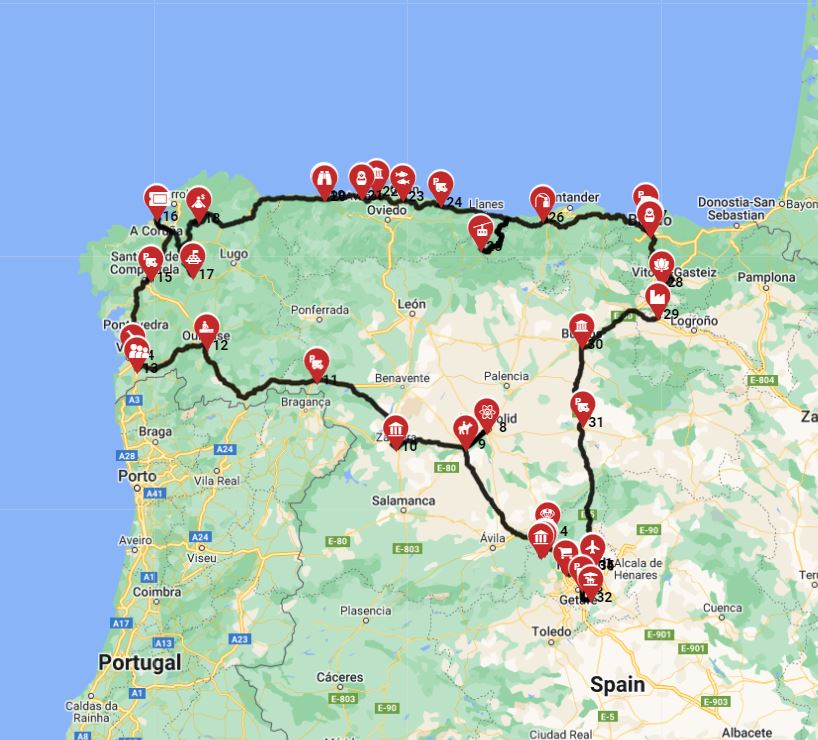
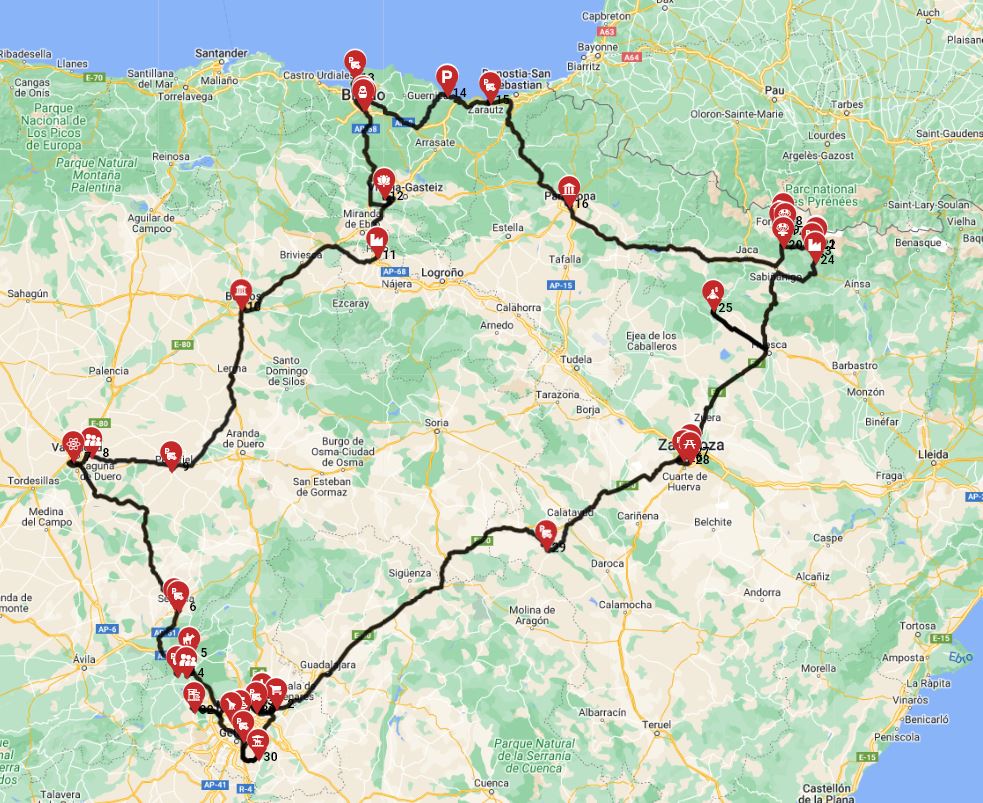
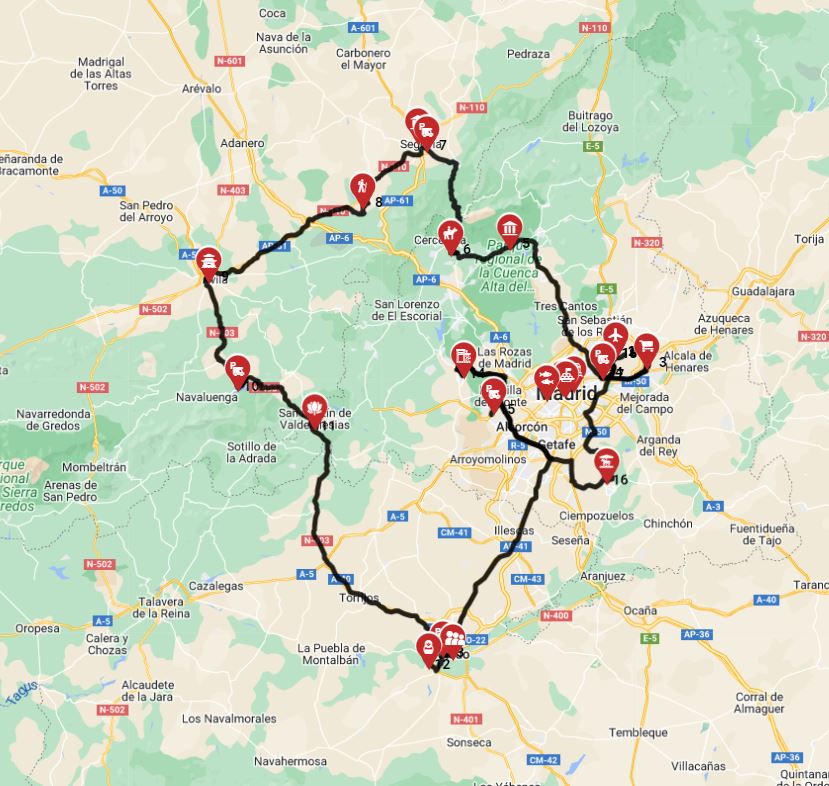
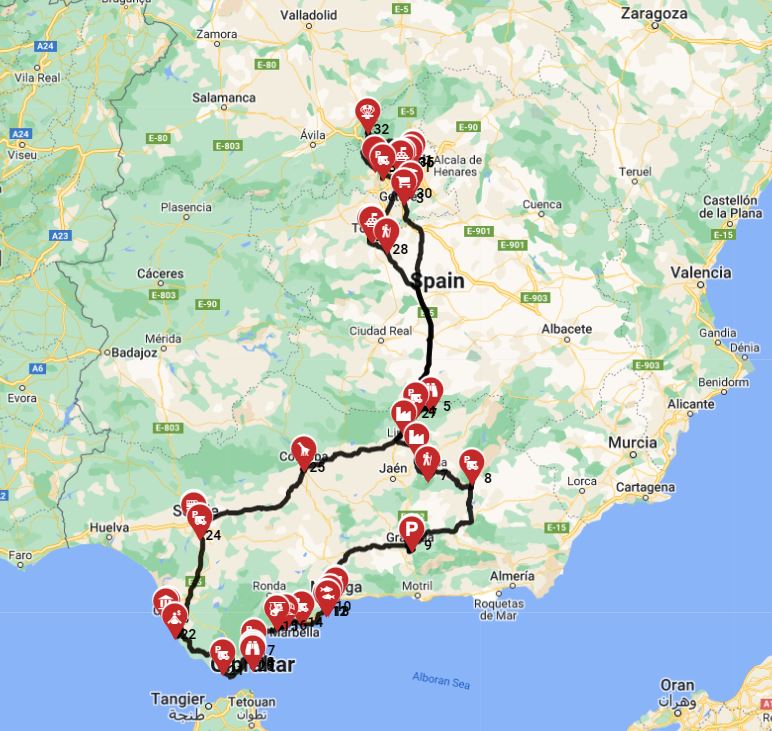
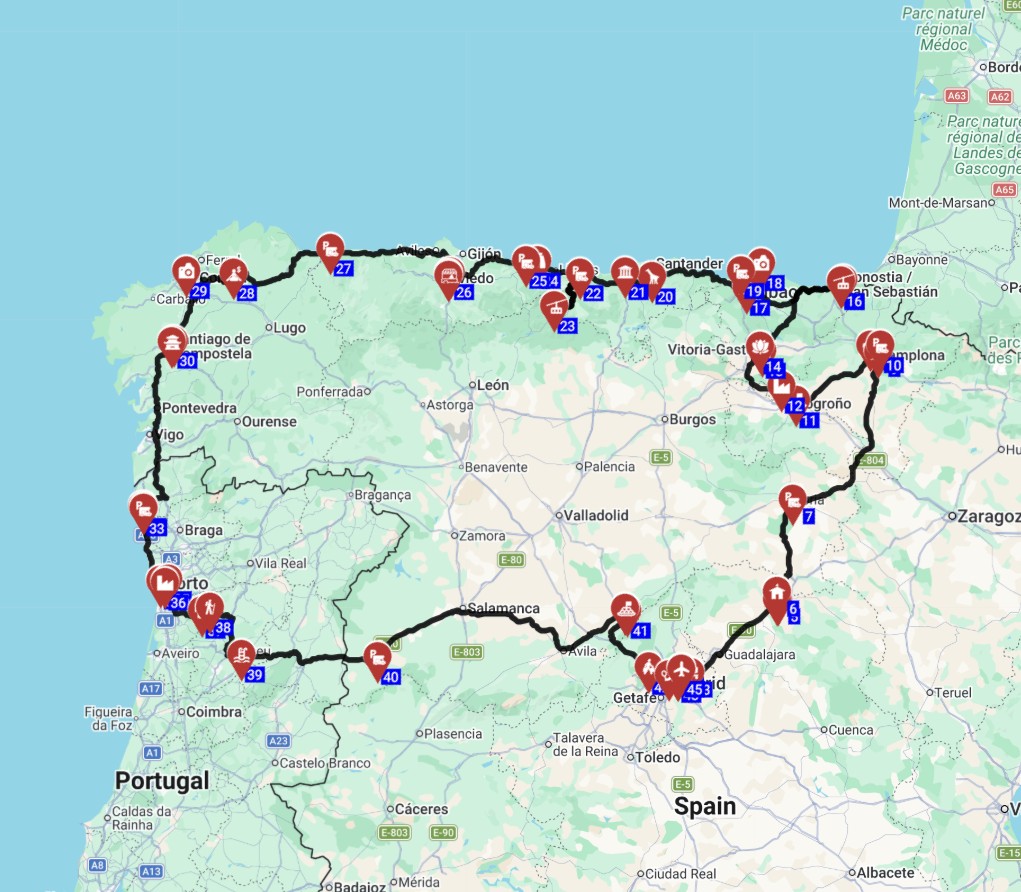
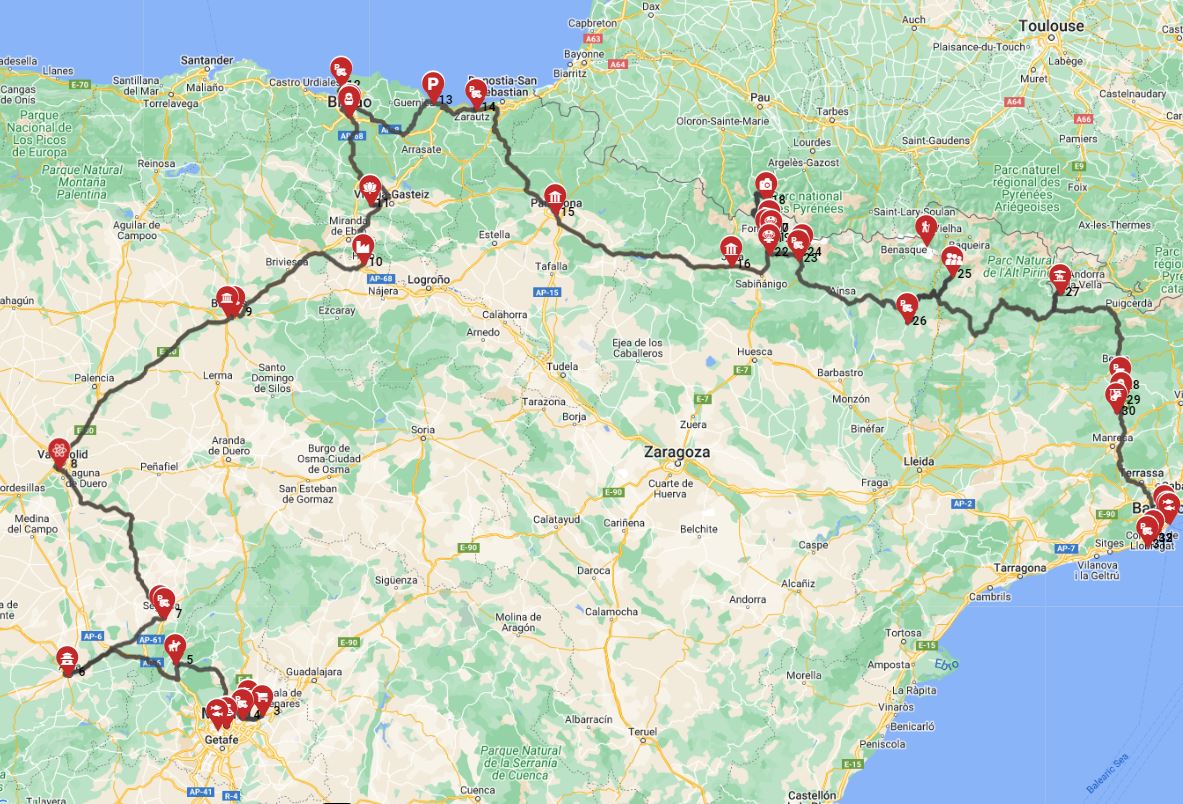
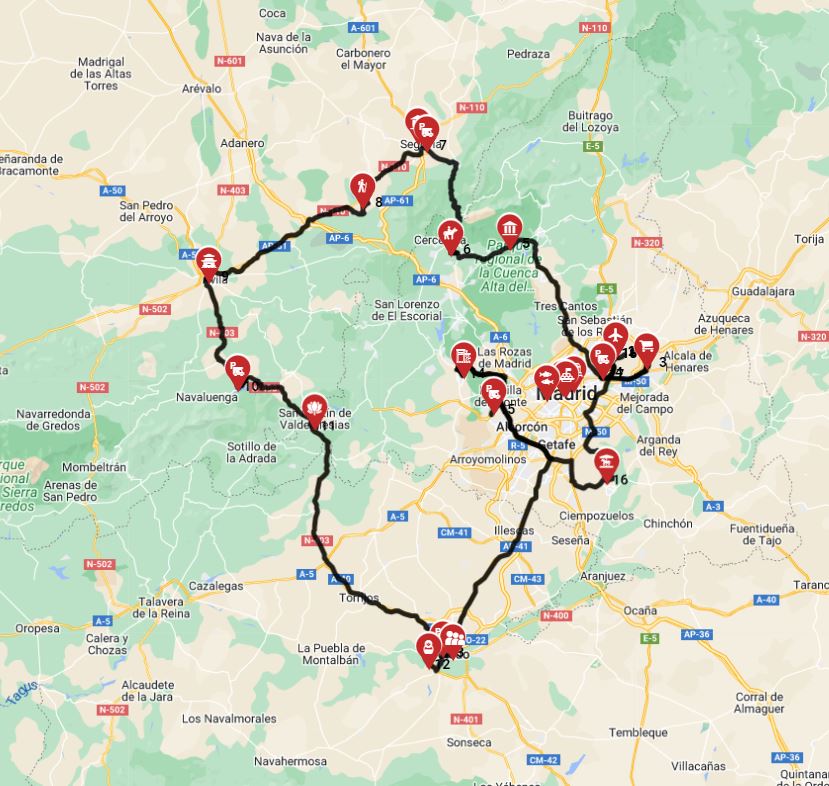
Arriving at your destination by 3 PM ensures you have ample daylight to set up your RV, explore the immediate area of your campground, and troubleshoot any issues before dark. Staying at least 3 nights at each spot provides a deeper immersion into the local culture, allows for laundry, and reduces the stress of constant packing and unpacking. While a guideline, the 3-3-3 rule can be adjusted based on personal preference, road conditions, and the specific itinerary around Madrid, such as the 8-day "Madrid Roundtrip" route plan which averages about 70 km per day, allowing for extensive exploration.
What do I need to know before renting an RV?
Before renting an RV for your Madrid adventure, it is crucial to understand vehicle classes, rental costs, insurance options, pick-up/drop-off procedures, and local driving regulations, especially regarding urban access and Low Emission Zones. Thoroughly review the rental agreement, paying close attention to mileage limits (some rentals include unlimited km for a 7-day or longer trip), fuel policies (full-to-full is common), and any additional fees for cleaning or late returns to ensure full transparency.
A pre-rental inspection checklist is vital; document any existing damage with photos or videos before departure to avoid being charged for pre-existing issues upon return. Understand the scope of roadside assistance provided by the rental company and have their contact details readily available, along with a plan for potential language barriers in emergencies; the general emergency number in Spain is 112. Familiarize yourself with emergency procedures, including how to access medical care through local pharmacies (Farmacias) or health centers, ensuring support is available throughout your journey. This comprehensive knowledge is part of the personal service we offer from day one until your booking is confirmed.
What are the drawbacks of renting an RV?
While RV rental offers immense freedom and is ideal for discovering locations like Madrid and its surroundings, potential drawbacks include higher fuel consumption compared to standard cars, which can impact your budget, especially with average diesel prices around €1.60 per liter. Challenges with parking in urban areas like Madrid's historic center can also arise, as many streets have size restrictions, though careful planning and the use of peripheral parking areas can mitigate this.
Maneuvering a larger vehicle, such as a Class C motorhome like the "MHC28" with a length of 7.3 meters and a fresh water tank of 160 liters, especially on narrow Spanish country roads or in crowded campgrounds, requires practice and can be stressful for inexperienced drivers. There's also a learning curve to operating various RV systems, such as water, electricity, and waste disposal, which might initially feel overwhelming but is easily mastered with a quick tutorial. Lastly, upfront costs, including the dynamic rental fee, optional insurance upgrades for top-level deductible reimbursement, and a substantial security deposit (typically €1,000-€2,500), can be considerable; ensure you understand all potential charges with our full transparency policy.
🎬 Video coming soon
What You Shouldn't Miss
- Explore El Retiro Park by bike: Rent a bike and spend a leisurely afternoon cycling through the vast formal gardens, past the Crystal Palace, and enjoy a rowboat on the park’s central lake.
- Visit the Prado Museum at golden hour: Experience world-class art, including works by Goya and Velázquez, as the sun sets, with shorter queues and a magical ambiance. Consider parking your RV at Camping Osuna, just 15 km northeast, then taking the Metro.
- Enjoy a Flamenco show in a cave restaurant: Venture to a traditional tablao in the old quarter for an authentic Spanish experience, often paired with a delicious dinner.
- Day trip to Toledo with RV PLANET: Utilize the "Madrid Roundtrip" route plan on rvplan.net to visit this UNESCO World Heritage city, known for its three cultures, and easily find RV-friendly parking just outside its historic walls. This route plan includes 4 Historical Sites and 2 Traditional Restaurants.
- Savor churros con chocolate at Chocolatería San Ginés: Indulge in Madrid’s iconic late-night (or early morning) treat near the Puerta del Sol, a true local experience.
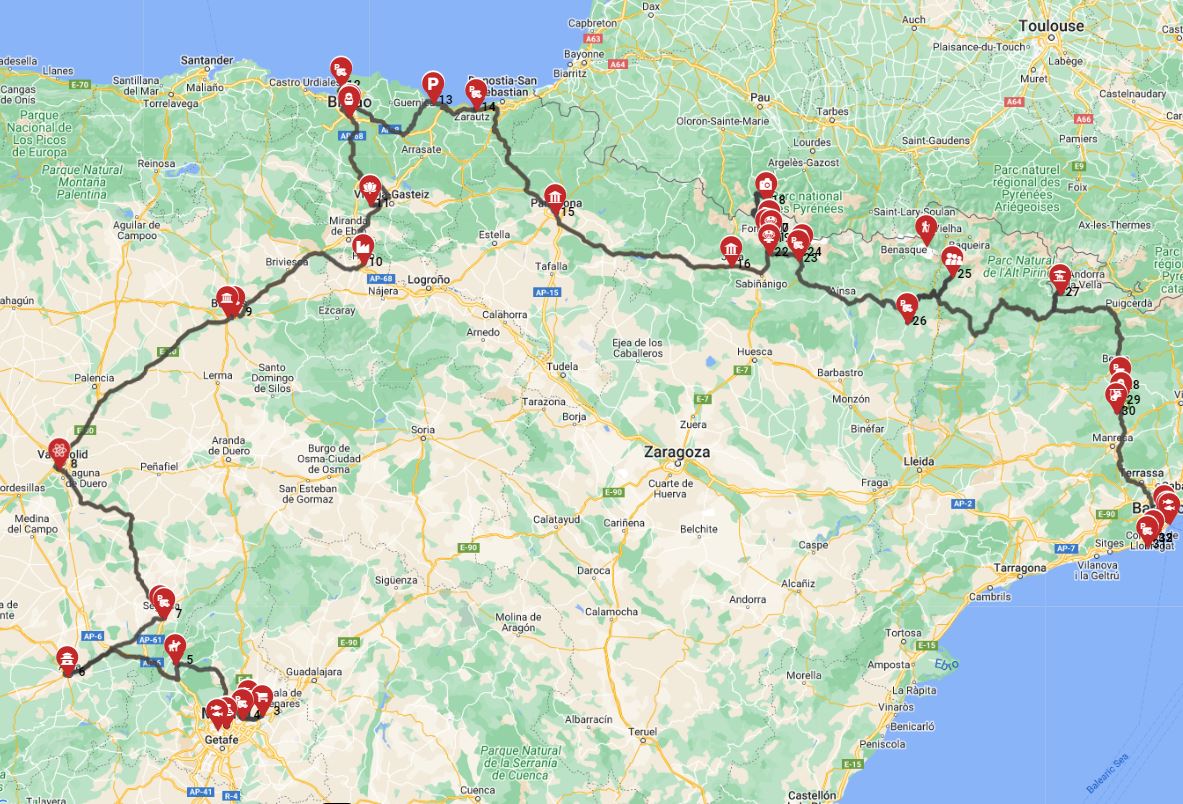
- Hike in Sierra de Guadarrama National Park: Just an hour's drive from Madrid, this park offers stunning trails and panoramic views. Many areas, like La Pedriza, have dedicated RV parking zones, allowing for easy access to hiking areas. The "Madrid Roundtrip - Southern Spain" route plan features 2 hiking areas and 2 Natural Features.
Looking for expert insights from Avi Bandana? Top 5 Adventures - recommendations from Avi Bandana
As a true RV specialist, I've seen countless incredible places, and Madrid holds a special charm for those who love to combine city culture with natural escapes. My top five adventures in and around Madrid include the Royal Palace of Aranjuez (easy RV access and overnight parking nearby), a traditional paella cooking class in Chinchón (ample space in the plaza for parking), exploring the ancient Roman aqueduct of Segovia, cycling through El Retiro Park, and enjoying the vibrant tapas scene in La Latina. These experiences truly capture the essence of RV travel in this dynamic region.
Final Thoughts
A week-long RV adventure in Madrid and its surrounding regions promises a unique blend of urban culture and natural beauty, offering flexibility that traditional travel simply cannot match. From navigating historical cityscapes with a compact campervan to embarking on scenic drives through the Spanish countryside in a spacious motorhome, your journey will be filled with discovery and unforgettable moments.
We are here to support you in crafting your perfect Madrid RV rental experience. Our commitment to full transparency, comprehensive support, and expert knowledge ensures you have all the tools and confidence needed for a successful trip. So, pack your bags, prepare your route, and get ready to experience Spain on your terms. Plan a trip itinerary in advance with minimal effort and maximum enjoyment!
Find Motorhome Rentals in Madrid