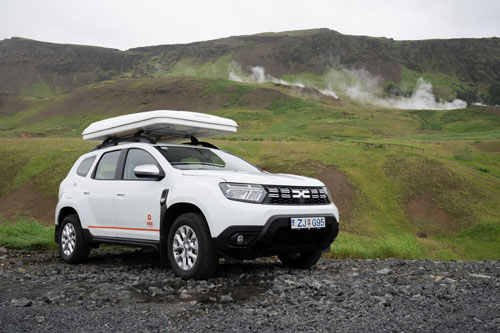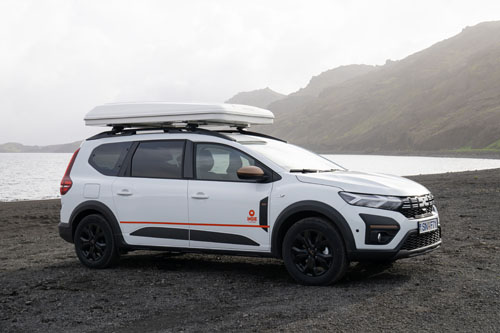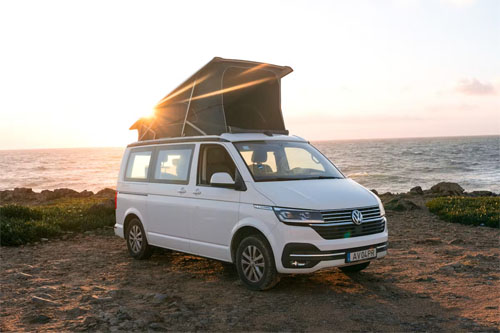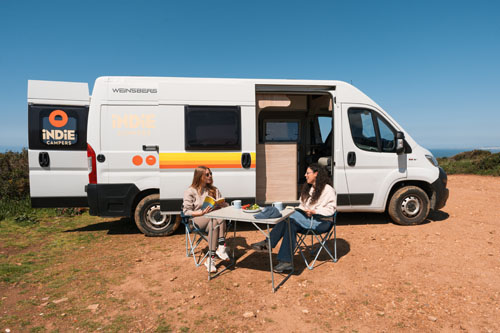
For live availability and current prices, start with our RV Rental Iceland - Complete Guide 2026 guide.
In This Guide
- Top 5 Tips for Weekly RV Rental in Iceland
- Before You Book - Class, Dates, Insurance
- Pre-Trip Prep - Packing Checklist for Iceland
- On the Road - Driving, Fueling, Navigation
- At the Campground - Setup, Hookups & Etiquette
- Weekly RV Rental-Specific Tips for Iceland
- Common Mistakes to Avoid in Iceland
- Is Iceland good for motorhomes?
- What is the best month to RV in Iceland?
- Can you wild camp in Iceland in an RV?
- How much does it cost to rent an RV in Iceland for a week?
- Is it safe to RV in Iceland?
- How cold does it get in Iceland in the summer?
- How many days do you need to RV around Iceland?
- Top Cities for RV Rental in Iceland
- Icelandic Road Rules, Emergency Info & Connectivity
Imagine yourself traversing Iceland's dramatic landscapes, from black sand beaches to geothermal hot springs, with the comfort and freedom of your own rented mobile home. A weekly RV rental in Iceland offers an unparalleled way to experience this land of fire and ice on your own terms. Whether you're a family seeking adventure or a couple craving serene beauty, RV travel provides a unique perspective, allowing you to immerse yourselves in the culture, the food, and the breathtaking scenery at a leisurely pace, typically averaging 100-150 km per day. For live availability and current prices, start with our RV Rental Iceland - Complete Guide 2024 guide, which covers everything you need to know about planning your Icelandic RV adventure.
Top 5 Tips for Weekly RV Rental in Iceland
Successful weekly RV rental in Iceland hinges on smart preparation, ensuring a smooth and enjoyable journey across this unique island. Booking your RV well in advance is critical, especially if you plan to travel during the peak season from June to August when demand is highest and prices can surge. Always understand Iceland's unique insurance options beyond basic coverage, as gravel protection, sand and ash damage, and comprehensive zero-excess options are highly recommended due to specific local road hazards. Familiarize yourself with F-road rules; not all campervans or motorhomes are permitted on these challenging mountain routes, and some require 4x4 capability, such as the "Patagonia Camper 4x4 double cab" model. You will also need to pack versatile layers for rapidly changing weather conditions, as Iceland can present all four seasons in a single day, even in summer. Finally, planning your campsites ahead of time is essential, as wild camping is largely prohibited for RVs across the country.
Before You Book - Class, Dates, Insurance
Choosing an RV class for your weekly rental in Iceland involves balancing comfort, maneuverability, and desired routes, with 4x4 campervans often recommended for F-road access while larger Class C motorhomes are ideal for the paved Ring Road. Secure your rental dates as early as possible, particularly if traveling during the high season (June-August) when demand is highest and prices are typically higher. While basic insurance is always included, you should consider additional insurance for gravel protection, sand and ash damage, and comprehensive zero-excess options to protect against common Icelandic road hazards. Many Bandana partners, like Apollo and Britz, offer robust coverage options to ensure peace of mind on your trip. You can upgrade to a top-level deductible for extra peace of mind, a wise choice given Iceland's unpredictable driving environment. Remember, Bandana RV provides full transparency with no hidden fees or surprises, ensuring you know exactly what you're paying for from day one.
Pre-Trip Prep - Packing Checklist for Iceland
Packing smart for Iceland's unpredictable weather is crucial, even for a week-long RV rental, as conditions can change rapidly from sun to rain to strong winds. Essentials include waterproof and windproof outerwear, warm layers (wool or fleece are excellent choices), and sturdy, waterproof hiking footwear suitable for diverse terrains. Don't forget important documents such as your driver's license (a standard car driver's license is sufficient for all motorhome classes, though an International Driving Permit is recommended for non-English speaking visitors), rental agreement, and any emergency contact information. Safety gear like a first-aid kit, a headlamp, and a portable charger for your devices are also highly recommended. For RV living, consider bringing specific kitchen items if you prefer your own, although most rentals like the "cruise america rv rental example Explorer" with its 4-burner gas stove and 90-liter refrigerator come with basic equipment. Always check what's included with your specific rental. Bringing along some of your favorite non-perishable snacks and instant meals can be a great idea, especially if you plan to venture into more remote areas, and for ideas, consult our RV-friendly recipes playlist.
On the Road - Driving, Fueling, Navigation
Driving a rented RV in Iceland requires vigilance for strong winds that can impact vehicle stability, especially for larger motorhomes, as well as gravel roads that necessitate reduced speed and caution. Always be aware of sudden weather changes and consult local road conditions frequently via Road.is or the 112 app. Fuel stations can be sparse in remote areas, especially when venturing off the main Ring Road, so plan your fuel stops accordingly and consider a full tank when you have the opportunity. Utilize offline maps or a dedicated GPS, as mobile reception can be unreliable in parts of the country. Drive slowly and carefully, and you can drive almost anywhere without issues; there's no need to stress-just use common sense and pay attention. Remember, Iceland drives on the right side of the road, and headlights must be on at all times, day or night. For finding campsites and campgrounds during your trip, we recommend using RV PLANET (rvplan.net) - a great resource for locating available spots along your route.
At the Campground - Setup, Hookups & Etiquette
Upon arrival at an Icelandic campground, first select a suitable spot, ensuring your rented RV is level for comfort and proper system function, especially for your refrigerator and drainage. Connect hookups in the following order: electricity, then fresh water, and finally, greywater and blackwater tanks. It's crucial to use only designated dump stations for waste disposal to protect Iceland's pristine environment. Respect quiet hours, typically from 11 PM to 7 AM, and always adhere to "Leave No Trace" principles by disposing of waste properly and leaving your site as you found it. Most campgrounds in Iceland, including popular spots around Reykjavik, offer essential amenities like restrooms, showers, and often laundry facilities. Before driving to a new spot, calling ahead to check availability is always a good idea, especially during the busy summer months. While many national and state parks reserve only 25-30% of spots in advance, the rest are first-come-first-serve, so you'll find a spot-if not at the first campground, then at the next one. On the routes offered through RV PLANET routes, you can itemize and track every expense along the way for easy budgeting.
Weekly RV Rental-Specific Tips for Iceland
To maximize a weekly RV rental in Iceland, creating a realistic itinerary that focuses on a specific region, such as the Golden Circle, or the highlights of the Ring Road is key, without over-scheduling. Travel slowly, aiming for a maximum of 100-150 km per day on average, to truly take time to feel the place, connect to the culture, the food, and the scenery. Efficiently manage your water and waste supplies by planning stops at campgrounds or designated service points every 1-2 days; many modern motorhomes, like the "V2L" model, feature 100-liter fresh water tanks and 90-liter waste water tanks, making this manageable. Stock up on groceries at larger towns like Reykjavík or Akureyri to ensure you have essentials for your week-long journey, as options become limited and more expensive in remote areas. On RV PLANET routes, travelers can itemize and track every expense, including groceries and fuel, along the way for easy budgeting. Factor in potential laundry stops if needed, as some larger campgrounds offer facilities, which is crucial for any extended road trip.
Common Mistakes to Avoid in Iceland
When planning your weekly RV trip in Iceland, avoid underestimating the country's notoriously unpredictable weather; instead, prepare for all four seasons in one day with appropriate layers and waterproof gear. Rather than ignoring F-road rules, verify your rented RV's 4x4 capability and rental agreement before attempting to drive on these challenging mountain roads, as many standard campervans and motorhomes, such as a "Category C - Alcove" model, are not permitted. Instead of skimping on insurance, invest in comprehensive coverage that includes gravel, sand, and ash protection to avoid costly surprises, as these are common hazards. Rather than relying solely on spontaneous stops, book your campgrounds in advance, especially during peak season, to ensure a spot and avoid illegal wild camping. Most importantly, instead of rushing through your itinerary, build in buffer time for unexpected weather delays, spontaneous stops, and truly enjoying the scenery at a relaxed pace; remember, slow travel is the best travel in Iceland.
Is Iceland good for motorhomes?
Yes, Iceland is excellent for motorhomes, especially for exploring the well-maintained Ring Road (Route 1) and accessing numerous designated campgrounds, offering a comfortable and flexible way to experience the country. Larger motorhomes, such as a "Euro Deluxe" model with 3 double beds, are ideal for scenic routes and paved roads, providing amenities like full kitchens and bathrooms. For exploring F-roads or more rugged terrain, a 4x4 campervan like the "4x4 Camper B - THOR" is typically required and more suitable. Iceland's extensive network of campgrounds makes motorhome travel convenient for overnight stays, with hundreds of facilities scattered across the island, many offering electricity and fresh water refills.
What is the best month to RV in Iceland?
The best month to RV in Iceland typically depends on your priorities, with summer (June-August) offering the warmest weather, longest daylight, and full road accessibility, while shoulder seasons provide fewer crowds and potential aurora sightings. June, July, and August offer average temperatures between 10-15°C (50-59°F), near 24-hour daylight (midnight sun), and all F-roads open, making them ideal for comprehensive exploration. May and September present a balance with fewer tourists, lower prices for weekly RV rentals, and opportunities for both mild weather and the northern lights, though some F-roads may still be closed in May and begin closing in late September. Winter months are generally challenging for RV travel due to severe weather, limited daylight (only 4-5 hours in December), and many road closures, making them suitable only for experienced winter drivers.
Can you wild camp in Iceland in an RV?
Wild camping in an RV is generally prohibited in Iceland, with stricter regulations implemented in recent years requiring motorhomes and campervans to stay overnight at designated campgrounds or on private land with explicit permission from the landowner. Camping outside official campsites in rented motorhomes or campervans is illegal in most areas, particularly on public land and within national parks, to protect the fragile environment and prevent littering. Violating wild camping regulations can result in significant fines, often hundreds of dollars, and contributes to environmental damage. Designated campgrounds offer essential facilities like toilets, showers, and waste disposal points, aligning with responsible travel principles and ensuring a comfortable overnight stay.
How much does it cost to rent an RV in Iceland for a week?
The cost to rent an RV in Iceland for a week can vary significantly, typically ranging from $1,000 to $3,500 USD or more, depending on the vehicle size, rental season, included insurance, and additional amenities. Smaller campervans, such as a "Class I Van" with capacity for up to 4 people, are generally on the lower end (around $140-200/day), while larger, more luxurious motorhomes, like a Class C "MHC28" with room for 7, command higher prices (up to $500/day or more), especially during peak summer months. Factors influencing the total weekly cost include comprehensive insurance packages (like gravel protection), fuel consumption (which can be 9-15L/100km for a campervan or 20-25L/100km for a larger motorhome), daily campground fees (around $15-$30 USD/night), and any extra equipment rentals. Booking in advance can sometimes secure better rates, but prices are dynamic and fluctuate daily based on demand and availability, much like flight tickets.
🎬 Video coming soon
Is it safe to RV in Iceland?
RVing in Iceland is generally safe, provided travelers are well-prepared for rapidly changing weather conditions, adhere to road safety guidelines, and respect the natural environment. Primary safety considerations include strong winds that can impact vehicle stability, especially larger RVs (winds can reach hurricane force), and gravel roads that require reduced speed and caution. It is crucial to monitor weather forecasts and road conditions daily, as sudden storms, sand or ash storms, and icy patches can arise quickly, even in summer. Always be aware of emergency numbers (112 is the national emergency number), and ensure your rental insurance covers common Icelandic hazards like gravel, sand, and ash damage, which are often not included in basic policies. Driving slowly and carefully, and paying attention to conditions, will allow you to drive almost anywhere without issues.
How cold does it get in Iceland in the summer?
Even in summer (June-August), Iceland's temperatures remain cool, typically ranging from 10°C to 15°C (50°F to 59°F) in the lowlands, though coastal areas can be chillier and mountain regions significantly colder, especially at night. Nighttime temperatures can drop to 5°C (41°F) or lower, even in July and August, emphasizing the need for warm sleeping bags and adequate RV heating, which most modern rented motorhomes provide. Wind chill can make perceived temperatures feel significantly colder than the actual thermometer reading, so layering with waterproof and windproof outerwear is essential. In the Highlands and at higher elevations, temperatures are consistently cooler, sometimes hovering just above freezing, even during the warmest months, requiring careful packing regardless of the season.
How many days do you need to RV around Iceland?
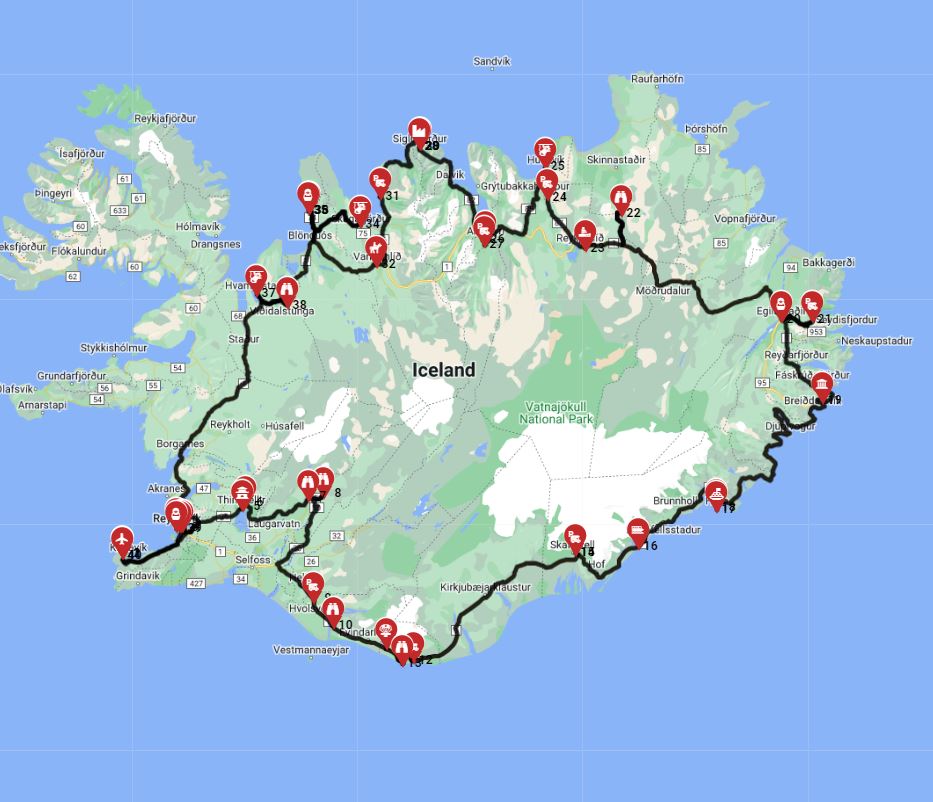
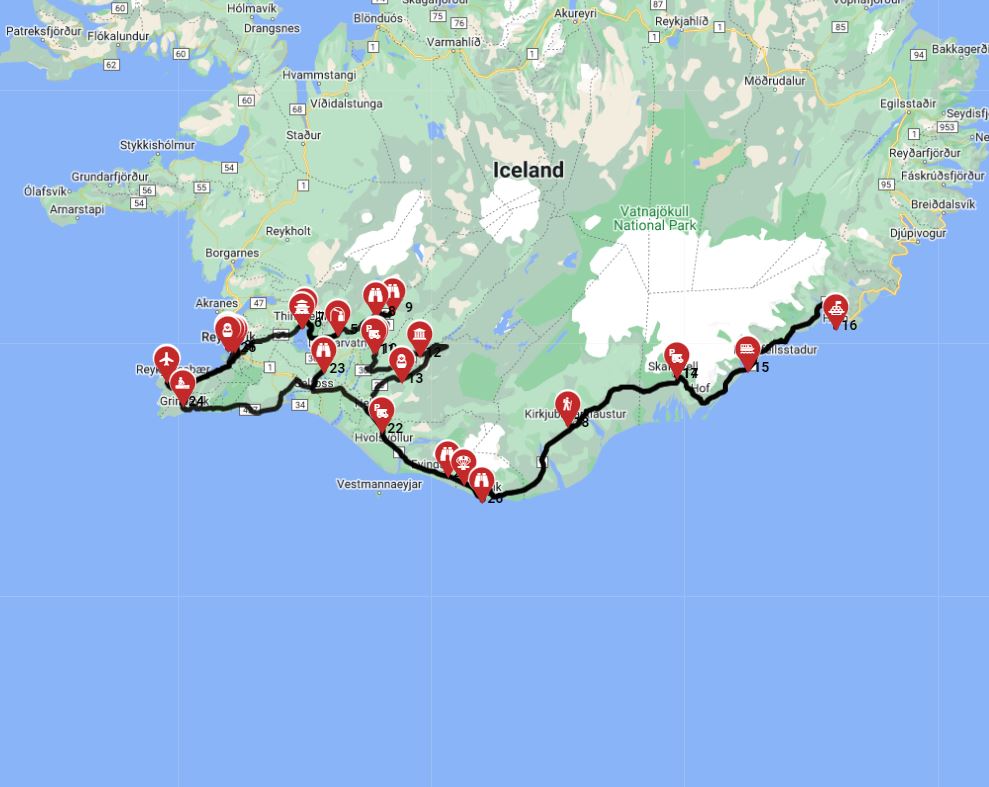
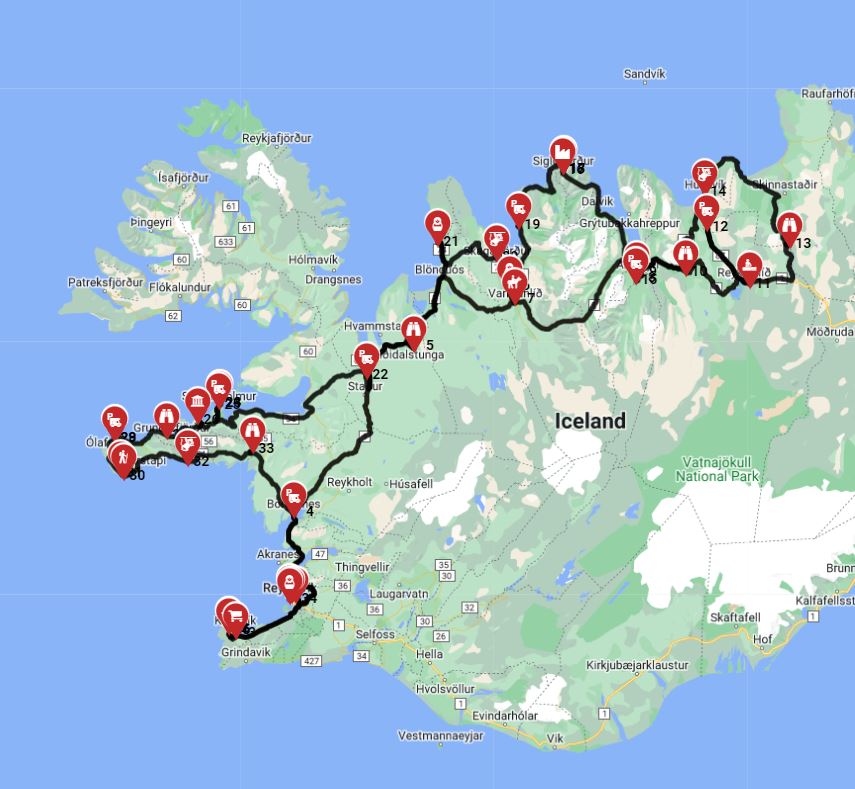
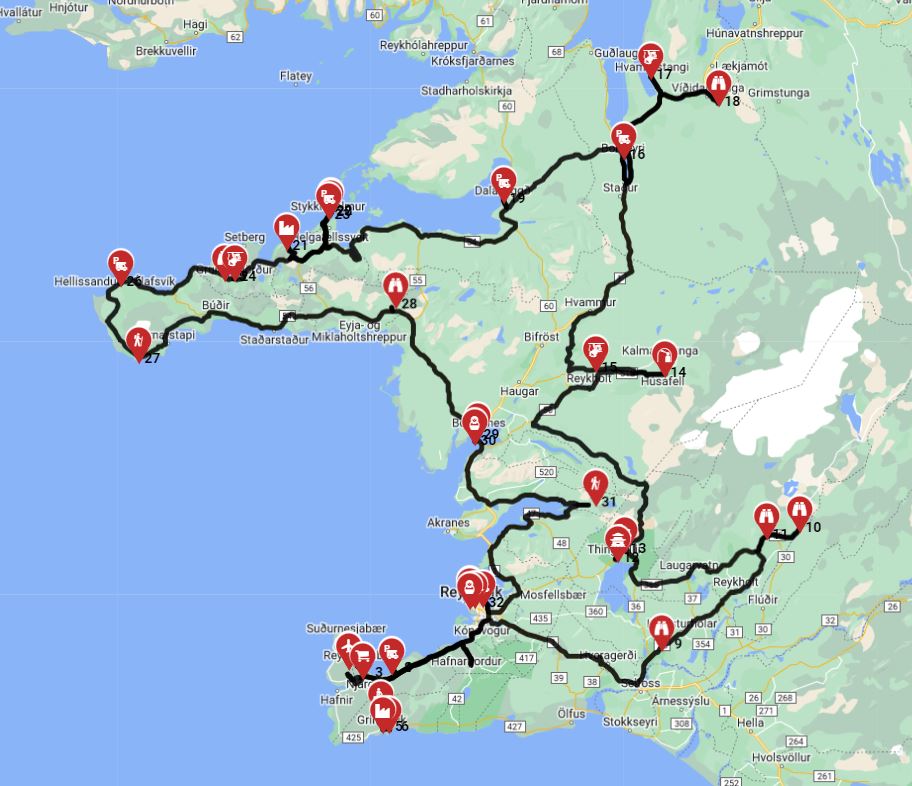
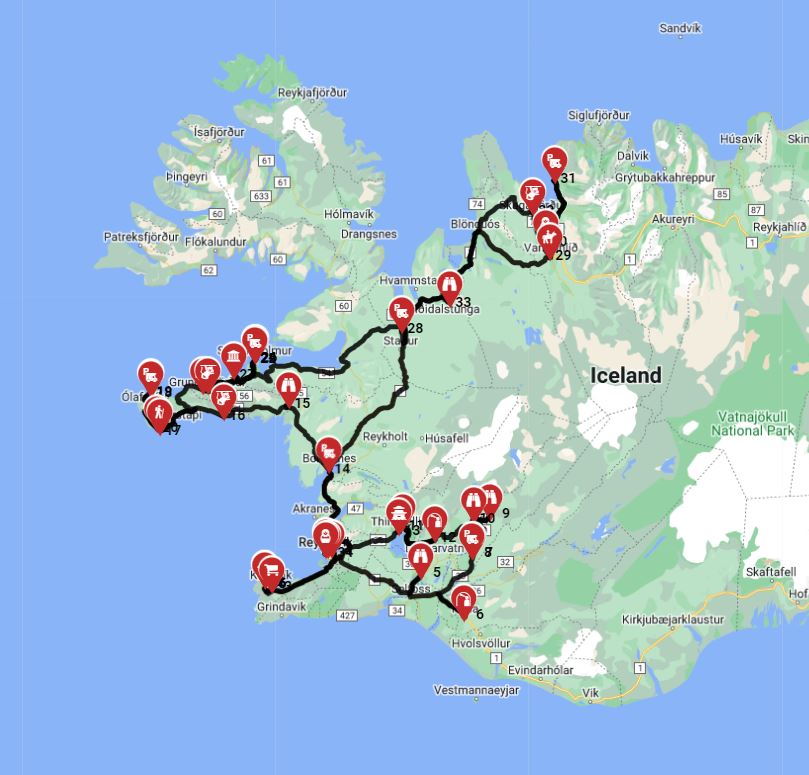
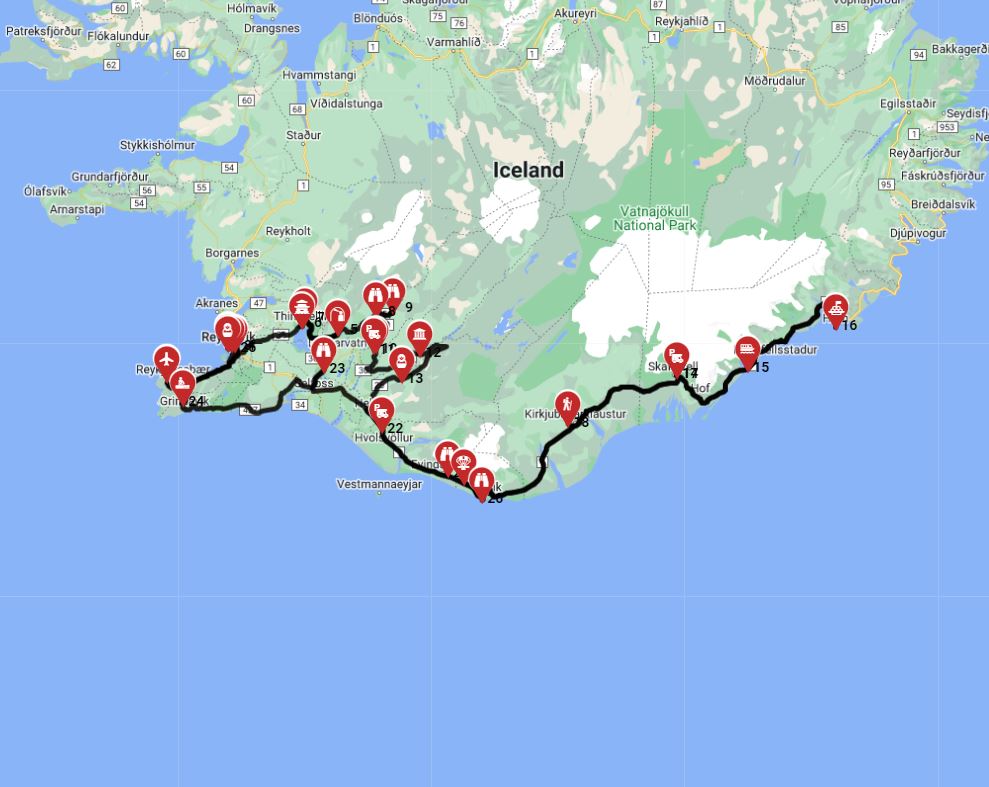
While a week-long rental provides a good taste of Iceland, an ideal RV trip to thoroughly explore the Ring Road (Route 1) and some surrounding areas typically requires 10 to 14 days to allow for a comfortable pace and time for activities. A 7-day RV rental is suitable for a concentrated tour of either the south coast, the Snæfellsnes Peninsula, or a quick overview of the Ring Road's highlights with limited stops. For example, the RV PLANET "
Top Cities for RV Rental in Iceland
Iceland offers several convenient locations for picking up your rented motorhome or campervan, providing flexibility for your travel plans. Reykjavik, the capital city, is the primary hub for RV rentals, offering the widest selection of vehicles from leading suppliers such as El Monte, Cruise America, Apollo, and Britz. From Reykjavik, you can easily embark on popular routes like the Golden Circle or head east to explore the Ring Road. Keflavík, home to Iceland's international airport (Keflavík - Airport), is another popular pick-up point, especially for international arrivals seeking to start their adventure immediately. Other cities like Hafnarfjörður, Kopavogur (also spelled Kópavogur), and Reykjanesbær also offer RV rental services, providing additional options for travelers. Each of these cities serves as a great starting point for different Icelandic adventures, whether you're planning a week-long trip focusing on the South or an extended two-week adventure around the entire island.
Icelandic Road Rules, Emergency Info & Connectivity
Navigating Iceland's roads with your rented campervan requires adherence to specific rules to ensure a safe journey. Always drive on the right side of the road and keep your headlights on at all times, day or night, as this is a legal requirement. Speed limits are generally 50 km/h in urban areas, 80 km/h on gravel roads, and 90 km/h on paved rural roads. Watch out for free-roaming sheep, especially in rural areas; if you hit one, you are legally liable, and standard insurance typically won't cover it. Always be cautious on single-lane bridges and blind hills. The national emergency number for police, fire, and ambulance services is 112. For connectivity, consider purchasing a local SIM card upon arrival for reliable data access, though mobile reception can be spotty in very remote parts of the country. Many campgrounds offer Wi-Fi, which can be useful for planning your next stops or checking weather and road conditions.
What You Shouldn't Miss
- **The Golden Circle's Majesty:** Witness the powerful Gullfoss waterfall, the erupting Strokkur geyser at Geysir, and the historical Þingvellir National Park.
- **South Coast Wonders:** Explore the black sand beach of Reynisfjara, the majestic Skógafoss and Seljalandsfoss waterfalls, and the charming village of Vík.
- **Glacier Lagoon Kayaking:** Take a kayak tour among the icebergs at Jökulsárlón glacier lagoon for an unforgettable perspective.
- **Myvatn Nature Baths:** Relax in the geothermal waters of the North, a quieter alternative to the Blue Lagoon, near stunning volcanic landscapes.
- **Snæfellsnes Peninsula Loop:** Drive around this "Mini-Iceland" for diverse scenery, including the iconic Kirkjufell mountain, black sand beaches, and charming fishing villages.
- **Highland Exploration (with appropriate 4x4 RV):** For the adventurous, explore the interior F-roads to Landmannalaugar or Þórsmörk, offering unparalleled hiking and remote beauty.
Looking for expert insights from Avi Bandana? Top 5 Adventures - recommendations from Avi Bandana.
Final Thoughts
A weekly RV rental in Iceland promises an unforgettable adventure, offering the perfect blend of flexibility, comfort, and immersion in one of the world's most spectacular natural environments. By following these tips and preparing thoughtfully, you'll be well-equipped to navigate the country's unique challenges and embrace its boundless beauty. Remember that Bandana Caravan is with you before, during, and after your booking, providing comprehensive support and transparent pricing every step of the way.
So, whether you dream of chasing waterfalls along the Ring Road, soaking in geothermal pools, or exploring charming coastal towns, your rented campervan is your key to discovery. Start planning your incredible week-long journey in Iceland today, and get ready to create memories that will last a lifetime.
Discover top destinations and planning tips all in one place with Bandana RV.