For live availability and current prices, start with our RV Rental Chile - Complete Guide 2026 guide.
In This Guide
- What weekly rv rental RV Rental Costs in Chile (2026)
- Seasonal Pricing - Peak vs. Shoulder vs. Off-Season in Chile
- What's Included vs. What's an Add-On
- Hidden Costs to Budget For in Chile
- How to Save on weekly rv rental RV Rental in Chile
- What type of RV is best for different Chilean terrains and routes
- What essential gear and packing list is crucial for an RV trip in Chile
- What are critical safety tips for RV driving conditions in Chile
- How can RV travelers practice sustainability and Leave No Trace in Chile
- How can RVers respectfully engage with local communities and culture in Chile
- What are key RV logistical considerations for fuel, water, and border crossings in Chile
- What are the detailed costs of an RV trip in Chile beyond the rental itself
- What are popular weekly RV itineraries for Chile's diverse regions
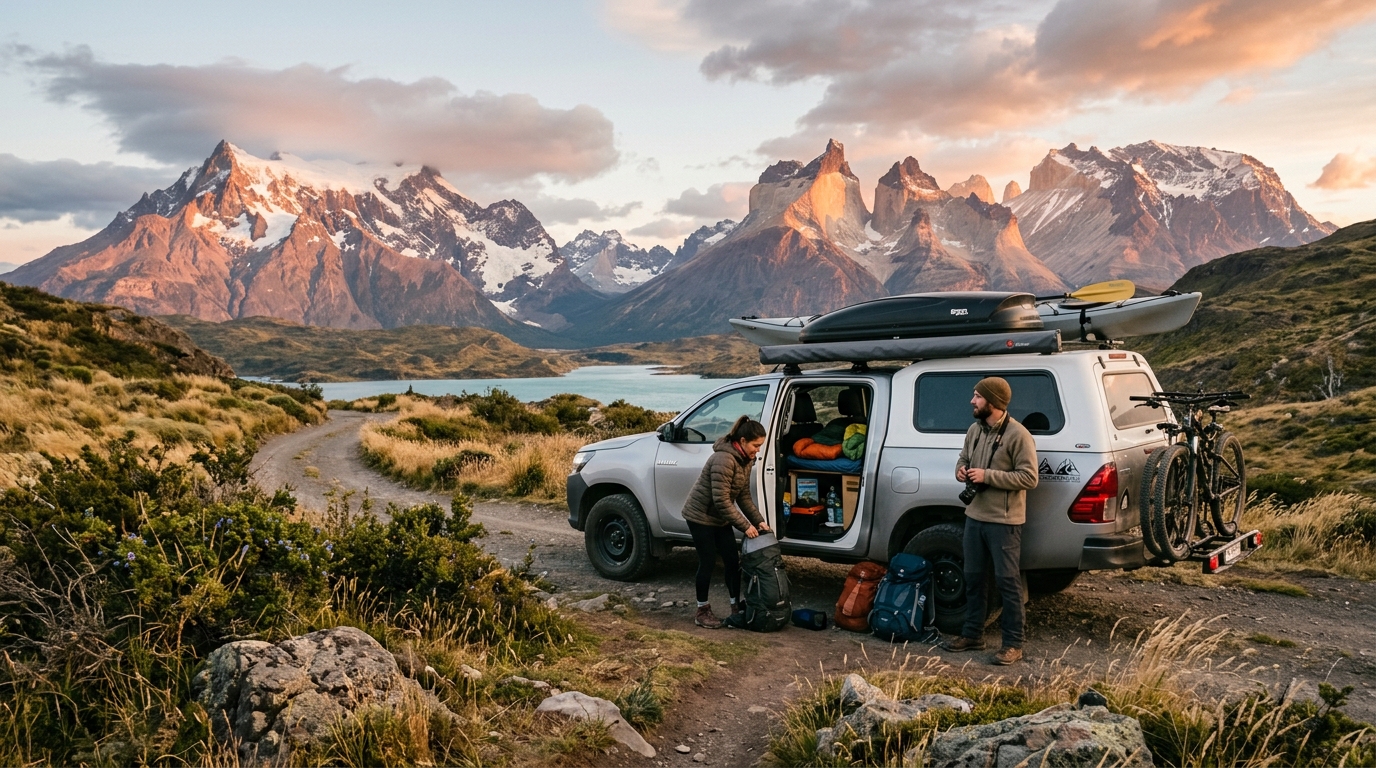
Imagine setting out on an incredible adventure, exploring the diverse landscapes of Chile from the comfort of your very own rented motorhome. With its incredible length, stretching from the arid Atacama Desert in the north to the glacial fjords of Patagonia in the south, Chile offers an unparalleled backdrop for an RV journey. Whether you dream of stargazing in the Elqui Valley, hiking through ancient forests in the Lake District, or marveling at the towering peaks of Torres del Paine, a rented RV provides the ultimate flexibility and freedom.
At Bandana RV, we've been helping tens of thousands of travelers discover the joy of RV travel since 2001, providing expert advice and transparent pricing every step of the way. For live availability and current prices, start with our RV Rental Chile - Complete Guide 2024. Our commitment to full transparency means no hidden fees or surprises, just straightforward service from true RV specialists who genuinely love helping people explore.
What weekly rv rental RV Rental Costs in Chile (2024)
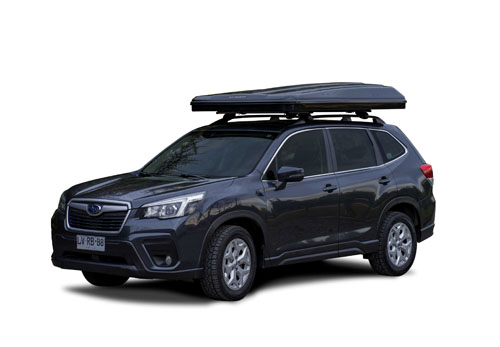
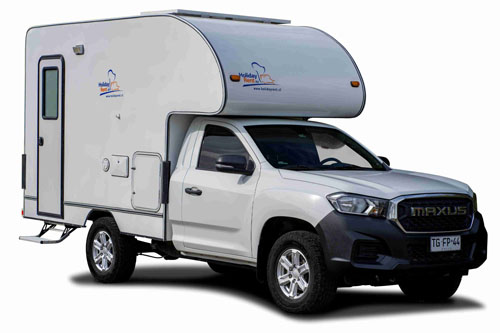
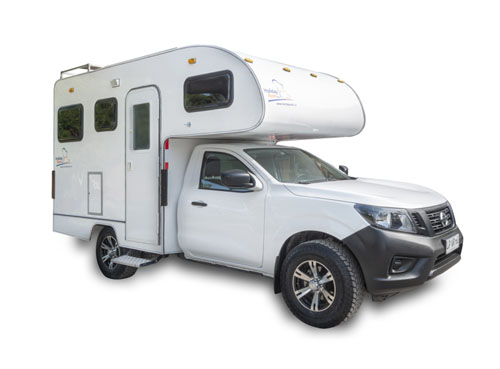
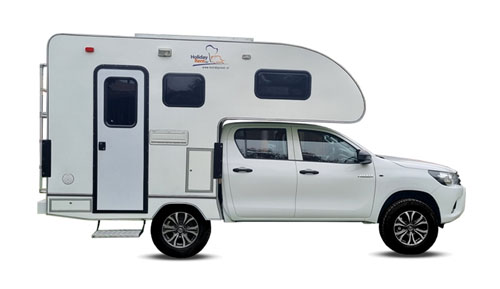
Weekly RV rental costs in Chile are dynamic and vary significantly based on the vehicle class, duration of your trip, and the season you choose to travel in. For a standard Class C motorhome, prices can range from approximately $100-$300 USD per day. For couples or smaller groups, a campervan like an 'rv rental denver example Category Van' or 'Patagonia Camper 4x4 double cab' might start from $80-$150 USD per day. Larger Class A or Class C motorhomes, such as an 'rv rentals example Comfort Class' suitable for families (e.g., 2 adults and 2 children), can cost $180-$350 USD per day.
These are general estimates, and the actual price you pay will be determined at the time of booking. Factors like the age of the vehicle (newer models like 'brent rv example A1' or 'brent rv example E3' might be pricier), specific features (e.g., larger refrigerator on a 'cruise america rv rental example Explorer' with an 82-liter fresh water tank), and the length of your rental also influence the final cost. April is typically the cheapest month for RV rental in Chile due to lower demand, offering potential savings of up to 30% on average weekly rates.
For those interested in a two-week adventure, a mid-sized Class C motorhome can cost between $1,400-$4,200 USD, not including additional expenses. A month-long weekly RV trip, ideal for slow travel recommendations of 100-150 km per day, could incur rental fees from $3,000-$9,000 USD. Keep in mind that prices are akin to flight tickets, changing daily based on availability and supplier decisions.
Seasonal Pricing - Peak vs. Shoulder vs. Off-Season in Chile
Peak season in Chile, generally from December to February, sees the highest demand and therefore the highest prices for RV rentals. This coincides with summer in the Southern Hemisphere, making Patagonia and the Lake District incredibly popular. Expect daily rates to be at their maximum during these months, often reaching $250-$400+ USD for larger motorhomes. Many national parks reserve only 25-30% of spots for booking; the rest are first-come-first-serve, so calling ahead before driving is always a good strategy.
Shoulder seasons, typically March-May (autumn) and September-November (spring), offer a fantastic balance of pleasant weather and more moderate pricing for weekly RV rental in Chile. You can often find deals that are 15-25% lower than peak rates, with fewer crowds at popular attractions. Off-season, especially April (autumn) or June-August (winter), presents the lowest rental rates, with some campervans available for as low as $70-$100 USD per day. While some areas like Patagonia may have limited access or colder weather, the northern Atacama region offers a milder climate year-round.
Being flexible with your travel dates and planning your trip for shoulder seasons can lead to significant savings. Consider destinations that are less affected by seasonal closures if traveling in winter. Our platform compares final prices across various suppliers like El Monte and Apollo, ensuring you see exactly what you'll pay without hidden fees.
What's Included vs. What's an Add-On
When securing a weekly RV rental in Chile, basic vehicle insurance with a standard deductible is always included as part of your booking. However, comprehensive options, such as upgrading to a top-level deductible for extra peace of mind, are available as optional add-ons. Many renters find this upgrade valuable, especially when navigating Chile's varied terrain.
Standard inclusions typically cover unlimited kilometers, basic kitchen facilities (like a 3-burner gas stove and a 140-liter refrigerator in a 'F2' model), and sometimes initial propane. Common add-ons that vary by rental supplier and vehicle type often include kitchen kits, bedding packages, additional mileage if not already unlimited, and specific camping equipment like outdoor tables and chairs. Always verify the specific inclusions and exclusions directly with your chosen RV rental station at pickup. Transparency is our priority, so what you see when you compare prices on Bandana RV is what you'll pay, with no surprise fees at pickup. On the routes offered through RV PLANET routes, you can itemize and track every expense along the way for easy budgeting.
How to Save on weekly rv rental RV Rental in Chile
Saving money on a weekly RV rental in Chile involves strategic planning and flexibility. The most significant savings, often 20-30%, come from booking during shoulder or off-season months like April or November when demand is lower. Opting for a smaller Class B campervan, such as a 'Category Van' or 'Juliette 2-3', can drastically reduce both rental rates and fuel consumption compared to a larger Class C motorhome.
Consider flexible pickup and drop-off dates to take advantage of off-peak pricing, as rates can fluctuate daily. Many national/state parks reserve only 25-30% of spots; the rest are first-come-first-serve, meaning you'll find a spot, even if it's not the first campground. Always call ahead before driving a long distance. Utilizing comparison platforms like Bandana RV allows you to compare final prices across 50+ leading suppliers, ensuring you find the best deal. Additionally, taking advantage of our 25% planning discount when using rvplan.net for route planning can further reduce overall trip expenses.
What type of RV is best for different Chilean terrains and routes
Choosing the best type of rented RV for Chile's diverse terrains depends heavily on your planned route. For exploring remote areas, especially the challenging gravel sections of the Carretera Austral or mountainous regions, a 4x4 campervan like the 'Patagonia Camper 4x4 double cab' is highly recommended for its enhanced traction and durability. These smaller vehicles, often with a compact footprint, handle narrow roads and unpaved surfaces more adeptly. However, drive slowly and carefully, and you can drive almost anywhere without issues. No need to stress - just use common sense and pay attention.
For more accessible routes along the coast or in the Central Valley, a standard Class C motorhome, such as a 'cruise america rv rental example Explorer' (7.1m length) or a comfortable Class B campervan, offers ample space and amenities without the need for specialized off-road capabilities. Larger Class A motorhomes, like an 'bcampervan hire new zealand example Euro Deluxe' (typically 7-9 meters), are ideal for longer trips with more passengers and comfort, primarily sticking to well-maintained paved highways between major cities like Santiago and Puerto Montt. Always consider vehicle size limitations when planning routes through national parks or smaller towns.
What essential gear and packing list is crucial for an RV trip in Chile
A comprehensive emergency kit is essential for any RV trip in Chile, particularly for remote Patagonian areas or desert regions. This kit should include a robust first-aid kit, basic vehicle repair tools, a spare tire, a high-quality air compressor, and reliable communication devices such as a satellite phone or a strong mobile booster, as cell service can be spotty. When preparing meals in your rented motorhome, don't forget kitchen essentials; you can find inspiration for delicious meals on our RV-friendly recipes playlist.
Due to Chile's extreme climatic diversity, packing solutions for varying temperatures is vital, requiring layers of clothing suitable for both warm desert days and chilly Patagonian nights. A high-quality water filtration system is recommended for refilling tanks from non-potable sources, and specific power adapters for various campground hookups should be included. Detailed paper maps are also critical, as GPS coverage can be unreliable in rural areas, complementing your digital navigation tools for a safe and efficient journey.
What are critical safety tips for RV driving conditions in Chile
Safety is paramount when driving a rented RV in Chile, where road conditions can vary dramatically. Mastering mountain pass techniques is crucial in the Andes, which involves using lower gears for ascents and descents to prevent brake overheating. For instance, sections of the Andes require careful navigation due to winding roads and elevation changes. Gravel road handling is another key skill, especially on routes like the Carretera Austral; reduce speed, maintain extra distance, and anticipate loose surfaces. Our guide "Driving an RV in Chile - Complete Guide 2024" offers more insights.
Be highly aware of wildlife hazards, particularly in rural and natural areas, where animals like guanacos and foxes may cross roads unexpectedly. Plan for secure overnight parking by utilizing designated campgrounds or established wild camping spots, especially in national parks where regulations may apply. Ensuring access to emergency services and reliable communication is critical, especially when traveling in remote regions of Chile where cell service can be limited. Always have local emergency numbers readily available.
How can RV travelers practice sustainability and Leave No Trace in Chile
RV travelers in Chile can significantly contribute to environmental preservation by adhering strictly to 'Leave No Trace' principles. Properly disposing of all waste, including grey and black water at designated dump stations, is essential for respecting Chile's fragile ecosystems. Avoid discarding any trash in undesignated areas; pack out everything you pack in.
Conserving water and energy, especially when boondocking or in areas with limited resources like the Atacama Desert or arid regions, helps preserve natural supplies. Choose designated campsites and avoid driving off-road to protect sensitive vegetation and wildlife habitats. Supporting local, eco-friendly businesses and purchasing sustainably sourced goods also fosters responsible tourism. By minimizing your impact, you ensure that Chile's stunning natural beauty remains pristine for future generations to enjoy.
How can RVers respectfully engage with local communities and culture in Chile
Respectful engagement with local communities and culture in Chile enriches your RV travel experience. Learning basic Spanish phrases, even simple greetings and questions, significantly enhances interactions and shows respect for the local culture. Phrases like "Hola" (Hello), "Gracias" (Thank you), and "Por favor" (Please) go a long way. Supporting local businesses, such as authentic food markets for fresh produce or artisan shops, contributes positively to the communities you visit, keeping your travel dollars within the local economy.
Practicing respectful travel by understanding local customs and traditions, such as meal times or social norms, fosters positive experiences. Always ask for permission before taking photographs of people. Chileans are generally welcoming; a friendly demeanor and an open mind will pave the way for memorable cultural exchanges. Drive slowly through small towns, respecting local life, as recommended in our "Budget RV Driving in Chile - Save on Fuel 2024" guide for a more immersive experience.
What are key RV logistical considerations for fuel, water, and border crossings in Chile
Effective logistical planning for weekly RV rental in Chile is crucial, especially in less developed regions. Planning specific locations for fuel, water refill, and dump stations is essential, particularly in remote areas like Patagonia where services can be sparse. For example, on the Carretera Austral, towns offering these services might be hundreds of kilometers apart, requiring careful rationing and frequent checks of your 100-liter fresh water tank or 75-liter fuel tank, as seen in models like 'K125'.
Researching internet and cell service coverage maps helps maintain connectivity throughout your trip, crucial for navigation and emergencies; consider purchasing a local SIM card upon arrival. Understanding detailed vehicle-specific border crossing requirements and processes, particularly between Chile and Argentina, is vital. This often involves specific permits, insurance validation, and a detailed vehicle inventory list. Our "One-Way RV Driving in Chile - Route Planner 2024" can help you navigate these cross-border complexities and plan for international RV adventures.
What are the detailed costs of an RV trip in Chile beyond the rental itself
Beyond RV rental fees, travelers should budget for a variety of ancillary trip costs in Chile. Fuel prices, for instance, can fluctuate by region, typically higher in remote areas of Patagonia than around Santiago. For a two-week trip, fuel for a mid-sized motorhome traveling 150 km/day might cost $500-$1000 USD depending on the route and current prices. Campground fees generally range from $15-$50 USD per night for powered sites, but expect higher costs for popular national park campsites, which can reach $60-$80 USD.
Toll roads are prevalent around major cities and along key highways, adding up to $50-$100 USD for an extended road trip. If planning a multi-country adventure, border crossing charges between Chile and Argentina can be $50-$200 USD per vehicle. Always factor in common unforeseen expenses like minor repairs, specific permits for certain natural reserves, or unexpected service needs. Pre-planning your route with tools like RV PLANET can help you anticipate and budget for these expenses effectively.
What are popular weekly RV itineraries for Chile's diverse regions
Chile's diverse geography offers countless options for weekly RV itineraries, catering to different interests and durations. A 1-week RV trip can effectively explore specific themes, such as the surreal landscapes of the Atacama Desert in the North, focusing on stargazing, geysers, and lunar valleys, or the charming wine country in Central Chile, visiting vineyards and quaint towns. For those interested in a slightly longer trip, our "Week-Long RV Driving Tour in Chile 2024" provides excellent starting points.
Popular two-week itineraries often focus on the stunning Lake District, offering hiking, kayaking, and hot springs experiences, or parts of Northern Patagonia, navigating fjords and temperate rainforests. For a full month-long journey, RVers can traverse a significant portion of the country, from the northern deserts to the southern ice fields, combining diverse landscapes and cultural encounters. Many routes highlight unique RV-accessible activities, from stargazing in Elqui Valley campgrounds to exploring national parks in a 'Luxury' or 'Group I' motorhome.
What You Shouldn't Miss
- Drive the Carretera Austral: Experience the wild beauty of Chilean Patagonia on this iconic route, navigating mandatory ferry crossings and stunning landscapes.
- Stargaze in Elqui Valley: Camp under some of the clearest skies on Earth in one of the world's first International Dark Sky Sanctuaries.
- Explore Torres del Paine National Park: Hike among granite peaks, turquoise lakes, and glaciers, keeping an eye out for guanacos and pumas.
- Visit the Atacama Desert: Marvel at the Moon Valley, El Tatio geysers, and vibrant salt flats in the driest desert in the world.
- Indulge in Central Valley Wine Country: Enjoy a leisurely tour of Chile's renowned vineyards and charming colonial towns.
- Discover the Lake District: Explore volcanic national parks, hot springs, and picturesque lakes perfect for outdoor activities.
Final Thoughts
A weekly RV rental in Chile opens up a world of adventure, offering the freedom to explore its incredible natural wonders at your own pace. From the vast, star-studded deserts to the dramatic Patagonian landscapes, a motorhome provides a comfortable and immersive way to experience this diverse country. Remember to plan slowly, averaging 100-150 km per day, allowing yourself to truly connect with the local culture, delicious food, and breathtaking scenery.
We're here to support you every step of your journey, ensuring you have all the information and assistance you need for a memorable trip. So, pack your bags, prepare for an unforgettable road trip, and get ready to discover the magic of Chile!
Compare Motorhome Prices for Chile and start planning your Chilean RV adventure today.