In This Guide
- The 5 RV Families Compared for Namibia
- Class A (Integrated) - Best For
- Class SI (Semi-Integrated) - Best For
- Price Comparison by RV Class in Namibia
- Class C (Alcove) - Best For
- Class B (Campervan) - Best For
- Side-by-Side Comparison Table
- Our Recommendation for weekly rv rental Travelers in Namibia
- What specific vehicle requirements are necessary for RV travel in Namibia?
- What permits and legal requirements are needed for RV travel in Namibia?
- How much does a weekly RV rental in Namibia cost, including hidden fees?
- How to ensure safety and prepare for emergencies during a Namibia RV trip?
- How can I stay connected while RVing in remote Namibia?
- What are the best strategies for food and water sourcing during an RV trip in Namibia?
- What cultural etiquette should I observe when RVing in Namibia?
- How can I practice responsible and sustainable RV travel in Namibia?
- What are some off-the-beaten-path routes for RVers in Namibia?
- Are there specific considerations for child-friendly or pet travel in a Namibia RV rental?
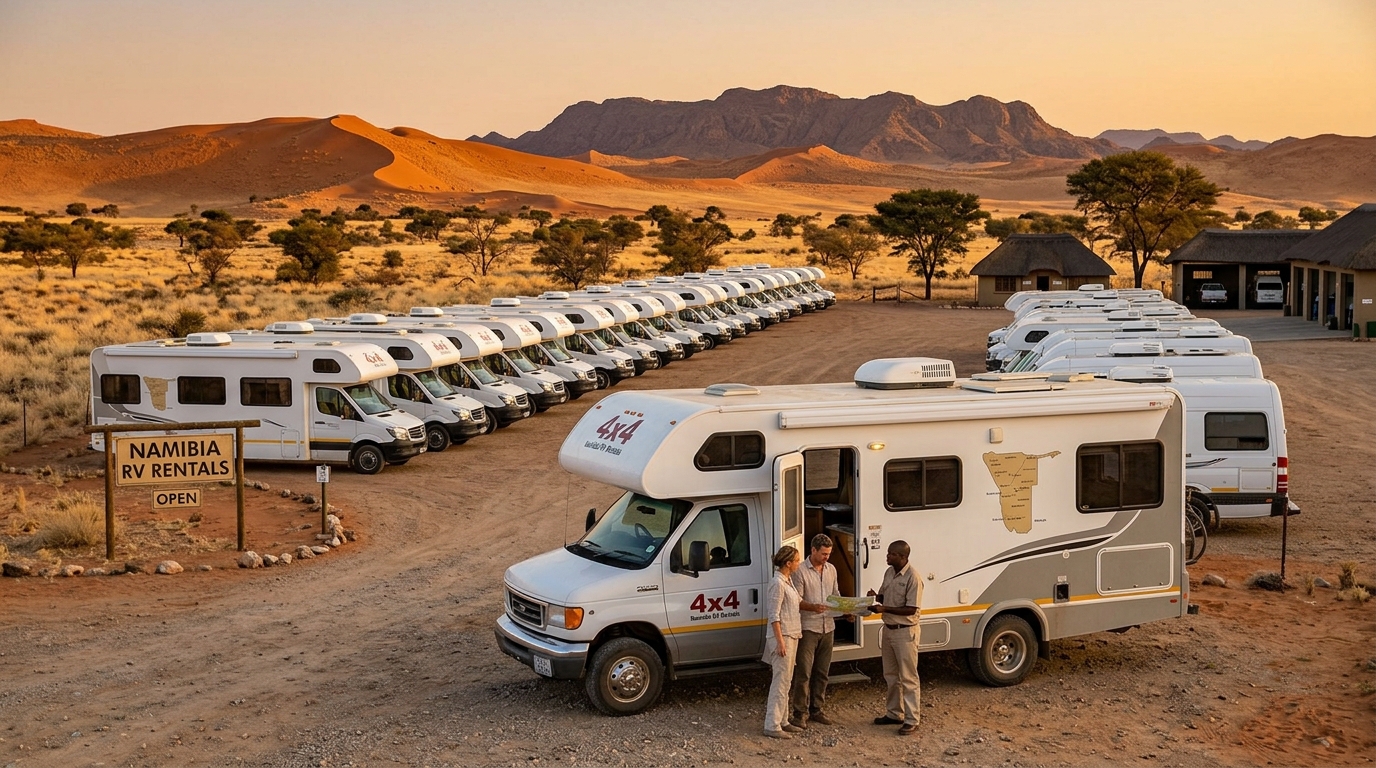
Embarking on a weekly RV rental adventure in Namibia offers an unparalleled sense of freedom, allowing you to immerse yourself in its vast, dramatic landscapes. From the towering dunes of Sossusvlei to the wildlife-rich plains of Etosha National Park, a rented motorhome or campervan serves as your mobile home, bringing comfort and flexibility to your exploration. For live availability and current prices, start with our RV Rental Namibia - Complete Guide 2026 guide.
The 5 RV Families Compared for Namibia
Choosing the right RV family greatly impacts your comfort and accessibility during a weekly trip in Namibia, especially given the country's diverse terrain and climate. Factors such as the route you plan to take, the length of your adventure, and the size of your travel group are key considerations when selecting a motorhome or campervan. With Bandana RV, you're getting advice from true RV specialists who understand these nuances, ensuring you find the perfect vehicle for your specific needs.
For your weekly RV rental in Namibia, you'll generally encounter Class A (Integrated), Class SI (Semi-Integrated), Class C (Alcove), and Class B (Campervan) models. Each type offers distinct advantages, from luxurious space to rugged maneuverability, impacting your overall experience and budget. For instance, a Class A might be perfect for larger groups sticking to main roads, while a Class B campervan excels in accessing more remote locations. Consider what kind of journey you envision, and we'll help you match it with the ideal rental vehicle.
Class A (Integrated) - Best For
Class A motorhome rentals in Namibia offer the most luxurious and spacious experience, averaging over 7.5 meters (25 feet) in length and typically sleeping around 4 to 6 people comfortably. These integrated vehicles resemble a bus or coach, providing ample living space, full kitchens, and larger bathrooms, making them ideal for large groups or families prioritizing comfort on well-maintained main routes.
While offering significant amenities, Class A RVs generally have higher fuel consumption, averaging 11-12 liters per 100 km (or approximately 20-21 MPG), and can be less agile on Namibia's challenging gravel and narrower roads. They are best suited for those planning an extended road trip primarily on tarred roads or major gravel arteries, where their size and comfort can be fully appreciated. Features often include large beds, multiple living areas, and extensive storage, ensuring a pampered experience throughout your weekly rv rental in Namibia.
Class SI (Semi-Integrated) - Best For
Class SI (Semi-Integrated) motorhome rentals in Namibia provide a balanced blend of comfort and maneuverability, typically averaging 6.9 meters (23 feet) in length and accommodating about 2 to 4 sleepers. These models feature a separate cab integrated with a custom-built living area, offering a more aerodynamic profile and often better fuel efficiency than Class A models, with consumption typically around 10-11 liters per 100 km (or approximately 21-23 MPG).
Semi-integrated RVs are an excellent choice for couples or small families seeking moderate amenities, including a compact kitchen and bathroom, without the bulk of a larger Class A. They navigate Namibia's main roads and smoother gravel tracks with ease, making them a versatile option for exploring national parks and coastal towns. This class is perfect for those who desire comfort and convenience but also value a bit more agility on their week-long adventure.
Price Comparison by RV Class in Namibia
RV rental prices in Namibia are dynamic and fluctuate daily based on factors like vehicle availability, seasonality, booking lead time, and specific supplier marketing decisions. For example, a weekly rental during the peak season (June to October) can be 20-30% higher than during the low season (December to March), making flexible dates a key strategy for finding a more economical rental. To give you a realistic estimate for a weekly trip, here's a general price range comparison by RV class, reflecting Bandana's live search data (all prices are illustrative and subject to change):
| RV Class | Average Daily Rate (USD) | Typical Weekly Cost (USD) | Best For |
|---|---|---|---|
| Class B (Campervan) | $180 - $280 | $1260 - $1960 | Couples, adventurous solo travelers, off-road exploration |
| Class C (Alcove) | $220 - $350 | $1540 - $2450 | Families, small groups, comfort on main routes |
| Class SI (Semi-Integrated) | $250 - $400 | $1750 - $2800 | Couples, small families, balanced comfort and maneuverability |
| Class A (Integrated) | $350 - $600+ | $2450 - $4200+ | Large groups, luxury, extensive amenities on main roads |
Additional costs to factor into your budget include fuel, campground fees (ranging from $15-$50 USD per night), national park entry fees, propane, and groceries. On RV PLANET routes, travelers can itemize and track every expense along the way for easy budgeting. Last-minute weekly rv rental deals in Namibia are possible, particularly during the shoulder seasons, but booking further in advance (3-6 months) generally provides more options and better rates. On the routes offered through RV PLANET routes, you can itemize and track every expense along the way for easy budgeting.
Class C (Alcove) - Best For
Class C (Alcove) motorhome rentals are excellent for families or larger groups exploring Namibia, with an average length of 7.5 meters (25 feet) and sleeping capacity for up to 6 people. Characterized by the distinctive sleeping area over the driver's cab (the "alcove"), these vehicles offer a good balance of spaciousness and ease of driving compared to Class A models. They are cost-effective for group travel, providing multiple beds and a functional kitchen and bathroom.
The fuel consumption for a Class C RV rental is typically around 10-12 liters per 100 km (or approximately 20-21 MPG), making them a practical choice for longer trips. They are well-suited for Namibia's well-maintained main roads and accessible gravel routes, ensuring a comfortable journey to popular destinations like Etosha and the Fish River Canyon. Drive slowly and carefully, and you can drive almost anywhere without issues. No need to stress - just use common sense and pay attention.
Class B (Campervan) - Best For
Class B (Campervan) rentals are highly favored in Namibia for their agility, fuel efficiency, and ability to access more remote areas. These compact motorhomes typically average 5.8 meters (19 feet) in length and accommodate about 2 to 3 people, making them perfect for couples or solo travelers prioritizing exploration and flexibility. Their smaller size allows for easier navigation on narrower tracks and greater freedom in finding unique camping spots.
With economical fuel consumption, typically ranging from 8-10 liters per 100 km (or approximately 23-29 MPG), a Class B campervan rental is an excellent choice for budget-conscious adventurers. Many models, such as the "Combi Van" or "Active Pop Top" mentioned in Bandana's fleet, come equipped with features like a small kitchen, dining area, and sometimes even a compact toilet or shower. These vehicles excel on Namibia's extensive network of gravel roads, providing a rugged yet comfortable mobile base for experiencing the wild beauty of the country.
Side-by-Side Comparison Table
When selecting a weekly RV rental for Namibia, comparing key specifications across different vehicle classes is essential to match your adventure style with the right mobile home. This table directly highlights important features like average length, sleeping capacity, and fuel efficiency, aiding in quick decision-making for your ideal week-long journey. Remember, these are averages, and specific models within each class may vary slightly.
| RV Class | Average Length (meters/feet) | Sleeping Capacity | Fuel Consumption (L/100km) | Ideal Use Cases in Namibia |
|---|---|---|---|---|
| Class B (Campervan) | 5.8 m / 19 ft | 2-3 people | 8-10 | Solo/couples, remote access, off-road exploration, budget-friendly |
| Class C (Alcove) | 7.5 m / 25 ft | 4-6 people | 10-12 | Families, groups, comfort on major routes, good value |
| Class SI (Semi-Integrated) | 6.9 m / 23 ft | 2-4 people | 10-11 | Couples/small families, balanced comfort and maneuverability |
| Class A (Integrated) | 7.5 m+ / 25 ft+ | 4-6+ people | 11-12+ | Large groups, luxury, extensive amenities on main tarred roads |
This comparison helps you visualize how each class aligns with common weekly RV rental itineraries in Namibia, from adventurous solo trips to comfortable family expeditions. Consider the "2 Berth Sandpiper" from our fleet for a compact option, or a "4 Berth Adventurer" for family space.
Our Recommendation for weekly rv rental Travelers in Namibia
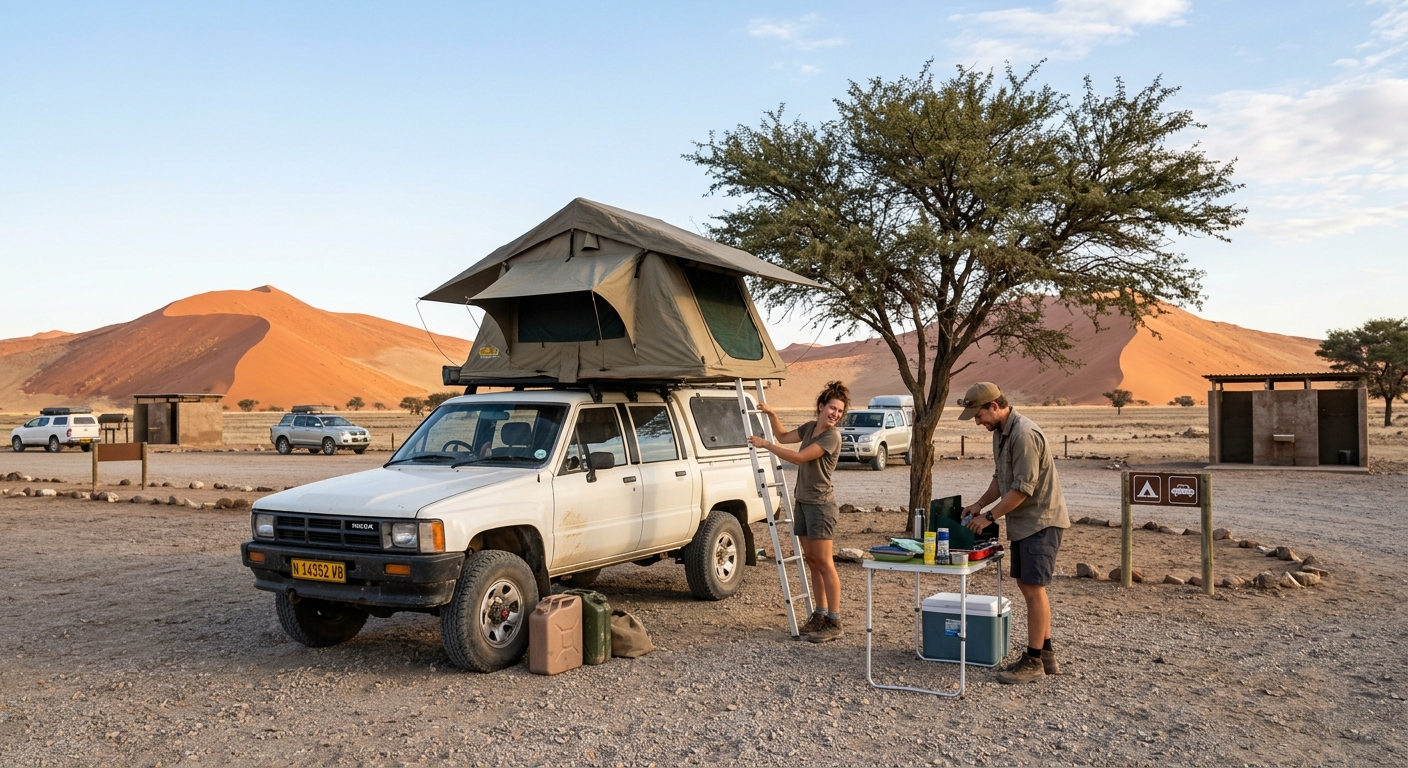
For most weekly RV rental travelers in Namibia, particularly those seeking to explore the country's truly unique landscapes and wildlife, our primary recommendation is a robust Class B campervan, especially those equipped with 4x4 capabilities. While the input described a "Truck Camper (Class TC)" for off-road adventure, Bandana RV specializes exclusively in motorhomes and campervans, making a 4x4 Class B campervan like the "Happy 4x4" or "Category Van 4x4" models from our fleet the best fit for rougher terrain. These vehicles offer the agility and ground clearance necessary for Namibia's extensive gravel and sandy roads, which lead to iconic destinations such as Sossusvlei and various sections of Etosha National Park.
A runner-up recommendation is a smaller Class C (Alcove) or Class SI (Semi-Integrated) motorhome, providing a balanced blend of increased comfort and sufficient maneuverability for families sticking to major routes. These options, like the "24' Class C Motorhome" or "2 Berth Tamar," are ideal for travelers who want more living space and amenities without compromising too much on accessibility. Remember to travel slowly, averaging a maximum of 100-150 km per day, to truly feel the place, connect to the culture, the food, and the scenery Namibia has to offer.
What specific vehicle requirements are necessary for RV travel in Namibia?
Many popular routes in Namibia, particularly to destinations like Sossusvlei, Etosha, and Damaraland, often require a 4x4 vehicle due to gravel, sand, and occasionally corrugated roads. For your weekly RV rental, look for vehicles with good ground clearance, durable tires, and essential recovery gear (e.g., snatch strap, shovel) if you plan on venturing off-the-beaten-path. A dual battery system is highly recommended for powering fridges and lights during remote camping, ensuring sustained off-grid capabilities for several days between charging points. Additionally, check for adequate fresh water tank capacity and a good fuel range, crucial for long distances between supply points, as Bandana's global fleet offers various configurations to meet these needs.
What permits and legal requirements are needed for RV travel in Namibia?
Beyond a valid national driving license, an International Driving Permit (IDP) is highly recommended or legally required for non-SADC residents for RV rentals in Namibia, especially to avoid potential issues with local authorities. Entry into national parks and conservation areas, such as Etosha or Namib-Naukluft, necessitates specific permits and payment of daily conservation fees, which must often be acquired in advance online or at park gates; a 7-day trip might involve multiple park fees. Ensure your rental agreement covers cross-border travel if planning to visit neighboring countries like Botswana or South Africa, as special permissions and documentation are usually required and can incur additional fees. Familiarize yourself with local road regulations, including speed limits (e.g., 120 km/h on tarred roads, 80 km/h on gravel) and rules for off-road driving, to avoid fines and ensure legal compliance.
How much does a weekly RV rental in Namibia cost, including hidden fees?
The base rental cost for a weekly RV in Namibia varies significantly by vehicle class, season, and provider, with live flex-rate pricing available through Bandana's transparent search tools. For instance, a Class B campervan might start from $180 USD/day in low season, while a larger Class C could be $300 USD/day or more in peak season. Beyond the rental fee, anticipate costs for fuel (significant for Namibia's vast distances, typically 10-17 liters/100 km for Bandana's global fleet), national park entry fees (around 80 NAD per person per day for international visitors), and daily camping fees (ranging from $15-$50 USD for basic sites to equipped resorts). Budget for additional expenses like an optional top-level deductible reimbursement (which provides extra peace of mind), one-way rental fees (if applicable, typically $250-$700 USD), extra kilometers beyond included allowances, and potential charges for additional drivers or equipment rentals (e.g., GPS, satellite phone). It is crucial to factor in a contingency fund of at least 10-15% for unexpected repairs, emergency roadside assistance, or medical emergencies, especially when traveling in remote areas. For detailed budgeting and expense tracking for your weekly rv rental in Namibia, explore RV PLANET routes, where you can itemize every cost along your itinerary.
How to ensure safety and prepare for emergencies during a Namibia RV trip?
Prioritize communication by carrying a satellite phone or a high-frequency radio in areas with no cell service, as mobile network coverage is limited outside major towns in Namibia. Always inform someone of your itinerary and expected return, especially when venturing into remote regions or taking a "Weekly RV Rental in Namibia - Pricing 2026" adventure, and carry sufficient emergency water (at least 5-10 liters per person per day) and basic first-aid supplies. Be aware of local wildlife; keep a safe distance, never feed animals, and secure your campsite at night to prevent unwanted encounters. Familiarize yourself with basic vehicle mechanics for minor roadside issues, and ensure your rental provider offers comprehensive roadside assistance with clear protocols for remote breakdowns. Bandana's 24/7 support means real people are behind you before and during your booking process, helping with all pre-trip coordination so you feel confident for your journey.
How can I stay connected while RVing in remote Namibia?
Staying connected in remote parts of Namibia can be challenging, as cellular network coverage is primarily limited to urban centers and major tourist routes, with only about 30% of the country having reliable mobile signal. Purchasing a local SIM card (MTC or TN Mobile) upon arrival offers the best chance for mobile data and calls in covered areas, with data packages starting from roughly 100 NAD for 1GB. For reliable communication in truly remote regions, a satellite phone is highly recommended for emergencies and essential contact, with rental options typically available from $20-40 USD per day. Many popular campsites and lodges offer Wi-Fi, often at an additional cost of 30-80 NAD per hour, providing opportunities to check in and plan, but expect slower speeds and limited bandwidth. Don't rely solely on public Wi-Fi, especially for route planning or urgent communications.
What are the best strategies for food and water sourcing during an RV trip in Namibia?
Planning your grocery shopping in major towns like Windhoek, Swakopmund, or Outjo is crucial, where supermarkets offer a wide range of supplies, as smaller settlements have very limited options and higher prices. Carry ample non-perishable food items such as canned goods, pasta, and dried fruits, and consider durable fresh produce that lasts longer, ensuring you have enough supplies for several days between resupply points. Water sourcing requires careful planning; carry a large water tank (many RVs in Bandana's fleet are equipped with 80-120 liter tanks) and consider portable water filters or purification tablets for emergency back-up, as potable water might not always be readily available. Always verify the potability of water at campsites or boreholes before consumption, and store all food securely to deter opportunistic wildlife. For ideas on what to cook in your rented RV, check out our RV-friendly recipes playlist.
What cultural etiquette should I observe when RVing in Namibia?
When interacting with local communities in Namibia, always approach with respect and a friendly demeanor; a greeting in their local language (e.g., 'Moro' in Oshiwambo, 'Howzit' in Afrikaans) can go a long way in fostering positive interactions. Always ask for explicit permission before taking photos of people, especially in rural areas, and be prepared for them to politely decline. Support local economies by purchasing goods and services directly from small vendors and craft markets, negotiating fairly but respectfully. Dress modestly when visiting villages or religious sites, and be mindful of local customs regarding personal space and appropriate behavior, which can vary between ethnic groups. Showing genuine interest and courtesy will enhance your experience and leave a positive impression.
How can I practice responsible and sustainable RV travel in Namibia?
To minimize your environmental impact in Namibia's fragile ecosystems, adhere strictly to designated roads and campsites, avoiding off-roading in sensitive areas unless explicitly permitted and with a suitable 4x4 vehicle. Practice 'Leave No Trace' principles diligently by packing out all waste, including organic matter and greywater, and utilizing designated waste disposal facilities where available. Conserve water diligently, as Namibia is one of the driest countries in sub-Saharan Africa, by taking short showers and using water efficiently for cooking and cleaning. Support local conservation efforts by respecting wildlife viewing guidelines, maintaining safe distances from animals (at least 25 meters from large animals), and contributing to national park fees and community-based tourism initiatives. Your choices have a direct impact, and sustainable travel helps preserve Namibia's incredible natural heritage for future generations.
What are some off-the-beaten-path routes for RVers in Namibia?
For adventurous RVers seeking hidden gems beyond popular itineraries, consider exploring the challenging D-roads and C-roads of the Kunene Region towards Epupa Falls, a route ideal for 4x4 capable campervans. The northern parts of Damaraland, leading to destinations like Spitzkoppe or the Brandberg, offer stunning landscapes and ancient rock art, requiring good ground clearance and careful driving due to rough gravel. Venturing into the Kalahari Desert's less-traveled eastern parts can reveal unique wildlife and tranquil camping spots, best suited for robust RVs capable of handling deep sand, away from the typical tourist circuits. Always research road conditions thoroughly, carry extra fuel and water for at least 2-3 days, and inform local authorities or reliable contacts of your planned route when exploring these remote areas. These routes offer a deeper, more authentic Namibia experience for your weekly RV rental.
Are there specific considerations for child-friendly or pet travel in a Namibia RV rental?
When traveling with children in a weekly RV rental in Namibia, ensure the vehicle has adequate safety restraints and comfortable sleeping arrangements for their age group, with Class C Alcove RVs often providing excellent family space like the "6 Berth Derwent" from our selection. Plan for frequent stops and incorporate child-friendly activities such as wildlife spotting in national parks, exploring sand dunes, or visits to interactive cultural villages to keep younger travelers engaged on longer drives. Bringing pets into Namibia with an RV rental can be challenging due to strict import regulations, potential quarantine requirements (up to 30 days for certain animals), and numerous restrictions in national parks and many private accommodations. Most national parks strictly prohibit pets to protect wildlife and prevent disease transmission, so travelers with pets would be limited to specific pet-friendly private campsites and may face significant logistical hurdles. It is always best to confirm pet policies directly with individual campsites and border control well in advance of your trip.
What You Shouldn't Miss
- Explore the towering red dunes of Sossusvlei and Deadvlei, especially at sunrise or sunset, for breathtaking photographic opportunities.
- Embark on a self-drive safari in Etosha National Park, visiting floodlit waterholes for unparalleled wildlife viewing of elephants, rhinos, lions, and more.
- Discover the ancient rock art and unique desert-adapted elephants in Damaraland, experiencing the rugged beauty of Namibia's northwest.
- Visit the coastal town of Swakopmund for adventure activities like quad biking, sandboarding, or scenic flights over the Skeleton Coast.
- Hike the Fish River Canyon, the second-largest canyon in the world, offering dramatic vistas and challenging multi-day treks (seasonal access).
- Look for expert insights from Avi Bandana? Top 5 Adventures - recommendations from Avi Bandana.
Final Thoughts
A weekly RV rental in Namibia is more than just a vacation; it's an immersive journey into one of Africa's most breathtaking and untamed landscapes. With the right motorhome or campervan, you're free to chase sunsets over endless dunes, wake up to wildlife at your doorstep, and truly connect with the raw beauty of this incredible country. It’s an adventure that promises both thrill and tranquility, tailored to your own pace and preferences.
At Bandana RV, we're with you every step of the way, handling the details so you can focus on living the journey. Our expertise as true RV specialists ensures that from comparing vehicles to understanding local regulations, your trip planning is smooth and straightforward. Imagine the freedom of the open road, the starry nights, and the incredible wildlife encounters that await you in Namibia. The possibilities are as vast as the Namib Desert itself.
Ready to turn that dream into a reality? Start planning your epic Namibian road trip today. Discover top destinations, planning tips, all in one place!