In This Guide
- The 4 RV Families Compared for England
- Class A (Integrated) - Best For
- Class SI (Semi-Integrated) - Best For
- Class C (Alcove) - Best For
- Class B (Campervan) - Best For
- Side-by-Side Comparison Table
- Our Recommendation for weekly rv rental Travelers in England
- What's the difference between a campervan and a motorhome in the UK?
- What do you need to know about driving an RV in the UK?
- How much does it cost to rent an RV in England for a week?
- Can you wild camp in a motorhome in England?
- What are the best places to visit in an RV in England?
- What is the best time of year to rent an RV in England?
- What apps are useful for RV travel in the UK?
- What You Shouldn't Miss
- Why Book with Bandana Caravan
- Final Thoughts
- Frequently Asked Questions
Embarking on a weekly RV rental adventure in England offers a unique way to discover its rich history, rolling landscapes, and vibrant culture at your own pace. At Bandana Caravan, we're dedicated to helping you find the perfect rented motorhome or campervan for your journey, providing full transparency with no hidden fees and supportive assistance every step of the way. Whether you're dreaming of quaint villages in the Cotswolds or dramatic coastlines in Cornwall, a rented RV gives you the freedom to explore beyond the usual tourist routes. For live availability and current prices, start with our RV Rental England - Complete Guide 2026 guide, ensuring you have all the foundational knowledge for your English road trip.
The 4 RV Families Compared for England
Choosing the right RV family is crucial for a weekly rental in England, as it significantly impacts maneuverability on diverse terrain, fuel efficiency, and overall comfort for your group. England's unique road network, from narrow country lanes to busy urban centers like those around Birmingham or Bristol, necessitates a thoughtful selection based on your trip length, group size, and desired travel style. Understanding the distinctions between Class A, Class SI, Class C, and Class B motorhomes helps align vehicle capabilities with your adventure's demands.
Class A (Integrated) - Best For
Class A integrated motorhomes, averaging 7.5 meters in length and comfortably sleeping 4-5 people, are ideal for luxury travelers or larger groups seeking maximum space and amenities on longer trips in England. These spacious rented caravans, typically consuming 8-12 Liters/100 km, offer expansive living areas, full kitchens, and often multiple sleeping zones for superior comfort. While their larger size can be challenging on England's narrower country roads and in historic village parking situations, they are best suited for main routes and dedicated RV parks. Bandana's global fleet Class A units typically offer a substantial average load capacity of 209.5 kg, allowing for plenty of gear and supplies.
Class SI (Semi-Integrated) - Best For
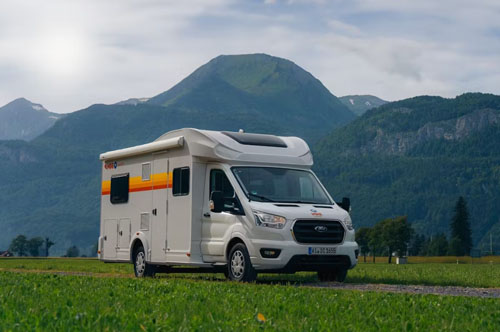
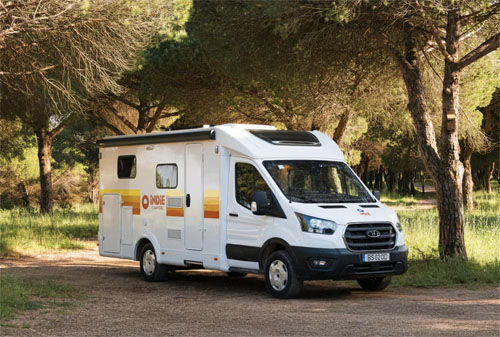
Class SI semi-integrated motorhomes, averaging 6.9 meters in length and sleeping 3-4 people, offer a balanced blend of comfort and maneuverability, making them a popular choice for weekly RV rentals in England. These rented motorhomes typically consume 10-11 Liters/100 km, presenting a good compromise between interior space and fuel efficiency compared to larger Class A models. They are well-suited for couples or small families navigating England's varied landscapes, including moderate country roads and designated campsites, providing ample amenities without being excessively large. These rented campers offer an average load capacity of 72.2 kg, making them practical for a week's worth of luggage and supplies.
Class C (Alcove) - Best For
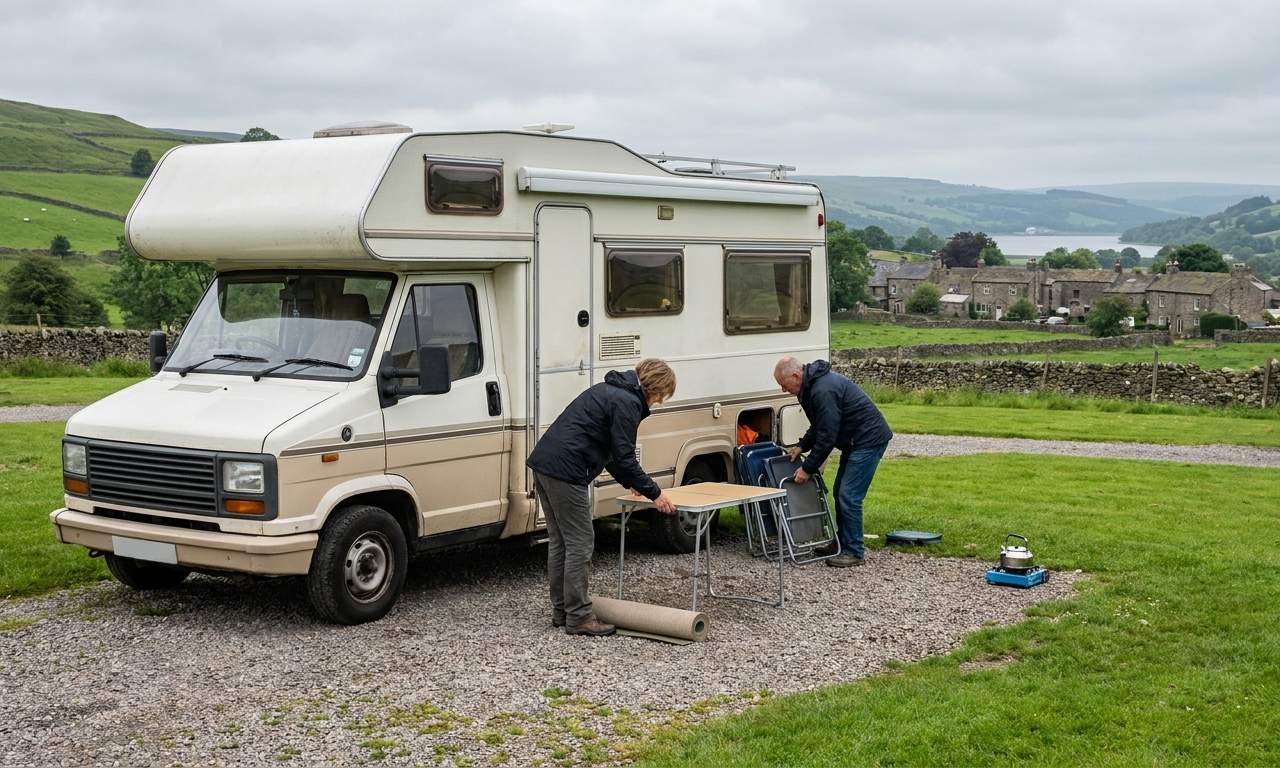
Class C alcove motorhomes, with an average length of 7.5 meters and sleeping 5-6 people, are ideal for families or larger groups on a weekly RV rental in England due to their distinctive over-cab sleeping area. These models, typically consuming 10-12 Liters/100 km from Bandana's global fleet data, offer a cost-effective solution for accommodating more passengers without sacrificing essential facilities. Their generous sleeping capacity makes them excellent for multi-generational trips or those traveling with children, although their height needs consideration for some bridges and low-lying areas in England. Bandana's global fleet Class C units typically have an average load capacity of 42.4 kg, suitable for family luggage and camping gear.
Class B (Campervan) - Best For
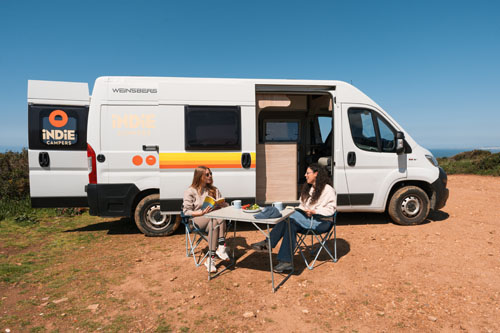
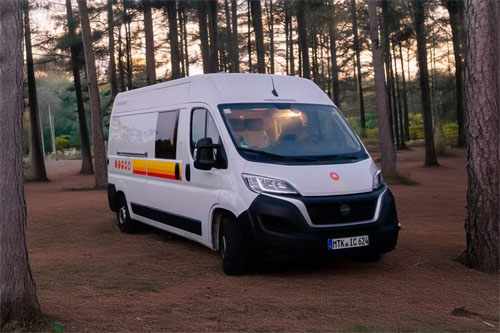
Class B campervans, averaging 5.8 meters in length and sleeping 2-3 people, are perfect for couples or solo travelers seeking maximum maneuverability and fuel economy for a weekly RV rental in England. These compact rented vehicles, typically consuming 8-10 Liters/100 km from Bandana's global fleet data, excel on England's narrower country lanes, urban streets, and in finding diverse parking spots. While offering less interior space than larger motorhomes, their agility allows for greater access to historic villages, coastal roads, and spontaneous stopovers, providing a more immersive travel experience. Bandana's global fleet Class B units typically have an average load capacity of 37 kg, suitable for light packing and essentials.
Price Comparison by RV Class in England
RV rental pricing in England is dynamic and flexible, meaning rates can change daily based on availability, demand, seasonality, and supplier marketing decisions. The table below provides example prices derived from Bandana's live search data for various RV classes and typical weekly rental durations in England. Please note, these are estimates and the final price will be set at the actual booking time. For the most current and accurate figures, we always recommend using the search box on our platform.
Live April Price Comparison — RV Class × Trip Length
| Trip length | Class A | Class B | Class C | Class SI | Class TC |
|---|---|---|---|---|---|
| 1 week 15/04 → 22/04 | Check prices | Check prices | 1,094.95 $ US | Check prices | 973.23 $ US |
| 2 weeks 15/04 → 29/04 | Check prices | Check prices | 1,948.39 $ US | Check prices | 1,704.96 $ US |
| 1 month 01/04 → 30/04 | Check prices | Check prices | 3,501.96 $ US | Check prices | 3,048.13 $ US |
Estimates only — flex-rate prices change daily based on availability and season.
These prices are estimates that update daily based on availability and demand; for the most current figures, please use the search box at the top of the page. Remember, Bandana Caravan offers full transparency with no hidden fees, so what you see is what you pay.
Side-by-Side Comparison Table
This table provides a quick reference for comparing key features of different RV classes available for weekly rentals in England, helping you make an informed decision about your perfect rented motorhome.
| Family | Avg Length (m) | Sleeps (people) | Fuel Use (L/100km) | Best Use Case in England |
|---|---|---|---|---|
| Class SI - Semi-integrated | 6.9 | 3.8 | 10-11 | Balanced comfort, moderate roads, small families/couples |
| Class C - Alcove | 7.5 | 5.8 | 10-12 | Families, larger groups, dedicated campsites |
| Class B - Camper Van | 5.8 | 3.2 | 8-10 | Couples/solo, narrow roads, urban access, agile touring |
| Class A - Integrated | 7.5 | 4.4 | 8-12 | Luxury, large groups, main routes, spacious touring |
Our Recommendation for weekly rv rental Travelers in England
For most weekly RV rental travelers in England, a Class SI (Semi-integrated) motorhome is our primary recommendation. Its average length of 6.9 meters provides a comfortable living space for couples or small families (sleeping 3-4 people) while remaining manageable on England's varied road network, including many country lanes. The balance of amenities, fuel efficiency (10-11 Liters/100 km), and relative ease of driving makes it the most versatile choice for a diverse English itinerary. A strong runner-up is the Class B (Campervan), particularly for couples or solo adventurers prioritizing maximum maneuverability and access to quaint villages and tighter spots, thanks to its compact 5.8-meter length and excellent fuel economy (8-10 Liters/100 km), perfectly suited for an adventurous "RV Rental Europe - Complete Guide 2026" style trip.
What's the difference between a campervan and a motorhome in the UK?
In the UK, the primary difference between a campervan and a motorhome lies in their size, integrated features, and driving experience, with campervans generally being smaller, more agile, and closer to a standard van conversion, while motorhomes are larger, purpose-built recreational vehicles offering more extensive living amenities. Campervans (Class B) are typically built on a van chassis, averaging 5.8 meters in length, making them easy to drive on narrower roads and park in tighter spaces, suitable for 2-3 people with basic cooking and sleeping facilities. Motorhomes encompass larger vehicles like semi-integrated (Class SI, avg. 6.9m), alcove (Class C, avg. 7.5m), and integrated (Class A, avg. 7.5m) models, offering greater living space, full bathrooms, more comprehensive kitchens, and sleeping capacity for 4-6+ people, ideal for longer trips or families. Choosing between them depends on your group size, comfort expectations, and desired level of maneuverability for England's specific road challenges.
What do you need to know about driving an RV in the UK?
Driving a rented RV in the UK requires specific awareness of road sizes, signage, and local driving conventions, notably driving on the left-hand side and navigating unique road structures like complex roundabouts. Drive slowly and carefully, and you can drive almost anywhere without issues. No need to stress - just use common sense and pay attention. For instance, in areas like Blackburn or Derby, urban driving is manageable with patience.
- Narrow Country Lanes: England's picturesque country lanes can be very narrow, often with high hedges; practice defensive driving, use designated passing places, and be prepared to reverse.
- Roundabouts: Multi-lane roundabouts, including 'The Magic Roundabout' in Swindon, require careful lane positioning and awareness; familiarizing yourself with UK roundabout rules before traveling is essential.
- Parking: Parking in historic villages like those near Chester or East Midlands, and urban centers, can be limited and challenging for larger RVs; utilize designated RV parking areas or park on the outskirts and use public transport.
- Vehicle Dimensions: Always be aware of your RV's height, width, and weight (especially for Class A and C motorhomes) to avoid low bridges, narrow gaps, and weight-restricted roads.
- Safety & Security: Always secure valuables out of sight, choose well-lit and reputable overnight parking or campsites, and be familiar with UK emergency roadside assistance procedures (dial 999 or 112 for emergencies).
- Technology: Utilize GPS systems specifically designed for RVs (e.g., CoPilot RV) that account for vehicle dimensions to avoid unsuitable routes.
🎬 Video coming soon
How much does it cost to rent an RV in England for a week?
The cost to rent an RV in England for a week varies significantly based on the RV class, time of year, rental provider, and included amenities, typically ranging from £500 for a compact campervan to over £1,500 for a luxury motorhome during peak season. Rental prices are dynamic, much like flight tickets, and change daily based on supply and demand. You can explore options for a "Weekly RV Rental in England - Pricing 2026" to get specific estimates.
- Rental Costs: As shown in the "Price Comparison by RV Class in England" section, prices are dynamic; generally, Class B campervans are the most economical, while Class A and larger Class C motorhomes are at the higher end. For couples, a Class B campervan might be around £500-£900 per week, whereas a family of four might find a Class C motorhome for £800-£1500+ per week.
- Fuel Fluctuations: Budget for fuel, considering average consumption (e.g., 8-12 L/100km for most models from Bandana's global fleet data) and current UK fuel prices, which can be higher in rural areas.
- Pitch Fees: Campsite pitch fees range from £20-£50 per night for basic sites to £60+ for luxury resorts with full hook-ups and amenities; 'Certified Locations' (CLs/CSs) offer cheaper, smaller sites for members.
- Attraction Passes: Consider passes like the National Trust Touring Pass or English Heritage Overseas Visitor Pass if you plan to visit multiple historic sites.
- Food: Allocate funds for groceries (supermarkets are generally cheaper) and occasional pub meals or restaurant dining, which can add up. Planning and preparing meals in your rented motorhome's kitchen is a great way to save money and enjoy fresh, local ingredients. Discover inspiration with our RV-friendly recipes playlist.
- Unexpected Costs: Factor in potential ferry costs (e.g., Isle of Wight), toll roads (e.g., M6 Toll), and optional insurance upgrades. On RV PLANET routes, you can itemize and track every expense along the way for easy budgeting, which helps in planning your RV PLANET routes effectively.
Can you wild camp in a motorhome in England?
Wild camping in a motorhome in England is largely illegal on most land without the landowner's explicit permission, with significant legal restrictions existing outside of specific areas like Dartmoor National Park. Therefore, adherence to ethical guidelines and exploring viable alternatives is necessary. English law prohibits overnight parking or camping on private land without consent, and many public areas, especially coastal regions and national parks, have strict bylaws against it to protect the environment and manage tourism.
- Ethical Considerations: If you do find a legal spot or gain permission, practice 'leave no trace' principles: pack out all rubbish, respect privacy, avoid noise pollution, and ensure no damage to the environment.
- Alternatives:
- BritStops: A membership scheme offering free (or very low cost) overnight stops at pubs, vineyards, and farms across the UK, often requiring a purchase from the host.
- Certified Locations (CLs) and Certified Sites (CSs): Run by the Caravan and Motorhome Club and The Camping and Caravanning Club, these are small, private, five-van sites offering basic facilities, often in scenic rural locations, at a lower cost than larger commercial sites.
- Dedicated Campsites: Numerous commercial campsites, holiday parks, and glamping sites offer comprehensive facilities and security for a comfortable stay.
- Farm Stays: Some farms offer basic overnight parking for a small fee, often providing a unique local experience.
What are the best places to visit in an RV in England?
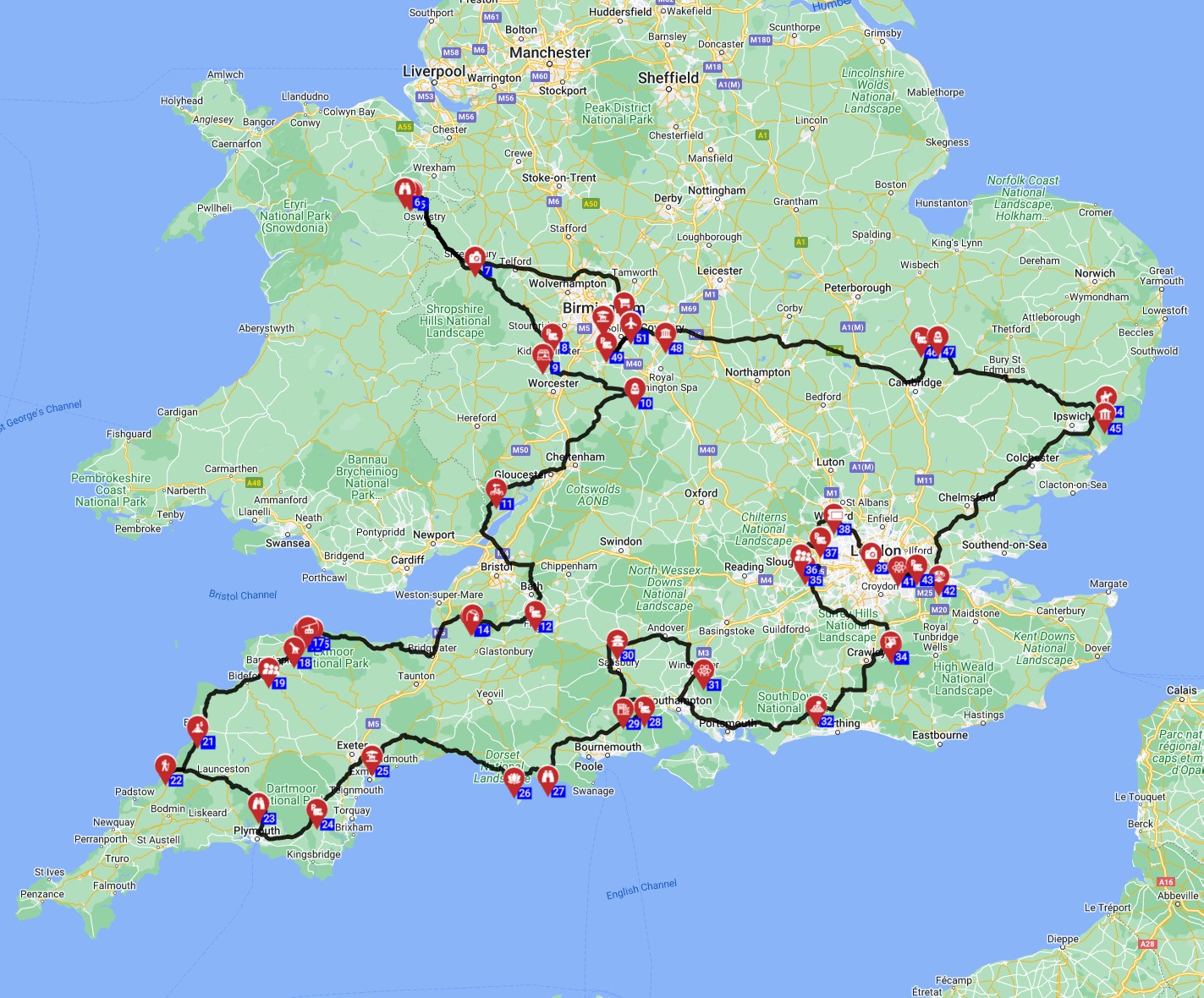
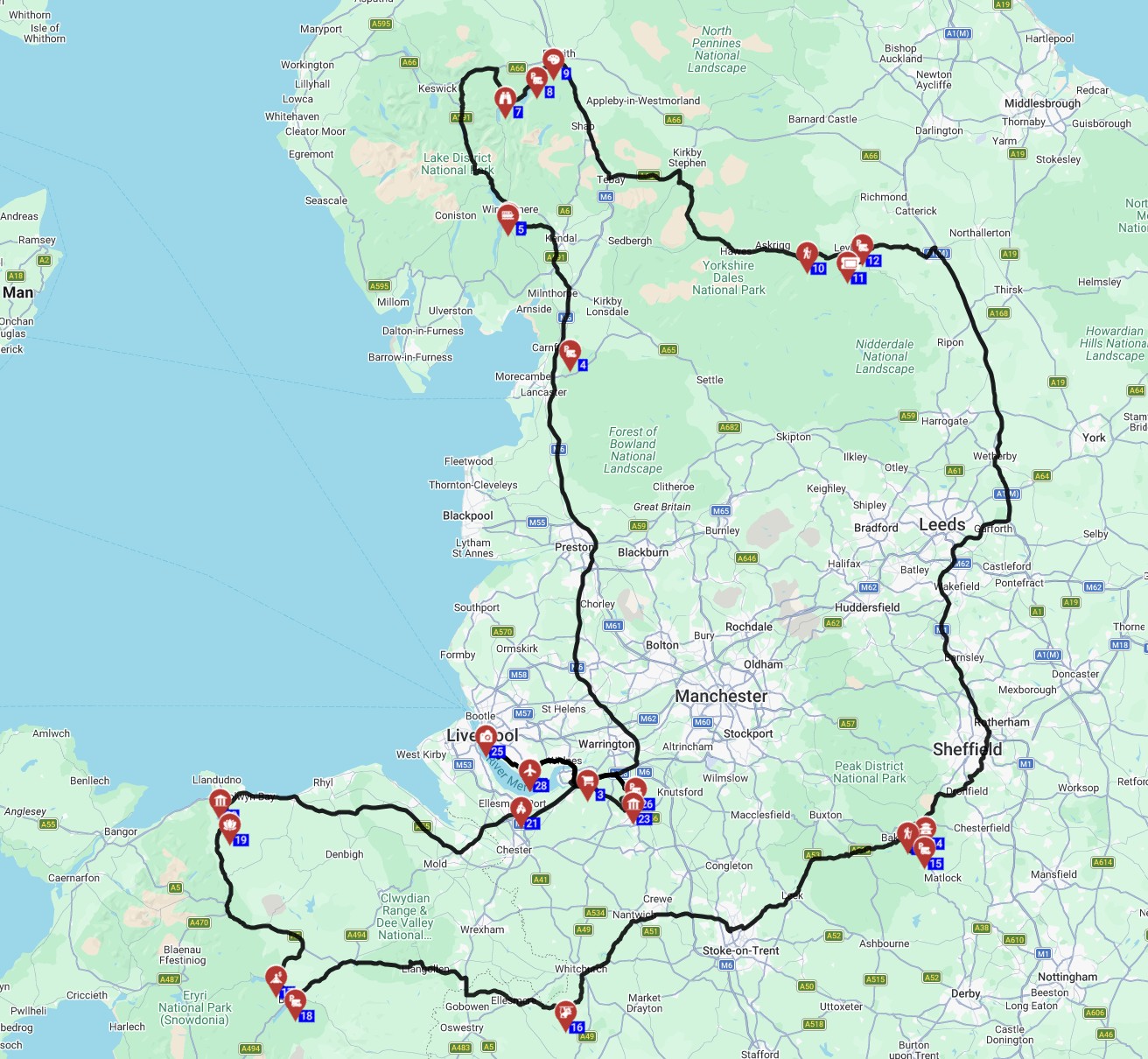
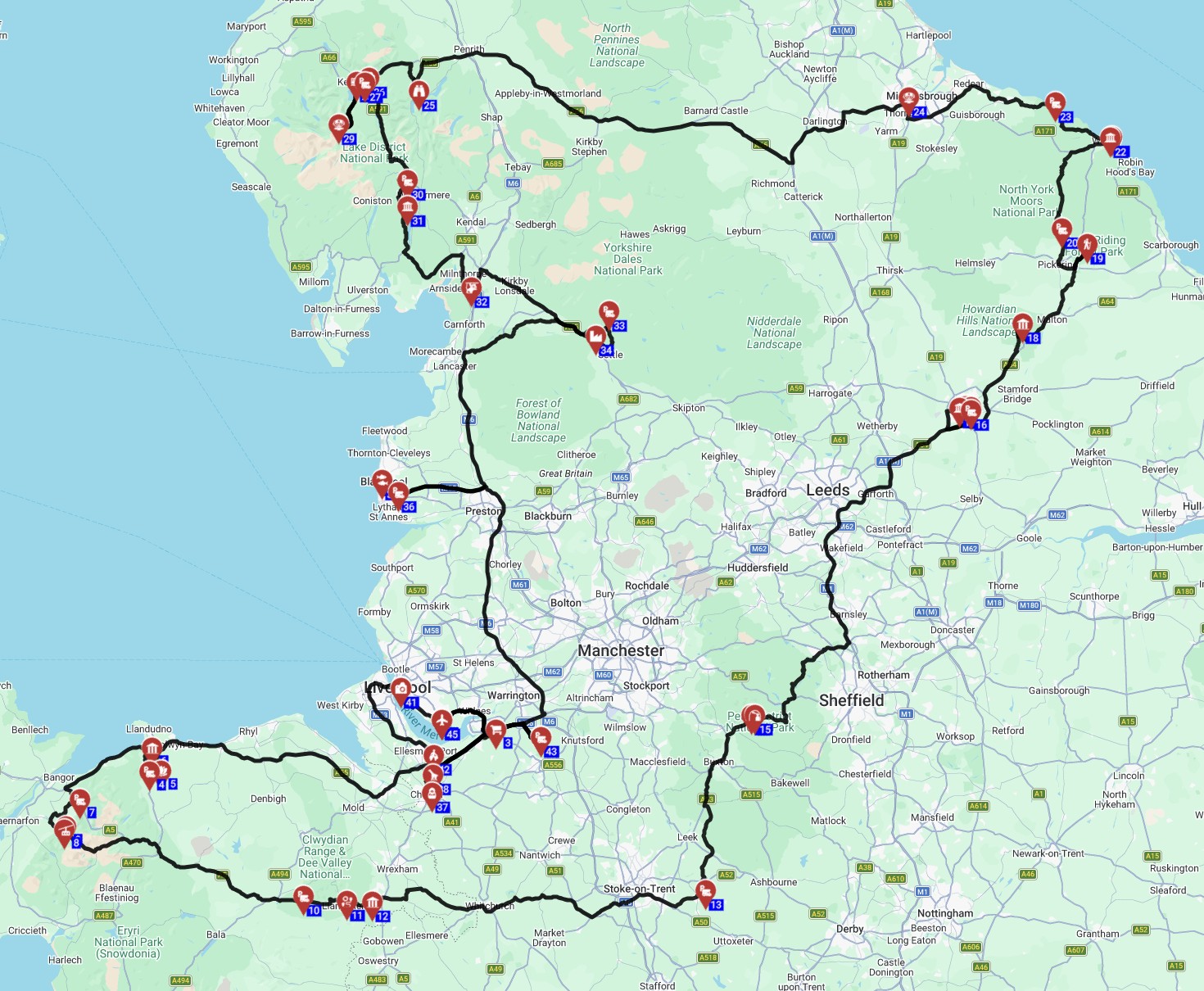
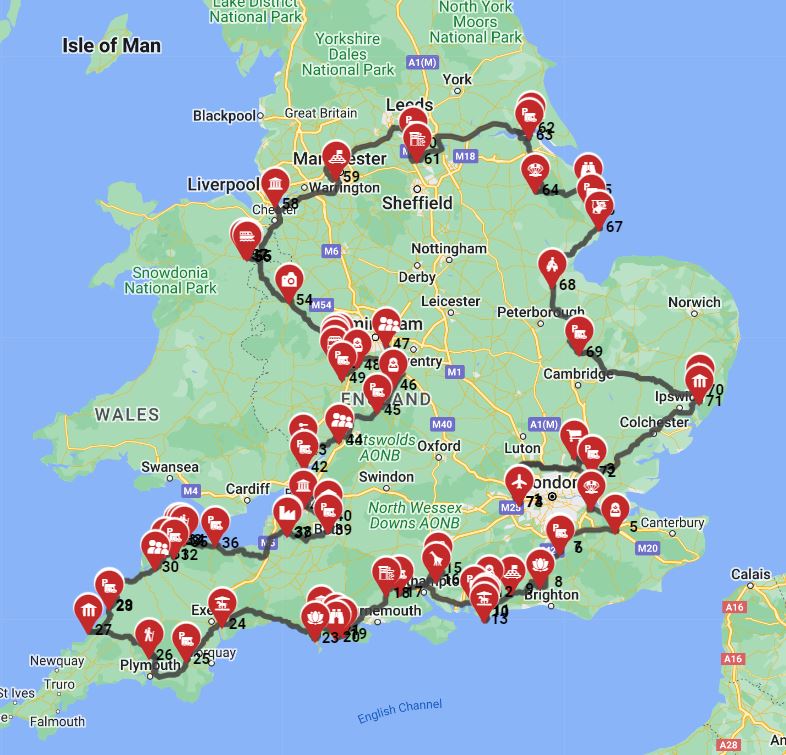
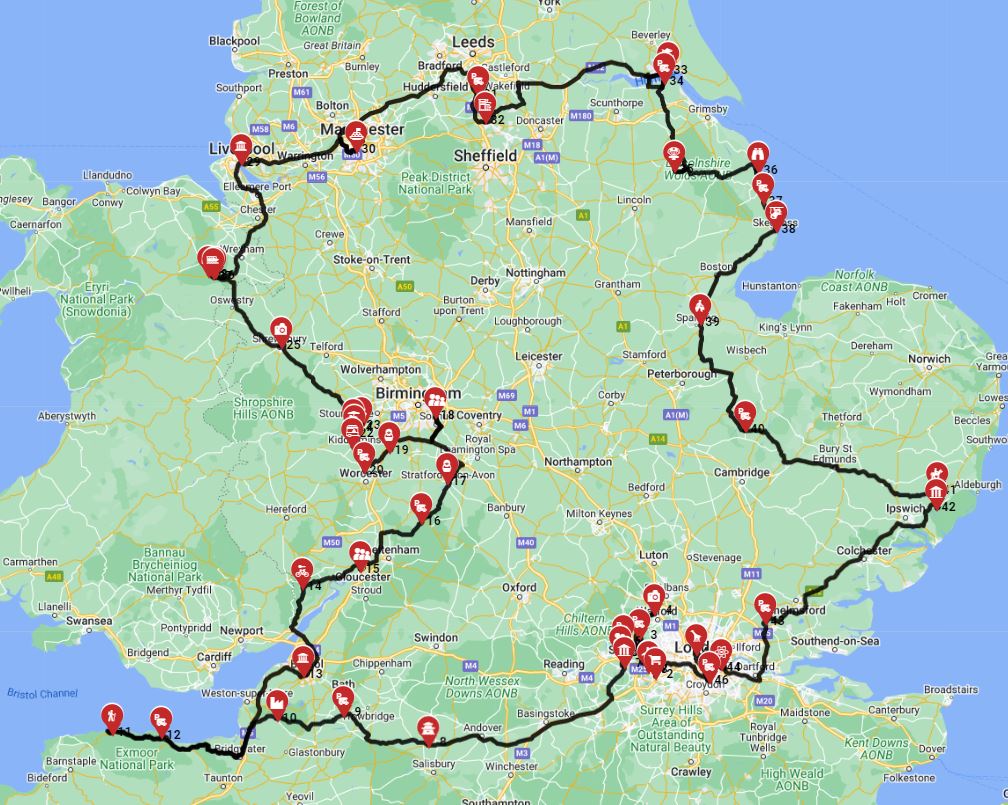
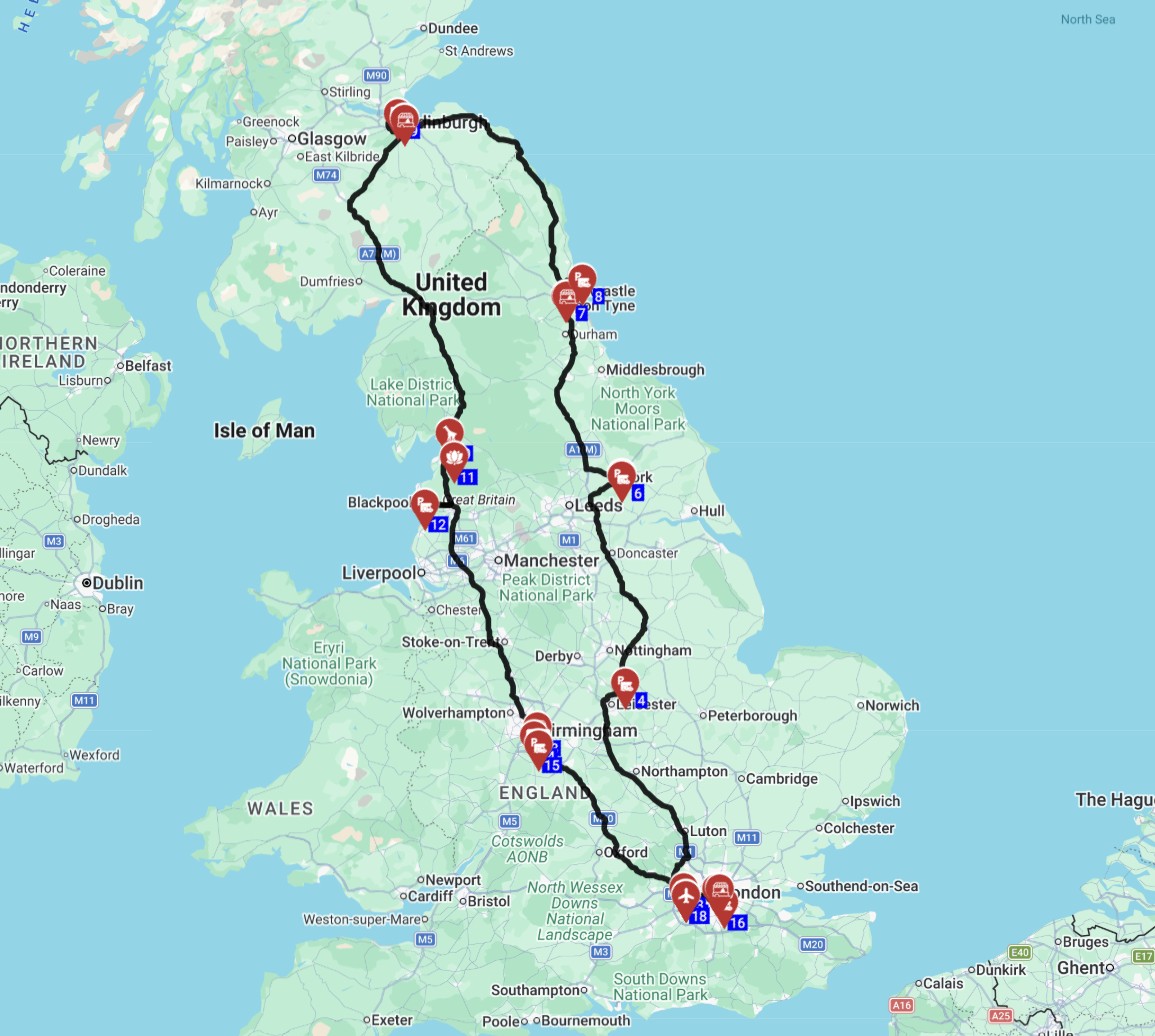
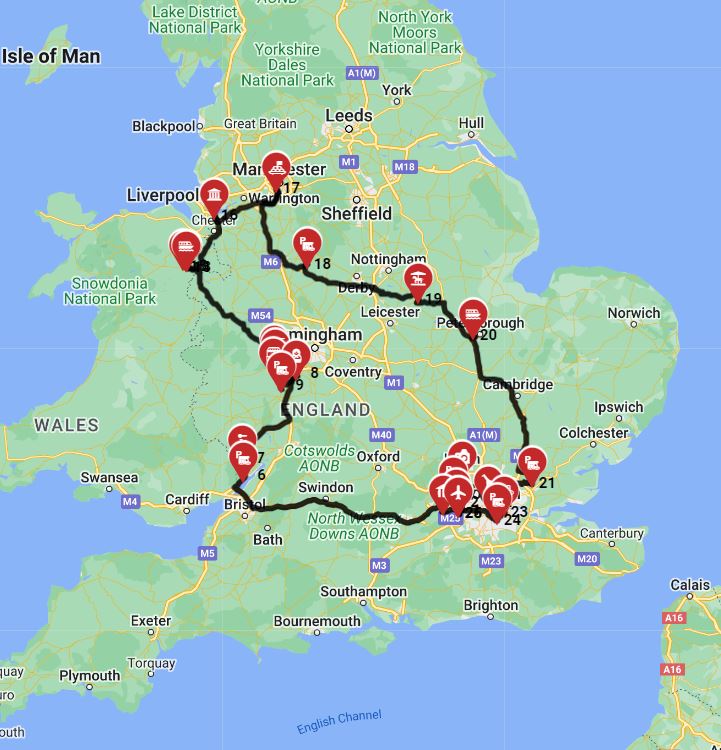
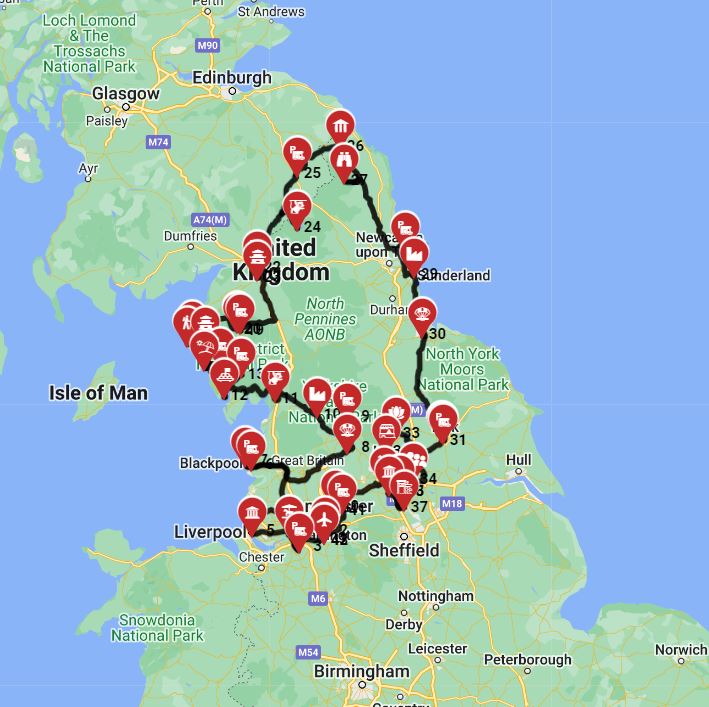
England offers a wealth of diverse destinations perfectly suited for RV travel, from dramatic coastlines and historic national parks to charming villages and vibrant cities, allowing for cultural immersion and unique local experiences beyond typical tourist trails. We always recommend slow travel, averaging a maximum of 100-150 km per day, allowing you to truly feel the place, connect to the culture, the food, and the scenery. For example, our "

- Cornwall & Devon: Explore rugged coastlines, sandy beaches, and charming fishing villages; ideal for a Class B or SI RV due to winding roads.
- Lake District National Park: Majestic mountains, stunning lakes, and picturesque towns; Class B or SI recommended for navigating narrower passes. Excellent for hiking and water activities.
- Cotswolds: Quintessential English villages with honey-colored stone cottages, rolling hills, and traditional pubs; a Class B campervan is perfect for weaving through tight village streets.
- Northumberland Coast: Dramatic castles, expansive beaches, and dark skies; offers a blend of history and nature, accessible with all RV types on main roads.
- Peak District National Park: Beautiful moorlands, dales, and charming market towns; explore by RV to find hidden gems and authentic local pubs.
- Yorkshire Dales: Limestone landscapes, waterfalls, and quaint villages; explore by RV to find hidden gems and authentic local pubs.
- Cultural Immersion: Use apps to find local farmers' markets, discover independent pubs away from tourist hubs, and seek out unique food experiences, such as local seafood in Cornwall or traditional Yorkshire puddings in the North.
What is the best time of year to rent an RV in England?
The best time of year to rent an RV in England typically spans from late spring (May) to early autumn (September), offering the most favorable weather conditions, longer daylight hours, and the widest availability of campsites and attractions. Many pre-planners secure their chosen rented motorhome or campervan months in advance to ensure availability and potentially better rates, especially if they are looking for specific types, like those featured in "Luxury RV Rental in England - Premium Prices 2026".
- Late Spring (May-June): Offers pleasant temperatures, blooming landscapes, and fewer crowds than peak summer. Campsites are generally available, and popular attractions, such as those around Cardiff Airport or Bristol, are fully open.
- Summer (July-August): Peak season with the warmest weather and longest days, but also the busiest. Expect higher rental prices, pre-booking is essential for campsites, and attractions can be crowded. However, spontaneous travelers can still find spots, as many national and state parks reserve 25-30% of their spots for first-come, first-serve. Always call ahead before driving to a campground.
- Early Autumn (September-October): Continues to offer mild weather and beautiful autumnal colors, with fewer tourists and slightly lower prices. Campsite availability is good, but some seasonal attractions may begin to close towards late October.
- Winter (November-April): Generally cold, wet, and windy, with shorter daylight hours. While rental prices are lowest, many campsites close or offer limited facilities, road access may be restricted in mountainous regions (e.g., parts of the Lake District), and some attractions have reduced opening hours. Winter camping requires proper RV heating and preparedness, so choose your rented camper with suitable features.
What apps are useful for RV travel in the UK?
Leveraging technology through specific apps can significantly enhance an RV trip in the UK, providing assistance with navigation, campsite finding, weather monitoring, and staying connected in both urban and rural areas. These tools are invaluable for making your weekly rv rental in England smooth and enjoyable.
- Navigation:
- CoPilot RV: Offers GPS navigation specifically for larger vehicles, allowing input of RV dimensions to avoid unsuitable roads, low bridges, and weight restrictions.
- Google Maps / Waze: Useful for real-time traffic updates and general route planning, but always cross-reference with an RV-specific navigator for vehicle limitations, especially when heading into cities like London or towns like Chester.
- Finding Campsites:
- Park4night / CamperContact: Popular apps for locating campsites, BritStops, wild camping spots (with user reviews), and service points across the UK.
- Caravan and Motorhome Club / The Camping and Caravanning Club: Official apps for members to find their respective certified sites (CLs/CSs) and commercial sites. For finding campsites and campgrounds during your trip, we recommend using RV PLANET (rvplan.net) - a great resource for locating available spots along your route.
- Weather Monitoring:
- Met Office / BBC Weather: Provide reliable, localized weather forecasts essential for planning outdoor activities and anticipating driving conditions throughout England.
- Staying Connected:
- WhatsApp / Google Meet: For communication with friends and family, especially when mobile signal can be intermittent in rural areas; check for Wi-Fi availability at campsites.
- Entertainment: Download offline maps, movies, and music before venturing into areas with limited connectivity.
What You Shouldn't Miss
England is brimming with unforgettable experiences for every RV traveler. Imagine waking up to the sound of waves in Cornwall, then driving your rented motorhome to explore ancient castles. These are just a few highlights that truly capture the spirit of an English road trip:
- The Jurassic Coast, Dorset: A UNESCO World Heritage site offering dramatic cliffs, fossil hunting, and stunning walks. Perfect for a Class B campervan to navigate the scenic coastal roads and charming towns.
- Stonehenge and Avebury, Wiltshire: Witness ancient mysteries at these iconic prehistoric monuments. Combine it with a visit to the historic city of Salisbury.
- Hadrian's Wall, Northumberland: Walk in the footsteps of Roman soldiers along this impressive ancient frontier. The surrounding countryside is ideal for scenic drives and hikes.
- The White Cliffs of Dover, Kent: An iconic symbol of England, offering breathtaking views of the English Channel and historic Dover Castle.
- The Royal Parks of London: While driving a larger RV into central London might be challenging, parking on the outskirts and using public transport allows you to explore the grandeur of places like Richmond Park or Hyde Park. For more urban adventures, consider a compact campervan, perfect for exploring a city like Birmingham or Bristol Airport with ease.
- Traditional Pub Culture: Seek out local pubs in charming villages for authentic English food and a cozy atmosphere. Many offer overnight parking through schemes like BritStops.
Looking for expert insights from Avi Bandana? Top 5 Adventures - recommendations from Avi Bandana.
Final Thoughts
A weekly RV rental in England is more than just a vacation; it's an opportunity for an immersive journey, allowing you to connect deeply with the country's diverse landscapes and rich heritage. From the bustling streets of London to the serene beauty of the Lake District, a rented motorhome or campervan provides the flexibility and comfort to craft your perfect adventure. Remember to travel slowly, embrace the local culture, and let the open road lead you to unforgettable experiences.
At Bandana Caravan, we are true RV specialists, passionate about helping you discover the joy of RV travel. We’re here to simplify your planning process, offering the easiest, safest, and most affordable way to rent an RV in England. Ready to explore the charming villages, dramatic coastlines, and historic sites?
Compare weekly RV Rentals for England now and begin planning your dream road trip!
On the routes offered through RV PLANET routes, you can itemize and track every expense along the way for easy budgeting.