In This Guide
- The 4 RV Families Compared for Cape Town
- Price Comparison by RV Class in Cape Town
- Class SI (Semi-Integrated) — Best For
- Class C (Alcove) — Best For
- Class B (Campervan) — Best For
- Class TC (Truck Camper) — Best For
- Side-by-Side Comparison Table
- Our Recommendation for weekly rv rental Travelers in Cape Town
- What is the Full Cost of a Weekly RV Rental in Cape Town Beyond the Rental Fee?
- What Are the Logistics of Driving and Parking an RV in Cape Town and the Western Cape?
- What Are the Legalities and Regulations for RV Travel in Cape Town?
- How Does Cape Town's Weather Impact RV Travel and What Should I Pack?
The 4 RV Families Compared for Cape Town
Choosing the ideal RV family for a weekly rental in Cape Town is crucial, directly influencing maneuverability on diverse terrain, comfort in varied climate, and suitability for your group size and desired travel style. Cape Town's unique landscape, from bustling urban areas to winding coastal roads and mountain passes, means vehicle dimensions and fuel efficiency are key considerations for an enjoyable weekly trip. A weekly rental period benefits from an RV that balances spaciousness and features with ease of use and adherence to your budget, ensuring a seamless exploration of the Western Cape. For instance, navigating the scenic but sometimes narrow Chapman's Peak Drive or finding parking within the city bowl is significantly easier with a more compact vehicle.
Price Comparison by RV Class in Cape Town
Weekly RV rental prices in Cape Town vary significantly by RV class, rental duration, and seasonal demand, making a comparison essential for budgeting. Because pricing is flex-rate, the table below pulls real example prices from Bandana's live search for various RV classes and rental durations in Cape Town. Prices update daily; check the search box at the top of the page for the most current live numbers. While this table covers base rental costs, a full budget should also account for fuel, diverse campsite fees, and activity expenses, as detailed in other sections addressing comprehensive trip costs. Understanding these price differences can help you select an RV that best fits your financial plan for a week-long adventure. On the routes offered through RV PLANET routes, you can itemize and track every expense along the way for easy budgeting.
| Family | Avg Length | Sleeps | Fuel Use (lit/100km) | Best Use Case in Cape Town |
|---|---|---|---|---|
| Class SI (Semi-integrated) | 6.7m | 4 | ~12 | Couples/Small Families, balanced comfort & maneuverability for varied routes |
| Class C (Alcove) | 6.7m | 6 | ~12 | Families/Larger Groups, spacious & cost-efficient for extended stays |
| Class B (Campervan) | 5.6m | 3 | 6-11 | Solo/Couples, ultimate maneuverability & fuel economy for dynamic travel |
| Class TC (Truck Camper) | 5.6m | 2 | ~11 | Adventurous Couples, off-grid capability & flexible exploration of rugged areas |
Class SI (Semi-Integrated) — Best For
Class SI (Semi-integrated) motorhomes offer a balanced blend of comfort and maneuverability, making them an excellent choice for small families or couples seeking a comfortable weekly RV rental in Cape Town. These vehicles typically average around 6.7 meters in length and comfortably sleep 4 people, making them suitable for navigating both city outskirts and the region's scenic routes with relative ease. With a common fuel consumption around 12 liters per 100km, Class SI RVs provide a good compromise between interior space and operational costs for a week-long journey. They offer more living amenities and storage than a campervan, while being less cumbersome to drive than larger integrated models, perfect for those exploring the diverse landscapes of the Western Cape without feeling restricted.
Class C (Alcove) — Best For
Class C (Alcove) motorhomes are perfectly suited for families or larger groups desiring a spacious weekly RV rental in Cape Town, offering generous sleeping capacity and ample amenities. These RVs, averaging around 6.7 meters in length, distinctively feature an 'alcove' bed over the driver's cab, allowing them to comfortably sleep up to 6 people. Despite their size, their driving experience is often compared to a large van, making them manageable on Cape Town's main roads, though urban parking requires careful planning. With a typical fuel consumption around 12 liters per 100km, Class C RVs prioritize spaciousness and comfort for family adventures, offering a cost-efficient option for larger parties over booking multiple vehicles for a week.
Class B (Campervan) — Best For
Class B (Campervan) rentals are the optimal choice for solo adventurers or couples prioritizing ultimate maneuverability and fuel efficiency for a dynamic weekly exploration of Cape Town and its surrounds. These compact RVs, with an average length of 5.6 meters and sleeping up to 3 people, are exceptionally easy to drive and park, navigating city streets and narrow coastal roads with remarkable agility. Boasting excellent fuel economy, typically ranging from 6-11 liters per 100km, campervans significantly reduce operational costs over a week-long trip, allowing for more budget flexibility for activities. They are ideal for those who value flexibility, discreet camping, and access to areas where larger RVs might struggle, making them perfect for active travelers seeking an immersive, unconstrained experience.
Class TC (Truck Camper) — Best For
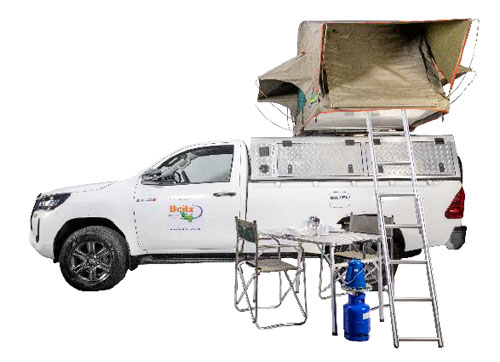
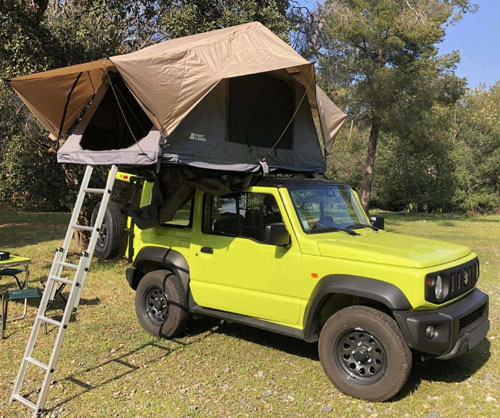
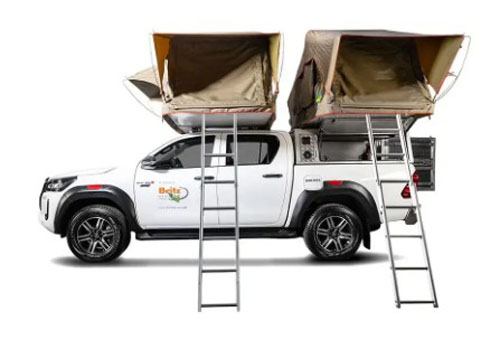
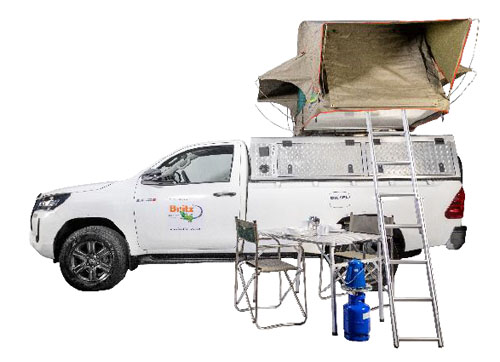
Class TC (Truck Camper) rentals provide the ultimate flexibility and off-grid capability for adventurous couples seeking a unique weekly RV experience in Cape Town and the rugged Western Cape terrain. Averaging 5.6 meters in length and typically sleeping 2 people, these units are mounted onto the bed of a pickup truck, offering robust terrain capability and access to less conventional campsites. Their distinct advantage lies in the detachable camper unit, allowing the truck to be used independently for day trips and accessing harder-to-reach spots, while consuming around 11 liters per 100km. Truck campers are perfect for explorers aiming to venture beyond conventional caravan parks to discover hidden gems or engage in activities requiring more rugged vehicle access, enhancing the sense of adventure.
Side-by-Side Comparison Table
To aid in your decision for a weekly RV rental in Cape Town, this table offers a quick side-by-side comparison of key features across the available RV classes, leveraging average fleet data.
Our Recommendation for weekly rv rental Travelers in Cape Town
For most weekly RV rental travelers in Cape Town, the Class SI (Semi-integrated) motorhome is our primary recommendation, offering the best balance of comfort, amenities, and relatively manageable size for diverse Cape activities. Its average 6.7-meter length and sleeping capacity for 4 make it suitable for couples or small families, providing a spacious base for both urban exploration and scenic drives without being overly cumbersome. The runner-up recommendation is the Class B (Campervan), particularly for solo travelers or adventurous couples prioritizing maximum maneuverability, superior fuel efficiency, and discreet access to more secluded spots around Cape Town. Its compact 5.6-meter footprint and excellent fuel economy make it ideal for a dynamic, unconstrained week of exploration, perfectly suited for those who value flexibility over expansive interior space.
What is the Full Cost of a Weekly RV Rental in Cape Town Beyond the Rental Fee?
Beyond the base rental fee for a weekly RV in Cape Town, travelers should budget for significant additional expenses including fuel, diverse campsite fees, activity costs, food, and potential permits, to avoid unexpected expenditures. Fuel will be a major variable cost, with RVs typically consuming 6-12 liters per 100km; it's crucial to factor in distances for popular routes like the Garden Route, West Coast, or Winelands during your week-long trip. Campsite fees vary widely, ranging from basic municipal sites to premium private resorts, potentially costing R200-R600+ per night for two people, which significantly impacts your weekly budget. Allocate funds for popular Cape Town activities such as the Table Mountain cable car, wine tasting tours, shark cage diving, or national park entry fees (e.g., Cape Point), and budget for groceries as dining out can add up quickly. Unexpected costs might include toll roads, minor repairs not covered by insurance, or additional insurance coverage, while some protected areas or specific activities may require permit costs not included in attraction fees.
What Are the Logistics of Driving and Parking an RV in Cape Town and the Western Cape?
Navigating Cape Town and the Western Cape in an RV requires specific logistical considerations, especially regarding vehicle size, urban parking availability, and essential utility access points. Driving larger RVs (Class C or SI) in Cape Town's city center can be challenging due to narrow streets and limited suitable parking spaces; planning routes and considering alternative transport for city exploration is advised. Designated RV parking is available at major attractions, shopping centers, and caravan parks, but street parking is rarely suitable for larger units; always check parking signs and plan overnight stays at secure campsites. Water refill stations and dump points for grey and black water are primarily located at established caravan parks and designated service centers, necessitating pre-planning for a weekly rental itinerary. Propane (LPG) can be refilled at specific gas distributors, often found in industrial areas; it's wise to check current stock and operating hours, particularly if planning a longer or more remote weekly journey. Navigating scenic routes like Chapman's Peak Drive (check height/weight restrictions) or mountain passes demands careful driving, especially with Cape Town's notorious 'Cape Doctor' winds and varying road conditions.
What Are the Legalities and Regulations for RV Travel in Cape Town?
RVers renting in Cape Town must be aware of local legalities and regulations, particularly concerning wild camping, specific driver's license requirements for international visitors, and implications for longer stays. Wild camping is generally prohibited and actively discouraged throughout the Western Cape due to safety concerns and environmental protection; designated campsites, caravan parks, and private farm stays are legal and safer alternatives. International drivers renting an RV in South Africa typically require an International Driving Permit (IDP) alongside their valid national driver's license, ensuring the IDP covers the specific RV class being rented and is current for your weekly trip. While less common for weekly rentals, regulations on vehicle registration and residency may apply for longer-term RV stays, though a standard tourist visa usually suffices for short-term travel. Always adhere to local road traffic laws, including posted speed limits, mandatory seatbelt usage for all passengers, and zero tolerance for driving under the influence, which are strictly enforced across the province.
How Does Cape Town's Weather Impact RV Travel and What Should I Pack?
Cape Town's distinct seasonal weather patterns significantly influence RV travel and camping experiences, necessitating specific preparations and adaptable packing considerations for your weekly rental. The infamous 'Cape Doctor' wind, prevalent during summer (November to February), can be very strong, impacting driving stability for RVs on open roads and requiring secure awning management at campsites. Summer heat necessitates planning routes with shade, ensuring adequate water supply, and utilizing air conditioning if available in your RV, while booking campsites with swimming facilities is often a welcome bonus. Winter (June to August) brings cooler temperatures and significant rainfall, requiring waterproof outerwear, warmer clothing layers, and checking road conditions for potential closures or slippery surfaces, especially in mountainous regions. Packing should be versatile: always include layers for temperature fluctuations, windproof and waterproof outerwear, strong sun protection (hat, sunglasses, high SPF sunscreen), comfortable walking shoes, and any specific gear for planned activities like hiking or water sports. Always check the local weather forecast daily, especially before driving through mountain passes or parking overnight, to adapt your plans for optimal comfort and safety during your RV adventure.
What You Shouldn't Miss
- Embark on a scenic drive along the Cape Peninsula, taking in the dramatic coastal vistas and potentially spotting whales during migration season (June-November).
- Explore the Winelands around Stellenbosch and Franschhoek, leveraging your RV for convenient access to wineries and enjoying wine tastings amidst picturesque vineyards.
- Hike or take the cable car up Table Mountain for breathtaking panoramic views of Cape Town and the surrounding coastline.
- Visit the Cape Point Nature Reserve to explore diverse flora, fauna, and the iconic lighthouse, accessible via RV along well-maintained roads.
- Discover the vibrant V&A Waterfront in Cape Town, offering a mix of shopping, dining, and entertainment with ample parking options for larger vehicles.
- Take a day trip to the historic Robben Island (book tickets in advance) to learn about South Africa's apartheid history, a poignant cultural experience.
Final Thoughts
Choosing the right weekly RV rental in Cape Town is the first step towards an unforgettable adventure. Whether you opt for the nimble campervan or a more spacious motorhome, the freedom of the open road awaits. Remember to factor in all potential costs and plan your itinerary with flexibility in mind. We're confident that with the right preparation, your Cape Town RV road trip will be filled with stunning scenery, unique experiences, and cherished memories.
Ready to hit the road? Let us help you find the perfect vehicle for your South African adventure. We ensure a transparent and supportive booking process, so you can focus on the journey.
Find Motorhome Rentals in Cape Town