In This Guide
- Best West Europe RV Itinerary for weekly rv rental - Overview
- 7-Day Classic Route in West Europe
- 14-Day Extended Journey in West Europe
- Recommended RVPlan Trip for West Europe
- Must-See Stops Along the Way (Avi Bandana Picks)
- Daily Driving Distances & Drive Times in West Europe
- Best RV Class for This Itinerary - Couple & Family Picks
- What are the budgeting specifics for RV travel in West Europe?
- What are the cultural nuances and driving etiquette in West Europe for RVs?
- How do I navigate Low Emission Zones (LEZ) and ZTLs in West Europe with an RV?
- What are some off-the-beaten-path RV destinations in West Europe?
- How can digital nomads work remotely from an RV in West Europe?
- What are sustainable RV travel practices for West Europe?
- What gear and packing list do I need for RV travel in West Europe?
- What are the best food and drink experiences for RV travelers in West Europe?
- What are the pet travel regulations for RVs in West Europe?
- What are the seasonal variations for RV travel in West Europe?
Best West Europe RV Itinerary for weekly rv rental - Overview
A weekly RV itinerary in West Europe is ideally designed for a 7 to 14-day journey, focusing on picturesque regions like Bavaria, the Austrian Alps, or the French countryside. This duration allows for a truly immersive experience without feeling rushed, embracing the philosophy to travel slowly, averaging a maximum of 100-150 km per day. Imagine waking up to alpine vistas or rolling vineyards, with your rented motorhome serving as your comfortable mobile home base. The best seasons for RV travel in West Europe are generally late Spring (April-June) and early Autumn (September-October), which offer pleasant weather and fewer crowds compared to the bustling summer months. Total driving distances are optimized for leisure, typically not exceeding 1050 km for a 7-day trip (150 km/day), ensuring ample time for exploration. For a comprehensive overview, start with our RV Rental West Europe - Complete Guide 2026 for live availability and current prices.7-Day Classic Route in West Europe
This classic 7-day motorhome route focuses on a stunning loop through Bavaria, Germany, and parts of Austria, covering approximately 630 km.- **Day 1: Munich, Germany → Garmisch-Partenkirchen, Germany (~90 km)** - Pick up your rented RV in Munich and head south into the Bavarian Alps. Explore the impressive Partnach Gorge and enjoy the mountain air. A good option for overnight is Campingplatz Grainau.
- **Day 2: Garmisch-Partenkirchen → Füssen, Germany (~60 km)** - Drive along scenic roads to Füssen, home of the iconic Neuschwanstein Castle. Spend the afternoon exploring this fairytale masterpiece. Camping Hopfensee offers beautiful lakeside pitches.
- **Day 3: Füssen, Germany → Innsbruck, Austria (~100 km)** - Cross into Austria and experience the charming Alpine city of Innsbruck, with its historic Golden Roof and Olympic heritage. Kranebitter Hof is a convenient campground nearby.
- **Day 4: Innsbruck, Austria → Zell am See, Austria (~150 km)** - Continue through breathtaking Alpine landscapes to Zell am See, where you can enjoy stunning lake views and glimpses of the Kitzsteinhorn glacier. Seecamp Zell am See provides excellent facilities.
- **Day 5: Zell am See, Austria → Salzburg, Austria (~100 km)** - Head east to Salzburg, the birthplace of Mozart and home to the imposing Hohensalzburg Fortress. Explore the Altstadt (Old Town) on foot. Camping Salzburg is a popular choice for motorhomes.
- **Day 6: Salzburg, Austria → Berchtesgaden, Germany (~30 km)** - A short drive brings you back into Germany to the Berchtesgaden National Park region. Explore the serene Königssee lake and the historic Eagle's Nest. Camping-Resort Allweglehen offers stunning mountain views.
- **Day 7: Berchtesgaden, Germany → Munich, Germany (~150 km)** - Conclude your scenic Bavarian and Austrian loop by returning to Munich for your RV drop-off.
14-Day Extended Journey in West Europe
An extended 14-day RV adventure in West Europe allows for deeper cultural immersion and exploration of regions such as France's diverse landscapes. This route can start from a major city like Paris and encompass a variety of historical and natural wonders.- **Days 1-3: Normandy & Brittany, France** - Begin your journey from a Paris pickup, driving towards the coast. Explore Honfleur's picturesque harbor, the historic D-Day beaches, Mont Saint-Michel's breathtaking abbey, and the walled city of St Malo. Camping options abound near these iconic sites.
- **Days 4-6: Loire Valley, France** - Head inland to the enchanting Loire Valley, renowned for its magnificent châteaux. Visit grand estates like Château de Chambord, the elegant Chenonceau, and the royal Château d'Amboise. Enjoy leisurely wine tastings and cycling along the river.
- **Days 7-9: Bordeaux Wine Region, France** - Travel south to the world-famous Bordeaux wine region. Explore the vibrant city of Bordeaux, a UNESCO World Heritage site, and indulge in wine tours and tastings in charming towns like St-Émilion. Many vineyards offer dedicated RV parking.
- **Days 10-12: Dordogne, France** - Continue east to the prehistoric wonders and medieval charm of the Dordogne. Wander through the medieval town of Sarlat-la-Canéda, discover ancient cave paintings at Lascaux IV, and kayak along the Dordogne River.
- **Days 13-14: Return Journey** - Enjoy a relaxed drive back towards Paris or another convenient drop-off point in France, perhaps stopping at a charming, less-visited village like Bourges or Chartres along the way. Remember, driving slowly and carefully, you can navigate almost anywhere without issues.
Recommended RVPlan Trip for West Europe
For a truly bespoke and stress-free RV adventure in West Europe, exploring rvplan.net is highly recommended. RVPLANET, our sister company, offers a comprehensive trip planning software with over 1,300 pre-planned routes across 5 continents, including expertly-designed itineraries tailored to various West European destinations. This invaluable resource covers everything from campsite bookings to identifying points of interest, ensuring a seamless and enjoyable travel experience. When planning your route, remember that on RV PLANET routes, travelers can itemize and track every expense along the way for easy budgeting, providing full transparency on your trip costs.Must-See Stops Along the Way (Avi Bandana Picks)
When exploring West Europe by rented motorhome, Avi Bandana, our founder and CEO with over 25 years of experience, recommends focusing on authentic local experiences. He suggests prioritizing traditional *markets* in each region you visit to discover local produce, cheeses, and artisanal goods. For unique cultural insights, seek out *local industry* sites, such as family-run wineries, olive oil mills, or cheesemakers. To truly connect with the culture and food, prioritize *traditional restaurants* (often called 'auberges' in France or 'Gasthäuser' in Germany/Austria) to experience authentic regional cuisine. These selections encourage deeper cultural immersion beyond typical tourist landmarks, promoting genuine local interactions and a slower pace of travel.🎬 Video coming soon
Daily Driving Distances & Drive Times in West Europe
Avi Bandana recommends maintaining a maximum average of 100 miles or 150 km per day for RV travel in West Europe, which allows for a relaxed pace and ample time for exploration. Traveling slowly facilitates spontaneous stops at captivating viewpoints, charming villages, and local attractions without feeling rushed. For instance, a drive from Munich to Salzburg, approximately 145 km, typically takes 1.5-2 hours, perfectly fitting into a single day's RV journey with plenty of time for sightseeing. Similarly, the 80 km route from Geneva to Chamonix takes about 1 hour, ideal for a leisurely morning drive. Longer distances, like the 300 km from Paris to Bruges, Belgium, are better split over two days to fully enjoy both destinations and adhere to the daily distance recommendation, preventing travel fatigue.Best RV Class for This Itinerary - Couple & Family Picks
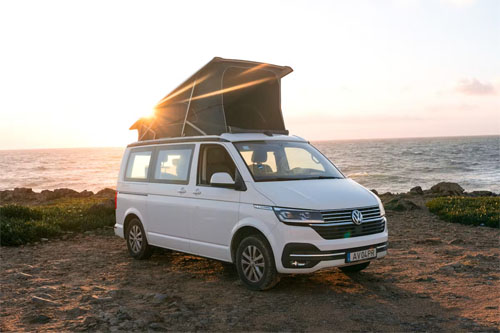
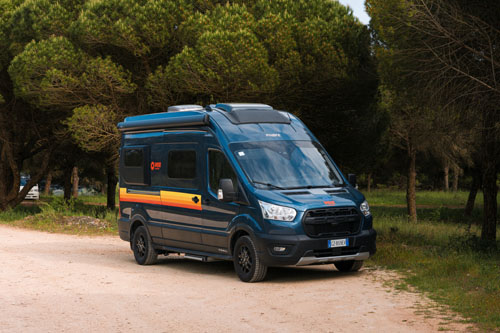
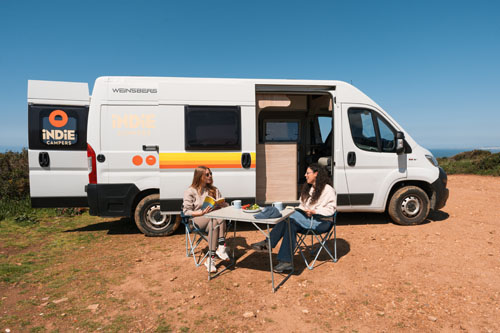
Selecting the right RV class for your West Europe adventure depends on your group size and travel style. For a couple, Avi Bandana recommends a Class B - Camper Van due to its agility and compact size (average length of 5.8 meters). This vehicle comfortably accommodates 2-3 adults, making navigation through narrow European villages and city streets significantly easier. Class B vans also typically offer superior maneuverability and fuel efficiency, usually achieving 8-10 Liters/100 km. For families, especially those with children, the Class C - Alcove is an excellent choice. These motorhomes average 7.5 meters in length and are designed to comfortably sleep 5-6 people (e.g., a "cruise america rv rental example Explorer" sleeps 4, has a 75L fuel tank, and 82L fresh water tank, while a "Group G" motorhome sleeps 7 and has a 140L fresh water tank), offering more living space and amenities for longer family trips. While larger, Class C alcoves provide greater comfort and storage capacity, though they consume slightly more fuel, typically 10-12 Liters/100 km. Our 'Rent&Plan' service simplifies the process by bundling your RV rental with a pre-designed itinerary from travel experts, ensuring a stress-free West European adventure.What are the budgeting specifics for RV travel in West Europe?
Budgeting for RV travel in West Europe requires consideration of several variable costs beyond the initial rental fee. Fuel costs are a significant factor; Bandana's global fleet averages 10-12 Liters/100 km, so travelers should factor in around €1.50-€2.00 per liter for diesel or petrol, with prices varying by country. Campsite fees in West Europe typically range from €25-€50 per night, with basic municipal sites often being more affordable than premium holiday parks, and prices fluctuating with seasonal demand. Tolls and vignettes are common, with countries like France, Italy, and Portugal having extensive toll roads, while Switzerland and Austria require a vignette for highway use; budget €5-€30 per country for short stays to cover these. For food, self-catering with fresh ingredients from local markets is budget-friendly, costing around €50-€70 per day for groceries for a family, while eating out can range from €20 for a casual meal to €50+ per person for dinner. Regional price variations are substantial; for instance, travel in Switzerland and Scandinavia will generally be significantly more expensive across all categories compared to Portugal, Spain, or Eastern Germany. Activity costs, such as entrance fees for attractions, usually range from €10-€30 per person per attraction. For a detailed breakdown of costs, refer to our "Weekly RV Rental in West Europe - Pricing 2026" guide.What are the cultural nuances and driving etiquette in West Europe for RVs?
Understanding local cultural nuances and driving etiquette is crucial for a smooth RV trip in West Europe. Many campsites enforce strict quiet hours, especially between 10 PM and 7 AM, and often during lunchtime (1 PM - 3 PM); respecting these ensures harmonious cohabitation with fellow campers. When parking your rented motorhome, be mindful of RV-specific parking regulations, as larger vehicles may be restricted in city centers or designated areas; always look for clear signage and avoid blocking residential access. Drive slowly and carefully, and you can drive almost anywhere without issues. No need to stress - just use common sense and pay attention. Familiarize yourself with country-specific right-of-way rules, such as the prevalence of priority to the right at unmarked intersections in France and Germany. Simple social courtesies like a "Bonjour," "Guten Tag," or "Hola" when interacting with locals are always appreciated. Lastly, always use designated grey and black water disposal points at campsites or service stations; illegal dumping is strictly prohibited and can lead to heavy fines.How do I navigate Low Emission Zones (LEZ) and ZTLs in West Europe with an RV?
Navigating Low Emission Zones (LEZ) and ZTLs (Zona a Traffico Limitato) in West European cities requires careful planning for RV travelers. Before entering major cities in countries like Germany, France, Belgium, and the Netherlands, research if your rented RV needs an environmental sticker (e.g., German Umweltplakette, French Crit'Air vignette). Italy's ZTLs, common in historic city centers, are restricted traffic zones often requiring special permits only available to residents or specific vehicles; avoid driving into them without a permit to prevent hefty fines. It's essential to order any required stickers or permits online well in advance of your trip, as they can take several weeks to arrive by mail. Utilize up-to-date GPS systems or navigation apps that clearly show LEZ and ZTL boundaries to avoid accidental entry, but always cross-reference with local road signage. Non-compliance with these regulations can result in significant fines, often mailed to your home address months after your trip. For city visits, consider parking your motorhome on the outskirts at designated park-and-ride facilities and using public transport to access city centers, a strategy outlined in our "Mastering Urban Driving & Parking" unique fact.What are some off-the-beaten-path RV destinations in West Europe?
For RV travelers seeking unique experiences away from the most crowded spots in West Europe, several off-the-beaten-path destinations offer stunning scenery and rich culture. Explore Asturias and Galicia in northern Spain for rugged coastlines, lush green mountains, and charming fishing villages, a distinct alternative to the popular southern coasts. Germany's Eifel National Park provides volcanic lakes, ancient forests, and numerous hiking trails, with smaller campsites nestled in nature. Traverse the picturesque landscapes of the French Jura Mountains, known for its Comté cheese, waterfalls, and tranquil lakes, offering a peaceful escape from the bustling Riviera. The Spreewald Biosphere Reserve in Germany, often called 'Little Venice,' allows you to navigate a unique network of waterways by kayak or punt, perfect for nature lovers. For a different perspective of the Dolomites in Italy, explore the less-frequented eastern valleys and mountain passes for breathtaking views and charming villages. The Veluwe National Park in the Netherlands offers diverse landscapes of forests, heathlands, and sand drifts, with excellent cycling and wildlife viewing opportunities. For more ideas and specific legalities per West European country, consider resources like RV PLANET (rvplan.net).How can digital nomads work remotely from an RV in West Europe?
Digital nomads can effectively work remotely from a rented RV in West Europe with a few key preparations. Reliable internet connectivity is paramount; investing in a robust mobile hotspot and purchasing local SIM cards for each country can ensure consistent 4G/5G coverage, as campground Wi-Fi can be inconsistent or slow. Ensure your motorhome is equipped with sufficient solar panels and a reliable inverter to charge laptops and devices when off-grid, especially when staying at basic campsites. Carrying a portable power bank provides backup charging for smaller devices, guaranteeing uninterrupted work when primary power is limited. For dedicated work environments and high-speed internet, identify co-working spaces or public libraries in larger towns and cities. Many cafes and restaurants also offer free Wi-Fi, serving as convenient spots for short work sessions or virtual meetings while enjoying local refreshments. Remember to plan for potential downtime, as strong connectivity may not always be available in remote areas, and adjust your work schedule accordingly.What are sustainable RV travel practices for West Europe?
Adopting sustainable RV travel practices in West Europe helps preserve its natural beauty and local communities. Always use designated grey and black water disposal stations, which are readily available at campsites and some service areas; never release wastewater into the environment, as illegal dumping is strictly prohibited and can incur heavy fines. Separate your waste according to local recycling guidelines, utilizing public bins or campsite facilities for plastics, paper, glass, and organic waste. Conserve water when showering and washing dishes, and minimize electricity use by unplugging devices and turning off lights when not needed. Prioritize purchasing food and goods from local farmers' markets and small businesses, which supports the regional economy and reduces transportation emissions. When exploring nature, stick to marked trails, avoid disturbing wildlife, and always leave no trace behind, especially in protected national parks. Choose officially recognized campsites or designated stellplatze/aires, as these facilities are equipped to handle waste responsibly and minimize environmental impact.What gear and packing list do I need for RV travel in West Europe?
A well-prepared gear and packing list is essential for a comfortable RV rental trip in West Europe. For navigation, a reliable GPS system with updated European maps and offline map applications (such as Google Maps or Maps.me) are crucial, complemented by a physical road atlas as a backup. Bring EU-compatible two-pin power adapters and, if necessary, a voltage converter for any North American appliances. Road safety kits are mandatory in several countries and often include a reflective vest for each occupant, a warning triangle, and sometimes a first-aid kit and spare light bulbs, reflecting `Specific Legalities Per West European Country`. Pack versatile clothing layers suitable for diverse climates, from warm Mediterranean coasts to cool Alpine evenings, including waterproof and windproof outerwear. Depending on your itinerary, consider hiking boots, backpacks, and possibly swimwear or cycling gear. While many rented RVs are well-equipped, bringing reusable grocery bags, a small portable coffee maker, and basic spices can enhance your self-catering experience. For more detailed insights into RV essentials, you might consult a "RV Travel Guide to West Europe - Tips and Top Spots 2026".What are the best food and drink experiences for RV travelers in West Europe?
RV travelers in West Europe are perfectly positioned to savor an incredible array of food and drink experiences. Visiting vibrant local *farmers' markets* (known as 'marchés' in France, 'Wochenmärkte' in Germany, or 'mercados' in Spain) is a must, offering fresh, seasonal produce, artisanal cheeses, cured meats, and baked goods. You'll want to sample regional delicacies such as freshly baked French croissants, hearty German bratwurst, authentic Italian pasta, rich Swiss fondue, or delicious Spanish tapas directly from their places of origin. Many vineyards and breweries across West Europe offer tastings and tours, providing fascinating insights into local production and culture; just ensure you have a designated driver or plan to stay overnight at a nearby campsite. Utilizing your RV's kitchen to prepare meals with locally sourced ingredients offers a cost-effective and authentic dining experience; don't forget to check out our RV-friendly recipes playlist for ideas. Pack a picnic basket with regional breads, cheeses, and charcuterie, and enjoy a meal amidst stunning landscapes like the Alps, coastal cliffs, or sprawling vineyards. Keep an eye out for local *food festivals* and harvest celebrations (e.g., wine festivals in autumn, asparagus festivals in spring) for unique culinary experiences that offer true connection to the local culture and food.What are the pet travel regulations for RVs in West Europe?
Traveling with pets in a rented RV across West Europe requires adherence to specific regulations to ensure a smooth journey. All pets traveling within the EU must have a valid EU Pet Passport, which documents their vaccination history and microchip details. Ensure your pet's rabies vaccination is up-to-date and administered at least 21 days before travel, as this is a universal requirement. Pets must also be microchipped with an ISO-compliant microchip for identification purposes. Some countries may require recent deworming or tick treatment, so it's essential to check specific country requirements before crossing borders. Research and book pet-friendly campsites in advance, as not all sites accommodate pets or may have restrictions on certain breeds or sizes. For peace of mind, keep a list of emergency veterinary clinics along your route, especially for extended trips or when venturing into more remote areas.What are the seasonal variations for RV travel in West Europe?
Seasonal variations significantly impact RV travel experiences in West Europe, offering diverse challenges and rewards. Spring (April-June) provides mild weather, fewer crowds, and blooming landscapes, making it ideal for exploring vineyards, coastal roads, and national parks before peak season prices escalate. Summer (July-August) brings warm to hot weather, bustling tourist destinations, higher campsite prices, and peak traffic, particularly in popular coastal or mountainous regions. Autumn (September-October) features comfortable temperatures, stunning fall foliage, harvest festivals, and reduced crowds, making it an excellent time for scenic drives and cultural exploration. Winter (November-March) presents unique challenges like snow and ice in higher elevations, fewer open campsites, and shorter daylight hours, but also offers opportunities for winter sports in the Alps or warmer escapes to southern Spain or Portugal. Regional differences are also pronounced; for instance, northern countries like the Netherlands and Germany are generally cooler and wetter, while Mediterranean regions (e.g., southern France, Spain, Portugal) enjoy longer, hotter summers and milder winters, highlighting the microclimates and regional weather impacts across West Europe.What You Shouldn't Miss
- **The Romantic Road, Germany**: Drive this iconic 400 km route from Würzburg to Füssen, passing through picturesque medieval towns like Rothenburg ob der Tauber and Dinkelsbühl.
- **Alsatian Wine Route, France**: Explore charming villages and sample exquisite wines along this 170 km scenic route in eastern France, often stopping at family-run vineyards.
- **Swiss Alpine Passes**: Challenge your driving skills and marvel at breathtaking mountain scenery along iconic passes like the Furka Pass or Susten Pass, offering unparalleled views.
- **Dordogne River Kayaking, France**: Rent a kayak and paddle past ancient castles and cliffs along the tranquil Dordogne River, enjoying a unique perspective of the landscape.
- **Porto's Ribeira District, Portugal**: Park your RV outside the city and use public transport to explore the vibrant, historic Ribeira district, sampling local port wine and fresh seafood.
- **Belgian Beer Tasting, Bruges**: Wander through the charming canals of Bruges and indulge in a tour of a local brewery, tasting some of Belgium's renowned beers.
Final Thoughts
Embarking on a weekly RV itinerary in West Europe is an incredible way to experience the continent's diverse landscapes, rich history, and vibrant cultures at your own pace. With a rented motorhome or campervan, you gain the freedom to craft your adventure, linger longer in places that capture your heart, and truly connect with the local essence. Remember, whether you're a meticulous pre-planner or a spontaneous traveler, there's always a way to find your perfect spot and make unforgettable memories. At Bandana Caravan, we are dedicated to making your RV rental journey as straightforward and enjoyable as possible. We’re with you before, during, and after your booking, ensuring you have the support and information you need for a truly fantastic trip. Our commitment to full transparency and unparalleled expertise means you can focus on the joy of discovery. So, what are you waiting for? Compare Motorhome Prices for West Europe and start planning your dream week-long adventure today.On the routes offered through RV PLANET routes, you can itemize and track every expense along the way for easy budgeting.