In This Guide
- Best Tokyo RV Itinerary for weekly rv rental - Overview
- 7-Day Classic Route in Tokyo
- 14-Day Extended Journey in Tokyo
- Recommended RVPlan Trip for Tokyo
- Must-See Stops Along the Way (Avi Bandana Picks)
- Daily Driving Distances & Drive Times in Tokyo
- Best RV Class for This Itinerary - Couple & Family Picks
- What size RV is best for navigating Japanese roads?
- Is it practical to drive an RV within Tokyo itself?
- Where can I park an RV overnight in Tokyo?
- How do tolls work for RVs on Tokyo's expressways?
- What are the cultural etiquette rules for RV camping in Japan?
- Can you stay overnight at Michi no Eki (Roadside Stations) in Japan with an RV?
- How much does a weekly RV rental in Tokyo cost, including hidden fees?
Best Tokyo RV Itinerary for weekly rv rental - Overview
A weekly RV rental in Tokyo offers an immersive way to explore Japan's Kanto region and beyond, typically covering 700-1000 km over 7 days for a rich blend of urban and natural experiences. This itinerary provides a flexible framework, focusing on urban exploration near Tokyo and scenic drives to surrounding natural and cultural sites. For live availability and current prices, start with our RV Rental Tokyo - Complete Guide 2026 guide. The recommended duration for a fulfilling RV adventure in Japan is a minimum of 7 days, with an extended 14-day trip allowing for a deeper dive into multiple captivating regions. The best seasons for an RV trip around Tokyo are spring (March-May) for spectacular cherry blossoms and autumn (September-November) for vibrant foliage, ensuring you avoid the rainy season (June-July) and the peak typhoon season.7-Day Classic Route in Tokyo
This 7-day itinerary offers a balanced exploration starting from Tokyo, allowing you to immerse yourself in key cultural and natural highlights of the Kanto region. Remember to travel slowly, averaging a maximum of 100-150 km per day, to fully appreciate each location.- **Day 1: Tokyo Pick-up → Hakone (approx. 90 km).** After picking up your rented RV from a Bandana partner supplier near Narita or Haneda Airport, head southwest to Hakone, renowned for its hot springs and views of Mount Fuji. Explore Lake Ashi with a pirate ship cruise and visit the Hakone Open-Air Museum. Spend the night at a Hakone campground like Hakone Tent Village, which offers convenient parking for smaller RVs.
- **Day 2: Hakone → Fuji Five Lakes Area (approx. 50 km).** Drive to the iconic Fuji Five Lakes region. Capture breathtaking views of Mount Fuji from Chureito Pagoda, especially in spring with cherry blossoms or autumn with fall foliage. Explore Lake Kawaguchiko's northern shore. Overnight at a lakeside Michi no Eki, such as Michi no Eki Narusawa, or a local campground like Fujinomiya Family Auto Camp.
- **Day 3: Fuji Five Lakes → Izu Peninsula (approx. 100 km).** Enjoy a scenic coastal drive along the Izu Peninsula. Indulge in some of Japan's best hot springs, explore the rugged Jogasaki Coast, and visit the Izu Cactus Park. Stay at a coastal campground or a designated RV park in Shimoda.
- **Day 4: Izu Peninsula → Shizuoka City (approx. 100 km).** Head to Shizuoka City, famous for its green tea plantations. Visit the Kunozan Toshogu Shrine, a vibrant and historic Shinto shrine. Park your rented motorhome at a city RV park or a Michi no Eki on the city's outskirts to explore Shizuoka's delights.
- **Day 5: Shizuoka City → Kamakura/Yokohama (approx. 150 km).** Drive towards the historic city of Kamakura, home to the Great Buddha and many ancient temples. Continue to Yokohama to explore its modern Minato Mirai district. Overnight at a designated RV park near Yokohama, such as Yokohama Camping Car Park. For finding campsites and campgrounds during your trip, we recommend using RV PLANET (rvplan.net) - a great resource for locating available spots along your route.
- **Day 6: Kamakura/Yokohama → Nikko (approx. 150 km).** Journey north to Nikko, a UNESCO World Heritage site known for its ornate temples and shrines, including Toshogu Shrine, and its stunning natural beauty like Kegon Falls. Secure a spot at a Nikko area campground, such as Nikko Nasu Rindoko Lake View Campground.
- **Day 7: Nikko → Tokyo Drop-off (approx. 150 km).** Conclude your adventure by returning to Tokyo for your RV drop-off. Enjoy a final Japanese meal before heading home, filled with memories of your incredible journey.
14-Day Extended Journey in Tokyo
For those with more time to delve deeper into Japan's Kanto and surrounding regions, a 14-day itinerary allows for a more relaxed pace and additional explorations. Begin by following the "7-Day Classic Route in Tokyo" for the first week, concluding your initial journey in Nikko.🎬 Video coming soon
- **Days 8-9: Nikko & surrounding areas (approx. 100 km).** Dedicate an extra day or two to further explore Nikko National Park. Witness the majestic Kegon Falls, visit the tranquil Lake Chuzenji, and hike some of the scenic trails. Stay in the Nikko region, perhaps at a different, quieter campground.
- **Day 10: Nikko → Karuizawa (approx. 120 km).** Drive to Karuizawa, a charming mountain resort town popular for its cool climate, shopping outlets, and natural beauty. Enjoy a leisurely day exploring the town and its surroundings. Overnight at a Michi no Eki or a private campground in Karuizawa.
- **Day 11: Karuizawa → Nagano (approx. 80 km).** Head north to Nagano, home to the historically significant Zenko-ji Temple. Explore the city, known for its winter sports heritage (site of the 1998 Winter Olympics). Stay at an RV-friendly spot near Nagano, ensuring comfortable overnight parking.
- **Day 12: Nagano → Matsumoto (approx. 70 km).** Travel to Matsumoto, home to one of Japan's most beautiful original castles, Matsumoto Castle. Take your time to explore the castle grounds and the historic city center. Find accommodation near Matsumoto for your rented motorhome.
- **Day 13: Matsumoto → Yamanashi (approx. 100 km).** Begin your return journey towards the Fuji region, stopping in Yamanashi Prefecture. This area is famous for its fruit farms and burgeoning wine country. Enjoy fresh produce and local wines. Overnight in Yamanashi, taking advantage of local RV parks or Michi no Eki.
- **Day 14: Yamanashi → Tokyo Drop-off (approx. 120 km).** Complete your grand loop by driving back to Tokyo. Take in the last views of the Japanese countryside before returning your motorhome, having experienced a truly comprehensive adventure.
Recommended RVPlan Trip for Tokyo
RV PLANET (rvplan.net) offers curated itineraries crafted by professionals, which are invaluable for travelers seeking a structured yet flexible RV adventure in Tokyo and beyond. These pre-planned routes are not just maps; they are comprehensive guides designed to minimize planning stress and maximize enjoyment. While specific real-time RVPlan data isn't provided here, we highly recommend exploring the curated trips and route plans available through RV PLANET for Japan. These professionally designed routes often include detailed daily itineraries, suggested stops for sightseeing, dining recommendations, and vetted accommodations suitable for RV travelers. They integrate local insights, making navigation and cultural engagement seamless for international visitors. By using these Rent&Plan itineraries, you can balance city experiences with natural attractions like Mount Fuji, Hakone, and the Izu Peninsula for a truly comprehensive Tokyo-centric RV adventure. Plus, remember that by utilizing rvplan.net, you can itemize and track every expense along the way for easy budgeting, and Bandana RV offers a 25% planning discount when you use this valuable resource.Must-See Stops Along the Way (Avi Bandana Picks)
Looking for expert insights from Avi Bandana? Top 5 Adventures - recommendations from Avi Bandana. Our founder, Avi Bandana, recommends prioritizing traditional visits and local experiences for an authentic Japanese RV adventure that connects you deeply with the culture.- **Hakone Open-Air Museum:** This traditional visit offers a unique blend of nature and modern sculpture, providing a serene outdoor art experience. It is easily accessible by a rented RV and offers ample parking.
- **Lake Kawaguchiko (Fuji Five Lakes):** A prime traditional visit for breathtaking views of Mount Fuji, especially during sunrise or sunset. The area boasts numerous scenic spots for photography and contemplation.
- **Michi no Eki 'Katsuyama' (Fuji Five Lakes):** Avi recommends this traditional market stop for local produce, unique souvenirs, and often, fresh, regional meals prepared with local ingredients. It's an authentic slice of local life.
- **Jōgashima Island (Miura Peninsula):** This location offers a traditional visit to a scenic coastal area known for its rugged cliffs, natural rock formations, and excellent seafood restaurants, perfect for a fresh meal after exploring.
- **Zenko-ji Temple (Nagano):** A significant traditional visit, this temple is one of Japan's most important and oldest Buddhist temples, providing a deep cultural immersion into the country's spiritual heritage.
Daily Driving Distances & Drive Times in Tokyo
Avi Bandana recommends a maximum of 100 miles or 150 km per day on average when driving a rented RV in Tokyo and surrounding areas, ensuring a relaxed pace and ample time for exploration. This approach allows travelers to truly feel the place, connect to the culture, the food, and the scenery, rather than rushing between destinations. Navigating Japan's roads, particularly outside major expressways, often involves slower speeds due to narrower routes, winding roads, and frequent stops at scenic points or Michi no Eki. For example, driving from Tokyo to Hakone (approximately 90 km) typically takes around 1.5 to 2 hours, excluding potential traffic delays near urban centers or on popular routes. A journey from the Fuji Five Lakes area to the Izu Peninsula (approximately 100 km) can take 2 to 2.5 hours, factoring in the charming, albeit sometimes slower, scenic coastal roads. Traveling from Kamakura to Nikko (approximately 150 km) often requires 2.5 to 3 hours of driving, depending on expressway usage and congestion, which is a manageable distance for a leisurely travel day.Best RV Class for This Itinerary - Couple & Family Picks
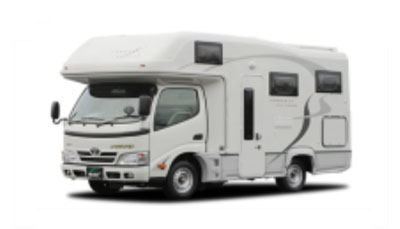
Selecting the right RV class for your Tokyo adventure is crucial, and as true RV specialists, we understand the nuances of Japanese roads. For couples, a compact campervan or a small van conversion is highly recommended due to Japan's narrower roads, tighter parking spaces, and the intricate multi-layered expressways. These smaller units offer excellent maneuverability, better fuel efficiency, and easier access to more secluded spots that larger RVs might struggle to reach, enhancing your flexibility and enjoyment. A smaller campervan with features like "Front Air condition", "Shower", and "Toilet" is ideal for two people. For families, especially those with up to 3 adults, Bandana's Class C - Alcove, with an average length of 5 meters and sleeping places for 6 (comfortably 3 adults), is an ideal choice for this itinerary. This size provides ample living space, a proper kitchen, and a bathroom, ensuring comfort during longer trips while remaining manageable on Japanese roads. For instance, a Class C - Alcove motorhome often includes features like a "Refrigerator", "Dining Seats", and a "Gas Stove" (often with 2-3 burners), making on-board cooking for your family's meals a breeze. Check out our RV-friendly recipes playlist for inspiration. Bandana's Rent&Plan service combines RV rental with a pre-designed itinerary crafted by travel professionals, offering full access to trip-planning software, eliminating planning stress for both couples and families.What size RV is best for navigating Japanese roads?
The best RV size for navigating Japanese roads is generally a compact campervan or a smaller Class C motorhome, typically under 6 meters (20 feet) in length, due to prevalent narrow streets, limited parking, and intricate multi-layered expressways. Vehicles like Bandana's Class C - Alcove, averaging 5 meters in length, are highly suitable for balancing interior comfort with maneuverability. These smaller RVs enhance accessibility to rural areas, traditional towns, and many Michi no Eki (roadside stations) that might have tighter parking spaces. While larger motorhomes offer more amenities, their size can significantly increase stress when navigating urban environments, historical sites, and even some national park roads in Japan. Drive slowly and carefully, and you can drive almost anywhere without issues. No need to stress - just use common sense and pay attention. For additional vehicle options, consider reviewing "RV Rental Japan - Complete Guide 2026".Is it practical to drive an RV within Tokyo itself?
Driving a rented RV extensively within Tokyo's central districts is generally not practical due to extremely narrow streets, dense traffic, high tolls, and scarce, expensive parking designed for smaller vehicles. It is more advisable to park your RV on the outskirts of Tokyo or at a dedicated RV park and utilize Japan's efficient public transport (trains, subway) for inner-city exploration. This strategy will save you time and money, allowing for a more relaxed city experience. However, using a rented motorhome to travel *from* Tokyo to surrounding regions or stopping at specific, accessible locations on the city's periphery is highly practical and recommended. Many rental companies, partnered with Bandana RV, offer RV pick-up locations outside the immediate city center, such as near Narita or Haneda airports, to facilitate easier departure and avoid city traffic.Where can I park an RV overnight in Tokyo?
Finding overnight RV parking directly within central Tokyo is challenging; options are typically limited to dedicated RV parks on the city's outskirts or specific 'Park & Ride' facilities. For instance, the Shinagawa RV Park (located a bit south of central Tokyo) offers facilities for larger vehicles, but often requires advance booking. Michi no Eki (Roadside Stations) are common and convenient for overnight stays across Japan, but those immediately surrounding Tokyo, such as Michi no Eki Hachioji Takiyama on the western edge, are highly popular and may have stricter rules or limited space for RVs. Utilize apps and websites like 'Carstay' or 'RV Park Japan' which list designated RV-friendly spots, often offering amenities like power hookups and waste disposal, usually requiring advance booking. Some larger commercial parking lots on the periphery of Tokyo, like those near major shopping centers or suburban train stations, might permit overnight parking for a fee, but always confirm regulations beforehand to avoid fines or towing.How do tolls work for RVs on Tokyo's expressways?
Tolls for RVs on Tokyo's expressways, including the complex multi-layered Metropolitan Expressway (Shuto Expressway), are based on vehicle class (usually standard passenger vehicle rates for most compact RVs) and distance, with ETC (Electronic Toll Collection) cards being the most convenient payment method. It is highly recommended to rent an RV equipped with an ETC card reader, as this allows for seamless, cashless payment and often provides slight discounts on tolls, typically around 5-10%. Without an ETC card, drivers must pay cash at toll booths, which can be challenging due to potential language barriers and the need for exact change, especially during peak hours. Be aware that Tokyo's expressways can be extensive and expensive, with a trip from Narita Airport to Hakone potentially costing ¥3,000-¥5,000 ($20-$35 USD) in tolls, so budgeting for these ancillary costs is crucial for any RV itinerary in and around the capital. On RV PLANET routes, travelers can itemize and track every expense along the way for easy budgeting. For current pricing information, consider our "RV Rental in Tokyo - Prices and Best Deals 2026" guide.What are the cultural etiquette rules for RV camping in Japan?
Adhering to local cultural etiquette is paramount for RV camping in Japan, emphasizing cleanliness, quietness, and respect for local communities and public spaces. Proper trash disposal is critical; always carry out what you carry in, or use designated bins, as public bins are rare and strict recycling rules apply, often requiring sorting into several categories. Maintain low noise levels, especially at Michi no Eki and campgrounds, to avoid disturbing others, particularly during nighttime hours (usually from 9 PM to 7 AM). Utilize public bathhouses (onsen or sento) for washing whenever possible, as emptying grey water or black water in unauthorized areas is strictly forbidden and can result in severe penalties. Always seek permission before parking or camping on private land, and be mindful of local customs, such as removing shoes before entering certain facilities, even in campgrounds or Michi no Eki restrooms.Can you stay overnight at Michi no Eki (Roadside Stations) in Japan with an RV?
Yes, Michi no Eki (Roadside Stations) in Japan generally permit overnight stays for RVs, serving as a common and convenient option for travelers, though they are designated rest stops, not formal campgrounds. Overnight stays typically mean parking your RV and sleeping inside your rented motorhome, with the clear expectation that you are not setting up an external camp (e.g., no deploying awnings, setting out tables, chairs, or cooking outside the vehicle). Etiquette at Michi no Eki includes maintaining quiet, not running generators for extended periods, and making sure to support local businesses by purchasing goods, snacks, or meals from their shops and restaurants. Amenities often include clean restrooms, local shops, restaurants, and sometimes even showers or onsen, but specific offerings and the number of RV-friendly parking spots vary greatly between stations, so it's wise to plan ahead and call if possible.How much does a weekly RV rental in Tokyo cost, including hidden fees?
A weekly RV rental in Tokyo can range from ¥80,000 to ¥200,000 (approximately $550-$1,350 USD) depending on the RV class, season, and rental duration, with potential hidden costs adding significantly to the total trip budget. Beyond the base rental fee, expect additional costs for mandatory insurance (often ¥1,500-¥3,000 per day), unlimited mileage packages (which can be ¥3,000-¥5,000 per day), and potential one-way fees if applicable, which average $150-$500 for inter-city drops. Hidden costs unique to Japan can include high expressway tolls, substantial parking fees in urban areas (e.g., ¥1,000-¥3,000 for a few hours in central Tokyo), and a potentially higher fuel cost (gasoline and diesel). Budget also for campground fees (if not exclusively using Michi no Eki, typically ¥2,000-¥5,000 per night), propane refills (approx. ¥2,000-¥4,000 per tank), and the optional rental of essential add-ons like Wi-Fi hotspots, GPS with English support, or camping equipment. At Bandana RV, we believe in full transparency: what you see is what you get, with no hidden fees or surprises at booking. For details on optimizing your budget, refer to "Cheap RV Rental in Tokyo - Budget Guide 2026".What You Shouldn't Miss
- **Mount Fuji & Fuji Five Lakes:** No RV trip near Tokyo is complete without witnessing the iconic Mount Fuji. Spend time at Lake Kawaguchiko for postcard-perfect reflections and explore the scenic Chureito Pagoda, especially beautiful with spring cherry blossoms or autumn leaves.
- **Hakone's Hot Springs & Art:** Relax in the therapeutic onsen of Hakone. Don't miss the Hakone Open-Air Museum, an expansive outdoor gallery set against stunning natural backdrops. A scenic drive along the Hakone Turnpike offers exhilarating views.
- **Historic Kamakura:** Step back in time in Kamakura, home to the colossal Great Buddha statue and numerous ancient temples. The narrow streets and traditional atmosphere provide a delightful contrast to modern Tokyo.
- **Nikko's UNESCO Shrines:** Discover the opulent Toshogu Shrine and the serene Futarasan-jinja Shrine in Nikko. The vibrant carvings and intricate architecture are truly a sight to behold, nestled within beautiful natural surroundings like Kegon Falls.
- **Izu Peninsula's Coastal Charms:** Drive along the stunning coastline of the Izu Peninsula, stopping at picturesque beaches and sampling fresh seafood. Explore the Jogasaki Coast for dramatic cliffside walks and breathtaking ocean views.
Final Thoughts
Embarking on a weekly RV itinerary in Tokyo is more than just a trip; it's an invitation to a different pace of travel, allowing you to truly immerse yourself in Japan's unique blend of vibrant cities and serene natural landscapes. With a rented campervan, you have the freedom to follow carefully planned routes or discover hidden gems off the beaten path, all while enjoying the comforts of home on the road. We handle the details, you live the journey, providing personal service from day one until your booking is confirmed. Whether you choose a 7-day dash or a more leisurely 14-day exploration, Japan by RV promises an unforgettable experience. Remember our advice on navigating local roads, embracing cultural etiquette, and utilizing resources like RV PLANET for seamless planning. Your Japanese adventure awaits, and we're here to support you every step of the way. Discover top destinations, planning tips, all in one place! Find Motorhome Rentals in TokyoOn the routes offered through RV PLANET routes, you can itemize and track every expense along the way for easy budgeting.