In This Guide
- Best Spain RV Itinerary for weekly rv rental - Overview
- 7-Day Classic Route in Spain
- 14-Day Extended Journey in Spain
- Recommended RVPlan Trip for Spain
- Must-See Stops Along the Way (Avi Bandana Picks)
- Daily Driving Distances & Drive Times in Spain
- Best RV Class for This Itinerary - Couple & Family Picks
- How much does it cost to rent an RV in Spain for a week
- What is the best month to RV in Spain
- Is RV camping popular in Spain
- Can you wild camp in Spain in an RV
- What are the rules for RV in Spain
- Do you need an international driving permit for Spain RV
- Is it safe to RV in Spain
- What You Shouldn't Miss
Imagine yourself on the open roads of Spain, the scent of orange groves or pine forests in the air, with the freedom of a rented motorhome to guide your adventure. Spain offers an incredible tapestry of landscapes, from sun-drenched Mediterranean coasts to historic cities and rugged mountains, all waiting to be discovered at your own pace. With a weekly rv rental in Spain, you unlock the ultimate flexibility, turning every vista into a potential campsite and every town into a personal discovery.
Planning your dream trip through this vibrant country is easier than you might think, especially with Bandana RV, your true RV specialists since 2001. We’ve spent over 23 years helping tens of thousands of travelers explore the world by RV, and we know Spain like the back of our hand. For live availability and current prices, start with our RV Rental Spain - Complete Guide 2024. We believe in full transparency, meaning no hidden fees and no surprises. What you see is truly what you get, ensuring your focus remains on the adventure ahead.
Best Spain RV Itinerary for weekly rv rental - Overview
A typical 7-day RV rental in Spain often covers 700-1050 km, providing an immersive experience of its rich culture and diverse scenery. This distance allows for a relaxed pace, adhering to our recommendation of traveling slowly, averaging a maximum of 100-150 km per day, so you have ample time to truly feel the place, connect to the culture, the food, and the scenery. The ideal seasons for RV travel in Spain are spring (April-May) and autumn (September-October), which offer pleasant temperatures, fewer tourist crowds, and generally more favorable rental prices. Beyond just rental costs, a comprehensive budget should account for fuel, tolls on major highways, and varying campsite fees, which can range from €15 to €50+ per night. Spain's diverse geography, from breathtaking coastal roads to winding mountainous regions, promises varied and exciting driving experiences. On the routes offered through RV PLANET routes, you can itemize and track every expense along the way for easy budgeting.
When considering your route, remember that Bandana RV provides 24/7 support throughout your booking process and post-booking coordination, ensuring you have real people behind you every step of the way. We want your planning to be seamless, which is why we offer pre-planned routes by professionals through our Rent&Plan service. You can discover more about our planning tools and itineraries, including those focused on specific budgets, by exploring resources like Cheap RV Rental in Spain - Budget Guide 2024 or RV Rental in Spain - Prices and Best Deals 2024.
7-Day Classic Route in Spain
This classic 7-day itinerary focuses on the historical and cultural heart of Andalusia, allowing you to immerse yourself in its rich heritage without rushing through the beautiful landscape. Following a gentle pace, you’ll average around 100-150 km per day, leaving plenty of time for exploration. Here’s a suggested route starting and ending in Málaga:
- Day 1: Málaga → Ronda (100 km). Begin your journey from Málaga, a vibrant coastal city, and drive inland to Ronda. This historic town is famous for its dramatic Puente Nuevo bridge spanning a deep gorge and its picturesque white villages. Overnight at Camping El Sur for stunning views of the town.
- Day 2: Ronda → Seville (130 km). Head northwest to Seville, the capital of Andalusia. Discover the grandeur of the Alcázar palace, a UNESCO World Heritage site, and the magnificent Seville Cathedral. Parking is best found just outside the city center, utilizing public transport or a pleasant walk into the historical areas.
- Day 3: Full day for Seville exploration. Dedicate an entire day to exploring Seville's charming Santa Cruz Quarter, enjoying a flamenco show, and savoring local tapas. Drive slowly and carefully, and you can drive almost anywhere without issues. No need to stress - just use common sense and pay attention.
- Day 4: Seville → Córdoba (140 km). Drive to Córdoba, another city steeped in history. Your main stop will be the Mezquita-Cathedral, a breathtaking fusion of mosque and cathedral architecture. Overnight parking can be found at a local Area de Autocaravanas, which are increasingly common across Spain.
- Day 5: Córdoba → Granada (170 km). Journey southeast to Granada, home to the iconic Alhambra palace and Generalife gardens. Ensure you book Alhambra tickets well in advance, especially during peak season. Camp near the city with convenient bus access to the center.
- Day 6: Granada → Nerja (100 km). Head back towards the coast to the charming town of Nerja. Explore the impressive Nerja Caves and enjoy panoramic views from the Balcón de Europa. Sleeping at Camping Nerja provides easy access to the beaches.
- Day 7: Nerja → Málaga (60 km). A short drive back to Málaga concludes your Andalusian circuit, leaving plenty of time for your departure. This itinerary provides a rich cultural experience while respecting the joy of slow travel.
14-Day Extended Journey in Spain
An extended 14-day journey in Spain allows for a deeper exploration, combining cultural immersion with diverse landscapes, adhering to the recommended slow travel pace of 100-150 km per day. The first week could perfectly mirror the 7-Day Classic Route, immersing you in Andalusia's iconic cities and coastal charm.
For the second week, shift your adventure northward along the Mediterranean Coast and into Catalonia:
- Andalusia & Coast (Days 1-7): Continue with cultural immersion in Seville, Córdoba, and Granada as detailed in the 7-day itinerary. Spend extra time in coastal towns like Nerja or explore additional white villages for relaxation and historic sites.
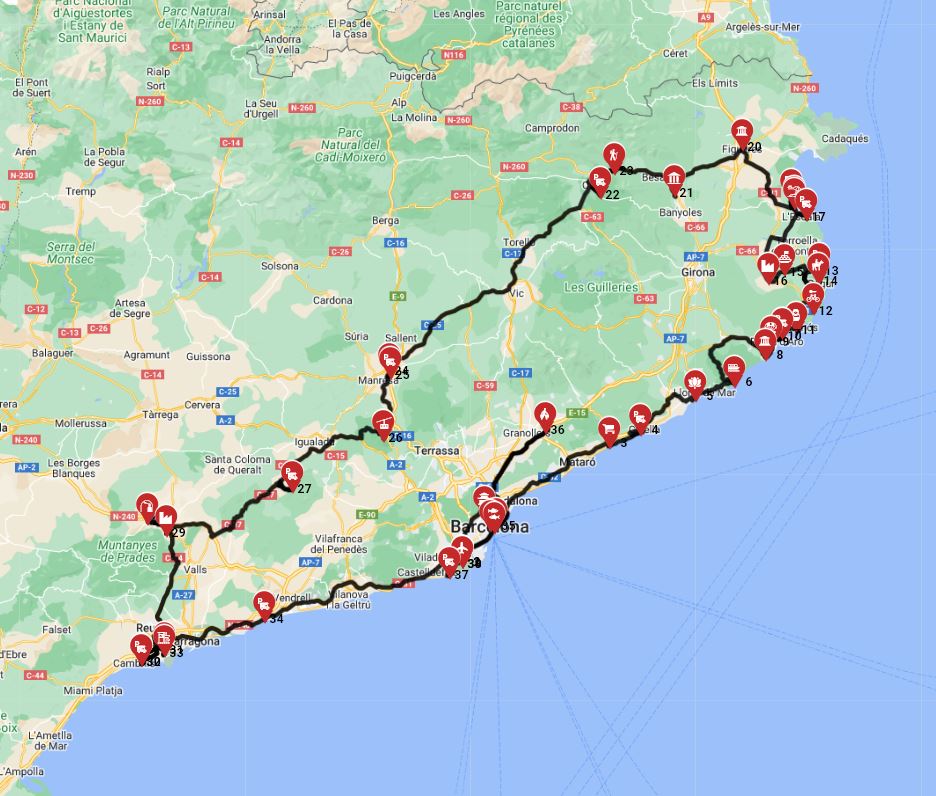
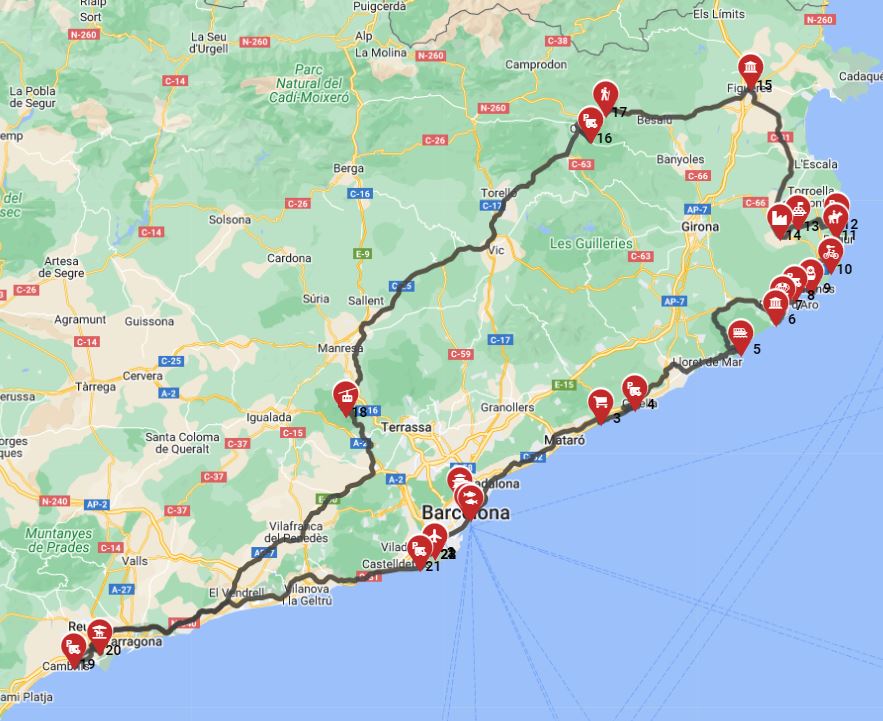
- Mediterranean Coast & Catalonia (Days 8-14): From Granada, head north towards Valencia (approx. 500 km, best spread over 3-4 days with stops). Explore Valencia's modern architecture, such as the City of Arts and Sciences, and its vibrant culinary scene, including paella. From Valencia, drive north to Barcelona (approx. 350 km, over 2-3 days). Experience Barcelona's vibrant arts, Gaudi masterpieces like the Sagrada Familia and Park Güell, and opportunities for various cultural events. Conclude your journey with scenic drives along the Costa Brava, enjoying charming coastal villages, and potentially engaging in niche hobbies like cycling the 'Vías Verdes' or hiking in the Pyrenees foothills. This extended journey provides ample opportunities for exploring diverse facets of Spain, making it a truly unforgettable experience. For those interested in Pet-Friendly RV Rental in Spain - Pricing 2024, many campsites along these routes welcome furry companions.
Recommended RVPlan Trip for Spain
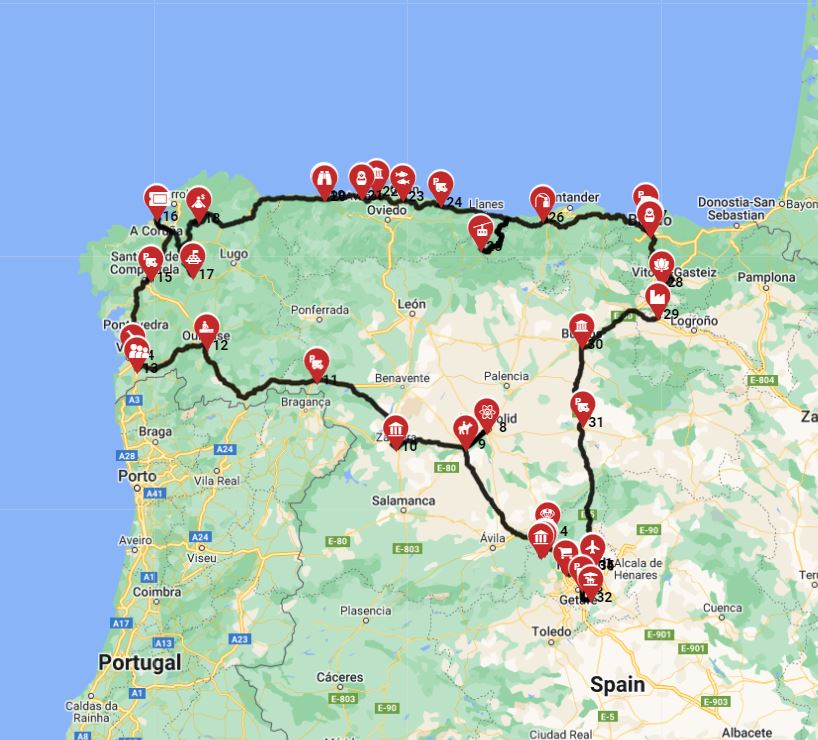
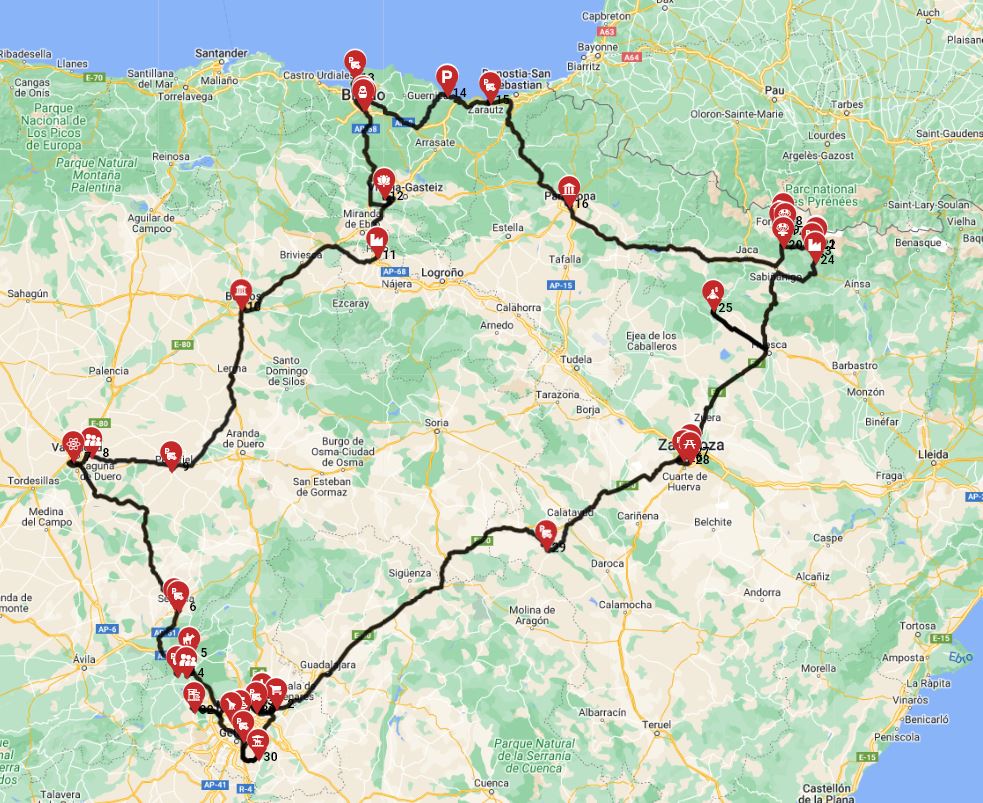
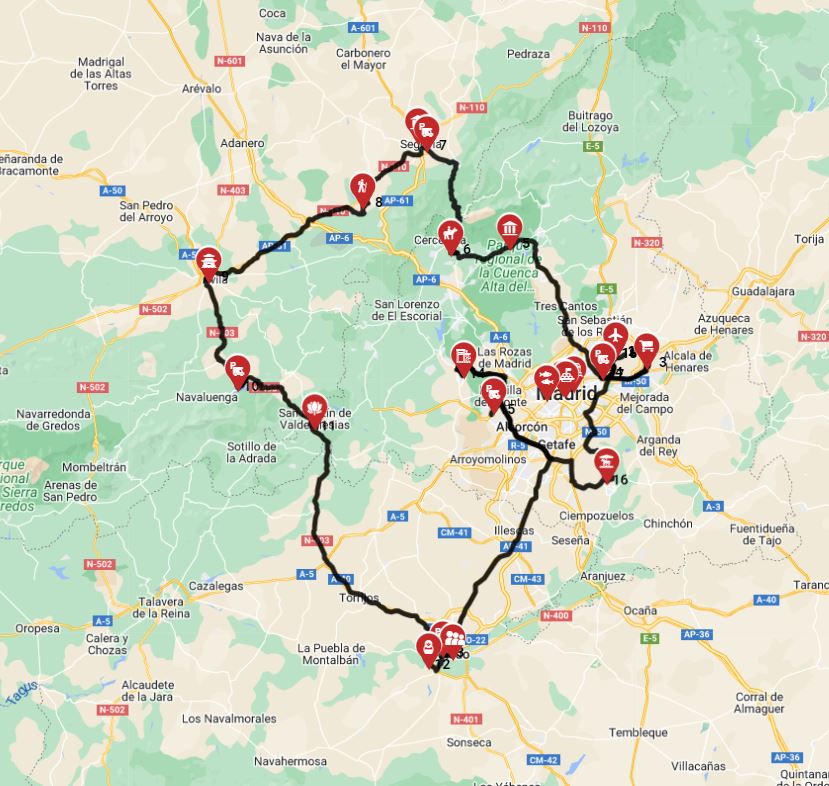
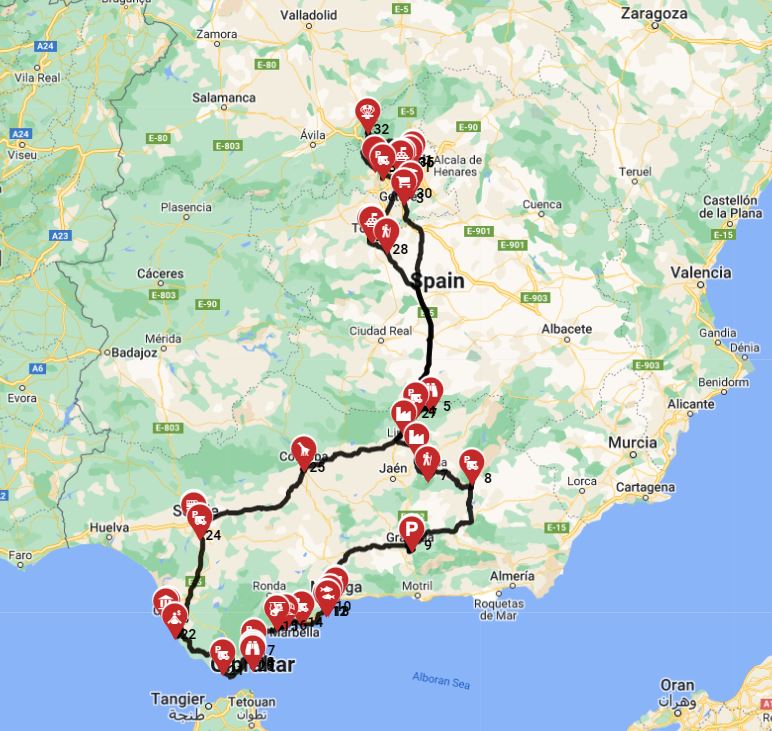
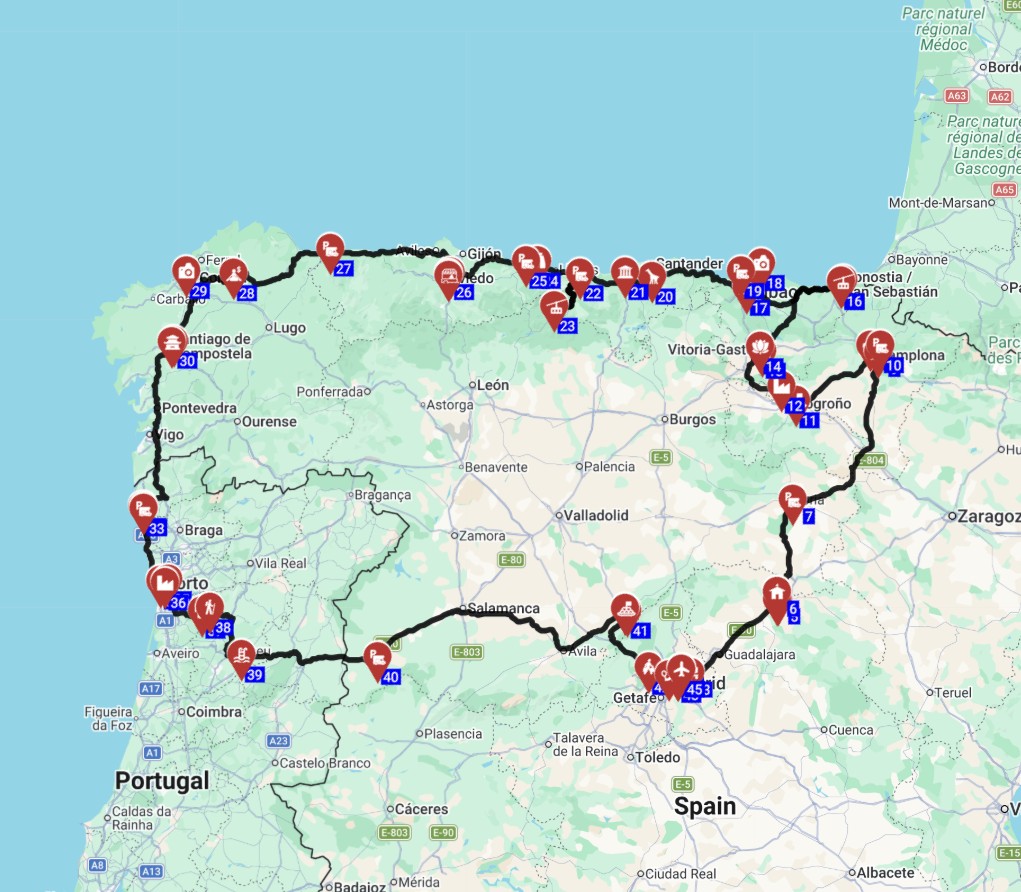
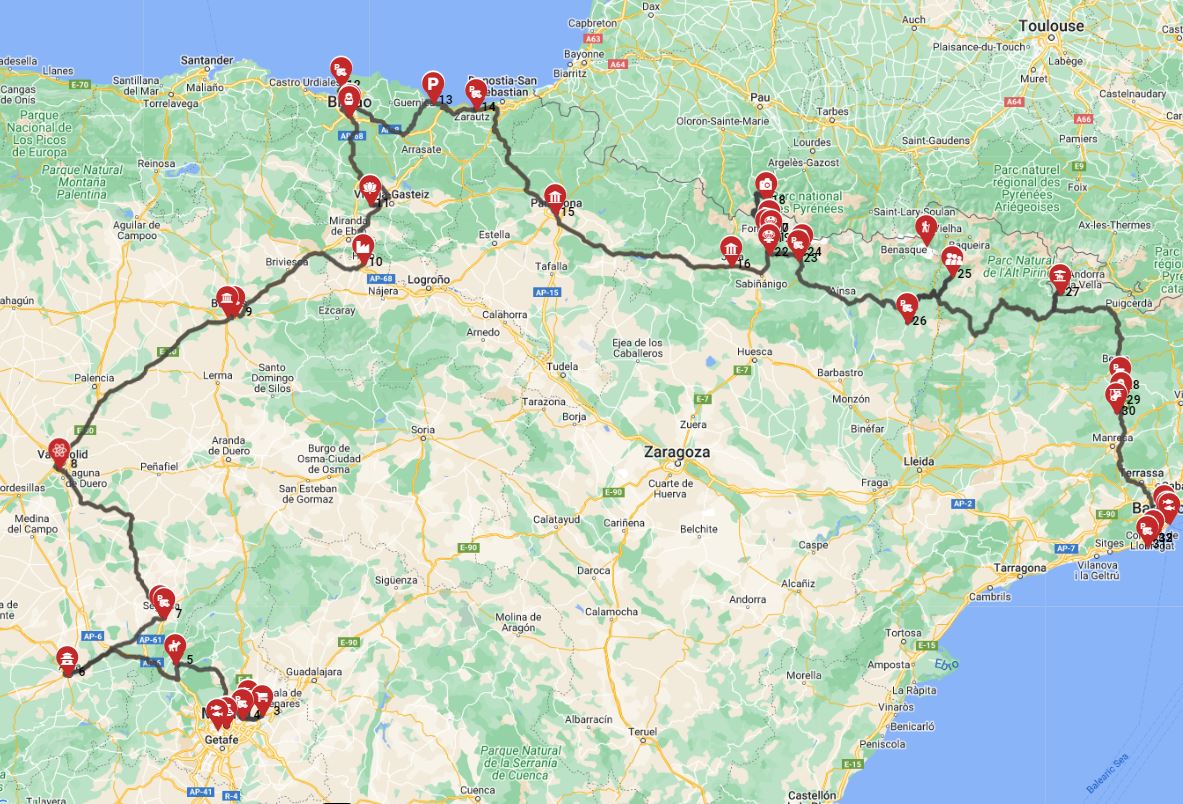
The "Faro Roundtrip - South Portugal & South Spain - Including. Algarve , Seville, Lisbon" is an excellent 11-day RVPlan itinerary covering 1541.9 km, ideal for those looking to blend historical sites with natural beauty across two incredible countries. This carefully curated route plan offers a taste of both southern Portugal and southern Spain, ensuring a memorable and well-organized adventure. Key highlights of this trip include historical landmarks like the Muelle de las Carabelas, the majestic National Palace of Pena, and the stunning natural wonder of Huéznar Cascades. For adventure seekers, the itinerary features exciting opportunities such as the Adventure Park Sierra Norte and water sports with Nauticdrive - Water Sports Center, alongside family-friendly attractions like Zoomarine Algarve. With RV PLANET routes, travelers can itemize and track every expense along the way for easy budgeting, covering everything from fuel and campground fees to tolls and groceries. The full trip details, including day-by-day stops and activities, can be explored directly on rvplan.net for a motorhome road trip from Faro.
Bandana RV specializes in RV rentals, and our sister company, RV PLANET (rvplan.net), offers over 1,300 pre-planned routes across 5 continents, crafted by professionals who know RV travel inside out. When you choose our Rent&Plan service, you receive a 25% planning discount, rewarding you for using rvplan.net to organize your journey.
Must-See Stops Along the Way (Avi Bandana Picks)
Avi Bandana, a seasoned RV traveler, offers unique recommendations for truly experiencing Spain beyond the typical tourist spots. Looking for expert insights from Avi Bandana? Top 5 Adventures - recommendations from Avi Bandana. He particularly emphasizes prioritizing Traditional Visits to authentic historic city centers like Seville's Santa Cruz Quarter or Granada's Albaicín for genuine cultural insights, urging travelers to wander the narrow streets and soak in the local atmosphere. When it comes to food, Avi advises seeking out Traditional Restaurants / Fine Dining in local neighborhoods to savor authentic regional specialties such as flavorful tapas or traditional paella, always focusing on family-run establishments for the best culinary experience. Exploring Traditional Markets, such as the bustling La Boqueria in Barcelona or the Mercado Central in Valencia, is another key recommendation for finding fresh produce, local delicacies, and artisan goods, making for wonderful RV-friendly recipes playlist ingredients. Lastly, he suggests discovering Local Industries by visiting vineyards in regions like La Rioja or artisanal workshops in craft-rich areas, allowing you to gain a deeper understanding of Spain's rich heritage and craftsmanship firsthand.
Daily Driving Distances & Drive Times in Spain
Avi Bandana recommends a maximum average of 100-150 km per day for RV travel in Spain to ensure a relaxed pace and ample time for exploration. This measured approach prevents travel fatigue, allows for spontaneous stops at charming villages or scenic overlooks, and facilitates deeper cultural immersion into the Spanish landscape and lifestyle. For example, driving from Seville to Córdoba, a distance of approximately 140 km, typically takes only 1.5 to 2 hours, leaving the majority of your day free for sightseeing and enjoyment. Conversely, a longer stretch such as Valencia to Barcelona, roughly 350 km, is best split over two days, ideally with an overnight stop in a coastal town or an inland village to adhere to the recommended daily limit and fully appreciate the scenic route. Spanish roads vary significantly, from well-maintained highways (autovías) that offer smooth travel to narrower, winding routes in rural and historic areas, requiring adaptable and attentive driving. Drive slowly and carefully, and you can drive almost anywhere without issues. No need to stress - just use common sense and pay attention to road signs and local traffic. For instance, navigating historical city centers like those you’d find mentioned in Luxury RV Rental in Spain - Premium Prices 2024 requires a bit more care but is entirely manageable.
Best RV Class for This Itinerary - Couple & Family Picks
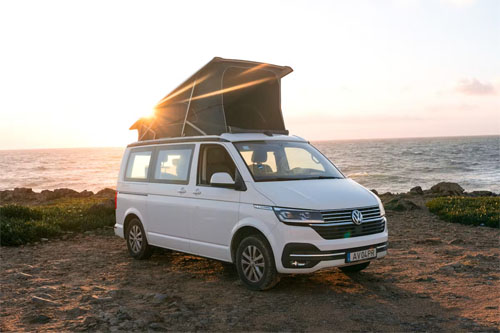
Choosing the right RV class for your Spanish itinerary depends largely on your group size and desired comfort level, but rest assured, a standard car driver's license is sufficient for all motorhome classes. For couples, the Class B - Camper Van is highly recommended for its maneuverability and compact size, averaging 5.8 meters in length, which is ideal for navigating Spain's narrow city streets and finding convenient parking spots. Many Class B campervans, such as the "cruise america example EX-Group A," offer practical features like a 150/195cm double bed, a 100-liter fresh water tank, a 80-liter waste water tank, and a fuel consumption of approximately 8 Liters/100 km, making them efficient for two travelers. Our global fleet of Class B vans typically offers 3.2 sleeping places and capacity for 2.7 adults, with common fuel consumption around 8-10 Liters/100 km.
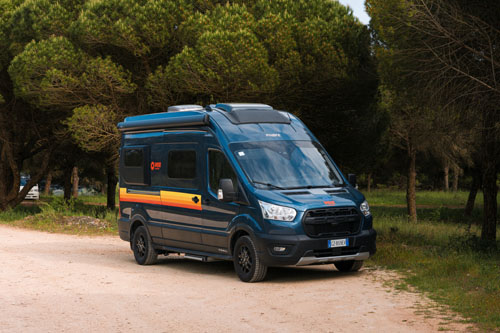
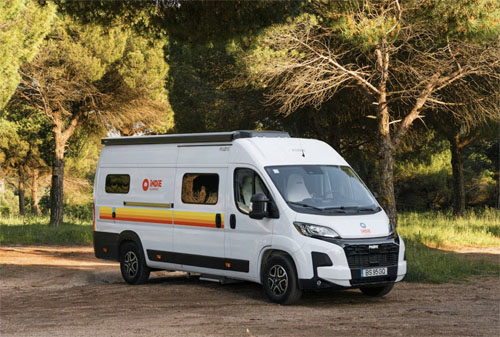
For families of 4-6 people, the Class C - Alcove motorhome provides excellent comfort and ample space. These vehicles average 7.5 meters in length, with 5.8 sleeping places and capacity for 4.4 adults, making them suitable for larger groups. A typical Class C, like the "MIC," might feature a 147/220cm over-cab bed, a 128/220cm rear double bed, a 125/188cm middle double bed, a 100-liter fresh water tank, and a fuel consumption of 10-12 Liters/100 km. These larger vehicles offer more storage and living areas, ensuring a comfortable experience for everyone on board. Bandana's 'Rent&Plan' service can combine your selected RV rental with expert-curated itineraries, such as those found in Weekly RV Rental in Spain - Pricing 2024, and access to trip-planning software, streamlining your travel preparations and ensuring your vehicle is perfectly matched to your adventure.
How much does it cost to rent an RV in Spain for a week
Renting an RV in Spain for a week typically costs between €700 and €1,500, with dynamic prices influenced by the RV's size, the rental season, and specific amenities. Keep in mind that prices are dynamic, much like flight tickets, and change daily based on availability, seasonality, and supplier marketing decisions; the final price is set at the actual booking time. Peak season, usually summer (June-August), and larger RV classes like Class A or C, will naturally incur higher costs, while off-peak seasons (spring and autumn) and smaller Class B vans or campervans offer more budget-friendly options. For example, a Class C Alcove averages 10-12 Liters/100 km in fuel consumption, which is a significant factor in your budget. Comprehensive budgeting should also account for motorway tolls, especially on major routes like those to Barcelona, and varying campsite fees, which can range from €15 to €50+ per night depending on location and amenities. Strategies for saving include traveling during shoulder seasons, preparing meals in your RV kitchen, utilizing free parking apps (where legal) for overnight stays, and booking paid campsites well in advance, especially during popular holidays. For an in-depth look at related costs, check out our guide on One-Way RV Rental in Spain - Price Guide 2024.
🎬 Video coming soon
What is the best month to RV in Spain
The best months for RV travel in Spain are typically spring (April-May) and autumn (September-October), offering a combination of pleasant temperatures, fewer tourist crowds, and more favorable rental prices. Spring brings vibrant blooming landscapes and comfortable weather, perfect for outdoor activities like hiking or cycling, particularly in regions like Andalusia or Catalonia. Autumn also provides mild conditions, often accompanied by harvest festivals and stunning fall foliage, making it an excellent time to explore vineyards or mountain regions. Summer (June-August) can be extremely hot, especially in central and southern Spain, leading to higher costs, more crowded attractions, and potential heat restrictions for strenuous outdoor activities. If you plan to travel during this period, consider coastal routes or northern Spain, which remain cooler. Winter (November-March) is suitable for exploring the milder southern coastal regions or enjoying winter sports in mountainous areas like the Pyrenees, though some campsites may operate with reduced services or close. Understanding these seasonal variations is crucial for planning your optimal RV adventure across Spain.
Is RV camping popular in Spain
Yes, RV camping in Spain has seen a significant surge in popularity, attracting a diverse range of travelers seeking flexible and immersive travel experiences, especially since the early 2020s. Spain offers a wide array of camping options tailored for motorhome and campervan travelers, from convenient designated RV parking areas (áreas de autocaravanas) to fully-equipped paid campsites. Paid campsites include traditional campgrounds with essential amenities, unique 'agri-camping' sites located on rural farms offering a taste of local life, family-friendly parks with extensive facilities like pools and entertainment, and even luxurious glamping options for those seeking a more upscale experience. Due to this increasing demand, particularly in popular coastal or historical regions like the Costa del Sol or around cities like Barcelona, booking paid campsites in advance is often necessary, especially during peak seasons and Spanish holidays. This vibrant RV culture is a testament to the freedom and diverse experiences a rented RV can provide.
Can you wild camp in Spain in an RV
Wild camping with an RV in Spain is generally not permitted, but overnight *parking* is often tolerated in many areas, provided you adhere strictly to local parking regulations and avoid any actions that constitute 'camping.' The key distinction under Spanish law is between parking your vehicle and setting up camp; if your motorhome or campervan is merely parked within its designated footprint without extending awnings, setting out chairs or tables, or deploying stabilizing jacks, it is typically allowed wherever other vehicles can legally park. However, local municipalities and regions, particularly sensitive coastal zones, urban centers, and natural parks, may have specific bylaws that prohibit any overnight parking or camping, making it crucial to check local signage and regulations. Practicing ethical wild parking involves leaving no trace, responsibly disposing of all waste at designated dump stations, and being discreet to respect local communities and the environment. For finding campsites and campgrounds during your trip, we recommend using RV PLANET (rvplan.net) - a great resource for locating available spots and service points along your route.
What are the rules for RV in Spain
RV travel in Spain requires adherence to standard traffic laws, specific parking and camping regulations, and environmental guidelines for waste management. Beyond general road rules such as driving on the right side of the road, distinguishing between 'parking' (vehicle contained within its footprint) and 'camping' (setting up outdoor equipment like awnings or chairs) is vital, as camping is restricted to designated campsites or specific motorhome service areas. Proper waste disposal is mandatory; grey and black water must be emptied at official 'Servicio de Autocaravanas' points or within campgrounds, and apps like Park4Night can be incredibly helpful for locating these facilities. Many major highways, known as autopistas, operate as toll roads, which can be paid via cash, credit card, or electronic transponders (VIA-T) available for rent. Reliable internet access can be challenging in remote areas, so consider purchasing a local Spanish SIM card with a data plan upon arrival for consistent connectivity during your journey across Europe. Remember, for a comprehensive overview, consult our RV Rental Europe - Complete Guide 2024.
Do you need an international driving permit for Spain RV
An International Driving Permit (IDP) is typically required in Spain for non-EU citizens whose national driving licenses are not written in a Latin alphabet or do not fully comply with the 1968 Vienna Convention on Road Traffic. Citizens of EU member states generally do not need an IDP if their national license is valid and in English or easily translatable. Non-EU citizens should always check their specific country's bilateral agreements with Spain; otherwise, an IDP, which is valid for one year and provides a translation of your national license into Spanish, is highly recommended and in many cases legally mandated. Always carry your original national driving license alongside your IDP, as the IDP serves as a translation and is not a standalone document. The minimum rental age for a motorhome in Spain is 21 years old, and a standard car driver's license is sufficient for all motorhome classes, with no special licenses required.
Is it safe to RV in Spain
RV travel in Spain is generally considered very safe, with a low crime rate, but travelers should always implement standard precautions for vehicle security, personal safety, and emergency preparedness. Always ensure your rented RV is locked when unattended, and consider additional security measures like alarms or steering wheel locks, especially when parked overnight in urban areas or popular tourist spots. Be vigilant against pickpockets in crowded tourist areas like markets or major attractions, and keep valuables out of sight within the RV. In case of emergencies, the European emergency number 112 is universally accessible across Spain; it's also wise to keep your RV rental company's roadside assistance contact readily available for immediate support. For unexpected breakdowns, pull over safely, use hazard lights and a warning triangle, and contact your rental provider immediately for assistance, ensuring peace of mind throughout your adventure. You can upgrade to a top-level deductible for extra peace of mind, a popular choice among our travelers.
What You Shouldn't Miss
- **The Alhambra, Granada:** A UNESCO World Heritage site and an unparalleled example of Moorish architecture and gardens. Book tickets months in advance.
- **Seville's Alcázar and Cathedral:** Explore the stunning royal palace and the world's largest Gothic cathedral, including climbing the Giralda tower for city views.
- **Ronda's Puente Nuevo:** Marvel at this dramatic bridge spanning a 100-meter deep gorge, a truly iconic sight in Andalusia.
- **Córdoba's Mezquita-Cathedral:** Witness the unique architectural marvel that blends a mosque and a cathedral into one incredible structure.
- **Coastal Drives of Costa Brava:** Take your RV along the winding roads of Catalonia's rugged coast, discovering hidden coves and charming fishing villages.
- **The City of Arts and Sciences, Valencia:** Explore this futuristic architectural complex, offering a stark contrast to Spain's ancient history.
Final Thoughts
Embarking on a weekly rv itinerary in Spain is more than just a vacation; it's an invitation to freedom, discovery, and unforgettable memories. With the rich history of Andalusia, the vibrant culture of Catalonia, and the stunning natural beauty that stretches across the country, a rented motorhome offers the perfect mobile headquarters for your adventure. Remember, travel slowly, embrace the local culture, and let the open road guide you to unexpected wonders.
We are here to support you every step of the way, handling the details so you can live the journey. From helping you compare motorhome prices to offering insightful route plans, we make your planning effortless and your trip extraordinary. Spain awaits your exploration!