In This Guide
- Best Iceland RV Itinerary for weekly rv rental - Overview
- 7-Day Classic Route in Iceland
- 14-Day Extended Journey in Iceland
- Recommended RVPlan Trip for Iceland
- Must-See Stops Along the Way (Avi Bandana Picks)
- Daily Driving Distances & Drive Times in Iceland
- Best RV Class for This Itinerary - Couple & Family Picks
- What is the best time of year to RV in Iceland
- Do you need a 4x4 RV in Iceland
- What are the roads like in Iceland for RVs
- Can you just park an RV anywhere in Iceland
- How much does a 7 day RV rental cost in Iceland
- What should I pack for a campervan trip in Iceland
- Can you cook in a campervan in Iceland
- How do you get cell service in Iceland
- Is it worth renting a campervan in Iceland
Best Iceland RV Itinerary for weekly rv rental - Overview
Embarking on a weekly RV rental in Iceland offers an unparalleled way to experience the island's dramatic landscapes. A typical 7-day itinerary focuses on the well-trodden paths of the Golden Circle and the breathtaking South Coast, covering approximately 1,000 to 1,500 kilometers. For those with more time, an extended 14-day journey allows for a more comprehensive exploration, often including the entire Ring Road (Route 1) and venturing into more remote regions. The most favorable season for RV travel in Iceland is summer, from June to August, when the weather is milder, roads are more accessible (including the challenging F-roads), and the phenomenon of the midnight sun provides extended daylight for exploration. We highly recommend embracing slow travel; this approach allows you to truly immerse yourself in Iceland's unique scenery and natural wonders without the pressure of a rushed schedule. For live availability and current prices, start with our RV Rental Iceland - Complete Guide 2026 guide.
7-Day Classic Route in Iceland
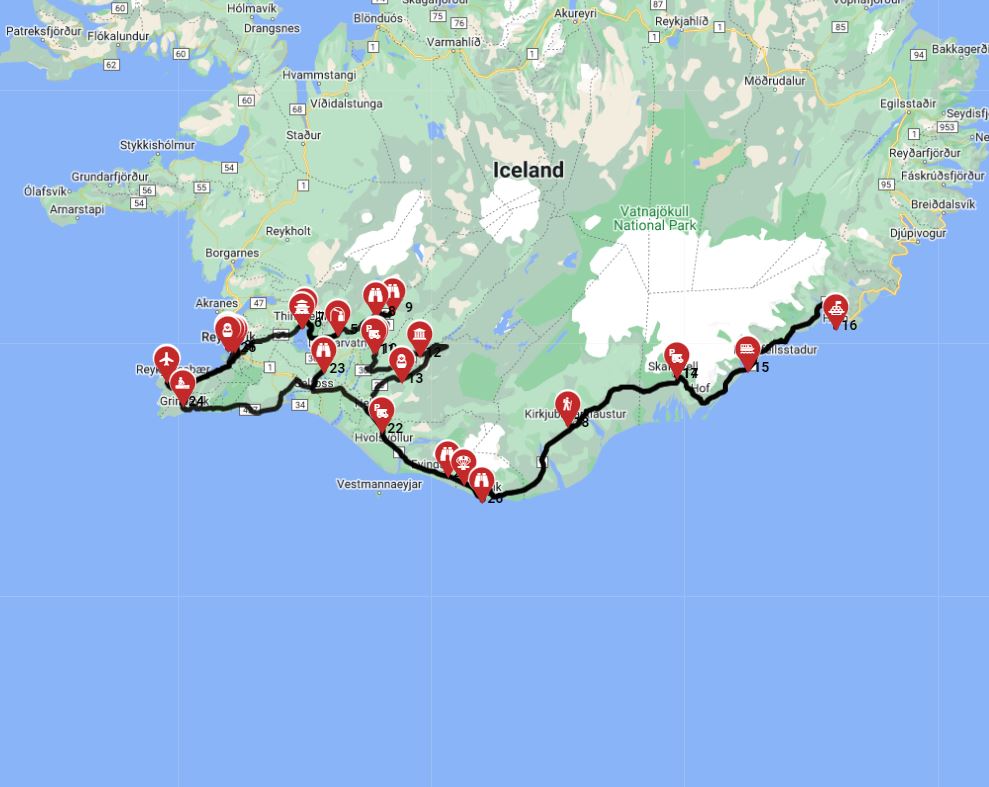
A classic 7-day RV itinerary in Iceland is perfectly crafted to showcase the island's most iconic attractions: the Golden Circle and the South Coast. This route is designed with mindful driving, keeping daily distances to around 150 km (about 100 miles) to maximize your time for exploration and enjoyment of the stunning scenery. Here’s a suggested day-by-day plan:
- Day 1: Reykjavik → Hveragerði/Selfoss (approx. 50 km). Begin your adventure by heading towards the Golden Circle. Explore Þingvellir National Park, a UNESCO World Heritage site, the erupting geysers at the Geysir geothermal area, and the majestic Gullfoss waterfall. Overnight at Selfoss Campground.
- Day 2: Selfoss → Vík (approx. 130 km). Continue along the South Coast, stopping at the stunning Seljalandsfoss and Skógafoss waterfalls. Don't miss the dramatic cliffs and black sand beaches of Dyrhólaey Viewpoint. Overnight at Vik Campsite.
- Day 3: Vík → Kirkjubæjarklaustur (approx. 70 km). Discover the famous Reynisfjara Black Sand Beach, known for its basalt columns and powerful waves. Consider a detour to the breathtaking Fjaðrárgljúfur Canyon. Overnight at Kirkjubæjarklaustur Campsite.
- Day 4: Kirkjubæjarklaustur → Skaftafell (approx. 60 km). Explore the wonders of Vatnajökull National Park, home to Europe's largest glacier. A hike to Svartifoss waterfall, famed for its black basalt columns, is a must. Overnight at Skaftafell Campground.
- Day 5: Skaftafell → Vík (approx. 140 km). Begin your return journey, offering another chance to explore hidden gems or revisit favorite spots near Vík. Overnight at Vik Campsite.
- Day 6: Vík → Hella/Flúðir (approx. 110-130 km). Enjoy a more relaxed day, perhaps stopping at a local hot spring like the Secret Lagoon in Flúðir for a rejuvenating soak. Overnight at Hella or Flúðir Campground.
- Day 7: Hella/Flúðir → Reykjavik (approx. 90-120 km). Return your RV to Reykjavik and spend the remainder of your day exploring the vibrant capital city.
14-Day Extended Journey in Iceland
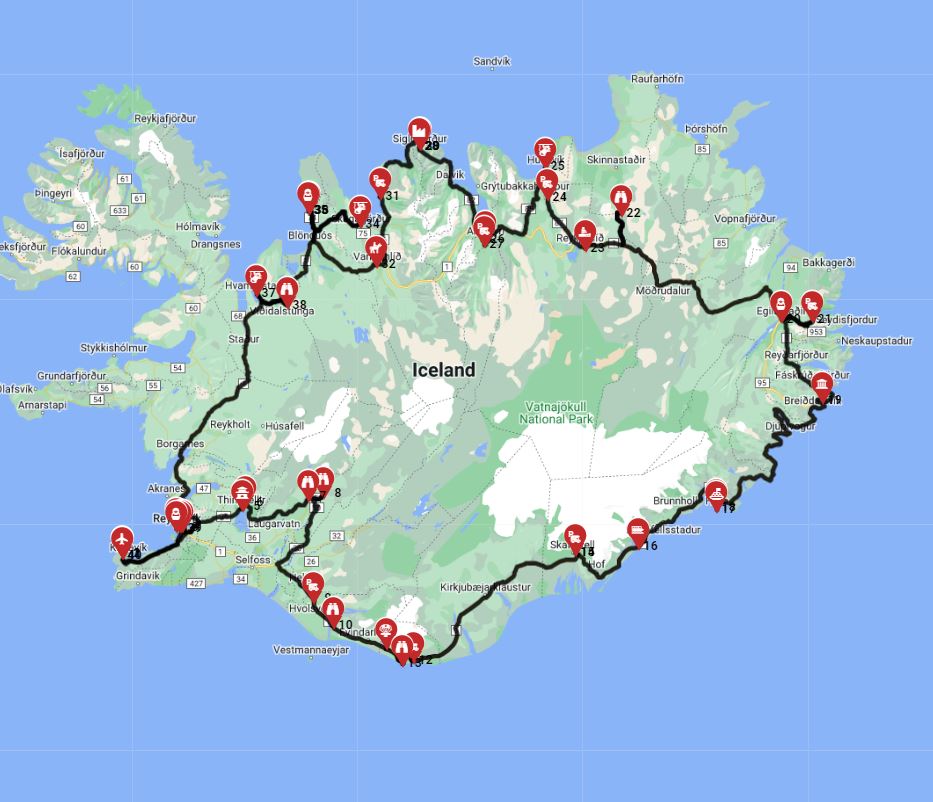
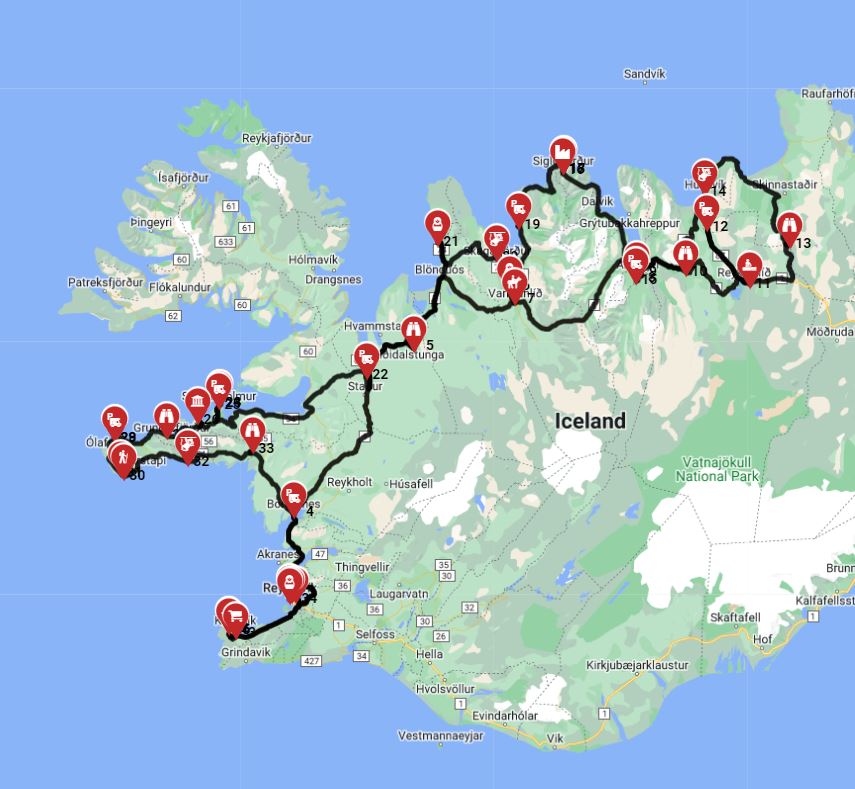
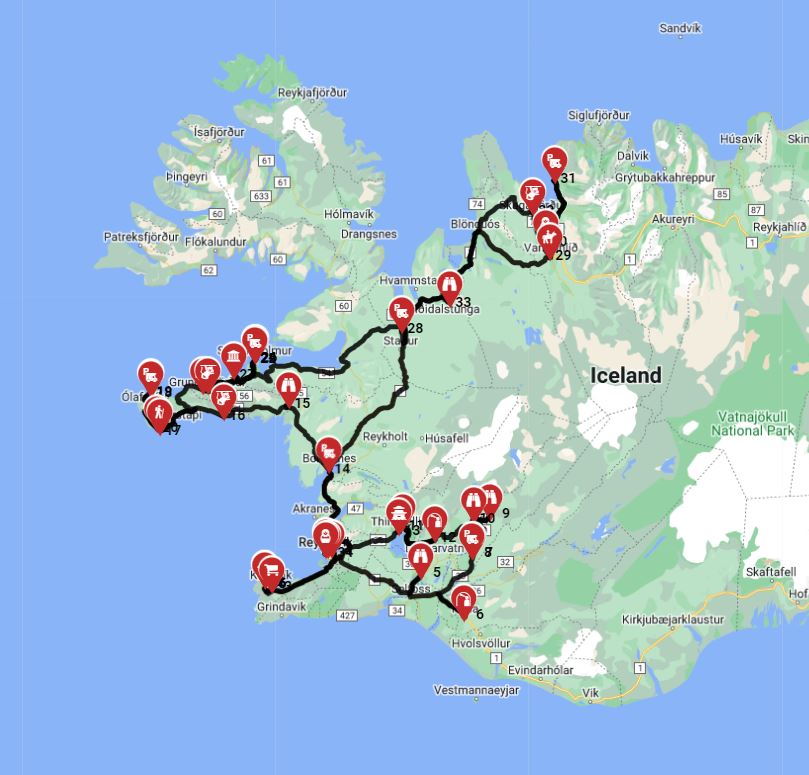
For a truly immersive experience of Iceland's diverse beauty, an extended 14 to 15-day RV trip is highly recommended. This duration allows you to comfortably complete the entire Ring Road (Route 1), covering approximately 2,045 km, while maintaining a relaxed pace of no more than 150 km (100 miles) per day on average. This longer trip opens up opportunities to explore the dramatic East Fjords, the geothermally active North Iceland, and the rugged Westfjords, far beyond the classic South Coast route. A detailed '
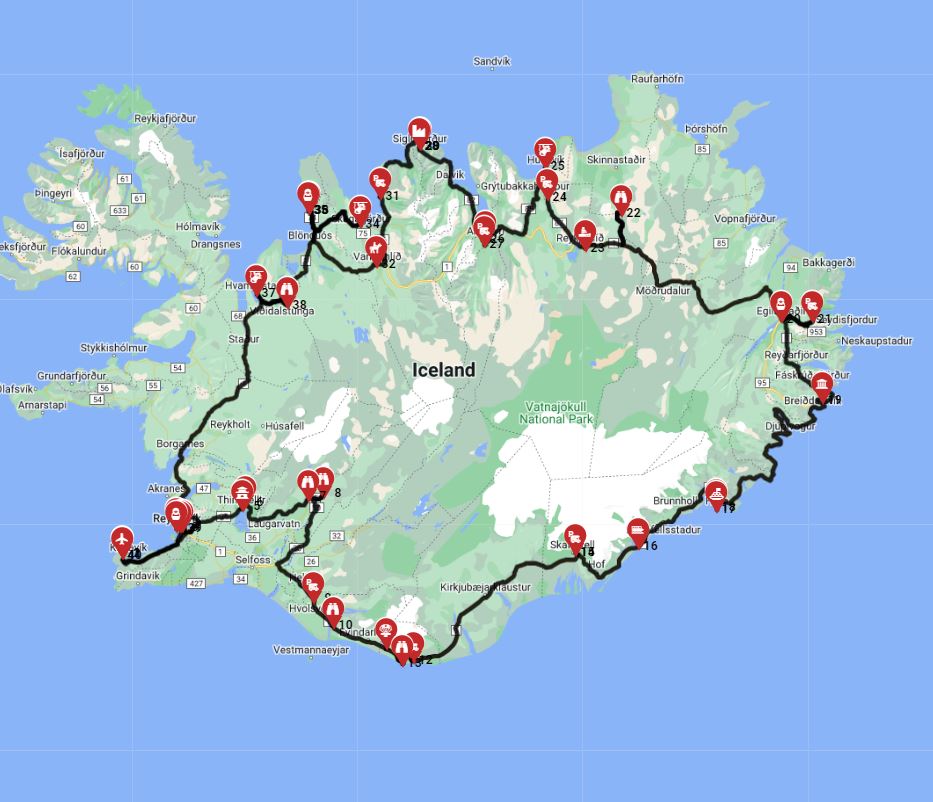
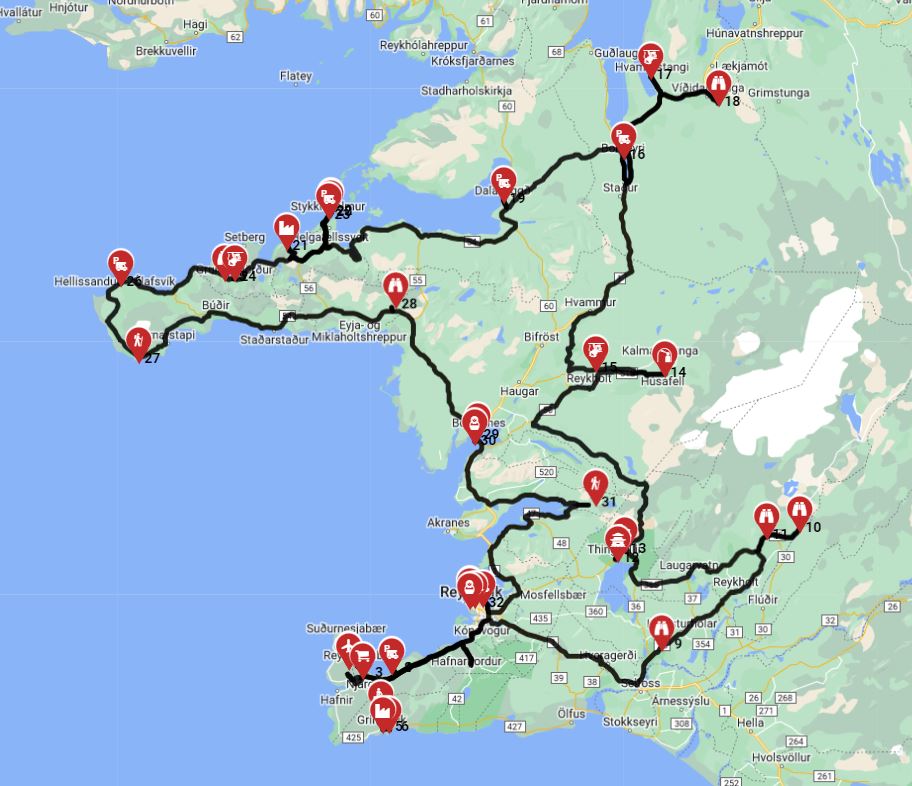
- Days 1-3: Explore the Southwest, including the Golden Circle and the Reykjanes Peninsula.
- Days 4-6: Journey along the South Coast, visiting highlights like Seljalandsfoss, Skógafoss, Vík, Skaftafell, and the Jökulsárlón glacier lagoon.
- Days 7-8: Discover the charm of the East Fjords, with their picturesque villages and stunning coastal drives.
- Days 9-11: Immerse yourself in North Iceland's dramatic landscapes, including Lake Mývatn, the powerful Dettifoss waterfall, Akureyri, and the majestic Goðafoss.
- Days 12-13: Venture into the Northwest, with a focus on the captivating Snæfellsnes Peninsula and the Borgarfjörður region.
- Day 14: Return to Reykjavik, concluding your epic Icelandic road trip.
Recommended RVPlan Trip for Iceland
For those seeking a meticulously planned and comprehensive Icelandic adventure, the "Iceland - Full ring road" trip curated by RVPlan is an excellent choice. This expertly crafted 15-day itinerary spans approximately 2045 kilometers, starting and concluding in Reykjavik, ensuring you experience the very best of Iceland's diverse landscapes. The plan includes recommendations for various activities and sights, making your trip planning effortless and allowing you to focus on the joy of discovery. You can access this detailed route at: [ trip in Iceland - Full ring road route]( trip in Iceland - Full ring road route). This itinerary is supported by a detailed plan, ensuring you have all the information needed for an unforgettable journey.
Must-See Stops Along the Way (Avi Bandana Picks)
As a true RV travel specialist, Avi Bandana offers personal recommendations that go beyond the typical tourist trail, focusing on authentic experiences and local insights for your weekly RV rental in Iceland. These traditional visits and local experiences will deepen your connection to the land and culture.
- Thingvellir National Park: Avi highlights this as a **Traditional Visit**. It's not just a stunning natural site, but also a UNESCO World Heritage location with immense historical significance as the birthplace of Iceland's ancient parliament and a geological marvel where the North American and Eurasian tectonic plates meet.
- Dyrhólaey Viewpoint: A spectacular **Traditional Visit** on the South Coast, offering panoramic views of the black sand beaches, unique rock formations, and the chance to spot puffins during their nesting season (typically May to August).
- Jökulsárlón Glacier Lagoon: While a natural wonder, Avi considers a **Traditional Visit** here essential. Witnessing the mesmerizing icebergs floating in the glacial lagoon, perhaps with an optional boat tour, is an unforgettable experience.
- Local Industry Experiences: Seek out opportunities to engage with Iceland's local industries. Visiting a wool factory, a small fishing village, or an artisan workshop provides invaluable insight into the local culture and economy.
- Traditional Restaurant / Fine Dining: Make sure to savor Icelandic cuisine. Enjoying fresh seafood or traditional lamb dishes at a local eatery is a culinary experience that truly immerses you in the local culture.
Daily Driving Distances & Drive Times in Iceland
To ensure your Icelandic RV adventure is as enjoyable and stress-free as possible, Avi Bandana strongly recommends limiting your daily driving to a maximum of 100 miles or 150 kilometers. This approach allows ample time for spontaneous stops, deep exploration of Iceland's breathtaking landscapes, and prevents driver fatigue on unfamiliar roads.
Adhering to this sensible driving limit means you can truly appreciate Iceland's natural beauty without feeling rushed. For example:
- Driving from Reykjavik to Þingvellir National Park covers approximately 50 km (30 miles) and typically takes around 45 minutes.
- The drive from Gullfoss to Vík is about 150 km (93 miles), usually taking around 2 hours of direct driving time.
- The route from Vík to Skaftafell, roughly 140 km (87 miles), also takes about 2 hours on the road.
Remember to always factor in potential stops for photos, short hikes, or simply to soak in the incredible scenery.
Best RV Class for This Itinerary - Couple & Family Picks
Selecting the right RV class is crucial for comfort and suitability during your Iceland trip. Bandana's fleet offers excellent options tailored for both couples and families, ensuring your mobile home base is perfect for your adventure.
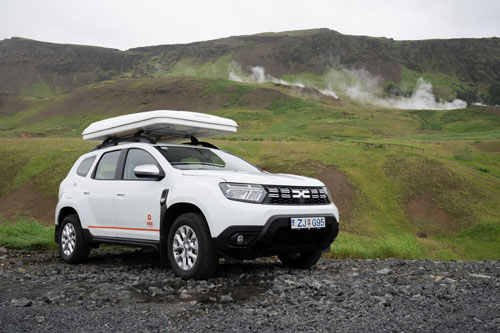
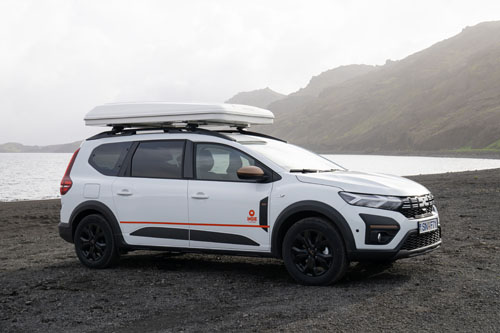
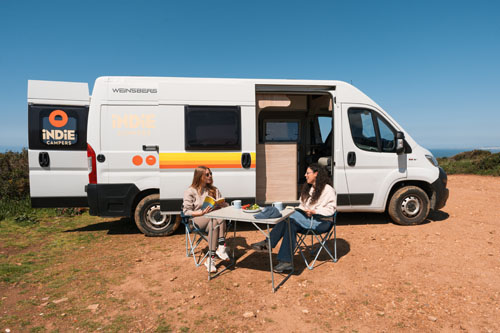
For couples, a **Class B - Camper Van** is an ideal choice. Bandana's models typically average around 5.8 meters in length, comfortably accommodating two adults (and potentially a child) with sleeping places for up to 3.2. These nimble vehicles offer excellent fuel efficiency, averaging about 10 Liters/100 km, making them agile and economical for exploring Iceland's roads.
For families, a **Class C - Alcove motorhome** provides ample space and comfort. These larger rentals from Bandana average about 7.5 meters in length and are designed to sleep up to 4.4 adults comfortably, often featuring multiple sleeping areas to accommodate families of varying sizes. While offering more living space, they have a slightly higher fuel consumption, typically ranging from 10-12 Liters/100 km.
To simplify your planning, consider Bandana's 'Rent & Plan' service. This unique offering combines your RV rental with a pre-designed itinerary crafted by travel experts, giving you full access to trip-planning software and taking the headache out of organizing your Icelandic adventure.
For instance, our popular "24' Class C Motorhome" is a fantastic option for families, offering sleeping places for up to 5 and features like a generator and TV, ensuring comfort on longer journeys. Couples might find the "2 Berth Hi Top" campervan, with its automatic transmission and compact size, to be perfect for navigating Iceland's scenic routes.
What is the best time of year to RV in Iceland
The "best" time of year for an RV rental in Iceland truly depends on your travel priorities, as each season offers a distinct and memorable experience, along with its own set of considerations.
- Summer (June-August): This is the most popular time for RV travelers due to the phenomenon of the midnight sun, providing nearly 24 hours of daylight, along with the mildest weather conditions and the most accessible roads, including the often-challenging F-roads. However, this is also peak season, meaning higher rental prices and larger crowds at popular attractions.
- Shoulder Seasons (May, September-October): These months offer a fantastic balance. You'll experience fewer crowds and potentially lower rental costs, while still enjoying varied and often spectacular scenery. May sees the landscape rapidly opening up as winter recedes, while September can offer the magic of the Northern Lights against a backdrop of vibrant autumn colors before widespread road closures begin.
- Winter (November-April): For the adventurous RV traveler focused on witnessing the Northern Lights and experiencing Iceland's snow-covered landscapes, winter can be magical. However, conditions are challenging: limited daylight hours, extreme weather such as high winds and snowstorms, and numerous road closures, particularly in the Highlands and Westfjords. This season necessitates a robust 4x4 RV and meticulous planning.
Regardless of the season, always check road.is for the latest road conditions and weather advisories.
Do you need a 4x4 RV in Iceland
Whether a 4x4 RV is necessary for your Iceland trip hinges entirely on your planned itinerary and desired road access. Not all routes in Iceland require four-wheel drive, and for many popular destinations, a standard 2WD vehicle is perfectly adequate.
- Ring Road and Paved Routes: For the iconic Ring Road (Route 1) and other major paved highways, a standard 2WD campervan or motorhome, such as Bandana's Class B camper vans or Class SI motorhomes, is generally sufficient. These vehicles provide access to most of the country's most visited attractions.
- F-roads (Mountain Roads): If your itinerary includes exploring Iceland's interior Highlands, you will encounter F-roads. These mountain roads are strictly designated for 4x4 vehicles only. Driving a 2WD vehicle on an F-road is illegal and can be extremely dangerous. It also typically requires special insurance coverage for potential river crossings and gravel damage.
- Choosing a 4x4 RV: Opting for a 4x4 RV, like a specialized 4x4 campervan, is essential if you plan to venture onto F-roads. Be aware that 4x4 rentals generally come with increased rental and fuel costs.
Always match your vehicle selection to your comfort level with driving on varied terrain and the specific roads you intend to travel. This ensures a safe and enjoyable journey.
What are the roads like in Iceland for RVs
Iceland's road network offers a diverse driving experience for RVs, ranging from well-maintained paved highways to more challenging gravel tracks and remote mountain routes. Drivers should be prepared for varying surfaces and unpredictable environmental factors.
- The Ring Road (Route 1): This is Iceland's main artery and is predominantly paved and in good condition, making it suitable for most RV types. However, drivers should be mindful of numerous single-lane bridges and tunnels, which require yielding to oncoming traffic and careful navigation.
- Gravel Roads: Gravel roads are common for accessing attractions off the main Ring Road. These routes necessitate slower speeds and more cautious driving to prevent stone chip damage, which is often not covered by basic rental insurance.
- F-roads (Mountain Roads): These are unpaved, often rough tracks leading into the interior Highlands. They typically require 4x4 vehicles and specialized insurance due to potential river crossings and challenging terrain. F-roads are usually only open during the summer months (roughly June to September).
Safety Information is Paramount: Iceland is known for its rapid and extreme weather changes. Powerful winds can destabilize an RV, and snow or fog can dramatically reduce visibility. Always check road.is for current conditions and warnings before setting out. Be vigilant for sheep on rural roads, as they often roam freely and have the right of way. Remember that 112 is the emergency number for all situations across Iceland.
Can you just park an RV anywhere in Iceland
No, you cannot simply park an RV anywhere in Iceland for overnight stays. 'Wild camping' – parking and staying overnight in a campervan or motorhome outside of organized campsites – is largely prohibited or heavily regulated to protect Iceland's fragile ecosystems and private land.
Recent legislation, enacted at the start of 2026, explicitly mandates that campervans and motorhomes must park overnight in designated campsites. Overnight parking outside these organized areas is prohibited unless express permission is obtained from the landowner. This measure aims to prevent environmental damage, such as the trampling of delicate moss that takes decades to recover, and to manage litter and waste disposal responsibly.
Ethical RV parking practices in Iceland involve utilizing official campgrounds, which are widely available and well-equipped throughout the country. When choosing a campsite, always respect local signs, private property, and the environment to ensure sustainable and responsible tourism during your RV trip. Violating these regulations can result in significant fines and contributes to the degradation of Iceland's pristine natural beauty.
How much does a 7 day RV rental cost in Iceland
The total cost for a 7-day RV rental in Iceland can fluctuate significantly based on several factors, including the type of RV, the season of your visit, and additional expenses beyond the rental fee. Generally, expect costs to range from approximately €1,500 to €3,500+ during the peak summer months. On the routes offered through RV PLANET routes, you can itemize and track every expense along the way for easy budgeting.
- Rental Price: Rental fees are highest during summer (June-August). For a 7-day period, a Class B Camper Van typically starts from €800-€1,500, while a Class C Alcove motorhome can range from €1,200-€2,500, depending on the specific model, age, and how far in advance you book.
- Fuel Costs: Iceland has relatively high fuel prices. Considering a Class B Camper Van's average consumption of 10 Liters/100 km and a 7-day itinerary covering 800-1,000 km, budget approximately €200-€300 for fuel. These estimates are based on approximate 2026 fuel prices and can vary.
- Campsite Fees: Plan for campsite fees, which typically range from €15-€30 per night for designated campgrounds. For 6 nights, this amounts to approximately €90-€180.
- Activities & Fines: Allocate funds for tours and activities, such as glacier hikes or boat trips. Be aware that traffic fines in Iceland are substantial and strictly enforced for offenses like speeding or illegal parking.
- Groceries & Food: Self-catering is a great way to manage costs. Budget around €50-€80 per person per week for groceries from supermarkets like Bónus or Krónan, found in most towns along the Ring Road. Add extra for occasional restaurant meals or snacks.
For finding campsites and campgrounds during your trip, we recommend using RV PLANET (rvplan.net) — a great tool for locating available spots along your route.
What should I pack for a campervan trip in Iceland
Packing for a campervan trip in Iceland demands a strategic approach, focusing on versatile clothing layers and reliable waterproof gear to combat the island's famously unpredictable weather, even during the summer months. Layering is key to adapting to rapid temperature and condition changes.
- Essential Clothing: Prioritize waterproof and windproof outerwear, including a jacket and pants, to shield you from the elements. Pack multiple thermal base layers, complemented by fleece or wool mid-layers for warmth. Don't forget warm socks (wool or synthetic are best), a warm hat, gloves, and a scarf to protect against the cold and wind.
- Footwear: Sturdy, waterproof hiking boots are absolutely crucial for exploring Iceland's diverse terrain, from volcanic landscapes to glacier trails. Additionally, pack comfortable, easy-to-slip-on shoes for driving and use around the campsite.
- Personal Items & Gear: Bring a swimsuit for Iceland's famous hot springs and geothermal pools. A quick-dry towel is practical for both bathing and in the campervan. Sunglasses and sunscreen are important, even on cloudy days, due to Iceland's latitude. A headlamp can be invaluable, especially if you're traveling outside the peak summer months when daylight hours are shorter.
- RV-Specific Gear: While your rented RV will come equipped with essentials, consider packing a small, comprehensive first-aid kit for minor emergencies. A portable power bank is useful for keeping devices charged on the go. Reusable water bottles are a sustainable choice, and while bedding is usually provided, consider an insulated sleeping bag with a suitable temperature rating if you anticipate particularly cold nights or prefer extra warmth.
Can you cook in a campervan in Iceland
Yes, absolutely! All Bandana RVs are equipped with basic cooking facilities, making preparing meals in your campervan a convenient and cost-effective aspect of your Iceland trip. This allows you to enjoy the flexibility of self-catering while on the road.
Most RVs include essential kitchen amenities such as a gas stove, a refrigerator, a sink with running water, and a set of basic cooking utensils and dinnerware. These facilities enable you to prepare a wide variety of meals, from simple breakfasts to more elaborate dinners, while taking in the stunning Icelandic scenery.
Food and Supply Logistics: Affordable groceries are readily available at major supermarkets like Bonus (easily identifiable by its pink pig logo) and Krónan, which are found in most towns and cities along the Ring Road. While local markets offering fresh produce might pop up during summer in some towns, the large supermarkets are your primary and most reliable source for stocking up on supplies. Planning your meals in advance and stocking up in larger towns where selection and prices are more favorable can significantly enhance your RV cooking experience.
To make the most of your onboard kitchen, consider utilizing local Icelandic ingredients like fresh fish or lamb to elevate your culinary adventures. For inspiration, don't forget to check out our RV-friendly recipes playlist for easy and delicious meal ideas.
How do you get cell service in Iceland
Staying connected in Iceland is generally straightforward, with reliable cell service available in populated areas and along the main Ring Road. However, coverage can become patchy in more remote regions and the vast Highlands, so planning for connectivity is advisable.
- Local SIM Cards: The most practical and cost-effective method for ensuring reliable data and call service is purchasing a local Icelandic SIM card upon arrival. Major providers include Vodafone, Síminn, and Nova, all offering good coverage in and around towns and along major routes.
- Wi-Fi Availability: Many campgrounds provide Wi-Fi access, often for a small fee, which can be a convenient option. Additionally, most towns have cafes, restaurants, and public libraries offering free Wi-Fi.
- Remote Area Coverage: Be prepared for limited or no cell service in very remote areas, particularly in the interior or isolated fjords. For these regions, consider renting a portable Wi-Fi device or relying on pre-downloaded offline maps and information.
Crucially, remember that in case of emergencies, you can always dial 112 from any phone, regardless of your SIM card status or credit, to reach emergency services anywhere in Iceland.
Is it worth renting a campervan in Iceland
Renting a campervan in Iceland is widely considered a worthwhile endeavor for travelers who value flexibility, seek an immersive connection with nature, and aim for potential cost savings on accommodation. However, it requires preparation for the island's unique challenges.
- Pros: Campervans offer unparalleled freedom to explore Iceland's diverse landscapes at your own pace. You can wake up to stunning vistas, move on a whim, and the ability to cook your own meals can lead to significant savings compared to combining car rentals with hotel stays.
- Cons: Be prepared for Iceland's high fuel costs, strict regulations against wild camping (requiring overnight stays at official campgrounds), and the capricious nature of its weather. Careful planning and adaptability are essential for a smooth journey.
For those who cherish independence, embrace adventure, and desire a close connection to Iceland's breathtaking natural environment, renting an RV is an excellent choice. It facilitates a unique and memorable travel experience that traditional methods often cannot replicate.
What You Shouldn't Miss
- Hike to Svartifoss Waterfall: Located in Skaftafell Nature Reserve, this waterfall is famed for its striking black basalt columns, creating a unique natural amphitheater.
- Explore Jökulsárlón Glacier Lagoon: Witness massive icebergs calved from a nearby glacier drift serenely towards the ocean. Consider a boat tour for an up-close glacial experience.
- Visit Reynisfjara Black Sand Beach: Marvel at the dramatic basalt stacks, volcanic sands, and powerful Atlantic waves. Be mindful of the sneaker waves here; always maintain a safe distance from the water.
- Soak in a Geothermal Pool: Iceland is dotted with natural hot springs and geothermal pools. The Secret Lagoon near Flúðir or the Blue Lagoon (near Reykjavik) offer relaxing experiences amidst stunning scenery.
- Chase the Northern Lights (Winter/Shoulder Seasons): If traveling during the darker months, dedicate time to seeking out the aurora borealis. Away from city lights, clear nights can offer a spectacular celestial display.
- Drive the Snæfellsnes Peninsula: Often called "Iceland in Miniature," this peninsula offers a condensed version of Iceland's diverse beauty, from volcanic craters and black sand beaches to charming fishing villages and coastal cliffs.
Final Thoughts
Renting an RV in Iceland is more than just a mode of transport; it's your ticket to an intimate encounter with one of the world's most unique and stunning natural environments. From the thundering waterfalls and geothermal wonders to the otherworldly glacier lagoons, Iceland offers an RV journey like no other.
At Bandana Caravan, we’re dedicated to making your Icelandic RV adventure seamless and transparent. We pride ourselves on our expert knowledge and our commitment to ensuring you have all the information you need, from route planning to packing essentials. Get inspired for your next trip and discover top destinations and planning tips all in one place!
Plan your itinerary in advance with minimal effort and maximum enjoyment. We’re here to help you navigate the wonders of Iceland, one scenic kilometer at a time!