In This Guide
- Where to Camp in Turkey - Top Options
- Campground Types in Turkey (National, Private, Wild)
- Featured RV Park or Campground in Turkey
- Hookups & Amenities - What to Expect
- Booking Windows & Reservations in Turkey
- Nearby Supermarkets & Resupply Points
- Best RV Class for Camping in Turkey
- How to Save on Campgrounds in Turkey
- How much does it cost to rent an RV for a week in Turkey
- What are the best places to visit in Turkey with an RV
- What is the best time of year to RV in Turkey
- What are the essential things to know before renting an RV in Turkey
- What are the common challenges when RVing in Turkey
- Are there specific rules for RV camping in Turkey
- Can I rent a pet-friendly RV in Turkey
- What type of license do I need to drive an RV in Turkey
Embarking on a weekly RV camping adventure in Turkey is an incredible way to experience this vibrant country, offering a blend of ancient history, stunning coastlines, and unique cultural encounters. With a rented motorhome, you'll gain the freedom to craft your own journey, lingering in places you love and discovering hidden gems at your own pace. For live availability and current prices, start with our RV Rental Turkey - Complete Guide 2026 guide.
Where to Camp in Turkey - Top Options
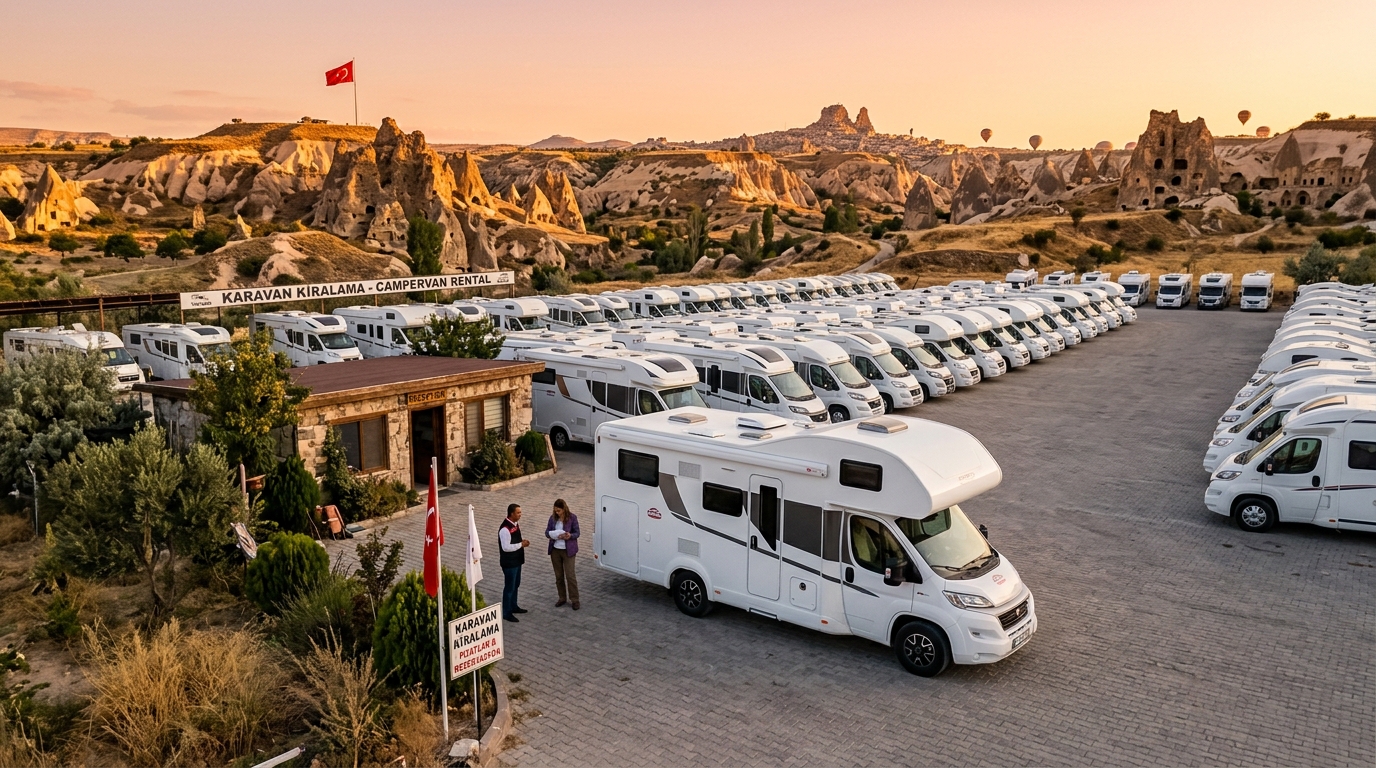
Turkey offers diverse camping experiences from sun-drenched coastal areas to historical regions and majestic mountains. Popular RV-friendly regions along the Aegean Coast, such as Izmir and Fethiye, provide numerous well-equipped private campgrounds. Along the Mediterranean Coast, destinations like Antalya and Kaş are ideal for longer stays, featuring sites with modern amenities and easy access to turquoise waters. For those seeking unique cultural immersion, the historical landscapes of Cappadocia offer designated RV parking near incredible rock formations and ancient cave dwellings.
Imagine waking up to the sound of waves in Göcek bays, or seeing hot air balloons drift over Cappadocia from your motorhome window. Exploring these regions with a rented motorhome allows for slow travel, with Bandana RV experts recommending an average of 100-150 km per day to truly connect with the culture, food, and scenery.
Campground Types in Turkey (National, Private, Wild)
Turkey provides a variety of camping environments, including national park sites, private campgrounds, and opportunities for wild camping. National park campgrounds often offer basic facilities within scenic protected areas, though booking might be limited, with many operating on a first-come, first-served basis for 70-75% of their spots. Private campgrounds, commonly found near popular tourist hubs and coastal towns, typically provide more extensive amenities like electric hookups (usually 220-240V with Type F plugs), hot showers, and sometimes restaurants, ensuring a comfortable weekly RV stay. Wild camping (boondocking) is often tolerated in many rural areas, especially outside protected zones, but it is not officially legal; practicing respectful, discreet parking and obtaining local permission where possible is always advisable.
Featured RV Park or Campground in Turkey
When selecting an RV park in Turkey for your weekly rv rental, look for facilities that offer reliable electrical hookups (typically 220-240V with Type F European two-pin plugs), potable water, and convenient grey/black water dump stations. Many highly-rated private campgrounds, particularly along the Aegean and Mediterranean coasts, provide these comprehensive services. A good featured campground ideally is situated near key attractions, offers clean restroom and shower facilities, and may include additional amenities like Wi-Fi, laundry services, or a small shop. Locations around Fethiye or Kaş, for instance, are known for their hospitable private campgrounds that cater specifically to motorhome travelers, making long-term stays comfortable and hassle-free. On the routes offered through RV PLANET routes, you can itemize and track every expense along the way for easy budgeting.
Hookups & Amenities - What to Expect
In Turkey, most established private campgrounds offer essential hookups like electrical connections (220-240V, requiring a Type F European two-pin plug adapter), potable water, and facilities for grey and black water disposal. Many RVs, like the "cruise america rv rental example Explorer" with its 82-liter fresh and waste water tanks, are well-equipped for these amenities. While Wi-Fi is increasingly common, its reliability can vary; mobile internet, easily obtained via a local SIM card from providers like Turkcell, Vodafone, or Türk Telekom, is often a more consistent option for staying connected. Laundry facilities, hot showers, and sometimes communal kitchens are typical amenities at well-equipped RV parks, ensuring a comfortable weekly rv rental experience. Always carry appropriate adapters for European two-pin sockets and ensure your rented RV's electrical system is compatible with 220-240V, as these are the standard power specifications.
Booking Windows & Reservations in Turkey
For peak season RV travel in Turkey, typically from June to August, it is advisable for pre-planners to book popular private campgrounds several weeks to a few months in advance. Many national park campgrounds, however, operate on a system where only 25%-30% of spots are reservable, with the remaining 70-75% allocated on a first-come, first-served basis, allowing flexibility for spontaneous travelers. If you’re a spontaneous traveler enjoying your weekly rv rental, you can often find same-day or next-day availability at smaller or less-known campgrounds, especially during the shoulder seasons (April-early June and September-October). It is always recommended to call ahead to your desired campground before driving there to confirm availability and avoid disappointment, ensuring a smoother journey.
Nearby Supermarkets & Resupply Points
When traveling in a rented RV in Turkey, major supermarket chains such as Migros, CarrefourSA, and BIM are reliable resupply points found in most towns and cities, offering a wide range of groceries and essentials. These supermarkets provide everything you need to stock up your RV kitchen for a week-long trip, from fresh produce to pantry staples. For fresh, local ingredients and a truly immersive cultural experience, look for local pazars (open-air markets) which operate on specific days in many towns, offering seasonal fruits, vegetables, cheeses, and spices. Smaller convenience stores (bakkal) are ubiquitous for quick purchases, but major chains offer the best selection and value for a comprehensive grocery haul. Preparing meals in your RV is part of the adventure, and if you're looking for inspiration, check out our RV-friendly recipes playlist.
Best RV Class for Camping in Turkey
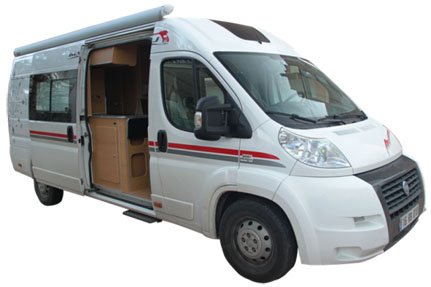
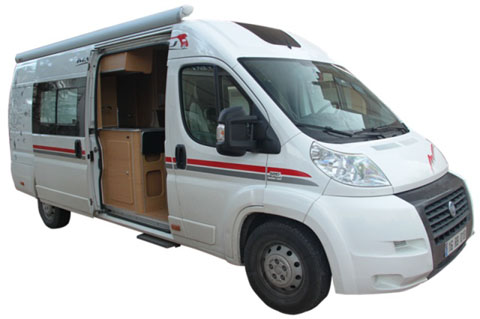
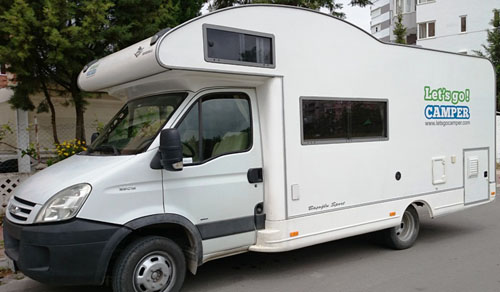
For a weekly RV rental in Turkey, a Class B Camper Van or a Class SI Semi-integrated RV often provides the best balance of maneuverability and comfort, suitable for Turkey's diverse roads and parking conditions. Class B Camper Vans, averaging 5.8 meters in length with typical fuel consumption of 8-10 Liters/100 km, are agile for navigating smaller towns and rural roads. Class SI Semi-integrated RVs, averaging 6.9 meters in length and consuming around 10-11 Liters/100 km, offer more living space and amenities like a shower and toilet while remaining relatively easy to drive. While larger Class C Alcove (avg. 7.5m) or Class A Integrated (avg. 7.5m) RVs provide more space, their size can be more challenging on narrower roads or in tighter parking spots common in some popular Turkish destinations. Drive slowly and carefully, and you can drive almost anywhere without issues. No need to stress - just use common sense and pay attention.
How to Save on Campgrounds in Turkey
To save on campground costs during your weekly RV rental in Turkey, consider utilizing campground discount cards offered by various rental providers or international camping organizations. These cards can often provide 10-20% off nightly rates at participating private sites. Opting for municipal or regional campgrounds over private luxury resorts will also yield more affordable rates, often with perfectly functional, if basic, facilities. Booking during the shoulder seasons (spring and autumn) can significantly reduce nightly rates compared to peak summer prices, with potential savings of 15-30%. Additionally, staying for three or more nights at a single location can sometimes qualify you for weekly rates or longer-stay discounts at many private campgrounds, making extended adventures more economical.
How much does it cost to rent an RV for a week in Turkey
The cost to rent an RV for a week in Turkey typically ranges from €500 to €1500, varying significantly based on the RV class, rental season, and specific rental company policies. For example, a compact Class B Camper Van might be on the lower end, while a larger Class C motorhome with sleeping capacity for four or more, such as a "cruise america rv rental example Explorer", would be on the higher end. Beyond the base rental fee, a comprehensive budget should meticulously account for fuel, which is a significant factor in Turkey; diesel prices generally fluctuate between €1.00-€1.50 per liter, and Bandana's fleet averages 8-12 Liters/100 km. Other ancillary costs include road tolls, varied camping fees (from free wild camping to €15-€40 per night for private sites with full hookups), groceries, dining out, and activity expenses. Tolls are common on major highways and bridges, typically payable via an HGS sticker or OGS device, which can be arranged through your rental company or purchased locally. For easy budgeting and itemized expense tracking, explore RV PLANET routes, a great resource for detailed trip planning.
What are the best places to visit in Turkey with an RV
Some of the best places to visit in Turkey with a rented RV include the enchanting fairy chimneys of Cappadocia, the remarkably preserved ancient ruins of Ephesus, the stunning white thermal pools of Pamukkale, and the breathtaking Turquoise Coast. Beyond the well-trodden paths, RVers can delve into hidden gems like the ancient city of Sagalassos, the untouched beaches of Datça Peninsula, or the scenic Kackar Mountains for spectacular outdoor adventures. The Aegean and Mediterranean coasts offer numerous RV-friendly camping spots near picturesque towns such as Fethiye, Kaş, and Bodrum, providing fantastic opportunities to enjoy fresh seafood and explore local markets. Exploring local markets (pazars) in these regions allows RVers to source fresh produce, unique spices, and regional specialties for cooking delicious meals right in their mobile home, offering a truly immersive culinary experience.
What is the best time of year to RV in Turkey
The best time of year to RV in Turkey is typically during the shoulder seasons, from April to early June and September to October, offering pleasant weather and fewer crowds. Spring brings blooming landscapes and mild temperatures perfect for exploring historical sites like Ephesus and coastal areas before the intense summer heat sets in. Autumn provides warm sea temperatures ideal for swimming along the Mediterranean and Aegean coasts, along with vibrant fall foliage in central and eastern regions, creating picturesque driving conditions. Summers (July-August) can be extremely hot, especially inland in areas like Cappadocia, while winters can bring snow and freezing temperatures to higher elevations, making RV travel challenging in certain regions and potentially requiring a winterized motorhome for optimal comfort. Regardless of the season, traveling slowly, maximum 100-150 km per day on average, allows you to truly feel the place, connect to the culture, the food, and the scenery.
What are the essential things to know before renting an RV in Turkey
Before renting an RV in Turkey, ensure you have a clear understanding of the local RV infrastructure, including the availability of specific dump stations, potable water refills, and reliable LPG access, which can vary by region. It's also crucial to familiarize yourself with basic cultural nuances and practical etiquette; for example, politely asking for parking permission from private landowners (though wild camping is generally tolerated in rural areas), dressing modestly when visiting religious sites, and learning a few basic Turkish phrases like 'Merhaba' (hello) and 'Teşekkür ederim' (thank you) can greatly enhance your interactions. Consider vehicle-specific guidance: for Turkey's diverse roads, a smaller Class B Camper Van or Class SI Semi-integrated RV is often more suitable for navigating narrower roads and city traffic. Always confirm your 2WD versus 4WD needs for specific routes, especially if planning mountain excursions. Plan for technology and connectivity by researching local SIM card options (e.g., Turkcell, Vodafone, Türk Telekom) for reliable mobile internet, and download offline maps from navigation apps like Google Maps or Yandex Navigasyon for areas with limited service. True RV Specialists, like Bandana RV, offer detailed pre-booking coordination to ensure you're well-prepared for your journey, providing full transparency with no hidden fees.
What are the common challenges when RVing in Turkey
Common challenges when RVing in Turkey include navigating varied road conditions, which can range from modern highways to narrower, winding, or occasionally unpaved routes, especially in remote areas. Drive slowly and carefully, and you can drive almost anywhere without issues. No need to stress - just use common sense and pay attention. Finding specific RV infrastructure like dedicated dump stations can be less straightforward than in Western Europe, often requiring utilization of facilities at established campgrounds or careful planning. Language barriers can also present a challenge in rural areas where English speakers are less common. Emergency preparedness is crucial; ensure your rental includes comprehensive insurance, know local emergency numbers (112 for all emergencies), and understand how to access roadside assistance or medical care through your rental provider or travel insurance. Always check your route in advance and ensure your rented RV is suitable for the terrain to avoid unexpected difficulties, giving you peace of mind while traveling with our top-level deductible reimbursement option.
Are there specific rules for RV camping in Turkey
While Turkey does not have a comprehensive, single set of national RV camping rules as extensive as some Western European countries, specific regulations do apply, particularly within national parks and private campgrounds. Wild camping (boondocking) is generally tolerated in many rural areas outside of protected zones and private property, but it is technically not legally codified as permitted; therefore, seeking informal permission from local landowners or authorities is a respectful and recommended practice. In national parks and designated protected areas, camping is strictly restricted to official campgrounds, and open fires are often prohibited outside designated areas to prevent wildfires. Always adhere to local signage, respect private property, and practice 'leave no trace' principles to ensure continued access for RVers and preserve Turkey's natural beauty. When planning your route, RV PLANET routes can help you identify official camping sites and understand local guidelines.
Can I rent a pet-friendly RV in Turkey
Yes, it is possible to rent a pet-friendly RV in Turkey, though availability may be more limited and typically requires booking in advance to ensure you secure a suitable vehicle. Many rental companies offer a selection of motorhomes or campervans that allow pets, often for an additional one-time cleaning fee or a refundable deposit, which averages around €50-€150. When planning your extended road trip, always confirm the specific pet policy of your chosen rental company, including any breed or size restrictions, and ensure your desired campgrounds are also pet-friendly before arrival. Traveling with pets requires extra planning, including carrying their vaccination records, ensuring they have appropriate ID tags, and familiarizing yourself with local pet regulations concerning public spaces and attractions.
What type of license do I need to drive an RV in Turkey
To drive an RV in Turkey, most international visitors with a valid national driver's license from their home country will also need an International Driving Permit (IDP). The IDP translates your national license into multiple languages and is internationally recognized, complementing your existing license, though it is recommended rather than strictly mandatory in all cases for tourists. For most standard RVs, including Class A, Class B, and Class C motorhomes (up to 3,500 kg), a regular Category B driver's license (standard car license) is entirely sufficient, meaning no special license, CDL, or additional permits are required. Always carry both your national driver's license and your IDP, along with your passport, as these documents will be required by authorities during any traffic stops or rental pickups.
What You Shouldn't Miss
- **Cappadocia's Fairy Chimneys:** Spend a few days exploring Göreme National Park, renowned for its unique geological formations and ancient cave churches.
- **Ancient Ephesus:** Step back in time at one of the best-preserved Roman cities in the Mediterranean, including the Library of Celsus and the Great Theatre.
- **Pamukkale's Travertines:** Witness the ethereal white terraces and thermal pools of Pamukkale, often combined with a visit to the ancient city of Hierapolis.
- **The Turquoise Coast (Lycian Way):** Drive along the stunning D400 coastal road from Fethiye to Kaş, stopping at hidden coves and charming fishing villages.
- **Istanbul's Historical Peninsula:** While driving an RV in Istanbul might be intense, park it at a city campground nearby and use public transport to explore iconic sites like the Hagia Sophia and Blue Mosque for a day or two.
- **Mount Nemrut:** Journey to this UNESCO World Heritage site to witness massive stone heads of ancient gods and kings at sunrise or sunset.
Looking for expert insights from Avi Bandana? Top 5 Adventures - recommendations from Avi Bandana can provide more personalized travel inspiration.
Final Thoughts
Exploring Turkey in a rented RV offers an unparalleled sense of freedom and discovery, allowing you to immerse yourself in its rich tapestry of history, culture, and breathtaking landscapes at your own rhythm. From the ancient wonders of Ephesus to the dramatic coastlines and unique hospitality in rural villages, a weekly RV adventure is an unforgettable journey. Remember to travel slowly, perhaps 100-150 km per day on average, savoring each moment and connecting deeply with the local charm.
With Bandana Caravan, you’re choosing a partner dedicated to making your planning process smooth and transparent. We're committed to offering full price transparency, round-the-clock support during your booking phase, and a vast selection from top suppliers to ensure you find the perfect mobile home for your Turkish escapade. We handle the details, you live the journey.
So, whether you're a family looking for a two-week adventure or a couple seeking a week-long escape, consider the magic of Turkey by motorhome. Get inspired for your next trip and compare Weekly RV Camping in Turkey - Long-Stay Sites 2026 now!
🎬 Video coming soon