In This Guide
- Where to Camp in South America — Top Options
- Campground Types in South America (National, Private, Wild)
- Featured RV Park or Campground in South America
- Hookups & Amenities — What to Expect
- Booking Windows & Reservations in South America
- Nearby Supermarkets & Resupply Points
- Best RV Class for Camping in South America
- How to Save on Campgrounds in South America
- What is the 3-3-3 rule for RVs?
- Where can I park my RV without paying?
- Can you RV in South America?
- What is the 4-4-4 rule for RV travel?
- What is the 3-3-3 rule for RV camping?
- What is the 10 year RV rule?
- How much does a 1 month trip to South America cost?
- What is the safest South American country to go to?
- Which countries are RV friendly?
- What is the 200 rule for camping?
Where to Camp in South America — Top Options
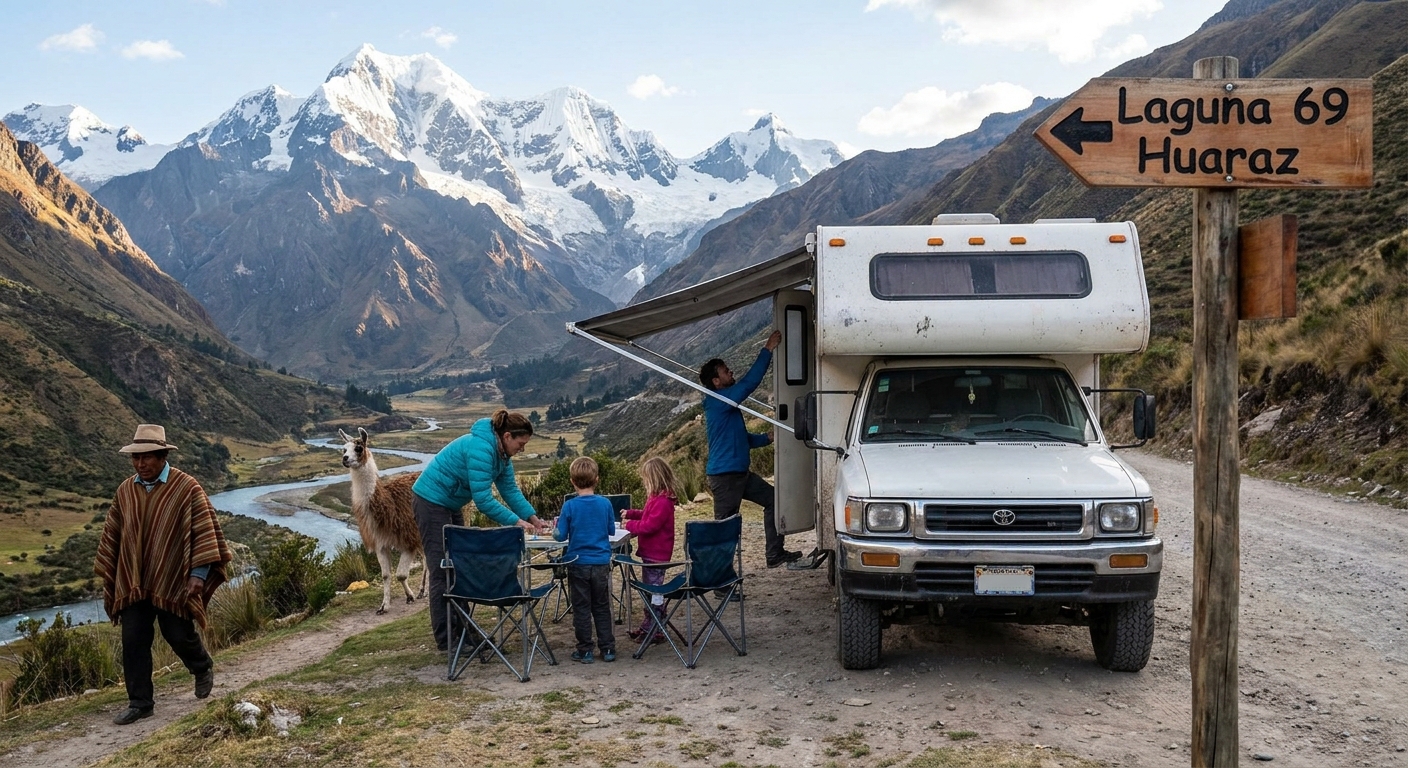
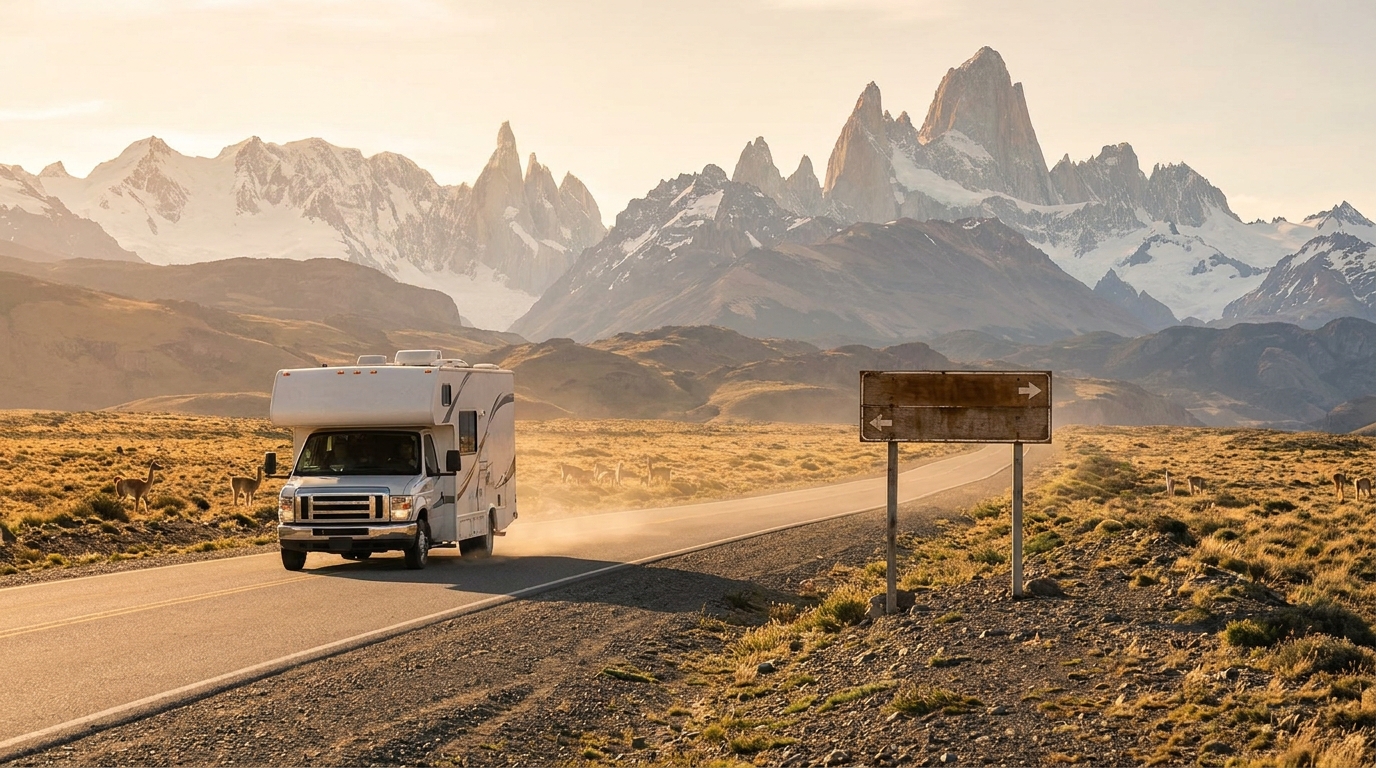
South America offers a breathtaking array of camping experiences, from the dramatic fjords of Patagonia to the misty cloud forests of the Andes and the sun-kissed coastlines. For a weekly RV rental, consider the well-established camping regions like Patagonia (spanning Argentina and Chile), the picturesque Lake District (also in Argentina and Chile), and the coastal areas of Uruguay or southern Brazil. These locations often feature a good mix of national park campgrounds and private resorts, providing both natural beauty and necessary amenities. If you're planning a broader trip, our guide RV Rental South America - Complete Guide 2026 covers everything you need to know about the continent.
While established campgrounds are plentiful in tourist hubs, many remote areas also offer informal or 'wild' camping opportunities. These spots often require a high degree of self-sufficiency and a good understanding of local customs, but can lead to truly unforgettable, off-the-beaten-path adventures. Always research specific regional regulations and be prepared for varying levels of infrastructure.
Campground Types in South America (National, Private, Wild)
When planning your weekly RV rental in South America, you'll encounter a variety of campground types, each offering a distinct experience. National park campgrounds are typically nestled in stunning natural settings and provide a more immersive nature experience, though facilities might be basic, with electricity and hot water being less consistent. Private campgrounds, conversely, often boast a wider range of amenities, such as reliable showers, laundry facilities, and sometimes Wi-Fi, with quality and price varying greatly by country and region.
Wild camping, also known as 'boondocking' or 'freedom camping,' is a viable option in many remote parts of the continent, particularly outside urban centers and away from private lands. However, it's crucial to verify local regulations, seek landowner permission if necessary, and always prioritize safety. Regardless of the type of camping you choose, practicing 'leave no trace' principles, respecting local communities, and being mindful of cultural norms are paramount, as wild camping regulations can be ambiguous in some areas.
Featured RV Park or Campground in South America
Selecting the right RV park or campground for your weekly rental in South America can greatly enhance your trip. Look for establishments that prioritize secure parking, maintain clean facilities, and have positive traveler reviews concerning safety and hospitality. Proximity to local attractions, whether a national park, a charming town, or a scenic viewpoint, is also key for maximizing your exploration.
Consider amenities that align with your weekly rental needs, such as access to potable water, efficient waste disposal, and perhaps even local provisions or insights from staff. A featured campground should offer more than just a place to park; it should contribute to the overall experience, whether through its breathtaking natural setting or its authentic connection to the local culture. For finding such gems along your planned route, we recommend using RV PLANET (rvplan.net) — a great resource for locating available spots and learning about local amenities.
Hookups & Amenities — What to Expect
When it comes to hookups and amenities for your weekly RV rental in South America, it's important to manage expectations, as availability can be less consistent than in more developed RV regions, especially in national parks or remote campsites. Electricity typically runs at 220-240V, so you'll need appropriate adapters (Type C, I, or L) and a surge protector, as power fluctuations can be common. Potable water is generally accessible, but carrying a water filter or purification tablets is always a wise precaution due to varying water quality.
Dump stations for waste disposal are less frequent, so careful planning is essential, and you should utilize them whenever available at larger campgrounds or designated service stations. Wi-Fi connectivity is often unreliable outside major towns; consider purchasing a local SIM card for mobile data and downloading offline maps for navigation. While private campgrounds usually offer hot showers and laundry facilities, these may be basic or entirely absent in more rustic national park or wild camping locations. You can discover RVs suitable for various needs, such as the 4x4 Camper B - THOR, a compact and versatile option ideal for exploring diverse terrains. On the routes offered through RV PLANET routes, you can itemize and track every expense along the way for easy budgeting.
Booking Windows & Reservations in South America
For those planning a weekly RV rental in South America, booking popular campgrounds, especially those within national parks or highly sought-after private resorts, several weeks to months in advance is advisable during peak season. This proactive approach helps secure your preferred spots and often unlocks better rates. Many national park campgrounds operate on a dual system, releasing a portion of their sites for reservations while keeping the remainder available on a first-come, first-served basis, offering flexibility for spontaneous travelers.
Spontaneous travelers can often find same-day or next-day bookings, particularly during the shoulder seasons (spring and fall) or at less frequented sites. While you'll almost certainly find a place to camp – perhaps not the first campground you try, but the next one – it's highly recommended to call ahead, especially before driving long distances, to confirm availability and avoid disappointment. Embracing flexibility in your weekly rental itinerary can lead to discovering unexpected, charming alternative locations.
Nearby Supermarkets & Resupply Points
Resupplying your weekly RV rental in South America is generally feasible in most towns and cities, but accessibility diminishes significantly in remote or sparsely populated regions. Be sure to identify major supermarket chains like Jumbo, Carrefour, Cencosud, and Disco (common in Argentina), or Líder and Jumbo in Chile, alongside various local markets and smaller 'minimarkets' scattered throughout the continent. These provide essential food items and RV supplies.
It's always prudent to stock your RV generously with non-perishable food, ample bottled water, and essential RV supplies before venturing into rural areas or planning multi-day excursions away from urban centers. Local markets are excellent for fresh produce, regional meats, and discovering unique local specialties, often offering a more authentic shopping experience at competitive prices. For finding all your resupply points and planning stops, RV PLANET routes can be an invaluable tool.
Best RV Class for Camping in South America
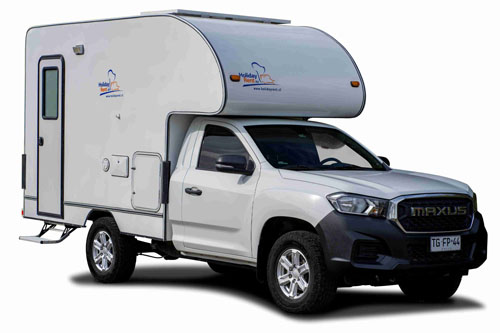
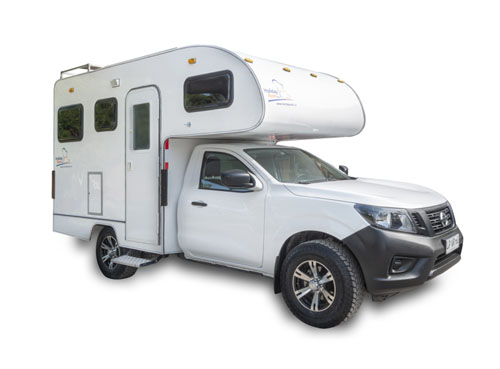
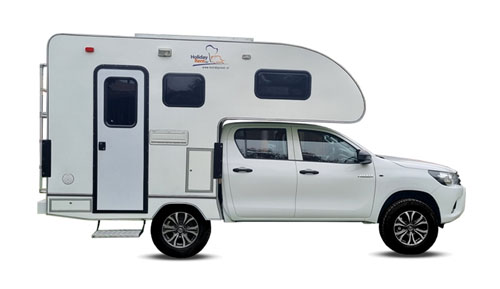
When considering the best RV class for a weekly rental in South America, particularly with varied road conditions and potential for boondocking, Class B Camper Vans and Class TC Truck Campers often emerge as the most practical and versatile choices. Bandana's fleet typically features these compact yet capable options. For instance, our Camper Vans average around 5.8 meters in length, comfortably accommodating 2-3 people, with fuel efficiency around 8-10 Liters/100 Km. The Truck Campers, averaging 5.5 meters, are robust, with fuel consumption typically between 12-17 Liters/100 km, ideal for rougher terrain.
These agile RV classes offer superior maneuverability on narrower roads, simplify parking in towns, and provide greater access to more remote or unpaved campsites, significantly enhancing the adventure of your South American RV journey. Take for example the 4x4 Camper B - THOR, a compact option perfect for navigating diverse landscapes.
How to Save on Campgrounds in South America
To significantly reduce campground costs during your weekly RV rental in South America, several strategies can be employed. Inquire about any available discount cards or memberships offered by your rental provider, as these can often unlock exclusive savings on campsite fees. Traveling during the shoulder season, such as spring (October-November) or fall (March-April), generally yields lower rates compared to the peak summer months, alongside fewer crowds.
Opting for municipal or regional campgrounds can be more budget-friendly than private resorts, though they may offer fewer luxury amenities. Many campgrounds provide discounted weekly rates; planning stays of three nights or more at a single location can often be more cost-effective than booking multiple single-night stays. If you're traveling with another RV, consider sharing larger sites or hookups where possible to split costs, further maximizing your budget for your South American adventure. For planning these savings, remember that RV PLANET routes can help you map out cost-effective stops.
What is the 3-3-3 rule for RVs?
The '3-3-3 rule' for RVs is a common guideline, particularly in North American RV culture, suggesting drivers aim to drive no more than 300 miles a day, arrive at their destination by 3 PM, and stay for at least 3 nights. While useful for pacing and avoiding fatigue, this rule needs adaptation for South America's diverse road conditions and infrastructure, which can differ significantly. In South America, prioritizing safety and flexibility over strict mileage is crucial; driving 300 miles might be unfeasible or unsafe on certain roads. Arriving by 3 PM still offers ample time to find a secure spot, especially when wild camping, before nightfall.
The advice to stay for at least 3 nights remains excellent practice for thoroughly exploring an area, resting, and reducing fuel consumption, aligning perfectly with the rhythm of a weekly rental itinerary. This approach allows for a deeper connection with the places you visit, making the most of your South American RV adventure.
Where can I park my RV without paying?
Parking your RV without paying in South America, often termed 'wild camping' or 'boondocking,' is widely tolerated in many rural and remote areas, but it always requires adherence to safety, legality, and local etiquette. Seek out discreet spots away from private property, prohibited signs, or areas with heavy local traffic. Consulting with locals for recommendations often leads to safe and permissible spots.
National forests and undeveloped public lands can be options, but always verify current regulations for the specific region or country you are in, as rules vary widely and cultural norms should be respected. Always practice 'leave no trace' principles, pack out all trash, and be mindful of noise and privacy. In some cases, larger gas stations or municipal parking lots in smaller towns may offer safe overnight parking; always ask for permission first to avoid issues.
Can you RV in South America?
Yes, you can absolutely RV in South America! It offers an unparalleled and adventurous way to explore its breathtakingly diverse landscapes, from deserts to mountains and coastlines. However, it demands specific preparation and an awareness of local conditions. Successful RV travel here hinges on thorough planning, including ensuring your vehicle is suited for varied terrains, understanding often complex border crossing procedures, and adapting to local road rules and infrastructure.
Essential preparations include securing robust vehicle insurance that covers international travel, obtaining necessary international driving permits, and being ready for potential mechanical issues in remote areas by carrying critical spare parts and basic tools. Connectivity is often limited outside major cities, so equip yourself with reliable offline maps and consider satellite communication devices for emergencies, especially for more remote itineraries. Health and safety are paramount; research local medical facilities, understand altitude sickness prevention, and ensure you have water purification methods for self-sufficiency.
What is the 4-4-4 rule for RV travel?
The '4-4-4 rule' for RV travel, similar in intent to the 3-3-3 rule but suggesting a slightly slower pace, advises driving no more than 400 miles a day, stopping by 4 PM, and staying for at least 4 nights. For a weekly RV rental in South America, adapting this rule means prioritizing safe and flexible travel over rigid mileage targets, as road conditions can significantly impact travel speed. Driving up to 400 miles can be ambitious on South American roads, which often include gravel, winding mountain passes, or unpaved sections; a shorter daily driving distance is frequently more realistic and safer.
Arriving by 4 PM still provides ample daylight for finding and setting up camp, which is particularly important in regions with limited lighting or amenities and especially when wild camping. Staying for at least 4 nights is an excellent strategy for a weekly rental, promoting deeper exploration of a single area and reducing the stress of constant relocation, allowing for a more immersive South American experience.
What is the 3-3-3 rule for RV camping?
The '3-3-3 rule' for RV camping, often a component of broader RV travel advice, typically suggests arriving at your campsite by 3 PM to ensure daylight for setup and staying for at least 3 nights to fully experience the location and minimize travel fatigue. In the context of South America, arriving by 3 PM is particularly valuable given that many roads can be challenging, and daylight provides better visibility for navigating to a campsite, especially for wild camping or in less-developed areas.
The advice to stay for at least 3 nights is highly beneficial for weekly RV rentals, allowing for deeper immersion in local culture, exploring attractions without rushing, and reducing the frequency of packing and unpacking. While the '300 miles a day' aspect of the broader 3-3-3 rule is often less applicable due to diverse road conditions, the '3 PM arrival' and '3-night stay' elements are practical tips for planning more relaxed and enjoyable South American RV adventures.
What is the 10 year RV rule?
The '10-year RV rule' is primarily a North American phenomenon where some private RV resorts or campgrounds may restrict older RVs (typically those 10 years or older) from staying, usually due to aesthetic or perceived maintenance standards. In South America, this rule is generally not prevalent or enforced; most campgrounds are more concerned with a vehicle's functional condition, cleanliness, and respectful occupancy rather than its age.
For weekly RV rentals in South America, focus instead on ensuring your rental RV is in excellent mechanical condition for the demanding roads, regardless of its age, rather than worrying about age-based restrictions. While an older RV might theoretically be more prone to breakdowns, the primary concern for South American travel is the vehicle's robust build and your preparedness for potential repairs, not a superficial age limit. Always confirm with specific campgrounds if you have concerns, but generally, the age of your RV is not a barrier to entry in South American camping culture.
How much does a 1 month trip to South America cost?
A 1-month RV trip to South America can vary significantly in cost, typically ranging from $2,000 to $6,000+ USD, excluding the RV rental itself, depending heavily on your travel style, chosen countries, and daily spending habits. Key cost categories include fuel, which varies widely by country and can be significantly more expensive than in North America or Europe, and campground fees, ranging from free wild camping to $10-40+ USD per night for private parks.
Budget generously for unexpected repairs, which can be higher in remote areas, and factor in various border crossing fees, which may include temporary vehicle import permits that add up between countries. Miscellaneous expenses like tolls, entrance fees to national parks, a local SIM card for internet data, and local experiences or tours also contribute to the total budget. To manage costs effectively, consider renting a fuel-efficient RV, cooking most of your meals onboard, opting for more wild camping or budget-friendly municipal sites, and traveling during the shoulder season. For a detailed breakdown of costs for specific routes, consider exploring the options available through RV PLANET. For ideas you can prep on the road, watch our RV-friendly recipes playlist on YouTube.
What is the safest South American country to go to?
Determining the 'safest' South American country for RV travel can vary based on specific regions and individual circumstances. However, generally, Chile, Uruguay, and parts of Argentina are frequently cited for their relative stability and lower crime rates, often offering well-maintained infrastructure in popular tourist areas, making RV travel more straightforward. These countries also have established tourism industries that prioritize visitor safety.
It's always wise to research specific regions within any country, as safety conditions can differ significantly; for instance, while Argentina is generally safe, certain urban areas may require higher vigilance. Practice standard travel safety precautions: avoid driving at night, secure your RV thoroughly, be discreet with valuables, and always trust your intuition. Prioritize health and safety by researching accessible medical facilities, understanding specific health risks like altitude sickness prevention, and ensuring you have comprehensive travel insurance that covers medical emergencies and roadside assistance.
Which countries are RV friendly?
Chile and Argentina are widely considered the most RV-friendly countries in South America, boasting extensive networks of national parks, diverse landscapes ideal for exploration, and relatively good infrastructure for motorhomes. Peru and Ecuador are increasingly popular for RVers, offering breathtaking Andean scenery and rich cultural experiences, though road conditions can be more challenging and infrastructure less developed outside main routes.
Uruguay offers a relaxed RV experience with beautiful coastlines and a welcoming atmosphere, making it a great option for a more laid-back weekly trip, particularly for those starting from Buenos Aires. When planning your route, research specific documentation and visa requirements for each country, as border crossings can be complex and may require temporary vehicle import/export permits, which are crucial for a smooth journey. Be prepared for varying fuel quality and availability, especially in more remote areas, and always confirm current regulations for wild camping or overnight parking to ensure a respectful and legal trip.
What is the 200 rule for camping?
The '200 rule for camping' typically refers to two common pieces of advice: either staying within 200 miles of your destination each day to avoid rushing, or ensuring you have at least 200 miles of fuel/water range when exploring remote areas. For weekly RV rentals in South America, adopting the '200-mile range' for fuel and water is particularly pertinent due to potentially vast distances between supply points, especially in countries like Argentina or Chile's Patagonia region.
Planning your daily drives to cover no more than 200 miles can make your weekly trip more enjoyable and less stressful, allowing ample time for sightseeing, photography, and unforeseen stops without feeling rushed. Always monitor your fuel gauge and water levels diligently, especially before venturing onto less-traveled roads, and carry extra water and a jerry can for fuel if your route takes you through very remote areas where services are scarce. This rule, when applied to South America, emphasizes preparedness and a realistic assessment of driving conditions rather than a strict adherence to mileage for leisurely travel.
What You Shouldn't Miss
- Drive the Carretera Austral in Chile: This rugged, largely unpaved road winds through some of the most spectacular and remote landscapes in Patagonia, offering incredible natural beauty.
- Explore the Atacama Desert in Chile: As the driest non-polar desert in the world, it provides otherworldly landscapes, geysers, and stargazing opportunities unparalleled elsewhere.
- Marvel at Iguazu Falls: Straddling the border of Brazil and Argentina, these magnificent waterfalls are a breathtaking natural wonder, best experienced from both sides.
- Discover Patagonia's Glaciers: Visit Perito Moreno Glacier in Argentina or Grey Glacier in Chile for awe-inspiring views of colossal ice formations calving into turquoise lakes.
- Experience the Uyuni Salt Flats in Bolivia: Drive your RV across this surreal landscape, staying in salt hotels and witnessing flamingos in the colorful lagoons.
- Drive the Ruta 40 in Argentina: A legendary highway stretching the length of the country, offering access to diverse regions from the arid north to the glacial south.
Final Thoughts
Embarking on an RV adventure through South America is an incredible way to experience the continent's vast beauty and diverse cultures. From the towering Andes to the lush Amazon and the rugged coastlines, a rented RV offers the freedom and flexibility to explore at your own pace.
Remember that preparation is key; research your routes, understand local conditions, and book popular campgrounds in advance. By embracing the spirit of adventure and planning wisely, your South American RV journey promises to be an experience of a lifetime. Get inspired for your next trip and start planning your unforgettable road trip today!
Discover top destinations, planning tips, and RV insights all in one place! Plan your trip itinerary in advance with minimal effort and maximum enjoyment. You can compare motorhome prices for South America or find weekly RV rentals in South America to get started.