
In This Guide
- Where to Camp in India — Top Options
- Campground Types in India (National, Private, Wild)
- Featured RV Park or Campground in India
- Hookups & Amenities — What to Expect
- Booking Windows & Reservations in India
- Nearby Supermarkets & Resupply Points
- Best RV Class for Camping in India
- How to Save on Campgrounds in India
- What are the practicalities for international travelers renting an RV in India?
- What are the camping and parking regulations for RVs in India?
- How can I ensure safety while RVing in India?
- What are the emergency protocols for RV breakdowns in India?
- What is the lived experience of RVing in India like?
- How can I experience cultural immersion while RVing in India?
🎬 Video coming soon
Exploring India with a rented RV opens up a world of adventure, allowing you to discover its vibrant landscapes and rich culture at your own pace. For live availability and current prices, start with our RV Rental India - Complete Guide 2026 guide. Imagine yourself on a week-long journey, waking up to a Himalayan sunrise or the tranquil sounds of a coastal village. With a Bandana RV rental, you're not just booking a vehicle, you're unlocking the freedom of the open road, backed by our commitment to full transparency and 24/7 support.
Where to Camp in India — Top Options
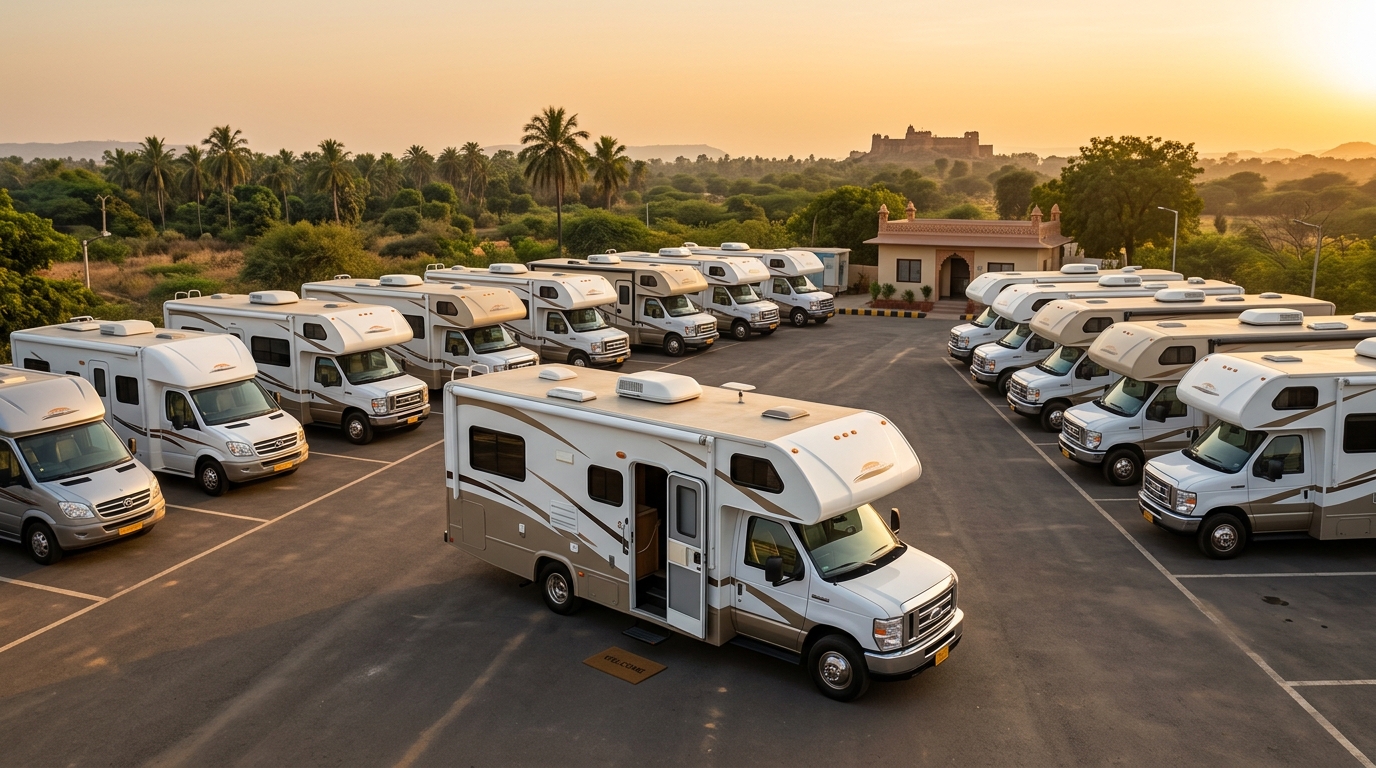
India offers diverse camping experiences from the Himalayan foothills to coastal regions, with popular RV-friendly areas including Himachal Pradesh, Uttarakhand, Rajasthan, and parts of Maharashtra. When planning your weekly rv rental trip, consider regional characteristics like terrain, weather, and accessibility. In the northern states like Himachal Pradesh, you'll find numerous scenic spots near towns like Manali and Shimla, perfect for setting up a mobile home with breathtaking mountain views. Similarly, Uttarakhand provides spiritual getaways with RV opportunities near Rishikesh and Nainital. Down south, Maharashtra offers a mix of beachside camping along the Konkan coast and serene spots in the Western Ghats. For detailed route plans, RV PLANET (rvplan.net) offers over 1,300 pre-planned routes across 5 continents, including many in Asia, which can give you a fantastic head start on your Indian adventure.Campground Types in India (National, Private, Wild)
Camping in India can range from designated private RV parks to informal wild camping spots, offering varying levels of amenities and experiences. National parks and wildlife sanctuaries typically have strict regulations, often requiring permits or designated campsites that may not accommodate larger RVs. For instance, many protected areas prioritize conservation, limiting vehicle access and overnight stays to specific eco-tourism zones. Private campgrounds and resorts, while fewer in number than in Western countries, are emerging and offer more structured experiences with amenities like security and sometimes basic hookups. Wild camping, or 'boondocking,' is generally tolerated in many rural areas, but it's crucial to seek local permission, prioritize safety, and always respect the environment. Always remember to "Leave No Trace" to preserve India's natural beauty.Featured RV Park or Campground in India
While dedicated, large-scale RV parks with extensive amenities are still developing in India, the concept of secure and amenity-rich campgrounds is gaining traction. When selecting a campground for your weekly rv rental in India, prioritize locations with established infrastructure suitable for motorhomes. Research sites near national parks or popular tourist destinations for convenience, ensuring they can accommodate your specific RV size. Many private resorts or eco-stays in tourist regions are beginning to offer parking and basic facilities for campervans. For example, some Himalayan regions offer basic campsites with stunning views, while certain coastal areas have private properties that welcome RV travelers. Always call ahead to confirm availability and services. We are true RV specialists, focusing exclusively on RV travel, and we know that a comfortable campsite makes all the difference.Hookups & Amenities — What to Expect
RV hookups and amenities in India can vary significantly, with full-service sites being less common than in Western countries. When planning your weekly rv camping adventure, expect 230V electricity, which is standard for India, but remember to bring appropriate adapters for your rented RV. Water hookups might be available at private campgrounds, but it’s always advisable to carry your own potable water supply, as water quality can vary. Dump stations for grey and black water are rare outside of dedicated RV parks, requiring careful planning for waste management; inquire about these facilities when booking a site. Wi-Fi, laundry facilities, and hot showers are typically found in more established private campgrounds or resorts, or you may need to rely on local services in nearby towns. Cooking on board your motorhome can be a fantastic way to save on dining costs and enjoy local produce; check out our RV-friendly recipes playlist for inspiration.Booking Windows & Reservations in India
For a weekly RV rental in India, booking your campsites, especially at popular private parks or during peak seasons (October to March), is highly recommended to secure your preferred spots. Spontaneous travelers might find places on the day of arrival, particularly in less-trafficked areas, but confirming availability by calling ahead is always wise. Keep in mind that many national park campgrounds release only a limited percentage of spots for reservations, with the rest often available on a first-come, first-served basis. While you will almost certainly find a place to stay-if not at the first campground, then the next one-planning ahead ensures peace of mind and access to preferred locations. Bandana RV was founded in 2001 and has over 20 years of experience helping tens of thousands of travelers explore the world by RV, so we understand the value of a well-planned trip.Nearby Supermarkets & Resupply Points
Resupplying your rented RV in India is generally easy, with numerous local markets and supermarket chains available in most towns and cities. Look for chains like Reliance Fresh, D-Mart, or Big Bazaar in larger towns for groceries and household essentials. Smaller villages will have local Kirana stores where you can purchase fresh produce, spices, and basic necessities, offering a taste of authentic Indian life. Plan your route to pass through towns every few days to restock food, water, and other supplies. This also gives you opportunities to engage with local communities and experience regional delicacies. When tracking your budget for fuel, groceries, and campground fees, remember that RV PLANET routes allow you to itemize and track every expense, making budgeting for your adventure simple and transparent.Best RV Class for Camping in India
For weekly RV camping in India, the Class B Campervan and Class SI Semi-integrated vehicles are generally the most suitable due to their balance of maneuverability and comfort. Class B Campervans, often around 5.8m in length with sleeping for 3-4 people, offer excellent agility for navigating India's diverse road conditions, from bustling city streets to winding mountain roads. They can easily fit into smaller parking spots or less developed campsites. Our "rv rental denver example Category Van" is an example of a compact campervan that is ideal for a couple, offering a front air conditioner, shower, and toilet. Class SI Semi-integrated RVs, typically around 6.9m long and accommodating 4-5 people, provide more interior space and amenities, making them comfortable for families while remaining relatively manageable on Indian roads, consuming around 10-11 Liters/100 km. Drive slowly and carefully, and you can drive almost anywhere without issues. No need to stress-just use common sense and pay attention.How to Save on Campgrounds in India
To save on campground costs during your weekly RV rental in India, consider traveling during the shoulder season (April-June or September-October) for potentially lower rates and fewer crowds, as prices are dynamic and change daily based on availability. Opt for municipal or regional campgrounds over private resorts when available, as they are often more budget-friendly, sometimes costing 30-50% less. Staying for three or more nights at a single location can sometimes qualify you for weekly rates, offering significant savings compared to daily charges. If traveling in a group, sharing hookups or splitting the cost of a larger site can also reduce individual expenses. For a rewarding experience, travel slowly, aiming for a maximum of 100-150 km per day on average, to truly connect with the culture, food, and scenery.What are the practicalities for international travelers renting an RV in India?
International travelers renting an RV in India need to be aware of specific visa, driving license, age, and insurance requirements. A standard car driver's license is sufficient for all motorhome classes (Class A, Class B, and Class C), but an International Driving Permit (IDP) is highly recommended for visitors from non-English-speaking countries, although not mandatory in most cases. The minimum age for a weekly rv rental in India is 21 years old, with no young driver surcharges and no vehicle class restrictions based on age. Ensure your personal travel insurance covers RV rental, and always confirm the specifics of foreign vehicle insurance with your rental provider for peace of mind. Bandana offers top-level deductible reimbursement as an optional upgrade to enhance your travel security.What are the camping and parking regulations for RVs in India?
Camping and parking regulations for RVs in India are less formalized than in many Western countries, requiring flexibility and local inquiry. Wild camping is largely unregulated outside protected areas but always seek permission from landowners or local authorities before parking on private land, especially in rural communities. Designated RV campsites are emerging but are not yet widespread; therefore, research specific locations thoroughly before arriving. National parks and wildlife sanctuaries have strict rules, often prohibiting camping outside designated areas and requiring special permits for entry or overnight stays to protect fragile ecosystems. Always respect local customs and environmental guidelines when choosing your camping spot, and consider visiting RV Rental Asia - Complete Guide 2026 for broader regional insights.How can I ensure safety while RVing in India?
Ensuring safety while RVing in India involves proactive planning, awareness of local conditions, and respectful engagement with communities. Navigate chaotic traffic by driving defensively, being alert to local road rules (which can differ from Western norms), and understanding the prevalent honking culture, which is often a form of communication rather than aggression. For roadside assistance in rural areas, have local emergency numbers and your rental company's contact details readily accessible; consider carrying basic repair tools and a spare tire. Identify truly safe overnight parking or camping spots by researching established campsites, seeking recommendations from trusted sources, or inquiring with local police or community leaders for secure locations. Remember, we are with you before, during, and after your booking, providing pre-booking comparison and support.What are the emergency protocols for RV breakdowns in India?
For RV breakdowns in India, especially in remote areas or challenging road conditions, immediate action involves contacting your rental provider's dedicated support line. Ensure you have a fully charged phone, a local SIM card with sufficient data, and a power bank for reliable communication, as connectivity can be intermittent in some regions. Always carry basic emergency supplies, a well-stocked first-aid kit, and enough water and non-perishable food for at least 24-48 hours. In case of a breakdown, move your rented vehicle to the safest possible location off the main road, use hazard lights, and place reflective triangles (if available) to alert other drivers. Knowing your rental company's direct number and having our 24/7 support means real people are behind you when you need pre-booking comparison, booking support, or post-booking coordination.What is the lived experience of RVing in India like?
The lived experience of RVing in India offers unique rewards alongside realistic daily challenges regarding infrastructure, making it a truly immersive adventure. Expect varying road quality, from well-maintained national highways to rough rural tracks, and plan your routes accordingly to avoid unpleasant surprises. Daily challenges may include securing reliable water sources for your fresh water tank (which could hold 80-150 liters depending on your motorhome model), managing waste effectively as dump stations are scarce, and finding consistent fuel stations for diesel RVs, which often average 8-12 Liters/100 km. Despite these, the unique rewards lie in the unparalleled freedom to explore off-the-beaten-path destinations, connect with diverse landscapes, and experience India's rich tapestry of life at your own pace, creating unforgettable memories.How can I experience cultural immersion while RVing in India?
To experience cultural immersion while RVing in India, prioritize respectful engagement with local communities and actively seek authentic experiences beyond typical tourist routes. Learning basic Hindi or local phrases will greatly facilitate interaction and show goodwill, often leading to warmer welcomes. Visit bustling local markets to try regional cuisines and understand daily life, attend colorful village festivals if your trip coincides, and explore small temples or local artisan workshops. Dress modestly, especially when visiting religious sites, and always ask for permission before taking photographs of people. Traveling by a rented campervan allows you to truly feel the place, connect to the culture, the food, and the scenery, transforming your trip into a profound journey of discovery.What You Shouldn't Miss
- Leh-Ladakh Road Trip: Conquer the world's highest motorable passes in your rented motorhome, like Umling La (19,024 feet) and Khardung La (17,582 feet), for unparalleled Himalayan vistas.
- Rajasthan Desert Circuit: Explore the vibrant cities and historical forts of Rajasthan, camping near the dunes of Jaisalmer or the serene lakes of Udaipur with your RV.
- Kerala Backwaters & Beaches: Drive along the scenic coastal roads of Kerala, finding tranquil spots to park your campervan near stunning beaches and charming backwater villages.
- Goa's Coastal Drive: Experience the relaxed vibe of Goa with your mobile home, exploring its diverse beaches, bustling markets, and Portuguese-influenced architecture.
- Uttarakhand's Spiritual Retreats: Park your RV near sacred sites like Rishikesh and Haridwar, immersing yourself in the spiritual ambiance and natural beauty of the Himalayan foothills.
Final Thoughts
An RV adventure in India is truly a journey of a lifetime, offering a blend of cultural immersion and breathtaking natural beauty that few other travel styles can match. While it presents its unique set of challenges, the freedom of having your own mobile home allows for unparalleled flexibility and authentic experiences. Remember to embrace slow travel, savoring each moment and connecting deeply with the places you visit. With Bandana RV, you're choosing a partner who understands RV travel inside and out. We handle the details, so you can live the journey, supported by our expertise and commitment to transparency. Get inspired for your next trip and discover top destinations, planning tips, all in one place. Your unforgettable weekly rv camping adventure in India awaits!On the routes offered through RV PLANET routes, you can itemize and track every expense along the way for easy budgeting.
