For live availability and current prices, start with our RV Rental Iceland - Complete Guide 2026 guide.
In This Guide
- Where to Camp in Iceland - Top Options
- Campground Types in Iceland (National, Private, Wild)
- Featured RV Park or Campground in Iceland
- Hookups & Amenities - What to Expect
- Booking Windows & Reservations in Iceland
- Nearby Supermarkets & Resupply Points
- Best RV Class for Camping in Iceland
- How to Save on Campgrounds in Iceland
- What is the Total Cost of a Weekly RV Rental in Iceland
- What is the best month to rent an RV in Iceland
- How to Prepare for Emergencies and Weather Changes While RVing in Iceland
- How to Practice Sustainable RVing and Waste Disposal in Iceland
- What RVs and Campervans are Allowed on F-roads in Iceland
- What are Unique RV Itineraries and Local Experiences in Iceland
- What You Shouldn't Miss
- Why Book with Bandana Caravan
- Final Thoughts
- Frequently Asked Questions
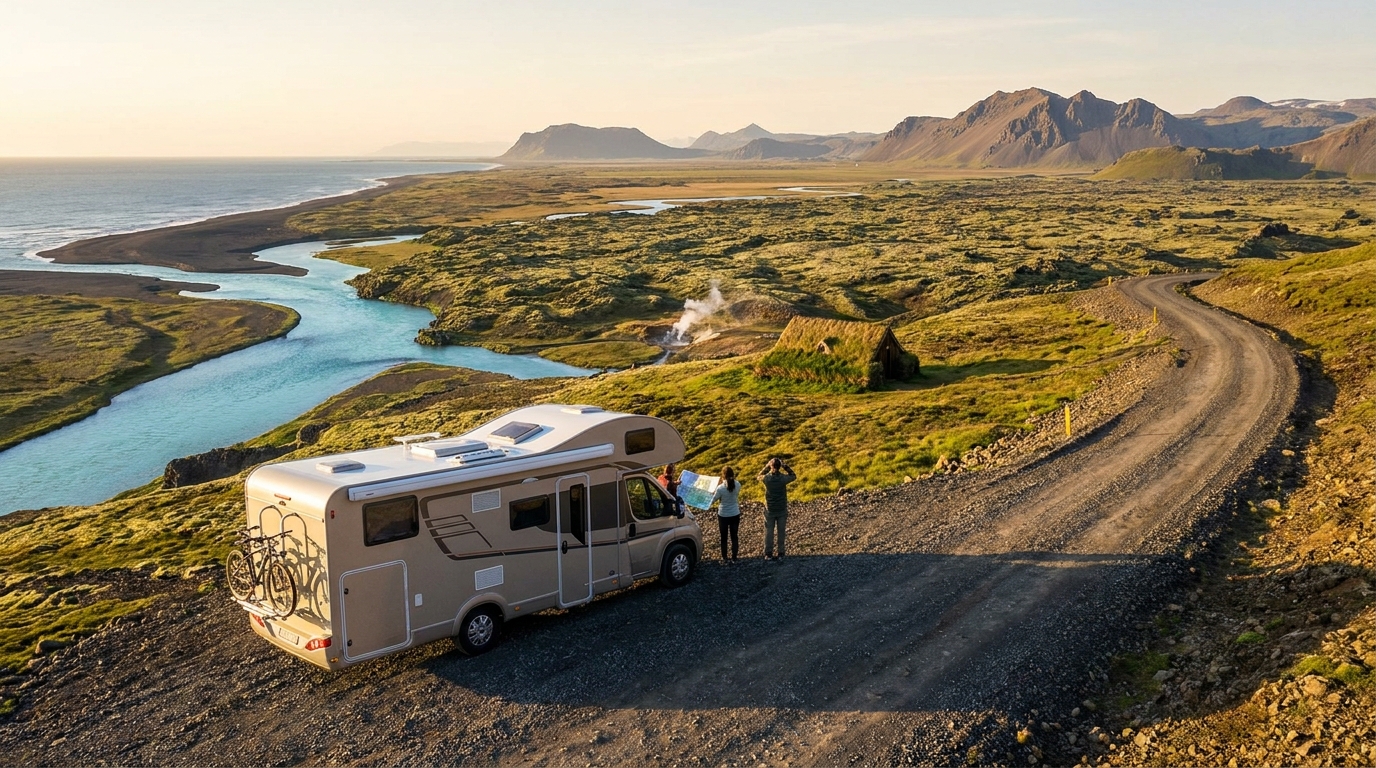
Iceland offers an unparalleled landscape for a weekly RV camping adventure, allowing travelers to immerse themselves in stunning natural beauty at their own pace. Imagine waking up to the views of a glacier, cooking breakfast with the sound of a waterfall in the distance, or chasing the Northern Lights from your cozy mobile home. Renting a motorhome in Iceland provides the freedom to explore diverse regions, from the dramatic South Coast to the remote Westfjords, creating an unforgettable and flexible travel experience.
For live availability and current prices, start with our RV Rental Iceland - Complete Guide 2024 guide, which offers a comprehensive overview of everything you need to know for your Icelandic road trip. Bandana Caravan, founded in 2001, has over 23 years of experience helping tens of thousands of travelers explore the world by RV, and we're here to ensure your Icelandic journey is seamless and stress-free. We believe in full transparency, which means no hidden fees or surprises throughout your booking process.
Where to Camp in Iceland - Top Options
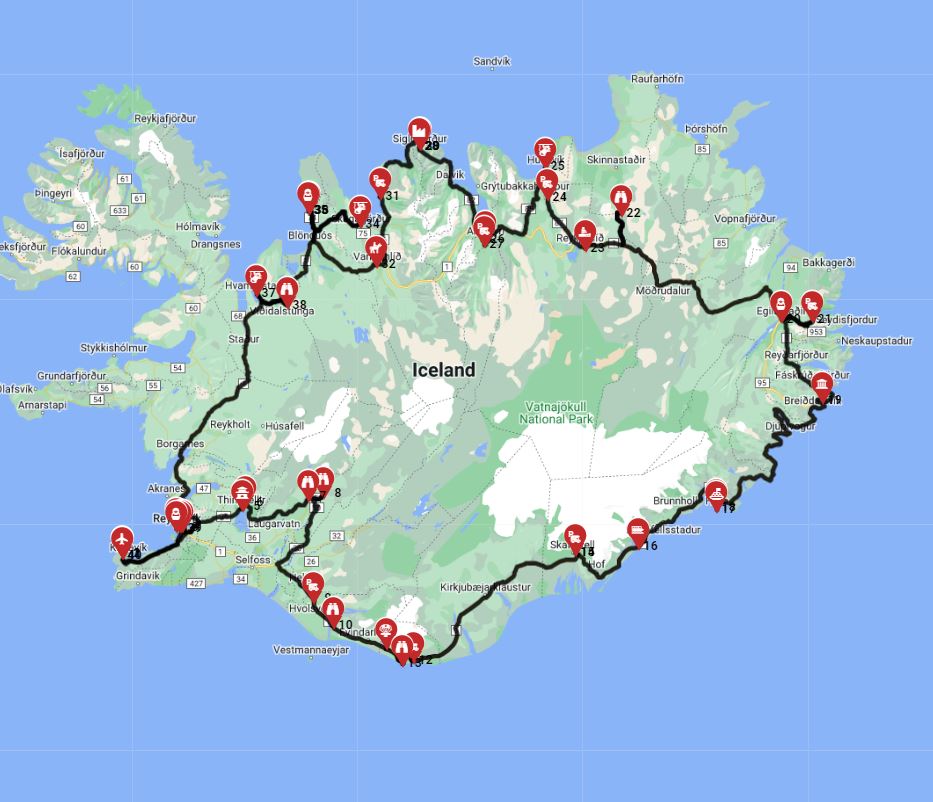
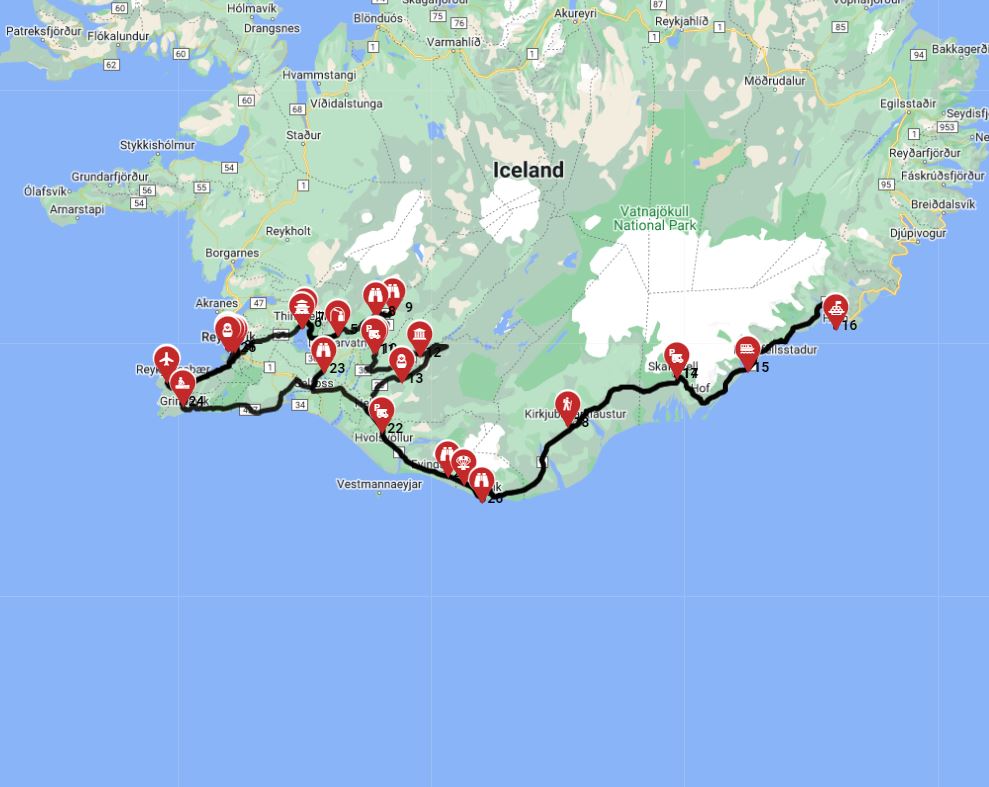
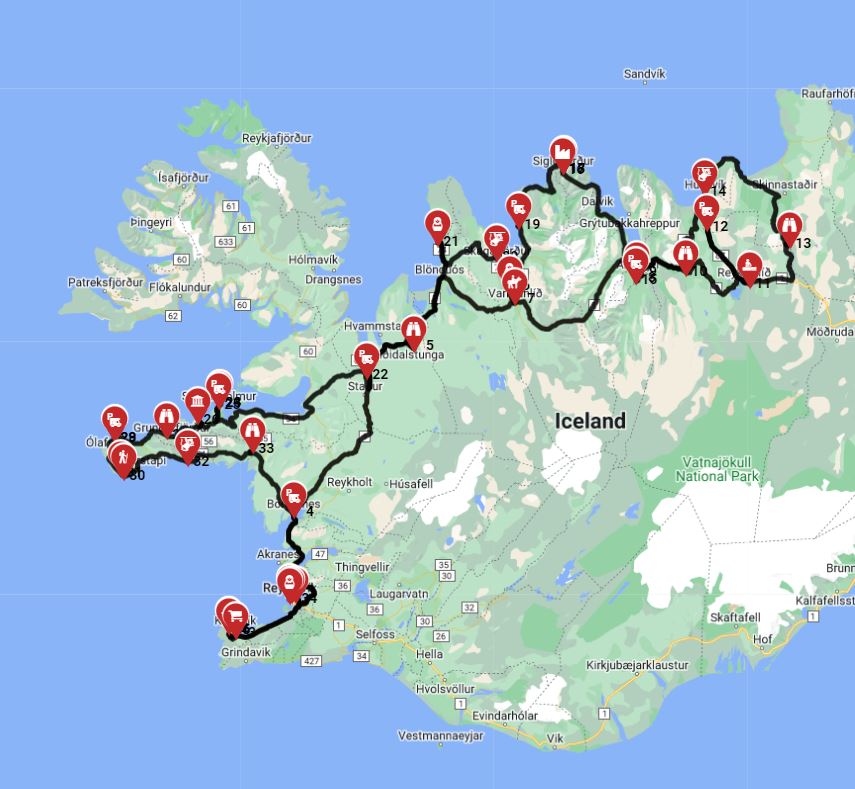
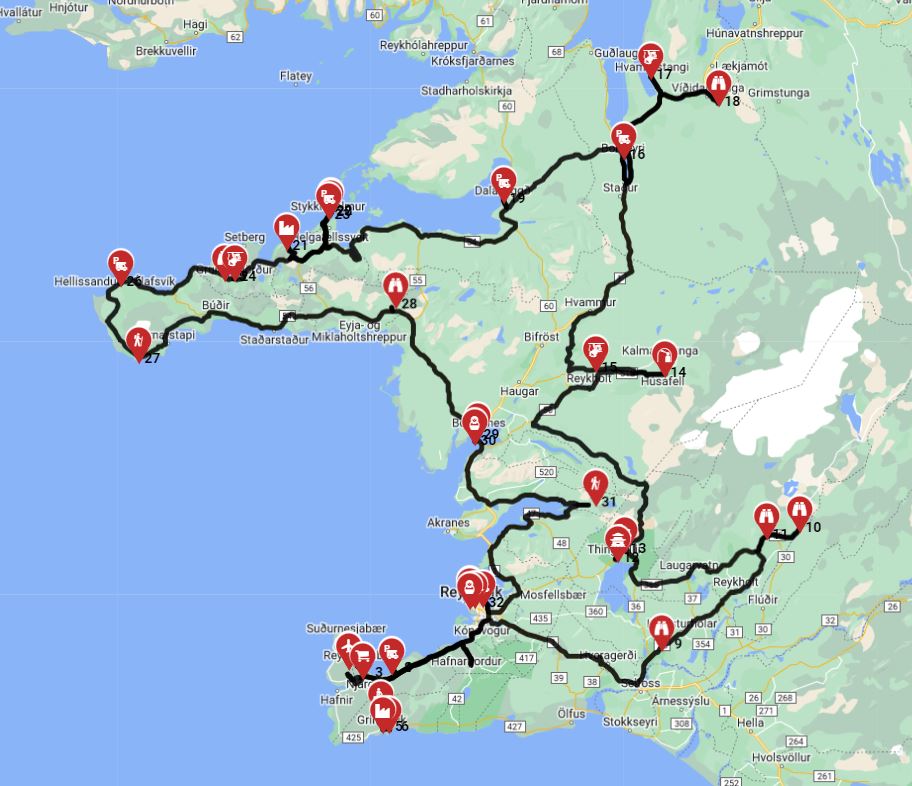
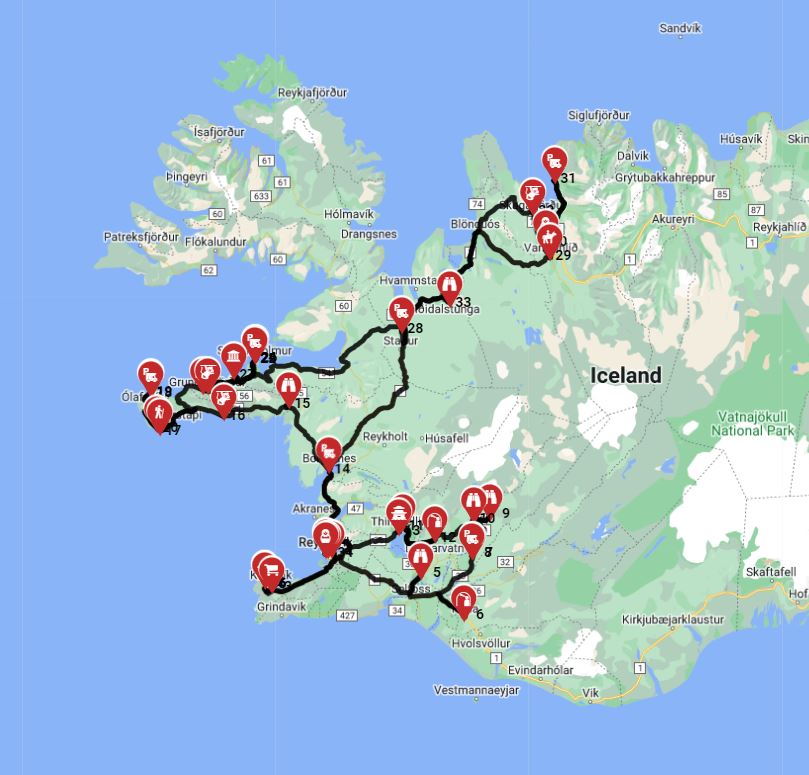
Iceland offers numerous campgrounds across its diverse regions, catering to motorhomes and campervans of all sizes. Popular camping areas include the Golden Circle region, the South Coast, and around the Snæfellsnes Peninsula, each providing unique access to the country's breathtaking natural features. While specific campsite names are plentiful, travelers can generally expect well-maintained sites conveniently located near popular attractions and towns, offering a comfortable base for your weekly RV rental.
For example, exploring the famous Golden Circle region usually involves stops at sites like Þingvellir National Park, Geysir geothermal area, and Gullfoss waterfall, all with nearby camping facilities. Along the South Coast, you'll find campgrounds near iconic spots such as Reynisfjara Black Sand Beach and Jökulsárlón Glacier Lagoon. Remember, driving slowly and carefully, you can drive almost anywhere without issues. No need to stress - just use common sense and pay attention when navigating with your rented RV.
Campground Types in Iceland (National, Private, Wild)
Iceland primarily offers two legal types of campgrounds for RVers: private and municipal, with national park sites typically managed as municipal or specific park campgrounds. Private campgrounds often provide a wider range of amenities like electricity, hot showers, and laundry facilities, while municipal sites are usually more basic, focusing on essential services. Wild camping (freedom camping) in Iceland is largely illegal for motorhomes and RVs; it is strictly prohibited to camp outside designated campgrounds unless explicit permission from a landowner is obtained.
Visitors must always use official campsites, both to protect Iceland's fragile environment and to comply with local laws. This commitment to sustainable RVing helps preserve Iceland's pristine landscapes for future generations. When planning your route, our RV Rental Europe - Complete Guide 2024 offers broader tips on European RV travel, which can be adapted for Iceland's unique conditions.
Featured RV Park or Campground in Iceland
When selecting an RV park in Iceland, look for facilities that offer a balance of essential amenities and access to natural wonders. An ideal Icelandic RV park provides electrical hookups, potable water, waste disposal stations (grey and black water), and often includes shared cooking facilities, restrooms, and showers. Consider locations that serve as a good base for exploring specific regions, such as those near the Golden Circle or along the Ring Road, ensuring convenience for your weekly rental.
For example, the campground at Skaftafell in Vatnajökull National Park is a popular choice due to its stunning glacier views and hiking trails. Another excellent option is Hamrar Campground near Akureyri in North Iceland, offering good facilities and a base for exploring the North's geothermal areas. Reading recent reviews can help identify campgrounds known for their cleanliness, service, and suitability for various RV sizes, ensuring your comfort. For finding campsites and campgrounds during your trip, we recommend using RV PLANET - a great resource for locating available spots along your route.
Hookups & Amenities - What to Expect
In Iceland, RV campgrounds typically offer electrical hookups (220-240V, European two-pin type F sockets), potable water, and facilities for grey and black water disposal. While most larger campgrounds provide shared amenities like hot showers, flush toilets, and often laundry facilities, smaller or more remote sites might have limited services. Wi-Fi is increasingly available at many campgrounds, though it may be an additional cost or limited to common areas. It's advisable to carry appropriate adapters for electrical connections and be prepared for varying levels of service, especially outside peak summer months. On the routes offered through RV PLANET routes, you can itemize and track every expense along the way for easy budgeting.
When preparing meals in your rented motorhome, having a functional kitchen with a stove and refrigerator is a game-changer. Many RVs, like the "2 Berth Rover" or "EcoLine 2", come equipped with these necessities. Check out our RV-friendly recipes playlist for inspiration on delicious meals you can whip up on the go. Remember to stock up on groceries at larger towns, as smaller villages have fewer options.
Booking Windows & Reservations in Iceland
For a weekly RV rental in Iceland, it is highly recommended for planners to book both their RV and preferred campgrounds several months in advance, especially for summer 2024 travel. Many popular national park campgrounds, while often releasing a portion of their spots for reservations, also hold a significant percentage (e.g., 70-75%) for first-come, first-served arrivals. This means that even if you're a spontaneous traveler planning a two-week adventure, you can often find availability by calling campgrounds a day or two ahead, or by arriving earlier in the day to secure a first-come, first-served spot.
You'll find a spot. If not at the first campground, then the next one. Call ahead before driving to ensure availability. Booking 90+ days ahead can sometimes save an average of 25% on peak-season motorhome rates. Our platform ensures full transparency with pricing, so you'll always know the cost upfront with no hidden fees.
Consider looking at "RV Rental Deals in Iceland - Latest Offers 2026" for potential savings, or if you're thinking about a longer trip, exploring "One-Way RV Rental in Iceland - Price Guide 2026" for different pick-up and drop-off options.
Nearby Supermarkets & Resupply Points
For weekly RV rentals in Iceland, resupplying groceries and essentials is straightforward with several supermarket chains distributed throughout the country. Look for chains such as Bónus (known for affordability), Krónan, Nettó, and Hagkaup (often larger stores with wider selections) in towns and cities along your route. Planning your grocery stops around larger towns like Reykjavík, Akureyri, Egilsstaðir, or Selfoss will ensure access to fresh produce, meats, and other staples. Smaller villages might have limited options, so it's wise to stock up sufficiently for a few days when passing through major population centers.
Beyond groceries, you'll also find gas stations for fuel and propane, and many campgrounds offer dump stations for waste disposal. Remember, managing ancillary costs like fuel, campground fees, and groceries is key to a successful budget. Our RV PLANET routes allow travelers to itemize and track every expense along the way for easy budgeting, making your weekly rv trip planning a breeze.
Best RV Class for Camping in Iceland
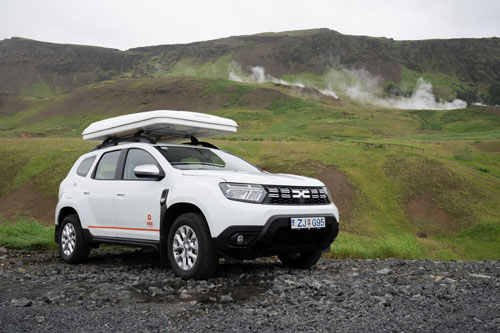
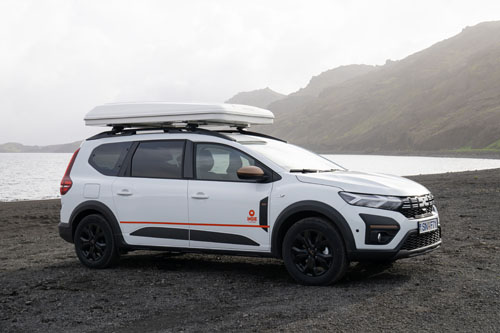
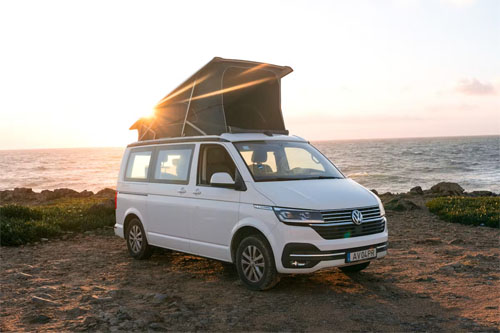
For camping in Iceland, Class B - Camper Vans and Class SI - Semi-integrated RVs are generally considered ideal due to their balance of maneuverability, fuel efficiency, and comfort. Class B Camper Vans, averaging 5.8 meters in length and sleeping 3.2 people, offer excellent agility for navigating smaller roads and generally consume 8-10 Liters/100 km, making them economical for weekly trips. Models like the "2 Berth Hi Top" are great examples of practical campervans.
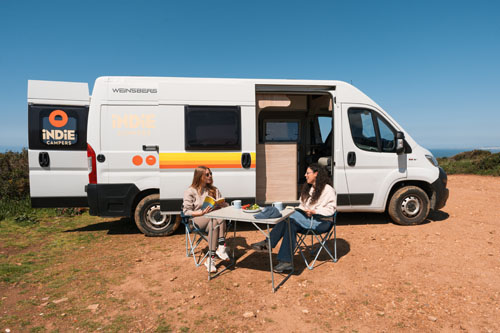
Class SI Semi-integrated RVs, with an average length of 6.9 meters and sleeping 3.8 people, provide more living space and amenities while maintaining decent fuel economy, typically 10-11 Liters/100 km. These classes are also often available in 4x4 configurations, which is crucial for accessing certain F-roads and managing varied Icelandic terrain, a key consideration beyond typical campsite needs. Larger Class C or Class A motorhomes are available for families or groups, offering more amenities but require more cautious driving on narrower roads.
How to Save on Campgrounds in Iceland
To significantly save on campground costs for your weekly RV rental in Iceland, utilize specialized campground discount cards, which can offer substantial reductions on overnight stays. Booking during the shoulder seasons (spring and autumn) rather than peak summer can also lead to lower rates and less crowded sites. Choosing municipal or regional campgrounds over private resorts, which typically have fewer amenities but are more budget-friendly, is another effective saving strategy. Consider staying for 3 or more nights at a single location if possible, as some campgrounds offer weekly rates that are more economical than daily fees, or share hookups in groups if permitted and traveling with others.
Our goal is to make RV travel as affordable as possible, which is why we compare final prices across 50+ suppliers so you don't have to worry about hidden fees or surprises. For a detailed breakdown of expenses, you might find our "Cheap RV Rental in Iceland - Budget Guide 2026" particularly helpful.
What is the Total Cost of a Weekly RV Rental in Iceland
The total cost of a weekly RV rental in Iceland in 2024 extends beyond the rental fee, encompassing fuel, campsite fees, groceries, activities, and potential ancillary charges. Fuel is a significant expense; for instance, a Class SI - Semi-integrated RV typically consumes 10-11 Liters/100 km, while a Class B - Camper Van uses 8-10 Liters/100 km, and Icelandic fuel prices are generally higher than many other countries, averaging around 290-310 ISK per liter ($2.10-$2.25 USD per liter). Budgeting for groceries (approximately $100-200 USD per person per week) versus dining out can substantially impact costs, with local restaurants being expensive.
Expect to pay around $20-50 USD per night for campsites, and factor in potential ferry costs to places like the Westman Islands, along with activity fees for excursions such as glacier hikes or hot springs. The final price of your RV rental is dynamic, much like flight tickets, changing daily based on availability, seasonality, and supplier marketing decisions. Our platform helps you compare these dynamic prices from 50+ leading RV suppliers worldwide, including trusted names like Apollo and Britz, ensuring you get the best deal. For a more in-depth look at costs, check out "RV Rental in Iceland - Prices and Best Deals 2026" and "Luxury RV Rental in Iceland - Premium Prices 2026".
What is the best month to rent an RV in Iceland
The best month to rent an RV in Iceland generally depends on your priorities, with June, July, and August offering the mildest weather, longest daylight hours (up to 24 hours of daylight in mid-summer), and full accessibility to most roads and attractions. While summer provides the most popular experience, spring (April-May) and autumn (September-October) offer unique advantages like fewer crowds, stunning fall colors, and better chances of seeing the Northern Lights, albeit with cooler temperatures and shorter daylight hours (8-12 hours in shoulder season). RV travel during winter (November-March) is challenging due to frequent road closures, icy conditions, and very limited daylight (4-6 hours), requiring specialized winterized RVs and extensive preparedness for extreme weather.
For those seeking a balance of accessibility and unique experiences beyond the peak season, late May or early September can be ideal for a weekly RV adventure in Iceland. During these times, average daily rental rates can be 10-20% lower than in July, and campgrounds are less crowded. When planning for cooler seasons, make sure your chosen motorhome rental offers adequate heating for comfortable nights.
How to Prepare for Emergencies and Weather Changes While RVing in Iceland
Preparing for sudden weather changes and potential emergencies is crucial for RVing in Iceland, where conditions can shift rapidly from sunshine to storms, even in summer. Always monitor weather forecasts from reliable sources like the Icelandic Met Office (vedur.is) and road conditions via road.is, especially before embarking on longer drives or entering remote areas. Essential emergency gear includes warm, waterproof clothing layers, extra food and water for at least 24 hours, a well-stocked first-aid kit, a fully charged mobile phone (and power bank), a shovel, and recovery gear if planning F-road travel. In case of remote breakdowns or incidents, ensure you understand your rental company's emergency procedures.
Strong winds are a common hazard in Iceland, so always check wind forecasts and understand how to safely park and secure your RV in high winds. If conditions become too severe, it's always best to find a sheltered spot or a secure campground and wait it out. Remember to travel slowly, averaging no more than 100-150 km per day, allowing ample time to react to changing conditions and truly connect with the scenery and culture. For specific advice on driving in adverse conditions, consult "Winter RV Driving in Iceland - Safety Guide 2026".
How to Practice Sustainable RVing and Waste Disposal in Iceland
Practicing sustainable RVing in Iceland is vital to protect its fragile environment, requiring strict adherence to 'Leave No Trace' principles and proper waste management. Always use designated campgrounds for overnight stays and for disposing of all waste, including greywater and blackwater, as illegal dumping can severely harm sensitive ecosystems like delicate moss fields. Minimize your environmental footprint by conserving water and electricity, avoiding off-roading, staying on marked paths, and never disturbing local flora or fauna, especially nesting birds or protected landscapes.
Properly sort and dispose of recycling and trash at designated facilities found in towns and many larger campgrounds, ensuring that absolutely nothing is left behind in Iceland's pristine natural landscapes. Remember, these small details make a big difference in preserving the beauty you've come to enjoy. Our partners, such as El Monte and Cruise America, typically provide detailed instructions on waste management for their rented motorhomes, ensuring you can travel responsibly.
What RVs and Campervans are Allowed on F-roads in Iceland
Only 4x4 vehicles are legally permitted on Iceland's F-roads (mountain roads), meaning larger two-wheel-drive motorhomes (Class SI, Class C, Class A) are strictly prohibited. Smaller, robust 4x4 campervans or truck campers (Class TC - Truck Camper, averaging 5.5 meters in length with 2-4 sleeping places) are generally the only RV types suitable and legally allowed on F-roads, provided they have sufficient ground clearance. Even with a 4x4 RV, river crossings on F-roads require extreme caution and experience; insurance policies typically do not cover water damage from river crossings, and attempting them with an unsuitable vehicle voids your rental agreement.
Before attempting F-roads, verify your specific rental agreement's terms regarding F-road access and ensure your vehicle, like a "4x4 Camper B - TYR", is equipped and insured for such conditions. Many standard RV rental suppliers do not allow their vehicles on F-roads at all. We, as true RV specialists, understand these nuances and can help guide you on vehicle selection for your itinerary.
What are Unique RV Itineraries and Local Experiences in Iceland
Beyond the popular Ring Road, a weekly RV rental in Iceland allows for immersion in niche itineraries and local culture, such as exploring the Snæfellsnes Peninsula for its diverse landscapes or the East Fjords for remote fishing villages. Consider themed routes like a 'Geothermal Wonders Trail' focusing on hot springs and volcanic sites, a 'Photography Route' highlighting dramatic landscapes, or a 'Viking Heritage Trail' to discover historical sites. To connect with local culture, seek out smaller communities for authentic experiences, visit local farms or craft markets, and participate in community events or festivals if timing allows.
Using your RV to access specific hiking trails, hidden waterfalls, or less-visited hot pots offers a deeper, more personalized Icelandic adventure than standard tourist routes. Rent&Plan through RV PLANET offers pre-planned routes by professionals, giving you structured yet flexible options for these unique journeys. Plus, you get a 25% planning discount when using rvplan.net for your itinerary!
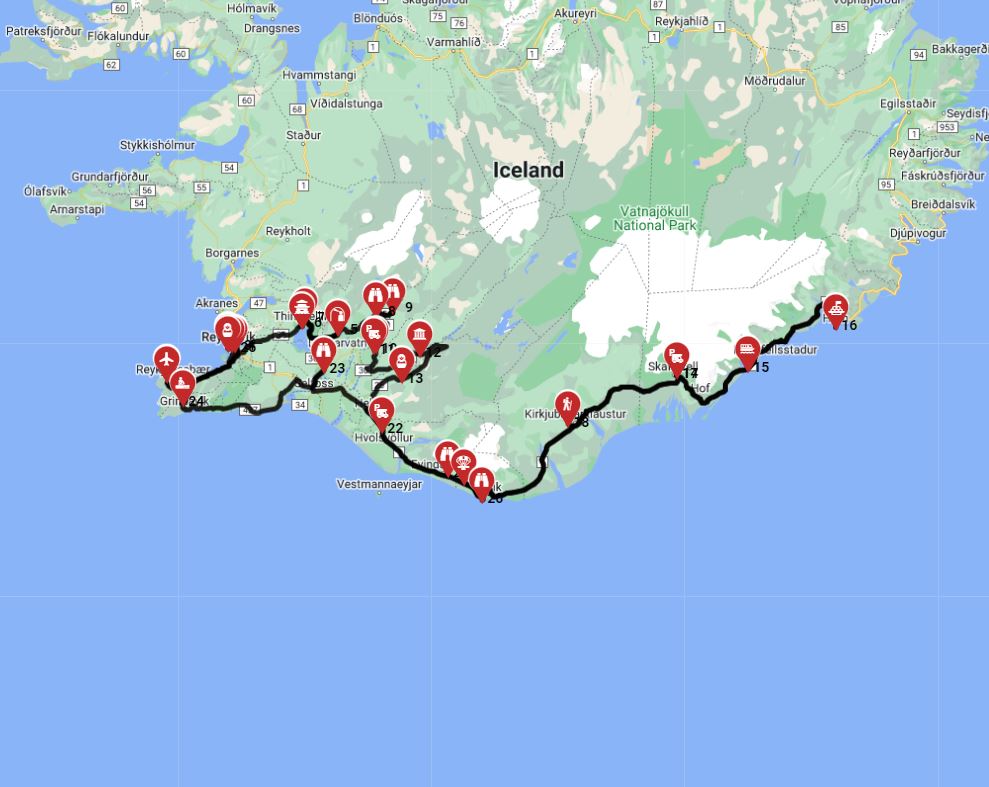
One popular itinerary is the "
Top Cities for RV Rental in Iceland
When planning your weekly rv rental in Iceland, several cities serve as excellent starting or ending points for your adventure. Reykjavik, the capital, is the primary hub for picking up your motorhome or campervan, offering the widest selection of vehicles from various suppliers.
- Reykjavik: The most common pick-up location, offering easy access to the Golden Circle, Reykjanes Peninsula, and the south coast.
- Keflavík (and Keflavík - Airport): Often the actual pick-up point for rentals, located conveniently close to the international airport.
- Hafnarfjörður: A charming port town near Reykjavik, also offering some RV rental options.
- Kopavogur/Kópavogur: Iceland's second-largest municipality, located just south of Reykjavik, providing additional rental stations.
- Reykjanesbær: Another key location near Keflavík International Airport, often where rental depots are situated.
These locations offer flexibility for your itinerary, whether you plan a full Ring Road tour or a more focused regional exploration. With a rented mobile home, you have the flexibility to travel slowly, max 100-150 km per day on average, taking time to feel the place, connect to the culture, the food, and the scenery.
Country-Wide Practical Information for RV Travelers in Iceland
Understanding local rules and practicalities is key to a smooth weekly RV trip in Iceland. Iceland drives on the right side of the road, and seatbelts are mandatory for all passengers. Headlights must be on at all times, day or night. Speed limits are generally 50 km/h in urban areas, 80 km/h on gravel roads, and 90 km/h on paved rural roads. Drive slowly and carefully, and you can drive almost anywhere without issues. No need to stress - just use common sense and pay attention, especially on gravel roads or in changing weather conditions.
For emergencies, the national emergency number is 112 for police, ambulance, and fire services. Mobile phone coverage is generally good in populated areas and along the Ring Road, but can be sparse in remote highlands or the Westfjords. Consider purchasing a local SIM card (available from providers like Síminn or Vodafone) or a portable Wi-Fi device for better connectivity. There are no toll roads or specific national park permits required for RVs in Iceland, though entrance fees for some attractions or parking areas may apply, and campground fees are always separate. The standard car driver's license is sufficient for all motorhome classes, and an International Driving Permit (IDP) is recommended for visitors from non-English-speaking countries but not mandatory in most cases.
What You Shouldn't Miss
- The Golden Circle's Geothermal Marvels: Witness the powerful Strokkur geyser erupting every few minutes, marvel at the Golden Waterfall (Gullfoss), and explore the historic Þingvellir National Park.
- Jökulsárlón Glacier Lagoon: Take a boat tour among the floating icebergs, or simply watch seals swim in the glacial waters, then visit the nearby Diamond Beach where ice chunks glitter on black sand.
- Skógafoss and Seljalandsfoss Waterfalls: Walk behind Seljalandsfoss for a unique perspective, and climb the steps beside Skógafoss for panoramic views of the South Coast.
- Snæfellsnes Peninsula (Iceland in Miniature): Drive this scenic loop to experience diverse landscapes, including Kirkjufell mountain, black sand beaches, basalt columns, and charming fishing villages.
- The Blue Lagoon (or Secret Lagoon): Indulge in Iceland's geothermal spa culture. While the Blue Lagoon is famous, consider the Secret Lagoon for a more tranquil, authentic hot spring experience with fewer crowds.
- Northern Lights Hunting (Seasonal): If traveling during autumn or spring, dedicate evenings to finding dark spots away from city lights for a chance to witness the spectacular Aurora Borealis dancing across the sky.
Looking for expert insights from Avi Bandana? Top 5 Adventures - recommendations from Avi Bandana
🎬 Video coming soon
Final Thoughts
A weekly RV camping trip in Iceland promises an adventure unlike any other, offering the freedom to chase waterfalls, explore volcanic landscapes, and soak in geothermal hot springs at your own pace. With Bandana Caravan, you’re not just booking a vehicle; you’re gaining a partner dedicated to making your journey transparent, supported, and truly unforgettable.
Whether you're planning a two-week adventure or a more extended road trip, Iceland’s stunning natural beauty is best experienced with the flexibility that a rented motorhome provides. Dive into our resources, plan your perfect route, and get ready to create memories that will last a lifetime. Discover top destinations, planning tips, all in one place with Bandana Caravan.
Compare Campervan Prices for Iceland and start planning your dream weekly rv camping trip today!