In This Guide
- Where to Camp in Austria - Top Options
- Campground Types in Austria (National, Private, Wild)
- Featured RV Park or Campground in Austria
- Hookups & Amenities - What to Expect
- Booking Windows & Reservations in Austria
- Nearby Supermarkets & Resupply Points
- Best RV Class for Camping in Austria
- How to Save on Campgrounds in Austria
- What are the regulations for RVs in Austria?
- How much does it cost to rent an RV for a week in Austria?
- Is winter RV travel in Austria recommended?
- How do I find water and waste disposal points for my RV in Austria?
- What are the challenges of driving an RV in the Austrian Alps?
- How can I experience Austrian culture with an RV?
- What are important safety tips for RVing in Austria?
- Is RV travel better than a rental car for seeing Austria?
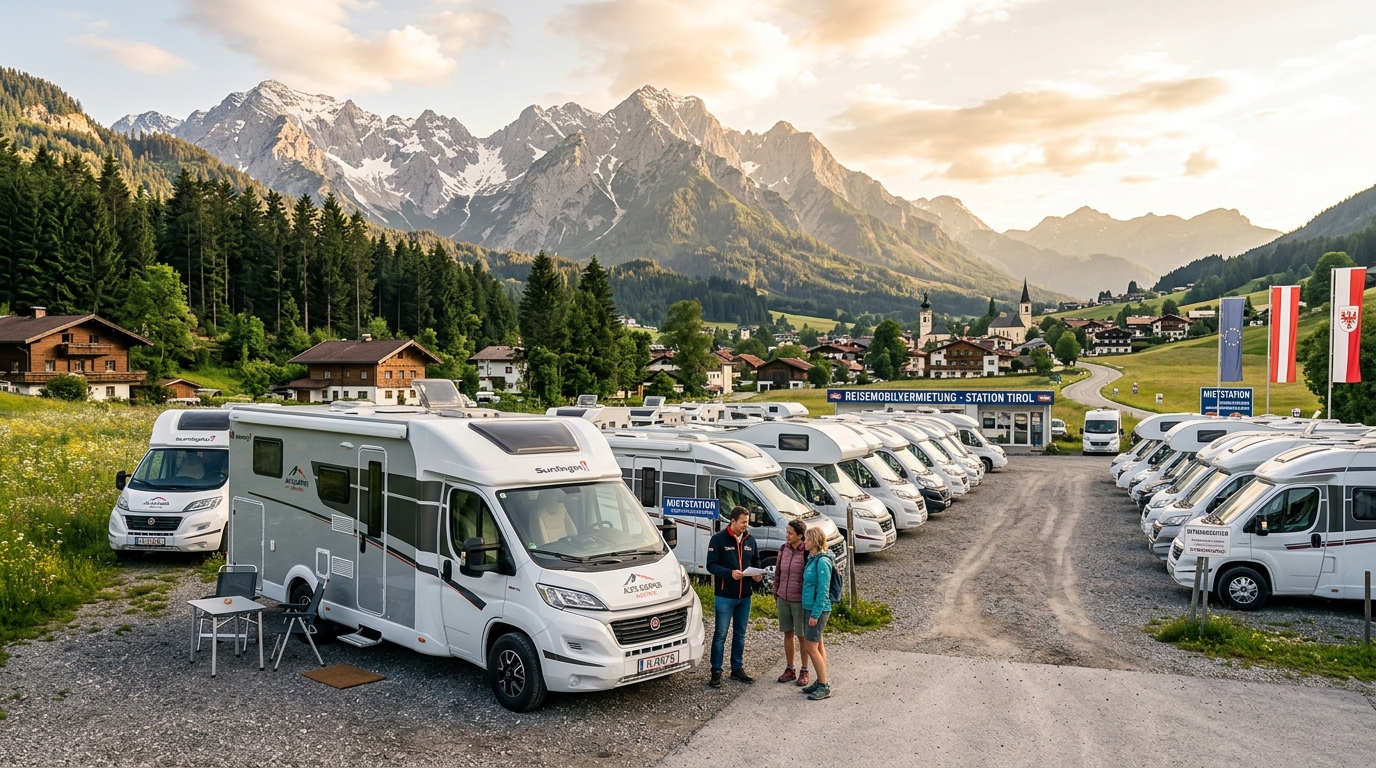
Austria, with its majestic Alps, serene lakes, and charming historical towns, offers an unparalleled experience for travelers exploring by rented motorhome or campervan. Imagine waking up to a panorama of snow-capped peaks or a tranquil lakeside sunrise, all from the comfort of your mobile home. A weekly RV rental in Austria provides the freedom and flexibility to delve deep into this beautiful country's culture and natural wonders at your own pace. For live availability and current prices, start with our RV Rental Austria - Complete Guide 2026 guide. We at Bandana RV specialize in helping you find the perfect rental motorhome, offering full transparency and personalized support every step of the way, making sure there are no hidden fees or surprises.
🎬 Video coming soon
Where to Camp in Austria - Top Options
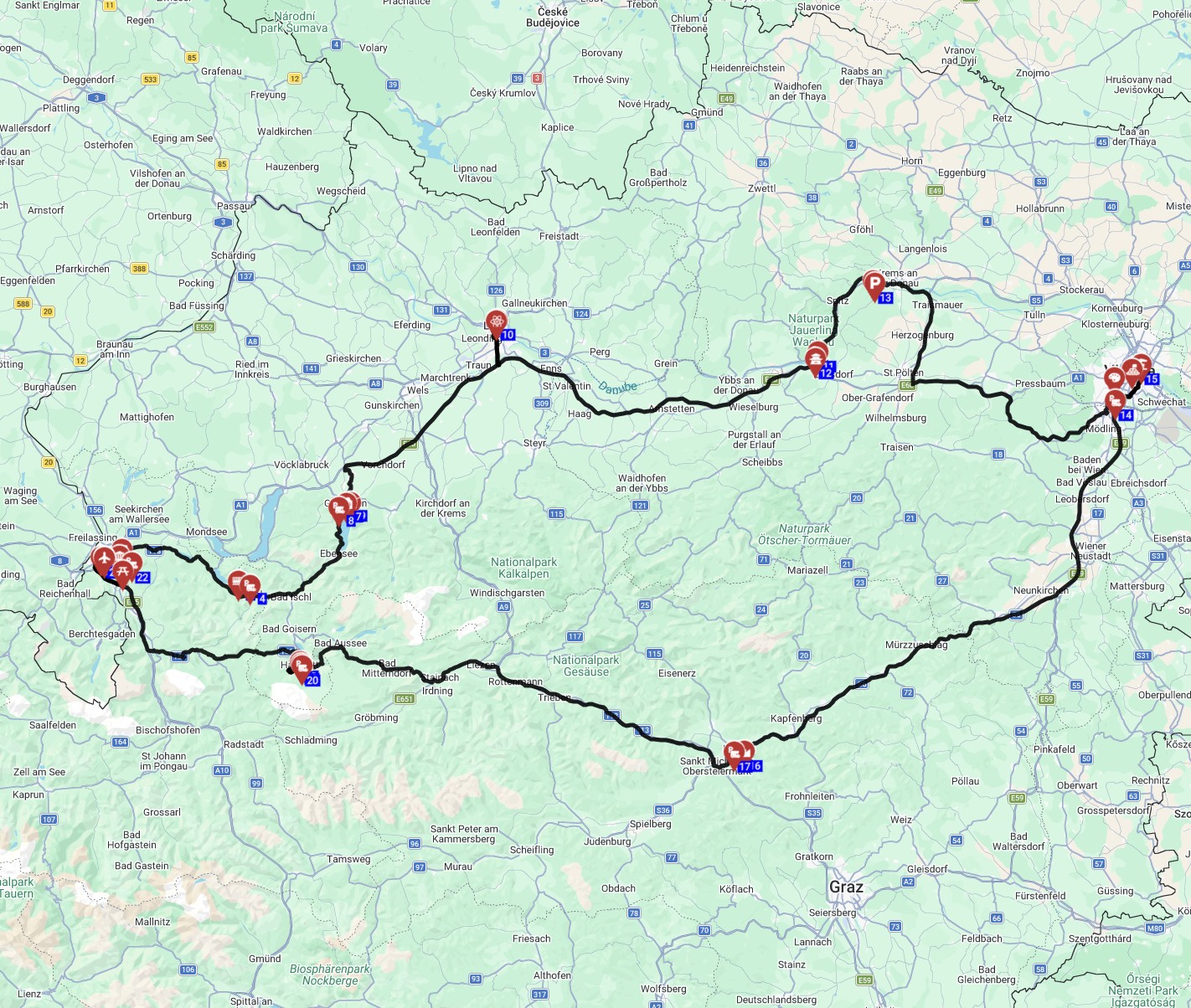
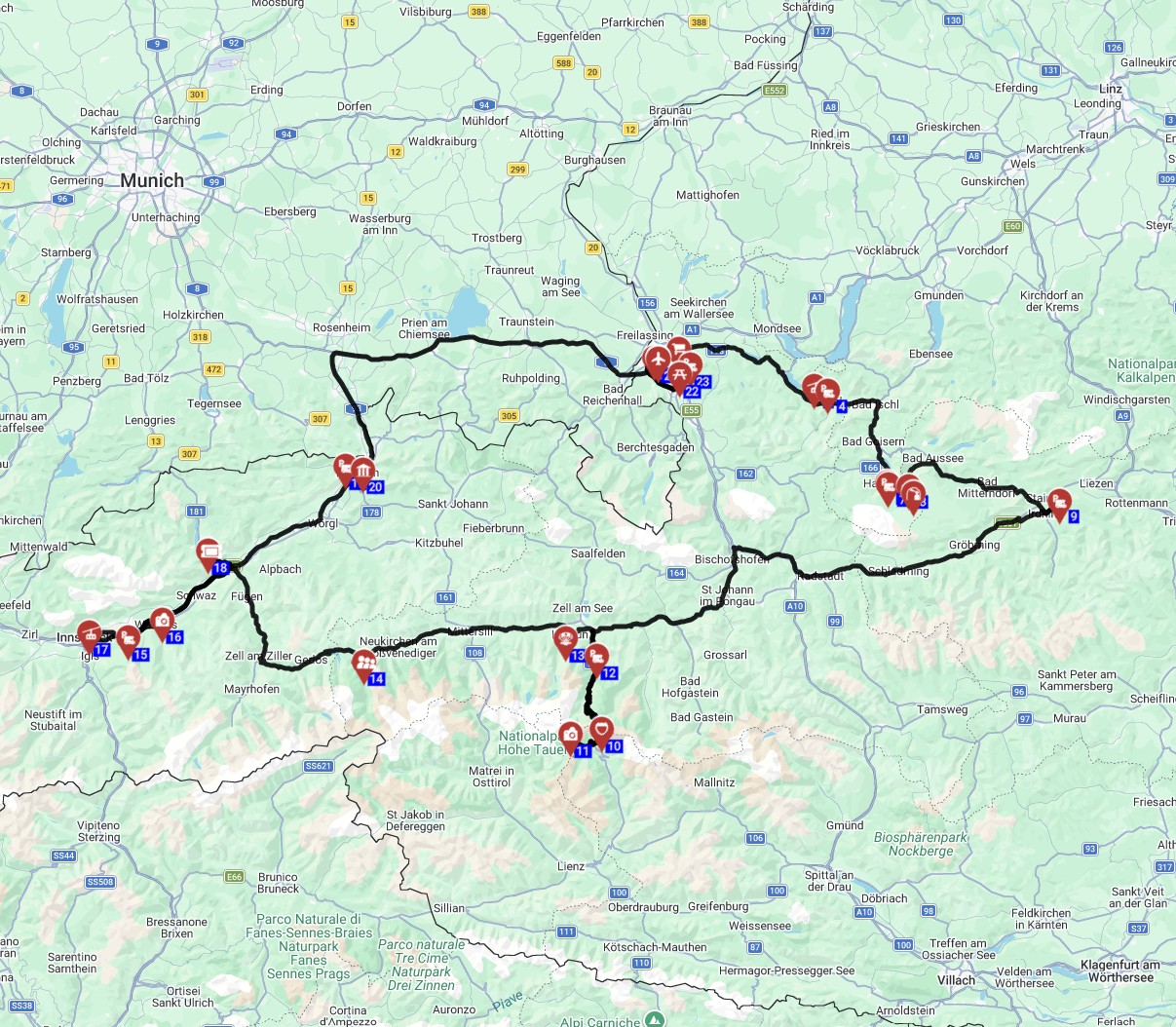
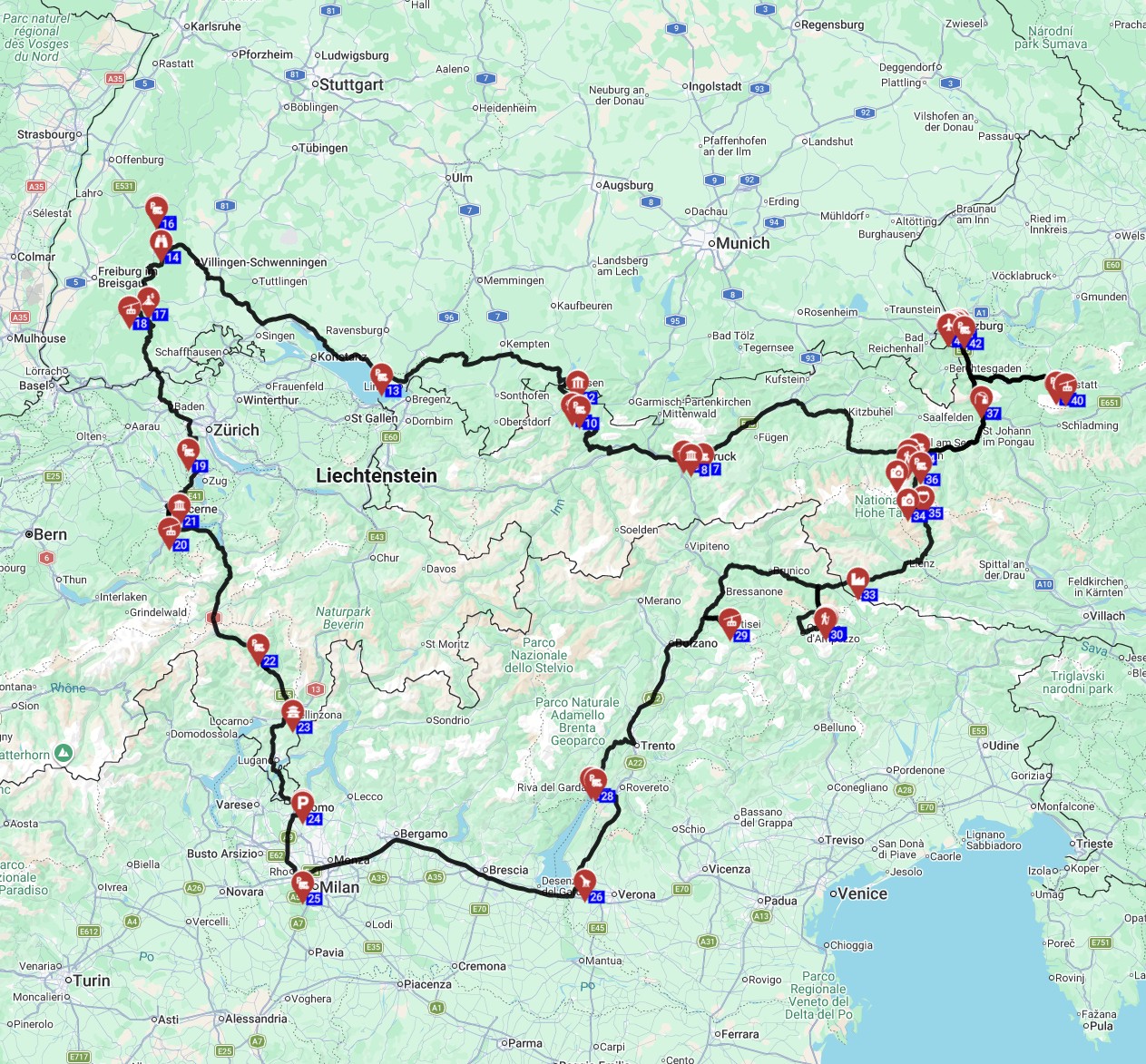
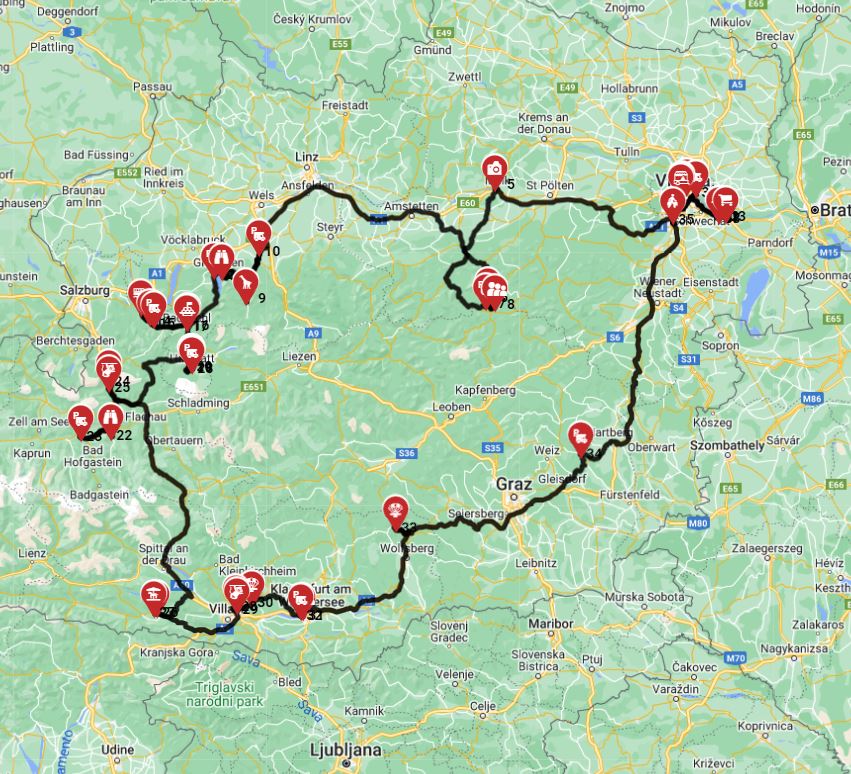
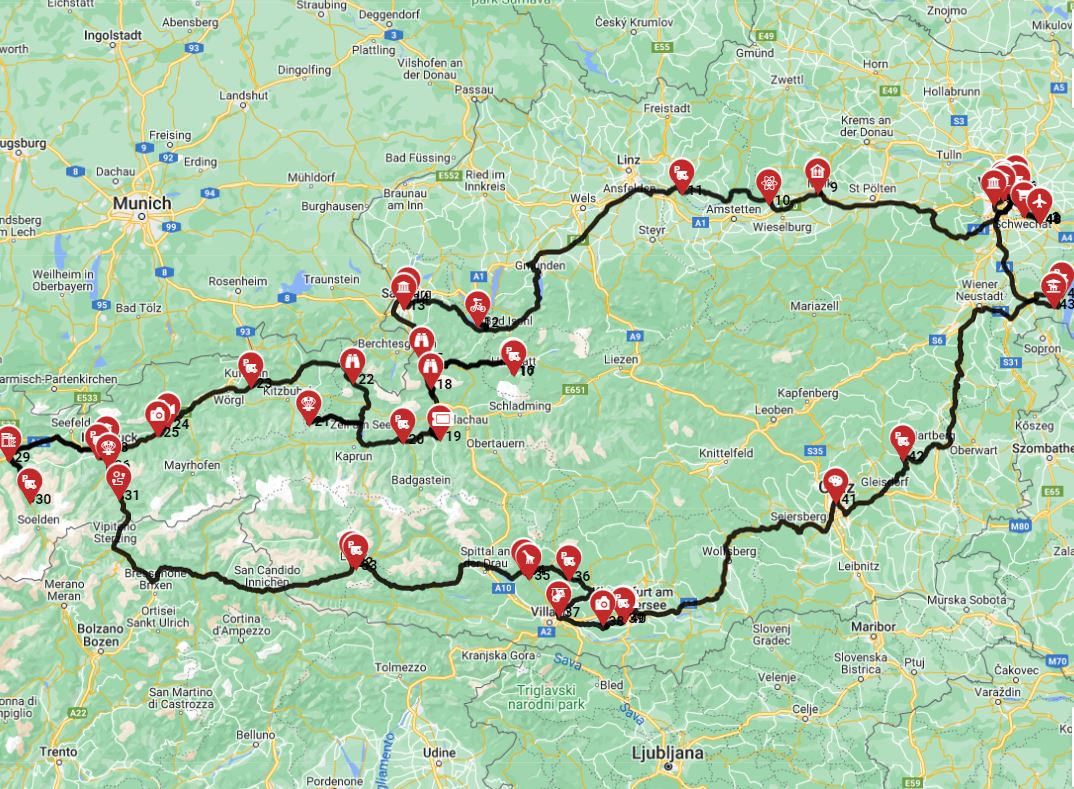
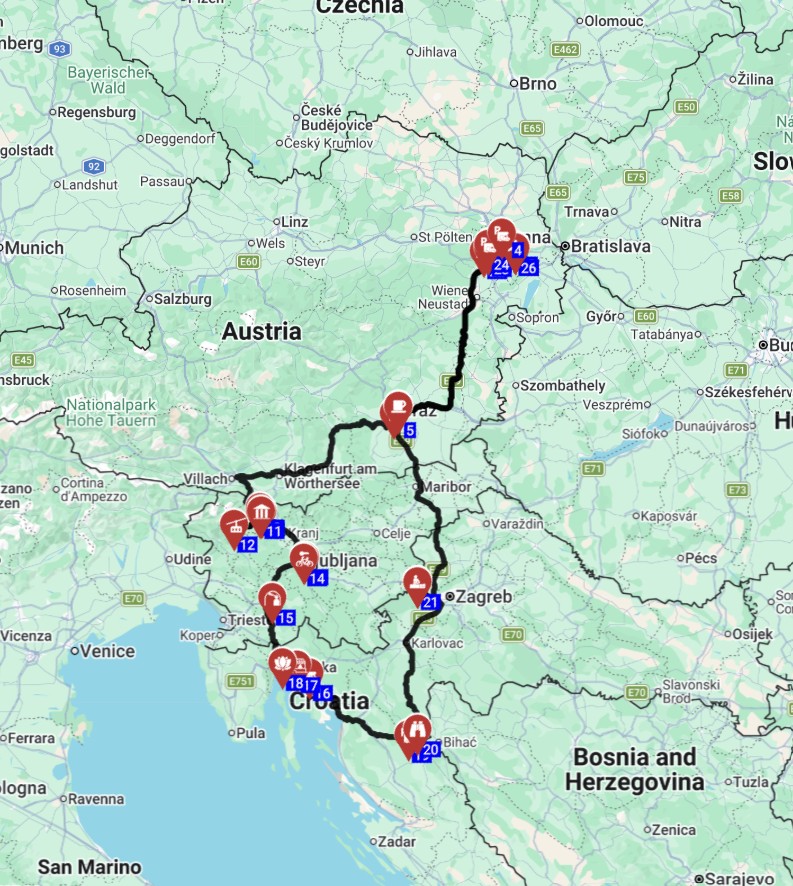
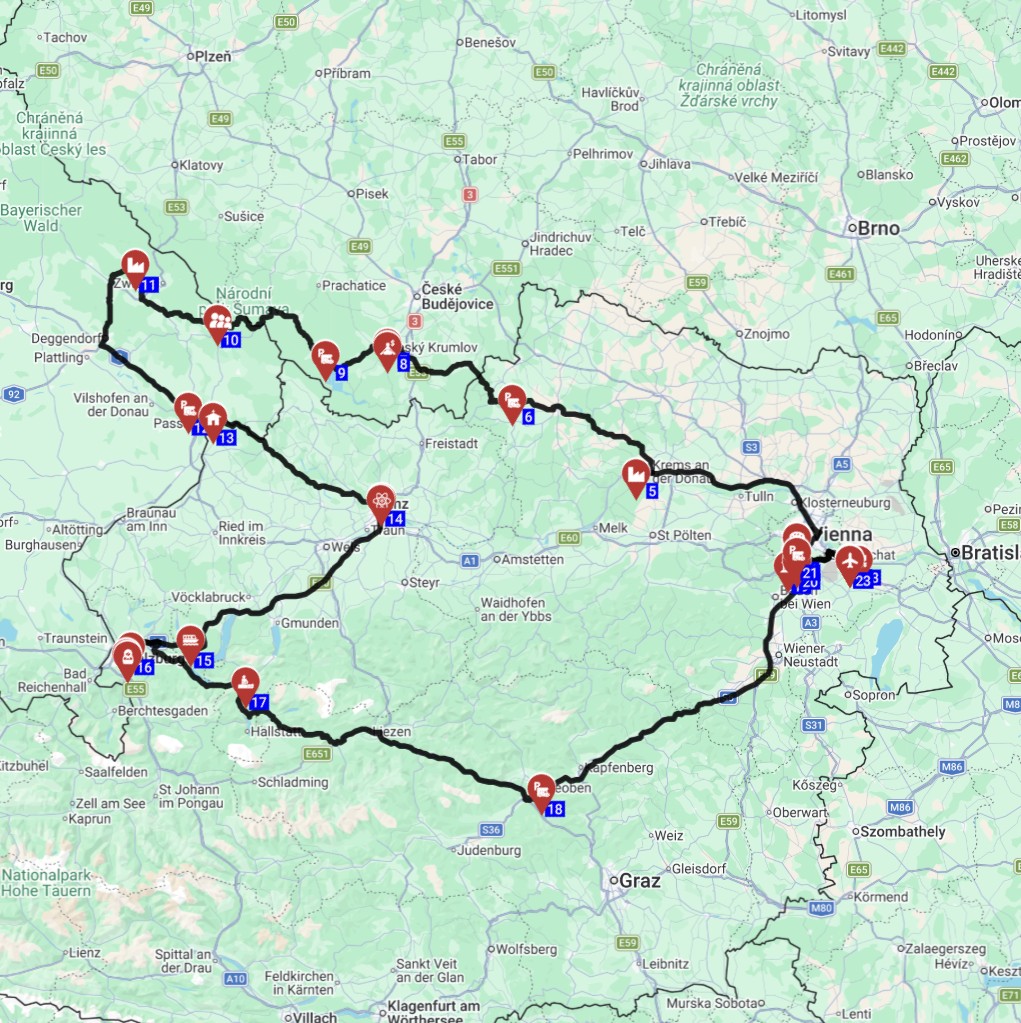
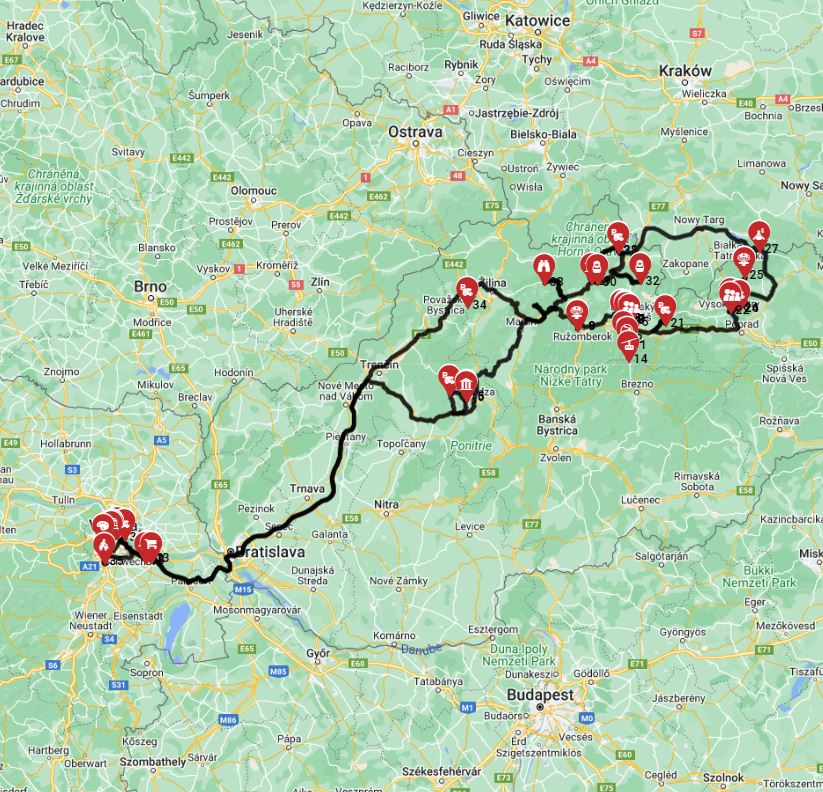
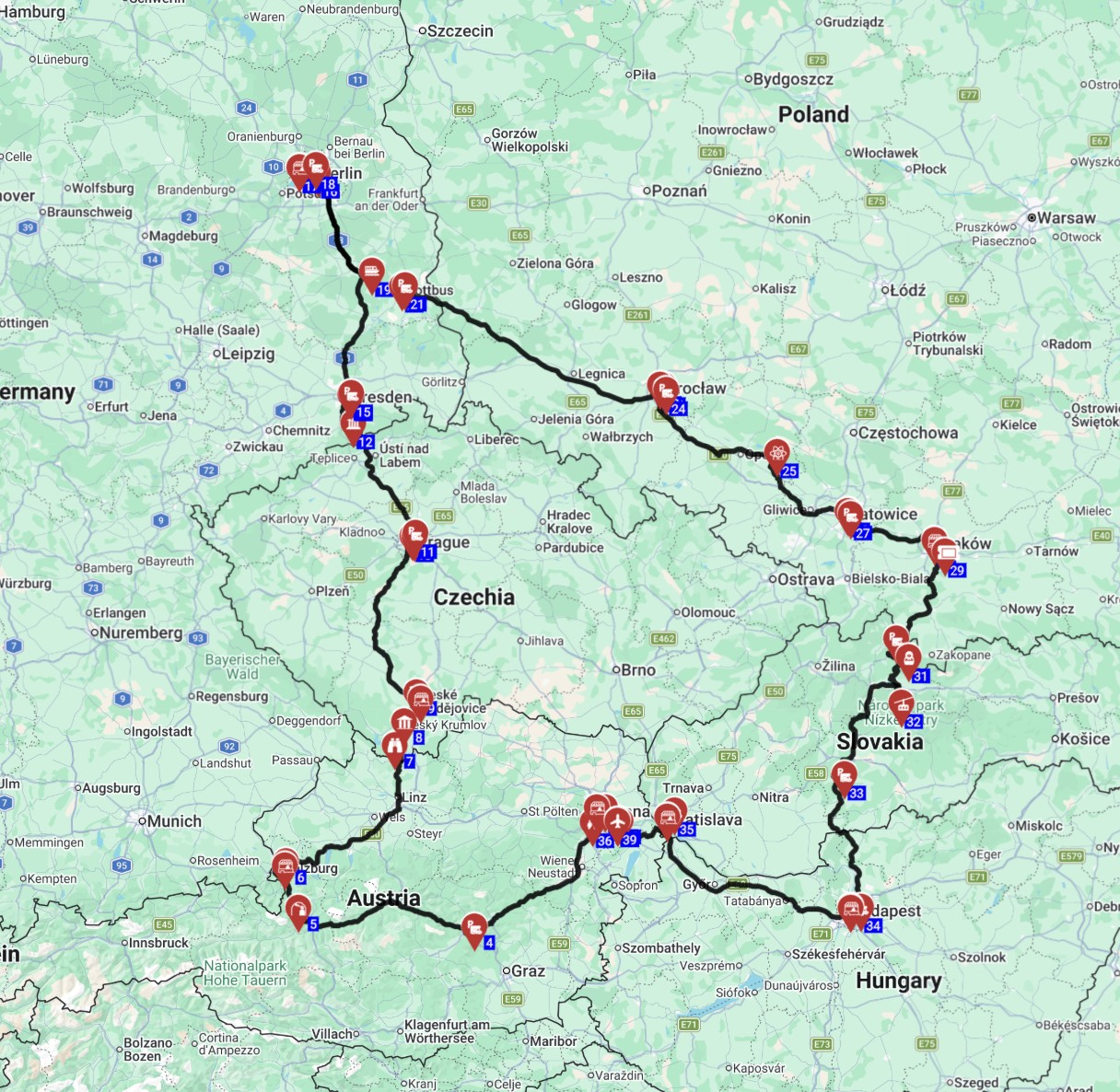
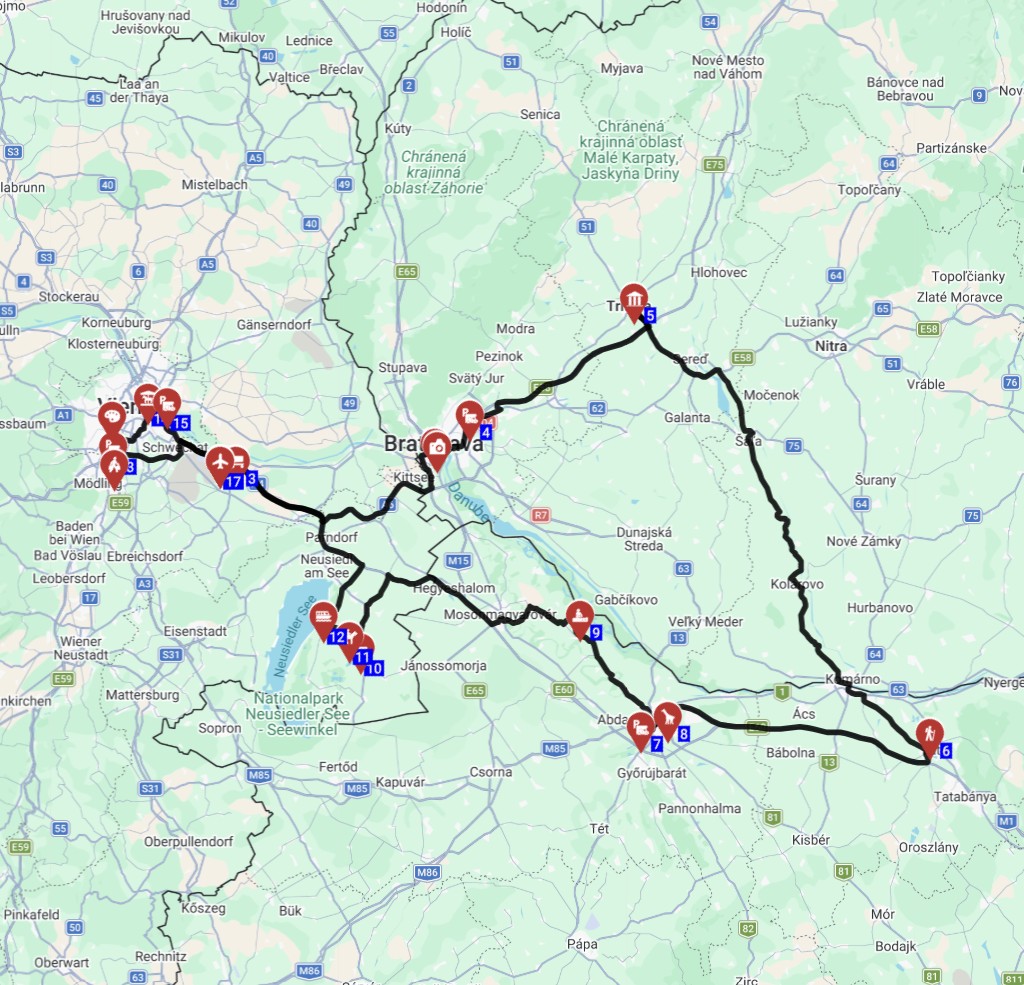
Austria offers diverse camping experiences from lakeside retreats to alpine parks, ensuring a perfect spot for every taste. Travelers looking for mountain adventures should consider regions like Tyrol, which boasts numerous well-equipped campgrounds near hiking trails and ski resorts. For picturesque lake views and water activities, the Salzkammergut region is an excellent choice, featuring lakeside pitches and easy access to charming towns. Burgenland, with its gentle hills and vineyards, provides a unique opportunity to combine nature with wine tasting experiences. Many popular areas boast well-equipped campgrounds conveniently located near major attractions, cycling paths, and scenic routes, such as the RV PLANET routes for a 15-day "Munich Roundtrip - South West - Austria & Germany" that features 5 natural features.
Campground Types in Austria (National, Private, Wild)
Private campgrounds are the most common and versatile options in Austria, offering a wide range of amenities from basic pitches starting at €25-€30 per night to luxury resorts with extensive facilities for your weekly RV rental. National Parks, such as Hohe Tauern and Donau-Auen, may have designated campgrounds, which often require advance booking due to their popularity and strict adherence to environmental protection rules. Wild camping (Freistehen) is generally prohibited throughout Austria, carrying potential fines; however, it is sometimes tolerated in private parking lots with explicit permission from the owner or in designated Stellplätze (motorhome parking areas) that cater specifically to RVs for overnight stays, often providing basic services. Always check local municipal regulations, as rules can differ significantly by region, even concerning overnight parking for self-contained motorhomes. For a wider European perspective on this, consider reading our "RV Rental Europe - Complete Guide 2026".
Featured RV Park or Campground in Austria
When looking for a featured RV park in Austria for your week-long adventure, prioritize sites that offer a balance of natural beauty, convenient access to attractions, and essential amenities. Camping Ötztal in Huben, Tyrol, stands out as a highly-rated destination, offering stunning mountain backdrops, top-tier facilities including heated sanitary blocks, and excellent access to hiking, biking, and winter sports. This park is an example of the quality and comfort you can expect, featuring electric hookups and fresh water stations for a comfortable stay. Many top-rated parks are situated near picturesque alpine valleys or by crystal-clear lakes, providing idyllic settings for your rented motorhome.
Hookups & Amenities - What to Expect
Austrian campgrounds typically offer comprehensive hookups and amenities for weekly RV rentals, ensuring a comfortable stay. Most sites provide electric hookups (220-230V, requiring a standard European CEE blue plug), fresh water refill stations, and waste disposal points for grey and black water. Modern facilities often include clean showers and toilets, laundry facilities, and Wi-Fi access, though Wi-Fi quality can vary depending on the campground's location and size. Many campgrounds also offer common areas, play parks for children, and even on-site restaurants or shops, with LPG (liquefied petroleum gas) refill stations available at larger service areas and some specialized garages, making cooking a breeze. You can easily whip up meals in your rented motorhome’s kitchen, and for inspiration, check out our RV-friendly recipes playlist.
Booking Windows & Reservations in Austria
Securing a campsite for your weekly RV rental in Austria requires balancing planning with spontaneity, especially during peak seasons like July-August and major holidays. For popular destinations and specific campgrounds, especially those in national parks or by scenic lakes, booking several months in advance is highly recommended to ensure you get your desired spot. Many national park campgrounds only release a limited percentage (often 25%-30%) of spots for reservations, reserving the rest for first-come, first-served arrivals, which favors spontaneous travelers. During shoulder seasons, like May-June and September-October, you often have more flexibility and can frequently find availability on the same day or next day. It's always wise to call ahead before driving a significant distance to confirm a spot, but rest assured, you will almost certainly find a place- if not at your first choice campground, then at a nearby alternative.
Nearby Supermarkets & Resupply Points
Stocking up on supplies for your weekly RV rental in Austria is remarkably convenient, with a robust network of supermarkets accessible across the country. Major supermarket chains like Billa, Spar, Hofer (Aldi), and Lidl are widespread, offering a full range of groceries, fresh produce, and household essentials. You'll typically find these supermarkets in or near towns and cities, often with ample parking suitable for motorhomes. Smaller villages may have local shops, but for comprehensive resupply, target the larger chains. Fuel stations are also plentiful, usually accepting major credit cards, although some smaller, more remote stations might prefer cash. When planning your RV PLANET routes, you can even itemize and track every expense along the way for easy budgeting of groceries and other ancillary trip costs. On the routes offered through RV PLANET routes, you can itemize and track every expense along the way for easy budgeting.
Best RV Class for Camping in Austria
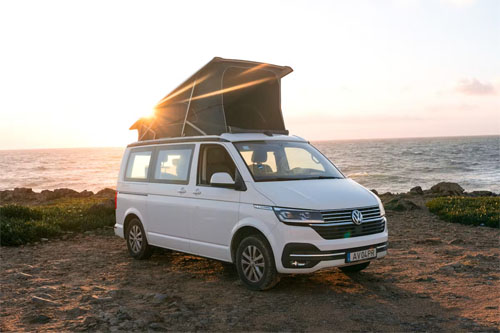
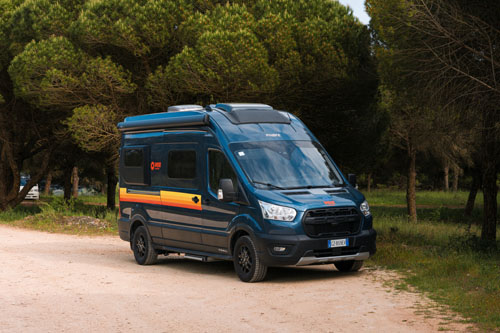
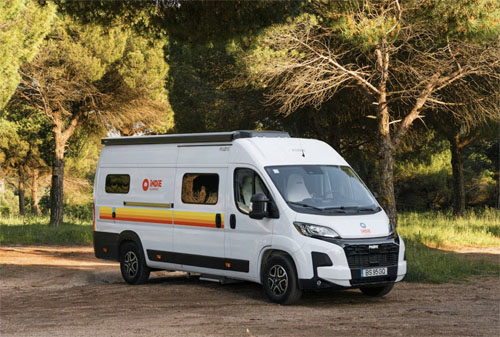
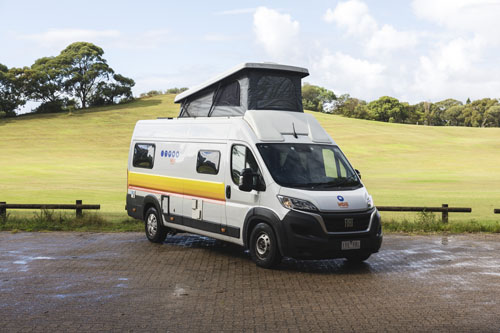
Choosing the best RV class for camping in Austria largely depends on your travel style and comfort with navigating diverse terrain, considering the country's alpine passes and charming, sometimes narrow, village roads. Class B campervans, like the V3 with its 2 sleeping places and 6.36m length, are ideal for Austria due to their compact size, making them highly maneuverable on winding alpine roads, easier to park in towns, and efficient with an average fuel consumption of 8-10 Liter/100 Km. These are perfect for couples or solo adventurers. For couples or small families wanting more living space without excessive bulk, Class SI - Semi-integrated motorhomes, averaging 6.9m length with 3.8 sleeping places, offer a good balance of comfort and agility, typically consuming around 10-11 Liter/100 km. Larger Class C - Alcove motorhomes (7.5m length, 5.8 sleeping places) or Class A - Integrated RVs (7.5m length, 4.4 sleeping places) provide ample space for families but can be more challenging on very narrow roads, in historical town centers, and for parking. Remember, drive slowly and carefully, and you can drive almost anywhere without issues. No need to stress - just use common sense and pay attention.
How to Save on Campgrounds in Austria
Saving money on campgrounds during your weekly RV rental in Austria is achievable with a few strategic approaches. Consider traveling during the shoulder seasons (spring and autumn) when campsite rates are generally lower than in peak summer months, often saving 10-20% on nightly fees. Many campsites offer weekly rates, so staying for seven nights or more at a single location can lead to significant discounts compared to daily bookings. Opt for municipal or regional campgrounds over private resorts, as they often provide essential amenities at a more budget-friendly price. Additionally, utilizing campground discount cards, sometimes available through rental providers or camping clubs, can provide further savings on pitch fees at participating sites across Austria and "RV Rental Europe - Complete Guide 2026".
What are the regulations for RVs in Austria?
Renting a motorhome in Austria requires adherence to specific traffic laws and regulations to ensure a safe and legal journey, including mandatory vignettes for motorways and expressways. Vignettes are compulsory for all vehicles under 3.5 tonnes on Austrian motorways and expressways, including most rented RVs, and can be purchased for 10 days, 2 months, or annually at border crossings, petrol stations, or online. For vehicles over 3.5 tonnes, a Go-Box electronic toll system is required. Speed limits for RVs typically follow car limits (e.g., 130 km/h on motorways, 100 km/h on main roads, 50 km/h in urban areas) if under 3.5 tonnes; for RVs over 3.5 tonnes, limits are generally lower (e.g., 100 km/h on motorways, 80 km/h on main roads). Winter tire laws are strict in Austria, with winter tires (marked M+S or with a snowflake symbol) mandatory between November 1 and April 15 if winter driving conditions prevail; snow chains must also be carried for mountainous regions and used when indicated by signs. Wild camping is generally illegal and subject to fines, though overnight parking in designated Stellplätze or with explicit permission on private land may be tolerated, and specific rules can vary significantly by state and municipality. Drivers must carry their valid standard car driving license, vehicle registration, and proof of insurance at all times; an International Driving Permit (IDP) is recommended for visitors from non-English-speaking countries but is not mandatory in most cases for Austria.
How much does it cost to rent an RV for a week in Austria?
The cost of renting an RV for a week in Austria varies widely based on RV class, season, and rental provider, typically ranging from €700 to €1,500+ during peak season in 2026. For example, a compact Class B campervan, perfect for a couple, might start around €700-€900 per week in shoulder season, while larger Class C alcove or semi-integrated models can easily range from €1,000-€1,500+ per week in peak summer. Fuel is a significant ancillary cost; with Bandana's fleet averaging 8-12 Liter/100 km, budget a substantial amount for diesel, which currently averages €1.60-€1.90/liter in 2026, especially for extensive weekly travel. Tolls and vignettes also add up: a 10-day vignette costs approximately €10-€15, but specific alpine roads and tunnels (e.g., Brenner Pass, Tauern Tunnel) require additional, often higher, physical tolls. Campsite fees budget around €25-€50 per night for a standard pitch with hookups, totaling €175-€350 for a week. Finally, allocate funds for self-catering, dining out, and entrance fees for attractions, which can easily add €300-€500+ for a week for two people. For more detailed budgeting insights, explore our "Weekly RV Rental in Austria - Pricing 2026" guide, and also "Cheap RV Rental in Austria - Budget Guide 2026".
Is winter RV travel in Austria recommended?
Winter RV travel in Austria can be a magical experience, offering access to stunning snow-covered landscapes and ski resorts, provided you are well-prepared for cold weather conditions and adhere to specific winter driving regulations. Your rented RV must be properly winterized, equipped with appropriate winter tires (M+S or snowflake symbol) between November 1 and April 15, and you must carry snow chains, which are mandatory on many alpine passes. While many campsites close for winter, a significant number of well-equipped sites, particularly those near ski resorts or thermal spas, remain open and offer heated facilities and electricity. Focus on main roads and designated winter routes, as some smaller alpine passes may be closed due to snow, and always check current road conditions before departure. Ensure your RV's water system is protected from freezing, carry extra propane for heating, and insulate windows for warmth. Be prepared for shorter daylight hours and potentially icy roads, but the reward is fewer crowds and breathtaking snowy vistas. This type of trip can be found on RV PLANET routes, providing detailed itineraries perfect for the season.
How do I find water and waste disposal points for my RV in Austria?
Locating water refill and waste disposal points for your rented RV in Austria is generally straightforward, with many dedicated facilities available across the country. The most reliable option is official campgrounds, nearly all of which provide fresh water taps and grey/black water disposal points (often called 'Ver- und Entsorgungsstation' or 'Servicestation'). Many designated Stellplätze (motorhome parking areas) also offer basic services, including water and waste disposal, sometimes for a small fee or included in the overnight charge. While less common, larger petrol stations on motorways or main roads may have RV service points. To easily find these locations on the go, utilize RV-specific apps like Campercontact, Park4Night, or Promobil, which provide up-to-date maps and user-submitted locations of service points, often with reviews and photos. Local tourist offices can also provide information on nearby facilities, particularly in less-traveled regions of Austria, ensuring you stay self-contained and comfortable during your weekly rental.
What are the challenges of driving an RV in the Austrian Alps?
Driving a rented RV in the Austrian Alps presents unique challenges, including steep inclines, narrow winding roads, tight turns, and navigating through tunnels, requiring careful planning and confident driving skills. Alpine passes like the Grossglockner High Alpine Road feature significant elevation changes and numerous hairpin turns, demanding a powerful engine, good brakes, and attentive gear selection. Many traditional Austrian villages have narrow streets not designed for large vehicles, requiring careful navigation and awareness of parking restrictions. Always pay close attention to signs indicating maximum weight and height allowances, especially when approaching older bridges, tunnels, or underpasses. Finding suitable parking for RVs in historical towns or popular tourist spots can be difficult; always look for designated RV parking or peripheral lots. Be vigilant, especially at dusk and dawn, as wildlife like deer and chamois can cross roads unexpectedly in forested or mountainous areas. Mountain weather can change rapidly; be prepared for fog, rain, or even snow, even in summer, and always check forecasts before embarking on high-altitude routes. Remember, drive slowly and carefully, and you can drive almost anywhere without issues. No need to stress - just use common sense and pay attention.
How can I experience Austrian culture with an RV?
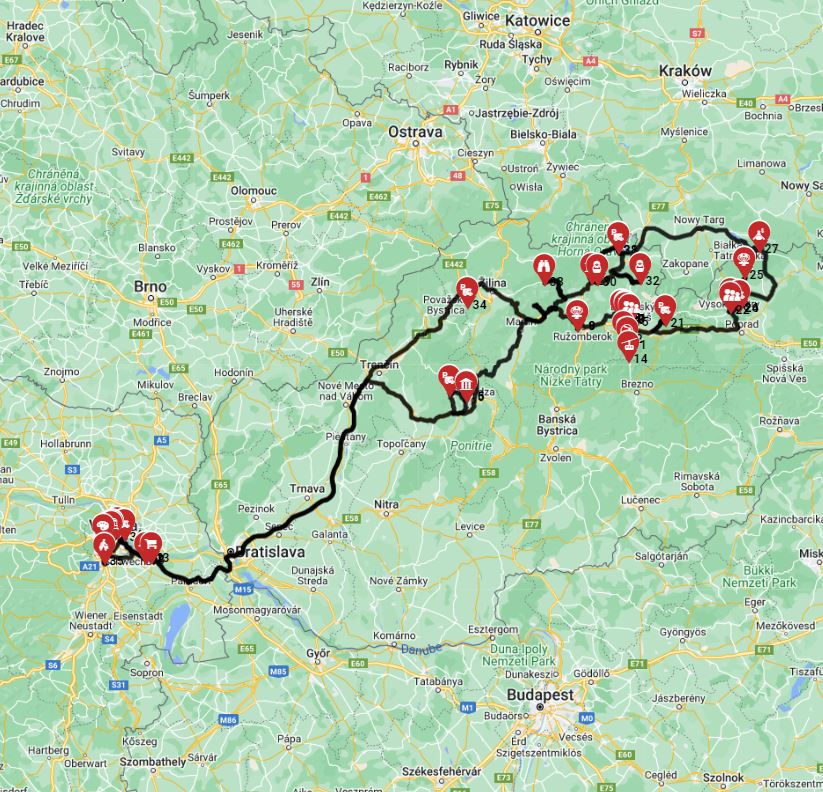
Experiencing Austrian culture with a rented RV allows for unparalleled immersion, offering the flexibility to explore local villages, attend traditional festivals, and discover culinary delights off the beaten path. Park your motorhome near town centers and explore weekly farmer's markets (Bauernmärkte) for fresh local produce, regional cheeses, and traditional crafts, engaging directly with local vendors. Research local festivals and events before your trip, such as Wine Festivals (Weinfeste) in autumn, Christmas Markets (Christkindlmärkte) in winter, or traditional village Fests in summer, which provide authentic cultural insights. Some Austrian farms offer pitches for RVs (Urlaub am Bauernhof), allowing for a unique rural experience, including opportunities to taste farm-fresh products and participate in farm activities. Use your RV to seek out traditional Gasthäuser (inns) and Heuriger (wine taverns) in smaller towns and wine regions, enjoying local specialties like Wiener Schnitzel, Kaiserschmarrn, or Gröstl. Plan visits to Austria's many historical towns and villages, parking your RV on the outskirts and using public transport or bikes to explore pedestrian zones and cultural sites. Combine cultural experiences with Austria's love for the outdoors by hiking or cycling through picturesque landscapes, often connecting small villages with rich histories. For planning immersive routes, consider looking at RV PLANET itineraries like the "
What are important safety tips for RVing in Austria?
Ensuring safety while RVing in Austria involves being prepared for diverse driving conditions, understanding local regulations, and taking precautions against common travel risks. When driving in mountainous terrain, use lower gears for descents to preserve brakes, be aware of blind spots, and anticipate sudden weather changes; always check current road conditions and pass closures before entering alpine regions. Always lock your rented RV, even when stopping for short periods, and consider using additional security measures like steering wheel locks or alarm systems; choose well-lit, secure parking areas, especially overnight. Exercise caution when driving through forested or rural areas, particularly at dusk and dawn, as wildlife such as deer can unexpectedly enter the road. Always carry your valid standard car driving license (and International Driving Permit if required), vehicle registration, insurance documents, and rental agreement. Know the European emergency number (112) and keep your rental company's roadside assistance contact handy. Ensure you have comprehensive travel insurance that covers RV rental and any planned activities, alongside your European Health Insurance Card (EHIC) for healthcare needs. With Bandana's optional top-level deductible reimbursement, you can travel with extra peace of mind, knowing unexpected incidents are covered.
Is RV travel better than a rental car for seeing Austria?
RV travel in Austria offers a distinct advantage over a rental car for those seeking flexibility, self-sufficiency, and an immersive connection with nature, allowing travelers to combine accommodation and transport. A rented motorhome provides the freedom to change your itinerary on a whim, extending stays in places you love and discovering hidden gems not easily accessible by public transport or limited by hotel bookings. While initial rental costs for an RV might be higher, it often saves money on accommodation and dining out (due to self-catering capabilities) when planning for a weekly trip. You carry your 'home away from home' with you, including your own bed, kitchen, and bathroom, offering unparalleled comfort, especially for families or extended road trips. RVs allow you to stay directly within scenic campgrounds, often closer to national parks, lakes, and hiking trails than traditional hotels, enhancing your outdoor experience. A rental car is generally more economical for urban-focused trips or those on a tight budget, offering easier parking in city centers; however, for exploring Austria's diverse landscapes and enjoying outdoor activities over a week or more, a rented RV is often the optimal choice. For comparing prices and options for your perfect Austrian adventure, check out our "RV Rental in Austria - Prices and Best Deals 2026" and "Luxury RV Rental in Austria - Premium Prices 2026" guides.
What You Shouldn't Miss
- **Grossglockner High Alpine Road:** Drive Austria's highest paved mountain pass (seasonal, typically May-Oct) for breathtaking alpine vistas and 36 hairpin bends.
- **Hallstatt:** Visit this picturesque lakeside village in Salzkammergut, often considered one of the most beautiful in Europe, for its charming architecture and serene boat rides.
- **Swarovski Crystal Worlds (Swarovski Kristallwelten) near Innsbruck:** Explore a unique art installation dedicated to crystal, offering a dazzling and family-friendly experience.
- **Wachau Valley (Danube River):** Cruise through this UNESCO World Heritage site, famous for its vineyards, medieval castles like Dürnstein, and charming villages.
- **Salzburg:** Immerse yourself in the birthplace of Mozart, exploring Hohensalzburg Fortress, Mirabell Palace, and the historic Old Town with your rented campervan as your base.
Looking for expert insights from Avi Bandana? Top 5 Adventures - recommendations from Avi Bandana
Final Thoughts
Embarking on a weekly RV camping adventure in Austria promises an unforgettable journey filled with stunning landscapes, rich culture, and the ultimate freedom of the open road. Whether you're navigating the majestic Alps, exploring serene lakeside towns, or delving into historical cities, a rented motorhome or campervan is your perfect companion. We believe in slow travel, allowing you to soak in every moment and truly connect with the heart of Austria. With our transparent pricing, expert planning resources like RV PLANET, and dedicated support, you're set for an incredible experience.
From the moment you start comparing prices to the last day of your week-long trip, Bandana RV is here to support you. We handle the details, so you can live the journey, creating memories that will last a lifetime. So, are you ready to discover the magic of Austria by motorhome?
Get inspired for your next trip! Discover top destinations, planning tips, all in one place! Plan a trip itinerary in advance with minimal effort and maximum enjoyment.