In This Guide
- Where to Camp in Africa — Top Options
- Campground Types in Africa (National, Private, Wild)
- Featured RV Park or Campground in Africa
- Hookups and Amenities - What to Expect
- Booking Windows and Reservations in Africa
- Nearby Supermarkets and Resupply Points
- Best RV Class for Camping in Africa
- How to Save on Campgrounds in Africa
- How much does it cost to park a camper for a week
- Can you camp in Africa national parks
- Which countries are RV friendly
- Is wild camping legal in South Africa
- Which country has the best campsites
- How much is an RV campsite per night
- What is the 3 3 3 rule for RV camping
- Is it safe to wild camp in South Africa
- What is the 4 4 4 rule for RV
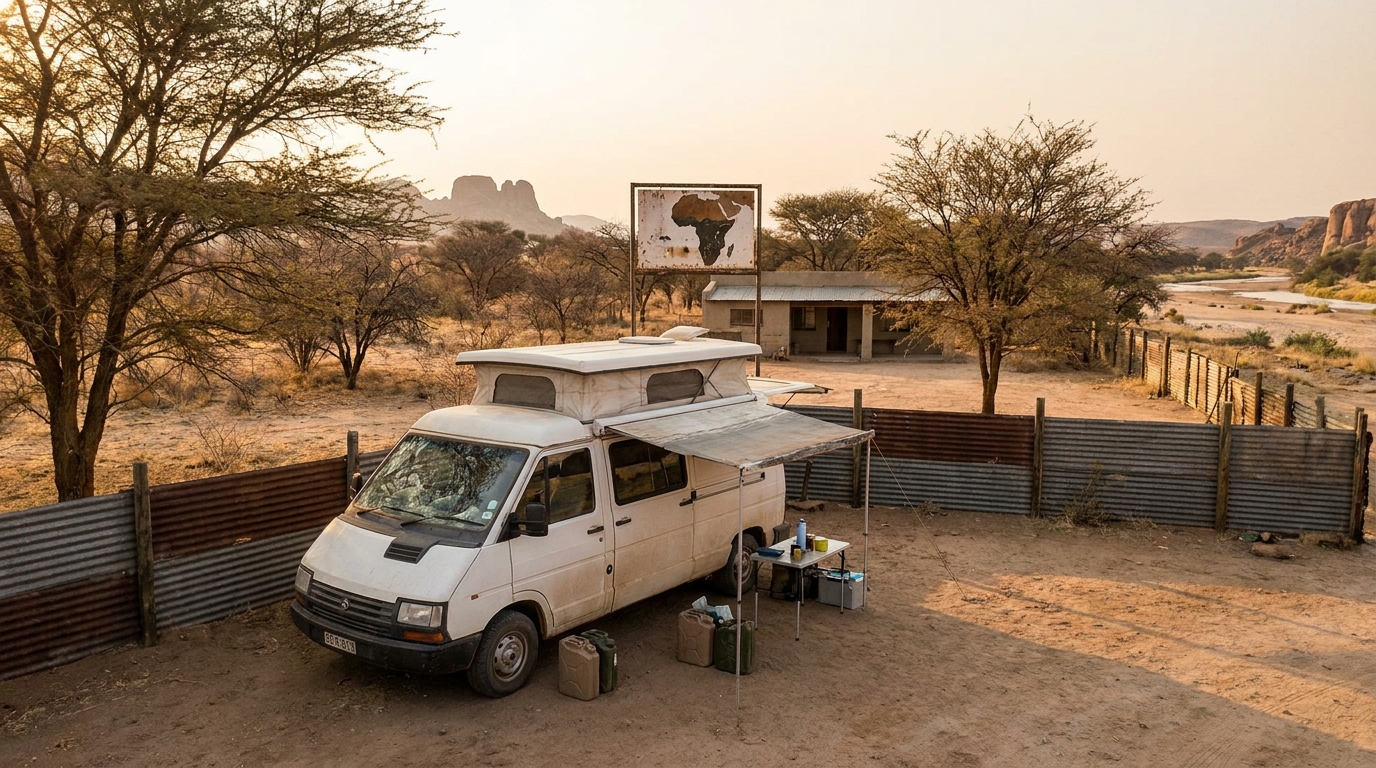
Where to Camp in Africa — Top Options
When planning your weekly RV rental adventure across Africa, several countries stand out for their exceptional RV-friendly infrastructure and breathtaking landscapes. South Africa is a prime destination, boasting well-developed road networks and a plethora of national parks and private campgrounds. Highlights include the iconic Kruger National Park for unparalleled wildlife viewing, the scenic Garden Route with gems like Tsitsikamma National Park, and the majestic Drakensberg Mountains offering stunning vistas and hiking opportunities. The RV Rental Africa - Complete Guide 2026 offers more insights into these regions.
Namibia beckons with its dramatic desert scenery and abundant wildlife, featuring national parks like Etosha, known for its vast salt pan and waterholes attracting diverse animals, and Sossusvlei, famous for its towering red sand dunes. The Fish River Canyon, Africa's second-largest canyon, also offers a unique RV camping experience. While many roads are gravel, they are generally well-maintained, making them accessible for most RVs, though 4x4 capabilities are beneficial for deeper exploration.
Further north, Botswana offers premier safari experiences, particularly in Chobe National Park and the fringes of the Okavango Delta. These areas are renowned for incredible wildlife concentrations, but it's essential to note that deeper exploration often requires 4x4-capable RVs or truck campers due to the challenging, sandy terrain. For those seeking cultural immersion alongside natural beauty, Morocco presents a different facet of African RV travel, with the Atlas Mountains and Sahara Desert offering unique landscapes and experiences. While infrastructure can differ from Southern Africa, Morocco is increasingly RV-friendly, especially for European travelers exploring its diverse offerings.
Campground Types in Africa (National, Private, Wild)
Africa offers a diverse range of camping experiences for your weekly RV rental, primarily categorized into national park campgrounds, private campgrounds, and managed wilderness sites, with 'wild camping' generally being restricted. National Park Campgrounds are often situated within wildlife reserves, providing direct immersion in nature and excellent opportunities for game viewing. Amenities can vary significantly, from basic ablution blocks to more developed facilities with electricity and water hookups. These sites are ideal for experiencing the continent's raw beauty.
Private Campgrounds and Resorts are typically found closer to towns and cities, offering a more extensive range of amenities. Expect features like swimming pools, on-site restaurants, laundry services, and enhanced security, often at a higher price point. These are great options when you need more creature comforts or a secure base for exploring nearby attractions. For a more remote, authentic experience, some countries offer Managed Wilderness Camps within national parks. These are more rustic but provide an unparalleled sense of solitude and connection with nature, though they usually require advance booking and may have more limited facilities.
It is crucial to understand that Wild Camping or Freedom Camping is generally illegal or heavily restricted across most of Africa, particularly within protected areas. This is due to significant safety concerns and the need to protect sensitive environments. Always seek explicit permission if you find an area where it might be tolerated, but it's best to rely on designated campsites for a safe and legal stay. Choosing the right campground type can significantly enhance your weekly RV adventure.
Featured RV Park or Campground in Africa
When selecting your base for a weekly RV rental, pay close attention to key features that ensure a comfortable and secure stay. Prioritize campgrounds offering security, such as fenced perimeters or on-site personnel, which is particularly important in some regions. Clean and well-maintained ablution facilities (showers and toilets) are essential for comfort, as is reliable water access; always confirm if the water is potable or be prepared with purification solutions. Research road conditions leading to your chosen site; some popular spots, especially those involving national parks, may require 4x4 vehicles or have challenging gravel sections, which can influence your RV choice. Consider your proximity to attractions – a campground can serve as a convenient base for exploring nearby national parks, cultural sites, or scenic routes, maximizing your experience.
Accessibility is a crucial factor. While many well-trafficked routes are paved, venturing into more remote areas might mean navigating unpaved gravel roads, especially during rainy seasons. Your chosen RV rental should match the expected terrain. Always consult online reviews and forums to gauge guest experiences regarding the campground's reputation, focusing on cleanliness, staff helpfulness, and overall safety. This research helps ensure your weekly RV rental is a pleasure, not a hassle. For instance, campsites within South Africa's national parks are generally well-managed, offering a good balance of accessibility and natural immersion.
Hookups and Amenities - What to Expect
When planning your weekly RV rental in Africa, understanding the available hookups and amenities is key to a smooth journey. Most established campsites provide electricity, typically at 220-240V (European standard). Be prepared to bring appropriate adapters, as plug types can vary (e.g., Type M in South Africa, Type G in some other regions). A surge protector is always a wise addition for safeguarding your RV's electronics. Water hookups are common at private campgrounds and many national park sites; however, always verify the potability of the water or carry your own purification solutions to be safe.
Dump stations for grey and black water are usually available at larger campgrounds and designated service points. However, in more remote areas, these can be sparse, so careful route planning is essential. While WiFi is becoming more common, especially at private resorts, it can be inconsistent. Consider purchasing a local SIM card for reliable mobile data. Most paid campgrounds offer hot showers, and laundry facilities are frequently found at private sites. Security is a priority for many campgrounds, with features like fenced perimeters, patrols, and controlled access enhancing safety for RVers. Many of the popular RV destinations in South Africa and Namibia, for example, offer good infrastructure. On the routes offered through RV PLANET routes, you can itemize and track every expense along the way for easy budgeting.
Booking Windows and Reservations in Africa
Securing your weekly RV rental and preferred campsites in Africa, especially during peak seasons, often requires planning well in advance. For popular national park campgrounds like those in Kruger or Etosha, and desirable private resorts, booking several months ahead is strongly recommended, particularly during the dry season (roughly May to October in Southern Africa) or around local holidays when demand is highest.
It's worth noting that many national park campgrounds strategically release only a portion of their spots—typically 25-30%—for advance reservations. The remaining spots are often available on a first-come, first-served basis. This can be a viable strategy for more flexible travelers, but it does carry the risk of arriving to find full occupancy. While advance booking is ideal for prime locations, you will almost certainly find a place to stay; if your first choice is full, the next campground along your route often has availability, especially if you're traveling outside of peak times or on less common routes.
To mitigate uncertainty, especially if you haven't booked ahead, it's always a good practice to call the campground or park office a day or two before your intended arrival to check on current availability and any specific conditions. For a full week's stay, securing a single base location or a series of consecutive bookings along a planned itinerary provides peace of mind and allows you to truly settle in and explore without the daily concern of finding your next overnight spot.
Nearby Supermarkets and Resupply Points
Strategic resupply is a crucial aspect of any extended RV journey, and Africa is no exception. In Southern Africa, you'll find major supermarket chains like Shoprite, Checkers, Pick n Pay, and Spar in larger towns. These stores offer a wide selection of groceries, fresh produce, and household items, making them reliable hubs for stocking up. Integrating fuel stops with supermarket visits is a good strategy, as major towns are typically the most reliable locations for both essential services.
For travel in North and West Africa, such as Morocco, larger chains like Carrefour and Marjane are key for provisions, though the variety of products might differ from what you find in Southern Africa. Local markets are also vibrant centers for fresh produce and unique regional items. In very remote or rural areas, however, your options may be limited to smaller general stores or roadside vendors with a more restricted stock. It's always advisable to stock up sufficiently on essentials, particularly potable water and ice, before heading off the beaten path, especially in hot climates or if you plan on any boondocking during your weekly RV rental.
Best RV Class for Camping in Africa
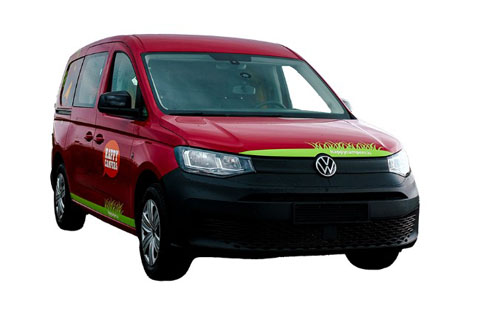
Choosing the right RV class for your African adventure is paramount for both comfort and practicality. A Class B Camper Van, typically averaging around 5.8 meters in length, is an excellent choice for navigating narrower roads and fitting into smaller campsites. These agile vehicles offer better fuel economy, often consuming 8-10 Liters/100 Km, and are ideal for adventurous couples or solo travelers. They are well-suited for exploring national parks and major routes, often accommodating 2-3 people comfortably.
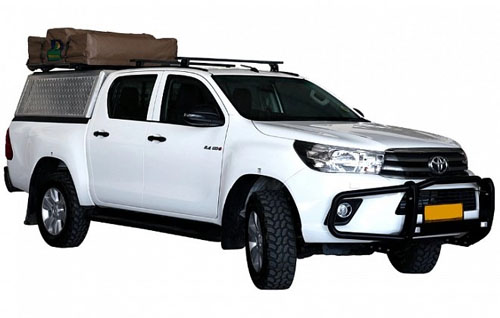
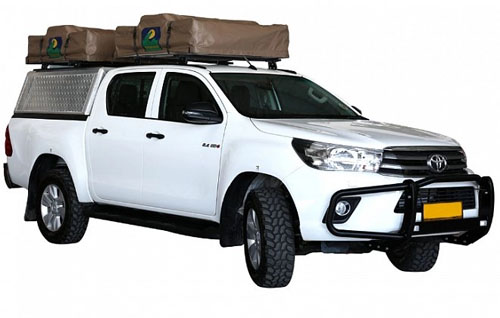
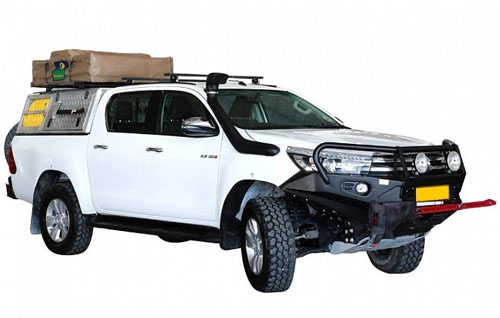
For a balance of space and maneuverability, a Class SI - Semi-integrated motorhome, usually around 6.9 meters in length, offers more living space and amenities than a camper van. These vehicles typically consume 10-11 Liters/100 Km and are an excellent option for families or small groups (averaging 3-4 sleeping places), providing versatility across varied African routes, including well-maintained gravel roads. While larger Class C or A motorhomes provide more interior space, their sheer size can be challenging on some of Africa's more varied road conditions. For those venturing into truly rugged terrain, Class TC - Truck Campers often come with 4x4 capabilities, offering superior off-road performance, though they might provide less living space compared to other classes.
How to Save on Campgrounds in Africa
Making your weekly RV rental more economical often involves smart campground choices. Inquire about discount cards or loyalty programs, which are sometimes offered by RV rental companies or regional tourism boards, potentially offering savings on nightly rates. Traveling during the shoulder season, such as April-May or September-October in Southern Africa, can also lead to lower campground fees, fewer crowds, and pleasant weather, making it a great time to explore.
Opting for municipal or regional campgrounds, which often provide more basic facilities than private resorts or premium national park camps, can significantly reduce costs. Many establishments also offer weekly rates; always ask if a discount is available for stays of a full week or longer, as this can make your rental period more affordable per night. If you're traveling with other RVs, some sites may allow sharing of hookups (like water or electricity) or offer group discounts. Finally, maximizing your RV's kitchen facilities by self-catering and cooking your own meals will dramatically cut down on overall travel expenses, allowing you to save more money over your week-long trip. For ideas you can prep on the road, watch our RV-friendly recipes playlist on YouTube.
How much does it cost to park a camper for a week
The cost to park a camper for a week in Africa can vary significantly based on location, amenities, and season. Generally, expect to pay between $10-$25 USD per night for basic sites within national parks. These sites often provide just a parking spot, potentially with shared ablutions and a water tap, translating to a weekly cost of approximately $70-$175 USD. This is a budget-friendly option for those prioritizing immersion in nature over extensive facilities.
Conversely, private resorts and commercial RV parks tend to be more expensive, typically ranging from $30-$70+ USD per night, due to their enhanced amenities. This means a week-long stay could cost anywhere from $210-$490 USD or more. Remember that costs also vary by country; South Africa and Namibia generally offer more developed, and thus pricier, camping options compared to some other African nations. Prices usually increase during peak tourist seasons, such as the dry season or local school holidays, and decrease during the off-season.
Always factor in potential national park entry fees, which are usually charged separately from campsite fees and are often calculated per person per day, plus a vehicle fee. These can add a significant amount to your weekly budget. Many campgrounds do offer slightly reduced rates for stays of a week or longer, so it's always worth inquiring when you make your booking to secure the best value.
Can you camp in Africa national parks
Yes, you can absolutely camp in Africa's national parks with a rented RV. Most prominent national parks across Southern and Eastern Africa, such as Kruger in South Africa, Etosha in Namibia, and Chobe in Botswana, feature well-established, designated campsites specifically equipped to accommodate RVs. These sites offer a fantastic opportunity to stay amidst incredible wildlife and scenery.
The amenities at these national park campsites can range from very basic, such as pit toilets and a water tap, to quite well-equipped with flush toilets, hot showers, and sometimes even electricity hookups. However, due to their popularity and limited capacity, especially in wildlife-rich areas, booking well in advance (months ahead for peak season) is often essential to secure a spot. Be aware that park entry fees are typically separate from campsite fees and are usually charged per person per day, plus a vehicle fee, which can add to your overall budget.
Strict rules and regulations apply within national parks to ensure safety and conservation. These typically cover noise levels, littering, feeding animals, and staying within designated areas. While official camps are generally safe, especially if fenced, it's crucial to follow park guidelines for securing food and valuables due to the presence of wildlife.
Which countries are RV friendly
Several African countries offer a welcoming and well-supported experience for RV travelers, making them highly RV-friendly. South Africa leads the way with excellent paved roads, particularly along routes like the Garden Route, a vast network of national parks managed by SANParks, and numerous private campgrounds. You'll find reliable fuel stations and large supermarkets readily available, facilitating easy travel and resupply.
Namibia is another superb choice, celebrated for its vast, open landscapes and generally well-maintained gravel roads, though 4x4 capability is recommended for deeper exploration. The country boasts excellent national park campsites managed by NWR (Namibia Wildlife Resorts) and a good selection of private lodges, making it ideal for self-sufficient RVers. Botswana offers incredible wildlife experiences, particularly in its northern parks like Chobe and the Okavango Delta region. However, be prepared for more challenging road conditions, often sandy, which makes 4x4 RVs or truck campers highly recommended for extensive exploration.
Morocco is an emerging RV destination, particularly popular with European travelers. It offers a good network of campsites and stunning cultural and natural attractions, with developing but generally suitable infrastructure for RVs. While other African countries may offer RV opportunities, they might have less developed infrastructure, fewer dedicated campgrounds, or more complex border crossing procedures, requiring more thorough research and preparation for your weekly RV rental.
Is wild camping in South Africa legal
Generally, wild camping on public land, beaches, or nature reserves without a permit is illegal in South Africa. Violators risk encountering fines or even arrest, making adherence to official, designated camping areas paramount for a safe and legal weekly RV rental experience.
Beyond the legalities, attempting to wild camp carries significant safety concerns. Isolated spots can make RVers vulnerable to theft and other criminal activities, especially given the crime rates in certain areas. You also expose yourself to potential wildlife hazards in rural locations. Furthermore, unmanaged wild camping can lead to environmental damage, contributing to increased restrictions and reinforcing the necessity of staying in designated areas.
South Africa boasts a comprehensive network of national parks (SANParks) and private campgrounds that offer safe, legal, and often scenic overnight stays for RVs. For a worry-free and responsible journey, prioritizing these established sites is the best approach to enjoying your rented RV.
Which country has the best campsites
Determining the "best" country for campsites often depends on individual preferences, but South Africa consistently ranks high due to its unparalleled range of options. From basic wilderness sites within Kruger National Park to luxurious coastal resorts along the Garden Route, South African campsites are renowned for their high standards of ablution facilities and well-developed infrastructure.
Namibia is celebrated for its campsites that are integrated into dramatic natural environments. Locations like Sossusvlei and Etosha National Park offer well-maintained sites designed with privacy in mind, often providing stunning desert or savanna views. While typically more rustic, Botswana's campsites, particularly in parks like Chobe, are considered among the best for an authentic, untamed wilderness experience. These sites are ideal for those seeking minimal amenities but maximum immersion in nature.
Morocco offers a growing number of 'aires' and basic campsites that cater specifically to RVers, providing good value and opportunities for cultural immersion. When considering the "best," weigh factors such as your desired level of luxury, the importance of pristine wilderness settings, accessibility, and specific wildlife viewing opportunities to make the ideal choice for your weekly RV rental.
How much is an RV campsite per night
The cost of an RV campsite per night in Africa can vary significantly, influencing your overall budget for a weekly rental. For a budget-friendly experience, basic sites in national parks or smaller municipal campgrounds might cost as little as $10-$25 USD per night. These typically provide just a designated spot, shared ablutions, and sometimes a water tap, offering a no-frills but often scenic overnight stay.
Most standard mid-range private campgrounds and well-equipped national park sites fall into the $25-$50 USD per night range. These usually include access to electricity, water, and decent shower facilities, striking a good balance between cost and comfort. For those seeking premium amenities, such as pools, restaurants, or guided tours, premium/luxury private resorts can cost $50-$70+ USD per night. Remember to also budget for national park entry fees, which are separate from camping fees and can add $15-$40+ per person per day, depending on the park.
While prices are generalized in USD, transactions will be in local currency. Always check current exchange rates. Importantly, many campgrounds offer a discount if you book for a full week, making a weekly RV rental more economical per night. Inquiring about these weekly rates can lead to significant savings.
What is the 3 3 3 rule for RV camping
The "3-3-3 rule" is a popular, informal guideline for RV camping that promotes a more relaxed and safer travel style, particularly beneficial for those on a weekly rental. It suggests: Drive no more than 300 miles a day. This guideline helps prevent driver fatigue and allows for unexpected delays common on African roads (like wildlife encounters or varying road conditions), ensuring the journey is enjoyable rather than rushed. It also aids in managing fuel consumption.
Secondly, Arrive by 3 PM. Reaching your destination in daylight allows ample time to find your campsite, set up your RV, survey your surroundings for safety and amenities, and address any issues before dark. This is crucial in Africa, where night driving can present unique challenges. Finally, Stay for at least 3 nights. This encourages a slower pace, reduces the time spent on setup and breakdown, and allows for deeper exploration of the area, maximizing relaxation and enjoyment.
While a helpful framework, this rule is adaptable. In areas with fewer attractions or more challenging roads, you might travel less or choose to stay longer, adjusting the guideline to fit your specific itinerary and preferences for your African RV adventure.
Is it safe to wild camp in South Africa
Wild camping in South Africa, while tempting for its potential for solitude, carries significant security risks. Isolated spots can make RVers vulnerable to theft and other criminal activities due to the varying crime rates in different areas of the country. It's generally not recommended for a safe and worry-free experience.
Furthermore, wildlife hazards can be encountered outside of protected areas, and wild camping offers no protection or designated safe zones. Within national parks, camping outside designated areas is strictly prohibited for your safety and the protection of wildlife. The lack of amenities associated with wild camping—such as potable water, sanitation, or electricity—also makes it challenging for extended stays and environmentally unsound.
For a weekly RV rental in South Africa, it is strongly recommended to prioritize staying in established, often fenced, and monitored campgrounds. These include national park sites and private resorts, which provide essential security, basic amenities, and much-needed peace of mind. Even within official campgrounds, maintaining vigilance, securing your vehicle, and having emergency contacts readily available are crucial steps for a safe journey.
What is the 4 4 4 rule for RV
The "4-4-4 rule" is an informal guideline for RV travel that's a variation of the more common "3-3-3 rule," aimed at promoting a more relaxed and safer travel style, particularly beneficial for those on a weekly rental. It suggests: Drive 4 hours maximum per day. This version emphasizes limiting driving to around 200-250 miles, helping combat fatigue and allowing for more leisurely travel on potentially variable African roads.
Secondly, Stop by 4 PM. Similar to the 3 PM guideline, this ensures ample daylight for finding and setting up your campsite, crucial for safety and avoiding nighttime wildlife encounters. This is particularly relevant in Africa where road conditions and wildlife presence can be unpredictable after dark. The final suggestion is to Stay 4 nights. Extending the stay duration slightly beyond the 3-night rule encourages more immersive exploration of an area, reduces the frequency of packing and unpacking, and provides a more settled base for your weekly rental.
This 4-4-4 rule is particularly well-suited for African travel, where challenging road conditions and the desire for deeper cultural and natural exploration align perfectly with a slower, more deliberate pace. It allows you to truly connect with the diverse landscapes and experiences the continent offers.
What You Shouldn't Miss
- Explore the Sani Pass: For the truly adventurous with a capable 4x4 RV, tackling the Sani Pass between South Africa and Lesotho offers breathtaking, albeit challenging, mountain scenery.
- Camp among Baobabs: Experience the surreal beauty of camping near ancient baobab trees in Botswana, some of which are thousands of years old and have unique historical significance.
- Witness the Namib Desert's Fairy Circles: Drive through Namibia's stark desert landscapes and marvel at the mysterious, perfectly circular patches of bare earth, a truly unique natural phenomenon.
- Encounter Wildlife on the Road: Be prepared for 'wildlife traffic jams' in parks like Kruger or Chobe, where herds of elephants, zebras, or other animals may halt your journey, always giving them the right of way.
- Drive the Garden Route (South Africa): This iconic coastal road offers stunning scenery, charming towns, and excellent RV-friendly campgrounds, perfect for a relaxed week-long exploration.
- Discover Etosha National Park (Namibia): Witness incredible wildlife congregations at the waterholes of this vast salt pan, offering unparalleled game viewing opportunities right from your RV.
Final Thoughts
Embarking on an RV adventure across Africa is an unparalleled way to experience the continent's diverse landscapes, incredible wildlife, and rich cultures. With careful planning, choosing the right vehicle, and understanding the local conditions, your weekly RV rental can be an incredibly rewarding and seamless experience.
Remember to embrace the spirit of slow travel, taking your time to truly connect with the places you visit. From the dramatic deserts of Namibia to the wildlife-rich plains of Botswana, Africa offers a journey that will stay with you long after you return home. Let Bandana Caravan help you find the perfect RV for your unforgettable African road trip.
Ready to start planning? Explore your options and compare prices easily through our platform to find the best weekly RV rental for your dream African adventure!