For live availability and current prices, start with our RV Rental Tokyo - Complete Guide 2026 guide.
In This Guide
- Top 5 Tips for RV Rental in Tokyo
- Before You Book - Class, Dates, Insurance
- Pre-Trip Prep - Packing Checklist for Tokyo
- On the Road - Driving, Fueling, Navigation
- At the Campground - Setup, Hookups & Etiquette
- RV Rental-Specific Tips for Tokyo
- Common Mistakes to Avoid in Tokyo
- Specific challenges and logistics of driving a large RV within Tokyo's city limits
- Detailed cost breakdowns for RV travel in Japan/Tokyo
- Comprehensive guidance on 'Michi-no-eki' (roadside stations)
- Cultural nuances of RV travel in Japan
- Practical advice specifically for foreign RV travelers
- Seasonal considerations for RVing around Tokyo
- Strategies for visiting Tokyo's main attractions when traveling by RV
Top 5 Tips for RV Rental in Tokyo
Planning a successful RV adventure in Tokyo, even for a short duration, requires thoughtful preparation to make the most of your time. For live availability and current prices, start with our RV Rental Tokyo - Complete Guide 2024. Firstly, booking your rented RV well in advance, especially for popular times or holidays, ensures optimal availability and potentially better rates, with many securing their bookings 3-6 months prior. Secondly, while smaller campervans offer excellent maneuverability in Tokyo's urban landscape, allowing easier navigation and parking, remember that you can drive almost anywhere without issues by simply driving slowly, carefully, and using common sense. Thirdly, familiarizing yourself with Japan's extensive toll road system and considering an ETC card for smoother, potentially discounted, travel will save you time and hassle. Fourthly, understanding the etiquette for 'Michi-no-eki' (roadside stations) is crucial; they are excellent for rest and overnight stays but not intended for extensive camping setups like awnings or outdoor seating. Finally, planning to park your RV on the city's outskirts, such as at campgrounds near Saitama or Chiba, and utilizing Tokyo's highly efficient public transport system for sightseeing within the metropolitan area, is a practical strategy for a seamless experience.Before You Book - Class, Dates, Insurance
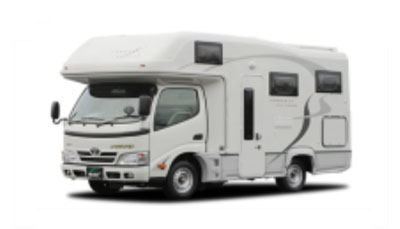
Choosing the right RV class for your Tokyo adventure involves balancing comfort with maneuverability, with compact campervans and Class C motorhomes generally preferred for navigating Japan's roads. For instance, a "Category Van" campervan is ideal for a couple, offering features like front air conditioning, a shower, and a toilet within a small footprint, typically under 6 meters in length. Larger Class C motorhomes, like the "rv rentals example Comfort Class," can accommodate up to 6 people with 3 double beds, a shower, and a toilet, offering more space but requiring more attention when driving. Locking in your rental dates, particularly during peak seasons like cherry blossom or autumn leaves, is crucial due to high demand and limited availability. Prices for an RV rental in Tokyo - Prices and Best Deals 2024 are dynamic and can fluctuate daily. Bandana RV, founded in 2001, has over 20 years of experience helping tens of thousands of travelers explore the world by RV, so you can trust our expertise in finding the perfect vehicle. Insurance options are generally straightforward, with basic coverage always included with your rental, ensuring peace of mind from the start. You can also upgrade to a top-level deductible reimbursement for extra peace of mind, covering potential damages up to a specified amount. To see prices including the most comprehensive coverage, simply select that option during your search on Bandana RV; all relevant insurance options will then be clearly displayed. We believe in full transparency: no hidden fees, no surprises. What you see is what you get, reflecting our founder Avi Bandana's philosophy.Pre-Trip Prep - Packing Checklist for Tokyo
A well-prepared packing checklist for your Tokyo RV rental ensures a smooth and enjoyable trip, covering essentials for climate, comfort, and safety, allowing you to focus on the experience.- Layers of clothing suitable for varied temperatures, as weather can change quickly even within a single day.
- Rain gear (light jacket, umbrella) due to potential sudden showers, especially during summer and typhoon seasons.
- Comfortable walking shoes for exploring attractions, as you'll likely be doing a lot of walking.
- Basic cooking utensils and a compact stove if your rented motorhome lacks a full kitchen, allowing for easy meals on the go. Many of our rented motorhomes, like the "cruise america rv rental example Explorer," come with a gas stove and refrigerator, ideal for preparing delicious meals. For inspiration on what to cook, check out our RV-friendly recipes playlist.
- Reusable water bottles and bags to reduce waste, aligning with Japan's emphasis on cleanliness and environmental consciousness.
- Small towel and toiletries for personal hygiene, especially useful if using public onsen facilities.
- First-aid kit with essential medications, including any personal prescriptions.
- Portable power bank for electronic devices, ensuring your phone and camera are always charged.
- Headlamp or flashlight for navigating campgrounds at night.
- Valid International Driving Permit (IDP) alongside your home country's driver's license, as it is legally required for foreign drivers in Japan.
- Passport and visa (if required) for international travelers.
- RV rental booking confirmations and insurance documents, stored both digitally and in physical copies.
- Copies of all important documents stored separately from the originals, in case of loss or theft.
On the Road - Driving, Fueling, Navigation
Navigating Japan's roads in a rented RV requires specific awareness of driving on the left, understanding speed limits, and utilizing efficient navigation tools for a smooth journey. Driving in Japan follows left-hand traffic, with clear road signs that often include English translations, making navigation manageable for foreign drivers, but extra vigilance is always recommended, especially near major hubs like Shinjuku or Shibuya crossings. Speed limits are generally 100 km/h (62 mph) on expressways, 80 km/h (50 mph) on national highways, and 40-60 km/h (25-37 mph) in urban areas, with stricter enforcement than in some Western countries. Fueling up is straightforward at numerous service stations, which typically offer regular (レギュラー, *regyuraa*) and high-octane (ハイオク, *haioku*) gasoline; always confirm the correct fuel type for your rental motorhome to avoid issues. Many stations are full-service, especially outside major cities like Tokyo, where an attendant will pump your fuel. For navigation, modern GPS units provided by rental companies or smartphone apps like Google Maps offer reliable, real-time directions in English, often integrating toll road information effectively. It's a good idea to download offline maps before you set out, as cell service can be spotty in some mountainous regions surrounding Tokyo. For itemizing and tracking every expense along the way, RV PLANET routes are invaluable for easy budgeting.At the Campground - Setup, Hookups & Etiquette
Setting up your rented RV at a Japanese campground involves a systematic approach to ensure comfort and compliance with local etiquette, including proper hookup procedures and quiet hours. Upon arrival at a campground near Tokyo, such as one in the scenic Hakone area, you will typically check in at the reception desk to receive your site number and any specific campground rules or maps. Connecting utilities generally follows a standard order: first, park and carefully level your motorhome, then connect to electricity (many Japanese campgrounds offer 100V outlets, so check your RV's compatibility and bring an adapter if needed), then water, and finally, prepare your waste disposal systems. Observing campground etiquette, such as maintaining low noise levels, especially during designated quiet hours (often 9 PM to 7 AM), and keeping your site tidy, is highly valued in Japan. Respect for personal space and cleanliness is paramount. For finding campsites and campgrounds during your trip, we recommend using RV PLANET (rvplan.net) - a great resource for locating available spots along your route and planning your detailed itinerary.RV Rental-Specific Tips for Tokyo
Maximizing a short RV rental experience around Tokyo involves strategic planning to balance travel time with leisure and exploration, keeping in mind that Bandana RV focuses on enabling longer, more immersive trips. Consider destinations within a 2-3 hour drive from Tokyo to minimize travel time and maximize your stay at scenic locations, such as Hakone's volcanic landscapes, the serene Kawaguchiko area near Mt. Fuji, or the coastal beauty of the Izu Peninsula. This allows for more relaxed sightseeing and less driving, adhering to our recommendation to travel slowly, averaging 100-150 km per day. To make the most of limited time, pre-book popular campgrounds or activities to avoid last-minute availability issues, especially during peak weekend travel periods. Many national and state parks reserve only 25-30% of spots for advance bookings, with the rest available first-come, first-served. Reassure yourself: "You'll find a spot. If not at the first campground, then the next one. Call ahead before driving." Pack efficiently and light, focusing on essentials, to ensure quick setup and breakdown at various spots, allowing for more spontaneous stops and exploration without being burdened by excessive gear. For additional ideas, our "RV Travel Guide to Tokyo - Tips and Top Spots 2024" offers great insights.Common Mistakes to Avoid in Tokyo
Avoiding common pitfalls can significantly enhance your RV rental experience in Tokyo, ensuring a smoother journey and respecting local customs. A frequent mistake is attempting to drive a large motorhome directly into central Tokyo's dense areas, which often have narrow streets and extremely limited parking. Instead, park your rented RV on the outskirts of Tokyo, perhaps near a major train station like Tachikawa or Hachioji, and efficiently use the city's robust public transport system. Another common error is treating 'Michi-no-eki' (roadside stations) as full-service campgrounds; this is not their intended purpose, as they are primarily for rest, meals, and short overnight stays without extensive camping setups. Always avoid deploying awnings, outdoor tables, or chairs at these facilities. Instead of relying solely on English navigation, familiarize yourself with some basic Japanese road signs or ensure your GPS system has reliable English mapping capabilities to prevent confusion and missed turns, especially on the complex elevated expressways. Finally, to avoid fines or rental issues, ensure you possess a valid International Driving Permit (IDP) before arriving in Japan, as it is legally required for foreign drivers alongside your home country's driver's license. For details on related costs, our "Weekend RV Rental in Tokyo - Pricing 2024" guide offers useful information.Specific challenges and logistics of driving a large RV within Tokyo's city limits
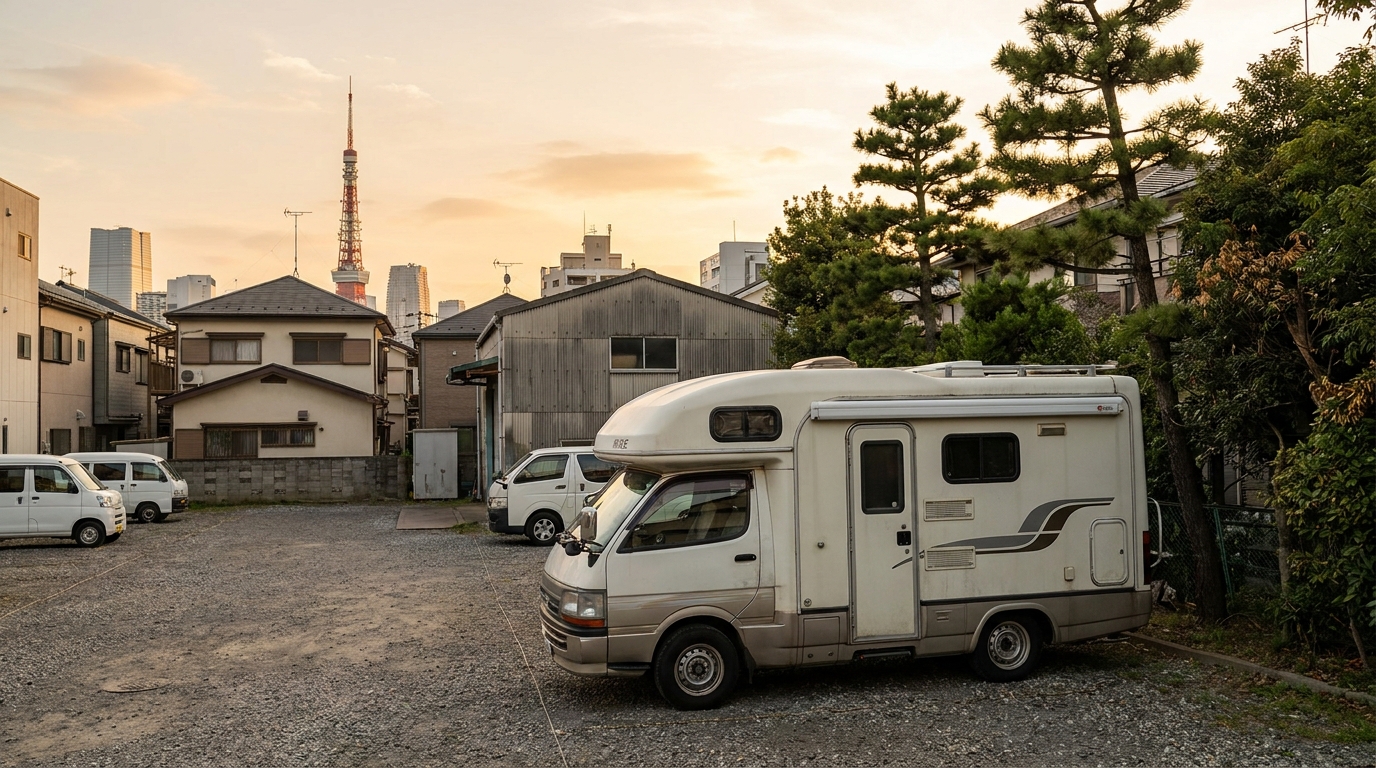
Driving a large RV within Tokyo's city limits presents unique challenges primarily due to the city's narrow streets, limited parking, and intricate urban traffic regulations, making careful planning essential. Many roads in Tokyo, especially in residential areas or older districts like Yanaka or Kagurazaka, are considerably narrower than those in other countries, requiring precise maneuvering even for smaller RVs like a Class B campervan. Furthermore, finding suitable parking for a large motorhome in Tokyo is exceptionally difficult, as most parking facilities are designed for smaller passenger vehicles, making public transport from peripheral parking a necessity for central sightseeing. Urban traffic regulations include strict no-entry zones for certain vehicle sizes, height restrictions in tunnels and underpasses (e.g., under the Metropolitan Expressway), and complex intersection rules, all of which demand constant vigilance from RV drivers. Even within designated parking areas, spaces might be too short or too narrow for vehicles exceeding 5-6 meters in length. For these reasons, many RV travelers opt to keep their rented motorhome outside the core city, enjoying a stress-free experience by relying on Japan's excellent train and subway networks.Detailed cost breakdowns for RV travel in Japan/Tokyo
A detailed cost breakdown for RV travel in Japan/Tokyo encompasses significant expenses for toll roads, fuel, and varying campground fees, which are crucial for accurate budget planning for your RV Rental Japan - Complete Guide 2024. Toll road expenses in Japan are notably high on expressways, such as the Tomei Expressway or Metropolitan Expressway, and often form a substantial part of the travel budget; for example, a trip from Tokyo to Mt. Fuji can incur ¥3,000-¥5,000 ($20-$35 USD) in tolls alone. An ETC (Electronic Toll Collection) card, often available through rental suppliers, can offer convenience and minor discounts, typically saving around 5-10% on tolls. Fuel costs in Japan are generally higher than in many Western countries, currently averaging around ¥170-¥185 ($1.15-$1.25 USD) per liter for regular gasoline. A mid-sized Class C motorhome might consume 10-15 liters per 100 km, quickly adding up over an extended road trip. Campground fees vary widely across different types of sites, ranging from free overnight parking at some Michi-no-eki (roadside stations) to ¥3,000-¥8,000 (approx. $20-$55 USD) per night for full-service sites at private campgrounds such as Fumotoppara or near Lake Kawaguchiko. Additionally, don't forget costs for groceries, propane, and occasional dump station fees (approx. ¥500-¥1,000). On the routes offered through RV PLANET, travelers can itemize and track every expense along the way for easy budgeting. For more financial insights, consult our "Cheap RV Rental in Tokyo - Budget Guide 2024".Comprehensive guidance on 'Michi-no-eki' (roadside stations)
'Michi-no-eki' (roadside stations) offer comprehensive facilities and serve as vital rest stops across Japan, intended primarily for short breaks rather than extensive camping, with over 1,000 official stations nationwide. The intended use of Michi-no-eki is for travelers to rest, use clean 24-hour restrooms, purchase local products from farmer's markets, and access restaurants or cafes, not as a substitute for traditional campgrounds with full hookups. These stations are a highlight of Japanese RV travel, providing a glimpse into local culture and cuisine. Actual etiquette for overnight stays by RVers at Michi-no-eki dictates a respectful approach: avoid setting up extensive camping gear such as awnings, tables, and chairs outside your rented campervan, maintain quiet hours (usually from 9 PM to 7 AM), and ensure proper waste disposal by using designated bins or carrying out your trash. While some allow overnight parking for a restful sleep, they are not designed for long-term stays. Specific facilities they offer typically include 24-hour restrooms, local souvenir shops, restaurants or cafes featuring regional specialties, sometimes showers (for a small fee), and often charging stations for electric vehicles or phones, providing essential amenities for all travelers.Cultural nuances of RV travel in Japan
Understanding the cultural nuances of RV travel in Japan, such as proper waste disposal, noise etiquette, and respectful interaction, is key to a harmonious and enjoyable trip in your rented motorhome. Proper waste disposal is paramount in Japan; always separate trash diligently into designated categories (e.g., burnable, non-burnable, plastics, cans, bottles) and use specified disposal points or carry it out until you find appropriate facilities. Many public areas, including Michi-no-eki, have limited trash cans, so be prepared to hold onto your sorted waste. Noise etiquette at campgrounds and rest areas requires maintaining very low volumes, especially during quiet hours (typically 9 PM to 7 AM), to ensure a peaceful environment for all visitors. Japanese culture highly values tranquility and consideration for others, so loud conversations, music, or generator use are generally frowned upon. Respectful interaction with local communities and other travelers includes polite greetings ("Konnichiwa"), avoiding excessive public displays of affection, and generally being mindful of personal space and public order. When visiting temples, shrines, or private businesses, always be mindful of signage and local customs, removing shoes when required. Our "RV Travel Guide to Tokyo - Tips and Top Spots 2024" can help you navigate these social expectations.Practical advice specifically for foreign RV travelers
Practical advice for foreign RV travelers in Japan includes essential steps like securing an International Driving Permit, strategies for navigating in Japanese, and choosing reputable rental companies to ensure a seamless experience. International Driving Permit (IDP) requirements are strict; foreign travelers must obtain an IDP in their home country before arriving in Japan, as it is legally mandated alongside their original license, which must be carried at all times. Without an IDP, you cannot legally drive a rented RV in Japan. Strategies for navigating in Japanese involve utilizing GPS systems with English voice commands and display, learning key directional phrases (e.g., "Migi" for right, "Hidari" for left), and recognizing common road signs often depicted with universal symbols. Many rental motorhomes come equipped with English-friendly navigation, or you can use smartphone apps. A deeper dive into reputable rental companies catering to non-Japanese speakers often reveals providers who offer English-language support, comprehensive insurance options, and detailed vehicle orientations, such as Bandana's direct partnerships with 50+ leading RV suppliers worldwide including familiar names like Apollo. We also offer bookings in 30+ currencies with full price transparency – no hidden fees, no conversion commissions, making your planning straightforward.Seasonal considerations for RVing around Tokyo
Seasonal considerations for RVing around Tokyo significantly impact trip planning, from managing crowds during popular seasons to preparing for adverse weather conditions, ensuring a more comfortable journey. Managing crowds during cherry blossom season (late March to early April) requires booking rented RVs and campgrounds far in advance, as popular viewing spots around Tokyo and nearby regions like Hakone become exceptionally busy, with campground spots filling up quickly. Similarly, autumn leaves season (October to November) also draws large crowds seeking vibrant foliage. Preparing for typhoon season (typically August to October) involves closely monitoring weather forecasts and having contingency plans, as heavy rains and strong winds can affect travel and road conditions, potentially leading to road closures. Specific driving advice for winter conditions in surrounding mountainous areas, such as Hakone or the Japan Alps, includes preparing for snow and ice, potentially requiring snow tires or chains, and choosing RVs equipped for cold weather (though many rental motorhomes will be sufficiently equipped). However, within Tokyo's immediate urban area, heavy snow is rare. For comprehensive planning, our "RV Rental Japan - Complete Guide 2024" provides more seasonal details.Strategies for visiting Tokyo's main attractions when traveling by RV
Effective strategies for visiting Tokyo's main attractions when traveling by RV revolve around parking outside the city center and efficiently utilizing its extensive public transport system, making your exploration stress-free. Practical advice on where to park your rented RV *outside* the city center includes seeking out large parking lots at major train stations on Tokyo's periphery, such as those in Saitama or Chiba prefectures, or booking a campground within a reasonable distance, like the Shiki no Mori Park campground. From these locations, you can easily access train or subway lines. Efficiently utilize Tokyo's extensive public transport system by parking your motorhome and taking trains or subways into central areas, which are far more efficient and convenient for navigating the city's bustling districts like Shibuya, Shinjuku, or Ginza. JR lines and Tokyo Metro offer passes that can save you money over several days of sightseeing. Research public transport routes from your chosen RV parking spot to your desired attractions beforehand using apps like Google Maps or Japan Transit Planner, considering day passes for unlimited travel on specific lines to maximize your short adventure in Tokyo.What You Shouldn't Miss
- **Mount Fuji & Kawaguchiko:** Take your rented campervan on a scenic drive to the Fuji Five Lakes region, just a couple of hours from Tokyo. Kawaguchiko offers stunning views of Mount Fuji, lakeside activities, and numerous RV-friendly campgrounds.
- **Hakone National Park:** Explore the beautiful volcanic landscapes, hot springs (onsen), and the iconic torii gate floating on Lake Ashi in Hakone. Park your motorhome on the outskirts and use the Hakone Free Pass for local transport.
- **Japanese Onsen Experience:** Seek out an RV-friendly onsen near Tokyo. Many Michi-no-eki and campgrounds, especially in the Izu Peninsula, are located close to natural hot springs, allowing you to relax and immerse yourself in this quintessential Japanese tradition.
- **Ghibli Museum (Mitaka):** For families, a visit to the whimsical Ghibli Museum in Mitaka, a western suburb of Tokyo, is an unforgettable experience. Book tickets far in advance! Parking for larger vehicles is limited, so consider public transport from a nearby RV park.
- **Nikko National Park:** Head north to Nikko, a UNESCO World Heritage site known for its opulent shrines and temples set amidst beautiful natural scenery. The drive is roughly 2.5-3 hours from Tokyo, perfect for a day trip or an overnight stay in your rented RV.
Final Thoughts
An RV rental in Tokyo offers a unique and flexible way to explore not just the bustling metropolis, but also the incredible natural beauty and cultural richness of the surrounding regions of Japan. Imagine waking up to the sight of Mount Fuji from your motorhome, enjoying a home-cooked meal prepared in your campervan kitchen, and then venturing out to explore ancient temples or relaxing in a traditional onsen. While navigating Tokyo's urban areas requires careful planning and a smaller vehicle, the freedom of a mobile home allows you to truly immerse yourself in the Japanese experience. Remember, Bandana RV is here to support you every step of the way, from comparing options and booking your ideal campervan to providing expert advice for your journey. We handle the details, so you can live the journey, creating unforgettable memories on the road. So, whether you're planning a short adventure or an extended road trip, let Bandana RV help you discover the magic of Japan by motorhome. Find Motorhome Rentals in TokyoOn the routes offered through RV PLANET routes, you can itemize and track every expense along the way for easy budgeting.