For live availability and current prices, start with our RV Rental Spain - Complete Guide 2026 guide.
In This Guide
- Top 5 Tips for weekend rv rental RV Rental in Spain
- Before You Book — Class, Dates, Insurance
- Pre-Trip Prep — Packing Checklist for Spain
- On the Road — Driving, Fueling, Navigation
- At the Campground — Setup, Hookups & Etiquette
- Spain-Specific Tips for a Weekend RV Rental
- Common Mistakes to Avoid in Spain
- How much does a weekend RV rental in Spain cost
- What are the best themed itineraries for a weekend RV trip in Spain
- What are the best camping options for RVs in Spain including wild camping
- What are the practical logistics for RV travel in Spain
- How can I ensure safety and security during my RV trip in Spain
- What are the tips for RVing with family and pets in Spain
- What are the benefits of off-season RV travel in Spain
- How can I experience authentic local culture during my RV trip in Spain
Top 5 Tips for weekend rv rental RV Rental in Spain
Embarking on a weekend RV adventure in Spain is an excellent way to experience the country's diverse landscapes and vibrant culture. For a successful short trip, consider these essential tips to maximize your experience and minimize stress. This guide is part of our comprehensive RV PLANET resources, designed to help you plan unforgettable journeys.
- Book early, especially for summer weekends. Spain is a popular destination, and booking your rented RV and popular campsites 3-4 months in advance is advisable to ensure availability, particularly during peak seasons like summer or around major festivals.
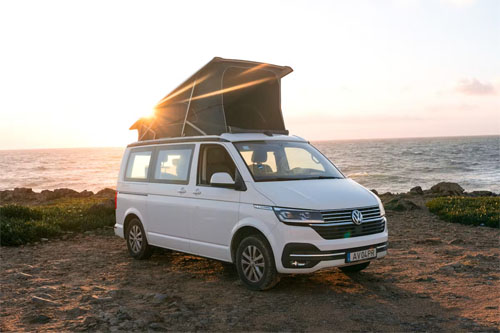
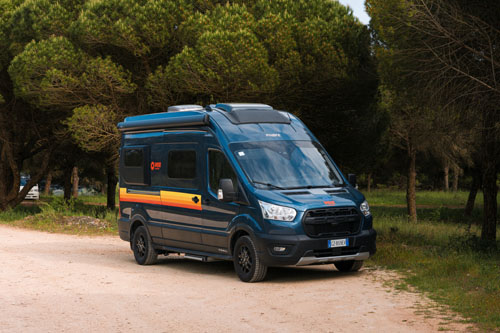
- Choose a compact RV for easier navigation on Spanish roads. While larger motorhomes offer more space, consider a smaller campervan or Class C motorhome for a weekend trip. Their more compact size, similar to models like the V3 or Active Classic, makes maneuvering through historic town centers and on narrower roads much simpler.
- Factor in tolls and fuel costs for your budget. Spain has an excellent network of toll roads ('autopistas') which can be faster but add to expenses. Budget for fuel, which is typically diesel ('gasóleo') for RVs, and be aware of potential toll charges, which can add €10-€30 per 100km on major routes.
- Utilize motorhome 'aires' (service points) for convenient overnight stays. Beyond traditional campgrounds, Spain has numerous 'áreas de autocaravanas' or motorhome service points. These are often free or low-cost and offer essential services like water refills and waste disposal, making them ideal for efficient weekend travel. Apps like Campercontact or Park4night are invaluable for locating these.
- Learn a few basic Spanish phrases to enhance local interactions. While many people in tourist areas speak English, knowing simple phrases like 'Hola' (Hello), 'Gracias' (Thank you), 'Por favor' (Please), and 'Cuánto cuesta?' (How much does it cost?) can significantly enhance your interactions with locals and lead to more authentic experiences.
Before You Book — Class, Dates, Insurance
Selecting the right RV class and understanding booking details are crucial for a successful weekend trip in Spain. Your choice will impact comfort, maneuverability, and overall budget.
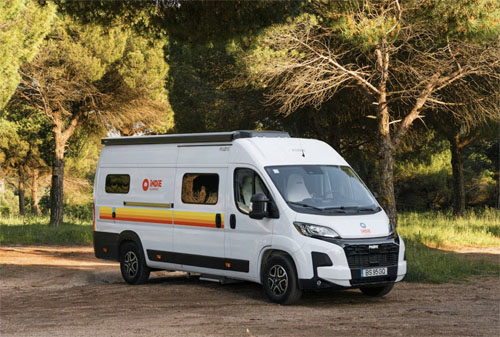
- Select an RV class that matches your group size and comfort preferences for a weekend trip; smaller campervans are often ideal for short, agile excursions. For a weekend getaway, consider the maneuverability and ease of parking offered by smaller vehicles. A campervan, like the Cat A - Optimist, or a compact motorhome such as the V2L, can provide a comfortable experience for couples or small families without the bulk of larger models.
- Lock in your rental dates as early as possible, especially if traveling during popular Spanish festivals or summer weekends, to ensure availability and potentially better rates. Spain's popular travel periods, like summer weekends or local festivals, see high demand for RV rentals. Booking several months in advance is highly recommended to secure your preferred vehicle and potentially benefit from early booking discounts.
- Consider the various insurance options available for your RV rental in Spain to protect against unforeseen circumstances, noting that basic third-party liability is usually included. Rental agreements typically include basic third-party liability insurance. For added peace of mind, you can usually upgrade to more comprehensive coverage, which might include collision damage waivers or reduced deductibles. Always review the specific insurance details provided by the rental company.
- Insider tip: Basic insurance is always included. To see prices including the most comprehensive coverage, select that option during search — then all relevant insurance options will be shown. When comparing prices, ensure you understand what level of insurance is included. Bandana Caravan allows you to easily compare final prices across suppliers, ensuring what you see is what you pay, with no surprise fees at pickup.
Pre-Trip Prep — Packing Checklist for Spain
Proper packing is key to a comfortable and enjoyable weekend RV trip in Spain. Focus on essentials to keep your mobile home tidy and your journey hassle-free.
- Pack lightweight, breathable clothing suitable for Spain's climate. Depending on the season, Spain's weather can range from hot and sunny to cool and rainy. Layers are always a good idea, and quick-drying fabrics are practical for RV travel. Don't forget comfortable walking shoes, as you'll likely be doing a lot of exploring on foot.
- Include basic kitchen essentials and non-perishable food items. While many RV rentals come equipped with basic cooking gear, consider bringing your favorite spices or a few non-perishable staples to get you started. This saves time and money on your first day, allowing you to hit the road sooner. You can find RV-friendly recipes playlist for inspiration.
- Ensure all necessary safety and emergency items are on hand. This includes a first-aid kit, flashlight, basic tool kit, jumper cables, and any personal medications. Familiarize yourself with your RV's safety features, such as fire extinguishers and smoke detectors.
- Organize essential documents for easy access during your trip. Keep your driver's license, passport copies, RV rental agreement, insurance details, and any booking confirmations organized in a waterproof pouch or folder. Digital copies are also a good backup.
On the Road — Driving, Fueling, Navigation
Navigating Spain in a rented RV offers incredible freedom, but it's important to be prepared for local driving conditions, fueling procedures, and effective navigation.
- Familiarize yourself with Spanish road signs and speed limits before you depart; speed limits can vary significantly by road type. Generally, on 'autopistas' (motorways), the limit is 120 km/h, 90 km/h on national roads ('carreteras nacionales'), and 50 km/h in urban areas. RVs may have slightly lower indicated limits, so always pay attention to road signs.
- Understand that toll roads ('autopistas') are common in Spain and offer faster travel, while national roads ('carreteras nacionales') are often scenic but slower. For efficient weekend travel, prioritize 'autopistas', but don't hesitate to use national roads for a more scenic experience, especially if time is not a critical factor. You can pay tolls with cash or card at booths.
- Locate fuel stations on your planned route, noting that diesel ('gasóleo') is the common fuel for RVs and self-service pumps are prevalent. Most fuel stations are well-equipped and easily accessible. 'Autoservicio' (self-service) is standard, so be prepared to pump your own fuel.
- Utilize a reliable GPS or mapping app with offline capabilities to navigate, as cell signal can be intermittent in rural areas. Apps like Google Maps or Waze are excellent, but downloading offline maps for Spain is essential for reliable navigation, especially in mountainous or remote regions.
- Be aware that some historic city centers have restricted access zones ('ZBEs') for certain vehicles, including RVs, so plan parking on the outskirts. Many Spanish cities implement Low Emission Zones ('Zonas de Bajas Emisiones') or have restrictions on larger vehicles in their historic centers. Research these zones for your intended destinations and plan to park your RV in designated areas outside the city center, utilizing public transport or walking for exploration.
At the Campground — Setup, Hookups & Etiquette
Setting up your RV at a campground or 'aire' and adhering to local etiquette ensures a pleasant stay for everyone.
- Upon arrival at a Spanish campground or motorhome aire, select a suitable pitch that offers level ground and easy access to services. Look for marked pitches or areas designated for RVs. Ensure your site is relatively level to avoid issues with appliances and water drainage.
- Connect your RV to electrical hookups (if available) using an adapter, then attach your fresh water hose, and finally, your grey water drainage hose. Most sites provide 'EHU' (Electrical Hook-Up) points. Ensure you have the correct adapter for Spanish outlets. Connect water and electricity before managing waste water ('grey water').
- Adhere to quiet hours, typically observed from late evening until morning, by minimizing noise from generators, loud conversations, and music. Spanish campgrounds generally observe quiet hours, often from 10 PM to 8 AM. Be mindful of your noise levels during these times to respect other campers.
- Dispose of waste responsibly at designated points; chemical toilets should be emptied only at 'WC Químico' or 'Punto de Vaciado' stations. Never dispose of chemical toilet waste ('black water') indiscriminately. Look for designated 'WC Químico' or 'Punto de Vaciado' (emptying point) stations at campgrounds or service areas.
- Always leave your pitch clean and tidy, respecting the natural environment and other campers. Practice 'Leave No Trace' principles. Pack out all your rubbish, keep your campsite tidy, and ensure you leave the area as you found it, or better.
Spain-Specific Tips for a Weekend RV Rental
Making the most of a weekend RV trip in Spain involves strategic planning to cover ground efficiently while still enjoying the experience.
- Optimize your route for shorter distances and fewer stops to maximize time at your destination, given the limited weekend timeframe. For a weekend trip, focus on exploring one region or a cluster of nearby attractions to avoid spending too much time driving.
- Pack pre-prepared meals or easy-to-cook ingredients to save time on cooking and allow for more exploration. Minimize time spent on complex meal preparation. Opt for simple, quick meals or pack some items from home to enjoy more time exploring your destination.
- Consider booking popular campsites or motorhome aires in advance, especially for weekend trips during peak season, as they fill up quickly. Popular 'aires' and campsites, especially in coastal areas or during holidays, can fill up fast on weekends. Booking ahead is a smart move to avoid disappointment and stress.
- Focus on one region or a specific themed itinerary for a weekend to avoid rushing and truly enjoy the experience. Instead of trying to see too much, concentrate on a specific theme, like wine tasting in La Rioja or exploring the 'Pueblos Blancos' in Andalusia. This allows for a more relaxed and immersive experience.
- Leverage apps like Campercontact or Park4night to quickly find nearby overnight parking and service points, crucial for efficient weekend travel. These apps are indispensable tools for RV travelers in Spain, helping you locate essential services and overnight spots, especially for spontaneous stops or when popular areas are full.
Common Mistakes to Avoid in Spain
Avoiding common pitfalls can significantly enhance your weekend RV adventure in Spain.
- Overpacking for a short trip can reduce fuel efficiency and make your RV feel cramped; instead, pack only essentials. Resist the urge to bring everything. Pack light, focusing on essentials, to ensure a more comfortable and fuel-efficient journey.
- Not booking campsites or motorhome aires in advance during high season can lead to stress; instead, secure your spots beforehand, especially for popular coastal areas. Popular locations, particularly along the coast and during peak season, fill up rapidly on weekends. Booking ahead is key to a stress-free experience.
- Ignoring toll roads to save money might extend travel time significantly; instead, use a combination of autopistas and national roads to balance speed and scenery. While toll-free roads can be scenic, they can also significantly increase travel time on a short weekend trip. Plan your route to balance cost and efficiency.
- Underestimating the Spanish siesta closing times for shops and services; instead, plan your errands and shopping for mornings or late afternoons. Many smaller shops and some services close for a few hours in the afternoon for 'siesta'. Plan your shopping and errands around these times to avoid disappointment.
- Failing to research local driving regulations, especially concerning city access; instead, check for ZBEs (Low Emission Zones) and specific parking rules in urban areas. Always research parking regulations and potential Low Emission Zones ('Zonas de Bajas Emisiones') in cities to avoid fines and ensure smooth navigation.
How much does a weekend RV rental in Spain cost
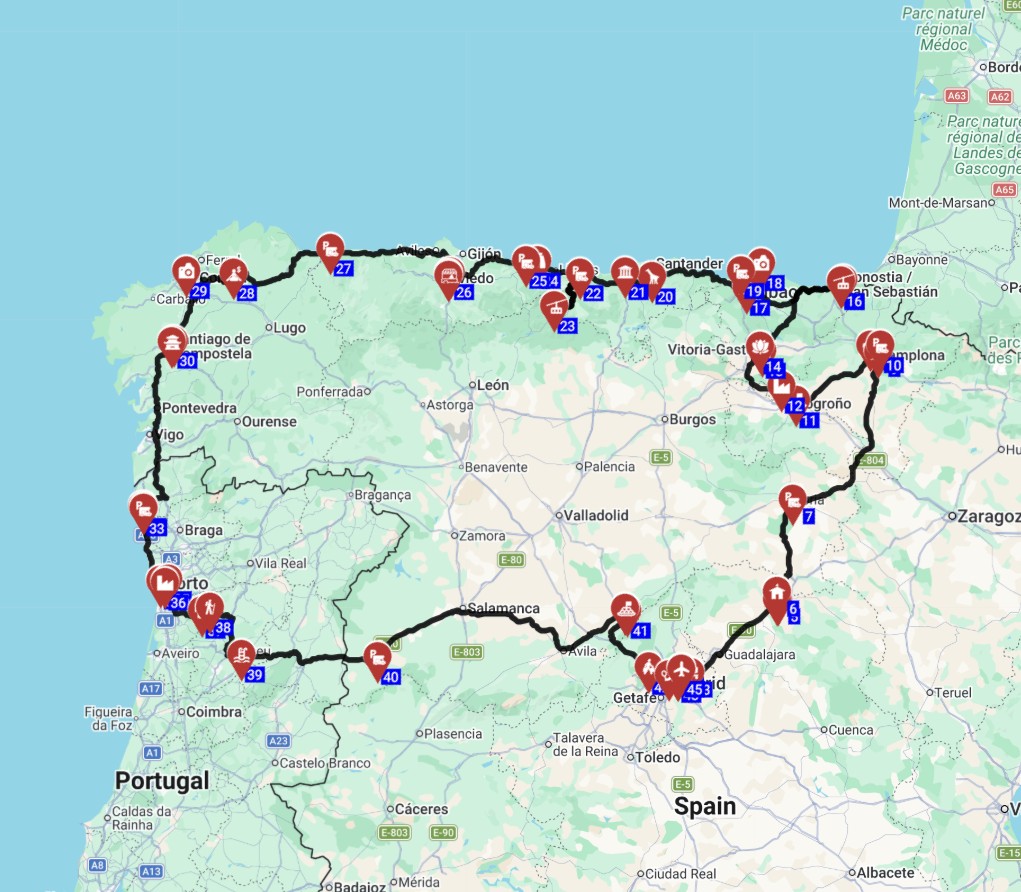
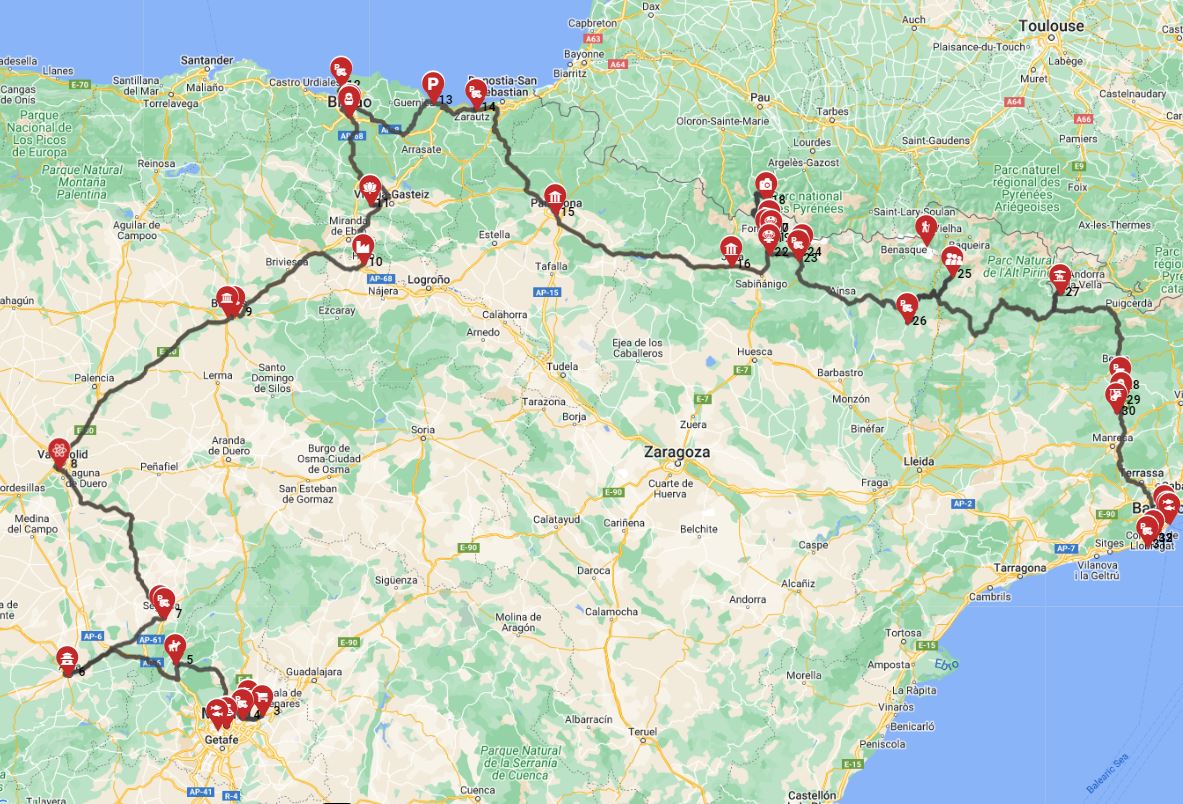
Understanding the costs involved in a weekend RV rental in Spain is essential for budgeting your trip. Prices can vary significantly based on vehicle type, season, and rental duration. On the routes offered through RV PLANET routes, you can itemize and track every expense along the way for easy budgeting.
- A weekend RV rental in Spain typically ranges from €150-€300 per night, depending on the RV class, season, and rental duration, with additional daily costs for fuel, tolls, campsites, food, activities, and potential unexpected expenses. For a typical Class C motorhome, expect daily rental rates in this range, with prices fluctuating based on demand and time of year.
- Expect higher rates during peak summer months (July-August) and national holidays, while shoulder seasons (April-June, September-October) offer better value. Booking during the shoulder seasons can provide substantial savings on rental costs and offer a more pleasant experience with fewer crowds.
- Spain's fuel prices can fluctuate, so budget approximately €0.10-€0.15 per kilometer for diesel, depending on your RV's efficiency and driving style. Fuel is a significant operational cost. The exact cost per kilometer will depend on the RV's fuel consumption and current fuel prices, but budgeting around €0.10-€0.15/km is a good estimate.
- Many Spanish highways are toll roads ('autopistas'), which can add €10-€30 per 100km, especially when traveling through popular routes like the AP-7 along the Mediterranean coast. For longer weekend trips, especially those covering significant distances, factoring in toll costs is important for accurate budgeting.
- Commercial campsites usually cost €20-€40 per night for an RV pitch with hookups, while dedicated motorhome 'aires' ('áreas de autocaravanas') are often free or charge a small fee of €5-€15 for parking and basic services. Opting for 'aires' can be a very cost-effective solution for overnight stays, especially for budget-conscious travelers.
- Budgeting €30-€50 per person per day for groceries and occasional restaurant meals allows for a comfortable culinary experience. Eating like a local, visiting markets, and enjoying 'menu del día' specials can be both affordable and authentic.
- Costs for activities vary widely, from free hiking trails to €10-€30 per person for museum entries or guided tours. Spain offers a wide range of activities, from free natural attractions to paid cultural experiences. Plan your budget based on your chosen activities.
- Always set aside a contingency fund of 10-15% for unforeseen mechanical issues, fines, or last-minute purchases. It's wise to have a buffer for unexpected expenses, ensuring peace of mind throughout your journey. For tracking all your expenses, the RV PLANET routes allow travelers to itemize and track every expense along the way for easy budgeting.
What are the best themed itineraries for a weekend RV trip in Spain
Spain's diverse regions lend themselves to fantastic themed weekend RV itineraries, catering to various interests from wine lovers to history buffs.
- The best themed itineraries for a weekend RV trip in Spain are tailored to specific interests, such as exploring historic routes, indulging in wine country, or enjoying family-friendly coastal escapes, each offering unique parking and activity opportunities. Tailoring your trip to your interests ensures a more rewarding experience, whether it's culinary delights, historical discovery, or natural beauty you seek.
- Wine Country Escape (La Rioja/Penedès): Focus on visiting vineyards, small bodegas for tastings, and picturesque towns like Haro (La Rioja) or Vilafranca del Penedès (Catalonia). Parking is often available at larger wineries or in municipal areas. Enjoy local gastronomy pairings. This itinerary is perfect for wine enthusiasts, offering a taste of Spain's renowned wine regions. Check winery websites for RV parking information.
- Historic Route Discovery (Andalusia - e.g., Ruta de los Pueblos Blancos): Explore charming white villages such as Ronda, Grazalema, and Zahara de la Sierra. RV parking is typically on the outskirts, with shuttle buses or walking into town centers. Discover artisan crafts and local festivals. This route immerses you in the quintessential white villages of Andalusia. Many have designated parking areas or 'aires' on their outskirts, making RV access manageable.
- Coastal & Nature Retreat (Costa Brava/Picos de Europa fringes): Spend time at scenic beaches or national parks. For Costa Brava, explore coves and charming fishing villages like Cadaqués, utilizing paid campsites or designated RV parking near towns. For mountainous regions like Picos de Europa (Asturias/Cantabria), enjoy hiking with campsites providing services. Seek out hidden swimming spots and traditional eateries. This option offers a blend of sea and mountains. Coastal areas often have well-equipped campsites, while mountainous regions provide opportunities for hiking and breathtaking views.
- Family-Friendly Adventure (Valencia/Catalonia Coast): Combine beach time with theme parks (PortAventura World near Tarragona or Ciudad de las Artes y las Ciencias in Valencia). Many coastal campsites are well-equipped for families. Look for specific RV parking for theme parks and family-friendly restaurants. Spain's coastlines offer numerous family-friendly attractions. Many campsites cater to families with pools and activities, and destinations like Valencia provide cultural and entertainment options.
What are the best camping options for RVs in Spain including wild camping
Spain offers a variety of camping options for RV travelers, from fully equipped commercial campsites to the more flexible, albeit regulated, practice of 'pernocta' (overnight parking).
- Spain offers diverse camping options for RVs, including well-equipped commercial campsites, convenient municipal sites, unique agri-camping experiences, and dedicated motorhome aires, while responsible wild camping is permitted only in specific, regulated circumstances. Your choice of camping will depend on your desired amenities and level of immersion. For finding available spots, RV PLANET routes can be a great resource.
- Commercial Campsites ('Campings'): These are abundant and offer a wide range of facilities including electricity, water, waste disposal, showers, pools, and sometimes restaurants or shops. They are best for families or those seeking amenities. These are the most traditional and amenity-rich options, providing all the conveniences of home and often swimming pools or entertainment.
- Municipal Campsites: Often simpler and more budget-friendly than commercial sites, run by local councils. They provide basic services and a more authentic, community feel. Many smaller towns and villages operate municipal sites that offer essential services at a lower cost, often with a more local atmosphere.
- Motorhome Aires ('Áreas de Autocaravanas'): These are designated parking areas specifically for motorhomes, often managed by local municipalities. They typically offer basic services like fresh water, waste disposal (grey and black water), and sometimes electricity, at a low cost or for free. Apps like Campercontact or Park4night are excellent for finding them. These dedicated motorhome areas are a cornerstone of RV travel in Spain, offering essential services conveniently and affordably.
- Agri-camping/Farm Stays: A growing trend, these allow RVers to stay on farms, vineyards, or rural properties, often in exchange for purchasing local products. It's an excellent way to experience local life and gastronomy. For a unique cultural experience, consider farm stays. They offer a direct connection to local produce and a glimpse into rural Spanish life.
- Wild Camping ('Pernocta'): While 'camping' outside designated areas is generally prohibited, 'pernocta' (overnight parking) in an RV is permissible in most places where car parking is allowed, provided you do not 'deploy' (set up tables, chairs, awnings) outside your vehicle. Always check local municipal regulations, as rules can vary, especially along coastlines and in protected natural areas. Practice 'Leave No Trace' principles: take all rubbish with you, do not disturb flora or fauna, and be discreet. Spain's approach to 'wild camping' is nuanced. Focusing on 'pernocta' and respecting local rules (no deploying outside the vehicle) can offer flexibility, but always prioritize designated sites where unsure.
What are the practical logistics for RV travel in Spain
Understanding the practicalities of RV travel in Spain, from driving norms to finding essential services, will ensure a smooth journey.
- Practical logistics for RV travel in Spain involve understanding the country's driving culture, navigating diverse road types, managing tolls, and effectively finding and utilizing service points for water and waste disposal. Being prepared for these aspects will make your travel much more enjoyable and stress-free.
- Spanish drivers can be assertive; maintain awareness, especially on roundabouts. Overtaking on two-lane roads is common. Always use your indicators. While Spanish driving can feel energetic, with awareness and defensive driving, navigating the roads in an RV is manageable. Always signal your intentions, especially on busy roundabouts.
- Spain has an excellent road network. Autopistas (A- or AP-) are multi-lane highways, often tolled, for fast travel. Carreteras Nacionales (N-) are main national roads, usually single carriageway. Carreteras Comarcales (C-) are smaller regional roads, often scenic. Be mindful of narrow streets in old town centers and winding mountain passes, where larger RVs may need extra caution. Plan your routes to take advantage of the good infrastructure, but be prepared for narrower, more challenging roads in older towns and mountainous areas.
- Most autopistas are tolled. You can pay with cash or card at booths. Consider a 'Via-T' electronic toll device for convenience, especially if planning extensive highway travel. 'Via-T' devices can simplify toll payments, particularly on longer journeys.
- Essential for fresh water, grey water emptying, and chemical toilet disposal. Utilize apps like Campercontact, Park4night, or search for 'área de autocaravanas' (motorhome area) or 'punto de vaciado' (emptying point). Many larger gas stations also offer services. Staying topped up with fresh water and managing waste are key. These apps are your best friends for finding these facilities efficiently.
- Generally, speed limits are 120 km/h on autopistas, 90 km/h on national roads, and 50 km/h in urban areas. RVs often have slightly lower limits, so check road signs. Pay close attention to posted speed limits, as they can vary by road type and vehicle size.
- Outside designated campsites or aires, RV parking is typically allowed wherever cars can park, provided the vehicle fits and no specific restrictions are posted. Avoid parking in residential areas for extended periods. When not at official sites, look for general parking areas. Be respectful of local communities and avoid long-term parking in residential zones.
How can I ensure safety and security during my RV trip in Spain
Prioritizing safety and security ensures a worry-free RV experience in Spain. Proactive measures can prevent most common issues.
- Ensuring safety and security during an RV trip in Spain involves proactive measures like securing your vehicle, being aware of common local scams, and knowing emergency procedures, allowing for a worry-free travel experience. A little preparation goes a long way in keeping yourself and your belongings safe.
- Always lock all doors and windows, even when present inside. Use additional security measures like steering wheel locks or alarm systems. When parked overnight, choose well-lit areas or designated campsites/aires, and consider parking with the rear of your RV facing a wall if possible to deter rear-door break-ins. Simple security practices, like locking up and choosing visible parking spots, are highly effective.
- Keep valuables out of sight, preferably in a hidden safe or on your person. Avoid leaving electronics, passports, or large sums of cash visible in the cabin. Make sure laptops, cameras, and even shopping bags are not visible through windows.
- Be wary of 'helpfulness' scams where someone attempts to distract you (e.g., claiming a flat tire, spilled coffee) while an accomplice attempts to steal from your RV. Politely decline unsolicited help and be vigilant. Common diversion tactics are used by thieves. Stay alert, especially at service stations or rest stops, and politely but firmly decline unsolicited attention.
- Carry relevant emergency numbers: 112 for general emergencies (police, ambulance, fire). Keep your rental company's roadside assistance number handy. Have copies of important documents (passport, driving license, RV rental agreement, insurance details) stored separately from the originals. Knowing who to call and having essential documents accessible are critical in emergencies.
- Adhere to speed limits, especially given Spain's winding roads and varied terrain. Take regular breaks to avoid driver fatigue. If traveling during summer, ensure your RV's AC is functioning well to prevent overheating. Responsible driving, including adhering to speed limits and taking breaks, is paramount. In summer, keeping the RV cool with working air conditioning is also a safety consideration.
What are the tips for RVing with family and pets in Spain
Traveling with family and pets in an RV through Spain can be incredibly rewarding with the right planning.
- RVing with family and pets in Spain requires specific considerations, including choosing pet-friendly rentals and campsites, planning kid-friendly activities, and adhering to local regulations for animals, ensuring a comfortable trip for all. Early planning ensures everyone, including furry friends, has a great time.
- Confirm that your chosen RV rental company allows pets and check specific campsite policies. Many campsites in Spain are pet-friendly, but some may have restrictions on dog breeds or require leashes at all times. Always verify pet policies with both the rental company and individual campsites.
- Ensure your pet has an up-to-date EU Pet Passport, microchip, and current vaccinations, especially for rabies, as required by Spanish law. Traveling internationally with pets requires proper documentation. Check the latest regulations for bringing pets into Spain.
- Spain can get very hot. Ensure your RV has adequate ventilation and consider an air-conditioned model. Never leave pets unattended in the RV on warm days, even for short periods. Protecting pets from heatstroke is critical. Ensure the RV is well-ventilated and never leave animals alone in the vehicle when temperatures rise.
- Integrate stops at playgrounds, beaches suitable for children, or nature reserves. Plan shorter driving days to prevent restlessness. Keep children entertained with frequent stops at places they'll enjoy. Shorter driving days make the journey more pleasant for everyone.
- Pack books, games, or tablets for downtime. Campsites often have pools and playgrounds, which are great for burning off energy. Variety is key for keeping kids engaged during travel and downtime.
- Bring your pet's bed, toys, and familiar food to reduce stress. Plan for regular exercise stops, allowing pets to stretch their legs and relieve themselves. Familiar items and regular breaks help pets adjust more easily to travel.
- Be aware of local regulations regarding dogs on beaches, in national parks, or public transport, as rules vary by region and municipality. Regulations for pets can differ significantly across Spain. Always check local rules before visiting specific areas or using public transport.
What are the benefits of off-season RV travel in Spain
Traveling in Spain's off-season (typically November to March, excluding holidays) offers a unique set of advantages for RV adventurers.
- Off-season RV travel in Spain, typically from November to March (excluding Christmas/New Year), offers significant benefits including milder weather in southern regions, fewer crowds, better availability of services, and potential cost savings on rentals and campsites. Traveling outside the peak summer months can lead to a more relaxed and affordable Spanish RV experience.
- While northern Spain can be chilly, southern regions like Andalusia and the Mediterranean coast enjoy pleasant, mild temperatures, ideal for hiking and exploring without extreme heat. Southern Spain, in particular, offers comfortable temperatures year-round, making it an excellent off-season destination for exploring without the summer heat.
- Popular tourist destinations, national parks, and coastal areas are significantly less crowded, allowing for a more relaxed and authentic experience without long queues or packed sites. Experience Spain at a slower pace, with easier access to attractions and a more genuine connection with local life.
- RV rental prices are generally lower during the off-season, and many campsites offer reduced rates or special long-stay deals, leading to substantial savings on your overall trip budget. Take advantage of lower rental rates and campsite fees to make your budget stretch further.
- You'll find a wider selection of RVs available for rent and better choice of pitches at popular campsites, often without the need for advance booking. The reduced demand in the off-season means more vehicle options and greater flexibility in choosing campsites.
- With fewer tourists, it's easier to engage with locals, participate in regional festivals (like winter carnivals), and experience Spanish culture without the peak season bustle. Off-season travel often leads to more authentic cultural interactions and the chance to experience local traditions and festivals.
- Parking in towns and cities is often less challenging, and roads are generally quieter, making for a more enjoyable driving experience. Navigating Spain is generally more relaxed during the off-season, with less traffic congestion and easier parking.
How can I experience authentic local culture during my RV trip in Spain
To truly immerse yourself in Spain's rich culture, venture beyond the typical tourist trails and embrace local life.
- To experience authentic local culture during an RV trip in Spain, focus on visiting lesser-known villages, indulging in regional gastronomy at local markets and small eateries, attending cultural events, and seeking out artisan experiences beyond major tourist landmarks. Authentic experiences are often found by looking for the road less traveled.
- Veer off the main tourist routes to discover 'pueblos blancos' in Andalusia, small fishing villages on the Costa da Morte in Galicia, or mountain hamlets in the Pyrenees. These offer a glimpse into traditional Spanish life. These smaller, often overlooked, destinations provide a genuine look at traditional Spanish life and architecture.
- Skip tourist traps and seek out local 'bar de tapas' or 'menu del día' restaurants. Visit municipal markets ('mercados') to buy fresh, regional produce and try local specialties. Each region boasts unique flavors, from Asturian cider and fabada to Valencian paella or Basque pintxos. Experiencing local cuisine is a cornerstone of cultural immersion. Seek out where locals eat and shop for the freshest ingredients.
- Research regional calendars for local fiestas, harvest festivals, or traditional markets. These events offer a vibrant and genuine insight into Spanish traditions and community life. Festivals are a fantastic window into local traditions and celebrations. Check local tourism websites for event schedules.
- Learn a few basic Spanish phrases. A simple 'Hola', 'Gracias', and 'Por favor' can open doors and lead to memorable interactions with residents. Engage with campsite owners or market vendors. Even a little effort in the local language can make a big difference in how you're received and the interactions you have.
- Look for local craft workshops, ceramic studios, or traditional food producers. Many rural areas offer opportunities to learn about local crafts like pottery, leatherwork, or olive oil production. Engaging with local artisans provides a deeper understanding of regional traditions and unique souvenirs.
What You Shouldn't Miss
- Trace the historic Vía de la Plata, an ancient Roman road, in your RV to discover charming towns and archaeological sites.
- Indulge in a wine-tasting tour through La Rioja, enjoying picturesque vineyards and bodegas, with many offering RV parking.
- Explore the 'Ruta de los Pueblos Blancos' in Andalusia, parking your RV on the outskirts of villages like Ronda and soaking in the white-washed charm.
- Enjoy a scenic coastal drive along the Costa Brava, finding suitable campsites or designated RV parking near picturesque fishing villages.
- For a taste of the north, discover the unique landscapes and culture of Green Spain, perhaps near the Picos de Europa, using well-equipped campsites for your base.
Final Thoughts
A weekend RV rental in Spain offers a unique blend of freedom, flexibility, and adventure. By choosing the right vehicle, planning your route efficiently, and embracing the local culture, you can create an unforgettable short break.
Remember that even a short trip can be rich with discovery. From the sun-drenched coasts to the historic villages, Spain provides a stunning backdrop for your motorhome journey. Embrace the slow travel ethos, savor the moments, and let the open road lead you to wonderful experiences.
Ready to start planning your Spanish RV adventure? Compare options and find the perfect motorhome for your weekend escape!