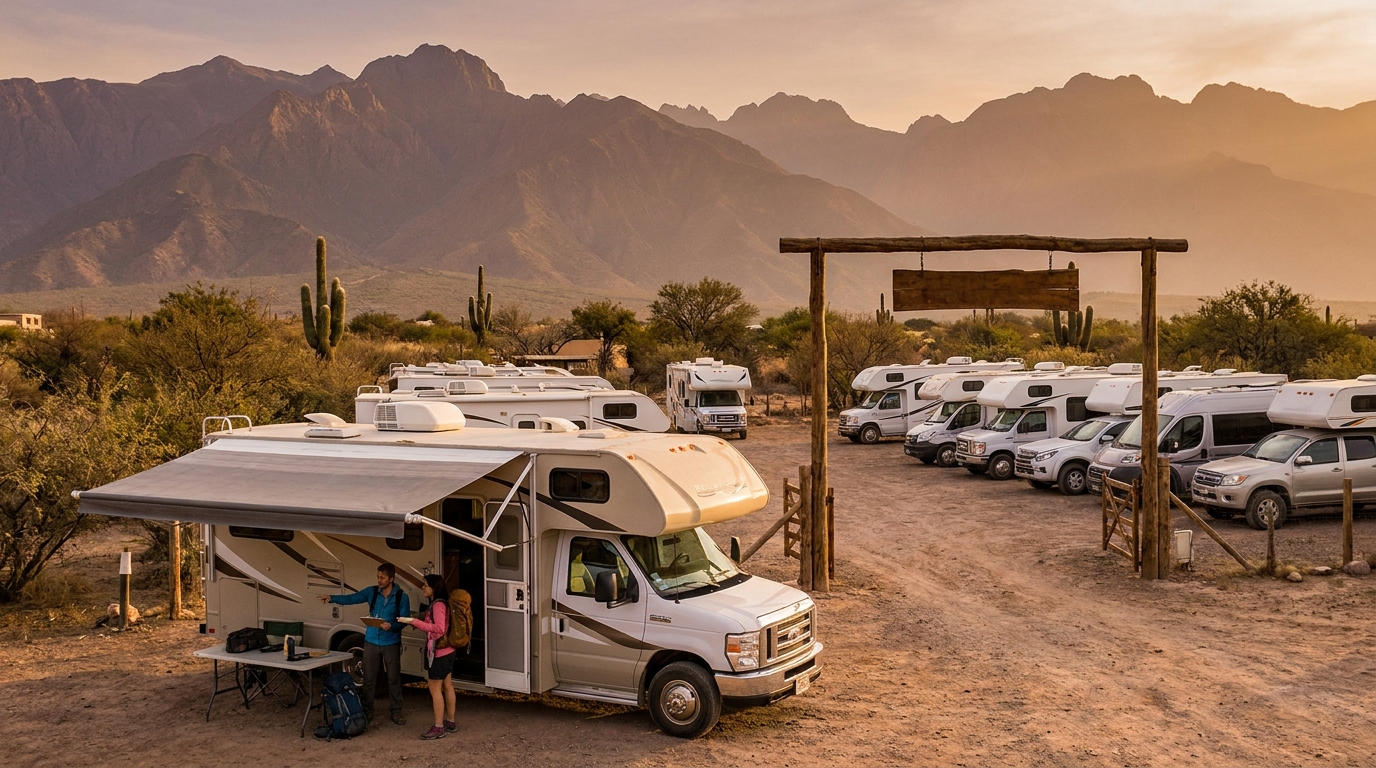
For live availability and current prices, start with our RV Rental South America - Complete Guide 2026 guide.
In This Guide
- Top 5 Tips for Weekend RV Rental in South America
- Before You Book - Class, Dates, Insurance
- Pre-Trip Prep - Packing Checklist for South America
- On the Road - Driving, Fueling, Navigation
- At the Campground - Setup, Hookups and Etiquette
- Weekend RV Rental-Specific Tips for South America
- Common Mistakes to Avoid in South America
- What is the 3-3-3 rule for RV travel?
- What is the 4-4-4 rule for RV travel?
- What is the 2-2-2 rule for RV travel?
- What is the 444 rule for RV travel?
- What is the 333 rule for campervan?
- How much is a 1-week RV rental?
- Can you RV in South America?
- Is it cheaper to rent an RV or stay in a hotel?
- How much money do I need for 3 weeks in South America?
- When renting an RV, what feature is the most important?
- What You Shouldn't Miss
- Why Book with Bandana Caravan
- Final Thoughts
- Frequently Asked Questions
Imagine setting off on a spontaneous adventure, the vibrant landscapes of South America unfolding before you. A weekend RV trip, or a short week-long adventure, offers an incredible way to experience this diverse continent, giving you the freedom to explore at your own pace. With a rented motorhome or campervan, you truly hold the keys to an unforgettable journey, whether you're chasing waterfalls in Iguazu or exploring the Patagonian steppe.
Planning a short RV escape to South America requires a bit of insider knowledge to maximize your experience. That's exactly why we, as true RV specialists with over 25 years in the industry, are here to guide you. For live availability and current prices, start with our RV Rental South America - Complete Guide 2024 guide, which provides comprehensive resources for your continental adventure. Let's dive into making your South American RV dreams a reality, from practical tips to avoiding common pitfalls.
Top 5 Tips for Weekend RV Rental in South America
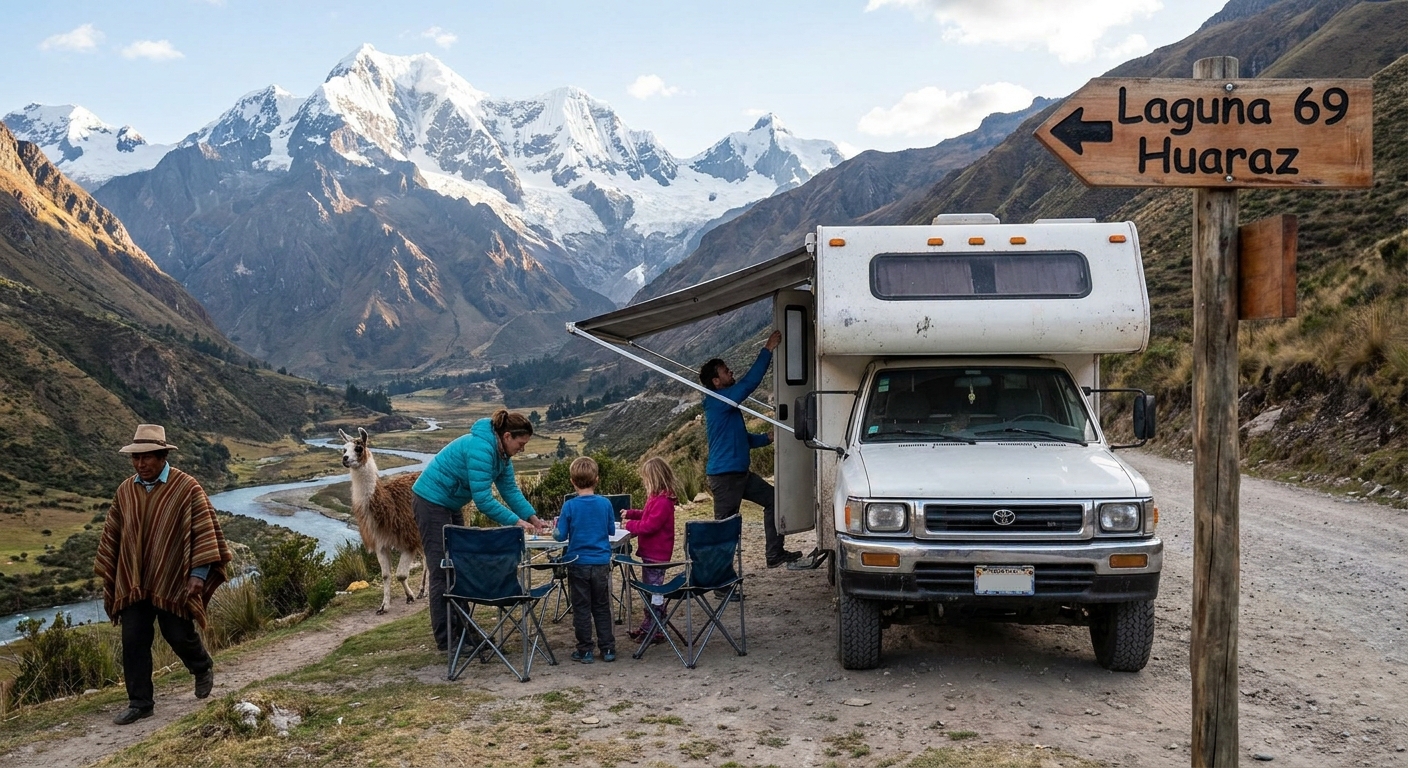
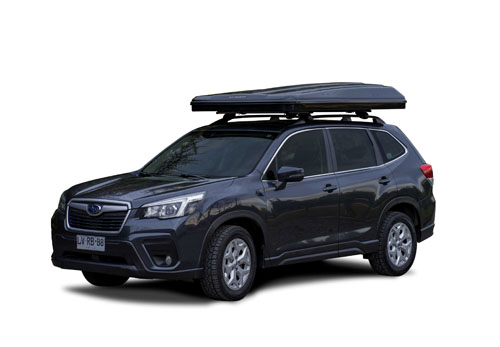
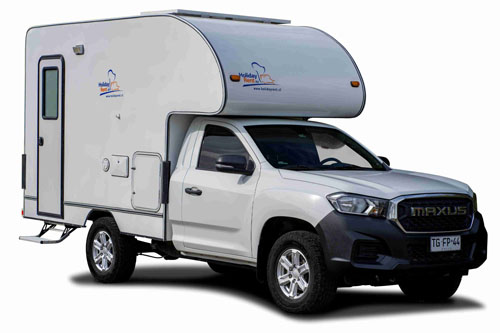
Maximizing a weekend or short RV rental in South America involves smart choices from the start, prioritizing convenience and local awareness. First, consider a compact RV or a campervan for your adventure. Vehicles like the `Patagonia Camper 4x4 double cab` or the `rv rental denver example Category Van` offer enhanced maneuverability on diverse South American roads and facilitate quicker setup for your short trip. While larger Class A or Class C motorhomes are available, a smaller footprint can make stops and parking simpler, especially in bustling towns or less developed areas. Drive slowly and carefully, and you can drive almost anywhere without issues. No need to stress - just use common sense and pay attention.
Second, secure your international driving permits and confirm any specific cross-border documentation well in advance, even for short trips that might involve crossing country lines, such as between Argentina and Chile in Patagonia. Third, research local safety advisories for your specific route and parking options to ensure a secure and peaceful weekend experience. Fourth, pack versatile clothing layers suitable for varied climates, alongside essential medical supplies and water purification options, as conditions can change rapidly and access to amenities might be sporadic. Finally, pre-load offline maps and essential translation apps, as cellular service can be unreliable in remote South American areas, ensuring you're always oriented and able to communicate.
Before You Book - Class, Dates, Insurance
Before confirming your booking, understanding your vehicle options, preferred travel dates, and insurance coverage is paramount for a seamless RV rental in South America. For a weekend RV rental in South America, a Class B campervan or a smaller Class C motorhome is often an excellent choice, providing a balance of maneuverability, fuel efficiency on diverse terrain, and comfortable living space. Models like the `cruise america rv rental example Explorer`, offering 4 sleeping places and a length of 7.1 meters, are popular options that provide ample amenities without being overly large. Remember, pricing is dynamic, much like flight tickets, changing daily based on availability, seasonality, and supplier decisions.
Booking several months in advance is highly recommended, especially if your weekend trip coincides with peak seasons (e.g., December-February for Patagonia or June-August for Andean regions), to secure your preferred dates and vehicle types. However, spontaneous travelers can often find last-minute availability too; many national and state parks reserve 25-30% of their spots for first-come-first-serve arrivals. You'll find a spot. If not at the first campground, then the next one. Call ahead before driving. When comparing options, check our "RV Rental Deals in South America - Latest Offers 2024" or our "Cheap RV Rental in South America - Budget Guide 2024" for current promotions.
Basic insurance is always included with your rental. To see prices including the most comprehensive coverage, select that option during your search on Bandana RV; all relevant insurance options will then be displayed. We recommend considering additional third-party liability or Mercosur insurance if planning cross-border travel between countries like Argentina, Brazil, Chile, Paraguay, and Uruguay. You can always upgrade to a top-level deductible for extra peace of mind, an optional enhancement available with many suppliers.
Pre-Trip Prep - Packing Checklist for South America
A well-prepared packing checklist is essential for a comfortable and safe RV adventure in South America, ensuring you have everything you need for varied conditions. Your clothing should be versatile: pack lightweight, quick-dry pants and shirts, sturdy hiking shoes for trails, comfortable sandals for relaxation, a reliable rain jacket, a warm fleece or jacket for cooler evenings, a sun hat, swimwear, and insect-repellent clothing. Remember that cooking your own meals in your motorhome kitchen is a fantastic way to save money and enjoy local flavors; check out our RV-friendly recipes playlist for inspiration. For finding campsites and campgrounds during your trip, we recommend using RV PLANET (rvplan.net) - a great resource for locating available spots along your route.
For the kitchen, bring reusable water bottles, purification tablets or a filter, compact cooking essentials, non-perishable snacks, coffee or tea, and basic spices. A cooler bag is also useful for fresh produce. Safety items should include a comprehensive first-aid kit with any personal medications (including altitude sickness medication if heading to the Andes), a headlamp or flashlight with extra batteries, a multi-tool, a portable power bank, a whistle, and an emergency contact list. For documents, keep your passport, International Driving Permit (IDP) and home country license, RV rental agreement, travel insurance details, vehicle registration copies, local currency, and credit/debit cards readily accessible. Don't forget vaccination records, such as your Yellow Fever card if required for certain regions. Finally, pre-load offline maps (e.g., Maps.me, downloaded Google Maps regions) and a basic Spanish or Portuguese phrasebook or translation app, as connectivity can be sporadic.
- Lightweight, quick-dry clothing layers
- Sturdy hiking shoes and sandals
- Rain jacket and warm fleece
- Sun hat and sunglasses
- Reusable water bottles and purification tablets/filter
- Compact cooking utensils and basic spices
- Non-perishable snacks
- Comprehensive first-aid kit (including altitude sickness medication)
- Headlamp or flashlight with extra batteries
- Multi-tool or basic repair kit
- Portable power bank and international adapters
- Passport and visa (if required)
- International Driving Permit (IDP) and home country license
- RV rental agreement and insurance documents
- Copies of all important documents (digital and physical)
- Local currency and credit/debit cards
- Vaccination records (e.g., Yellow Fever card)
- Offline maps (e.g., Maps.me, Google Maps downloaded regions)
- Basic Spanish/Portuguese phrasebook or translation app
At the Campground - Setup, Hookups and Etiquette
Upon arriving at your chosen campground in South America, selecting a level spot for your rented RV is the first step, followed by stabilizing your vehicle with leveling blocks to ensure comfort. Next, connect your electrical hookup, ensuring compatibility with local voltage (often 220V in South America) using appropriate adapters if needed. Then, connect your freshwater hose to a potable water source. Lastly, attach the sewer hose for waste disposal, always emptying the gray water tank before the black water tank to help keep the hose cleaner. Observing campground quiet hours, typically from late evening until early morning, is important to respect your fellow travelers; keep noise levels down and be mindful of your neighbors.
Practicing Leave No Trace principles is crucial for preserving the natural beauty of South America: properly dispose of all waste, conserve water, and respect local flora and fauna. Many campgrounds, especially in national parks, offer basic amenities, while others might provide more extensive facilities. For finding campsites and campgrounds during your trip, we recommend using RV PLANET (rvplan.net) - a great resource for locating available spots along your route and often provides details on available hookups and amenities. Remember to check local rules about fires and waste disposal, as environmental regulations can vary.
Weekend RV Rental-Specific Tips for South America
Tailoring your weekend RV rental in South America to your specific travel style and group can greatly enhance your experience. For families with kids, choosing shorter driving days of maximum 100-150 km on average and planning frequent stops at playgrounds or scenic viewpoints will keep young travelers engaged and prevent travel fatigue. Older or senior travelers might prefer a smaller, automatic RV, such as the `hire campervan example Paradise S/T`, which is ideal for a couple, prioritizing comfort and accessibility on paved routes. Booking such a vehicle often means a smoother ride and easier handling. Explore our options for a `Long-Term RV Rental in South America - Monthly Rates 2024` if you find yourself wanting to extend your stay.
Budget-conscious weekenders can save significantly by utilizing free overnight parking spots (always check local regulations and safety beforehand) or opting for simpler, basic campgrounds. Self-catering meals by cooking in your RV's kitchen can drastically reduce food costs, making use of fresh local produce. On the other hand, luxury-minded travelers can opt for premium RV models, like a large Class C with up to three double beds and features like an automatic transmission (e.g. `Euro Deluxe`), which come with enhanced kitchens, larger beds, and more sophisticated amenities. Consider adding a local guide for cultural insights and stress-free route planning through services like Rent&Plan. No matter your style, plan your weekend route to minimize travel time, focusing on one or two key attractions easily accessible from your starting point to maximize enjoyment without feeling rushed. On the routes offered through RV PLANET routes, you can itemize and track every expense along the way for easy budgeting.
Common Mistakes to Avoid in South America
Avoiding common mistakes can significantly improve your RV rental experience in South America, ensuring a smoother and more enjoyable journey. Do not underestimate travel times; instead, add extra buffer time for unexpected delays like varying road conditions, frequent stops for incredible photo opportunities, or border crossings, which can take several hours. Avoid relying solely on credit cards; instead, carry a sufficient amount of local currency for small purchases, tolls, and remote areas where card machines are scarce or non-existent. Our system, when creating RV PLANET routes, allows you to itemize and track every expense along the way for easy budgeting.
Do not ignore health precautions; instead, consult your doctor for necessary vaccinations, pack a comprehensive medical kit, and plan for potential altitude sickness in high-altitude regions of the Andes by acclimatizing gradually. Avoid late-night driving whenever possible; instead, plan to arrive at your destination before dark, as visibility can be poor and road hazards less visible on unfamiliar roads. Do not skip researching legal requirements; instead, confirm all necessary permits, ensure you have an International Driving Permit, and verify specific insurance, such as Mercosur coverage, for each country you plan to visit. Finally, avoid overlooking cultural etiquette; instead, learn basic Spanish or Portuguese phrases and observe local customs to foster positive interactions and deeper cultural immersion.
🎬 Video coming soon
What is the 3-3-3 rule for RV travel?
The 3-3-3 rule for RV travel is a widely recommended guideline suggesting that you drive no more than 300 miles (approximately 480 km) a day, arrive at your destination by 3 PM, and stay for at least 3 nights. This rule is designed to promote a relaxed travel pace, reduce driving fatigue, and allow ample time to explore your destination and enjoy the RV experience. For weekend RV rentals in South America, this rule can be adapted; for example, "3 hours" or "150 miles" (240 km) might replace "300 miles" given potentially slower road conditions, but the core principle of arriving early and staying longer remains valuable for minimizing stress and maximizing enjoyment.
What is the 4-4-4 rule for RV travel?
The 4-4-4 rule for RV travel is another popular guideline, advising travelers to drive no more than 400 miles (approximately 640 km) a day, finish driving by 4 PM, and stay at least 4 nights in each location. Similar to the 3-3-3 rule, this principle encourages a more leisurely pace, prioritizing relaxation and exploration over aggressive mileage, which is especially beneficial when navigating the diverse terrains and cultural experiences of South America. While 400 miles might be ambitious for a weekend RV rental in South America due to varied road conditions, the emphasis on arriving earlier (by 4 PM) and allowing more time to settle and enjoy a location remains highly relevant for a comfortable trip.
What is the 2-2-2 rule for RV travel?
The 2-2-2 rule for RV travel suggests driving no more than 200 miles (approximately 320 km) a day, arriving at your campground by 2 PM, and staying for at least 2 nights. This rule is particularly well-suited for a weekend RV rental in South America, as it promotes shorter driving distances and ample time to set up camp, explore local attractions, and relax. Adopting the 2-2-2 rule can significantly enhance the enjoyment of a shorter trip by preventing burnout and allowing deeper immersion in the immediate surroundings, an important consideration given the region's unique natural beauty and cultural offerings.
What is the 444 rule for RV travel?
The '444 rule' is generally understood to be synonymous with the '4-4-4 rule' for RV travel, which advises limiting daily driving to 400 miles (640 km), completing travel by 4 PM, and staying at least 4 nights at each stop. This guideline aims to balance covering ground with providing sufficient time for rest and exploring destinations, which is crucial for a fulfilling RV experience in South America where travel can be more demanding. For a weekend rental, while the mileage might be adjusted, the core tenets of avoiding rushed travel and allowing time for enjoying the location contribute significantly to a more enjoyable and less stressful journey.
What is the 333 rule for campervan?
The '333 rule' for campervans, identical to the 3-3-3 rule for RVs, suggests driving no more than 300 miles (or 3 hours) a day, arriving at your destination by 3 PM, and staying for at least 3 nights. This rule is especially applicable to campervan travel, which often prioritizes flexibility and a slower pace, aligning perfectly with the desire to fully experience South America's diverse landscapes without feeling rushed. For a weekend campervan rental in South America, adapting the '3 hours driving' aspect is highly practical, allowing for stress-free exploration of a specific region while still maximizing leisure time at your chosen stop.
How much is a 1-week RV rental?
A 1-week RV rental in South America can range from approximately $700 to $2,500 USD or more, depending on factors such as the specific country, the season (peak vs. off-peak), the RV's size and class, and the duration of the rental. Prices are typically higher during peak travel seasons, for instance, during summer in Patagonia or the dry season in Andean regions, and for larger, newer, or more luxurious models like those found in our "Luxury RV Rental in South America - Premium Prices 2024" selection. Our "Weekend RV Rental in South America - Pricing 2024" guide offers more details.
This cost generally covers the vehicle rental and basic insurance, but additional expenses like fuel (which can vary significantly by country and market fluctuations), campground fees, comprehensive insurance upgrades, one-way fees, and border crossing permits should be factored into your total budget. We offer transparent pricing with no hidden fees, ensuring what you see is what you pay. For example, a compact campervan like the `Combi Van`, ideal for 2-4 people with a 60-liter fresh water tank, might be on the lower end, while a larger Class C motorhome like the `MH-B` with its 302-liter refrigerator and multiple beds would command a higher rate.
Can you RV in South America?
Yes, RVing in South America is absolutely possible and offers an incredibly rewarding way to explore the continent's diverse landscapes, vibrant cultures, and natural wonders at your own pace. With a rented motorhome or campervan, you have a mobile headquarters to venture out to stunning national parks, charming colonial towns, and remote natural marvels. While it presents unique challenges such as varied road conditions, differing safety protocols, and complex cross-border documentation, these can be managed with thorough preparation and a flexible mindset. We specialize in making your RV rental in South America as smooth as possible.
The immense freedom of having your accommodation and transport combined allows for unparalleled access to remote areas, spontaneous detours, and an authentic immersion into the South American experience, from the rugged Andes to the expansive Patagonian steppes. Our team of true RV specialists is here to support you before, during, and after your booking, ensuring you have the confidence to embark on such an adventure. Planning tools like RV PLANET (rvplan.net) can help you craft customized route plans, making even a weekend RV trip to South America a truly remarkable journey.
Is it cheaper to rent an RV or stay in a hotel?
Whether renting an RV is cheaper than staying in a hotel in South America depends largely on your travel style, group size, trip duration, and how you manage other expenses like food and activities. An RV rental often combines accommodation and transportation costs, which can be particularly cost-effective for families or groups (4-6 people, for example) who plan to cook their own meals in the RV's kitchen and utilize campgrounds rather than frequenting restaurants. For instance, a `Category Family 5` motorhome with a 103-liter refrigerator and 6 sleeping places offers significant self-sufficiency.
However, when factoring in RV rental fees, comprehensive insurance, fuel (which can be expensive in some South American countries, with prices fluctuating from $0.80 to $1.50 USD per liter), campground fees (ranging from $10-$50 USD per night), tolls, and potential one-way drop-off fees, a budget hotel or hostel might be cheaper for solo travelers or short, fast-paced trips where minimal driving is involved. For a clear overview of potential ancillary costs and help with budgeting, remember that RV PLANET routes allow you to itemize and track every expense along the way.
How much money do I need for 3 weeks in South America?
For a 3-week RV trip in South America, a realistic budget could range from $3,000 to $7,000+ USD per person, depending heavily on the countries visited, the chosen RV class, your travel style, and planned activities. This budget typically needs to cover significant costs such as RV rental fees (which could be $2,100-$7,500+ for three weeks, based on a $700-$2,500 weekly estimate), fuel, comprehensive insurance (including cross-border if applicable), campground fees, groceries, tolls, visas, and border permits, tourist attractions, and a buffer for unexpected expenses like vehicle maintenance or emergencies. For accurate budgeting and planning, remember that using RV PLANET routes lets you itemize and track every expense along the way.
While a weekend RV rental will naturally be a fraction of this cost, it's important to understand the per-day breakdown of these categories as they still apply to shorter trips. Fixed costs like rental and insurance make up a larger proportion of a weekend budget, making careful planning and comparison essential. For example, a compact `Duo` campervan, ideal for 2 people with an 80-liter fresh water tank, would be more budget-friendly than a larger `MHC30` motorhome designed for up to 9 people, with a 210-liter fuel tank and multiple sleeping areas.
When renting an RV, what feature is the most important?
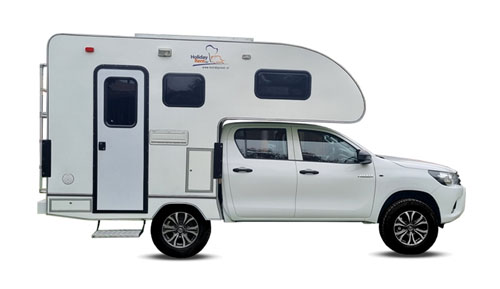
The "most important" feature when renting an RV for a trip to South America is highly subjective and depends entirely on your specific travel needs, group size, and destination, especially when considering the continent's varied terrain and climates. For families, adequate sleeping capacity (e.g., a 6-berth motorhome like the `6 Berth Discovery` with a 190-liter refrigerator) and a functional kitchen with a gas stove and refrigerator might be paramount to ensure comfort and cost savings on meals. For off-road adventurers exploring rugged regions, 4x4 capability and robust suspension, often found in smaller truck campers like the `Patagonia Camper 4x4 double cab`, would be key for navigating challenging tracks.
Other crucial considerations include a reliable air conditioning and heating system for diverse climates, sufficient fresh water and waste tank capacities for remote areas where hookups are scarce, comfortable seating for long drives, and ample storage for gear. Some travelers prioritize features like an automatic transmission (many modern rentals offer this), or even specific bed configurations like single beds or bunk beds. Ultimately, the best feature is the one that best supports your unique travel style and planned itinerary, ensuring a comfortable, practical, and enjoyable RV adventure. Our specialists can help you compare final prices and features across various suppliers.
What You Shouldn't Miss
- Drive the Carretera Austral (Chile): Embark on a legendary 1,240 km scenic route through Chilean Patagonia, passing glaciers, fjords, and lush forests.
- Explore Iguazu Falls (Argentina/Brazil): Witness the immense power of one of the world's largest waterfall systems, a truly breathtaking natural wonder.
- Visit the Uyuni Salt Flats (Bolivia): Drive across the otherworldly vast expanse of the Salar de Uyuni, especially stunning during the rainy season when it becomes a giant mirror.
- Discover Machu Picchu (Peru - RV nearby): While you can't drive an RV directly to Machu Picchu, setting up base in the Sacred Valley and taking a train offers an incredible cultural experience.
- Experience the Amazon Basin (Brazil/Ecuador): Explore the edges of the Amazon rainforest by RV, then venture deeper on guided excursions to witness unparalleled biodiversity.
- Looking for expert insights from Avi Bandana? Top 5 Adventures - recommendations from Avi Bandana
Final Thoughts
Embarking on a weekend RV trip to South America is more than just a vacation; it's an opportunity for freedom, discovery, and creating lasting memories. With the right preparation, the right vehicle, and a spirit of adventure, you can navigate this incredible continent with ease and confidence. Remember to travel slowly, allowing yourself ample time to connect with the local culture, savor the delicious food, and immerse yourself in the breathtaking scenery. A pace of maximum 100-150 km per day on average allows you to truly feel the place, not just rush through it.
Whether you're planning a thrilling solo escapade or a fun-filled family adventure, Bandana Caravan is here to ensure your RV rental experience is as smooth and transparent as possible. We’re with you before, during, and after your booking, offering expertise and support every step of the way. So, why wait? Start comparing motorhome prices for South America today and prepare for the journey of a lifetime. The open road is calling, and South America is waiting to be explored!