In This Guide
- Top 5 Tips for weekend rv rental RV Rental in South Africa
- Before You Book - Class, Dates, Insurance
- Pre-Trip Prep - Packing Checklist for South Africa
- On the Road - Driving, Fueling, Navigation
- At the Campground - Setup, Hookups & Etiquette
- weekend rv rental-Specific Tips for South Africa
- Common Mistakes to Avoid in South Africa
- What type of RV is best for South African terrain?
- How to stay safe in an RV in South Africa?
- What are South African driving etiquette and road conditions like for RVs?
- Can you do freedom camping with an RV in South Africa?
- How can RV travel enhance cultural immersion in South Africa?
- What are the essential logistics for RV travel in South Africa, including digital connectivity?
- What are some off-the-beaten-path RV destinations in South Africa?
- How do I book permits and pay park fees for RV travel in South Africa?
- What are responsible RV travel practices for South Africa's natural areas?
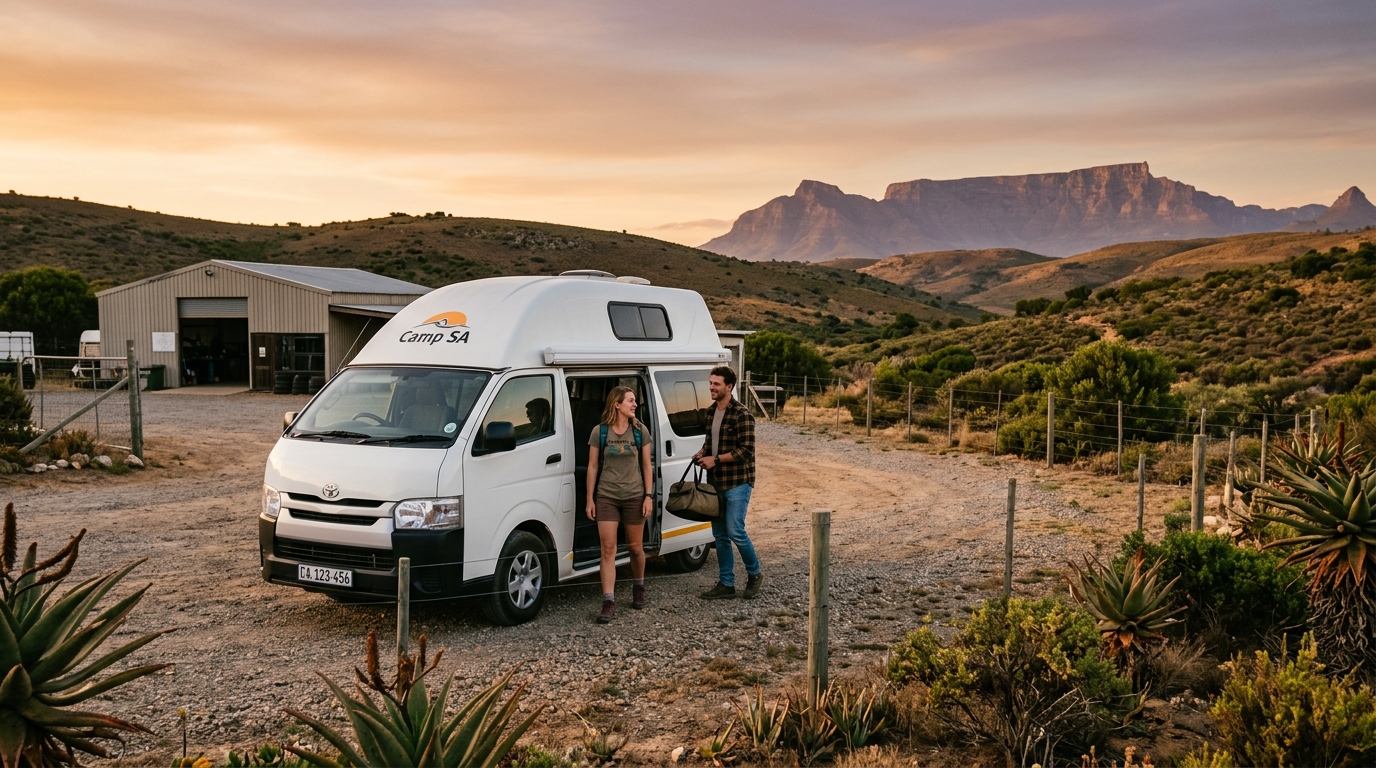
Imagine waking up to the sounds of the African bush, a majestic sunrise painting the sky, or the gentle lapping of waves on a pristine coastline – all from the comfort of your rented motorhome in South Africa. This incredible country offers an unparalleled RV adventure, blending breathtaking natural beauty, diverse wildlife, and rich cultural experiences.
At Bandana Caravan, we've been helping tens of thousands of travelers explore the world by RV since 2001, and South Africa holds a special place in our hearts. We believe in providing full transparency and 24/7 support to ensure your journey is as smooth and enjoyable as possible, from your initial search to your safe return. For live availability and current prices, start with our RV Rental South Africa - Complete Guide 2026 guide.
Whether you're a seasoned RVer or planning your first week-long trip, navigating a new country by motorhome requires a bit of insider knowledge. This comprehensive guide is designed to equip you with all the essential tips and insights for an unforgettable RV rental experience in South Africa.
Top 5 Tips for weekend rv rental RV Rental in South Africa
To maximize your RV rental adventure in South Africa, booking well in advance, selecting the appropriate vehicle, understanding local road rules, planning your route meticulously, and considering enhanced insurance are paramount. For example, during peak season (December-January), popular 4-berth campervans can be booked out up to 6 months ahead, impacting prices by as much as 15-20% if left to the last minute.
Secondly, choosing an RV class suitable for your group size and intended terrain is crucial; a Class C motorhome like the "Euro Deluxe" might be perfect for families hitting major tarred roads, while a 4x4 campervan is indispensable for exploring rugged national park trails. Thirdly, familiarizing yourself with South African road rules, such as driving on the left and understanding speed limits (e.g., 120 km/h on national highways), will ensure a safer journey. Fourth, always plan your route with designated campsites and regular fuel stops in mind, especially in remote areas where stations can be sparse, particularly for a longer week-long trip. Lastly, consider upgrading to a top-level deductible reimbursement option for extra peace of mind, as this optional add-on can cover up to $5,000 in unexpected damages.
Before You Book - Class, Dates, Insurance
Selecting an RV class should align with your itinerary, group size, and comfort preferences, noting that 2WD campervans are suitable for main roads like the Garden Route, while 4x4 models are needed for more rugged safari routes such as those in Kgalagadi Transfrontier Park. For a couple or small family exploring paved coastal drives, a compact campervan like an 'Active Classic' or 'Juliette 2-3' with a double bed (e.g., 150/200cm) and basic cooking facilities (e.g., 2-burner gas stove) provides flexibility and ease of handling.
Booking dates significantly impact availability and price, with peak seasons (December-January, Easter, July school holidays) requiring reservations months in advance for Class C motorhomes with sleeping capacities for 4-6 people, often costing 20-30% more than off-peak. Spontaneous travelers should know that many national and state parks reserve 25-30% of spots for first-come, first-served arrivals, so you'll always find a spot, even if it's not at your first choice campground. For larger families or groups of 4-6 people, a spacious Class C motorhome like an 'Adventure Tent Select 4' or a "6 Berth Deluxe" offers multiple double beds (e.g., three 150/200cm beds) and enhanced amenities like a larger refrigerator and a separate shower/toilet, ideal for a more comfortable extended road trip.
Basic insurance is always included in your rental; to see prices including the most comprehensive coverage, select that option during your search on Bandana Caravan – then all relevant insurance options, such as our top-level deductible reimbursement, will be shown. This optional upgrade allows you to travel with greater peace of mind, knowing you're protected against unforeseen incidents during your journey. At Bandana Caravan, we pride ourselves on full transparency, ensuring no hidden fees or surprises.
🎬 Video coming soon
Pre-Trip Prep - Packing Checklist for South Africa
Packing versatile clothing for varying climates, from warm days (up to 30°C) to cool evenings (down to 10°C in some regions), is essential for a South African RV adventure. While most rentals include basic kitchenware and bedding, it's wise to double-check with your supplier for specifics.
Ensure essential kitchen items (e.g., a sturdy pot for cooking over a campfire or on the RV's gas stove, such as the 3-burner unit found in an 'Explorer' motorhome) and safety equipment (like a first-aid kit, fire extinguisher, and reflective vest) are either included or packed. Remember to bring a good camera with extra memory cards, power banks for your devices, and a universal power adapter (South Africa uses Type M outlets). For delicious meals on the road, check out our RV-friendly recipes playlist.
Keep all necessary documents, including your passport, visa (if required), standard car driver's license (an International Driving Permit is recommended but not mandatory for most countries), and all RV rental booking confirmations, readily accessible. A copy of your travel insurance policy and emergency contact numbers should also be kept handy. Consider storing digital copies on a cloud service as well.
On the Road - Driving, Fueling, Navigation
Driving in South Africa requires adherence to local rules, including driving on the left-hand side of the road and being aware of varied road conditions, from well-maintained tar roads (e.g., N1, N2 highways) to gravel tracks, especially outside major cities and in national parks. Drive slowly and carefully, and you can drive almost anywhere without issues; no need to stress, just use common sense and pay attention, even with a larger motorhome like a "29′ Class C Motorhome" (length 8.8m, width 2.7m).
Fuel stops can be infrequent in remote areas, necessitating careful planning for refuels, particularly if your rented RV has a smaller fuel tank (e.g., a Class B campervan might have a 70-liter tank, while larger Class C motorhomes can hold 200 liters or more). It's always a good idea to carry extra fuel in a jerry can when venturing off the main routes, especially for an extended road trip into areas like the Karoo. Manual fuel service is common, where attendants will pump your fuel, check oil/water, and clean your windscreen, accepting cash or card payments.
Navigation is best handled with a combination of GPS (Google Maps, Waze) and physical maps, downloading offline maps for areas with limited mobile signal. For example, some parts of the Drakensberg Mountains or the Wild Coast may have patchy network coverage. Remember to keep emergency numbers such as 10111 for police, 10177 for ambulance, and your rental provider's 24/7 support line readily accessible, though Bandana's direct support focuses on pre-booking and post-booking coordination rather than during-trip assistance.
At the Campground - Setup, Hookups & Etiquette
Upon arrival at a South African caravan park or campsite, select your spot, level the RV using ramps if necessary, and extend any awnings for shade against the strong sun. Many campsites are well-equipped, offering powered sites (220V, Type M plug), water points, and communal ablution blocks.
Hookups typically involve connecting electricity first using a suitable adapter (often included with the rental), then water, and finally managing waste by safely connecting your grey and black water tanks to designated dump stations. Always follow specific instructions provided by the campsite staff, which may vary slightly between national parks and private resorts. You can find detailed information on campsites and available spots along your route using RV PLANET (rvplan.net). On the routes offered through RV PLANET routes, you can itemize and track every expense along the way for easy budgeting.
Adhering to campground etiquette, such as observing quiet hours (usually 10 PM to 6 AM) and respecting wildlife (especially in unfenced camps where animals like impala or baboons might wander through), ensures a pleasant experience for everyone. Be mindful of noise levels, dispose of all rubbish in designated bins, and maintain a safe distance from any wildlife encountered. Remember, in national parks, it's illegal to approach animals on foot.
weekend rv rental-Specific Tips for South Africa
Optimizing your itinerary by focusing on slower travel, averaging a maximum of 100-150 km per day, allows families to truly feel the place, connect to the culture, the food, and the scenery of South Africa. This pace prevents travel fatigue and offers ample time for impromptu stops and discoveries, which is key for family enjoyment.
Look for RV parks with family-friendly amenities such as playgrounds, swimming pools, and organized activities, which are common at larger resorts like those along the Garden Route. When choosing your rented motorhome, consider a model like the "Category Family 5" or "Glamys 265" that features comfortable seating (e.g., a dinette that converts to a bed) and adequate storage for children's gear (e.g., ample overhead compartments and exterior lockers). These vehicles often come with a sleeping capacity for 5-6 people, including options like bunk beds for kids (e.g., 80/205cm in a 'Category Family 5').
Research local attractions that cater to families and are easily accessible via RV, such as interactive museums, animal sanctuaries, or child-friendly hiking trails. Many national parks have dedicated educational programs for younger visitors. Planning nap-friendly stops at scenic picnic areas or quiet viewpoints can also make long driving days more manageable for everyone.
Common Mistakes to Avoid in South Africa
A common mistake is underestimating driving times; instead, factor in extra time for scenic stops, varied road conditions (especially on gravel tracks), and potential animal crossings, adding 20-30% to estimated travel times on major routes. For instance, a 300 km drive on a main highway might take 3 hours, but a similar distance on rural or park roads could take 5-6 hours.
Another pitfall is neglecting to pre-book campsites, especially during peak season for popular destinations like Kruger National Park or the Drakensberg, where premier spots can be fully reserved months in advance. While 25-30% of spots are often first-come, first-served, calling ahead before driving is always recommended to avoid disappointment. Additionally, relying solely on digital navigation can be a mistake; download offline maps or carry physical ones for areas with limited cellular connectivity, which is common in many remote parts of South Africa.
Finally, ignoring local advice regarding safety and road conditions is a crucial mistake to avoid; engage with locals, especially at fuel stations or small towns, and follow their recommendations for staying safe and culturally enriched. They often have the most current information on local conditions or hidden gems. Our focus is to ensure your Bandana booking process is seamless, supporting you before and after your rental, and providing transparent information so you can plan effectively.
What type of RV is best for South African terrain?
The best RV type for South African terrain depends on your intended itinerary and adventurousness; 2WD campervans are suitable for main tarred roads and well-maintained gravel roads (like the Garden Route), while 4x4-capable RVs are essential for navigating rugged national park trails and deeper safari experiences. For exploring coastal routes such as the Wild Coast or visiting popular tourist attractions accessible via major highways, a standard 2WD campervan or motorhome offers ample comfort and ease of driving. A "Combi Van" with a 60-liter fresh water tank and 80-liter fuel tank is agile for paved roads, offering a double bed (130/185cm) for two adults.
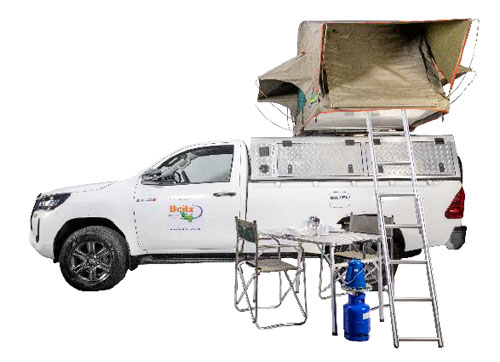
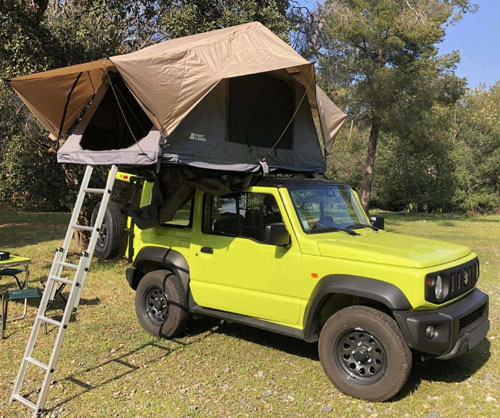
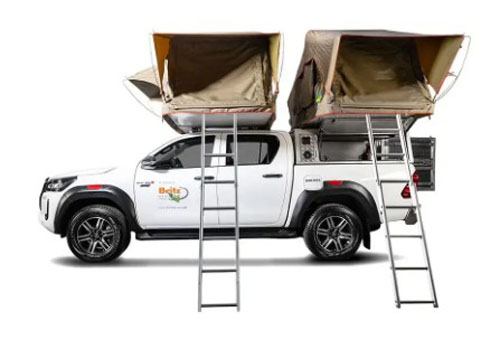
If you plan to explore remote game reserves, off-the-beaten-path destinations like the Cederberg Wilderness, or areas requiring significant ground clearance, a 4x4 RV provides the necessary traction and durability. For instance, the "Patagonia Camper 4x4 double cab" is specifically designed with 4 Wheel Drive and a robust build, ideal for such challenging environments, though it may be a smaller size suitable for a couple.
For families or groups requiring more space and amenities while sticking to major routes, a Class C motorhome like the "Explorer" (7.1m length, 4-berth, with a 82-liter fresh water tank and a 90-liter refrigerator) offers a balance of comfort and maneuverability. Renting a motorhome that matches your adventure style ensures a more enjoyable and stress-free trip.
How to stay safe in an RV in South Africa?
Staying safe in an RV in South Africa involves adhering to detailed safety protocols, including avoiding night driving, securing your vehicle, and being prepared for specific road hazards to ensure a smooth week-long trip. Limiting driving to daylight hours is crucial to avoid wildlife collisions, poor visibility on unlit roads, and to reduce the risk of crime on unfamiliar routes; aim to be settled in your campsite before sunset, typically around 6 PM.
Always park your rented RV in designated, secure campsites or caravan parks with security features such as fences, gates, and guards, and lock your motorhome when leaving it unattended or overnight, keeping valuables out of sight to deter opportunistic theft. Be aware of potential road hazards such as potholes (especially on rural roads), wandering livestock (like cattle or goats), and pedestrians, particularly in rural areas, and always drive cautiously and attentively.
It's also wise to keep emergency contact numbers readily accessible, including the local police (10111), ambulance (10177), and your rental company's roadside assistance. Inform family or friends of your itinerary and check in regularly, especially when traveling through more remote regions of South Africa.
What are South African driving etiquette and road conditions like for RVs?
South African driving etiquette includes driving on the left and being mindful of other drivers, especially when it comes to overtaking slower vehicles, while road conditions vary significantly between well-maintained tar roads (e.g., N2 along the Garden Route) and less predictable gravel or dirt tracks, which can impact RV travel. Drivers will often flash their hazard lights briefly to thank others for yielding, and slower vehicles will typically move to the left shoulder of the road to allow faster traffic to pass, a courtesy that RV drivers should be prepared to extend and receive.
Major routes connecting cities, like the N1 from Cape Town to Johannesburg, are generally well-paved and suitable for all motorhome sizes, including larger Class C vehicles, and speed limits on these highways are typically 120 km/h. However, rural roads, particularly those leading to game reserves or smaller towns, may be gravel, requiring slower speeds (often 60-80 km/h) and increased caution due to dust, corrugations, and occasional potholes.
Be prepared for manual fuel service at most petrol stations, where friendly attendants will pump your fuel (petrol or diesel), check your oil and water, and often clean your windscreen; tips are appreciated (typically R5-R10). Payments can usually be made with cash (South African Rand - ZAR) or credit/debit cards. Drive slowly and carefully, and you can drive almost anywhere without issues; no need to stress – just use common sense and pay attention.
Can you do freedom camping with an RV in South Africa?
Freedom camping, or wild camping, with a rented RV in South Africa is generally discouraged and often illegal outside of designated areas, due to safety concerns and environmental regulations, making official campsites the recommended and safest option for travelers. While the idea of stopping randomly in a scenic spot might be tempting, it can pose significant security risks in unfamiliar areas and may also infringe on private land or protected areas where it is strictly prohibited by law.
Designated caravan parks and campsites throughout South Africa offer essential amenities like electricity hookups (220V), fresh water, ablution blocks with hot showers, and often enhanced security, ensuring a safer and more compliant travel experience for your motorhome. Examples include national park camps run by SANParks or numerous private resorts.
Always prioritize ethical considerations, respecting local communities and fragile wildlife habitats by utilizing proper waste disposal facilities and adhering to 'leave no trace' principles to minimize your environmental footprint. Call ahead to local tourism offices or police if you are unsure about overnight parking rules in a specific area, but generally, sticking to established campsites is the safest bet for an extended road trip in South Africa.
How can RV travel enhance cultural immersion in South Africa?
RV travel offers unique opportunities for cultural immersion in South Africa by allowing travelers to visit smaller, off-the-beaten-path towns, interact with local communities at bustling markets, and participate in traditional experiences off the typical tourist trail. The flexibility of a rented motorhome means you can spend more time in diverse regions, engaging directly with local traditions, food, and people, rather than being confined to city hotels or packaged tours.
Seek out local markets, such as the Neighbourgoods Market in Johannesburg or Cape Town for a vibrant urban experience, or smaller rural markets in provinces like KwaZulu-Natal for traditional crafts and fresh produce. These interactions provide authentic insights and allow you to support local economies directly, making your week-long trip more impactful.
Consider visiting cultural villages (like Lesedi Cultural Village) or engaging with community-based tourism initiatives that offer authentic insights into the country's rich heritage and diverse ethnic groups. Sharing a 'braai' (South African barbecue) at a campsite is also an excellent way to connect with locals, who are often eager to share stories and tips, embodying the spirit of Ubuntu.
What are the essential logistics for RV travel in South Africa, including digital connectivity?
Essential logistics for RV travel in South Africa include managing digital connectivity with local SIM cards, ensuring reliable power sources, and understanding local currency and payment methods, particularly for international travelers. Upon arrival at major airports like Cape Town or Johannesburg, purchase a local SIM card from providers like Vodacom, MTN, or Cell C for affordable data and calls, as Wi-Fi in remote areas can be unreliable or non-existent, and this is crucial for navigation and communication during your RV rental adventure.
Ensure your rented RV has appropriate power adapters (South Africa uses Type M plugs, 220-230V), especially for charging devices at campsites with electrical hookups, and consider bringing a portable power bank for off-grid moments. Most motorhomes (e.g., a "Discovery - 5 berth motorhome" with a 125-liter fresh water tank) come with integrated power systems, but a backup is always wise.
Have a mix of cash (South African Rand - ZAR) and credit/debit cards, as smaller vendors, rural fuel stations, or craft markets might prefer cash, and inform your bank of your travel plans to avoid card issues. For tracking all your ancillary trip costs like fuel, campground fees, tolls, and groceries, remember that RV PLANET routes allow you to itemize and track every expense along the way for easy budgeting.
What are some off-the-beaten-path RV destinations in South Africa?
Beyond the popular Kruger National Park and Garden Route, South Africa offers numerous off-the-beaten-path RV destinations that showcase regional diversity, including the rugged Cederberg Mountains, the dramatic Drakensberg escarpment, and the serene Wild Coast in the Eastern Cape. The Cederberg Wilderness Area, about 2-3 hours north of Cape Town, provides stunning dramatic sandstone landscapes, ancient San rock art, and challenging hiking trails, with several private and public campsites suitable for RVs.
The Drakensberg region, particularly the Ukhahlamba Drakensberg Park (a UNESCO World Heritage site), offers breathtaking mountain scenery, opportunities for horse riding and cultural village visits, and adventure activities, with various RV-friendly resorts and nature reserves. For a more remote and unspoiled coastal experience, the Wild Coast in the Eastern Cape presents pristine beaches, rolling green hills, and vibrant Xhosa culture, though some access roads may require a 4x4 RV, such as a "Maverick 4WD" model, for comfortable navigation.
Other hidden gems for your rented motorhome include the Namaqualand region (famous for its spring wildflower displays from August to September), the arid but beautiful Karoo National Park, and the scenic Panorama Route leading to Blyde River Canyon, which offers stunning viewpoints and many RV-friendly stops.
How do I book permits and pay park fees for RV travel in South Africa?
Booking permits and paying park fees for South African national parks and popular attractions, such as those managed by SANParks, typically requires advance online reservations for both entrance and camping, especially during peak seasons. For major national parks like Kruger, Addo Elephant, or Table Mountain, it is highly recommended to use the official SANParks website (www.sanparks.org) to pre-book your entrance permits and secure your campsite or accommodation well in advance, sometimes 6-12 months ahead for popular spots.
Many provincial parks (e.g., those managed by CapeNature) and private reserves have their own separate booking systems, so always check their respective websites for specific permit and fee information. Fees vary widely, from a few hundred ZAR per person per day for park entry to R200-R500 per night for a powered RV campsite, depending on the park and season.
Wild Card membership offers discounted entry to numerous national parks and reserves and can be purchased online or at park gates; this can significantly save money for extended trips (e.g., a two-week adventure) or if you plan to visit multiple parks across the country with your rented campervan. It’s a smart investment for families embarking on a comprehensive wildlife and nature exploration of South Africa.
What are responsible RV travel practices for South Africa's natural areas?
Responsible RV travel in South Africa's sensitive natural and wildlife areas involves adhering strictly to 'leave no trace' principles, respecting wildlife, and actively supporting local conservation efforts, ensuring your rented motorhome adventure is sustainable. Always dispose of all waste properly in designated bins at campsites, and use eco-friendly cleaning products to minimize your environmental footprint on the delicate ecosystems.
Maintain a safe and respectful distance from wildlife, never feeding animals (which can alter their natural behavior and pose risks), and drive slowly (e.g., 20-40 km/h) in game reserves to protect both animals and your vehicle, especially when navigating narrow tracks in a Class B campervan. Keep your camera ready, but observe from a distance, enjoying the animals in their natural habitats without disturbance.
Support local communities and conservation by choosing eco-certified campsites, purchasing local goods and crafts directly from small businesses, and contributing to park fees, which often fund vital conservation initiatives. Your visit with a rented RV can contribute positively to the preservation of South Africa's extraordinary natural heritage for future generations.
What You Shouldn't Miss
- Drive Chapman's Peak Drive: Experience one of the world's most spectacular marine drives near Cape Town, offering panoramic ocean views and winding coastal roads – perfect for a scenic day trip in your rented campervan.
- Safari in Kruger National Park: Embark on an unforgettable self-drive safari through Kruger, staying in well-equipped SANParks rest camps, where you might see the Big Five right from your motorhome.
- Explore the Garden Route: Cruise along the iconic Garden Route, stopping at charming towns like Knysna and Plettenberg Bay, exploring ancient forests, and enjoying stunning beaches.
- Visit the Drakensberg Mountains: Discover the majestic 'Dragon's Mountains' with hiking trails, San rock art, and breathtaking vistas, offering cooler climates and dramatic landscapes for your RV adventure.
- Experience Cape Town's Vibrancy: Park your RV at a nearby resort and explore the Mother City – from Table Mountain to Robben Island and the V&A Waterfront – a perfect blend of urban culture and natural beauty.
- Indulge in a Coastal Braai: Enjoy the quintessential South African 'braai' (barbecue) at a beachside campsite, grilling fresh seafood while watching the sunset over the Indian or Atlantic Ocean.
Looking for expert insights from Avi Bandana? Top 5 Adventures - recommendations from Avi Bandana
Our founder, Avi Bandana, has personally explored countless routes and shared his favorite RV adventures. Discover his top picks for South Africa to inspire your own journey!
Final Thoughts
South Africa by RV is more than just a trip; it's an immersive journey that lets you truly connect with this magnificent country's landscapes, wildlife, and vibrant cultures. From the moment you pick up your comfortable Class C motorhome or nimble campervan, you're not just a tourist, you're an explorer, with the freedom to create your own unforgettable route.
We hope these tips give you the confidence to embark on your South African adventure. Remember, whether you're meticulously pre-planning every stop or embracing spontaneous detours, Bandana Caravan is here to support your booking with unmatched transparency and expert advice. Life is now – it's time to hit the road and discover the magic!
Ready to start planning your incredible journey? Compare Motorhome Prices for South Africa now.