In This Guide
- Top 5 Tips for Weekend RV Rental in Scotland
- Before You Book - Class, Dates, Insurance
- Pre-Trip Prep - Packing Checklist for Scotland
- On the Road - Driving, Fueling, Navigation
- At the Campground - Setup, Hookups & Etiquette
- Weekend RV Rental-Specific Tips for Scotland
- Common Mistakes to Avoid in Scotland
- How much does a weekend RV rental in Scotland cost
- What are the best RV routes in Scotland for a weekend
- Are RV rentals in Scotland suitable for families or pet owners
- What are the driving challenges for RVs on Scotland's roads
- Can you wild camp with an RV in Scotland
- How to deal with midges and other pests in a Scottish RV
- Where can RVs find services like water and dump stations in Scotland
- How to practice responsible RV travel in Scotland
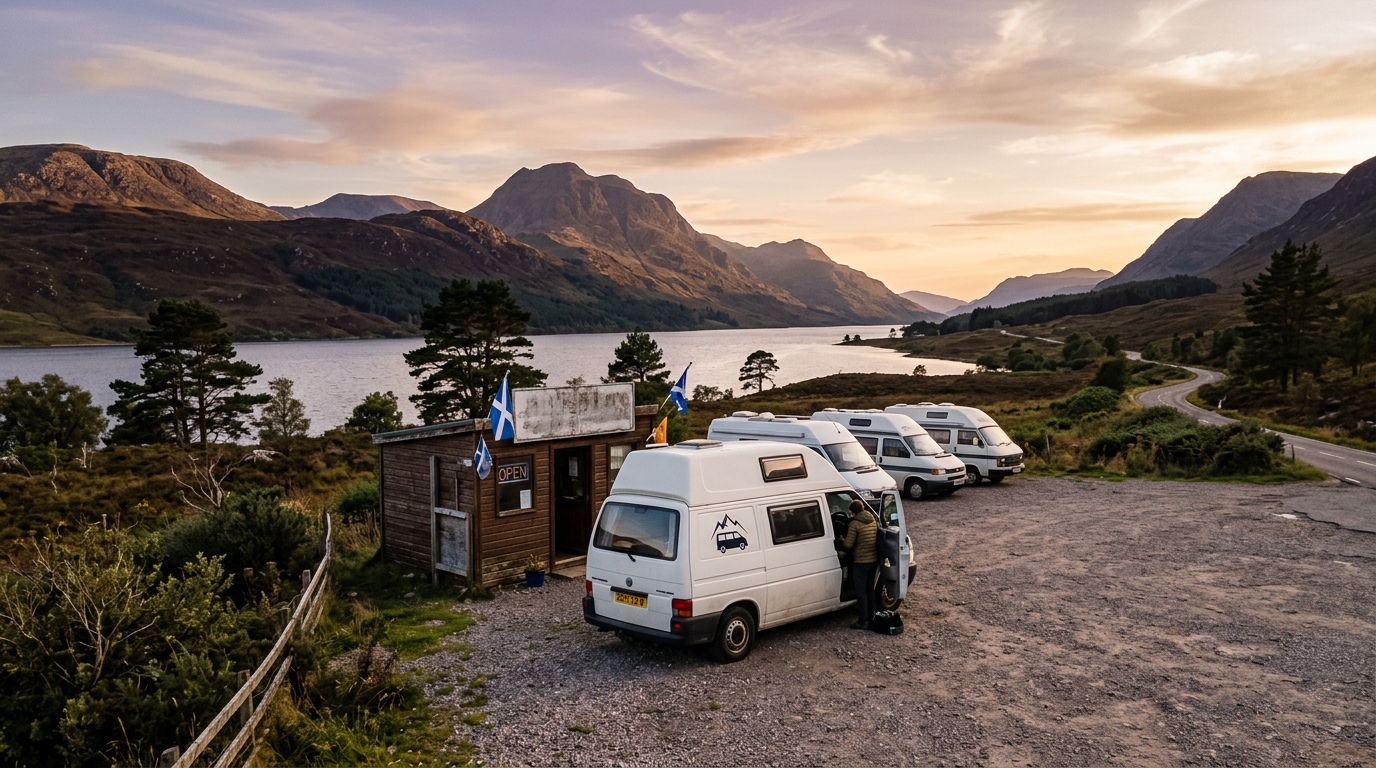
Imagine yourself winding through the dramatic landscapes of the Scottish Highlands, or parking by a serene loch, with your own mobile home base. A rented motorhome or campervan offers unparalleled freedom to explore Scotland's breathtaking scenery, historic castles, and vibrant cities at your own pace. Whether you're planning a quick weekend escape or an extended adventure, this guide will equip you with the essential tips for an unforgettable RV journey through Scotland. For live availability and current prices, start with our RV Rental Scotland - Complete Guide 2026 guide, your ultimate resource for planning.
Top 5 Tips for Weekend RV Rental in Scotland
Planning is key for a successful and enjoyable weekend RV rental in Scotland, ensuring you make the most of your limited time. Always begin by outlining your desired itinerary, especially if popular destinations like the North Coast 500 or the Isle of Skye are on your list, as campsites in these areas fill up quickly.
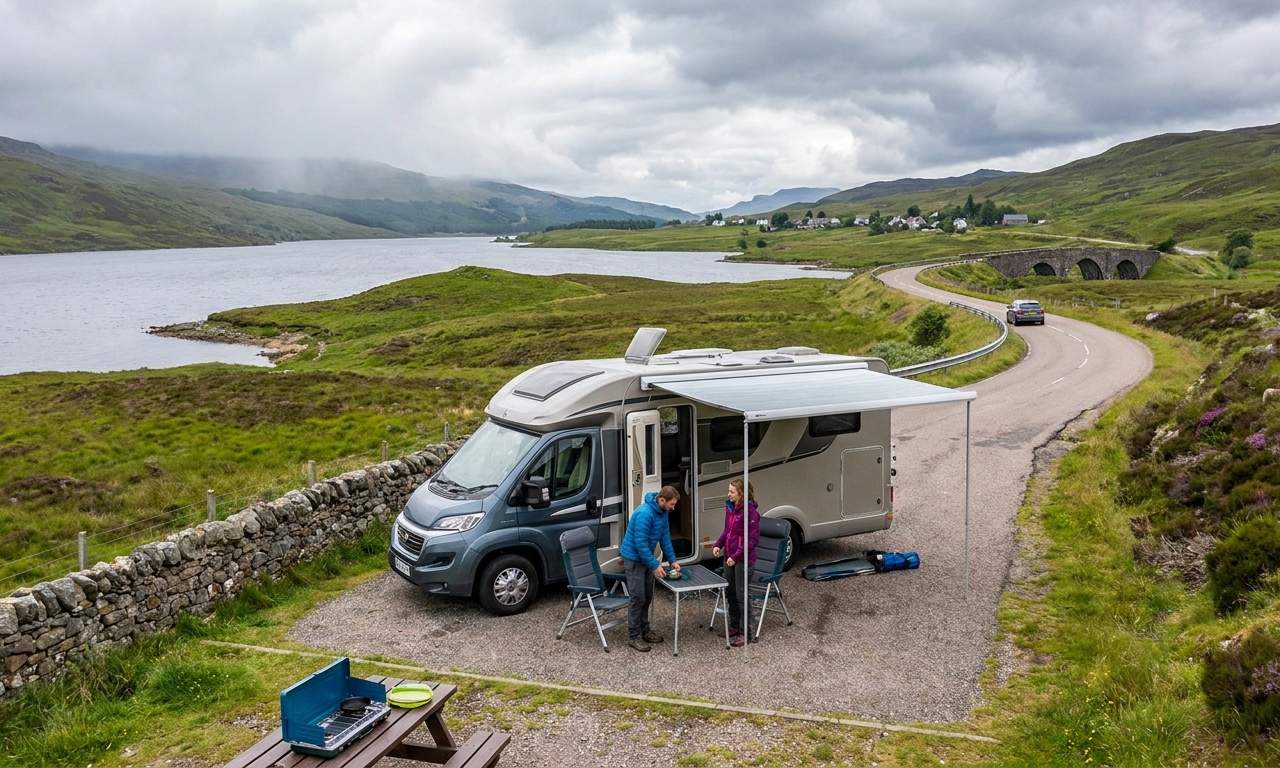
Selecting an RV size that is appropriate for Scotland's often-narrower rural roads will provide more flexibility and reduce driving stress; smaller campervans are often an excellent choice for navigating winding routes. Understanding Scotland's specific wild camping regulations is also crucial, as motorhomes generally require private landowner permission for overnight parking, unlike tent camping. Given the country's famously changeable weather, packing versatile layers and waterproof clothing is always a smart move, regardless of the season. Finally, booking your rented RV or campervan well in advance, particularly for weekend trips during the peak season of June-August, is highly recommended to ensure availability and potentially secure better rates.
Before You Book - Class, Dates, Insurance
Before confirming your rental, consider the RV's class based on your comfort, budget, and travel party size for your Scotland adventure. Smaller campervans, such as a "Category Van" or "Active Standard" model, are often easier to maneuver on Scotland's distinctive roads, while larger motorhomes like a 6-berth "Euro Deluxe" offer more amenities and space for families.
Locking in your preferred travel dates early is essential, especially for weekend RV rental, as demand is high and availability decreases, with prices often rising closer to your desired departure. Review insurance options thoroughly; basic insurance is always included with your rental, but for comprehensive peace of mind, you can upgrade to a top-level deductible reimbursement option, which provides extra coverage. When searching on Bandana RV, you can select the most comprehensive coverage option to view prices that include it, ensuring full transparency with no hidden fees or surprises.
Pre-Trip Prep - Packing Checklist for Scotland
A well-organized packing list will make your RV rental experience in Scotland smoother and more enjoyable. Scottish weather is famously unpredictable, so layering is crucial, even in summer.
- Clothing:
- Waterproof jacket and trousers
- Warm layers (fleeces, jumpers)
- Comfortable walking shoes/boots
- Casual wear
- Hat and gloves (even in summer)
- Midge repellent and head net
- Kitchen & Comfort:
- Reusable water bottle
- Groceries for first day/two
- Coffee/tea supplies
- Basic toiletries
- Books/entertainment for evenings
If you're planning to cook many meals in your campervan kitchen, remember that a good set of pots and pans is usually included, but specialized items might need to be packed. For some inspiration, check out our RV-friendly recipes playlist.
- Safety & Practical:
- First-aid kit
- Torch/headlamp
- Power bank for devices
- Adapter for UK plugs
- Roadside assistance contact (provided by rental)
- Documents:
- Driving license (both parts if applicable for UK licenses)
- Passport/ID
- Rental agreement
- Travel insurance details
- Campsite bookings
On the Road - Driving, Fueling, Navigation
Driving a rented RV in Scotland requires careful attention to road signs for height and width restrictions, especially on the narrower rural routes and historic town centers. Drive slowly and carefully, and you can drive almost anywhere without issues. No need to stress - just use common sense and pay attention. Many roads in the Scottish Highlands are single-track, meaning they are only wide enough for one vehicle, and you'll need to master using designated passing places. This is particularly relevant for a Class C motorhome like the "Cruise America Explorer", which has a length of 7.1 meters.
Fueling up your campervan or motorhome is typically straightforward at petrol stations, but planning ahead for longer stretches in remote areas is always advisable. Diesel (green nozzle) is the most common fuel type for motorhomes, but always double-check your rental agreement. Navigation is best managed with a combination of GPS (confirming RV mode if available, which can account for vehicle dimensions) and a physical map, particularly in areas where mobile signal may be intermittent, like parts of the Isle of Skye or the Cairngorms National Park. Remember that Scotland drives on the left side of the road, and speed limits are typically 48 km/h (30 mph) in built-up areas, 96 km/h (60 mph) on single carriageways, and 112 km/h (70 mph) on dual carriageways and motorways for cars. Larger motorhomes may have lower limits, so always check local signage.
At the Campground - Setup, Hookups & Etiquette
Upon arrival at a campground in Scotland, correctly setting up your rented RV involves several key steps for a comfortable stay. First, level the vehicle using ramps if necessary to ensure proper functioning of appliances and drainage. Next, connect to electricity; the hookup order is critical: connect the shore power cable to your RV first, then plug it into the power pedestal at your pitch. Finally, attach your fresh water hose and ensure your waste hoses are securely positioned for grey and black water tanks.
Familiarize yourself with the location of fresh water refills, grey water dump points, and black water chemical toilet disposal stations; these essential services are readily available at most official campsites. Observing campground etiquette is vital for a harmonious experience; respect quiet hours (typically 10 PM to 7 AM), maintain a tidy pitch, and keep pets on a leash. For finding campsites and campgrounds during your trip, we recommend using RV PLANET (rvplan.net) - a great resource for locating available spots along your route.
Weekend RV Rental-Specific Tips for Scotland
Tailoring your weekend RV rental in Scotland to your group's needs ensures a personalized and enjoyable adventure. For families with young children, choosing campsites with playgrounds or family-friendly facilities, and planning shorter drives with frequent stops for naps and activity breaks, can make a significant difference. Consider a Class C motorhome like a "Category Family 5" which can sleep 6 people and has ample space.
Seniors may benefit from renting a smaller, automatic campervan for easier maneuverability on Scotland's potentially narrow roads and selecting models that offer more accessible features. Budget-conscious travelers can significantly save money by utilizing certified 'Aires' or basic, less-serviced overnight spots, always checking local regulations and ensuring adherence to 'leave no trace' principles. Luxury renters might consider premium add-ons like Wi-Fi, bicycle racks, or enhanced kitchen packages for a more comfortable and indulgent experience, turning a quick weekend into a truly opulent escape. Bandana RV offers full transparency in pricing, so you'll always know the cost of these add-ons upfront.
Common Mistakes to Avoid in Scotland
First-time RV renters in Scotland can avoid common pitfalls by being prepared and realistic about travel expectations. A frequent mistake is underestimating driving times, especially on scenic but winding routes; instead, build in ample extra time for spontaneous stops, unexpected delays, and photo opportunities.
Not booking campsites in advance is another common oversight, particularly during peak season or for weekend trips to popular destinations like the Isle of Skye or Glen Coe, where pitches can be fully reserved months ahead. Ignoring midge warnings can significantly impact your enjoyment; instead, research midge forecasts for your travel dates and carry effective repellents (like those with DEET or Picaridin) and head nets during midge season (May to September). Misinterpreting wild camping rules for motorhomes, as noted in the 'Right to Roam' distinction, can lead to issues; always understand the specific regulations for motorhomes and respect private land. Finally, overpacking reduces living space and increases fuel consumption, so pack efficiently with versatile layers to maximize space and lighten your load.
How much does a weekend RV rental in Scotland cost
The total cost for a weekend RV rental in Scotland typically ranges from £300 to £800+, influenced by the RV's size, the rental season (peak season is generally June-August), and how far in advance you book. Key expenses include the base rental fee, which covers the vehicle and basic insurance, and can fluctuate dynamically like flight tickets based on availability and supplier decisions. On the routes offered through RV PLANET routes, you can itemize and track every expense along the way for easy budgeting.
Additional significant costs include fuel (expect to pay between £1.50-£1.70 per liter for diesel, with typical Class C motorhomes achieving 10-14 liters per 100 km), and campsite fees, which usually range from £20-£40 per night for a powered pitch. Other expenses may encompass optional comprehensive insurance upgrades, potential ferry fares for island excursions (e.g., a return ferry to the Outer Hebrides can cost £100-£200 for a motorhome), food and activity budgets, and potential add-ons or hidden charges like cleaning fees or excess mileage limits. On RV PLANET routes, travelers can itemize and track every expense along the way for easy budgeting.
What are the best RV routes in Scotland for a weekend
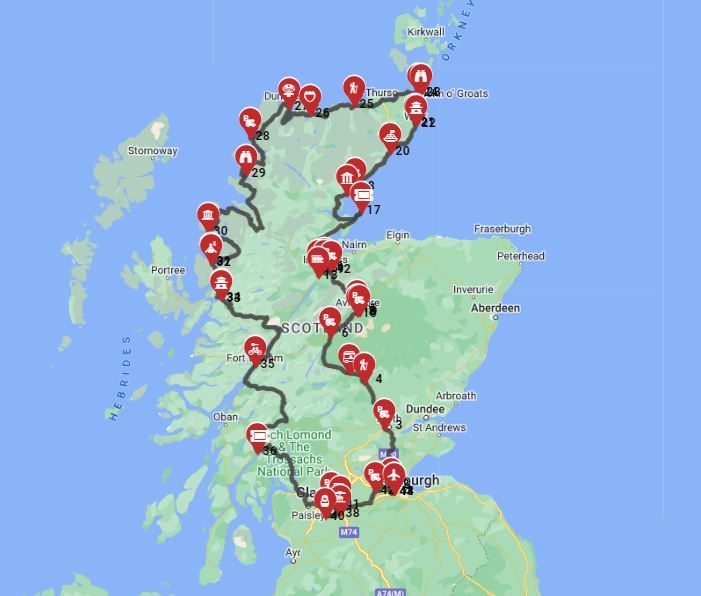
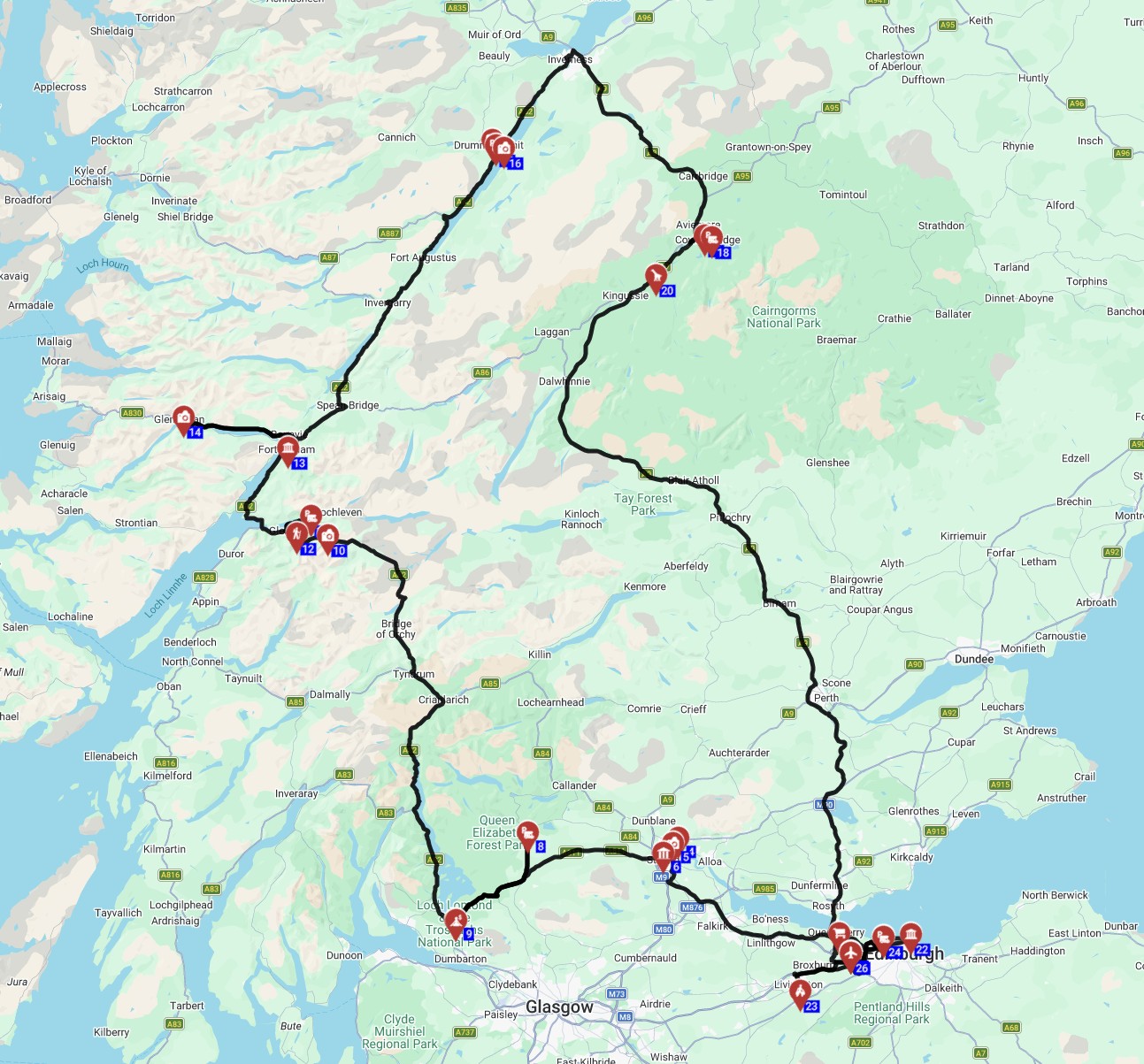
For a weekend RV trip in Scotland, scenic and accessible routes beyond the popular North Coast 500 offer excellent experiences, catering to different RV sizes and interests without requiring extensive driving. The "Argyll Coastal Route," covering approximately 200 kilometers, provides stunning lochs, historical sites like Inveraray Castle, and charming coastal towns, making it manageable for most RVs, including a "Duo" campervan.
Another excellent option is the "Snow Roads Scenic Route" through the Cairngorms National Park, a 145-kilometer journey offering majestic mountain vistas, whisky distillery visits, and opportunities for hiking. This route is best suited for smaller to medium RVs due to some winding sections. Consider a loop through the "Trossachs National Park" for picturesque lochs, gentle hikes, and historical connections to Rob Roy MacGregor, generally RV-friendly with ample parking at attractions. The "Fife Coastal Route" also provides a more relaxed, accessible option for a weekend RV trip, with quaint fishing villages and sandy beaches.
Are RV rentals in Scotland suitable for families or pet owners
RV rentals in Scotland are incredibly well-suited for both families and pet owners, with many operators and campsites offering tailored amenities and guidance. Families will find numerous child-friendly campsites equipped with playgrounds, dedicated activity areas, and safe environments for children to explore. Scotland also boasts a wealth of family-friendly attractions, from exploring historic castles like Edinburgh Castle or Urquhart Castle to spotting wildlife on boat trips.
Many rental companies, including Bandana's partners, offer pet-friendly RVs and campervans for an additional fee, allowing furry family members to join the adventure. A growing number of attractions, pubs, and cafes across Scotland welcome well-behaved dogs, though always confirm specific policies in advance. When planning routes for families, consider a larger Class C motorhome like the "MH-C" for spacious living areas and multiple sleeping berths, while pet owners should ensure their chosen campsites accommodate animals.
What are the driving challenges for RVs on Scotland's roads
Navigating Scotland's roads with a rented RV presents unique challenges, primarily due to the prevalence of single-track roads, steep gradients, and narrow bridges, particularly in the dramatic Highlands and rural islands. Drivers must quickly master the etiquette and techniques for using designated "passing places" on single-track roads, often requiring confident reversing of larger rigs to allow oncoming traffic to pass. For example, a 7.1-meter Class C motorhome will require more caution than a "Camper Van Plus - V600" campervan which measures 5.99 meters.
Additionally, being mindful of road widths when approaching historic villages, tight turns, or over bridges is crucial. Parking solutions for different RV sizes can also be challenging in popular towns and at tourist attractions, necessitating advance planning to identify suitable larger spaces or designated RV parking areas. While these conditions require extra attention, driving slowly and carefully ensures you can navigate almost anywhere without issues, transforming potential challenges into part of your authentic Scottish adventure.
Can you wild camp with an RV in Scotland
Wild camping with a rented RV or motorhome in Scotland is significantly more restricted than traditional tent camping, which benefits from the country's extensive 'right to roam.' Unlike non-motorized access rights, parking a motorhome overnight on private land or in public areas without explicit permission from the landowner is generally not permitted and can lead to fines or local community frustration.
To practice responsible RV overnight parking, travelers should adhere strictly to 'leave no trace' principles, ensure all waste is properly disposed of at designated facilities, and always utilize official campsites or designated 'Aires' where available. If considering a private, non-campsite spot, always seek permission from the landowner beforehand. Numerous options for official camping exist, from fully serviced caravan parks to more basic Forestry and Land Scotland sites.
How to deal with midges and other pests in a Scottish RV
Effectively dealing with midges and other pests in a Scottish RV involves a combination of preventative measures and strategic planning to ensure comfort. Highland Midges are most prevalent from late May to September, especially at dawn and dusk, and in damp, still conditions, particularly around lochs and wooded areas.
Essential defenses include ensuring all windows and doors on your camper or motorhome have intact screens to prevent entry, and using high-quality repellents containing DEET or picaridin (often marketed as Saltidin) on exposed skin. To minimize encounters, choose campsites in open, breezy areas, avoid parking near standing water or dense foliage, and consider visiting during cooler months when midge activity is significantly reduced. While midges are a minor annoyance, they are manageable with preparation, allowing you to fully enjoy Scotland's stunning scenery. You can also burn midge coils or citronella candles when parked outside.
Where can RVs find services like water and dump stations in Scotland
RVs can primarily find essential services like fresh water refills, grey/black water dump stations, and LPG (propane) availability at designated campsites and caravan parks across Scotland. Most larger official campsites offer full hookups or dedicated service points for emptying waste tanks and replenishing fresh water supplies, crucial for extended stays in a "24' Class C Motorhome" with an 82-liter fresh water tank.
Additionally, some larger petrol stations, particularly those outside major cities, may offer LPG for cooking and heating, although it's wise to check in advance. Certain visitor centers or local authority sites also provide specific motorhome service points, often for a small fee. Utilizing specialized apps or online resources like RV PLANET (rvplan.net) or Campercontact is highly advisable for locating the nearest service points, especially when planning routes through more remote regions of Scotland.
How to practice responsible RV travel in Scotland
Practicing responsible RV travel in Scotland involves minimizing environmental impact and actively supporting the local communities you visit. Always adhere strictly to 'leave no trace' principles by properly disposing of all waste at designated bins and recycling points, and utilizing official dump stations for grey and black water rather than emptying tanks into undesignated areas.
Support local economies by purchasing food and supplies from local shops and markets, dining at independent eateries, and engaging with community-based attractions and tours. Drive mindfully to reduce emissions and prevent damage to narrow roads and verges, maintaining a slow pace on single-track roads. By being considerate of the environment and respectful of local customs and residents, you contribute positively to preserving Scotland's beauty for everyone. Remember, "Travel slowly, max 100-150 km per day on average. Take time to feel the place, connect to the culture, the food, and the scenery," as Avi Bandana, founder of Bandana Caravan, always advises.
What You Shouldn't Miss
- Explore the Isle of Skye: Drive the iconic fairy pools, visit Dunvegan Castle, and marvel at the Old Man of Storr. Allow ample time for a smaller campervan to navigate its roads.
- Drive a Section of the North Coast 500: Even a weekend can offer a taste of this famous route, perhaps focusing on the dramatic coastal scenery around Wester Ross, with its stunning beaches and mountain backdrops.
- Discover Loch Lomond & The Trossachs National Park: Enjoy picturesque lochs, charming villages like Luss, and gentle hikes, easily accessible for a short RV trip from Glasgow.
- Visit Edinburgh and its Historic Castle: Park your RV at a nearby campsite and use public transport to explore the capital's medieval Old Town, Royal Mile, and the majestic Edinburgh Castle.
- Experience a Whisky Distillery Tour: Scotland boasts numerous distilleries. Take a tour to learn about the process and sample some of the national drink. Many have RV-friendly parking.
🎬 Video coming soon
Looking for expert insights from Avi Bandana? Top 5 Adventures - recommendations from Avi Bandana.
Final Thoughts
A weekend RV rental in Scotland promises an invigorating escape, blending adventure with comfort and offering the freedom to truly immerse yourself in this captivating country. From the rugged beauty of the Highlands to the serene lochs and charming villages, your rented motorhome or campervan becomes your personal gateway to discovery.
Remember, the magic of RV travel lies in embracing flexibility and taking the scenic route. Don't rush; allow yourself to savor every moment, every unexpected viewpoint, and every local encounter. With a little planning and the right mindset, your Scottish RV adventure will create memories to last a lifetime. God is in the small details, and we take care of them. That's what makes the big difference.
Ready to hit the road? Compare weekend RV Rentals for Scotland and begin planning your unforgettable journey today!