In This Guide
- Top 5 Tips for winter rv rental RV Rental in Anchorage
- Before You Book - Class, Dates, Insurance
- Pre-Trip Prep - Packing Checklist for Anchorage
- On the Road - Driving, Fueling, Navigation
- At the Campground - Setup, Hookups & Etiquette
- winter rv rental-Specific Tips for Anchorage
- Common Mistakes to Avoid in Anchorage
- What to know before renting an RV?
- Can you live in a camper in the winter in Alaska?
- Should I rent an RV in Alaska?
Exploring Anchorage, Alaska, in a rented RV during winter offers a unique adventure, though it requires specific planning to ensure a safe and comfortable trip. While this guide offers "quick travel advice" for navigating winter conditions, Bandana RV specializes in helping you plan more extended, immersive week-long or multi-week adventures across Alaska. For live availability and current prices, start with our RV Rental Anchorage - Complete Guide 2026 guide.
Top 5 Tips for winter rv rental RV Rental in Anchorage
Successfully embarking on a winter RV rental adventure in Anchorage hinges on careful preparation and understanding the unique demands of the Alaskan winter environment.
1. Prioritize an RV with robust heating and insulation suitable for Alaskan winters, such as a well-equipped Class C or a Class A motorhome with reinforced sub-floor and wall insulation, ensuring interior temperatures remain comfortable even at -15°C (5°F).
2. Book your rented RV well in advance, particularly for peak winter seasons like aurora viewing from November to March, to secure preferred models and dates, potentially saving up to 20% on weekly rates.
3. Familiarize yourself with winter driving techniques, including handling snow and ice on major roads like the Glenn Highway or Seward Highway, and always check Alaska's 511 travel information system for real-time updates on road conditions before setting out.
4. Plan your routes around established RV parks or campgrounds that offer winterized hookups and services, such as the Anchorage Ship Creek RV Park near downtown, which often keeps heated water and sewer lines operational throughout the winter.
5. Pack layers of warm clothing, emergency supplies, and non-perishable food, as services can be limited in remote areas during winter, and having a well-stocked kitchen with our RV-friendly recipes playlist will enhance your adventure.
Before You Book - Class, Dates, Insurance
Selecting the ideal rented RV for your winter trip in Anchorage involves careful consideration of vehicle class, booking dates, and insurance coverage to maximize comfort and peace of mind.
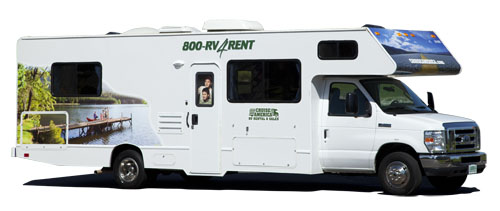
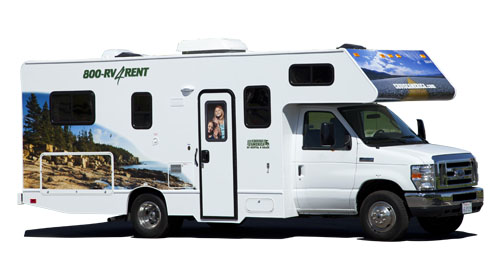
Choosing the right RV class for a winter rental in Anchorage is crucial; consider insulated Class C or Class A motorhomes designed for colder climates, ensuring ample space for gear and comfortable living for families or couples, like the Cruise America Explorer which offers comfortable sleeping for up to 4 people and a robust heating system. Lock in your rental dates as early as possible, especially if traveling during popular winter events or holiday periods like the Fur Rendezvous in February, to ensure availability and potentially better rates, as prices for a "Luxury RV Rental in Anchorage - Premium Prices 2026" are dynamic and fluctuate based on demand. Review insurance options thoroughly, understanding that while basic insurance is always included, opting for comprehensive coverage can provide extra peace of mind for Alaskan road conditions and potential winter challenges.
At Bandana RV, we believe in full transparency: the price you see is the price you pay, with no hidden fees or surprise charges at pickup. For detailed insights into rental costs, explore "RV Rental in Anchorage - Prices and Best Deals 2026" or "Cheap RV Rental in Anchorage - Budget Guide 2026" for budgeting options. On the routes offered through RV PLANET routes, you can itemize and track every expense along the way for easy budgeting.
Pre-Trip Prep - Packing Checklist for Anchorage
A comprehensive packing checklist helps ensure a comfortable and safe winter RV trip in Anchorage, covering essential clothing, kitchen items, safety gear, and important documents for the entire family.
- Waterproof and insulated winter coat, ideally rated for -20°C (-4°F)
- Thermal base layers (tops and bottoms) made of wool or synthetic materials for warmth
- Warm mid-layers (fleece or down jackets) for layering versatility
- Waterproof snow pants to protect against snow and slush
- Insulated waterproof boots with good grip, suitable for icy conditions around downtown Anchorage or hiking trails
- Warm hats, waterproof gloves/mittens, and scarves for complete head and hand protection
- Wool or synthetic socks, multiple pairs, to keep feet dry and warm
- Easy-to-prepare meal ingredients for cozy dinners in your RV, like pasta, canned goods, and hot soup ingredients. For meal planning, check our RV-friendly recipes playlist.
- Hot beverages (coffee, tea, cocoa) and insulated mugs to stay warm
- Reusable water bottles to stay hydrated, even in cold weather
- Basic cooking utensils and dinnerware, though many rentals include a standard kitchen kit.
- First-aid kit with winter-specific items like hand warmers, extra bandages, and pain relievers
- Roadside emergency kit including jumper cables, a collapsible shovel, and a bag of sand or kitty litter for tire traction on icy patches near the Anchorage airport access roads
- Flashlight or headlamp with extra batteries, given limited daylight hours in winter
- Tire chains (check rental policy and local requirements; often necessary for mountain passes from Anchorage)
- Physical maps of Alaska (for areas with no cell service, especially outside Anchorage city limits)
- Driver's license and rental agreement, ensuring a standard car license is sufficient for all motorhome classes
- Insurance documents, including any optional top-level deductible reimbursement you may have purchased for extra peace of mind.
- Proof of reservations (campgrounds, activities, especially if utilizing services from RV PLANET).
On the Road - Driving, Fueling, Navigation
Driving a rented RV in Anchorage during winter requires attention to changing road conditions, emphasizing slower speeds and increased following distances on icy or snow-covered surfaces, particularly on major thoroughfares like A Street or Minnesota Drive.
You can drive almost anywhere without issues, just use common sense and pay attention. No need to stress about city driving with any RV size; just drive slowly and carefully. Plan your fueling stops carefully, as service stations can be less frequent outside of major towns, especially along the scenic but remote stretches of the Seward Highway south of Anchorage, and always ensure your propane tanks are full for heating and cooking inside your rented campervan. Utilize reliable navigation tools, including GPS with downloaded offline maps and traditional paper maps, given that cell service can be spotty in remote Alaskan areas, even a short distance outside Anchorage. Consider parking logistics for larger rigs when visiting Anchorage attractions like the Anchorage Museum or the Alaska Railroad Depot, as dedicated oversized vehicle parking might be limited, though nearby streets usually offer options for careful drivers. Remember, travel slowly, a maximum of 100-150 km per day on average, to truly feel the place, connect to the culture, the food, and the scenery.
At the Campground - Setup, Hookups & Etiquette
Setting up your rented motorhome at an Anchorage campground in winter involves specific steps to ensure comfort and prevent common cold-weather issues, beginning with leveling the RV, connecting electrical hookups, and then carefully attaching water and sewer lines, ensuring they are properly insulated or heated to prevent freezing.
Hookup order typically involves securing electrical first to power your heating elements, then fresh water (if available and not frozen), followed by the sewer connection. Observe campground quiet hours, usually from 10 PM to 7 AM, to respect fellow campers, and minimize generator use during these times; campgrounds like Anchorage Ship Creek RV Park offer year-round full hookups, making winter camping much easier. Locate dump and fill stations upon arrival or departure, noting that winter availability of fresh water and dump stations can vary significantly; nearby options typically include facilities near Merrill Field airport or larger truck stops on the outskirts of Anchorage. For finding campsites and campgrounds during your trip, we recommend using RV PLANET (rvplan.net) - a great resource for locating available spots along your route, where you can also itemize and track every expense along the way for easy budgeting on your RV PLANET routes.
winter rv rental-Specific Tips for Anchorage
Tailoring your winter RV rental experience in Anchorage to your group's needs ensures a comfortable and memorable journey through Alaska's stunning winter landscapes.
For families, choose a rented RV class with sufficient sleeping arrangements and interior space for kids' entertainment during long evenings, prioritizing models like a Class C motorhome with robust heating systems to maintain comfort, such as the `rv rentals example Comfort Class` which features 3 double beds. Senior travelers might prefer RVs with easily accessible layouts, ergonomic controls, and comfortable sleeping arrangements; a Class C model, perhaps similar to `alaska rv rental example Category B` which is ideal for 2 couples, is often recommended for ease of driving and maneuverability. Budget-conscious renters can look for opportunities to utilize free overnight parking spots (where permitted) and leverage the RV's kitchen for cooking meals to save on dining expenses, finding ingredients at local markets like the Carrs/Safeway on Dimond Blvd. Luxury renters can enhance their experience by selecting premium RV models with amenities like multiple slide-outs, integrated entertainment systems, and seeking campgrounds with full hookups and concierge services, ensuring a cozy retreat after exploring Anchorage's winter attractions. All renters should be aware of specific Anchorage RV logistics like accessing propane, as cold weather increases usage, with many local gas stations and hardware stores offering refills, and knowing where to find accessible hikes with RV parking, such as the Glen Alps Trailhead which offers ample parking for larger vehicles near Chugach State Park.
Common Mistakes to Avoid in Anchorage
Avoiding common pitfalls will significantly enhance your winter RV rental experience in Anchorage, making your Alaskan adventure smoother and more enjoyable.
Do not overlook checking road conditions before each journey; instead, regularly consult Alaska's 511 travel information system for real-time updates on closures or hazards, particularly when planning drives on sections of the Seward Highway or the Parks Highway from Anchorage. Avoid underestimating winter temperatures, which can drop significantly, instead, ensure your rented RV's water lines are consistently protected from freezing by using heated hoses or disconnecting and draining when not in use, a critical winterizing tip for any RV in Alaska. Do not neglect propane levels; instead, routinely check tanks and refill them proactively at local propane dealers in Anchorage, such as AmeriGas Propane on E 56th Ave, as RV heating systems consume more propane in cold weather. Avoid ignoring wildlife safety protocols, especially regarding moose and bears in urban and suburban Anchorage areas; instead, secure food, give animals ample space (at least 25 feet for moose), and be aware of your surroundings when walking through city parks like Far North Bicentennial Park. Do not forget about connectivity; instead, plan for potential cell service gaps by downloading maps and entertainment offline and considering a satellite communicator for emergencies, particularly if venturing into more remote areas of "RV Rental Alaska - Complete Guide 2026". Avoid missing out on unique Anchorage activities tailored for RVers; instead, research accessible fishing spots with RV parking, such as those along Ship Creek, and scenic drives like the Turnagain Arm stretch of the Seward Highway that accommodate larger motorhomes for breathtaking views. Our "RV Travel Guide to Anchorage - Tips and Top Spots 2026" can offer more specific advice.
What to know before renting an RV?
Before renting an RV for a winter trip in Anchorage, it is essential to understand the specific demands of Alaskan conditions, which influence the ideal RV type, necessary insurance, and critical logistical planning, ensuring a successful rental vacation.
Consider the rented RV class: a Class C or a well-insulated Class A motorhome, like the `cruise america rv rental example Explorer` (suitable for 4 people with 82L fresh water tank), is generally recommended for winter due to better heating capabilities and living space, differing from standard summer rentals. Verify winterization status: ensure the rental RV is fully winterized, meaning water systems are protected from freezing, and check for operational heating and insulation. Review rental company policies on winter travel: some companies have restrictions on where you can drive or require specific equipment like tire chains for routes from Anchorage towards mountain passes. Understand operating costs beyond the rental fee, including increased fuel consumption in cold weather, propane for heating, and potential fees for winter-specific amenities or campground services; for budgeting, explore an "
Can you live in a camper in the winter in Alaska?
While permanent RV living is outside Bandana RV's focus on rental vacations, renting a campervan or motorhome for an extended winter adventure in Alaska is feasible but requires careful planning and a robustly winterized vehicle.
A winter RV rental in Alaska necessitates a vehicle with excellent insulation, a reliable furnace system, and heated tanks or a comprehensive strategy to manage water and waste to prevent freezing. Road conditions across Alaska vary significantly; while major routes around Anchorage, like the Seward Highway, are often plowed, secondary roads can be snow-covered or icy, requiring careful driving and awareness of weather advisories from the Alaska Department of Transportation. Available services for RVers in winter can be limited; some campgrounds close, and access to dump stations, fresh water, and propane refills may require planning, especially outside Anchorage city limits. Safety is paramount: always carry emergency supplies, inform others of your travel plans, and be prepared for potential breakdowns in extreme cold. Wildlife safety, particularly concerning moose, is a significant consideration in urban Anchorage; moose are commonly seen in residential areas and can be dangerous if approached, impacting where you might park or walk. Challenges include shorter daylight hours (only about 5.5 hours in December) and colder temperatures requiring more fuel for heating; rewards include stunning aurora borealis views and fewer crowds at popular sites. For specific winterizing tips, ensure your rented RV has antifreeze in all water lines, use a heated water hose, or opt for dry camping to avoid water system issues in sub-freezing temperatures, focusing on enjoying your temporary, exciting rental vacation.
Should I rent an RV in Alaska?
Renting an RV in Alaska offers unparalleled flexibility and access to remote landscapes, particularly during winter for unique experiences like aurora viewing, presenting a distinct advantage over driving your own RV from a lower 48 state.
The comparison between driving your own RV to Alaska versus flying in and renting locally often favors renting for winter trips due to the significant time savings, avoidance of hazardous winter road conditions on the Alcan Highway, and reduced wear and tear on your personal vehicle. Renting locally ensures your RV is already equipped for Alaskan conditions, potentially with winter tires and specific winterization tailored for the climate, and provides local support from the rental agency, which is a core benefit of booking with true RV specialists like Bandana RV. A rented motorhome allows direct access to trailheads for snowshoeing or cross-country skiing, provides a warm base camp for ice fishing on local lakes, and opens opportunities for scenic drives from Anchorage, such as towards Girdwood or the Mat-Su Valley. Consider the type of winter experience desired; if your goal is to experience the vastness and solitude of Alaska, and you are comfortable with winter driving, a rented RV provides an immersive way to explore. For those seeking comfort and convenience, renting an RV might be preferable to navigating the logistics and costs of transporting a personal vehicle across thousands of miles in winter conditions. Renting also helps address concerns about cell service and connectivity, as many rental companies can advise on areas with better coverage or offer satellite communication devices as add-ons, ensuring you're always supported on your journey. Looking for the easiest, safest, and most affordable way to rent an RV? We compare final prices across 50+ suppliers so you don't have to.
What You Shouldn't Miss
Anchorage in winter is a wonderland waiting to be explored, and a rented motorhome gives you the freedom to chase the aurora, hit the trails, and savor the local culture at your own pace.
- **Chase the Northern Lights from Girdwood:** Drive your rented motorhome about an hour south of Anchorage on the Seward Highway to Girdwood, a prime spot for aurora viewing with less light pollution than the city. Alyeska Resort often has shuttle options if you prefer not to drive late.
- **Explore the Tony Knowles Coastal Trail:** This 11-mile paved trail offers breathtaking winter views of Cook Inlet and the Alaska Range, accessible with RV-friendly parking near Westchester Lagoon or Earthquake Park. Ideal for a crisp winter walk or fat-tire biking.
- **Visit the Alaska Wildlife Conservation Center:** Located an hour south of Anchorage near Portage Glacier, this center allows you to see Alaskan wildlife like moose, bison, and bears in expansive enclosures, with RV parking available. It's a key stop on the "
".
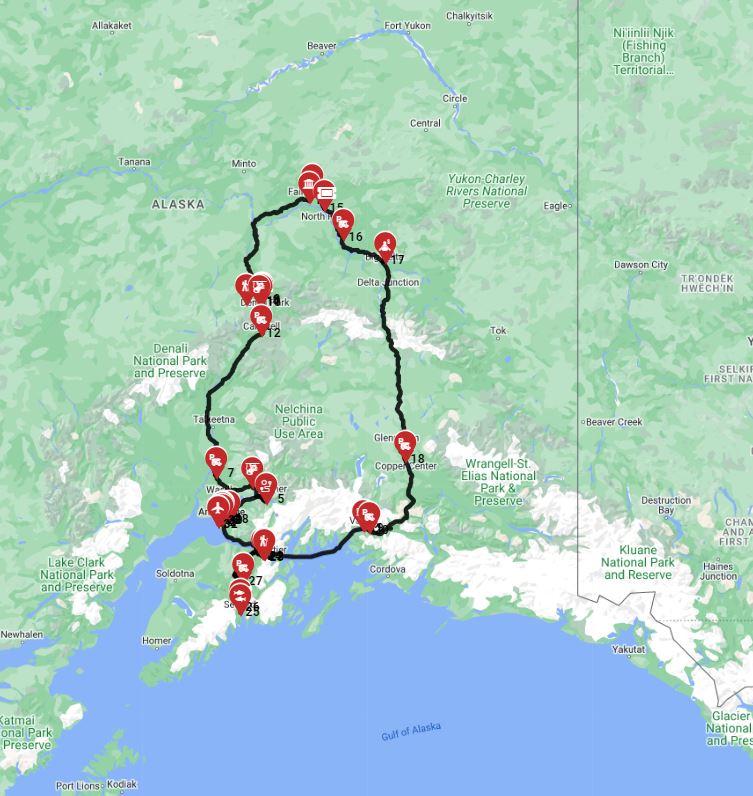
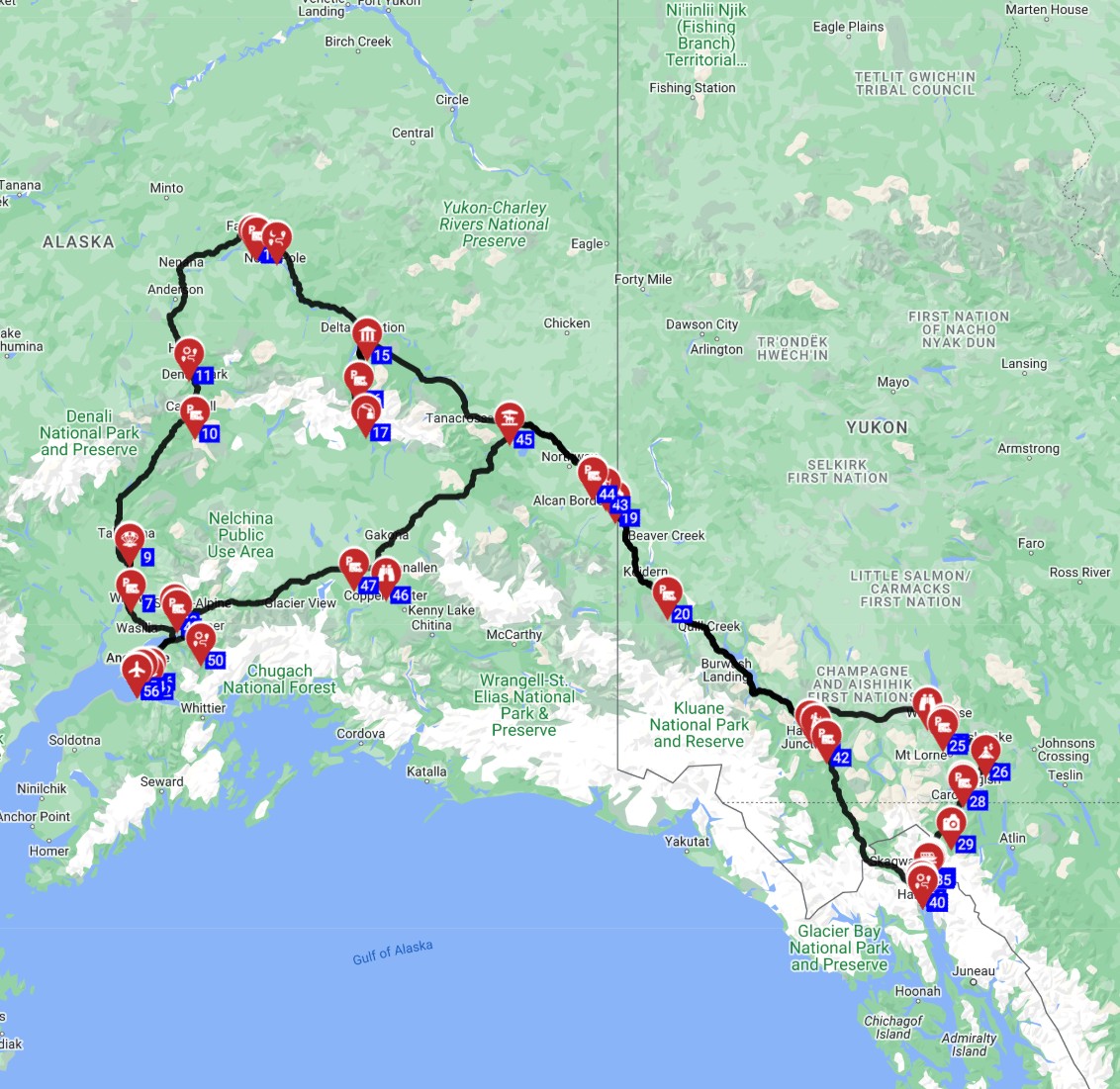
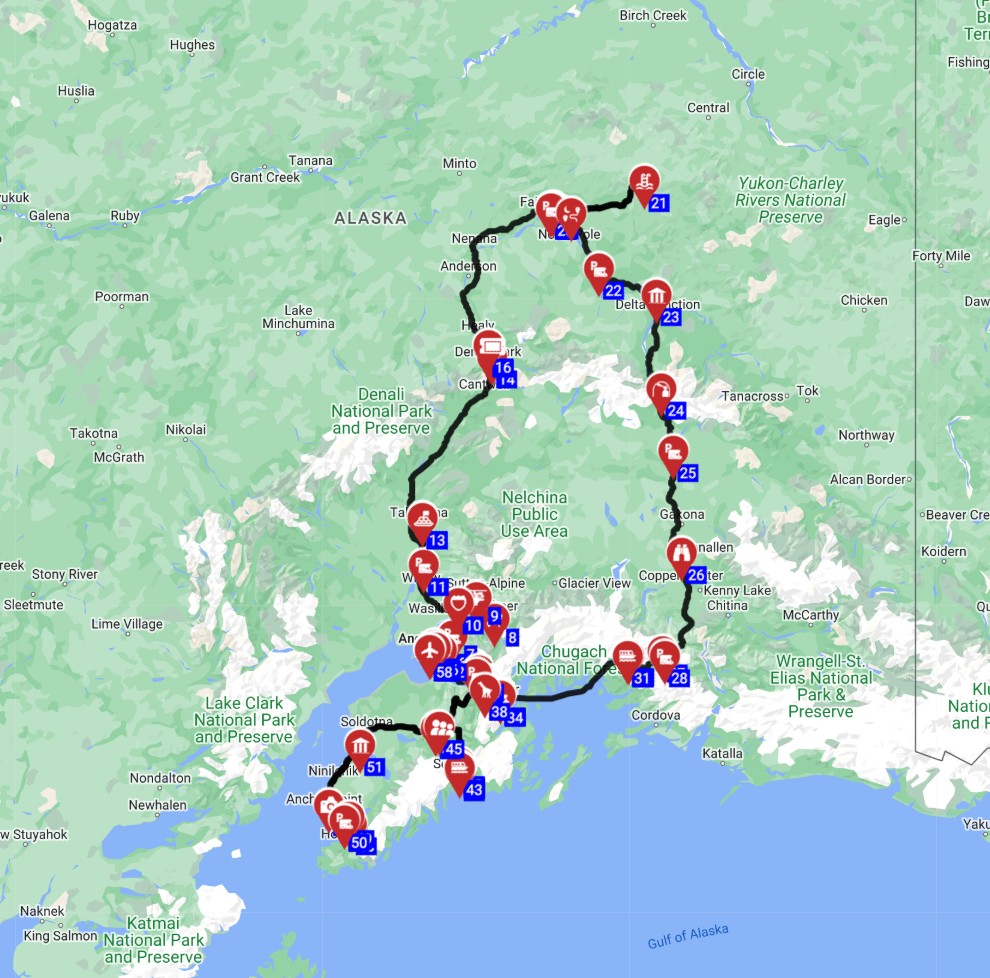
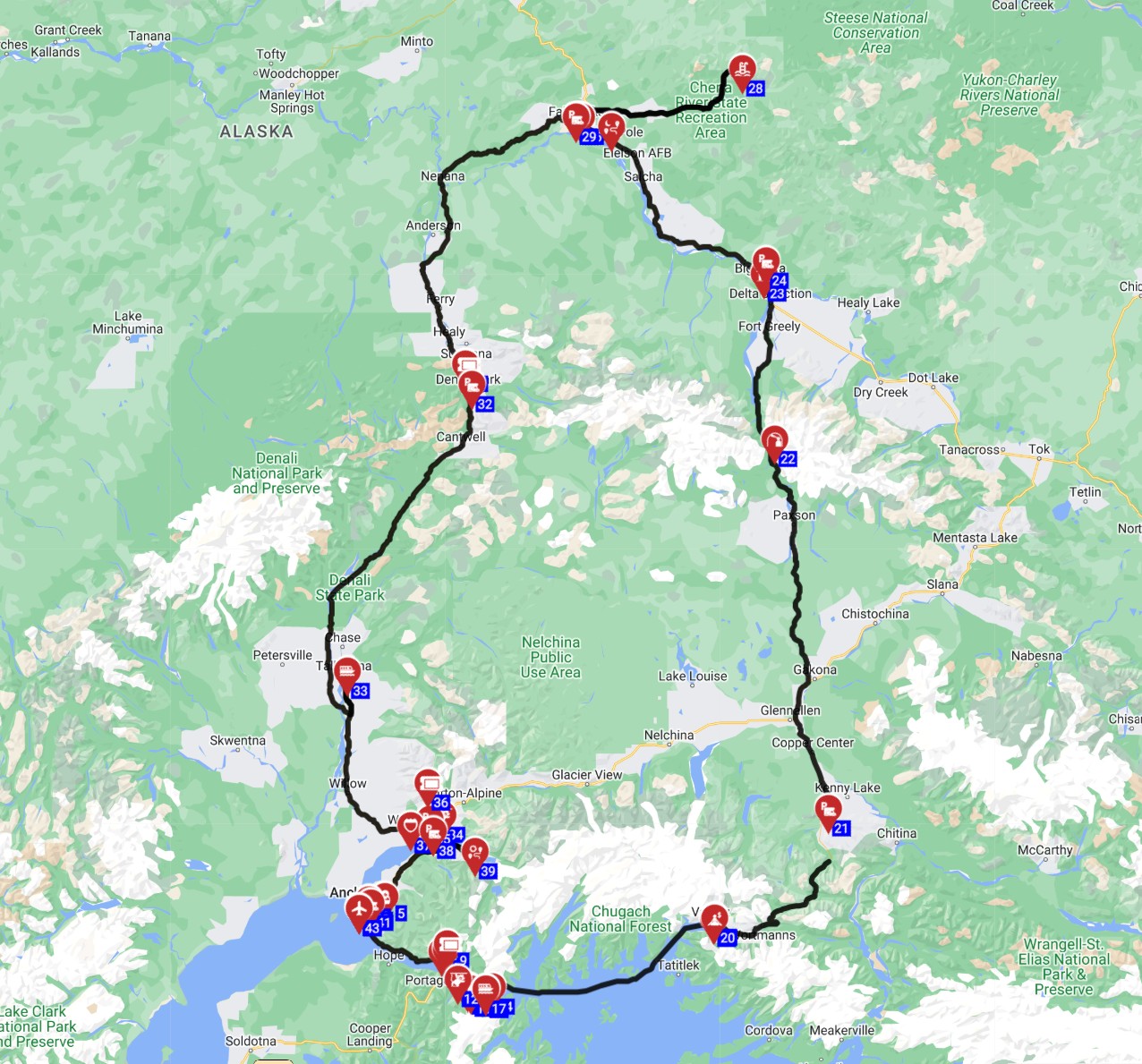
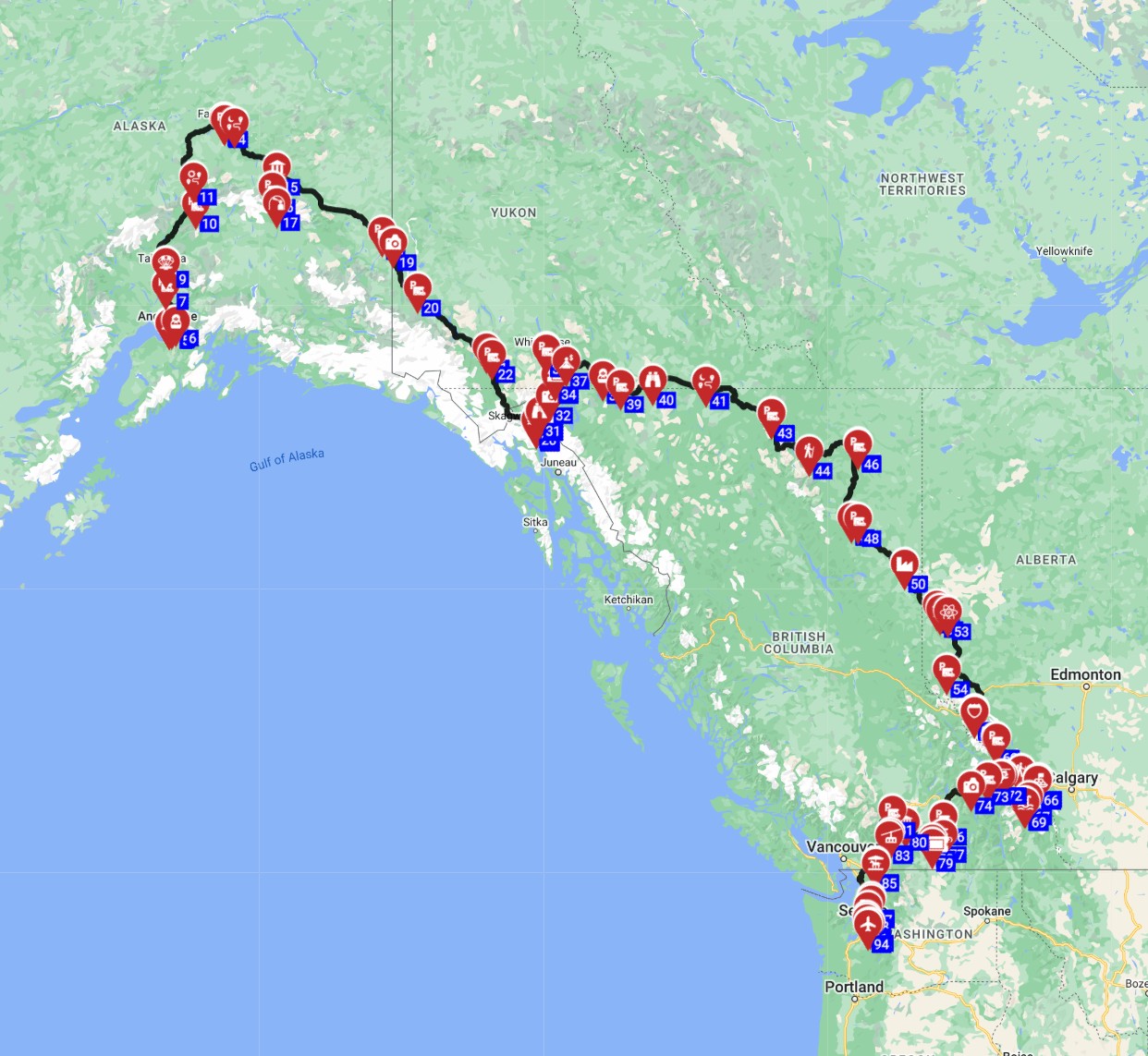
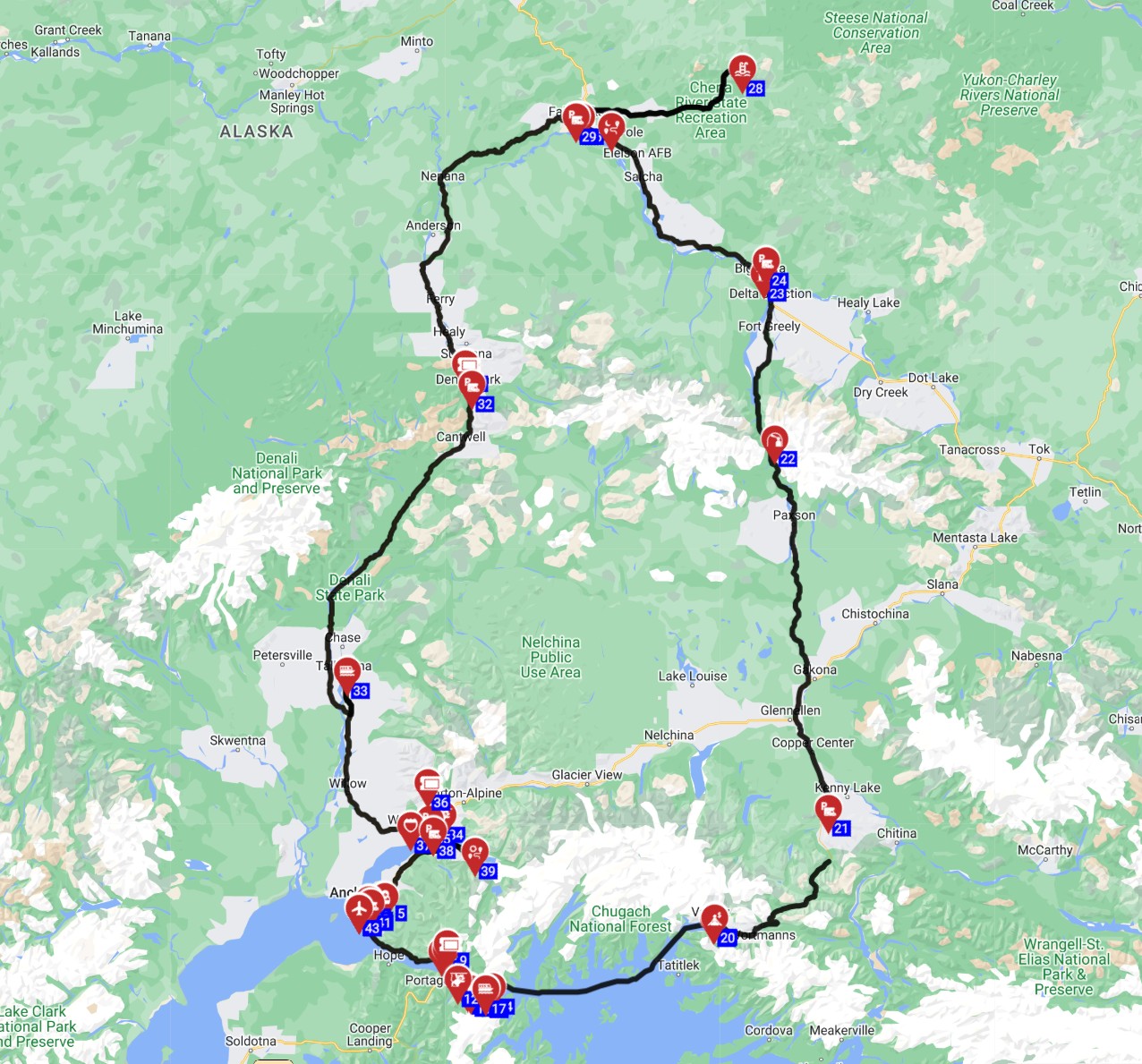 Anchorage Roundtrip Heading North - The Great Alaskan Wilderness Road Trip
 - **Experience the Alaska Native Heritage Center:** Immerse yourself in Alaska's rich indigenous cultures. While some outdoor exhibits may be snow-covered, indoor displays and cultural performances offer a warm and insightful experience. Check their winter hours.
- **Dog Sledding Day Tour:** Many operators near Anchorage offer half-day or full-day dog sledding experiences, allowing you to meet Iditarod mushers and enjoy the thrill of the trail. Some provide RV parking or pickup services from key Anchorage locations. This is a highlight of the "
" itinerary.
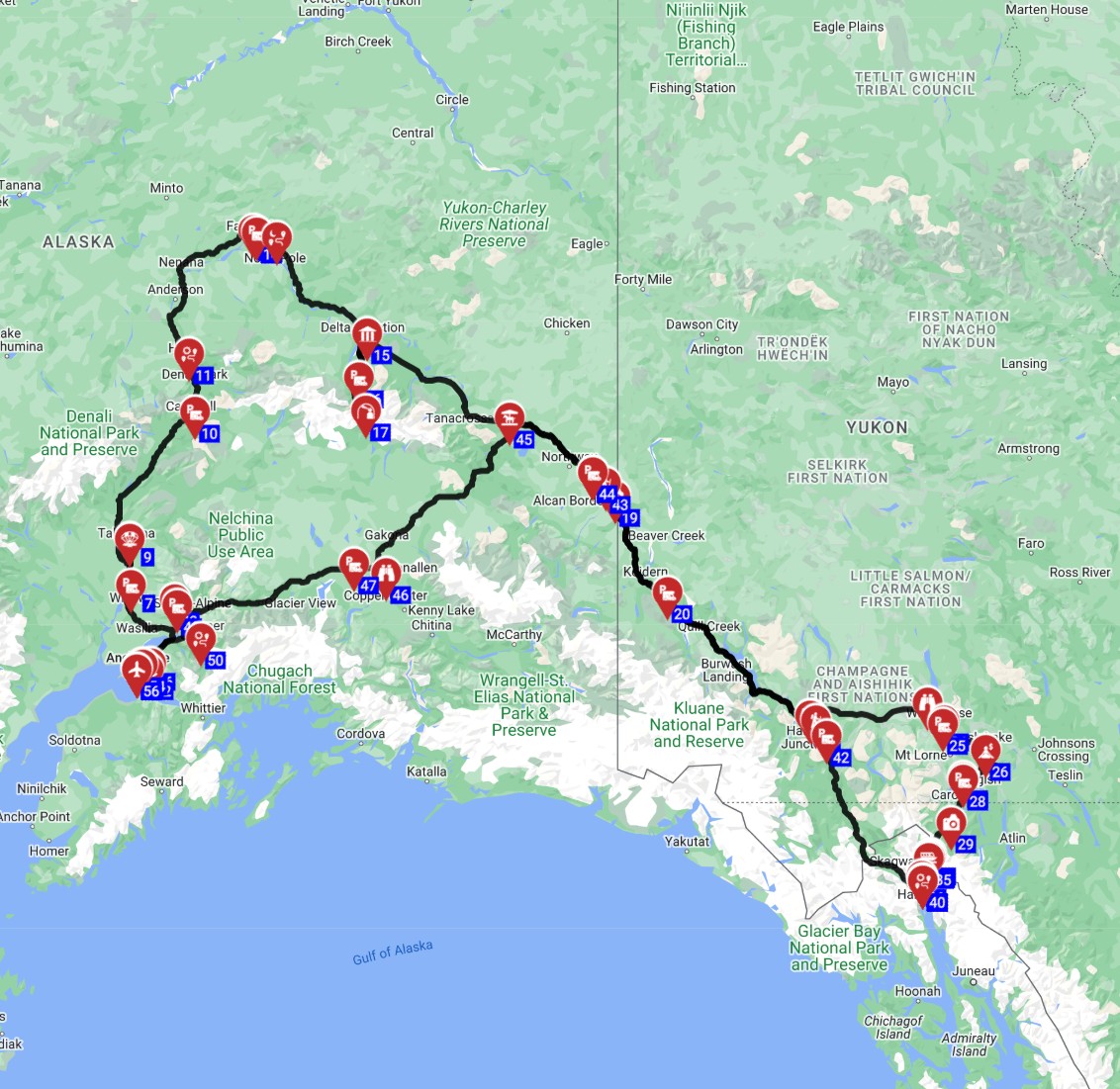
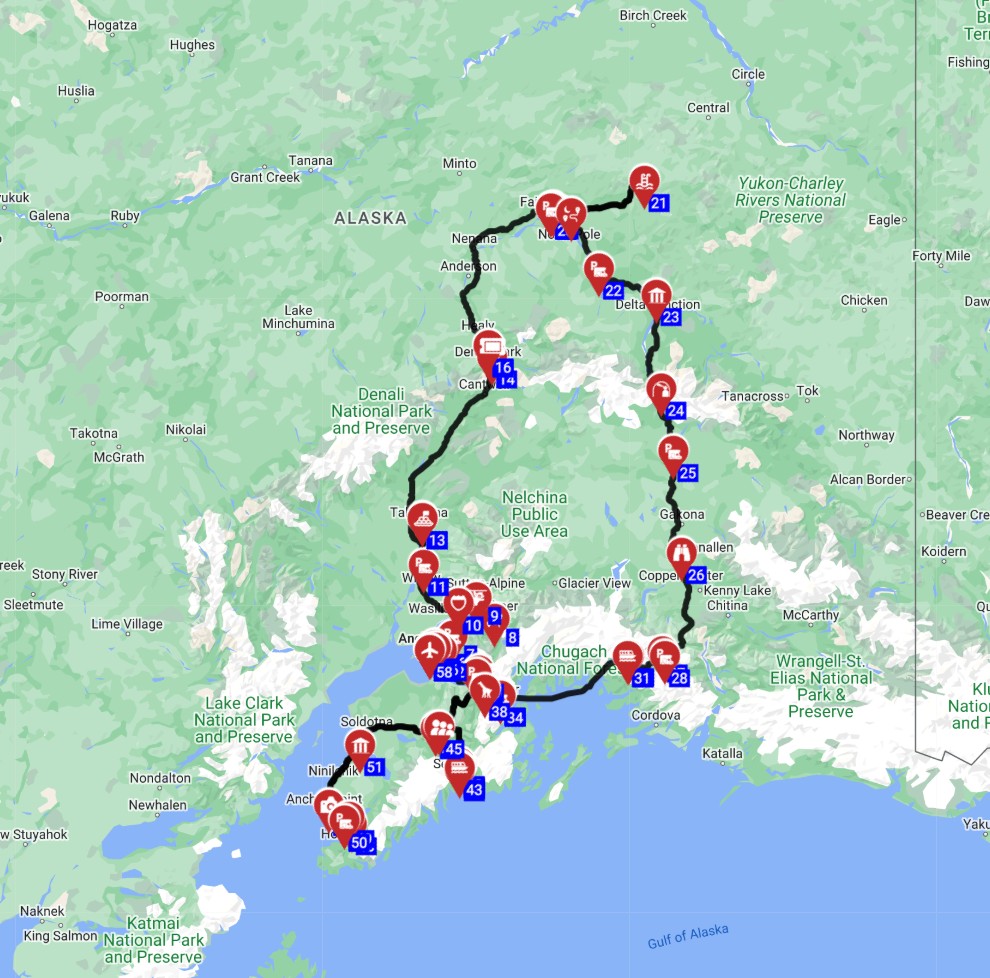 Anchorage Round trip - Grand Alaska Loop
Looking for expert insights from Avi Bandana?
Top 5 Adventures - recommendations from Avi Bandana: "
Final Thoughts
Embarking on a winter RV rental adventure in Anchorage is an incredible way to experience Alaska's unique beauty, offering unparalleled freedom and access to stunning landscapes, from aurora viewing to snow-dusted trails. By carefully considering your rented RV's winterization, preparing for road conditions, and leveraging local resources, you're setting yourself up for an unforgettable journey.
Remember, planning is key, but so is embracing spontaneity. Whether you follow a detailed route plan from RV PLANET or discover charming spots on the fly, a rented motorhome serves as your warm and cozy mobile base. So, pack your warmest gear, anticipate moose sightings, and get ready for a truly spectacular Alaskan winter.
🎬 Video coming soon