For live availability and current prices, start with our RV Rental Tokyo - Complete Guide 2026 guide.
In This Guide
- The RV Family (Class C Alcove) Compared for Tokyo
- Class C (Alcove) - Best For
- Price Comparison by RV Class in Tokyo
- Side-by-Side Comparison Table
- Our Recommendation for Weekend RV Rental Travelers in Tokyo
- What are the best RV parking spots near Tokyo
- How to navigate Tokyo with an RV
- Can you stay overnight at Michi-no-Eki in Japan
- Where to park an RV in Tokyo for city exploration
- How much does RV rental cost in Tokyo
- What are the etiquette rules for RVing in Japan
- What You Shouldn't Miss
- Why Book with Bandana Caravan
- Final Thoughts
- Frequently Asked Questions
The RV Family (Class C Alcove) Compared for Tokyo
Selecting the right RV for a weekend rental in Tokyo is crucial for a comfortable and efficient trip, balancing urban maneuverability with living space. Tokyo's unique urban landscape and road network, while navigable, benefit from a carefully chosen vehicle. For live availability and current prices, start with our RV Rental Tokyo - Complete Guide 2024 guide. Renters should consider vehicle size, sleeping capacity, and overall drivability to best match their itinerary. A rented motorhome should provide ample space for your group while remaining manageable on Japanese roads, particularly when exploring areas outside the immediate city center. Imagine yourself on the route, perhaps heading towards the serene Hakone region or the iconic Mount Fuji area, where the compact yet well-appointed Class C Alcove truly shines. This type of recreational vehicle is perfectly suited for quick trips from Tokyo, allowing families or small groups to enjoy the freedom of the open road and the comfort of a mobile home base. Bandana Caravan, with over two decades of experience since being founded in 2001, helps tens of thousands of travelers discover the best motorhome options globally. We pride ourselves on full transparency, ensuring no hidden fees or surprises at pickup, offering clear price comparisons across a diverse fleet of vehicles.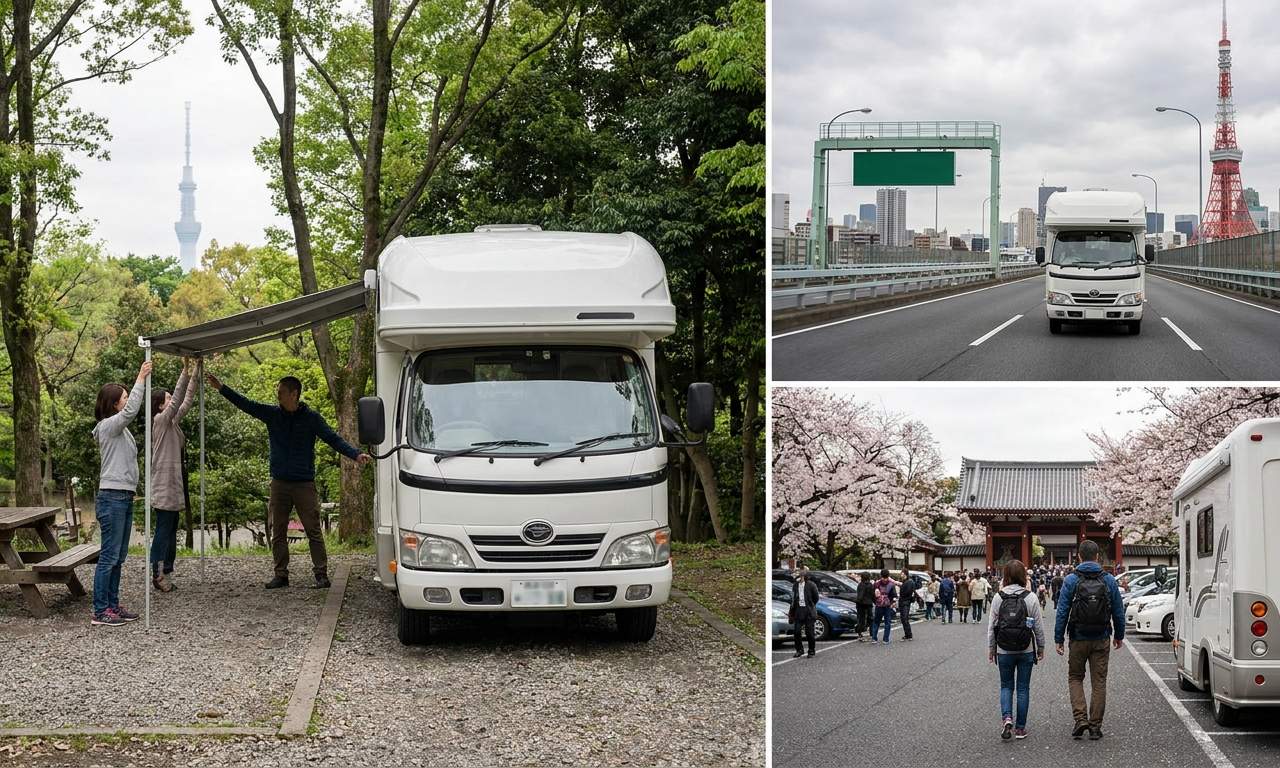
Class C (Alcove) - Best For
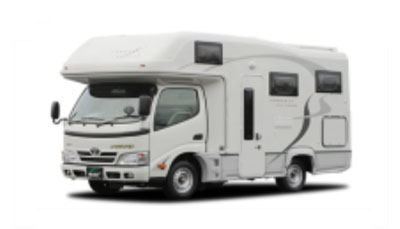
Class C alcove motorhomes, typically averaging 5 meters in length and designed to sleep up to 6 people, are an excellent choice for families or larger groups seeking a comfortable weekend RV rental in Tokyo. This class offers a practical balance of interior space, amenities, and relative ease of driving on Japanese roads. The distinctive sleeping area situated over the cab maximizes internal living space, making a rented Class C mobile home feel much more expansive than its compact exterior suggests. While larger than a campervan, the typical 5-meter length of Class C motorhomes available for rental in Tokyo makes them surprisingly manageable for navigating suburban areas and accessing many of Japan's roadside stations (Michi-no-Eki) and campgrounds. They offer more robust facilities like a full kitchen with a gas stove and a bathroom with a shower and toilet, ensuring convenience on your trip. You can find many ideas for preparing meals in your RV kitchen on our RV-friendly recipes playlist. This makes Class C Alcove a versatile option for exploring beyond Tokyo's immediate urban core to scenic spots like Nikko or the Izu Peninsula. Drive slowly and carefully, and you can drive almost anywhere without issues. No need to stress - just use common sense and pay attention to road signs and local traffic.Price Comparison by RV Class in Tokyo
RV rental prices in Tokyo are dynamic, changing daily based on factors like seasonality, availability, and specific supplier marketing decisions, much like flight tickets. Generally, longer rental periods often result in a lower average daily rate, while peak seasons, such as cherry blossom season in spring (late March to early April) and autumn foliage season (October to November), typically command higher prices across all vehicle classes. For detailed pricing and to compare suppliers like El Monte and Apollo, check our "RV Rental in Tokyo - Prices and Best Deals 2024" page. When budgeting for your weekend RV trip in Tokyo, it's essential to consider all potential costs. These include the base rental fee, optional insurance upgrades (like the top-level deductible reimbursement for extra peace of mind), fuel, campground fees, tolls, and groceries. On RV PLANET routes, travelers can itemize and track every expense along the way for easy budgeting. Bandana Caravan’s commitment to full transparency ensures that what you see is what you pay, with no surprise fees at pickup, making your financial planning straightforward.Live April Price Comparison — RV Class × Trip Length
| Trip length | Class A | Class B | Class C | Class SI | Class TC |
|---|---|---|---|---|---|
| 1 week 15/04 → 22/04 | Check prices | Check prices | Check prices | Check prices | Check prices |
| 2 weeks 15/04 → 29/04 | Check prices | Check prices | Check prices | Check prices | Check prices |
| 1 month 01/04 → 30/04 | Check prices | Check prices | Check prices | Check prices | Check prices |
Estimates only — flex-rate prices change daily based on availability and season.
Side-by-Side Comparison Table
This table provides a concise overview of the Class C Alcove RV family available for rental in Tokyo, highlighting key specifications and their best use cases for a weekend trip. While specific models may vary by supplier, the general characteristics remain consistent, helping you choose the best motorhome for your adventure. Our partners, including trusted names like Cruise America and Apollo, ensure a diverse fleet of well-maintained vehicles.| Family | Avg Length (m) | Sleeps | Best Use Case in Tokyo |
|---|---|---|---|
| Class C - Alcove | 5 | 6 | Families/groups seeking comfort and space for a weekend trip; good for campgrounds and suburban exploration. |
Our Recommendation for Weekend RV Rental Travelers in Tokyo
For weekend RV rental travelers in Tokyo, the Class C Alcove motorhome is our primary recommendation due to its excellent balance of comfort, capacity, and relative maneuverability for Japanese road conditions. With an average length of 5 meters and sleeping capacity for up to 6 people, it comfortably accommodates families or small groups without being excessively large for navigating suburban roads or parking at designated facilities. This class provides sufficient living space and amenities for an enjoyable weekend experience, including a compact kitchen and bathroom. This motorhome class allows for convenient access to many of Japan's Michi-no-Eki and campgrounds, making it a versatile choice for exploring beyond the immediate city center. While the article focuses on weekend trips, remember that Bandana RV encourages slow travel, averaging 100-150 km per day, even for shorter excursions. This pace allows you to truly feel the place, connect to the culture, the food, and the scenery around Tokyo. For more detailed insights, explore our "RV Travel Guide to Tokyo - Tips and Top Spots 2024".What are the best RV parking spots near Tokyo
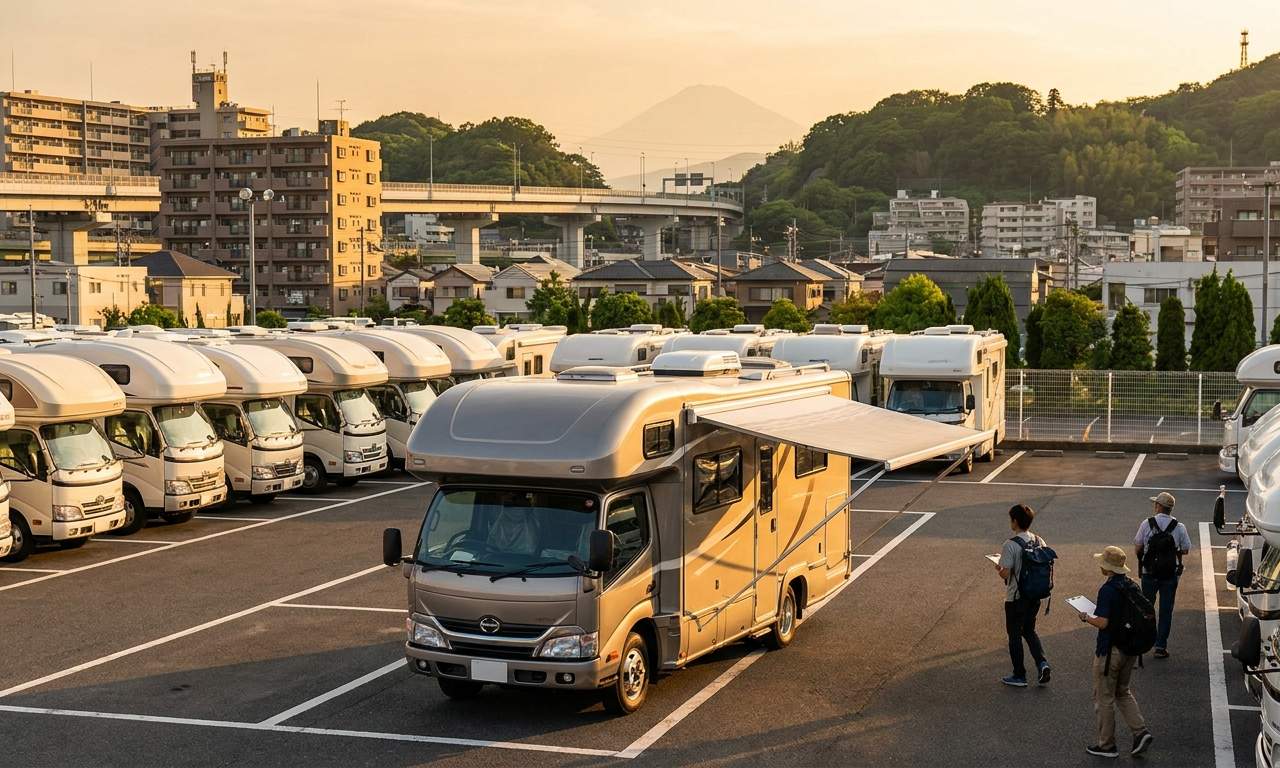
Finding suitable RV parking near Tokyo requires careful planning, as urban spaces are limited; excellent options include specific Michi-no-Eki (roadside stations), dedicated RV parks on the city's outskirts, and certain larger shopping mall parking lots that accommodate bigger vehicles. For specific actionable guidance, look for facilities like the "Tokyo Gate Bridge RV Park" in Koto City, which is designed for motorhomes and offers convenient access to central Tokyo via public transport, or the expansive parking at Showa Kinen Park in Tachikawa. Always check for height restrictions, especially for multi-story parking garages in urban fringe areas, and confirm booking requirements and prices in advance through apps like RV Park Japan or official websites. Utilizing RV parks further out, such as those near Lake Kawaguchiko or Hakone, allows for easier parking and provides convenient access to Tokyo via public transport, which is highly efficient.How to navigate Tokyo with an RV
Navigating Tokyo with a rented RV demands careful attention to complex toll roads, narrow streets, and heavy traffic; planning routes that bypass the densest urban cores and utilizing public transportation from an RV base outside the city are highly effective strategies. Understanding Japan's toll road system, including the benefits of an ETC (Electronic Toll Collection) card for convenience and potential discounts, is crucial to avoid delays and manage variable pricing on expressways like the Shuto Expressway. Many urban streets are quite narrow, so choosing routes with wider roads or opting for highways that circumvent central districts is advisable to avoid tight spots. Parking your RV at a "Park & Ride" facility on the outskirts, such as those found in Saitama or Chiba prefectures, and using Japan's efficient train and subway networks for city exploration minimizes stress and maximizes sightseeing time. Drive slowly and carefully, and you can drive almost anywhere without issues. No need to stress - just use common sense and pay attention to road signs, especially those indicating vehicle dimensions, as some tunnels or older parking facilities may have height restrictions.Can you stay overnight at Michi-no-Eki in Japan
Yes, you can typically stay overnight at Michi-no-Eki (roadside stations) in Japan, as they are government-designated rest stops that welcome travelers, though they are primarily for rest and recuperation, not traditional camping. Michi-no-Eki around Tokyo, such as 'Michi-no-Eki Hachioji Takiyama' or 'Michi-no-Eki Tamagawa', offer essential amenities like clean restrooms, local product shops, and sometimes restaurants or even hot springs, providing a convenient and safe option for overnight parking for your rented motorhome. It's crucial to follow Michi-no-Eki etiquette: keep noise to a minimum, do not set up extensive camping gear (like awnings or outdoor seating) outside your RV, and ensure proper waste disposal to maintain good relations with local communities. While you can sleep in your RV, amenities like electric hookups are rare, so be prepared for boondocking; however, these stations offer a unique cultural experience and a practical base for exploring surrounding areas during your RV Rental Japan - Complete Guide 2024 adventure.Where to park an RV in Tokyo for city exploration
For experiencing Tokyo's hyper-urban attractions, the most practical approach is to park your rented RV outside the immediate city center at dedicated RV parks or Michi-no-Eki and then use Japan's excellent public transport system to explore. Consider parking at RV-friendly locations like 'Tokyo Gate Bridge RV Park' in Koto City, or designated parking areas near major train stations on the city's periphery, such as those in Saitama or Chiba prefectures, which offer direct train lines into central Tokyo (e.g., the JR Chuo Line from Tachikawa or the JR Saikyo Line from Saitama-Shintoshin). Using public transport like the JR Yamanote Line or Tokyo Metro from these outer hubs is significantly more efficient and less stressful than attempting to drive and park an RV within the dense urban core. This strategy allows you to enjoy the city's sights like Shibuya Crossing, Shinjuku Gyoen, and Asakusa without the burden of navigating narrow streets or searching for scarce, expensive RV parking in central Tokyo.How much does RV rental cost in Tokyo
The overall cost of an RV rental trip in Tokyo extends beyond the base rental fee, encompassing variable expenses such as fuel, specific parking fees, and expressway tolls. RV rental prices for a weekend in Tokyo typically range significantly based on the class of vehicle, seasonality, and chosen provider, as detailed in our "Price Comparison by RV Class in Tokyo" section. Expect variable toll prices on Japan's extensive expressway network, with a typical day of driving around Tokyo's perimeter potentially costing 1,000-3,000 JPY (approximately $7-20 USD) in tolls, depending on distance and route. Parking fees for RVs, especially near urban centers or popular attractions, can range from a few hundred yen per hour (e.g., 300-500 JPY/hour at some large parking lots) to several thousand yen for overnight stays (e.g., 2,000-5,000 JPY/night at dedicated RV parks), so always research specific locations and their rates. Fuel costs in Japan are comparable to other developed nations, with gasoline typically costing around 170-180 JPY per liter (approximately $4.30-$4.60 USD per gallon); mileage will depend on your chosen RV class, with a Class C Alcove having higher consumption than a smaller campervan, affecting your total budget for a Weekend RV Rental Comparison in Tokyo - Quick-Trip Suppliers 2024. For finding the cheapest options, refer to our "Cheap RV Rental in Tokyo - Budget Guide 2024".What are the etiquette rules for RVing in Japan
RVers in Japan should adhere to specific cultural etiquette, including strict rules regarding waste disposal, noise levels, and respectful parking practices in local communities, to ensure a pleasant experience for everyone. Waste disposal is highly regulated; you must separate your trash meticulously into combustible, non-combustible, plastic, and recyclable categories, and only dispose of it in designated bins, never just anywhere. Michi-no-Eki often have clearly marked bins, but always ensure you understand the local system. Maintain low noise levels, especially during evening and early morning hours (typically 9 PM to 7 AM), particularly when parked at Michi-no-Eki or in residential areas, out of respect for local residents. When parking, ensure you do not block access, occupy multiple spaces unnecessarily, or camp overtly (e.g., setting up outdoor tables and chairs, or extending awnings) in public or undesignated areas. Always seek permission if parking on private property and be mindful of local customs, such as removing shoes before entering certain establishments, to demonstrate respect for Japanese culture. Adhering to these rules enhances the experience for both travelers and the communities they visit.What You Shouldn't Miss
- **Mount Fuji and Lake Kawaguchiko:** Drive your rented motorhome to the iconic Mount Fuji area. Park at a lakeside campground like Kawaguchiko Auto Camp and enjoy stunning views of Japan's highest peak, with opportunities for boating and hiking.
- **Hakone's Scenic Loop:** Explore the Hakone Open-Air Museum, take a cruise on Lake Ashi, and experience the Hakone Ropeway, all easily accessible from RV parks in the region. This is a perfect short trip from Tokyo.
- **Nikko National Park:** Discover the UNESCO World Heritage shrines and temples, such as Toshogu Shrine, surrounded by beautiful natural scenery. Several campgrounds and Michi-no-Eki are available for overnight stays with your RV.
- **Yokohama's Waterfront Charm:** Visit Minato Mirai 21, the CupNoodles Museum, and the expansive Yamashita Park. RV parking can be found at larger facilities on the city's edge, allowing easy transit into the bustling city center.
- **Coastal Drive to Izu Peninsula:** Enjoy a scenic drive along the coast, stopping at picturesque beaches, hot springs (onsen), and fishing villages. There are numerous RV-friendly spots and local seafood restaurants to discover.
Looking for expert insights from Avi Bandana? Top 5 Adventures – recommendations from Avi Bandana
🎬 Video coming soon
Final Thoughts
A weekend RV rental in Tokyo offers an incredible opportunity to explore not just the city's vibrant energy, but also the tranquil beauty of its surrounding regions with the comfort of your own mobile home. Whether you're a family seeking adventure or a couple desiring a unique escape, a rented motorhome provides flexibility and a personalized travel experience that traditional hotel stays simply can't match. Remember to embrace the local customs, travel at a relaxed pace, and discover the hidden gems along your chosen route plan. Bandana Caravan is here to support you every step of the way, from comparing the best deals for your chosen motorhome to offering expert advice and pre-planned itineraries. With our commitment to full transparency and over two decades of specialist experience, you can book your Tokyo RV adventure with confidence and excitement. We believe that life is now, and there’s no better way to experience it than on the open road. Find Motorhome Rentals in TokyoOn the routes offered through RV PLANET routes, you can itemize and track every expense along the way for easy budgeting.