In This Guide
- The 5 RV Families Compared for Spain
- Class A (Integrated) — Best For
- Price Comparison by RV Class in Spain
- Class SI (Semi-Integrated) — Best For
- Class C (Alcove) — Best For
- Class B (Campervan) — Best For
- Class TC (Truck Camper) — Best For
- Side-by-Side Comparison Table
- Our Recommendation for weekend rv rental Travelers in Spain
- How much does it cost to rent an RV in Spain?
- What is the best month to RV in Spain?
- Can you wild camp in Spain in a motorhome?
- What are the RV rules in Spain?
- What are the road conditions like in Spain?
- Is it hard to drive an RV in Spain?
- What documents do I need to rent an RV in Spain?
- Is it worth renting an RV in Spain?
The 5 RV Families Compared for Spain
Choosing the right RV for a weekend trip in Spain involves considering how different vehicle classes impact maneuverability, especially on Spanish roads and within its charming, often narrow, city streets. The diverse Spanish climate, from potentially windy coastal routes to mountainous passes, also plays a role in selecting a vehicle that offers both comfort and stability. Your choice of RV should primarily be guided by your weekend trip's duration and the number of travelers to ensure an optimal and enjoyable experience. For instance, larger motorhomes might offer more luxury but could present challenges in more confined areas, while smaller campervans excel in agility. Getting this choice right is crucial for enhancing your overall travel experience.
Class A (Integrated) — Best For
Class A motorhomes are designed for those who prioritize maximum luxury and spacious comfort, making them ideal for larger families or groups embarking on a weekend getaway in Spain. Our global fleet averages about 7.5 meters in length and can sleep approximately 4.4 people, providing ample living space. They also offer significant load capacity, averaging around 209.5 kg, which is beneficial even for shorter trips for carrying essentials or gear. Fuel consumption for this class typically averages between 11-12 liters per 100 km, based on our global fleet data. However, a potential trade-off is their size, which can make them challenging to maneuver and park in the narrow, historic streets of many Spanish cities or in more remote rural areas, requiring extra caution from the driver.
Price Comparison by RV Class in Spain
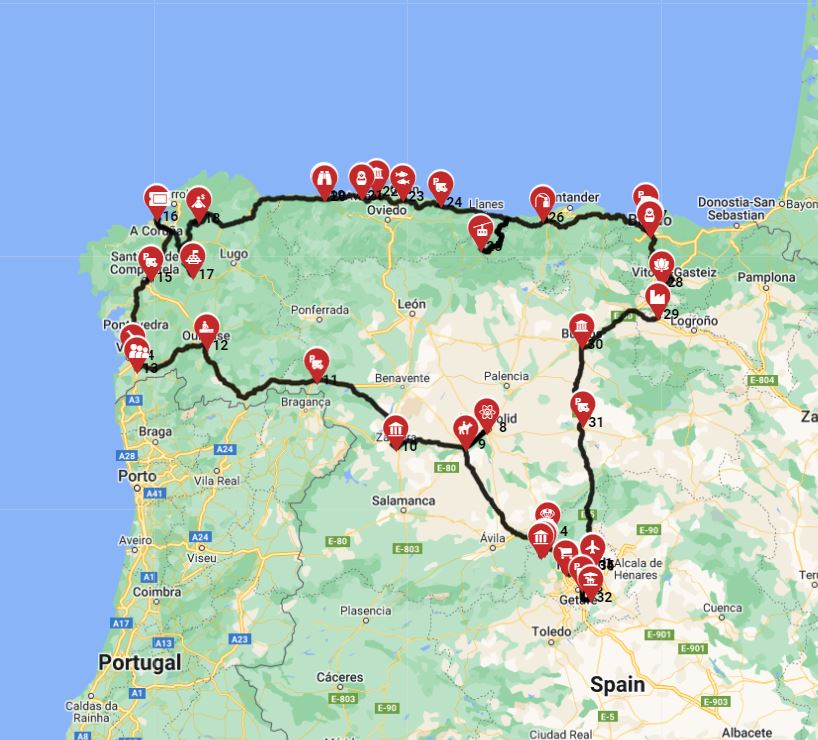
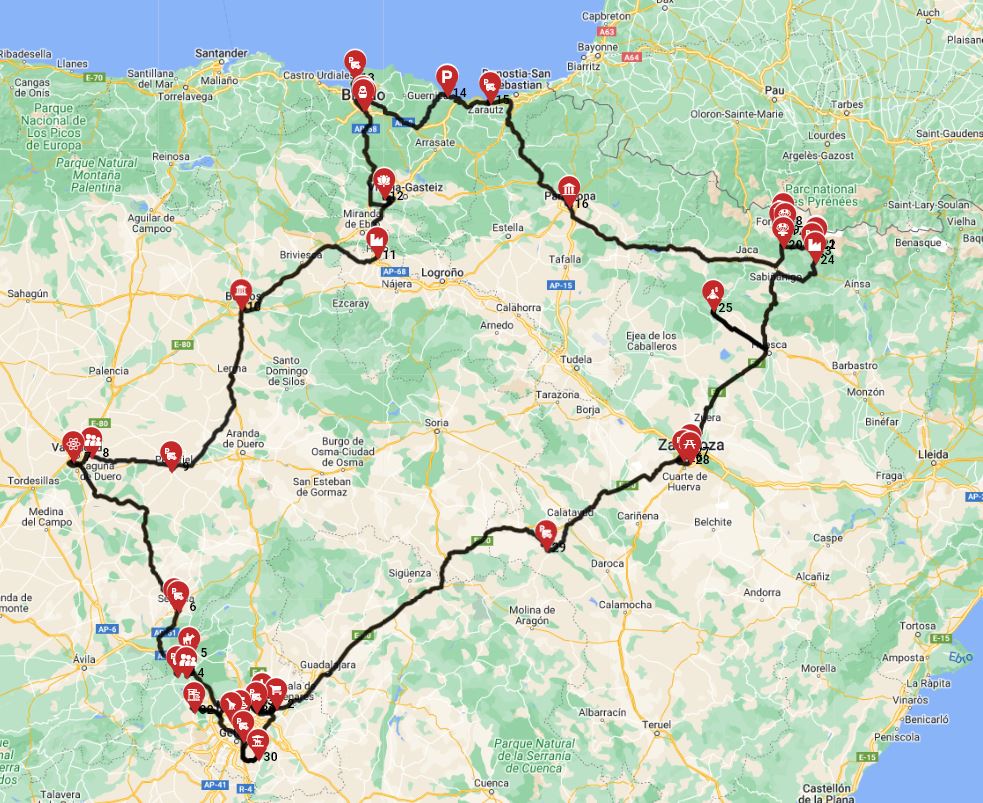
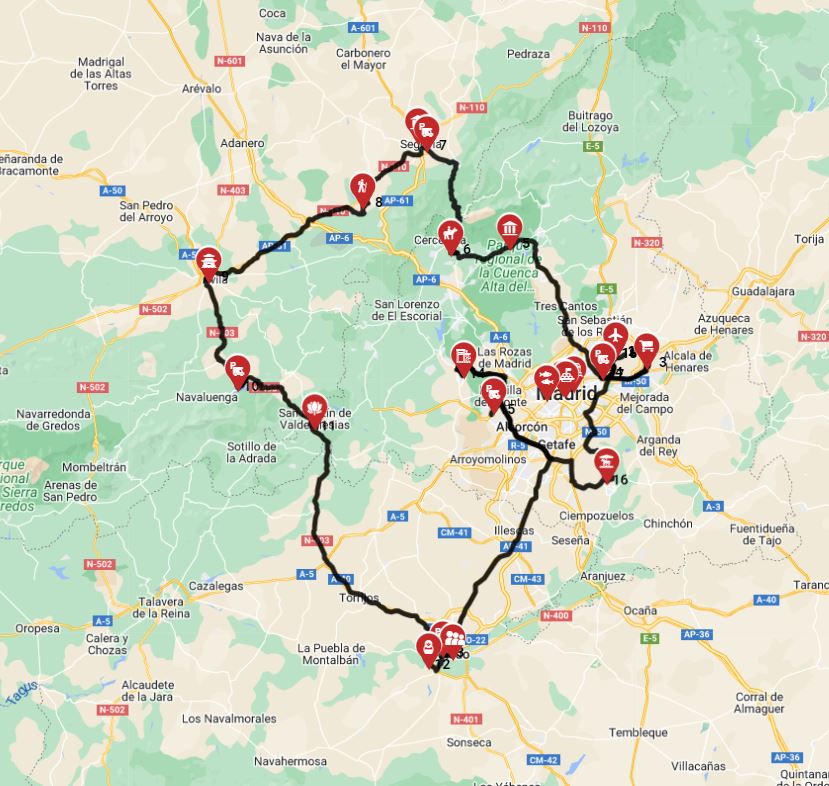
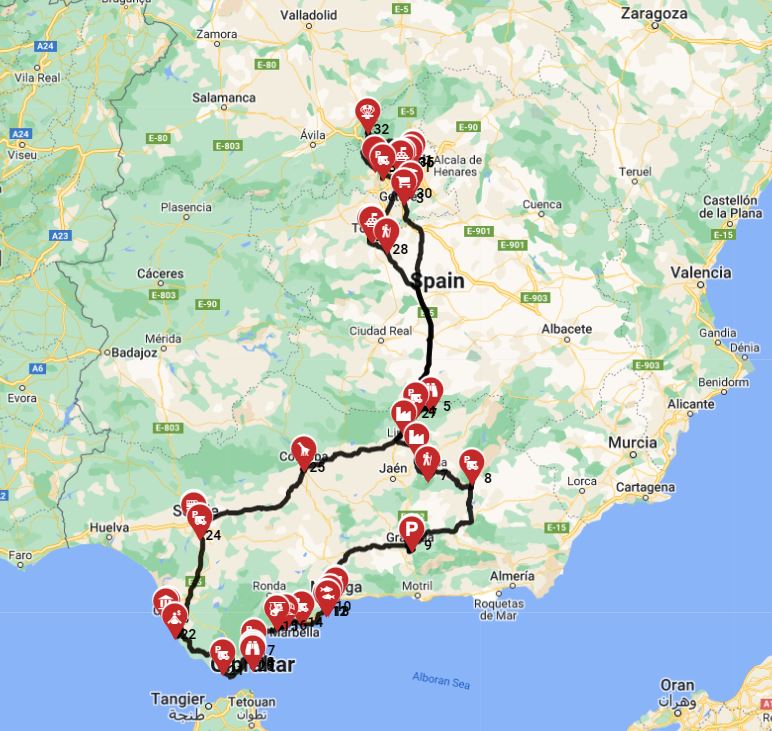
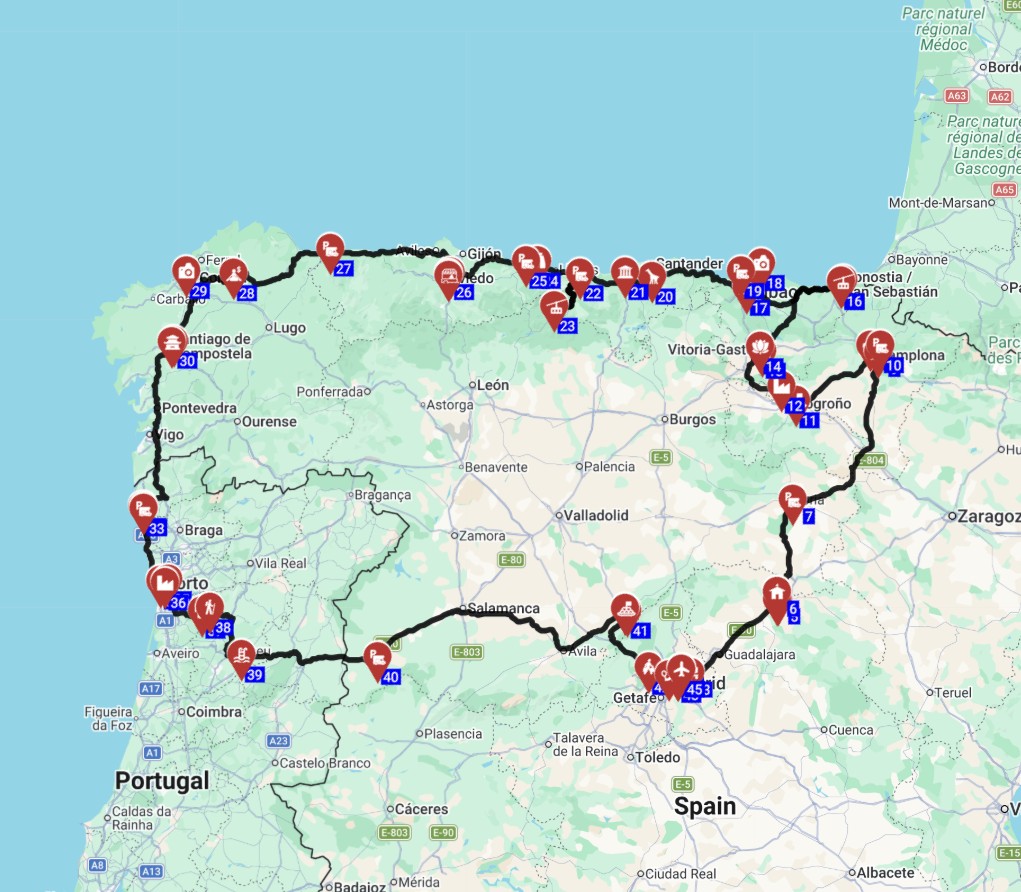
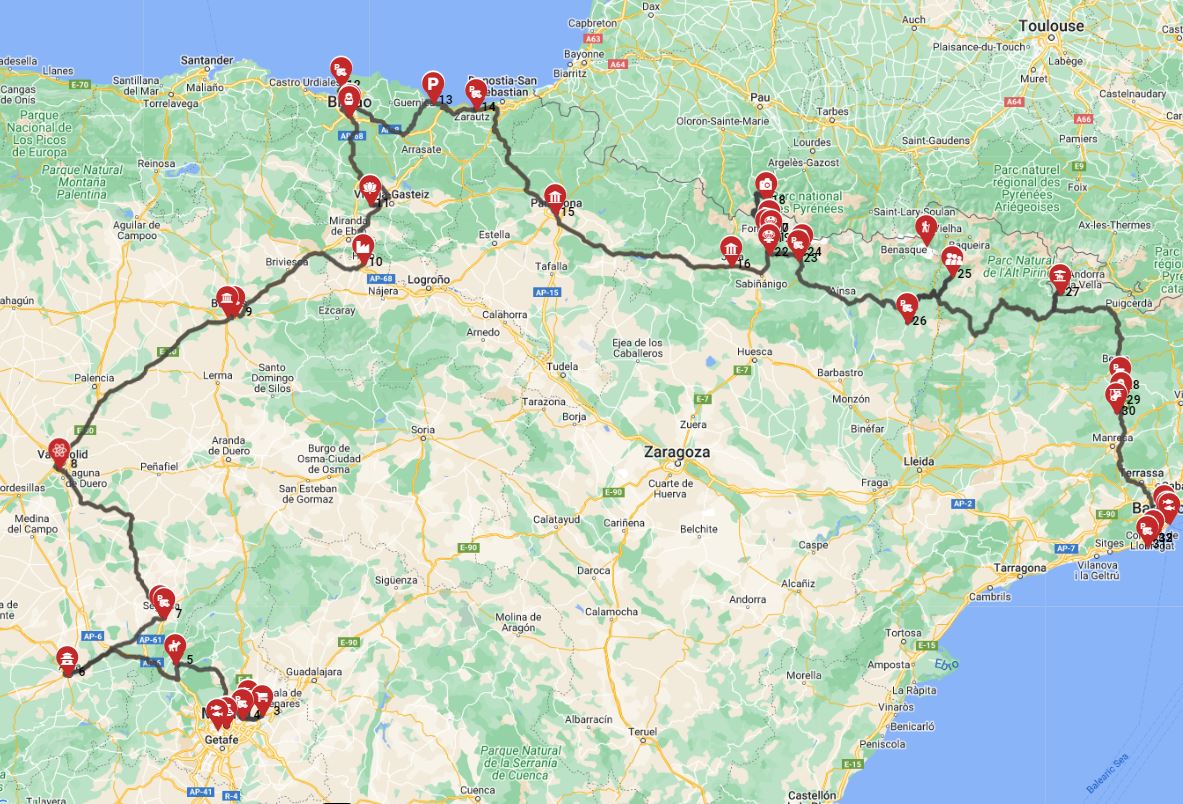
RV rental prices in Spain are dynamic, influenced significantly by factors such as the season, overall demand, and the specific RV class you choose. The table below provides real example prices pulled directly from Bandana's live search, showcasing estimates for various durations and classes. These prices are subject to daily updates, so performing a live search is essential for securing the most current availability and rates. When budgeting for your trip, remember to factor in additional costs beyond the rental itself, such as fuel, highway tolls, and campsite fees, to get a complete picture of your total expenses. For finding campsites and campgrounds during your trip, we recommend using RV PLANET — a great tool for locating available spots along your route. On the routes offered through RV PLANET routes, you can itemize and track every expense along the way for easy budgeting.
Because pricing is flex-rate, the table below pulls real example prices from Bandana's live search.
Live April Price Comparison — RV Class × Trip Length
| Trip length | Class A | Class B | Class C | Class SI | Class TC |
|---|---|---|---|---|---|
| 1 week 15/04 → 22/04 | Check prices | 881.60 € EUR | 3,006.00 € EUR | 1,016.00 € EUR | Check prices |
| 2 weeks 15/04 → 29/04 | Check prices | 1,548.00 € EUR | 6,012.00 € EUR | 1,800.00 € EUR | Check prices |
| 1 month 01/04 → 30/04 | Check prices | 2,976.00 € EUR | 7,417.74 € EUR | 3,480.00 € EUR | Check prices |
Estimates only — flex-rate prices change daily based on availability and season.
Please note that these prices are flex-rate estimates and update daily; for the most current availability and rates, use the search box at the top of the page.
Class SI (Semi-Integrated) — Best For
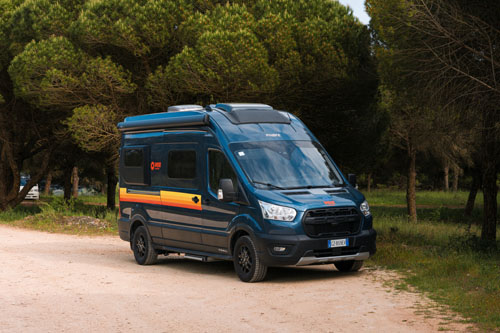
The Class SI (Semi-Integrated) motorhome offers a balanced blend of comfort and maneuverability, making it a perfect choice for couples or small families exploring Spain on a weekend trip. Bandana's global fleet for this class averages about 6.9 meters in length and accommodates approximately 3.8 people. These vehicles provide more interior space and amenities than a typical campervan, yet remain significantly easier to drive and park than a larger Class A motorhome. Fuel consumption typically averages a very reasonable 10-11 liters per 100 km, which is excellent for keeping a lid on travel costs. Their versatility makes them ideal for exploring both the vibrant Spanish cities and the diverse, breathtaking landscapes that Spain offers on a short getaway.
Class C (Alcove) — Best For
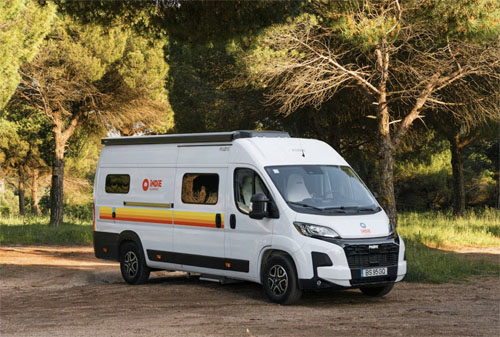
Class C motorhomes, often recognizable by their distinctive over-cab bunk space, are an excellent option for families with children or larger groups that require ample sleeping capacity. Bandana's global fleet averages around 7.5 meters in length and comfortably sleeps about 5.8 people, providing generous space for everyone. They represent a cost-effective solution for accommodating more travelers without sacrificing essential amenities. Fuel consumption for Class C vehicles typically averages between 10-12 liters per 100 km, offering a good balance of space and efficiency. Generally, these motorhomes are quite stable and well-suited for navigating Spain's main roads and highways, providing a reliable and comfortable travel experience.
Class B (Campervan) — Best For
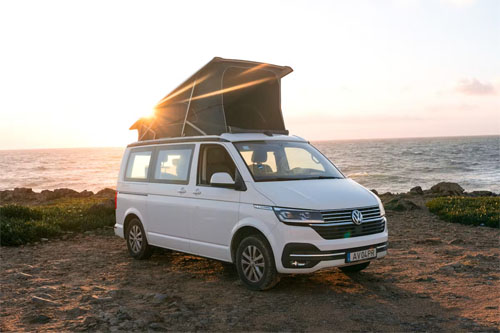
For those prioritizing maximum agility and ease of parking, a Class B campervan is an excellent choice, especially for solo travelers or couples. Bandana's global fleet averages approximately 5.8 meters in length and sleeps around 3.2 people, offering a compact yet functional living space. These vehicles are highly fuel-efficient, with consumption typically averaging a very low 8-10 liters per 100 km, which is ideal for budget-conscious travel. A campervan is perfect for urban exploration, effortlessly navigating winding coastal roads, and accessing more remote or less-trafficked areas that might be inaccessible to larger RVs. They offer a quintessential road trip experience for those who want to stay nimble and spontaneous.
Class TC (Truck Camper) — Best For
Truck campers are designed for the adventurous traveler who seeks off-grid capabilities and ultimate flexibility. Bandana's global fleet averages about 5.5 meters in length and sleeps approximately 2.4 people, with a generally more compact living area. Their unique design, with a living unit mounted on a truck chassis, allows for enhanced off-road exploration and the ability to detach the camper for independent vehicle use. Fuel consumption typically averages between 12-17 liters per 100 km, reflecting their robust build and capability. These are best suited for exploring rugged Spanish terrains, remote natural parks, or specific adventure destinations where maximum freedom and access are paramount.
Side-by-Side Comparison Table
A comparative overview of the main RV families helps weekend renters quickly assess which vehicle type aligns best with their travel style and needs for a trip through Spain. This comparison highlights key specifications across all RV families, allowing you to identify the best fit based on average length, sleeping capacity, fuel efficiency, and primary use case. It’s a useful tool for visualizing the trade-offs between different RV types when planning your weekend rental in Spain.
| Family | Avg Length (m) | Sleeps (Avg) | Fuel Use (L/100km) | Best Use Case in Spain |
|---|---|---|---|---|
| Class A (Integrated) | 7.5 | 4.4 | 11-12 | Luxury, large groups, long hauls |
| Class SI (Semi-Integrated) | 6.9 | 3.8 | 10-11 | Balanced comfort & maneuverability, couples/small families |
| Class C (Alcove) | 7.5 | 5.8 | 10-12 | Families with kids, budget-conscious groups |
| Class B (Campervan) | 5.8 | 3.2 | 8-10 | Couples/solo, urban exploration, fuel efficiency |
| Class TC (Truck Camper) | 5.5 | 2.4 | 12-17 | Off-grid, adventure, specific terrain, detachability |
Our Recommendation for weekend rv rental Travelers in Spain
For weekend RV rentals in Spain, we primarily recommend a Class B Campervan for its unparalleled maneuverability and fuel efficiency, with a Class SI Semi-Integrated as an excellent runner-up for those desiring more comfort and space. A Campervan (Class B) is ideal for a short weekend trip due to its ease of driving and parking, making it perfect for exploring both city centers and natural parks without hassle. The Semi-Integrated (Class SI) offers a good compromise for couples or small families, providing more amenities and living space than a campervan while remaining manageable on Spanish roads, offering a comfortable base for a relaxing short break. For live availability and current prices, start with our Spain motorhome rental guide.
How much does it cost to rent an RV in Spain?
Weekend RV rental prices in Spain typically range from €100-€250 per night, with significant variations based on the RV class and the season. Budget an additional €15-€40 per night for campsite fees. Fuel costs are also a key consideration, with consumption varying from 8-17 liters per 100 km depending on the RV class. Don't forget to factor in potential highway tolls, which can add €15-€30 for every 200-300 km traveled on toll roads, and your daily expenses for food and activities. Self-catering within the RV can significantly reduce overall costs, making it a more budget-friendly option. For precise, up-to-date pricing, the embedded table in the 'Price Comparison by RV Class in Spain' section provides live estimates.
What is the best month to RV in Spain?
The most favorable months for RV travel in Spain are generally during the spring (April to May) and autumn (September to October). These shoulder seasons are ideal as they offer pleasant, mild temperatures across much of the country and significantly fewer crowds compared to the peak summer months. Summer (June to August) is suitable for enjoying Spain's coastal areas, but inland regions can be extremely hot, and tourist spots are at their busiest. Winter (November to March) is a great time for exploring southern Spain's milder climate or visiting northern ski resorts. Always consider the specific regional climate variations, as Spain's diverse geography means weather can differ significantly across the country.
Can you wild camp in Spain in a motorhome?
Wild camping in a motorhome in Spain exists in a legal grey area; 'parking' overnight is generally permitted where not explicitly forbidden by signage, but 'camping'—such as deploying awnings or setting out chairs—outside designated areas is prohibited. Regulations vary considerably by municipality and region, so it's essential to always check local signage and ordinances before settling down for the night. Prioritize safety by choosing well-lit, populated areas or designated motorhome parking spots ('Áreas de Autocaravanas'). These practical alternatives, often free or low-cost, provide essential services and are a great way to legally and responsibly experience Spain. Remember to practice responsible tourism: leave no trace, manage waste properly, and respect local environments and communities.
What are the RV rules in Spain?
RV drivers in Spain must adhere to all general Spanish traffic laws, including speed limits, mandatory seatbelt usage, and strict regulations regarding driving under the influence. Parking an RV is generally allowed in any spot where a standard car can park, provided the vehicle does not extend beyond its footprint, meaning 'camping' activities are not permitted. Specific waste disposal rules mandate that grey and black water must be emptied only at designated service points, never in public drains or natural environments. Be aware of Low Emission Zones (ZBEs) in major cities like Madrid and Barcelona, which restrict access for certain vehicle types; ensure your RV's emissions sticker complies with these regulations to avoid fines. Always practice responsible travel by minimizing noise, conserving water, and respecting local culture and customs.
What are the road conditions like in Spain?
Spanish road conditions are generally excellent, featuring a modern network of well-maintained highways (autopistas) and free motorways (autovías) that efficiently connect major cities. However, rural and mountainous regions can present narrower, winding roads with steeper inclines and descents, requiring attentive driving. Toll roads (autopistas) offer faster travel times, while the free national roads (autovías) provide more scenic routes. It's essential for RV drivers to be aware of the varying speed limits applicable to different vehicle types and road conditions to ensure safety and compliance. Be prepared for heavy traffic around major urban centers, particularly during peak commuter hours and holiday travel periods.
Is it hard to drive an RV in Spain?
Driving an RV in Spain is generally manageable on the extensive highway network, but it can become challenging in dense urban areas, on very narrow rural roads, or when attempting to navigate restricted parking zones. City driving requires heightened awareness due to narrow historic streets, limited parking availability, and pedestrianized zones. Understanding and complying with Low Emission Zones (ZBEs) in cities like Madrid and Barcelona is crucial to avoid fines. Effective parking strategies often involve utilizing 'Áreas de Autocaravanas' located on the outskirts of cities and then using public transport to explore the city center. In the event of a breakdown or emergency, reliable roadside assistance is available, making it wise to familiarize yourself with basic emergency procedures before you travel.
What documents do I need to rent an RV in Spain?
To rent an RV in Spain, you'll need a valid driving license; an EU license is sufficient. For non-EU citizens, an International Driving Permit (IDP) is typically required in addition to your national license. A credit card in the main driver's name is essential for the security deposit and rental payments. You'll also need a passport or national identification card for identity verification. Most rental companies specify a minimum driver age of 21-25 years, and require drivers to have held their license for at least 1-3 years. For better connectivity, consider bringing a European SIM card, and ensure any pets traveling with you have the necessary health certificates and travel documents.
Is it worth renting an RV in Spain?
Renting an RV in Spain offers unparalleled freedom and flexibility, allowing you to explore its diverse landscapes—from sun-drenched beaches to dramatic mountain ranges and charming historic villages—all at your own pace. It provides a unique opportunity for authentic cultural immersion, enabling you to engage more intimately with local markets, cuisine, and festivals. RV travel can be particularly cost-effective for families or groups, as it combines accommodation and transportation expenses into one manageable cost. It’s an excellent way to discover off-the-beaten-path destinations that might be inaccessible by traditional transport or hotels, catering to various traveler types, including families with children, solo adventurers, and even pet owners, ensuring a personalized journey tailored to specific interests and needs.
What You Shouldn't Miss
- The Picos de Europa National Park: Explore the stunning limestone peaks and glacial valleys of this northern Spanish natural treasure, perfect for hiking and scenic RV drives.
- Coastal Drive along the Costa Verde (Asturias): Experience dramatic cliffs, pristine beaches, and charming fishing villages while navigating winding coastal roads in your RV.
- Tapas Trail in Andalusia: Embark on a culinary journey through cities like Seville or Granada, stopping at local bars to sample authentic tapas and discover unique overnight parking spots on nearby agriturismos.
- The historic cities of Toledo or Segovia: Immerse yourself in history by parking your RV in designated areas outside the city walls and exploring these UNESCO World Heritage sites on foot or via local transport.
- The Ebro Delta Natural Park (Catalonia): Discover a unique wetland landscape, rich in birdlife and rice paddies, offering peaceful RV overnight possibilities near the Mediterranean coast.
- Wine regions of La Rioja or Ribera del Duero: Combine scenic RV drives through vineyards with wine tastings at local bodegas, many of which offer motorhome parking, offering a delightful blend of gastronomy and landscape exploration.
Final Thoughts
Renting an RV in Spain for a weekend offers an incredible opportunity to experience the country's diverse landscapes and vibrant culture in a unique and flexible way. Whether you opt for the agility of a campervan or the comfort of a larger motorhome, the freedom of the open road awaits.
Remember to plan ahead, especially regarding popular routes and campsites, and always travel slowly to truly savor the journey. The ease of comparing options through platforms like Bandana Caravan ensures you'll find the perfect vehicle for your Spanish adventure.
Get inspired for your next trip! Discover top destinations, planning tips, and everything you need for an unforgettable RV experience in Spain.