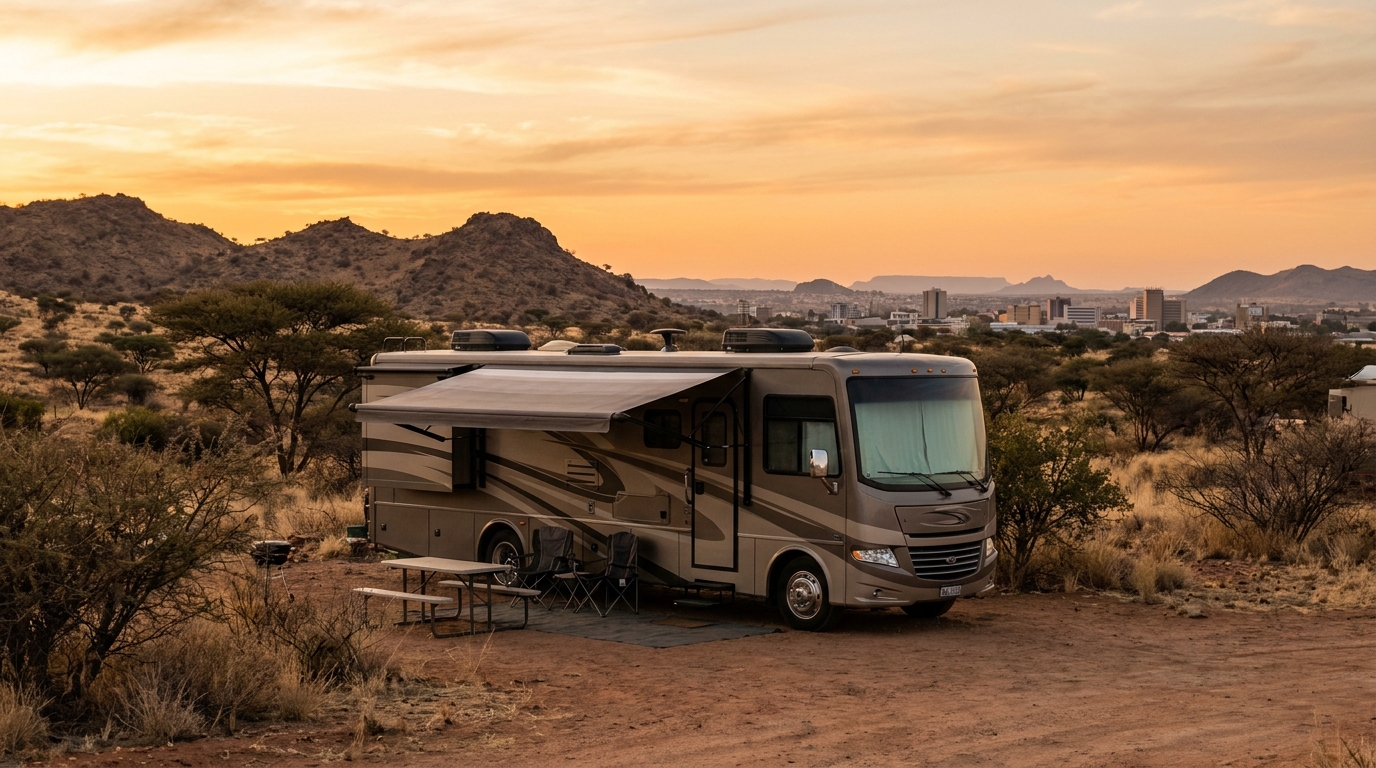
For live availability and current prices, start with our RV Rental Windhoek - Complete Guide 2026 guide.
In This Guide
- Best Windhoek RV Itinerary for weekend rv rental — Overview
- 7-Day Classic Route in Windhoek
- 14-Day Extended Journey in Windhoek
- Recommended RVPlan Trip for Windhoek
- Must-See Stops Along the Way (Avi Bandana Picks)
- Daily Driving Distances & Drive Times in Windhoek
- Best RV Class for This Itinerary — Couple & Family Picks
- How much does it cost to rent an RV in Namibia for a week?
- What is the best month to RV in Namibia?
- Is Windhoek worth visiting?
- Can you drive a motorhome in Namibia?
- Is it safe to wild camp in Namibia?
- What should I pack for an RV trip in Namibia?
Best Windhoek RV Itinerary for weekend rv rental — Overview
A well-planned RV adventure originating from Windhoek can span several days, offering a rich tapestry of Namibian experiences. A classic 7-day RV trip from Windhoek typically covers between 1,000 to 1,200 km, striking a balance between exploring the capital's unique charm and venturing into accessible natural landscapes and cultural points of interest. Avi Bandana recommends a minimum of 7 days for an RV trip starting in Windhoek to truly appreciate the diverse offerings at a relaxed pace. The optimal season for an RV rental in Windhoek, offering pleasant mild weather, clear skies, and excellent wildlife viewing, is during Namibia's dry season, from May to October. This itinerary focuses on a loop that begins and concludes in Windhoek, ensuring a comprehensive yet manageable exploration of the region.
7-Day Classic Route in Windhoek
For a fulfilling 7-day RV journey starting and ending in Windhoek, consider this classic loop designed to showcase Namibia's beauty and culture.
Day 1: Windhoek Arrival & City Exploration (0 km): Upon arrival, pick up your rented RV and settle in. Spend the day exploring Windhoek's key historical sites, including the iconic Christuskirche and the serene Parliament Gardens. A visit to the Namibia Craft Centre is highly recommended for authentic local crafts and souvenirs. For your first night, consider camping at Arebbusch Travel Lodge or a similar urban campsite within Windhoek.
Day 2: Windhoek to Gross Barmen Hot Springs (approx. 70 km): After a morning in Windhoek, head north towards Okahandja, renowned for its extensive craft markets. Continue your drive to Gross Barmen Hot Springs for a relaxing dip in the thermal waters. Overnight at the Gross Barmen Resort campsite.
Day 3: Gross Barmen to Omaruru (approx. 120 km): Enjoy a scenic drive through communal farmlands towards Omaruru, a town noted for its art galleries and historical buildings. The drive is approximately 1.5 to 2 hours, allowing for a leisurely pace. Stay overnight at Omaruru Campsite.
Day 4: Omaruru to Spitzkoppe (approx. 140 km): Drive towards the dramatic Spitzkoppe, often called the 'Matterhorn of Namibia.' Explore the ancient rock formations, discover Bushman paintings, and soak in the incredible desert landscapes. Camping at Spitzkoppe Campsite offers a chance to experience breathtakingly clear, starry night skies. This leg is about 2 to 2.5 hours of driving, often on gravel roads, so a slower pace is advised.
Day 5: Spitzkoppe to Daan Viljoen Game Park area (approx. 130 km): Continue your journey through unique desert scenery, perhaps stopping in Karibib. Your destination is the area surrounding Daan Viljoen Game Park, offering a tranquil natural escape. Find lodging or a campsite near the park for the night.
Day 6: Daan Viljoen Game Park to Windhoek (approx. 30 km): Enjoy a final morning game drive or hike in Daan Viljoen Game Park before the short return drive to Windhoek. This will be around 1 hour of driving. Settle into an urban campsite in Windhoek for your last night.
Day 7: Depart Windhoek: After your incredible Namibian adventure, drop off your rented RV and prepare for your onward journey.
14-Day Extended Journey in Windhoek
For those with more time, a 14-day journey expands the horizons, taking you further afield to experience more of Namibia's diverse landscapes.
Days 1-2: Windhoek Exploration & Transition: Begin your trip in Windhoek, picking up your RV on Day 1 and exploring the capital's landmarks like Christuskirche and the Craft Centre. On Day 2, embark on a longer drive to Mariental (approx. 270 km). While this leg slightly exceeds the recommended 150 km per day limit for a truly slow pace, it allows for an earlier start and a chance to visit Hardap Dam. Overnight at Hardap Dam Resort.
Days 3-5: Southern Deserts & Sossusvlei: From Mariental, drive towards Sesriem (approx. 280 km), the gateway to the iconic Sossusvlei. This is another longer stretch, emphasizing the need for an early start. Spend Day 4 exploring Sossusvlei's magnificent dunes, including Dune 45, Deadvlei, and Big Daddy. Camp at Sesriem Campsite for both nights. Day 5 involves a shorter drive to Solitaire via the Gaub Pass (approx. 80 km), a classic desert stop. Stay overnight at Solitaire Desert Farm.
Days 6-7: Atlantic Coast & Swakopmund: Journey to Swakopmund (approx. 240 km), a coastal town known for its colonial architecture and adventure activities. This is a longer drive, so starting early is key. Explore Swakopmund on Day 7 with options like quad biking, dolphin tours, or simply enjoying the town's atmosphere. Overnight at Swakopmund Caravan Park.
Days 8-10: Damaraland & Ancient Heritage: Head north to Cape Cross to witness the impressive seal colony, then proceed to Henties Bay (approx. 150 km total). On Day 9, drive towards the Twyfelfontein area (approx. 200 km), famous for its ancient rock engravings. This is another longer day, so plan accordingly. Explore unique geological sites like the Petrified Forest and Burnt Mountain on Day 10 (approx. 50 km). Overnight near Twyfelfontein, perhaps at Mowani Mountain Camp or a similar campsite.
Days 11-13: Etosha National Park: Make your way to Etosha National Park (Anderson Gate/Okaukuejo) (approx. 250 km), a premier wildlife destination. Spend the following days on game drives, moving between camps like Okaukuejo and Halali. On Day 13, drive towards Namutoni and exit the park, finding a campsite just outside, such as Mushara Bush Camp.
Day 14: Return to Windhoek (approx. 500 km): The return journey to Windhoek is substantial, exceeding the recommended daily driving limit significantly. A realistic 14-day trip would necessitate cutting out a region or extending the duration to 15-16 days to accommodate this final leg and maintain a slow travel pace. Upon arrival in Windhoek, drop off your RV.
Recommended RVPlan Trip for Windhoek
While specific RVPlan trips focusing solely on Windhoek may vary, Avi Bandana strongly advocates for exploring the curated Namibia itineraries available through the RVPlan platform. These expertly crafted routes, detailed with daily plans and points of interest, are designed to simplify your trip planning, letting you focus entirely on the adventure ahead. RVPlan provides comprehensive guidance, including estimated driving times, recommended campsites, and valuable local insights, ensuring a seamless and unforgettable journey through Namibia.
Must-See Stops Along the Way (Avi Bandana Picks)
Avi Bandana, our seasoned RV travel expert, has highlighted several must-visit spots that offer authentic cultural immersion and memorable experiences for your Windhoek RV adventure:
- Penduka Village (Windhoek): Avi Bandana's top choice for cultural immersion, this social enterprise empowers women through crafts and local cuisine, offering genuine community interaction.
- Namibia Craft Centre (Windhoek): A treasure trove of high-quality local artistry, perfect for finding unique souvenirs and gifts that showcase Namibian talent.
- Katutura Township Markets (Windhoek): For an authentic taste of local life and Namibian street food, a guided tour here is an unforgettable experience.
- Christuskirche (Windhoek): This historic German colonial church is a city landmark, admired for its beautiful architecture and historical significance.
- Joe's Beerhouse (Windhoek): While popular with visitors, its quirky atmosphere and diverse menu of local and international dishes make it a unique dining stop.
- Spitzkoppe (Near Usakos): Known as Namibia's 'Matterhorn,' this iconic granite formation offers stunning landscapes, ancient rock art, and unparalleled stargazing opportunities for campers.
Daily Driving Distances & Drive Times in Windhoek
To truly savor your RV journey, Avi Bandana suggests limiting daily driving to an average of 100 miles or 150 km. This approach allows ample time for exploration, spontaneous stops, and soaking in the Namibian scenery.
- Windhoek to Gross Barmen Hot Springs: Approximately 70 km, translating to about 1 hour of driving on well-maintained roads, leaving plenty of time to enjoy the hot springs.
- Gross Barmen to Omaruru: Roughly 120 km, a drive of about 1.5 to 2 hours, perfect for a relaxed pace to appreciate the surrounding landscapes.
- Omaruru to Spitzkoppe: Around 140 km, this drive takes approximately 2 to 2.5 hours, often involving gravel roads that necessitate careful driving and a slower pace.
Best RV Class for This Itinerary — Couple & Family Picks
Selecting the right RV is essential for comfort and suitability on Namibia's diverse terrain. Bandana Caravan offers a range of vehicles perfect for different travel styles, with Avi Bandana's recommendations focusing on practicality and comfort.
Ideal for Couples: Class TC - Truck Camper
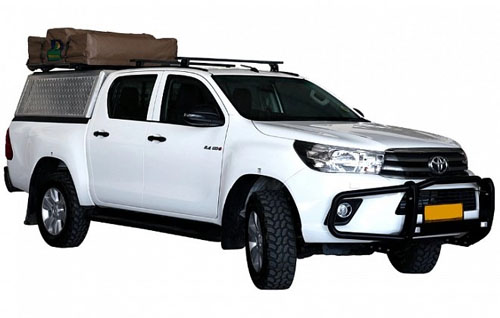
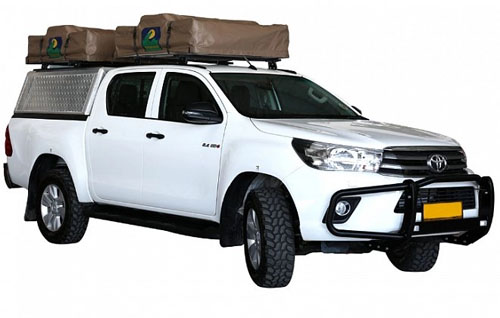
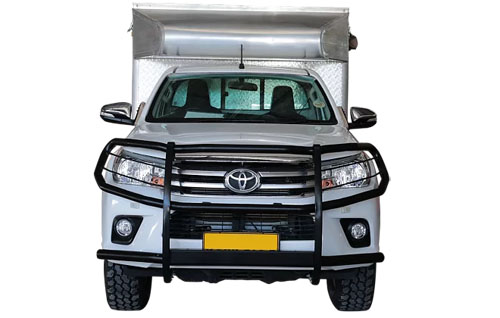
For couples or solo travelers, a Class TC Truck Camper is an excellent choice. These compact units, averaging around 5.4 meters in length in our Windhoek fleet, are highly maneuverable and well-suited for Namibia's varied road conditions, including gravel paths. They typically sleep about 2-3 adults and offer efficient fuel consumption, around 12 liters per 100 km.
Ideal for Families: Class C - Alcove
Families will find the Class C Alcove motorhome ideal for their Windhoek itinerary. With an average length of 6.7 meters, these spacious RVs in our fleet comfortably accommodate up to 6 adults, providing ample sleeping and living space. Their robust build is perfect for family adventures, ensuring everyone has room to relax.
Leverage Bandana's 'Rent & Plan' service to combine your RV rental with an expertly crafted itinerary, taking the stress out of organization.
How much does it cost to rent an RV in Namibia for a week?
Renting an RV in Namibia for a week generally ranges from N$10,000 to N$25,000 (approximately $550 - $1,350 USD), depending on the RV class, season, and included amenities. Additional costs for fuel, park fees, groceries, and activities should also be factored into your budget. On the routes offered through RV PLANET routes, you can itemize and track every expense along the way for easy budgeting.
- Rental Fees: Base rental costs vary based on vehicle size, age, and booking season. Insurance options and optional equipment will also affect the final price.
- Fuel Costs: Fuel is a significant expense in Namibia. With RVs averaging 12 liters per 100 km, budget approximately N$20-N$25 per liter.
- Park Entrance Fees: Expect to pay around N$100-N$150 per person per day, plus a vehicle fee for national parks.
- Campsite Fees: Designated campsites typically range from N$200 to N$500 per night.
- Groceries & Activities: Self-catering and budget-friendly activities can significantly reduce overall trip costs.
What is the best month to RV in Namibia?
The prime time for RV travel in Namibia, especially for wildlife viewing and comfortable journeys around Windhoek and beyond, is during the dry season, from May to October. During these months, temperatures are milder, and animals tend to congregate around water sources, enhancing viewing opportunities. Road conditions are also generally better during this period.
- Dry Season (May - October): Offers milder daytime temperatures (around 20-25°C), less rain, clear skies, and excellent wildlife viewing. Nights can be cold, so pack warm layers. Be aware that this is a popular period, so booking campsites in advance is crucial.
- Wet Season (November - April): Features lush landscapes, dramatic thunderstorms, and superb birdwatching. It's less crowded and potentially cheaper for rentals. However, expect high humidity and intense heat (up to 40°C), and some gravel roads can become challenging due to rain. Wildlife may also be more dispersed.
Is Windhoek worth visiting?
Absolutely. Windhoek is more than just Namibia's capital and primary RV pick-up point; it's a destination in its own right. Its unique blend of German colonial architecture, bustling local markets, rich history, and its role as a gateway to accessible nature and culture make it a compelling starting point for any Namibian RV adventure.
- Historical Charm: Explore landmarks like the Christuskirche and Tintenpalast, reflecting Namibia's colonial past.
- Cultural Immersion: Visit Katutura Township for insights into local life and traditions, and support artisans at the Namibia Craft Centre.
- Culinary Delights: Experience local cuisine, from game dishes to market produce.
- Nature Access: The nearby Daan Viljoen Game Park offers a quick escape for wildlife viewing and hiking, perfect for RVers.
Can you drive a motorhome in Namibia?
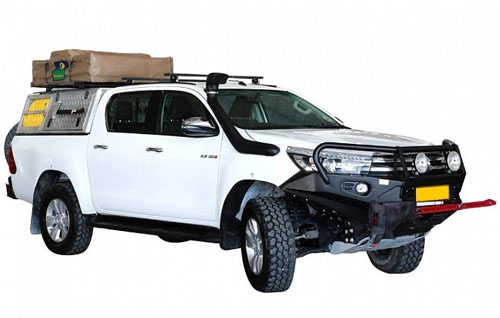
Yes, driving a motorhome in Namibia is very feasible, though many popular routes include gravel roads that require careful navigation. While a 2WD motorhome is generally capable on tourist routes, a 4x4 camper offers more flexibility for remote exploration. Essential services like fuel and water are readily available in most towns, but it's always wise to refuel whenever possible due to the vast distances between settlements.
- Road Conditions: Expect a mix of tarred main routes and well-maintained gravel roads. Drive defensively, especially on gravel, and be mindful of wildlife, particularly at dawn and dusk.
- Fuel Availability: Fuel stations are common in towns, but always keep your tank topped up before long stretches.
- Water & Dump Stations: Most designated campsites provide these essential amenities, making planning overnight stays crucial for RV comfort and hygiene.
- Safety: Drive with headlights on, adhere to speed limits, and prioritize secure campsites for overnight parking, especially in urban areas like Windhoek. Avoid driving at night due to poor visibility and wildlife risks.
Is it safe to wild camp in Namibia?
Wild camping in Namibia is generally discouraged and often illegal without explicit permission, especially in national parks and on private land. Designated campsites offer a safer, more ethical, and legally compliant alternative for RVers.
- Legality: Wild camping is prohibited in national parks and reserves. Always secure consent before camping on private land.
- Safety Concerns: Isolated wild camping locations pose risks from wildlife (like leopards or hyenas) and potential crime.
- Environmental Ethics: Designated campsites facilitate responsible practices like proper waste disposal, which is difficult when wild camping.
- Best Practice: Utilize Namibia's network of established campsites for a secure, comfortable, and responsible RV experience. Avi Bandana strongly advises this approach.
What should I pack for an RV trip in Namibia?
Packing smartly is key for an RV trip in Namibia. Focus on versatile, layered clothing suitable for a range of temperatures, essential health and safety items, and navigation aids.
- Clothing: Pack lightweight, breathable clothing for hot days and warm layers (fleeces, sweaters) for surprisingly cold desert nights. A waterproof jacket is also advisable.
- Footwear: Sturdy, closed-toe hiking shoes are essential for exploring parks and rocky terrain.
- Health & Safety: A comprehensive first-aid kit, high SPF sunscreen, a wide-brimmed hat, and effective insect repellent are critical. Consider water purification tablets.
- Navigation: Offline maps on your phone or a dedicated GPS device are highly recommended due to limited mobile signal in remote areas.
- RV Gear: Include basic tools, a tire pressure gauge, and a repair kit. Extra water containers and a robust flashlight are also valuable.
What You Shouldn't Miss
- Namibian Cuisine: Indulge in local game dishes and traditional Namibian street food, particularly in Windhoek's vibrant markets or at iconic spots like Joe's Beerhouse.
- Spitzkoppe's Night Sky: Experience unparalleled stargazing in the vast desert landscapes of Spitzkoppe, a truly magical experience away from light pollution.
- Twyfelfontein Rock Engravings: Witness ancient rock art that offers a fascinating glimpse into the lives of early inhabitants of Damaraland.
- Etosha National Park's Wildlife: Embark on game drives in Etosha, renowned for its abundant wildlife congregating around waterholes, especially during the dry season.
- Cultural Encounters: Visit Penduka Village or take a guided tour of Katutura Township to connect with local communities and learn about their traditions.
- Scenic Drives: Enjoy the diverse Namibian landscapes, from communal farmlands to stark desert vistas, soaking in the unique beauty of each region.
Final Thoughts
Embarking on an RV rental in Windhoek and exploring Namibia is an unparalleled adventure, offering freedom, flexibility, and intimate encounters with breathtaking landscapes and unique cultures. From the vibrant city life of Windhoek to the stark beauty of Spitzkoppe, a rented motorhome truly unlocks the wonders of this incredible country.
Remember to plan ahead, pack wisely, and embrace the spirit of slow travel to make the most of your Namibian journey. Whether you opt for a short weekend getaway or an extended expedition, the memories you create will undoubtedly last a lifetime. Bandana Caravan is here to support your planning every step of the way, ensuring a smooth and unforgettable experience.
Find Motorhome Rentals in Windhoek