In This Guide
- Best South America RV Itinerary for weekend rv rental - Overview
- 7-Day Classic Route in South America
- 14-Day Extended Journey in South America
- Recommended RVPlan Trip for South America
- Must-See Stops Along the Way (Avi Bandana Picks)
- Daily Driving Distances & Drive Times in South America
- Best RV Class for This Itinerary - Couple & Family Picks
- What is the 3-3-3 rule for RV travel?
- What is the 4-4-4 rule for RV?
- Can you RV in South America?
- How much does a 1 month trip to South America cost?
- Which country in South America is considered the safest for backpacking?
- What are some of the most scenic road routes in South America?
- What to not miss in South America?
Best South America RV Itinerary for weekend rv rental - Overview
While "weekend" RV rentals in South America are generally impractical due to vast travel distances and border complexities, planning a minimum 7-day trip allows for a truly immersive and rewarding experience. South America is a continent of immense scale, and truly experiencing its diverse landscapes, cultures, and adventures requires more than a mere two or three days. An ideal South America RV journey typically covers between 100-150 km (60-90 miles) per day to truly appreciate the diverse landscapes, fostering slow travel and genuine connection. For live availability and current prices, start with our RV Rental South America - Complete Guide 2026 guide. The best season for RV travel depends significantly on the region: Patagonia, for instance, is best from October to April, while Andean regions are more accessible during their dry seasons, typically May to September for the central Andes. Expect total trip distances for a substantial itinerary to range from 700 km for a week-long adventure to over 2000 km for a two-week or longer excursion.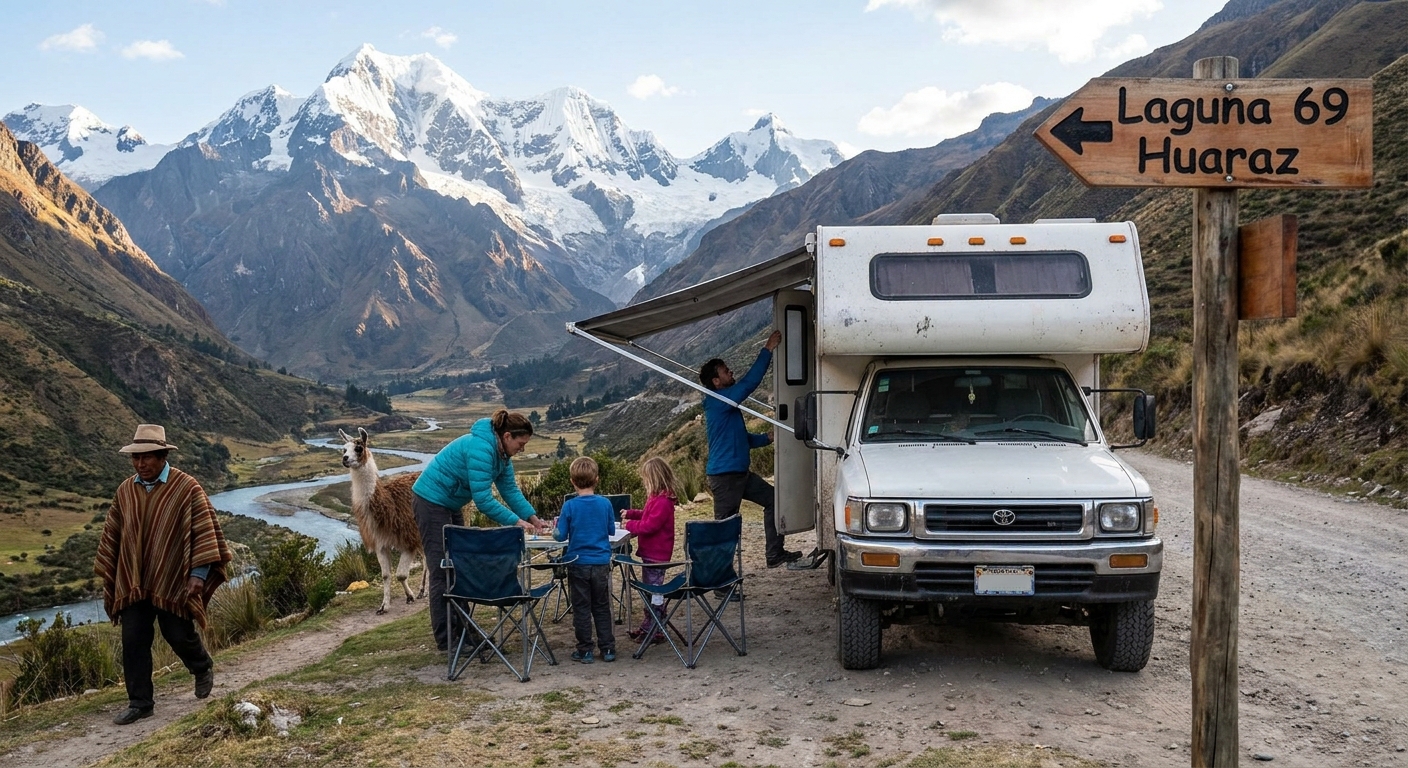
7-Day Classic Route in South America
A 7-day classic RV route through Argentine Patagonia provides an iconic introduction to South America's dramatic scenery. You'll enjoy stunning mountain vistas, vast steppe landscapes, and unique cultural encounters.- Day 1: El Calafate, Argentina → El Chalten, Argentina (215 km / 134 miles): Begin your adventure in Patagonia's El Calafate. Drive through vast steppe landscapes to the trekking capital of El Chalten, nestled beneath Mount Fitz Roy. Enjoy the panoramic views and prepare for mountain hikes. Sleep: Camping El Relincho.
- Day 2: El Chalten Area (0 km / 0 miles): Spend the day hiking to Laguna de los Tres or exploring the various trails around Fitz Roy, experiencing some of the world's most breathtaking mountain scenery. Cooking meals in your rented motorhome allows for flexibility and cost savings.
- Day 3: El Chalten → Lago Posadas, Argentina (300 km / 186 miles - longer but essential segment): This more substantial driving day takes you south on Ruta 40, offering an authentic Patagonian wilderness experience with vast open spaces. This is a day to embrace the journey. Sleep: Camping Lago Posadas.
- Day 4: Lago Posadas Area (0 km / 0 miles): Explore the otherworldly blue lakes, visit Cueva de las Manos (Cave of Hands) for ancient rock art, or simply relax by the serene lake. This leisurely pace aligns with our recommendation to travel slowly and absorb the local beauty. Sleep: Camping Lago Posadas.
- Day 5: Lago Posadas → Perito Moreno National Park, Argentina (120 km / 75 miles): Drive to the lesser-visited Perito Moreno National Park (distinct from the glacier), a haven for guanacos and endemic wildlife, offering serene hiking opportunities. Ensure you call ahead to check park campsite availability, or plan for nearby wild camping spots. Sleep: Park campsite (check availability, wild camping nearby).
- Day 6: Perito Moreno National Park → Los Antiguos, Argentina (180 km / 112 miles): Journey to Los Antiguos, known for its cherry orchards, located on the shores of Lago Buenos Aires (or Lago General Carrera on the Chilean side). This charming town offers a taste of local life. Sleep: Municipal Campsite Los Antiguos.
- Day 7: Los Antiguos → El Calafate (Return RV) / Chile Border (180 km / 112 miles): Depending on your next steps, return towards a major hub like El Calafate for RV drop-off, or cross into Chile to continue your journey on the Carretera Austral, making this a starting point for an extended trip. Cross-border travel involves specific logistical planning for RV return and temporary import permits.
14-Day Extended Journey in South America
This extended itinerary combines the Argentine Patagonia experience with a cross-border venture into Chile's Carretera Austral, offering diverse landscapes and experiences. This journey will take you through some of the continent's most remote and breathtaking scenery.- Days 1-7: Argentine Patagonia (As per 7-Day Classic Route, ending in Los Antiguos): Follow the first seven days of the classic route, immersing yourself in the iconic landscapes of El Chalten, Ruta 40, Lago Posadas, and Los Antiguos, establishing a solid foundation for your two-week adventure.
- Days 8-9: Los Antiguos, Argentina → Chile Chico, Chile → Puerto Guadal, Chile (70 km / 43 miles on Day 8, 100 km / 62 miles on Day 9): Cross the border from Los Antiguos to Chile Chico, ensuring all temporary import permits and multi-country vehicle insurance are in order. Spend Day 8 exploring Chile Chico and the shores of Lago General Carrera. On Day 9, drive along the southern edge of Lago General Carrera, arriving at Puerto Guadal. Sleep: Camping in Chile Chico / Camping in Puerto Guadal.
- Days 10-11: Puerto Guadal → Puerto Río Tranquilo, Chile (60 km / 37 miles): A short but incredibly scenic drive along the lake. Spend two days exploring Puerto Río Tranquilo, famed for its Marble Caves (Capillas de Mármol) which can be accessed by boat tours. Enjoy kayaking or hiking in the surrounding area, allowing ample time for outdoor activities. Sleep: Camping in Puerto Río Tranquilo.
- Days 12-13: Puerto Río Tranquilo → Coyhaique, Chile (220 km / 137 miles - longer stretch on Carretera Austral): Drive north on the Carretera Austral, passing through stunning forests, rivers, and mountains. This section is known for its rugged beauty and offers opportunities to restock your rented campervan and perform basic vehicle maintenance in Coyhaique. Sleep: Camping near Coyhaique.
- Day 14: Coyhaique, Chile → Balmaceda (for flights) or continue exploring: Conclude your adventure near Coyhaique, where you can return your RV at a designated depot or extend your journey further north on the Carretera Austral towards Futaleufú and beyond. Balmaceda airport offers connections for departure, making it a convenient endpoint for many.
Recommended RVPlan Trip for South America
For travelers looking for expertly designed adventures, Bandana RV's sister company, RV PLANET, offers professionally crafted itineraries for South America through its Rent&Plan service. These plans are designed by travel experts to take the guesswork out of your journey, providing full access to trip-planning software which removes planning headaches and allows you to focus on the experience. Whether you seek a rugged Patagonian expedition, a cultural Andean circuit, or other unique experiences, RV PLANET offers customizable options to suit your preferences and ensure a seamless RV travel experience across South America. You can also explore our offers for Weekend RV Rental in South America - Pricing 2026 for shorter trips.What You Shouldn't Miss
When exploring South America by rented motorhome, certain experiences truly capture the spirit of this magnificent continent. These are the kinds of memories that stay with you long after the journey ends.- Visit vibrant traditional markets, such as Otavalo in Ecuador or Mercado de Brujas in La Paz, Bolivia, to experience local culture and discover unique artisanal crafts.
- Prioritize unique local culinary experiences by seeking out small, family-run restaurants ('comedores' or 'cocinas') and street food stalls for authentic regional flavors, like empanadas in Argentina or ceviche in Peru.
- Engage with local industries through visits to artisanal craft workshops, textile cooperatives, or small-scale farming communities to understand the heritage and daily life of the region.
- Always aim for authentic cultural immersion, interacting respectfully with local populations, which often provides more memorable experiences than typical tourist traps.
- Explore the dramatic landscapes of Torres del Paine National Park in Chile, offering world-class trekking opportunities amidst towering granite peaks and brilliant blue glaciers.
- Drive the famed Carretera Austral in Chile, a challenging but incredibly rewarding route showcasing pristine fjords, ancient forests, and remote Patagonian villages.
Daily Driving Distances & Drive Times in South America
Avi Bandana recommends a maximum of 100 miles or 150 km per day on average when RVing in South America, a hard rule crucial for enjoying the journey rather than rushing. This allows ample time for unexpected stops, scenic viewpoints, and adapting to varying road conditions. Driving slowly is essential on South American roads, which can range from well-maintained highways to unpaved, gravel, or even dirt tracks, especially in more remote areas. For instance, a 150 km drive on a paved highway (e.g., Ruta 3 in Argentina) might take 2-2.5 hours, excluding stops. Conversely, a 150 km drive on a gravel road (e.g., Carretera Austral in Chile or parts of Ruta 40) could easily take 4-5 hours, requiring caution and slower speeds to navigate effectively.Best RV Class for This Itinerary - Couple & Family Picks
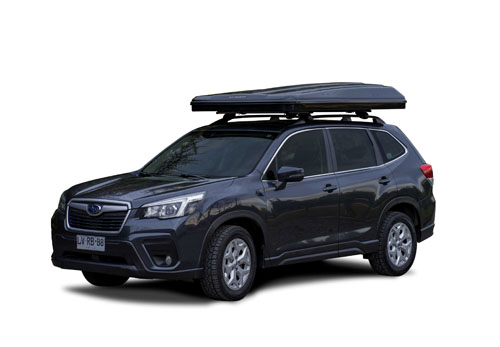
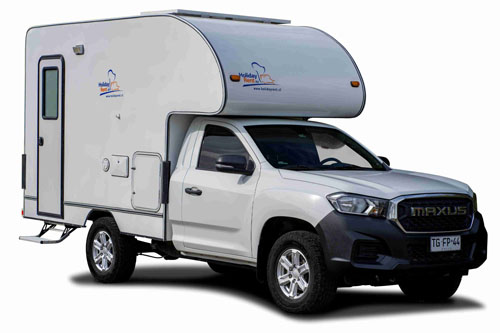
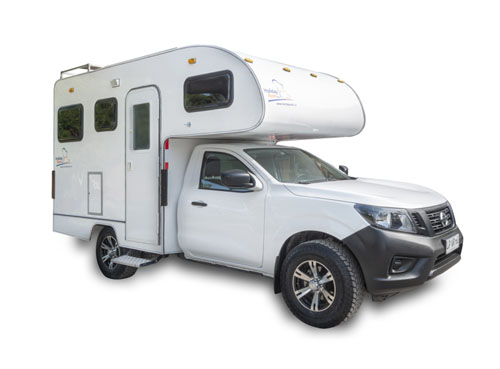
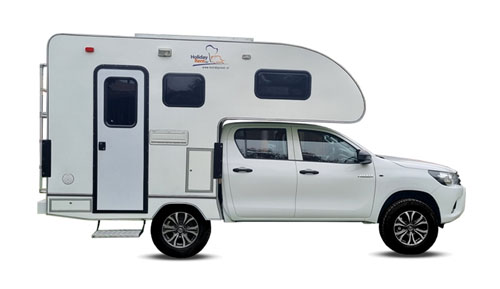
Choosing the right rental RV for a South American adventure is critical, balancing comfort, maneuverability, and durability for the varied terrain. For couples, a Class B - Camper Van is an excellent choice, like the 'rv rental denver example Category Van' which features front air conditioning, a shower, and a toilet. These nimble vehicles, with an average length of 5.8 meters and typically sleeping 2-3 adults, offer greater agility on South America's diverse road conditions, including narrower mountain passes or city streets. Their compact size makes them easier to navigate and park, while still providing essential amenities and fuel efficiency, often around 8-10 Liters/100 km. For families, a Class C - Alcove motorhome provides the ideal balance of space and functionality, such as the '24' Class C Motorhome' with a 152/203cm bed over the cab and 166-liter fresh water tank, or the 'C-30' with a 145/244cm bed over the cab and 151-liter fresh water tank. Averaging 7.5 meters in length and accommodating 4-5 adults comfortably, these motorhomes offer separate sleeping areas and more living space, making them ideal for a family of 2+2 or even a big family / group of friends. While larger, Class C vehicles typically have robust suspensions suitable for varying terrain and offer better load capacity (Bandana's fleet averages 42.4 kg load capacity) for carrying family essentials. Their fuel consumption is typically 10-12 Liters/100 km. No matter your choice, Bandana's 'Rent&Plan' service combines your RV rental with a ready-made itinerary, designed by travel experts with full access to trip-planning software, removing the headache of meticulous planning for your South American journey.What is the 3-3-3 rule for RV travel?
The 3-3-3 rule for RV travel is a widely recommended guideline to ensure safe, enjoyable, and stress-free road trips, particularly valuable for the challenging conditions in South America. It advises: drive no more than 300 miles (approximately 480 km) in a day, arrive at your destination by 3 PM, and stay at least 3 nights in one location. This rule is especially pertinent for South America, where road quality varies dramatically, border crossings can be time-consuming, and unforeseen delays are common. Adhering to the 3-3-3 rule helps prevent driver fatigue, allows ample time for setting up camp and exploring your surroundings, and minimizes the stress associated with late-night arrivals or frequent packing and unpacking, contributing to a more relaxed Long-Term RV Rental in South America - Monthly Rates 2026.What is the 4-4-4 rule for RV?
The 4-4-4 rule for RV travel is a variation or a common misphrasing of the more popular 3-3-3 rule, often implying similar principles for safe and relaxed journeys. If interpreted as a direct extension, it generally suggests: drive no more than 400 miles (approximately 640 km) in a day, arrive at your destination by 4 PM, and stay at least 4 nights in one location. While offering more flexibility on distance, for South American conditions, the more conservative 3-3-3 rule is often preferable due to potential road hazards, unexpected detours, and the time required for administrative tasks like temporary import permits. Both rules emphasize the importance of avoiding excessive driving, allowing sufficient time for rest, sightseeing, and campsite setup, which contributes to a more enjoyable RV experience.Can you RV in South America?
Yes, you can absolutely RV in South America, offering an unparalleled adventure and freedom, but it requires meticulous planning, specific preparations, and a flexible mindset due to unique logistical challenges. Cross-border logistics are a significant consideration; navigating multiple countries involves obtaining temporary import permits (TIPs) for your vehicle, securing multi-country insurance, and often an International Driving Permit (IDP) alongside your national license. These processes vary by country and can be time-consuming, making Last-Minute RV Rental in South America - What to Expect 2026 quite challenging. Roads can be rugged, so an RV with good ground clearance, heavy-duty suspension, and robust tires (including spares) is highly recommended. Auxiliary fuel tanks, water purification systems, and recovery gear are essential, along with a comprehensive RV-specific emergency kit including first aid and spare parts. While generally welcoming, specific safety measures are crucial for RV travel in South America. Research safe overnight parking options such as established campgrounds, gas stations with security, or designated wild camping spots using resources like iOverlander. Avoid parking in isolated or poorly lit areas. Always lock doors and windows, even when present, and consider additional security measures. Be respectful and cooperative with local authorities, keeping all vehicle and personal documents readily accessible, including your International Driving Permit if you have one. Be aware of common scams (e.g., "distraction" thefts) and identify safe/unsafe areas by consulting local advice, online forums, and travel advisories. Reliable navigation is challenging in remote areas; local SIM cards are useful, but satellite communication devices (e.g., Starlink, satellite phone) and robust offline mapping apps (e.g., Maps.me) are highly recommended. For health, consult a travel doctor for necessary vaccinations and advice on altitude sickness. Comprehensive travel and vehicle insurance are vital, and understanding how to access medical services in remote areas is key.How much does a 1 month trip to South America cost?
A 1-month RV trip through South America can range significantly in cost, typically falling between $3,000 to $8,000 USD or more, depending on your itinerary, lifestyle, and the countries visited. For comprehensive budgeting, consider these breakdowns: RV Rental itself can range from $1,500 - $4,000+ for a month, varying by RV class, supplier, and seasonality. Fuel is a major expense, with prices varying wildly across countries (e.g., cheaper in Ecuador/Bolivia, more expensive in Chile/Argentina); budget $800 - $1,500+ for 3,000-5,000 km of travel, considering average consumption of 10-12 Liters/100 km for most motorhomes. Border crossing and permits, including Temporary Import Permits (TIPs), can cost $0-$100 per country, plus small fees for vehicle inspections or customs (e.g., Mercosur insurance for multiple countries). While not as pervasive as in other continents, some major routes have tolls; budget $50-$100. Beyond standard rental insurance, consider specific multi-country vehicle insurance (e.g., SOAT for Andean countries) and comprehensive travel insurance, which could cost $100-$300. Camping fees typically range from $10-$30 per night at developed campgrounds, while wild camping is free but requires careful safety assessment. For food and drink, daily expenses can range from $20-$50 per person if cooking most meals in your rented camper, significantly higher if frequently dining out. Budget $300-$800 for activities and tours like national park entries or boat tours to glaciers. Finally, set aside an emergency fund of $200-$500 for minor repairs or unexpected servicing, as remote areas may have limited options. Don't forget miscellaneous costs like local SIM cards, communication solutions, laundry, and souvenirs, budgeting another $100-$300. For tracking every expense, you can itemize and track everything along the way on RV PLANET routes. For more budget insights, check our Cheap RV Rental in South America - Budget Guide 2026 or for higher-end options, Luxury RV Rental in South America - Premium Prices 2026.Which country in South America is considered the safest for backpacking?
Among South American nations, Chile and Uruguay are consistently ranked as some of the safest for travelers, including backpackers, due to lower crime rates and stable political environments, making them excellent starting points for RV adventures. Argentina also generally maintains a good safety record, particularly outside of major metropolitan centers like Buenos Aires. For RV travelers, 'safety' extends beyond general crime to include road conditions, political stability, and specific safety protocols when camping or navigating remote areas. Always prefer established campgrounds, gas stations with security, or designated wild camping spots researched via apps like iOverlander, avoiding isolated or poorly lit areas for overnight parking. Securing the RV is paramount: always lock doors and windows, even when present, and consider additional security measures like alarms or interior locks. Don't leave valuables visible inside your rented motorhome. Be respectful and cooperative with local authorities, keeping all vehicle and personal documents readily accessible. Exercise caution and research prevalent local scams (e.g., "distraction" thefts) in crowded tourist areas.What are some of the most scenic road routes in South America?
South America boasts an incredible array of scenic road routes, perfect for RV travel, offering diverse landscapes from glacial fjords to high-altitude deserts. The Carretera Austral in Chile is renowned for its rugged beauty, a largely unpaved route winding through national parks, fjords, temperate rainforests, and glaciers in Chilean Patagonia. Argentina's Ruta 40, stretching over 5,000 km along the Andes, is an iconic highway offering a journey through diverse ecosystems, from arid northern landscapes to the vast steppes of Patagonia. For a shorter, yet equally stunning, trip, consider the Seven Lakes Route in Argentina, a picturesque loop near Bariloche, connecting several stunning glacial lakes within Nahuel Huapi and Lanín National Parks. Ecuador's Route of the Volcanoes, a scenic stretch through the central highlands, offers incredible views of multiple snow-capped volcanoes, including Cotopaxi, Chimborazo, and Tungurahua. Finally, driving through the Atacama Desert in Chile, while challenging, offers surreal landscapes of salt flats, geysers, and vibrant colored lagoons under some of the clearest skies on Earth. These routes are perfect for an extended RV adventure, not just a Weekend RV Itinerary in South America - 2-3 Day Plan 2026.What to Not Miss in South America?
An RV trip through South America offers unparalleled access to a continent teeming with diverse landscapes, rich cultures, and incredible natural wonders that should not be missed. In Patagonia (Argentina & Chile), witness majestic glaciers like Perito Moreno, trek in Los Glaciares and Torres del Paine National Parks, and explore the rugged beauty of the Carretera Austral. Across the Andes Mountains, drive breathtaking high-altitude passes, explore ancient Incan ruins in Peru (beyond just Machu Picchu, consider the Sacred Valley), and marvel at the surreal salt flats of Bolivia (Salar de Uyuni). While direct RV access is limited for the Amazon Rainforest, consider side trips to eco-lodges from accessible cities in Ecuador, Peru, or Brazil to experience the world's largest rainforest. Immerse yourself in vibrant cities and culture by experiencing the tango rhythms of Buenos Aires, the colonial charm of Cartagena, the energetic pulse of Rio de Janeiro, or the indigenous markets of Otavalo. Finally, seek out unique wildlife encounters, from spotting guanacos, condors, and pumas in Patagonia to visiting the Galápagos Islands (a flight excursion) for unparalleled natural wonders.Final Thoughts
Embarking on an RV adventure through South America is more than just a trip; it's an opportunity to connect with breathtaking landscapes, vibrant cultures, and the sheer freedom of the open road. While the idea of a "weekend RV itinerary" in South America might seem appealing, the continent truly shines when explored at a slower pace over a week or more. Driving slowly, averaging 100-150 km per day, allows you to truly immerse yourself in each destination, discovering hidden gems and local flavors. We understand that planning such a journey can seem daunting, with considerations from border crossings to choosing the perfect rental motorhome. That's precisely why Bandana RV is here to support you every step of the way, offering full transparency and expert advice. Imagine yourself navigating the winding roads of Patagonia, waking up to stunning mountain views, and savoring freshly prepared meals in your mobile home. It’s an experience that offers unparalleled freedom and unforgettable memories. Ready to turn your South American RV dream into a reality? Take the first step and explore the possibilities. Check South America RV Rental Prices Now and compare options for your ideal motorhome adventure.On the routes offered through RV PLANET routes, you can itemize and track every expense along the way for easy budgeting.