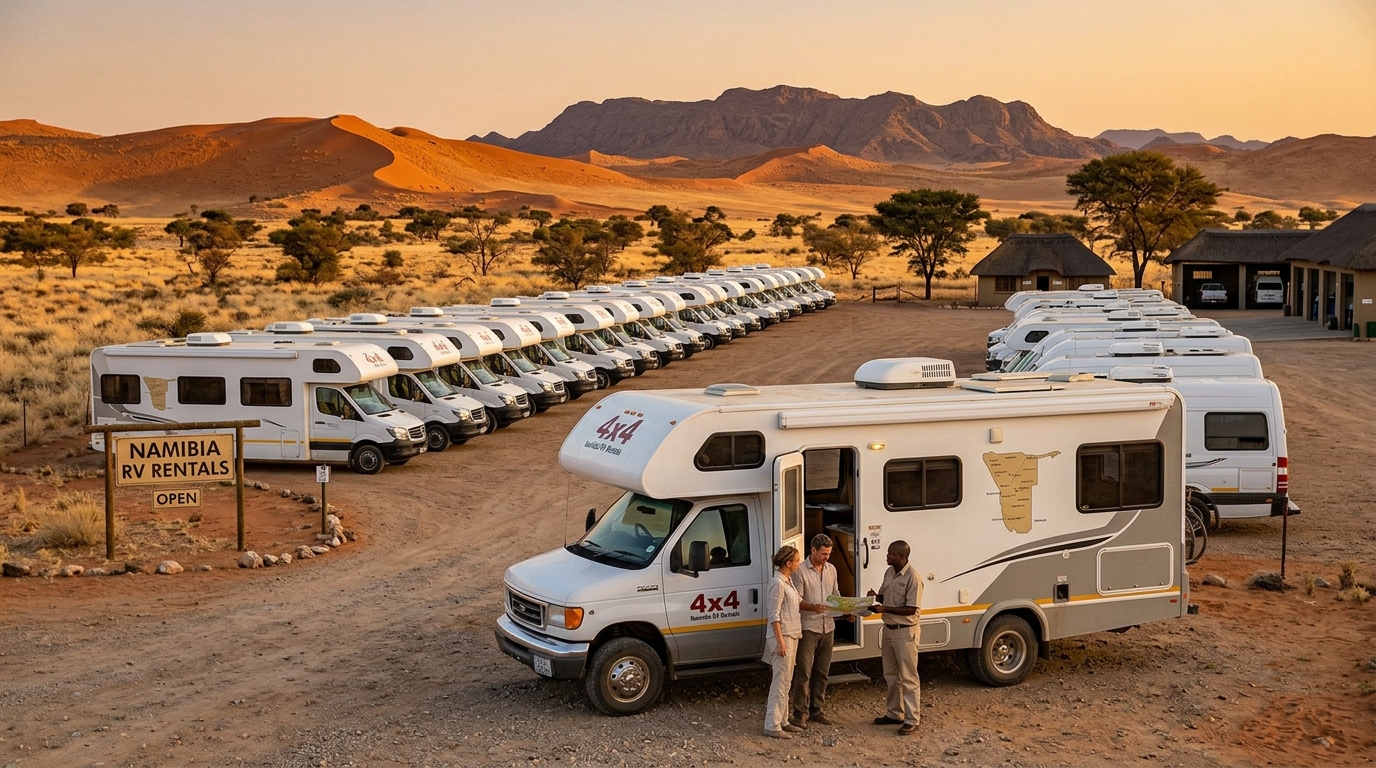
For live availability and current prices, start with our RV Rental Namibia - Complete Guide 2026 guide.
In This Guide
- Best Namibia RV Itinerary for weekend rv rental — Overview
- 7-Day Classic Route in Namibia
- 14-Day Extended Journey in Namibia
- Recommended RVPlan Trip for Namibia
- Must-See Stops Along the Way (Avi Bandana Picks)
- Daily Driving Distances & Drive Times in Namibia
- Best RV Class for This Itinerary — Couple & Family Picks
- How much does it cost to rent an RV in Namibia?
- What is the best month to RV in Namibia?
- Is it safe to travel Namibia alone in an RV?
- What type of RV is best for Namibia?
- How long does it take to drive across Namibia?
- Where are the best campsites in Namibia?
- What should I know before RVing in Namibia?
Best Namibia RV Itinerary for weekend rv rental — Overview
A self-drive RV adventure in Namibia typically involves exploring diverse landscapes, from desert dunes to wildlife-saddled national parks. While a minimum duration of 7 days is recommended for a focused experience, with 14+ days ideal for a comprehensive tour, even a shorter trip can offer a taste of this incredible country. The best time to travel is during the dry season (May to October) when temperatures are mild and wildlife is more concentrated around water sources. A classic 7-day route covers approximately 1,200-1,500 km, offering a balanced mix of iconic sights and driving experiences.
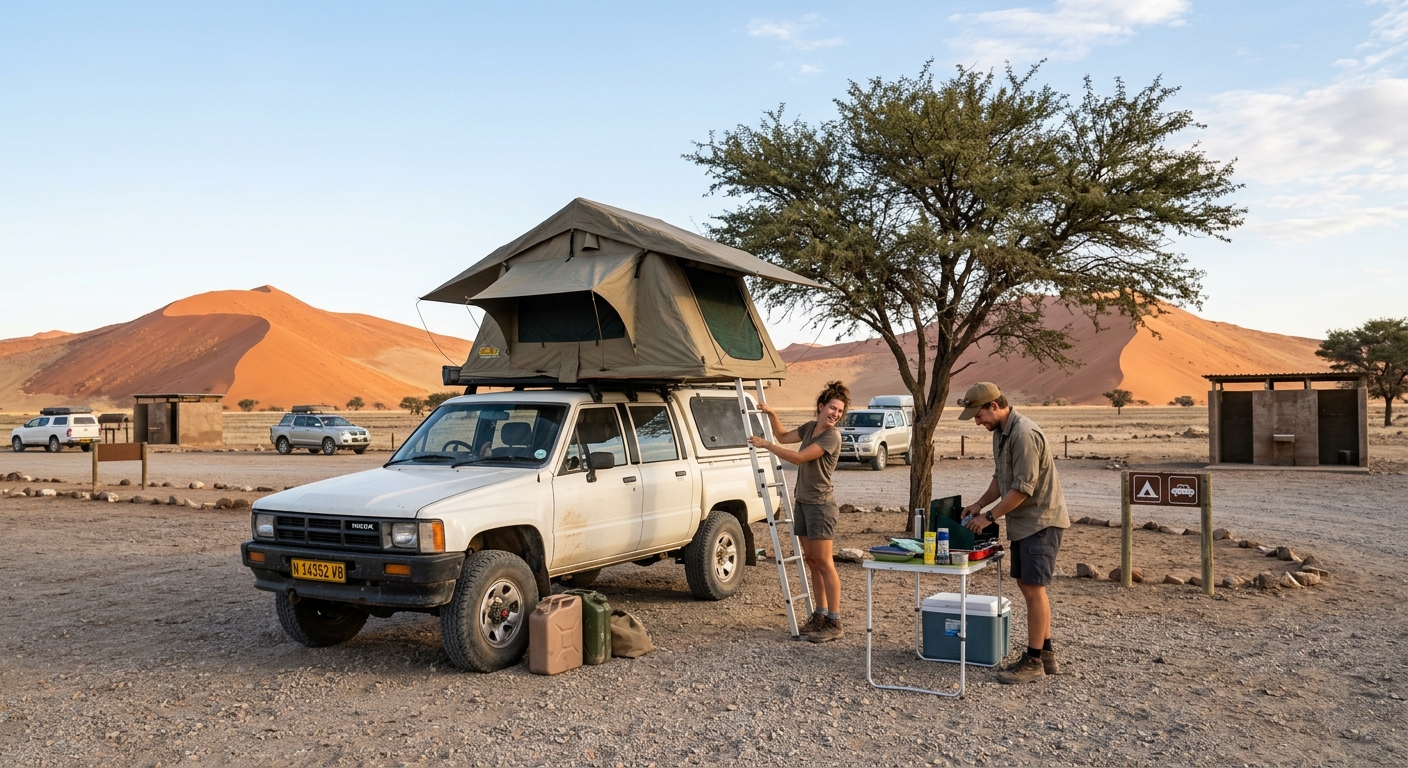
7-Day Classic Route in Namibia
This itinerary offers a fantastic introduction to Namibia's highlights, covering some of the country's most stunning natural wonders:
- Day 1: Windhoek to Sossusvlei Gateway (approx. 350 km / 217 miles) - After collecting your rented RV in Windhoek, embark on the scenic drive towards Sesriem, the gateway to Sossusvlei. Aim to stay at Sesriem Campsite to be close to the park entrance.
- Day 2: Sossusvlei & Deadvlei Exploration (local driving) - Rise early for a magical sunrise over Dune 45, then explore the surreal landscape of Deadvlei with its ancient, petrified trees. Return to Sesriem Campsite for the night.
- Day 3: Sossusvlei to Swakopmund (approx. 350 km / 217 miles) - Drive through the dramatic Gaub and Kuiseb Passes towards the coastal town of Swakopmund. Consider staying at the Swakopmund municipal campsite.
- Day 4: Swakopmund Coastal Activities (local driving) - Swakopmund offers numerous adventure activities. Choose from quad biking, sandboarding, or a marine cruise in Walvis Bay. Spend another night at the Swakopmund municipal campsite.
- Day 5: Swakopmund to Spitzkoppe (approx. 150 km / 93 miles) - Head inland to the iconic Spitzkoppe, known for its dramatic granite peaks and ancient rock art. The Spitzkoppe Campsite offers a truly unique setting.
- Day 6: Spitzkoppe to Erindi Private Game Reserve / Okahandja (approx. 250 km / 155 miles) - Enjoy a morning hike at Spitzkoppe before driving towards a private game reserve like Erindi or the town of Okahandja. Options include Erindi campsite or Okahandja campsite.
- Day 7: Erindi / Okahandja to Windhoek (approx. 200 km / 124 miles) - Complete your loop with a final drive back to Windhoek to return your rented RV, filled with unforgettable memories.
14-Day Extended Journey in Namibia
For a more comprehensive exploration, this 14-day itinerary delves deeper into Namibia's diverse regions:
Central Namibia:
- Day 1: Windhoek Arrival & Preparation (local) - Arrive, pick up your rented RV, and stock up on supplies. Stay at a Windhoek campsite.
- Day 2: Windhoek to Waterberg Plateau Park (approx. 280 km / 174 miles) - Drive north to the impressive Waterberg Plateau Park. Overnight at Waterberg Plateau Park Campsite.
Northern Namibia - Etosha & Surrounds:
- Day 3: Waterberg to Etosha National Park (Anderson Gate) (approx. 250 km / 155 miles) - Enter Etosha, famous for its abundant wildlife, and enjoy your first game drive. Stay at Okaukuejo Rest Camp.
- Day 4: Etosha National Park (Western Section) (local driving) - Dedicate the day to game viewing in the western part of Etosha. Overnight at Halali Rest Camp.
- Day 5: Etosha National Park (Eastern Section) & Outjo (local driving in park, then approx. 100 km / 62 miles to Outjo) - Continue game viewing as you head east, exiting the park towards Outjo. Stay at an Outjo Campsite.
Damaraland & Skeleton Coast:
- Day 6: Outjo to Twyfelfontein / Khorixas (approx. 250 km / 155 miles) - Journey into Damaraland, visiting the ancient rock engravings at Twyfelfontein. Overnight at Twyfelfontein Country Lodge Campsite.
- Day 7: Twyfelfontein to Brandberg / Uis (approx. 150 km / 93 miles) - Explore more of Damaraland and head towards the Brandberg mountain area. Consider the Brandberg White Lady Lodge Campsite.
- Day 8: Brandberg / Uis to Henties Bay / Cape Cross (approx. 150 km / 93 miles) - Drive towards the coast, visiting the vast Cape Cross Seal Colony. Stay at a Henties Bay Campsite.
Coastal Namibia:
- Day 9: Henties Bay to Swakopmund (approx. 70 km / 43 miles) - A short drive brings you to the charming coastal town of Swakopmund. Overnight at Swakopmund municipal campsite.
- Day 10: Swakopmund Activities (local) - Enjoy adventure activities like quad biking or a scenic marine cruise. Stay another night in Swakopmund.
Southern Namibia - Desert & Dunes:
- Day 11: Swakopmund to Solitaire / Namib-Naukluft (approx. 250 km / 155 miles) - Travel through the vast Namib-Naukluft Park, stopping at the quirky Solitaire stopover. Overnight at a Solitaire Country Lodge Campsite.
- Day 12: Sossusvlei & Deadvlei Exploration (local driving) - Dedicate the day to exploring Sossusvlei's iconic dunes and Deadvlei. Stay at Sesriem Campsite.
- Day 13: Sesriem to Stampriet / Mariental (approx. 250 km / 155 miles) - Drive east from the desert towards the Kalahari region. Options include Stampriet Historical Guesthouse or a nearby campsite.
- Day 14: Stampriet to Windhoek (approx. 250 km / 155 miles) - Enjoy a final stretch of road back to Windhoek for RV return.
Recommended RVPlan Trip for Namibia
For travelers seeking a meticulously planned adventure, Avi Bandana recommends exploring the expertly crafted itineraries available through the RVPlan service. These pre-designed trips combine RV rental with detailed route planning, ensuring a seamless and unforgettable journey across Namibia's stunning landscapes without the stress of independent coordination.
Must-See Stops Along the Way (Avi Bandana Picks)
Avi Bandana, our founder and a seasoned RV traveler, recommends focusing on experiences that highlight Namibia's unique natural beauty and cultural heritage. Look for stops like the Quiver Tree Forest near Keetmanshoop for surreal photographic opportunities. Consider the Living Desert Tours in Swakopmund to learn about the desert's hidden creatures from local guides. Engaging with local communities at community-run campsites (e.g., those in Damaraland) offers a more immersive cultural experience, and be sure to visit local craft markets in larger towns like Windhoek or Swakopmund to support local artisans.
Daily Driving Distances & Drive Times in Namibia
Avi Bandana strongly recommends maintaining a relaxed pace to fully appreciate Namibia's vast and spectacular landscapes, adhering to a maximum average daily driving distance of 100 miles (150 km). This guideline allows for ample time to explore, photograph, and manage the unique road conditions. Driving times in Namibia can be longer than anticipated due to gravel roads, potential wildlife sightings, and the need for stops. For example, the drive from Windhoek to Sesriem (approx. 350 km / 217 miles) typically takes 5-6 hours of actual driving on gravel roads. Similarly, Swakopmund to Spitzkoppe (approx. 150 km / 93 miles) can take 2-3 hours, depending on road conditions.
Best RV Class for This Itinerary — Couple & Family Picks
Choosing the right RV is crucial for a comfortable and capable Namibian adventure, especially considering the diverse terrain. For couples, a Class B camper van, like the Koru Star 4 Freedom, is ideal. These typically average 5.8 meters in length, accommodate 2-3 adults, and offer fuel efficiency around 8-10 Liters/100 km, making them agile for varied Namibian roads. For families, a Class SI semi-integrated motorhome, such as the Group G, provides a great balance of space and maneuverability. These average 6.5 meters in length and can sleep 6-7 individuals, offering comfortable living spaces, fixed beds, and well-equipped kitchens, with fuel consumption typically around 10-11 Liters/100 km. Consider Bandana's "Rent & Plan" service, which combines RV rental with a ready-made itinerary by travel experts, removing planning headaches.
How much does it cost to rent an RV in Namibia?
The cost of renting an RV in Namibia can vary significantly based on vehicle type, rental duration, season, and inclusions, generally ranging from €80 to €250+ per day for smaller campers and up to €300-€500+ per day for larger, 4x4-equipped vehicles during peak season. A detailed budget for an RV trip in Namibia should encompass not only the rental fee but also significant expenses like fuel, campsite fees, national park entry permits, activity costs, and comprehensive insurance options. Fuel is a major expense; budget for 10-17 Liters/100 km depending on RV class and route, factoring in potential remote area fuel surcharges. Campsite fees typically range from €10-€50 per night. National Park Entry Fees are approximately N$150 per person per day + N$50 per vehicle per day (for 2026). Comprehensive insurance is critical for Namibia, covering gravel roads, sand driving, and remote breakdowns. For a detailed cost breakdown, using platforms like RV PLANET routes can help travelers itemize and track every expense. On the routes offered through RV PLANET routes, you can itemize and track every expense along the way for easy budgeting.
What is the best month to RV in Namibia?
The best month to RV in Namibia generally falls within the dry season, from May to October, offering comfortable temperatures, minimal rainfall, and excellent wildlife viewing opportunities as animals congregate around diminishing water sources. The wet season (November to April) can present muddy roads and river crossings, potentially limiting access to certain areas and necessitating 4x4 vehicles. However, this season also transforms the landscape into lush greenery, making it superb for birdwatching. Shoulder months like April and November offer a good compromise with fewer crowds and pleasant weather.
Is it safe to travel Namibia alone in an RV?
Traveling alone in an RV in Namibia can be a safe and rewarding experience with proper preparation and adherence to specific safety protocols. This includes being remotely prepared, understanding wildlife encounters at unfenced campsites, and having reliable communication strategies in vast, isolated regions. It's advisable to carry extra fuel, water, and spare tires, and consider a satellite phone or personal locator beacon for remote areas. Driving cautiously on gravel roads, being vigilant for wildlife, and avoiding night driving are paramount. Ensure you have roadside assistance numbers and a comprehensive insurance policy.
What type of RV is best for Namibia?
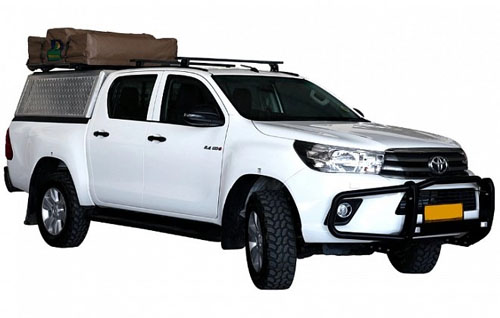
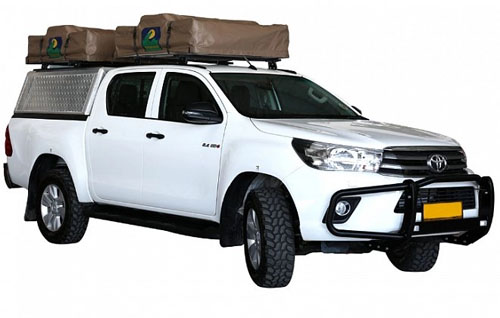
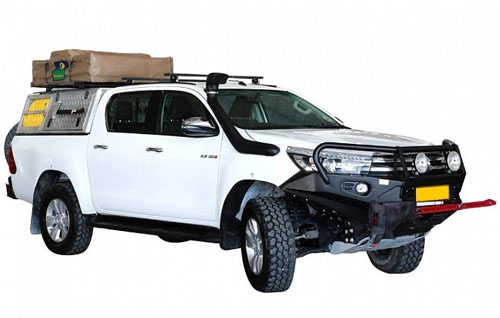
The best type of RV for Namibia is typically a 4x4-equipped camper or truck camper for travelers planning to venture onto challenging gravel roads, sandy tracks, or into more remote national park areas. These offer superior traction and ground clearance compared to standard 2WD RVs. For example, a Patagonia Camper 4x4 double cab is a great option. Standard 2WD semi-integrated or alcove RVs are suitable for main tarred roads and well-maintained gravel roads but are not ideal for deep sand or very rough tracks. Key features for a Namibian RV include reliable all-terrain tires, high ground clearance, effective dust sealing, sufficient water and fuel tanks, and robust suspension.
How long does it take to drive across Namibia?
Driving across Namibia, for instance, from the southern border to the northern border, could theoretically take as little as 2-3 days of intensive driving on main routes. However, a comprehensive and enjoyable RV journey exploring its vast attractions typically requires a minimum of 7 days, with 10-14 days being ideal for a more in-depth experience. This recommendation respects the slower average speeds necessitated by Namibia's extensive gravel road network, the need to stop for wildlife, and the importance of allowing time to experience locations rather than just transit them, aligning with Avi Bandana's suggested maximum of 100 miles (150 km) per day.
Where are the best campsites in Namibia?
Namibia offers a diverse range of exceptional campsites, from well-equipped national park resorts like Okaukuejo Rest Camp in Etosha National Park (for its floodlit waterhole viewing) to remote, unfenced bush camps. Sesriem Campsite is ideal for early access to the Sossusvlei dunes. Beyond generic campgrounds, understanding the legality and rules around wild camping (generally not permitted outside designated sites) is key. Many private lodges also offer dedicated campsites with excellent amenities and activities. Always book popular national park sites in advance and respect wildlife and environmental regulations.
What should I know before RVing in Namibia?
Before embarking on an RV trip in Namibia, travelers should prioritize understanding the unique driving challenges, comprehensive safety protocols, and cultural sensitivities to ensure a smooth and respectful journey. Crucially, this includes practical tips for navigating Namibia's extensive gravel road network, which often features corrugations and requires reduced speeds. Be prepared for potential sand driving scenarios in certain areas and be aware of livestock frequently found on roads, especially at dawn and dusk. Avoid night driving. Fuel stations can be sparse, so always fill up when possible and carry extra for remote areas. Stock up on water and groceries in larger towns. When it comes to cultural sensitivity, dress modestly, ask permission before taking photos, and consider engaging with local communities through reputable guides or community-based tourism.
What You Shouldn't Miss
- Witnessing the sunrise over Dune 45 in Sossusvlei, an unforgettable desert spectacle.
- Exploring the stark beauty of Deadvlei, with its ancient camel thorn trees against a backdrop of towering red dunes.
- Experiencing the adventure activities in Swakopmund, from quad biking to scenic coastal drives.
- Marveling at the ancient rock engravings at Twyfelfontein, a UNESCO World Heritage site.
- Encountering the diverse wildlife in Etosha National Park, particularly around the waterholes.
- Visiting the vast seal colony at Cape Cross Nature Reserve for a unique wildlife encounter.
Final Thoughts
Namibia offers an unparalleled RV adventure, a land of stark beauty, incredible wildlife, and vast, open spaces. A rented RV provides the perfect blend of freedom and comfort to explore this magnificent country at your own pace.
Remember to plan ahead, embrace the slow travel philosophy, and be prepared for the unique conditions Namibia presents. With Bandana Caravan, you can compare final prices across multiple suppliers, ensuring you find the best value without hidden fees. Embrace the call of the wild and discover the magic of Namibia by RV!