In This Guide
- Best Iceland RV Itinerary for weekend rv rental - Overview
- 7-Day Classic Route in Iceland
- 14-Day Extended Journey in Iceland
- Recommended RVPlan Trip for Iceland
- Must-See Stops Along the Way (Avi Bandana Picks)
- Daily Driving Distances & Drive Times in Iceland
- Best RV Class for This Itinerary - Couple & Family Picks
- How much does it cost to rent an RV in Iceland for a weekend
- Is Iceland good for RV camping
- What is the best month to RV in Iceland
- Do I need a 4x4 campervan in Iceland
- Is a campervan safe to drive in Iceland
- What do you need for a road trip in Iceland
- What makes Iceland unique for RV travel
Best Iceland RV Itinerary for weekend rv rental - Overview
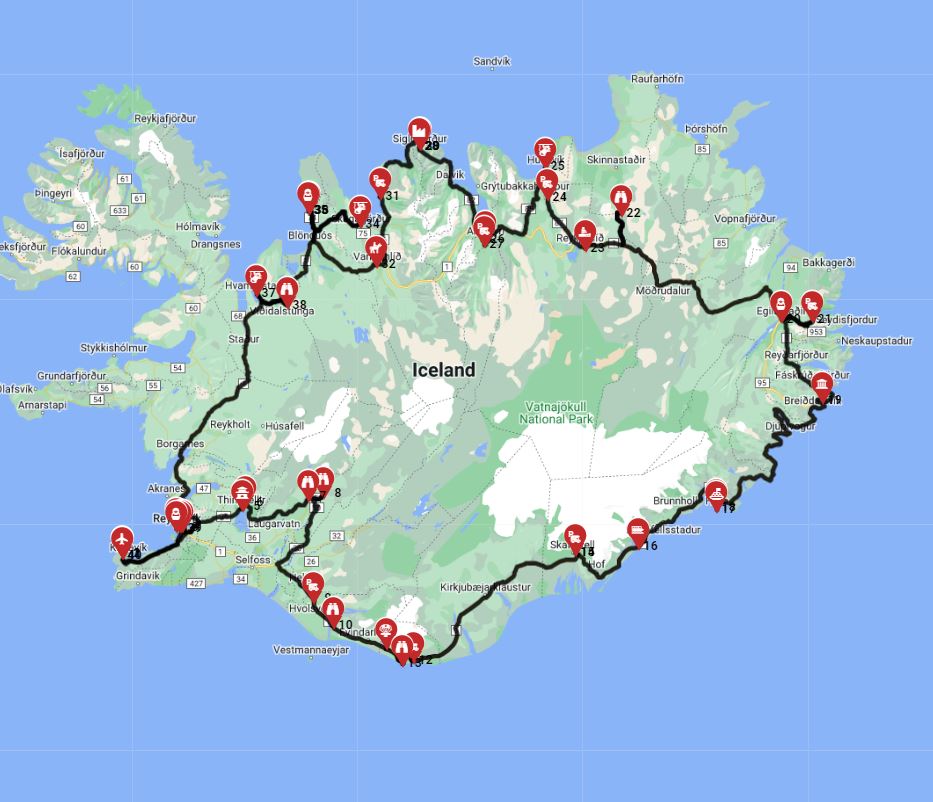
A true "weekend" RV rental in Iceland, typically 2-3 days, offers limited exploration primarily restricted to the Reykjanes Peninsula or a short segment of the Golden Circle due to the compact timeframe. For a genuinely meaningful experience of Iceland's incredibly diverse landscapes and iconic attractions, a minimum rental duration of 7 days is highly recommended, allowing sufficient time to cover popular routes like the Golden Circle and the stunning South Coast at a comfortable pace. Imagine yourself driving through lunar-like landscapes, stopping whenever a spectacular waterfall or a geothermal hot spring catches your eye. Remember, with a rented motorhome, the journey is just as important as the destination. For those seeking live availability and current prices, our RV Rental Iceland - Complete Guide 2026 provides an excellent starting point. This guide offers comprehensive information to help you plan your ideal Icelandic adventure. The best season for an RV trip to Iceland stretches from late spring to early autumn, specifically June through September, due to the milder weather, extended daylight hours, and full accessibility of most roads. Bandana RV specializes in crafting unforgettable RV experiences, ensuring you travel with full transparency and no hidden fees, making your planning straightforward and stress-free. For example, the comprehensive "Iceland - Full ring road" RVPlan trip, designed by professionals, spans 15 days and covers approximately 2045 km, which is ideal for experiencing the entire country without rushing. We always advocate for slow travel, recommending a maximum of 100-150 km per day on average, allowing you to truly immerse yourself in the culture, food, and breathtaking scenery.7-Day Classic Route in Iceland
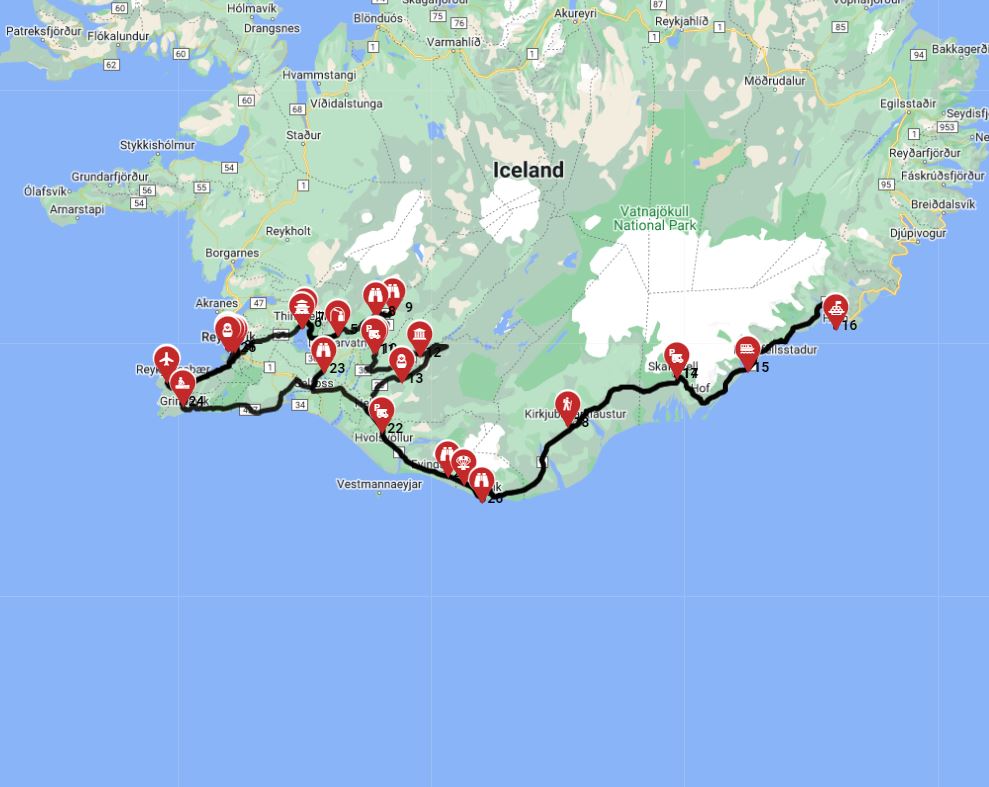
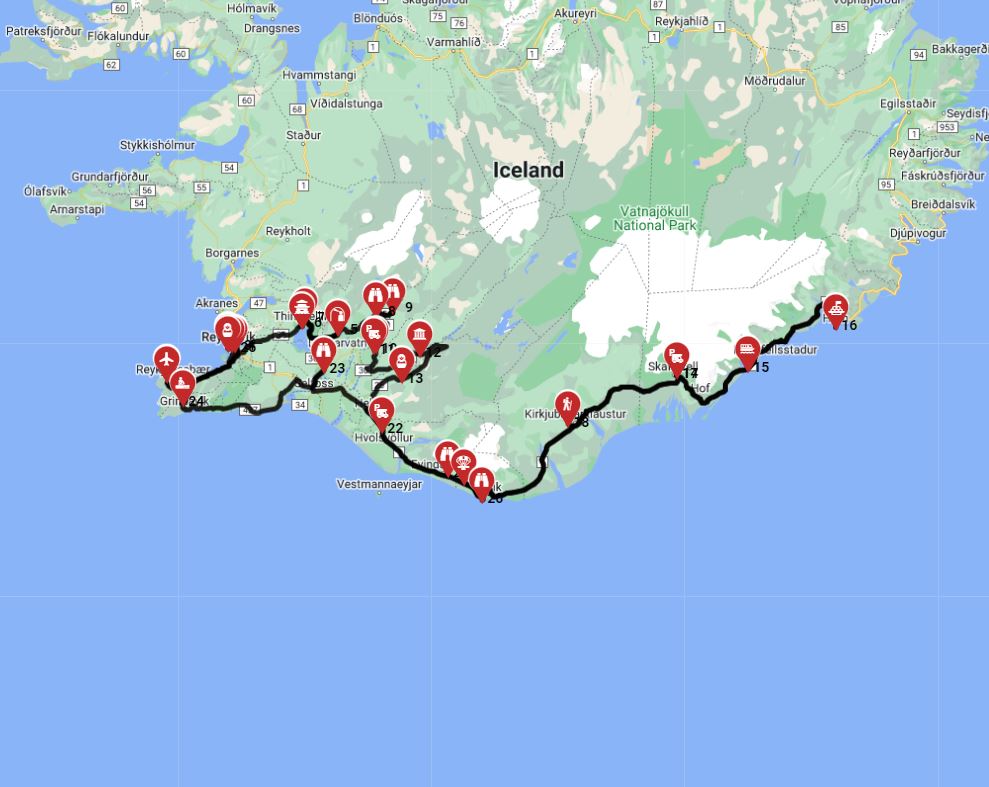
A 7-day RV itinerary allows for a classic and fulfilling exploration of Iceland's most famous natural wonders, offering a balanced pace of around 60-90 km per day. This route plan ensures you experience the highlights without feeling rushed, perfectly aligning with our philosophy of slow travel. Here's a suggested breakdown for a week-long RV adventure:- Day 1: Reykjavik/Keflavík → Þingvellir National Park (50 km): Upon picking up your rented RV in Reykjavik or Keflavík, head directly to Þingvellir, a UNESCO World Heritage site where the North American and Eurasian tectonic plates dramatically meet. This historic national park also holds significant cultural importance as the site of Iceland's ancient parliament. Settle into Þingvellir Campsite for the night.
- Day 2: Þingvellir → Geysir/Gullfoss → Flúðir (70 km): Continue your journey through the Golden Circle, witnessing the explosive Strokkur geyser at the Geysir geothermal area and the majestic, two-tiered Gullfoss waterfall. Conclude your day by relaxing in the geothermal waters of the Secret Lagoon in Flúðir, staying overnight at Flúðir Campsite.
- Day 3: Flúðir → Selfoss → Hella (60 km): Drive through the serene agricultural landscapes of South Iceland, making a stop in the town of Selfoss. Consider a detour to the beautiful Urriðafoss waterfall before reaching Hella, where you can stay at Hella Campsite.
- Day 4: Hella → Seljalandsfoss → Skógafoss → Vík (90 km): This day is packed with iconic waterfalls: walk behind Seljalandsfoss and marvel at the powerful cascade of Skógafoss. Continue east to Vík, where you can explore the famous black sand beach of Reynisfjara and its basalt columns. Your overnight stop is Vík Campsite.
- Day 5: Vík → Eldhraun Lava Field → Kirkjubæjarklaustur (70 km): Journey further east, traversing the vast and otherworldly Eldhraun lava field, a stark reminder of Iceland's volcanic origins. Explore the unique Fjaðrárgljúfur canyon, a truly breathtaking natural wonder. Spend the night at Kirkjubæjarklaustur Campsite.
- Day 6: Kirkjubæjarklaustur → Hella/Selfoss (approx. 150 km): Begin your return journey west, taking the opportunity to revisit any favorite spots or explore sites you might have missed on the way east. Consider Hella or Selfoss area campsites for your final night on the road.
- Day 7: Hella/Selfoss → Blue Lagoon (optional) → Keflavík/Reykjavik (approx. 100-150 km): If your schedule and budget allow, make an optional visit to the world-renowned Blue Lagoon for a relaxing soak. Remember that pre-booking for the Blue Lagoon is essential. Afterward, return your rented campervan to Reykjavik or Keflavík International Airport. This route provides an excellent framework for an "
" adventure.
 Iceland Golden Circle - South West
14-Day Extended Journey in Iceland
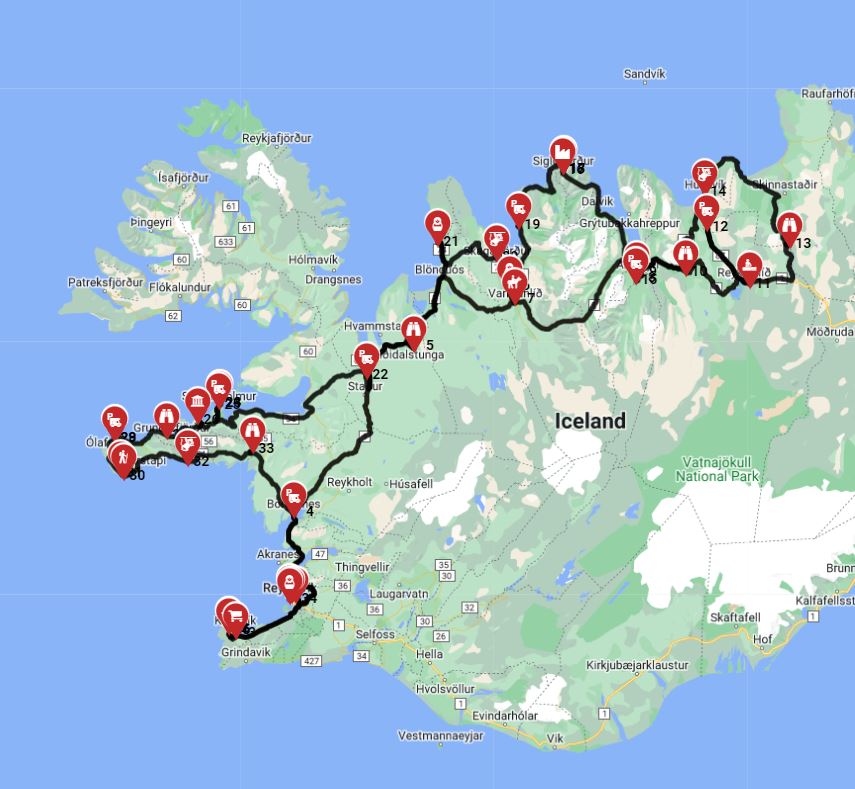
A 14-day extended journey in Iceland by a rented motorhome offers the ultimate opportunity to truly immerse yourself in the country's diverse and dramatic landscapes, easily covering the iconic Ring Road and beyond. This allows for an average daily travel of about 140 km, giving you ample time to explore. This longer itinerary provides a perfect balance of key attractions and hidden gems, moving far beyond what a short weekend rv trip in Iceland could offer. For a broader perspective on European RV travel, our "RV Rental Europe - Complete Guide 2026" offers useful insights. Here’s a general overview of a two-week adventure:- Days 1-3: Golden Circle & South Coast: Begin your adventure in Reykjavik, embarking on the classic Golden Circle route to explore Þingvellir National Park, the geothermal area of Geysir, and the magnificent Gullfoss waterfall. Continue along the stunning South Coast, marveling at waterfalls like Seljalandsfoss and Skógafoss, and the unique black sand beaches near Vík before staying in the local campsites.
- Days 4-6: Southeast & East Fjords: From Vík, journey to the breathtaking glacial lagoon of Jökulsárlón and the adjacent Diamond Beach, where icebergs glitter on the black sand. Then, wind your way through the dramatic and often overlooked landscapes of the East Fjords towards Egilsstaðir, enjoying charming fishing villages and serene coastal drives.
- Days 7-9: North Iceland: Explore the volcanic wonders around Lake Mývatn, including the peculiar lava formations of Dimmuborgir and the bubbling mud pots of Námafjall Hverir. Head to Akureyri, often called the "Capital of North Iceland," and consider a whale watching tour from Húsavík, home to 98% of the species seen in Icelandic waters.
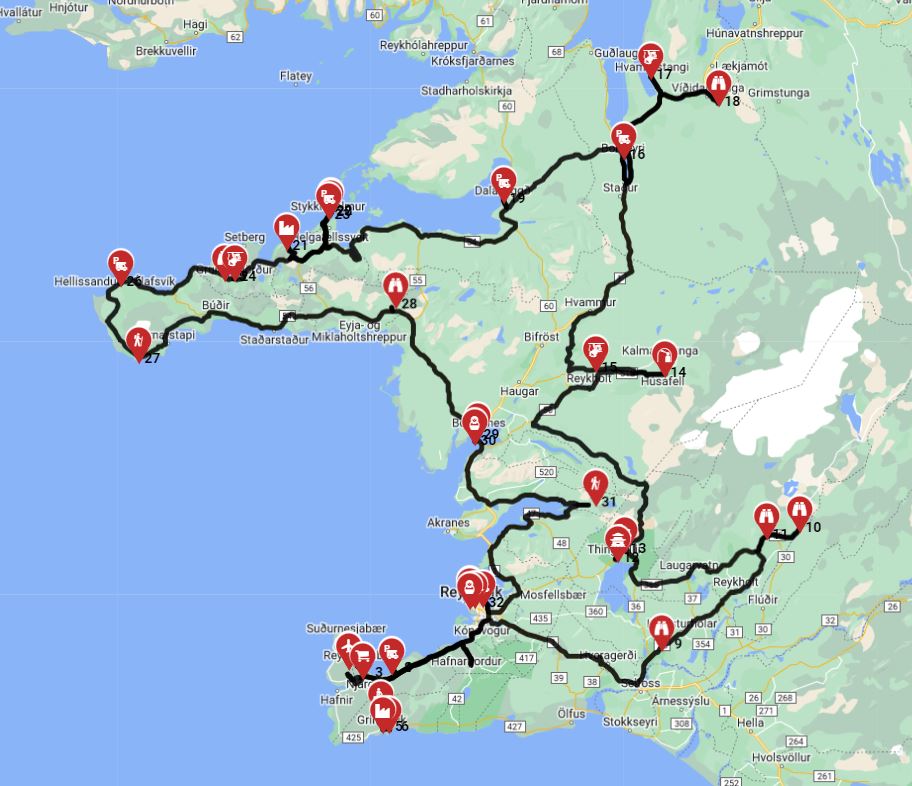
- Days 10-12: Westfjords / Snaefellsnes Peninsula: This segment offers a choice: venture into the remote and breathtaking beauty of the Westfjords, known for its towering bird cliffs and pristine nature, or opt for the magical Snaefellsnes Peninsula, often nicknamed "Iceland in Miniature" for its condensed array of natural wonders, from Snaefellsjökull glacier to dramatic basalt columns.
- Days 13-14: West Iceland & Reykjanes Peninsula: Conclude your journey by exploring West Iceland's historical sites and natural attractions, such as the powerful hot spring Deildartunguhver and the beautiful Hraunfossar waterfalls. Before returning your rented campervan to Keflavík or Reykjavik for departure, you might include a final relaxing visit to the famous Blue Lagoon (requires advance booking). Our "One-Way RV Rental in Iceland - Price Guide 2026" can assist if you're considering different pickup and drop-off locations.
Recommended RVPlan Trip for Iceland
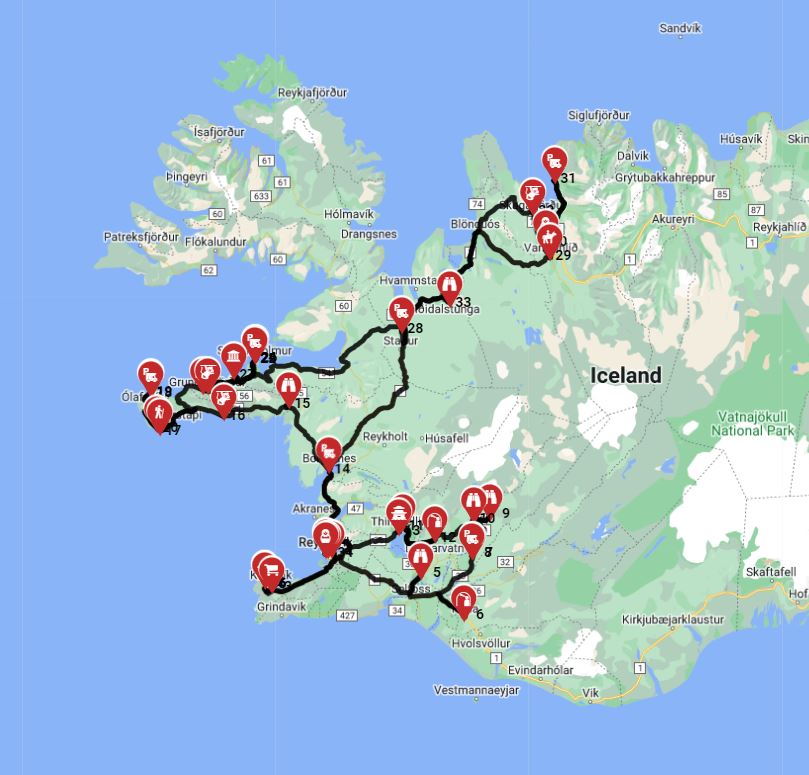
For a truly immersive exploration of Iceland's diverse landscapes, consider the "Iceland - Full ring road" RVPlan trip, designed by our professionals to provide a comprehensive and unforgettable experience. This carefully curated itinerary spans 15 days and covers an extensive 2045 kilometers of Iceland's iconic Ring Road and surrounding attractions, starting and ending in Reykjavik. The trip includes diverse experiences such as 4 wildlife watch opportunities, a visit to a botanical garden, 1 cruise terminal, 1 extreme activity, 1 family activity, 1 heritage site, 1 hiking area, 1 horseback riding excursion, 2 local industry experiences, 1 museum, 6 natural features, 1 spa, 1 traditional restaurant, and 4 traditional visits. The meticulous planning behind this RV PLANET route ensures you can "Be healthy and take care of yourself, but be happy with the beautiful things that make you, you" with highlights including the stunning Thingvellir National Park, the historic Dyrhólaey Viewpoint, and the magical Jökulsárlón Glacier Lagoon. With RV PLANET routes, you can itemize and track every expense along the way for easy budgeting, giving you full financial transparency throughout your adventure. You can explore the full details and personalize your adventure by visiting the dedicated trip page:Must-See Stops Along the Way (Avi Bandana Picks)
Drawing from decades of experience exploring the world by motorhome, Avi Bandana has a few top recommendations for your Iceland RV adventure, ensuring you discover the most captivating sights. These hand-picked spots combine iconic natural beauty with unique cultural insights. Looking for expert insights from Avi Bandana? Top 5 Adventures - recommendations from Avi Bandana:- Thingvellir National Park (Traditional Visit): Avi Bandana highly recommends beginning your journey at this UNESCO World Heritage site, offering profound historical significance and geological wonders where the North American and Eurasian tectonic plates diverge. It's a place where history and nature intertwine beautifully.
- Jökulsárlón Glacier Lagoon (Traditional Visit): This is a personal favorite for its ethereal beauty, where massive icebergs calve from the Vatnajökull glacier and gracefully drift towards the sea. Don't miss the chance to see them glisten on the nearby Diamond Beach, a truly unforgettable spectacle.
- Dyrhólaey Viewpoint (Traditional Visit): This dramatic promontory near Vík offers panoramic views of the infamous black sand beaches, the iconic Reynisdrangar sea stacks, and a historic lighthouse. During nesting season, typically from May to August, you also have excellent chances to spot adorable puffins.
- Svartifoss Trail (Traditional Visit): Trekking to Svartifoss (the Black Waterfall) is a rewarding experience. This unique waterfall is famously framed by striking dark basalt columns, which have inspired much of Iceland's architecture. The hike itself is a treat, immersing you in the stunning Icelandic countryside.
- Local Geothermal Industry Experience (Local Industry): Don't miss an opportunity to learn firsthand about Iceland's sustainable energy use. This could involve visiting a power plant visitor center or exploring a local wool production outlet, showcasing traditional craftsmanship and the innovative ways Iceland harnesses its natural resources.
- A Traditional Icelandic Eatery (Traditional Restaurant): Beyond the incredible scenery, connecting with the local culture through food is essential. Seek out a cozy local restaurant in a small town along your route to savor authentic Icelandic cuisine, from fresh seafood to hearty traditional lamb stew, offering a true taste of the island's heritage and warmth. If you plan to cook meals in your rented RV, check out our RV-friendly recipes playlist for inspiration.
Daily Driving Distances & Drive Times in Iceland
Avi Bandana recommends a maximum of 100 miles or 150 km per day on average when traveling by RV in Iceland, emphasizing the importance of slow travel to truly absorb the breathtaking landscapes rather than rushing between destinations. This approach allows for spontaneous stops and deep connections with the environment. While Iceland's main roads are generally well-maintained, numerous secondary roads and sections of the Ring Road are gravel, which can significantly impact driving times and require reduced speeds for safety. Always allow ample time for photo opportunities, short hikes, and unexpected detours, as some of Iceland's best experiences are often found by embracing spontaneity. Even major cities in Iceland are navigable with careful driving; there's no need to stress about driving larger RVs "due to traffic and narrow streets." Drive slowly and carefully, and you can drive almost anywhere without issues, just use common sense and pay attention. **Example Drive Time Estimates (excluding stops):**- Reykjavik to Vík: Approximately 180 km (112 miles), which takes about 2.5 hours of continuous driving. However, with stops at waterfalls, glaciers, and black sand beaches, this easily expands into a full day of exploration.
- Reykjavik to the Golden Circle (Þingvellir, Geysir, Gullfoss loop): Roughly 110-120 km (68-75 miles) for the main loop, requiring 1.5-2 hours of direct driving to each site. This itinerary typically becomes a full 6-8 hour day trip with proper exploration time.
- Akureyri to Lake Mývatn: Around 90 km (56 miles), taking about 1.5 hours of steady driving. This allows plenty of time to explore the unique Mývatn geothermal area and surrounding natural wonders. For those interested in "Winter RV Driving in Iceland - Safety Guide 2026," planning for much shorter daily distances and more flexible timing is crucial due to potential weather challenges.
Best RV Class for This Itinerary - Couple & Family Picks
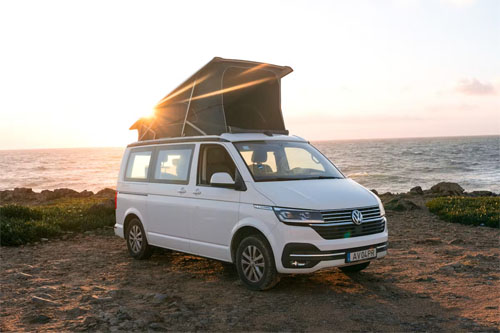
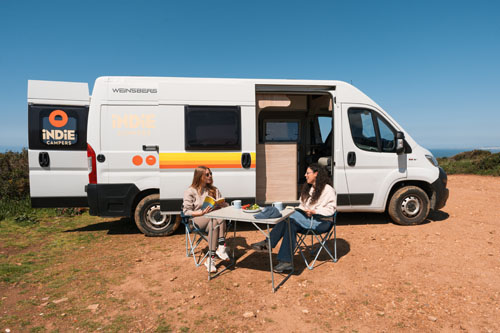
Choosing the right RV class significantly enhances your travel experience in Iceland, balancing comfort with maneuverability on varied terrain. At Bandana RV, we partner with 50+ leading RV suppliers worldwide, ensuring a diverse fleet for your needs. For couples exploring Iceland, the **Class B - Camper Van** is an excellent choice, providing a compact and nimble vehicle ideal for navigating varied roads and finding cozy spots in campsites. Bandana's global fleet typically features Class B Camper Vans with an average length of 5.8 meters, offering sleeping places for 3.2 individuals and an adult capacity of 2.7, alongside an average load capacity of 37 kg. These rented campervans boast good fuel efficiency, commonly consuming 8-10 Liters/100 km, making them economical for longer trips and easier to handle on Iceland's often-windy roads. Examples include models like the "2 Berth Hi Top" or the "Active Classic." For families embarking on an Icelandic adventure, the **Class C - Alcove** motorhome offers significantly more space and comfort, perfect for extended journeys with children. Bandana's global fleet of Class C Alcove motorhomes average 7.5 meters in length, providing an average of 5.8 sleeping places and comfortably accommodating 4.4 adults, with an average load capacity of 42.4 kg. While slightly larger, their fuel consumption is still reasonable at 10-12 Liters/100 km, offering a balanced combination of space, amenities, and relatively efficient travel for families. Options like a "24' Class C Motorhome" or "4 Berth Deluxe" are popular. When considering "Luxury RV Rental in Iceland - Premium Prices 2026," you'll find Class A options offering even more amenities and space. Remember, when you rent with Bandana, our "Rent&Plan" service combines your RV rental with a ready-made itinerary crafted by travel experts, providing full access to our trip-planning software and removing the headache of planning your Icelandic adventure. We handle the details, you live the journey, with personal service from day one until your booking is confirmed.How much does it cost to rent an RV in Iceland for a weekend
RV rental costs in Iceland vary significantly based on vehicle class, seasonality, and rental duration, and a true "weekend" rental (2-3 days) is often economically impractical as many companies impose a minimum rental period of 3-7 days. Shorter rentals, when available, generally incur higher daily rates to compensate for logistics. Prices are dynamic, similar to flight tickets, changing daily based on availability, seasonality, and supplier marketing decisions; the final price is always set at the actual booking time. While specific weekend rates are rare, daily rental costs for a basic campervan can range from €150-€250 in shoulder seasons (May, September) to €300-€400+ per day during peak summer (June-August) for larger motorhomes. Beyond the initial rental fee, anticipate significant fuel costs, as Iceland has some of the highest fuel prices globally; for instance, a Class B Camper Van typically consumes 8-10 Liters/100 km, while a Class C Alcove uses 10-12 Liters/100 km. Budgeting for campsite fees is also crucial, as most official campgrounds average €20-€40 per night for a pitch with basic facilities, with additional costs for electricity hook-ups or showers often applying. Consider other ancillary trip costs like groceries (eating out can be very expensive in Iceland), activity fees for attractions or tours (e.g., Blue Lagoon, glacier hikes), comprehensive rental insurance (highly recommended for Icelandic conditions), and potential add-ons or fees such as cleaning charges, kitchen kits, or extra mileage packages. For finding campsites and campgrounds during your trip, we recommend using RV PLANET (rvplan.net) - a great resource for locating available spots along your route. Additionally, on RV PLANET routes, travelers can itemize and track every expense along the way for easy budgeting. Our "RV Rental in Iceland - Prices and Best Deals 2026" guide offers more detailed cost breakdowns.Is Iceland good for RV camping
Iceland is an excellent destination for RV camping, offering unparalleled flexibility to explore its stunning natural landscapes at your own pace, though it requires strict adherence to local regulations and strong environmental responsibility. Imagine waking up to a new, breathtaking view each morning from your comfortable, rented motorhome. Critically, wild camping (also known as freedom camping) for RVs and campervans is generally prohibited outside of designated campsites in Iceland. This regulation is strictly enforced to protect the country's fragile ecosystem and respect private land, with heavy fines for violations. Instead, Iceland boasts a well-developed network of over 170 official campsites, particularly along the Ring Road, many of which are open year-round and offer essential amenities. These include clean restrooms, hot showers, electricity hook-ups, and waste disposal points for both grey and black water. Practical infrastructure for RVs, including specific locations for dump stations and potable water refill points, is readily available at most campsites and some larger gas stations, ensuring convenient servicing throughout your journey. Embracing Leave No Trace principles is paramount in Iceland's delicate environment: always stay on marked roads and trails, properly dispose of all waste (including organic matter), do not disturb wildlife or natural formations, and always respect private property signs. This commitment ensures the preservation of Iceland's unique beauty for future generations of RV travelers. You'll find a spot; if not at the first campground, then the next one. Always call ahead before driving to check availability, especially during peak season.What is the best month to RV in Iceland
The best months to experience RV travel in Iceland are typically June, July, and August, as these months offer the mildest weather, longest daylight hours (including the magical midnight sun), and maximum road accessibility. During this peak summer season, nearly all attractions, campsites, and services are fully operational, making it the easiest and most comprehensive time for exploration. While this period also coincides with higher prices and more crowded popular sites, the extended daylight provides extra hours for sightseeing. For information on finding affordable options during this time, consult our "Cheap RV Rental in Iceland - Budget Guide 2026". The shoulder seasons of May and September (and early October) also provide a wonderful balance for RV travelers in Iceland. During these months, you'll encounter fewer crowds and potentially lower prices compared to the peak summer, while still enjoying generally favorable weather. While May can still be a bit chilly, September particularly offers a unique advantage: as darkness begins to return, it provides the first opportunities to witness the spectacular Northern Lights. RVing in winter (November-April) is generally only recommended for experienced drivers with specialized vehicles due to extreme weather, icy roads, limited daylight, and the closure of many F-roads and some campsites. Our "RV Rental Deals in Iceland - Latest Offers 2026" can provide insights into seasonal discounts.🎬 Video coming soon
Do I need a 4x4 campervan in Iceland
A 4x4 campervan is essential only if you intend to drive on Iceland's F-roads (mountain roads), which are legally restricted to 4x4 vehicles and typically only accessible during the summer months (June-September). These roads are often unpaved gravel tracks, sometimes with unbridged river crossings, and venturing onto them in a 2WD vehicle is illegal and will void your insurance. For exploring the main Ring Road (Route 1) and visiting major attractions like the Golden Circle, the South Coast, and the Snaefellsnes Peninsula, a standard 2WD campervan or RV, such as a Class B Camper Van (e.g., "Active Bunk Auto" or "Happy 4x4") or a Class SI Semi-integrated model, is perfectly sufficient. These vehicles are well-equipped for paved and well-maintained gravel roads (those marked with a white number on a black background). F-roads, however, demand not only a 4x4 vehicle but also an experienced driver confident in navigating challenging terrain and assessing river water levels. Always check road conditions on road.is before setting out, especially if planning to use F-roads, as they can close suddenly due to weather or water levels. Your safety and insurance validity depend on choosing the correct vehicle for your planned route.Is a campervan safe to drive in Iceland
Driving a rented campervan in Iceland is generally safe, but it demands vigilance and awareness of the country's unique challenges, including notoriously strong winds, extensive gravel roads, and rapidly changing weather conditions. Iceland's weather can shift dramatically within minutes, so always check weather and road conditions daily on sites like road.is before driving, paying particular attention to forecasts of high winds that can make larger vehicles difficult to control or even damage doors. Many secondary roads and some sections of the Ring Road are unpaved gravel surfaces; reduce your speed significantly on these roads to avoid losing control or damaging the vehicle with loose stones. Be particularly cautious when passing or being passed by other vehicles on gravel, as flying stones are a hazard. For those planning to drive on F-roads, remember that they require a 4x4 vehicle and can involve challenging unbridged river crossings. Never attempt a river crossing if you are unsure of the depth or strength of the current, and research conditions thoroughly. There is no need to stress about driving in cities – drive slowly and carefully, and you can drive almost anywhere without issues, just use common sense and pay attention. Familiarize yourself with Icelandic emergency procedures (dial 112) and consider carrying a local SIM card for reliable communication, and always inform someone of your travel plans.What do you need for a road trip in Iceland
For an RV road trip in Iceland, essential packing includes versatile layered clothing, robust waterproof and windproof outerwear, and sturdy hiking boots suitable for diverse terrains and unpredictable weather. Iceland's climate is notoriously changeable, so being prepared for all conditions is key. Always pack multiple layers, such as wool or fleece base layers, insulating mid-layers, and a high-quality waterproof and windproof jacket and trousers. Even in summer, temperatures can drop rapidly, and rain or strong winds are common. Good quality, waterproof hiking boots are crucial for comfortably exploring waterfalls, black sand beaches, and numerous trails, ensuring your feet stay dry and supported on uneven ground. Beyond clothing, bring reliable navigation tools such as a dedicated GPS with offline maps, a physical map as a backup, and a powerful portable battery pack for charging devices, as cell service can be spotty in remote areas. A basic first-aid kit, a headlamp (especially for shoulder seasons or winter), sunglasses (even for cloudy days due to glare on wet surfaces), and an eye mask (for summer's midnight sun) are also highly recommended for comfort and safety on your rented campervan adventure.What makes Iceland unique for RV travel
Iceland's unique appeal for RV travel lies in its unparalleled access to diverse, dramatic natural landscapes-from glaciers and active volcanoes to black sand beaches and bubbling geothermal areas-combined with the freedom to explore at one's own pace. Traveling in a rented RV transforms your trip into a mobile adventure, where your accommodation comes with you, allowing you to wake up to a new, breathtaking vista each morning. RV travel offers the flexibility to spontaneously stop at breathtaking viewpoints, adjust itineraries based on weather or personal interest, and enjoy meals with incredible backdrops right from your onboard kitchen. Beyond the main tourist routes, RV travel allows for easy access to unique, off-the-beaten-path experiences such as exploring the lesser-visited East Fjords, discovering secluded hot springs in small villages, or visiting remote puffin colonies accessible only by venturing a little further. Opportunities for authentic local cultural interactions often arise at smaller campsites, the beloved public swimming pools found in almost every town, or by seeking out local farmers' markets or artisan workshops away from the capital. Staying connected is generally feasible, as mobile network coverage is surprisingly good along the Ring Road, and many campsites offer Wi-Fi, enabling even digital nomads to work remotely from their RV with proper planning for power and data. At Bandana, we are true RV specialists, not just a travel agency side department, meaning we genuinely know and love RV travel and are here to help you discover it.What You Shouldn't Miss
To truly make the most of your rented RV adventure in Iceland, don't miss these incredible experiences, many personally recommended by Avi Bandana:- Explore the Snaefellsnes Peninsula: Often called "Iceland in Miniature," this peninsula offers a condensed version of all of Iceland's geological wonders, from the Snaefellsjökull glacier to black sand beaches and dramatic cliffs, perfect for a 2-3 day detour from Reykjavik.
- Hike to Svartifoss: Take the scenic trail to Svartifoss, a unique waterfall famous for its dark basalt columns. It's a moderately easy hike that rewards you with stunning views and an iconic natural landmark.
- Soak in a Secret Lagoon: While the Blue Lagoon is famous, seek out lesser-known geothermal pools like the Secret Lagoon in Flúðir for a more authentic and often quieter hot spring experience.
- Witness the Glacial Wonders of Jökulsárlón and Diamond Beach: Drive east along the South Coast to experience the awe-inspiring Jökulsárlón glacier lagoon, where enormous icebergs calve and float towards the ocean, often washing ashore on Diamond Beach.
- Spot Puffins at Dyrhólaey: If traveling between May and August, make sure to visit the dramatic Dyrhólaey peninsula near Vík. It's a prime spot for birdwatching, particularly for the charming puffins that nest there.
- Indulge in Local Cuisine: Stop at small towns and local eateries throughout your journey. Savor fresh Icelandic seafood, hearty lamb stew, or traditional rúgbrauð (rye bread) for a true taste of the island's culinary culture.
Final Thoughts
An RV rental in Iceland promises an adventure unlike any other, offering the freedom to explore its otherworldly landscapes at your own pace. While a short "weekend" trip provides a glimpse, embracing a week-long or extended journey truly allows you to soak in the magic of this incredible country, from its thundering waterfalls to serene hot springs and dramatic coastlines. We are here to support you every step of the way, from comparing prices across suppliers to coordinating your booking. Remember, planning is part of the fun, and with resources like RV PLANET, you can craft an itinerary that perfectly matches your dreams. Whether you opt for a nimble campervan for two or a spacious motorhome for the whole family, the open road in Iceland awaits. So, get ready to discover top destinations, planning tips, all in one place, and prepare to make memories that will last a lifetime.On the routes offered through RV PLANET routes, you can itemize and track every expense along the way for easy budgeting.