In This Guide
- Best England RV Itinerary for weekend rv rental — Overview
- 7-Day Classic Route in England
- 14-Day Extended Journey in England
- Recommended RVPlan Trip for England
- Must-See Stops Along the Way (Avi Bandana Picks)
- Daily Driving Distances & Drive Times in England
- Recommended RV Class for This Itinerary — Couple & Family Picks
- Seasonal Considerations for RV Travel in England
- Licensing Requirements for RVs in England
- Cost of a Weekend RV Rental in England and Savings Tips
- RV Travel in England vs. Other Travel Options
- Tips for Pet-Friendly and Family RV Trips in England
- Driving Challenges on English Roads and How to Overcome Them
- Safety and Breakdown Procedures for RVing in England
- Sustainable and Eco-Friendly RV Travel in England
- Technology and Connectivity Solutions for RVers in England
Best England RV Itinerary for weekend rv rental — Overview
A weekend RV rental in England offers a flexible and immersive way to explore its diverse landscapes, typically covering around 300-450 km (180-280 miles) over 3-4 days. For those looking to truly experience the heart of England, spring (April-May) and autumn (September-October) are often the most pleasant seasons, offering blooming landscapes or vibrant foliage with fewer crowds.
While a weekend trip provides a tantalizing taste of RVing, Bandana RV truly recommends a minimum of 7 days for a comprehensive exploration of England's varied regions, from the rolling hills of the Cotswolds to the dramatic coastlines of Cornwall. This guide focuses on providing detailed itineraries that balance scenic drives, cultural immersion, and essential relaxation, ensuring a memorable adventure.
7-Day Classic Route in England
Avi Bandana, our in-house RV travel expert, emphasizes a relaxed pace for discovering England, recommending a maximum of 150 km (100 miles) per day. This approach allows you to truly savor the journey, stopping to explore charming villages and local attractions without feeling rushed.
Day 1: London to Oxford (approx. 90 km / 56 miles) Start your adventure by heading towards the historic city of Oxford. Spend your day exploring the renowned Oxford University colleges, perhaps taking a leisurely punt on the River Cherwell. For your overnight stay, consider a campsite near Oxford, such as the Oxford Camping and Caravanning Club Site.
Day 2: Oxford to the Cotswolds (e.g., Bibury/Bourton-on-the-Water) (approx. 60 km / 37 miles) Journey into the heart of the Cotswolds, famous for its idyllic villages and picturesque scenery. Wander through charming streets, admire the honey-colored stone cottages, and soak in the quintessential English countryside. You can find local campsites or farm stays within the Cotswolds for your overnight rest.
Day 3: Cotswolds to Bath (approx. 80 km / 50 miles) Travel southwest to the beautiful Georgian city of Bath. Immerse yourself in history by visiting the ancient Roman Baths, exploring the magnificent Bath Abbey, and admiring the city's stunning architecture. Campsites are available on the outskirts of Bath, such as the Bath Marina & Caravan Park.
Day 4: Bath to Stonehenge & Salisbury (approx. 50 km / 31 miles) Embark on a short drive to witness the mystery of Stonehenge, the ancient prehistoric monument. Afterwards, visit Salisbury to marvel at its magnificent cathedral, home to one of the best-preserved original Magna Carta documents. A campsite near Salisbury, like the Salisbury Camping and Caravanning Club Site, would be a convenient stop.
Day 5: Salisbury to New Forest National Park (approx. 40 km / 25 miles) Head towards the New Forest National Park, where you can encounter the famous free-roaming wild ponies. Enjoy walking or cycling through the ancient woodlands and heathlands. Several campsites are nestled within the New Forest, with Holmsley Campsite being a popular choice.
Day 6: New Forest to Brighton (approx. 110 km / 68 miles) Make your way to the vibrant coastal city of Brighton. Stroll along the iconic Brighton Pier, explore the exotic Royal Pavilion, and soak up the lively atmosphere of this popular seaside destination. Consider the Brighton Caravan and Motorhome Club Site for your overnight stay.
Day 7: Brighton to London (approx. 85 km / 53 miles) Conclude your English RV adventure with a scenic drive back towards London. Reflect on your journey, filled with charming villages, historic sites, and breathtaking landscapes, before returning your rental RV.
14-Day Extended Journey in England
For those with more time, this extended 14-day journey allows for a deeper dive into England's diverse offerings, still adhering to Avi Bandana's advice of keeping daily driving manageable at approximately 150 km (100 miles) per day. This fosters a relaxed pace, enabling you to truly connect with the culture, cuisine, and scenery.
Days 1-3: Southern Charms (London to Bath) Begin your exploration by traveling from London through Windsor (visit Windsor Castle) to Oxford (explore the University). Continue to the idyllic Cotswolds, stopping in villages like Chipping Campden and Bourton-on-the-Water, before arriving in Bath to experience the Roman Baths and Georgian architecture. This segment offers a rich blend of royal history, academic grandeur, and charming village life.
Days 4-6: Southwest Wonders (Bath to Cornwall) Venture further into the Southwest, perhaps visiting Glastonbury for its mythical Tor, Exeter for its impressive cathedral, and Plymouth for its historic harbor. Your journey culminates in the artistic coastal town of St. Ives in Cornwall, renowned for its stunning beaches. This part of the trip immerses you in mythical landscapes and dramatic coastlines.
Days 7-9: Heart of England & Wales Borders (Cornwall to Peak District) From Cornwall, journey north towards Tintagel, steeped in King Arthur legends. Visit Bristol to see the historic SS Great Britain, then explore the medieval charm of Shrewsbury before heading to the Peak District National Park. Here, you'll find dramatic moorlands, stunning hiking opportunities, and scenic drives perfect for RV exploration.
Days 10-12: Northern Gems (Peak District to Lake District) Continue your northern exploration from the Peak District to the historic city of York, famous for its ancient walls and magnificent Minster. Drive through the rolling hills and quaint villages of the Yorkshire Dales National Park, and then arrive in the Lake District National Park, a region synonymous with Wordsworth and breathtaking mountain and lake scenery.
Days 13-14: Return South (Lake District to London) Begin your return journey south, perhaps stopping in Manchester for a dose of vibrant city culture. Visit Stratford-upon-Avon, the birthplace of Shakespeare, to immerse yourself in literary heritage. Your grand English RV adventure concludes as you head back towards London, filled with memories of the diverse landscapes and experiences encountered along the way.
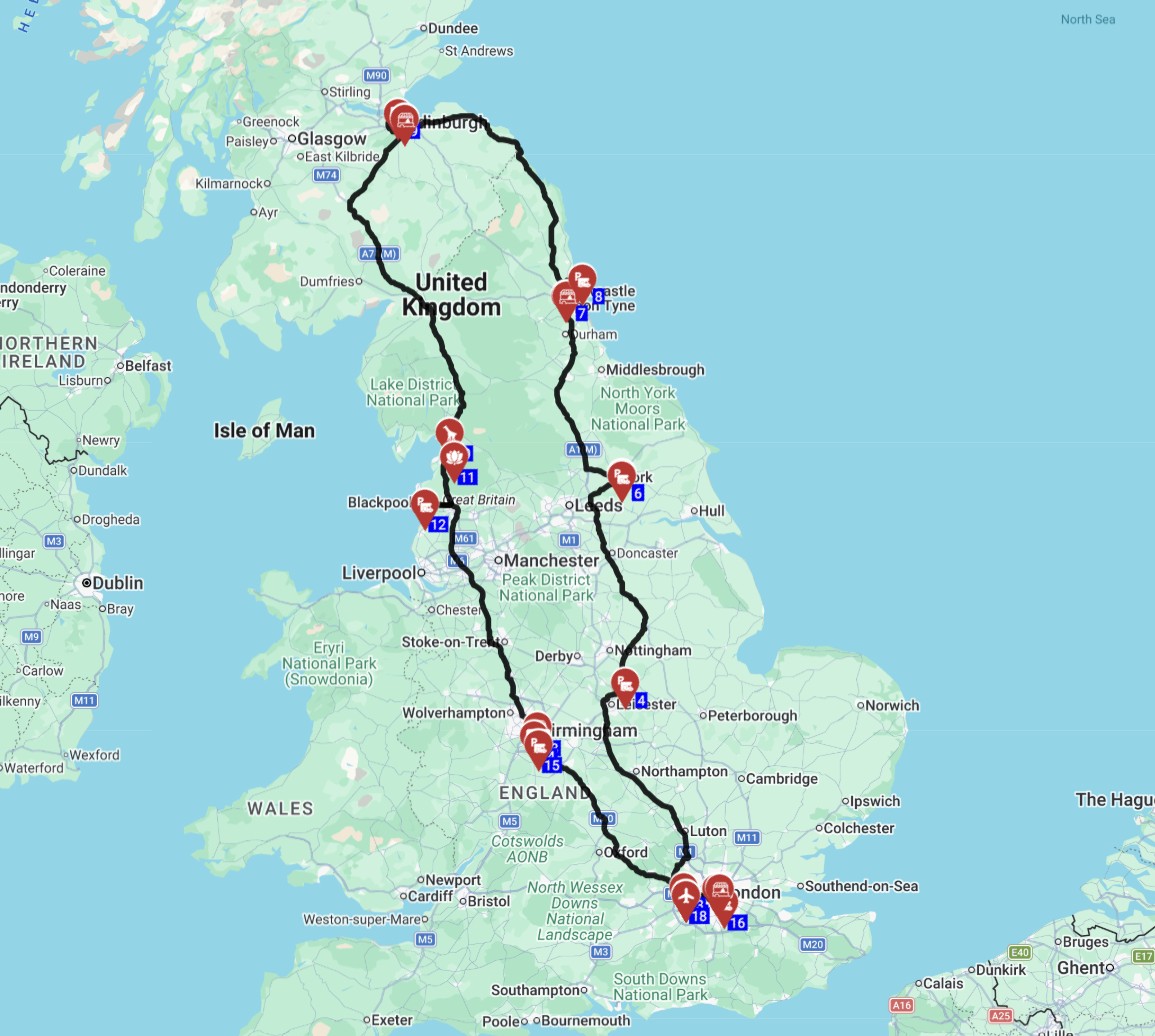
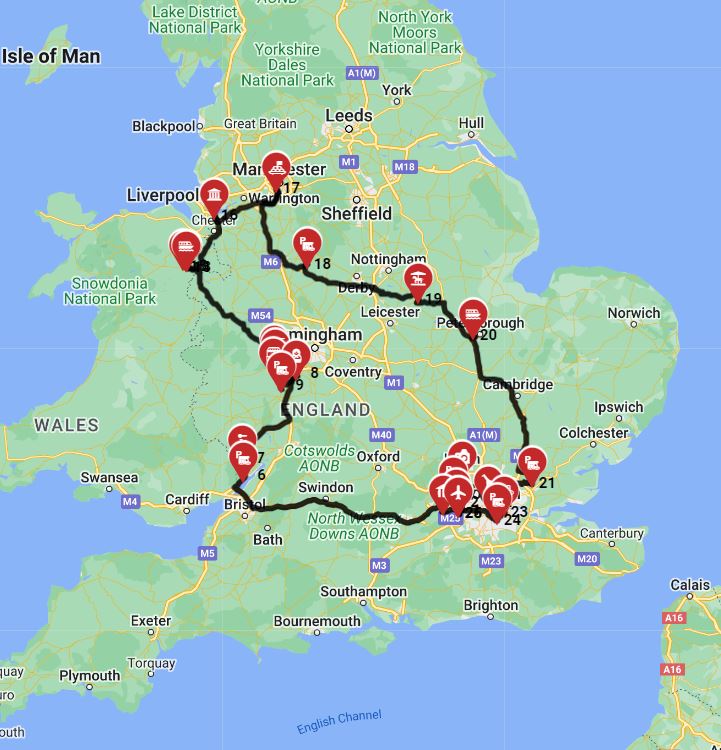
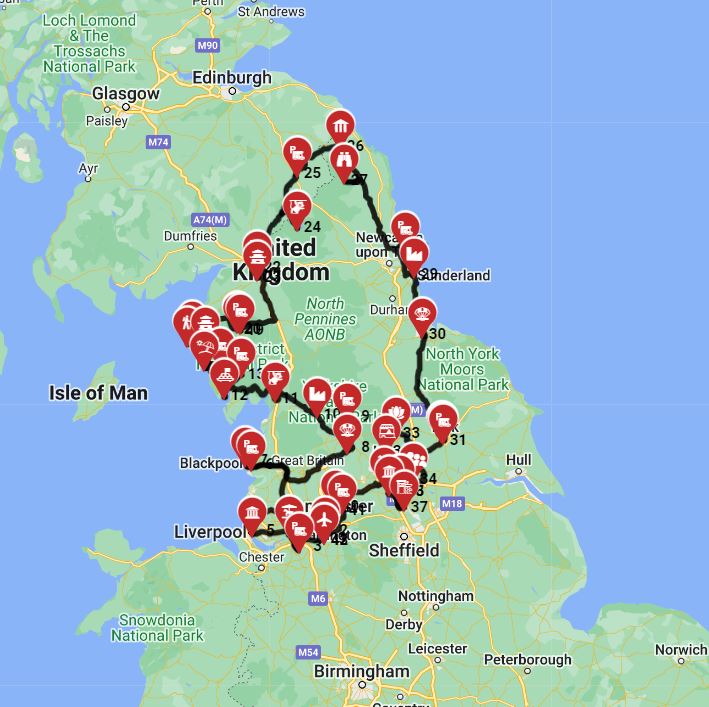
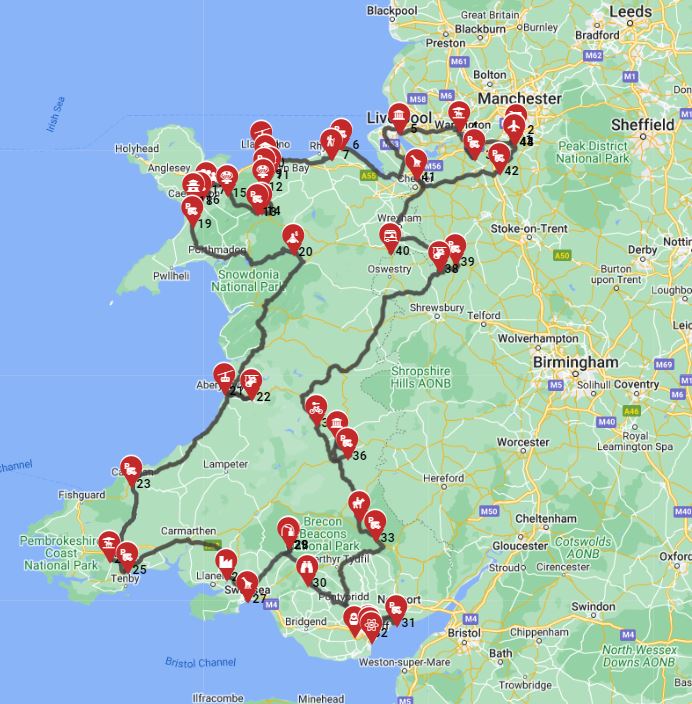
Recommended RVPlan Trip for England
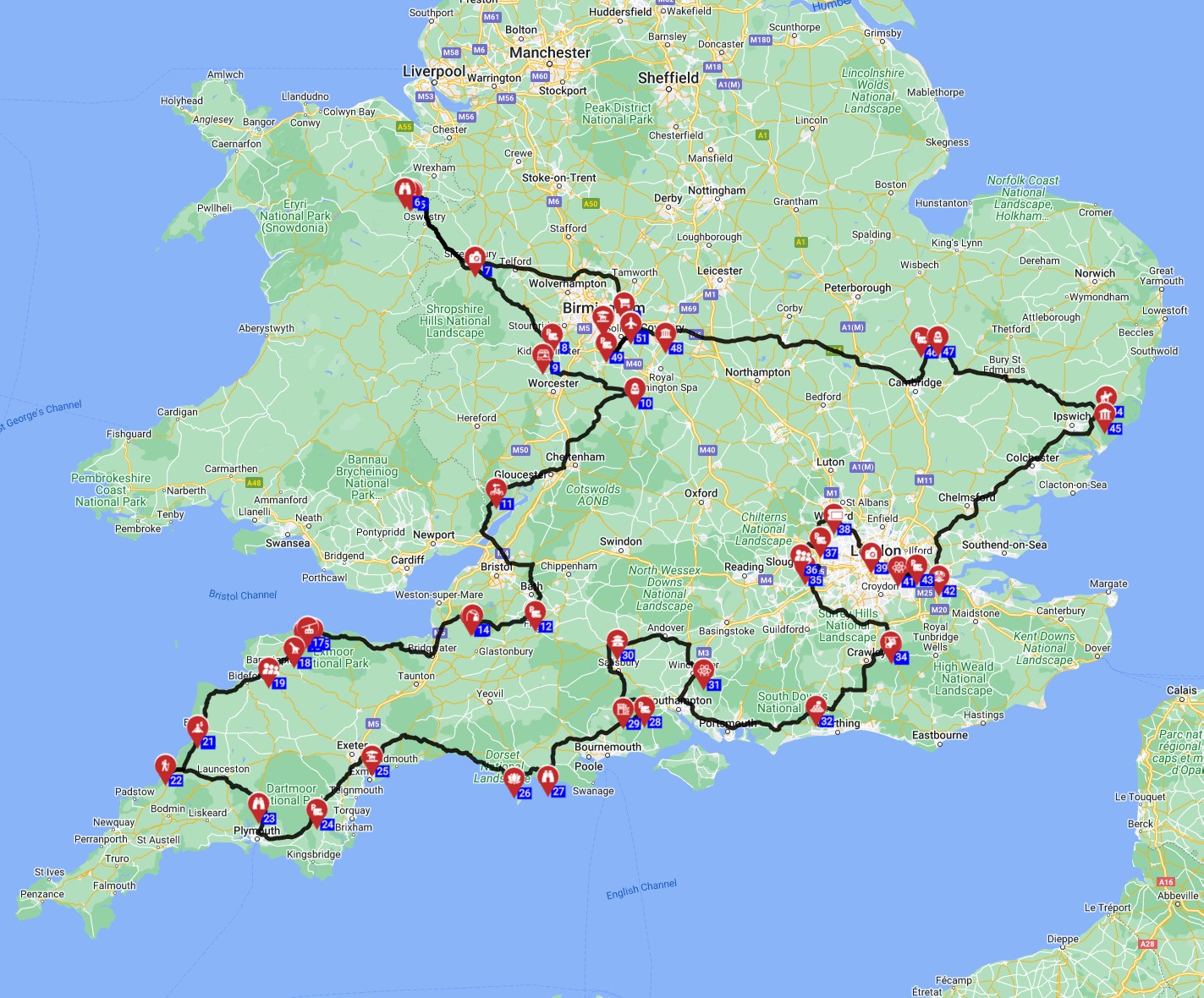
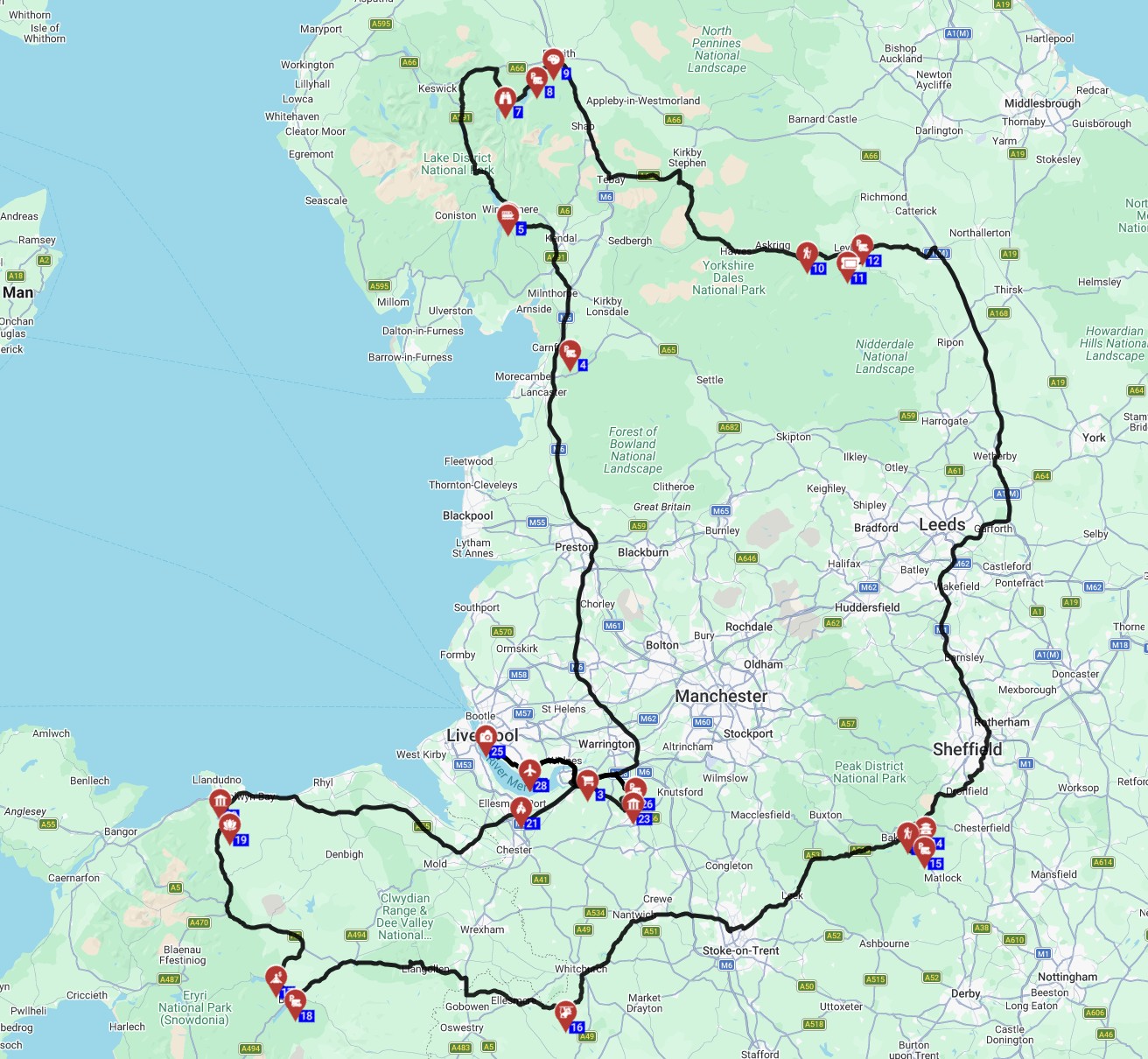
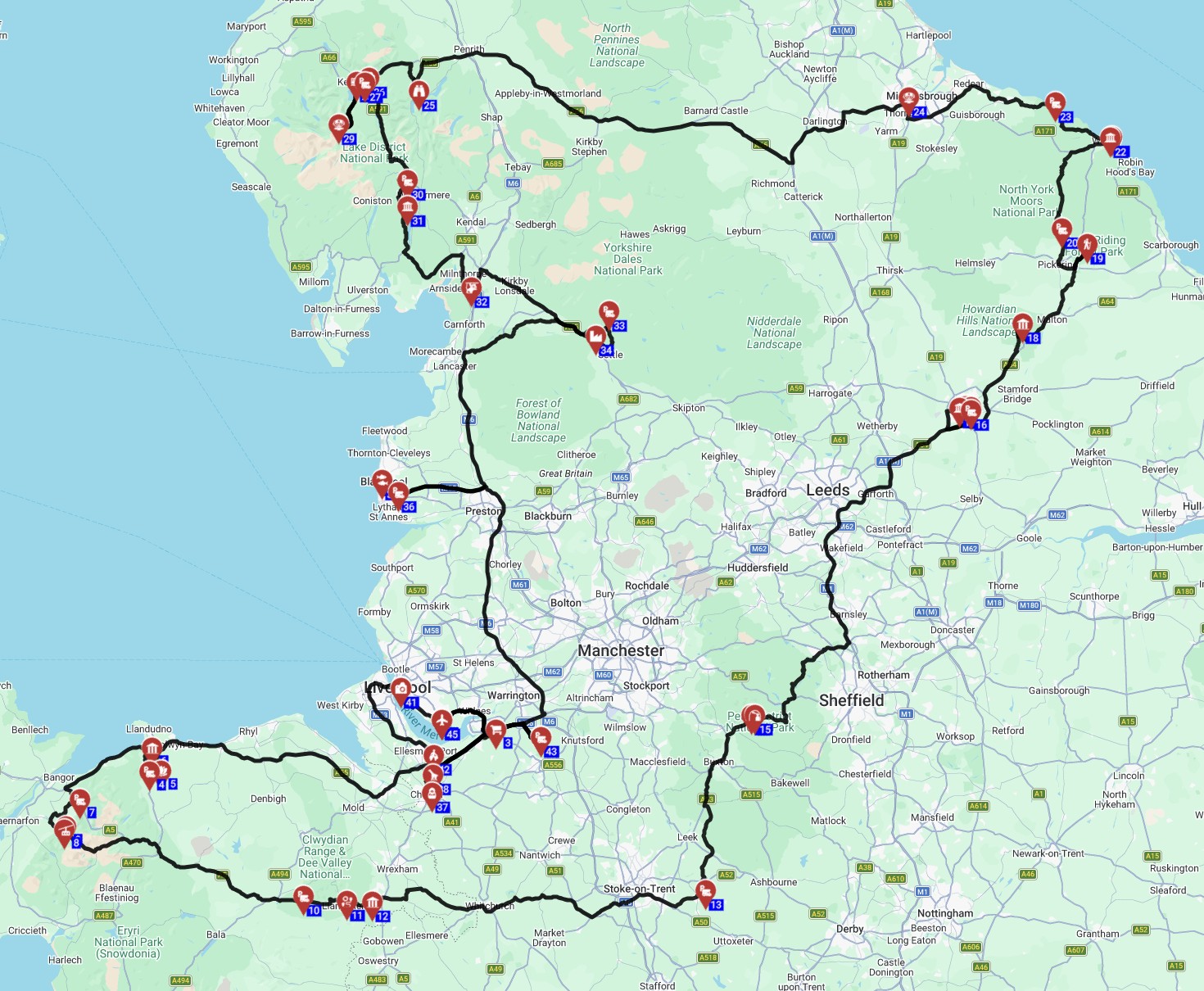
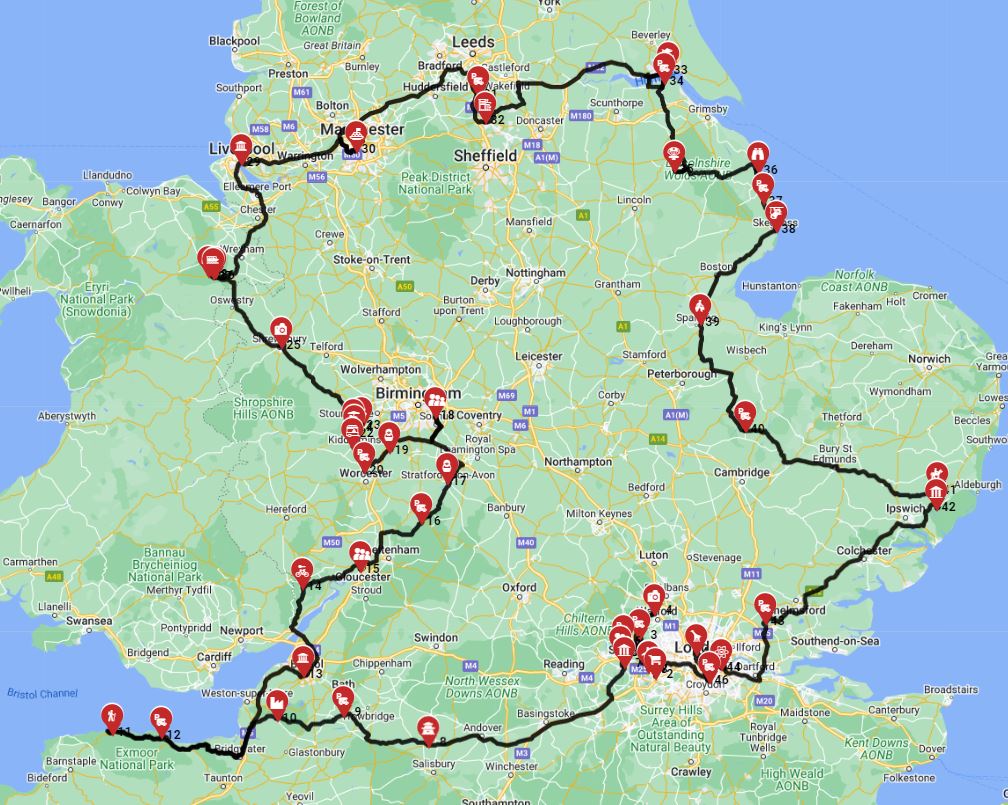
For those seeking a pre-planned and expertly crafted adventure, the '
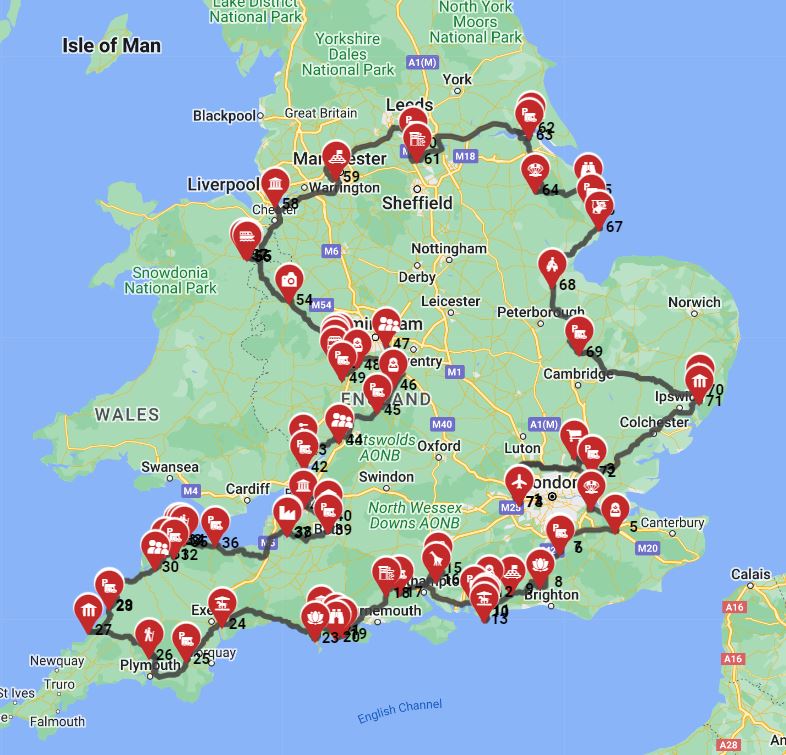
The RVPlan trip details include a rich array of activities, such as visiting the British Wildlife Centre, exploring the Winchester Science Centre & Planetarium, marveling at Lulworth Castle Wareham and Durdle Door, and discovering the history of the National Trust - Arlington Court, among many other unique stops.
Must-See Stops Along the Way (Avi Bandana Picks)
Avi Bandana's personal picks for an immersive RV journey through England emphasize experiencing local culture, history, and unique regional flavors, moving beyond typical tourist hotspots. His recommendations often highlight opportunities for authentic local engagement.
Traditional Visits: Don't miss the National Trust properties, such as the National Trust - Arlington Court or the significant Anglo-Saxon burial site of the National Trust - Sutton Hoo. These locations offer a glimpse into historical English life and provide deep historical context.
Traditional Restaurants / Fine Dining: Seek out local pubs and eateries that serve classic English fare, especially those noted for their regional specialties. The RVPlan trip suggestions often highlight places where you can savor authentic local cuisine.
Traditional Markets: Visiting a 'Traditional Market' is an excellent way to source local produce, artisanal goods, and interact with local vendors, truly experiencing the community's rhythm and tasting authentic regional products.
Local Industry: Exploring sites of 'Local Industry', like the Cheddar Gorge Cheese Company, allows you to sample delicious local cheese and learn about traditional production methods, offering a unique cultural and culinary insight into the region.
Daily Driving Distances & Drive Times in England
Avi Bandana recommends a maximum of 150 km (100 miles) per day when touring England by RV. This philosophy encourages a relaxed pace, allowing you to fully immerse yourself in the journey rather than rushing between destinations. This slow travel approach ensures ample time for spontaneous stops and exploring the scenic routes England is famous for.
Driving times in England can be significantly influenced by winding roads, potential traffic congestion, and the need to navigate through charming, but often narrow, towns and cities. For example, the drive from London to Bath, approximately 185 km (115 miles), can realistically take between 2.5 to 3.5 hours, depending heavily on traffic conditions. Similarly, traveling from Manchester to the Lake District, a distance of roughly 130 km (80 miles), typically takes about 1.5 to 2.5 hours, leaving you ample time to explore the stunning natural landscapes upon arrival.
Recommended RV Class for This Itinerary — Couple & Family Picks
Choosing the right RV class for your England adventure significantly enhances comfort and convenience. Bandana's fleet offers diverse options to suit different group sizes and travel styles, ensuring a perfect fit for your needs.
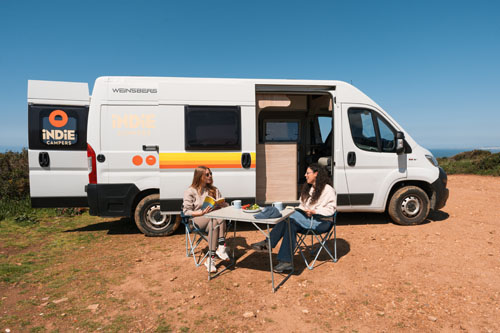
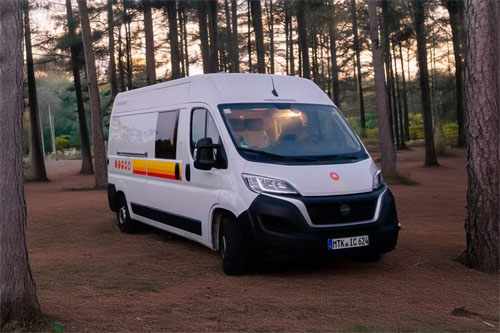
For Couples: The Class B - Camper Van is an ideal choice, offering excellent agility and ease of driving on England's often narrow roads, making it perfect for two travelers. For instance, Bandana's Camper Vans typically have an average length of 5.8 meters and comfortably sleep around 3.2 people, accommodating approximately 2.7 adults, striking a balance between compactness and comfort.
These vehicles also boast efficient fuel consumption, generally around 10 Liters / 100 Km, which is a significant benefit for longer journeys. To further simplify your trip planning, consider Bandana's 'Rent & Plan' service, which combines your RV rental with a professionally crafted itinerary, giving you access to expertly curated route planning software.
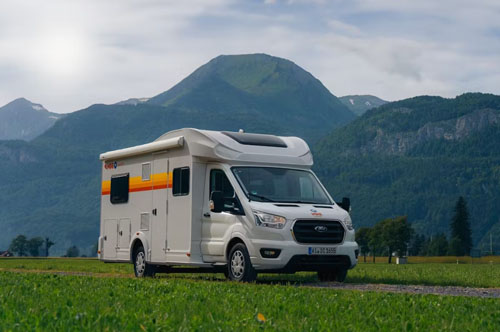
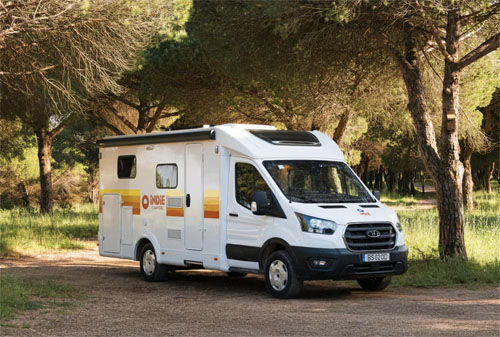
For Families: The Class C - Alcove motorhome provides ample space and amenities, making it a superb option for families exploring England. Bandana's Alcove RVs typically feature an average length of 7.5 meters, offering sleeping places for approximately 5.8 individuals and comfortably accommodating about 4.4 adults, ensuring everyone has their own comfortable space.
While slightly larger, their common fuel consumption remains reasonable, ranging from 10 – 12 Liters/100 km, effectively balancing comfort with practicality for family adventures.
Seasonal Considerations for RV Travel in England
Choosing the right season significantly impacts your RV trip in England. Spring (April-May) and autumn (September-October) offer pleasant weather and fewer tourists, while summer brings lively festivals but also peak crowds and prices. Winter offers a unique experience but requires careful preparation for colder conditions and potentially limited campsite availability.
Spring (April-May): This season is characterized by blooming landscapes and moderate temperatures, making it ideal for sightseeing and outdoor activities before the main tourist season begins. Campsites are generally less crowded, though some smaller sites might still be opening for the season. Keep an eye out for local spring festivals and garden shows that highlight the season's beauty.
Summer (June-August): Summer provides the warmest weather and the longest daylight hours, perfect for coastal trips and family attractions. However, campsites are at their busiest and most expensive, and popular tourist areas can be very crowded, making advance booking essential. This season is also rich with regional events like county fairs and music festivals.
Autumn (September-October): Autumn offers stunning foliage, cooler temperatures, and a welcome decrease in tourist numbers. It's an excellent time for hiking in national parks and visiting historical sites. Campsite availability generally improves, and prices may start to drop, with unique seasonal activities including harvest festivals and exploring beautiful autumnal walks.
Winter (November-March): Winter travel presents unique challenges with shorter days, colder weather, and the possibility of rain or snow. However, it also offers a distinct experience with festive markets and cozy pub visits. Crucially, many campsites close for the winter, so thorough research is needed to find winter-friendly sites equipped with hardstanding pitches and heating. Winter RVing also requires checking antifreeze levels, ensuring adequate insulation, and being prepared for potentially adverse driving conditions.
Licensing Requirements for RVs in England, Including for International Drivers
For RVs up to 3,500kg Maximum Authorised Mass (MAM), a standard Category B car license is typically sufficient for UK drivers. International drivers generally need a valid domestic license and potentially an International Driving Permit (IDP), depending on their country of origin, to supplement their home license.
For UK Drivers: If you passed your driving test before 1 January 1997, you can usually drive an RV up to 7,500kg MAM (category C1). If you passed your test on or after 1 January 1997, you are generally restricted to vehicles up to 3,500kg MAM (category B). Driving heavier RVs would require passing an additional test for category C1.
For International Drivers: EU/EEA license holders can drive in the UK for as long as their license is valid. Drivers from other countries (e.g., USA, Canada, Australia) can typically drive in the UK for up to 12 months with their valid domestic license. After this period, you may need to exchange it for a British license. An International Driving Permit (IDP) is recommended or, in some cases, required, especially if your license is not in English, to ensure compliance with UK road regulations.
The need for a 'special license' (beyond a standard car license) typically only arises for larger RVs exceeding 3,500kg MAM. Always confirm the specific MAM of your rental RV and check it against your driving license categories to ensure full compliance with UK law.
Cost of a Weekend RV Rental in England and How to Save Money
A weekend RV rental in England can range from approximately £250-£500+, with costs varying significantly based on RV class, season, and rental duration. Key cost-saving strategies include booking during off-peak times, utilizing free or low-cost overnight parking options, and prioritizing self-catering.
Average Costs: * Rental Fee: Expect to pay between £100-£200 per night for a compact Camper Van (Class B). Larger Alcove (Class C) or Semi-integrated (Class SI) models might cost £150-£300+ per night, with weekend rates often higher than weekday rates. * Insurance: Basic insurance is usually included, but excess reduction or additional coverage will add to the cost, typically £15-£30 per day. * Fuel: Bandana's fleet typically consumes 10-12 Liters/100 km. Budget accordingly, as fuel is a significant expense, especially for longer trips. * Campsite Fees: Standard pitches typically range from £25-£50 per night, depending on location and facilities. Wild camping is generally not permitted in England without landowner permission.
Hidden Fees to Watch For: Be aware of potential mileage limits with extra charges per km/mile over the allowance, cleaning fees if the RV isn't returned clean, late return penalties, and the security deposit, which is usually refundable and ranges from £750-£1000.
Cost-Saving Strategies: * Book Off-Peak: Traveling during shoulder seasons (spring/autumn) or weekdays will generally yield lower rental rates and cheaper campsite fees. * Free Parking Alternatives: Utilize apps like 'Park4Night' to find approved overnight parking spots, including pub stopovers (often requiring a meal purchase) or designated 'aire' type spots, which can significantly reduce campsite costs. Always check local regulations. * Self-Catering: Maximize the RV's kitchen facilities by cooking most meals onboard. Shopping at local supermarkets or farm shops for fresh, budget-friendly ingredients can substantially cut down on dining-out expenses. * Budget-Friendly Activities: Focus on free attractions such as national parks, scenic walks, coastal paths, and exploring charming villages, rather than relying solely on paid attractions. For ideas you can prep on the road, watch our RV-friendly recipes playlist on YouTube.
RV Travel in England vs. Other Travel Options
RV travel in England offers unparalleled flexibility, direct access to natural beauty, and potential cost savings on accommodation compared to train travel or rental car + hotel packages. It provides a unique blend of adventure and the convenience of having your accommodation and transport combined.
RV Travel Advantages:
- Flexibility & Freedom: Change your itinerary on a whim, explore off-the-beaten-path locations, and wake up to different scenic views each day without the hassle of re-packing.
- Cost Efficiency (Potentially): While initial rental costs can be substantial, RVs often save money on hotels, especially for families or longer trips. Self-catering and utilizing the RV kitchen further reduce food expenses, and campsite fees are generally less than hotels.
- Immersive Experience: RV travel allows for a deeper connection with nature, access to remote areas, and a slower pace of travel, fostering unique cultural immersion opportunities like sourcing local produce from farm shops or attending local festivals accessible directly by RV.
- Convenience with Belongings: You have all your gear with you, eliminating the need to constantly pack and unpack, which is perfect for active holidays or traveling with children and pets.
Compared to Train Travel: Trains are faster for long distances between major cities and eliminate driving stress, often being more eco-friendly. However, they offer limited access to rural areas, can be expensive for multi-stop trips, have fixed schedules, require separate accommodation bookings, and provide less luggage flexibility.
Compared to Rental Car + Hotels: While car and hotel packages might be cheaper for very short trips or solo travelers and offer easier parking in city centers, RV travel allows for greater spontaneity. RVs eliminate the need for multiple bookings, reduce dining-out costs through self-catering, offer more flexibility in choosing scenic overnight spots, and provide more space for luggage.
Tips for Pet-Friendly and Family RV Trips in England
Successfully planning a pet-friendly or family RV trip in England involves selecting suitable RVs and campsites, researching pet-friendly attractions, and incorporating engaging activities for children to ensure a comfortable and memorable journey for everyone.
Pet-Friendly Considerations:
- Choose the Right RV: Ensure your rental RV has adequate space for your pet, especially for larger dogs. Always check with the rental company about their specific pet policy and any associated cleaning fees.
- Pet-Friendly Campsites: Research campsites that welcome pets. Many UK sites are pet-friendly, but some may have restrictions on breeds or require dogs to be leashed at all times. Look for designated dog exercise areas.
- Travel Regulations for Pets: Ensure your pet's microchip, vaccinations (especially rabies), and pet passport or health certificate are up-to-date, as the UK has strict rules for pet entry if coming from abroad.
- Pet-Friendly Attractions: Seek out attractions like national parks, beaches (be mindful of seasonal dog bans), and certain pubs or gardens that welcome dogs.
Family-Specific RV Travel Tips:
- RV Size: A Class C - Alcove motorhome, like Bandana's models averaging 7.5m in length and offering 5.8 sleeping places, provides ample room for families, often featuring separate sleeping areas and generous living space.
- Kid-Friendly Campsites: Opt for campsites that offer amenities such as playgrounds, swimming pools, or organized activities to keep children entertained.
- Engaging Activities: Plan a mix of educational and fun stops. Utilize 'Family Activity' categories identified in RVPlan data, which often include amusement parks, aquariums, wildlife centers, or historical sites with interactive exhibits.
- Meal Planning: Make use of the RV kitchen for healthier, budget-friendly meals. Involve children in cooking or campfire preparations, and always pack plenty of snacks and drinks.
- Entertainment on the Road: Bring books, games, and download movies or shows for downtime during drives or evenings. Consider portable power banks to ensure everyone's devices stay charged.
- Safety with Kids: Properly fit car seats, secure loose items within the RV, and keep a first-aid kit readily accessible. Teach children basic RV safety rules, particularly regarding doors and moving parts.
Driving Challenges on English Roads and How to Overcome Them
Navigating an RV on English roads presents unique challenges such as narrow rural lanes, complex multi-lane roundabouts, and the fundamental aspect of driving on the left. These can be overcome with careful planning, utilizing appropriate navigation tools, and adopting a consistently cautious driving approach.
Narrow Rural Lanes: Many scenic routes, especially in areas like the Cotswolds, Lake District, and Cornwall, feature single-track roads with designated passing places. RVs can find these challenging.
- Solution: Drive slowly, anticipate oncoming traffic, use passing places correctly, and be prepared to reverse if necessary. For easier maneuverability on these roads, consider a smaller RV, such as a Class B Camper Van.
Complex Multi-Lane Roundabouts: The UK has numerous large, often multi-lane, roundabouts that can be intimidating, particularly for drivers accustomed to left-hand drive or unfamiliar with their layout.
- Solution: Study diagrams of complex roundabouts beforehand using tools like Google Maps Street View. Position yourself in the correct lane well in advance, signal clearly, and take your time. If in doubt, it's often best to go around again.
Left-Hand Drive for Foreign Visitors: Driving on the left side of the road with the steering wheel on the right can be disorienting for many.
- Solution: Practice in quiet areas initially to build confidence. Take extra care at junctions and roundabouts. Consider having a co-pilot to assist with navigation and calling out turns. Always allow yourself more time and space.
Parking: Finding suitable parking for an RV, especially in towns and cities, can be difficult and expensive.
- Solution: Research RV-friendly car parks in advance. Utilize park-and-ride schemes when visiting city centers. Consider parking at campsites on the outskirts and using public transport for city exploration.
Road Signs & Speed Limits: Speed limits are posted in miles per hour (mph), and road signs can be numerous and sometimes confusing.
- Solution: Familiarize yourself with common UK road signs. Pay close attention to posted speed limits, as RVs sometimes have lower limits than cars on certain types of roads.
Safety and Breakdown Procedures for RVing in England
For safe RV travel in England, it's crucial to understand UK road rules, carry essential safety equipment, and be prepared with comprehensive breakdown procedures, including emergency contacts and roadside assistance services. Your rental company will provide specific contact information.
Before You Depart: Always perform a thorough walk-around check of your vehicle: inspect tires, lights, fluid levels, and ensure all doors and lockers are securely fastened. Check the load capacity; Bandana's Class SI RVs average 72.2kg and Class C RVs average 42.4kg, so do not overload.
On the Road Safety: All passengers must wear seatbelts while the vehicle is in motion. Ensure weight is evenly distributed to maintain stability, especially for larger vehicles like Bandana's Class A - Integrated RVs, which have an average load capacity of 209.5kg. Carry a first-aid kit, warning triangle, reflective vests, and a fire extinguisher.
Breakdown Procedures: If you break down, prioritize safety by pulling over to a secure location, ideally a hard shoulder on a motorway or a lay-by on smaller roads, and activate your hazard lights. If it is safe to do so, wear a reflective vest and place a warning triangle at least 45 meters (147 feet) behind your vehicle to alert oncoming traffic.
Crucially, save your rental company's specific roadside assistance contact numbers to your phone before you begin your journey. Major UK breakdown services include the AA, RAC, and Green Flag. If your rental company doesn't provide this coverage, consider purchasing temporary assistance.
Accident Procedures: In a severe emergency or accident, dial 999 for immediate assistance from police, ambulance, or fire services. Secure the scene, exchange insurance and contact details with other parties involved, and contact your RV rental company immediately to report the incident and follow their instructions. Taking photographs of the scene and any damage is also recommended.
Sustainable and Eco-Friendly RV Travel in England
Practicing sustainable and eco-friendly RV travel in England involves responsible waste disposal, minimizing water and energy consumption, choosing environmentally conscious campsites, and supporting local businesses to reduce your ecological footprint.
Waste Disposal: Utilize recycling facilities at campsites and public points, separating waste into paper, plastic, glass, and food waste to facilitate easier recycling. Dispose of grey water (from sinks/showers) and black water (from toilets) only at designated disposal points at campsites or service stations, never dumping them into nature.
Minimizing Environmental Impact: Be mindful of water usage when showering or washing dishes, and turn off lights and appliances when not in use. Consider solar panels if your RV is equipped with them. Drive smart by maintaining a steady speed to improve fuel efficiency (Bandana's fleet typically consumes 10-12 Liters/100 km) and avoid aggressive acceleration and braking. Plan routes to minimize unnecessary mileage.
Respect Nature: Always stick to marked paths when hiking, avoid disturbing wildlife, and leave no trace behind, ensuring the natural beauty remains for future visitors.
Choosing Green Campsites: Look for campsites that prioritize environmental sustainability. Many sites participate in green tourism schemes or have their own eco-friendly initiatives, such as renewable energy, water-saving measures, and robust recycling programs.
Supporting Local & Ethical: Purchase food and goods from local farm shops and markets, reducing food miles and supporting the local economy, which also provides unique cultural immersion opportunities.
Technology and Connectivity Solutions for RVers in England
Reliable technology and connectivity solutions for RVers in England include leveraging mobile data through local SIM cards or roaming packages, utilizing portable Wi-Fi hotspots, and employing RV-specific navigation apps to ensure smooth travels and maintain connectivity.
Mobile Data & Connectivity: For extended stays, purchasing a local UK SIM card from providers like EE, Vodafone, O2, or Three often offers the most cost-effective data rates, provided your phone is unlocked. Alternatively, check your home country's mobile provider for international roaming packages, which can be convenient for shorter trips but may prove more expensive. A dedicated portable Wi-Fi device with a local SIM card can provide reliable internet access for multiple devices in your RV.
Navigation Apps for RV-Specific Routes: Standard car GPS systems can sometimes direct RVs down unsuitable narrow roads or under low bridges. Invest in or use apps designed specifically for RVs (e.g., CoPilot RV, Sygic Truck & RV) that allow you to input your vehicle's dimensions and weight to calculate appropriate routes. This helps avoid common driving challenges like extremely narrow rural lanes.
While Google Maps and Waze are useful for general navigation and traffic updates, always cross-reference with RV-specific information or physical maps, especially in rural areas. Utilizing features like Street View can help scout tricky junctions or campsite entrances beforehand.
Other Useful Technology: Consider power inverters to charge laptops or other AC-powered devices from your RV's 12V system, and always carry a power bank for charging essential electronics when off-grid or away from power hookups. Many campsites offer TV reception, or you can use your mobile data/hotspot for streaming services to enhance your evening entertainment.
Don't forget campsite finder apps like 'UK Campsite Finder', 'Pitchup', or 'Park4Night' to easily locate available campsites, facilities, and even potential free overnight parking options across England.
What You Shouldn't Miss
- Explore the historic university colleges of Oxford and perhaps take a scenic punt on the River Cherwell.
- Wander through the charming, honey-colored stone villages of the Cotswolds, such as Bibury and Bourton-on-the-Water, for idyllic countryside views.
- Step back in time at the Roman Baths in Bath, a remarkably preserved ancient thermal spa complex.
- Marvel at the enigmatic ancient monument of Stonehenge and visit the stunning Salisbury Cathedral, home to an original Magna Carta.
- Encounter the famous wild ponies and ancient woodlands of the New Forest National Park with walks or bike rides.
- Enjoy the vibrant seaside atmosphere of Brighton, with its iconic pier and the exotic Royal Pavilion.
Final Thoughts
Renting an RV for a weekend trip in England, or even a longer exploration, opens up a world of possibilities for truly immersive travel. The freedom to chart your own course, discover hidden gems, and wake up to new landscapes each day is an experience that a rental car or train journey simply can't replicate.
From navigating the charming, albeit sometimes narrow, country lanes to embracing the local culture found in bustling traditional markets and cozy pubs, RV travel in England offers a unique and rewarding way to explore. With careful planning and the right vehicle, your English road trip promises to be an unforgettable adventure, creating memories to last a lifetime.
Get inspired for your next trip! Discover top destinations, planning tips, all in one place! Plan a trip itinerary in advance with minimal effort and maximum enjoyment.