In This Guide
- Best Africa RV Itinerary for weekend rv rental - Overview
- 7-Day Classic Route in Africa
- 14-Day Extended Journey in Africa
- Recommended RVPlan Trip for Africa
- Must-See Stops Along the Way (Avi Bandana Picks)
- Daily Driving Distances & Drive Times in Africa
- Best RV Class for This Itinerary - Couple & Family Picks
- Which African country is best for a road trip?
- What is the average cost for a trip to Africa?
- What are some scenic motorhome routes in South Africa?
- What is a good itinerary for a one-week trip to Africa?
- How much would a 2 week trip to Africa cost?
- Which African country is the safest to go on a safari to?
- Which African country is the best for a vacation?
- What is the best month to go to Africa?
- What is the 3-3-3 rule for RVs?
- What is the 4 4 4 rule for RV?
Best Africa RV Itinerary for weekend rv rental - Overview
Southern Africa, particularly Namibia and South Africa, presents the most accessible and optimal destinations for RV experiences in Africa, offering robust infrastructure and diverse landscapes. While the idea of a quick weekend RV rental in Africa might be tempting, the sheer size and variety of the continent truly call for an extended adventure. To truly immerse yourself and appreciate the scenery, a recommended minimum duration for an RV trip is 7 days, with 14 days allowing for a far more comprehensive and unforgettable journey. For live availability and current prices, start with our RV Rental Africa - Complete Guide 2026 guide. Prioritizing scenic routes over long, rushed distances ensures you capture the essence of each region. The dry winter months, typically May to October, are often considered the best season for a motorhome rental in Southern Africa, providing cooler temperatures and prime wildlife viewing conditions.7-Day Classic Route in Africa
A classic one-week RV itinerary in Africa often focuses on the breathtaking landscapes of Namibia, starting and ending in its capital, Windhoek. Day 1 involves driving approximately 350 km from Windhoek to Sossusvlei, where you can overnight near Sesriem to be ready for early morning dune exploration. Day 2 is dedicated to exploring Sossusvlei and climbing iconic Dune 45, offering incredible photography opportunities. On Day 3, travel approximately 350 km to Swakopmund, a charming coastal town, where you'll stay for two nights. Day 4 allows for coastal activities in Swakopmund, from sandboarding to marine tours. Day 5 takes you inland about 150 km to Spitzkoppe, known for its dramatic granite peaks, where a unique overnight campsite experience awaits. Day 6 includes a 250 km drive to Erindi Private Game Reserve for wildlife viewing and an overnight stay, immersing you in nature. Finally, on Day 7, enjoy a morning safari at Erindi before a 200 km return drive to Windhoek for your RV drop-off. This carefully planned route minimizes stress and maximizes discovery, perfectly aligning with our advice to travel slowly, max 100-150 km per day.14-Day Extended Journey in Africa
An extended 14-day RV journey in Africa offers a deeper exploration, often focusing on South Africa's diverse wonders. Days 1-3 can be spent exploring vibrant Cape Town and its picturesque Winelands like Stellenbosch or Franschhoek, staying at nearby RV parks. Days 4-6 involve driving the famous Garden Route from Cape Town to Knysna, with stops at scenic towns like Hermanus (for whale watching in season), Mossel Bay, and Wilderness, enjoying activities like hiking and beach strolls, with daily drives typically under 150 km. From Days 7-9, journey to the Eastern Cape for safaris at Addo Elephant National Park or a private game reserve, staying at park campsites or adjacent towns. Days 10-11 take you inland to the majestic Drakensberg Mountains, ideal for hiking and soaking in stunning landscapes, with campsites offering mountain views. For the final Days 12-14, drive towards the KwaZulu-Natal Coast, exploring charming coastal towns and potentially visiting iSimangaliso Wetland Park (verify RV suitability as some parts may require 4x4) before concluding your trip in Durban for your rental motorhome drop-off, or returning to Cape Town if it's a round trip.Recommended RVPlan Trip for Africa
RVPlan.net, our sister company, offers expertly crafted itineraries, providing a hassle-free way to explore Africa by RV. These curated trips often include pre-booked campsites, detailed routes, and invaluable local insights, taking the guesswork out of planning your adventure. By leveraging RV PLANET's resources, you can discover various routes, from adventurous desert crossings in Namibia to coastal safaris in South Africa, all meticulously designed by local travel experts. Our "Rent&Plan" service combines your convenient RV rental with a ready-made itinerary by professionals, giving you full access to trip-planning software and removing the planning headache. This ensures a seamless and enriching RV journey across Africa, allowing you to focus on the experience.Must-See Stops Along the Way (Avi Bandana Picks)
When exploring Africa by rented motorhome, make sure to integrate authentic local experiences into your itinerary. **Local Markets** like the bustling Greenmarket Square in Cape Town or vibrant craft markets in Windhoek offer fantastic opportunities to engage with local artisans and find unique, handcrafted souvenirs. For an authentic culinary journey, prioritize **Family-Run Restaurants** for traditional African cuisine; imagine a mouth-watering Braai (barbecue) in South Africa or delicious Kapana (grilled meat) in Namibia. These local eateries offer not just food but a true taste of the culture. Additionally, seek out **Cultural Villages** to learn about indigenous cultures directly from local communities, such as the Living Museums in Namibia. Finally, explore **Local Industries** like guided diamond mine tours in Namibia or wine farms in South Africa for fascinating insights into the region's economy and unique produce. Remember to be present and connect with the culture, the food, and the scenery - that's the true spirit of RV travel.Daily Driving Distances & Drive Times in Africa
Avi Bandana, founder of Bandana Caravan, recommends a maximum of 100 miles or 150 km per day on average when traversing Africa by RV. This slower pace allows travelers to fully enjoy the diverse landscapes and spontaneously stop at intriguing points of interest without feeling rushed. Factoring in diverse road conditions, which can range from well-maintained tarmac to challenging gravel roads, and the frequent possibility of wildlife crossings, average speeds can be significantly lower than on other continents. For instance, a 150 km drive on a well-maintained tar road might take 1.5-2 hours, but the same distance on a gravel road or through a national park could easily extend to 3-4 hours. Prioritize traveling slowly and soaking in the environment, rather than trying to cover vast distances; this approach enriches the entire RV rental experience.Best RV Class for This Itinerary - Couple & Family Picks
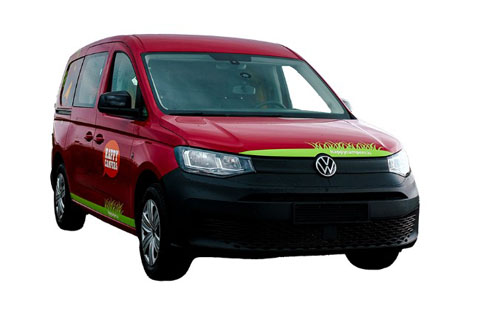
Selecting the right rental motorhome size for your Africa adventure is crucial for comfort and maneuverability. For a couple, the Class B - Camper Van is an excellent choice, offering compact maneuverability and fuel efficiency ideal for two adventurers. Bandana's global fleet of Class B vans averages 5.8 meters in length, with sleeping places for 3.2 and capacity for 2.7 adults, making it perfectly suited for a couple. Its smaller size, averaging 8-10 Liters/100 Km fuel consumption, makes navigating diverse African roads and smaller campsites easier. For a family, the Class C - Alcove motorhome provides the necessary space and comfort, accommodating multiple travelers while offering distinct sleeping areas. These vehicles in Bandana's global fleet average 7.5 meters in length, feature 5.8 sleeping places, and can comfortably accommodate 4.4 adults. With common fuel consumption around 10-12 Liters/100 km, the Class C offers a good balance of space and operational cost for family road trips. Our "Rent&Plan" service combines RV rental with a ready-made itinerary by travel experts, giving you full access to trip-planning software and removing the planning headache.Which African country is best for a road trip?
Namibia and South Africa are widely considered the best African countries for road trips due to their well-developed infrastructure, stunning landscapes, and established RV rental markets. South Africa offers incredibly diverse landscapes, from the famous coastal Garden Route to the majestic Drakensberg mountains and iconic wildlife in national parks like Kruger, all supported by good road quality in many areas. Namibia excels with its vast, uncrowded open spaces, iconic desert scenery like Sossusvlei, and abundant wildlife in Etosha National Park, though it's important to note that many of its excellent gravel roads may necessitate 4x4 capabilities, which not all RVs provide. Botswana is another strong contender, celebrated for its pristine wilderness and abundant wildlife in the Okavango Delta and Chobe National Park, but it often requires 4x4 vehicles and tends to be a more expensive and challenging destination for self-drive motorhome rentals. When comparing countries for your rented motorhome adventure, always consider safety ratings, the quality of road infrastructure (tar versus gravel), visa requirements, the cost of living, and the specific types of experiences you are seeking, such as desert exploration, wildlife safaris, or coastal relaxation.What is the average cost for a trip to Africa?
The average cost for a trip to Africa varies significantly based on duration, specific country, travel style, and chosen activities, but a realistic estimate for a week-long RV trip to Southern Africa (such as Namibia or South Africa) could range from $150-$400 USD per person per day. RV rental costs typically range from $100-$300 USD per day for a standard motorhome, excluding additional insurance, mileage fees, or optional upgrades like a top-level deductible. Fuel expenses can be substantial due to long distances and varying prices; a budget of approximately $50-$100 USD per day is advisable, depending on your mileage and the vehicle's size (e.g., a Class C motorhome often consumes 10-12 Liters/100 km). National park entry fees and activity costs for safaris, guided tours, and other attractions can add $20-$100+ USD per person per day. Campsite fees are generally affordable, ranging from $15-$40 USD per night for powered sites with amenities. Self-catering in your rented RV allows for significant savings on food and groceries, budgeting around $30-$50 USD per person per day. For a detailed breakdown and budgeting, RV PLANET routes allow you to itemize and track every expense. Always account for contingencies (e.g., unexpected tire repair, minor medical needs) and visa costs, which can range from $50-$150 USD per person depending on nationality and destination.What are some scenic motorhome routes in South Africa?
South Africa boasts several incredibly scenic motorhome routes, offering diverse landscapes from rugged coastlines to lush forests and dramatic mountain passes. The Garden Route is arguably the most famous, stretching approximately 300 km from Mossel Bay to the Storms River Mouth, featuring stunning coastal drives, indigenous forests, tranquil lagoons, and charming towns like Knysna and Plettenberg Bay. Route 62, recognized as the longest wine route in the world, offers a drier, more arid landscape through the Klein Karoo, past vineyards and fruit orchards, with unique stops in towns like Barrydale and Oudtshoorn, famous for its ostrich farms. The Panorama Route in Mpumalanga showcases dramatic natural wonders around the Blyde River Canyon, God's Window, and numerous impressive waterfalls, serving as an excellent prelude or postlude to a Kruger National Park safari. The Wild Coast Route in the Eastern Cape provides a rugged, untamed coastal experience with traditional Xhosa villages, rolling hills, and breathtaking beaches, though some sections may present challenges for larger motorhome rentals due to unpaved roads and less developed infrastructure.What is a good itinerary for a one-week trip to Africa?
A good one-week RV trip to Africa typically focuses on a single region or country to minimize travel time and maximize exploration, with Southern Africa offering the most accessible and rewarding options for a rented motorhome. A popular and highly recommended choice is a Namibian Desert & Coast adventure, ideally starting and ending in Windhoek. Days 1-2 involve driving to Sossusvlei, where you can explore the iconic red dunes such as Dune 45 and Deadvlei, staying overnight at a well-equipped campsite near Sesriem. On Days 3-4, head to Swakopmund on the Skeleton Coast, an approximate 350 km drive, enjoying activities like quad biking, sandboarding, or marine tours; plan to spend two nights here. Days 5-6 entail traveling inland about 150 km to Spitzkoppe for its unique rock formations or to Erindi Private Game Reserve for excellent wildlife viewing, staying overnight at a community or private reserve campsite. On Day 7, you would return to Windhoek for your motorhome rental drop-off, completing a concentrated yet incredibly diverse experience. An alternative is focusing on a South African Garden Route itinerary, driving from Cape Town to Knysna and back within the week, highlighting coastal towns, light hiking, and regional culinary experiences. Remember to embrace slow travel, averaging 100-150 km per day, to truly savor these destinations.How much would a 2 week trip to Africa cost?
A 2-week RV trip to Africa, specifically to popular Southern African countries like South Africa or Namibia, can cost anywhere from $4,200 to $11,200 USD for two people, depending heavily on the chosen RV class, the detailed itinerary, and included activities. The RV rental itself for 14 days could range from $1,400 to $4,200 USD, with newer or more luxurious models and comprehensive insurance options typically being at the higher end. Fuel costs over two weeks, covering longer distances of approximately 100-150 km per day, could amount to $700 to $1,400 USD, varying significantly with the vehicle's fuel efficiency (e.g., a Class SI motorhome averages 10-11 Liters/100 km). Campsite fees for 13 nights would typically be a manageable $200-$520 USD. National park entry fees and specialized safari activities for two people could easily add $500-$2,000 USD, particularly for exclusive private game reserves or multiple guided safari drives. Food and groceries for self-catering in your motorhome would be approximately $420-$700 USD, allowing for some occasional restaurant meals and local culinary experiences. It is crucial to budget an additional 15-20% for contingencies like unexpected minor repairs, medical needs, or additional spontaneous tours, as well as separate costs for international flights and any required visa fees, which can range from $50-$150 USD per person. Our RV PLANET routes allow travelers to itemize and track every expense for easy budgeting throughout their journey.Which African country is the safest to go on a safari to?
Botswana, Namibia, and South Africa are generally considered among the safest African countries for safaris, each offering distinct advantages in terms of safety and wildlife viewing experiences. Botswana is renowned for its low crime rate and its high-end, low-impact tourism model, focusing on exclusive, well-managed reserves like the Okavango Delta and Chobe National Park, making it a very safe destination for safari travelers. Namibia offers a very secure environment, especially for self-drive safaris in Etosha National Park, characterized by excellent infrastructure and clear safety guidelines for wildlife encounters. South Africa provides a wide range of safari experiences, from the iconic Kruger National Park (which is amenable to self-driven motorhome safaris) to numerous private reserves; while general crime rates can be higher in urban areas, tourist zones and national parks are diligently managed and very safe. Regardless of the chosen country, ethical wildlife viewing protocols are paramount: always remain in your rented vehicle in designated areas, maintain a safe distance from animals, and never attempt to feed wildlife. For RV travelers in Africa, personal security measures include securing your vehicle, avoiding driving at night, researching campsite security, and remaining aware of your surroundings, particularly in urban centers or remote border areas.Which African country is the best for a vacation?
The "best" African country for a vacation depends entirely on individual preferences for activities and experiences, but South Africa, Morocco, and Kenya consistently rank high for their diverse offerings. South Africa is a top choice due to its incredible diversity, featuring world-class cities like Cape Town, stunning natural beauty at destinations such as Table Mountain and the Drakensberg, renowned wine regions, and exceptional wildlife viewing opportunities in Kruger National Park. Its well-developed infrastructure also strongly supports easy and enjoyable RV travel. Morocco offers a rich cultural experience with vibrant souks, ancient medinas, the dramatic Atlas Mountains, and unforgettable Saharan desert adventures, making it ideal for those seeking deep cultural immersion and unique landscapes. Kenya is synonymous with classic East African safaris, presenting incredible wildlife migrations in the Masai Mara and diverse landscapes from mountains to coastlines, perfectly suited for traditional safari-focused vacations. For those planning a self-drive adventure with a rented motorhome, South Africa and Namibia offer the most comprehensive infrastructure and user-friendly environments, seamlessly combining natural beauty with relative ease of navigation and high safety standards compared to many other regions on the continent.What is the best month to go to Africa?
The best month to go to Africa largely depends on the specific region and the type of vacation you envision, but generally, the dry winter months from May to October are ideal for wildlife viewing and RV travel in Southern Africa. From May to October, Southern Africa (including countries like South Africa, Namibia, and Botswana) experiences cooler, drier weather, which makes game viewing exceptional as animals congregate around fewer water sources. Road conditions are also typically better during this period. July and August are peak season for the Great Migration in East Africa (Kenya and Tanzania) and are also highly popular for Southern Africa safaris, which can lead to higher prices and more crowded areas. November to April marks the wet summer season in Southern Africa, characterized by lush green landscapes, a proliferation of migratory birds, and the birth of many young animals, but it also brings higher humidity, increased rainfall, and potentially challenging road conditions for motorhomes in some remote areas. For desert regions like Namibia, the cooler months from May to September provide more comfortable temperatures for exploring the vast, open landscapes.What is the 3-3-3 rule for RVs?
The 3-3-3 rule for RVs is a popular guideline designed to promote comfortable and safe travel, especially for beginners, recommending driving no more than 300 miles (or 300 kilometers) in a day, arriving at your destination by 3 PM, and staying for at least 3 nights. The first part, "drive no more than 300 miles (or 300 km) in a day," is intended to prevent driver fatigue and allow ample time to enjoy the journey, make spontaneous stops, and avoid feeling rushed. The second part, "arrive at your destination by 3 PM," ensures you have sufficient daylight hours to safely set up your campsite, familiarize yourself with the immediate area, and address any potential issues before nightfall, which is particularly important in unfamiliar African environments where unlit roads and wildlife are common. The final component, "stay for at least 3 nights," encourages a philosophy of slower travel, allowing you to fully explore local attractions, unpack and relax, and reduce the frequency of packing up and moving your rented motorhome. While a useful general rule for RV travel, conditions in Africa often necessitate even shorter daily drives due to varied road conditions and potential wildlife encounters, making Avi Bandana's recommendation of a maximum of 100 miles or 150 km per day often more applicable and enjoyable.What is the 4 4 4 rule for RV?
The 4-4-4 rule for RV travel is a variation of the 3-3-3 guideline, suggesting driving no more than 4 hours a day, traveling no more than 400 miles (or 400 kilometers) in a day, and stopping every 4 hours for a refreshing break. "Drive no more than 4 hours a day" proposes a more relaxed pace than some other rules, ideal for those who prefer to spend more time exploring each stop or are relatively new to managing a rented motorhome. "Travel no more than 400 miles (or 400 km) in a day" offers greater flexibility in terms of distance, but it's important to recognize that this might still be overly ambitious for navigating African road conditions, which can be unpredictable and demanding. "Stop every 4 hours for a break" emphasizes the crucial importance of regular pauses for driver alertness and passenger comfort, especially on long stretches of road, thereby helping to prevent fatigue and enhance safety. Like the 3-3-3 rule, the 4-4-4 rule serves as a general guideline; in Africa, it is often more prudent to err on the side of caution, significantly reducing daily driving distances and allowing ample time for unexpected stops, border crossing procedures, and adjusting to local traffic dynamics.What You Shouldn't Miss
- **Namib Desert Dunes:** Witness the towering red dunes of Sossusvlei and Deadvlei in Namibia, especially at sunrise or sunset, for an otherworldly experience.
- **Table Mountain & Cape Point:** Explore Cape Town's iconic Table Mountain via cable car and drive the scenic coastal route to Cape Point in South Africa, where the Atlantic and Indian Oceans meet.
- **Etosha National Park Self-Drive Safari:** Experience an incredible self-drive safari in Namibia's Etosha National Park, observing a wide array of wildlife from the comfort of your rented motorhome.
- **The Garden Route Coastal Wonders:** Drive South Africa's famous Garden Route, enjoying pristine beaches, lush forests, and charming towns like Knysna and Plettenberg Bay.
- **Drakensberg Mountains Majesty:** Hike amidst the dramatic peaks and valleys of the Drakensberg Mountains in South Africa, a UNESCO World Heritage site offering breathtaking vistas.
- **Authentic Local Markets:** Engage with local culture and find unique souvenirs at vibrant markets such as Greenmarket Square in Cape Town or craft markets in Windhoek.
Final Thoughts
An RV adventure through Africa is truly a once-in-a-lifetime experience, offering unparalleled freedom and immersion in stunning natural beauty and rich cultures. While a quick weekend RV rental might be challenging given the vast distances, planning a week-long or even a two-week journey in a rented motorhome can open up incredible opportunities. Imagine the thrill of driving through a national park, spotting wildlife from your window, or simply enjoying a sunset over the desert from your private camp. We understand that planning such a trip can feel daunting, but with Bandana RV, you're never alone. Our team of true RV specialists is here to support you from your initial inquiry through to your post-booking coordination. We're passionate about helping you discover the magic of RV travel, ensuring full transparency in pricing and offering dedicated support. Start comparing rental motorhome prices in Africa and embark on an adventure that promises unforgettable memories. Life truly is now – go explore!Get inspired for your next trip! Discover top destinations, planning tips, all in one place!
For ideas you can prep on the road, watch our RV-friendly recipes playlist on YouTube.
On the routes offered through RV PLANET routes, you can itemize and track every expense along the way for easy budgeting.