
In This Guide
- Can You Drive an RV in UK? License & Age Rules
- Road Conditions & Terrain in UK
- RV Size Limits, Bridges & Restricted Zones
- Fuel: Diesel vs. Petrol & Cost per 100 km
- Tolls, Vignettes & Border Rules
- Driving Tips for Weekend RV Rental Travelers
- Recommended RV Class for UK Roads
- Should I Choose a Compact Van Instead of a Large RV in UK?
- Can I Park Anywhere? Free & Wild Camping Rules in UK
- Can I Drive an RV Into the City Center? Heights, Tunnels & Local Signage
- What are the unique driving challenges for RVs in the UK?
- What are the best thematic RV routes and hidden gems in the UK?
- How much does a weekend RV rental cost in the UK and what are budgeting tips?
- Is RVing popular in the UK and what is the local RV culture like?
- Can I travel with pets in a UK RV rental and what are the logistics?
- Class SI - Semi-integrated for Your UK Weekend Adventure
- Class C - Alcove for Your UK Weekend Adventure
- Class B - Camper Van for Your UK Weekend Adventure
- Class A - Integrated for Your UK Weekend Adventure
- Class TC - Truck Camper for Your UK Weekend Adventure
Can You Drive an RV in UK? License & Age Rules
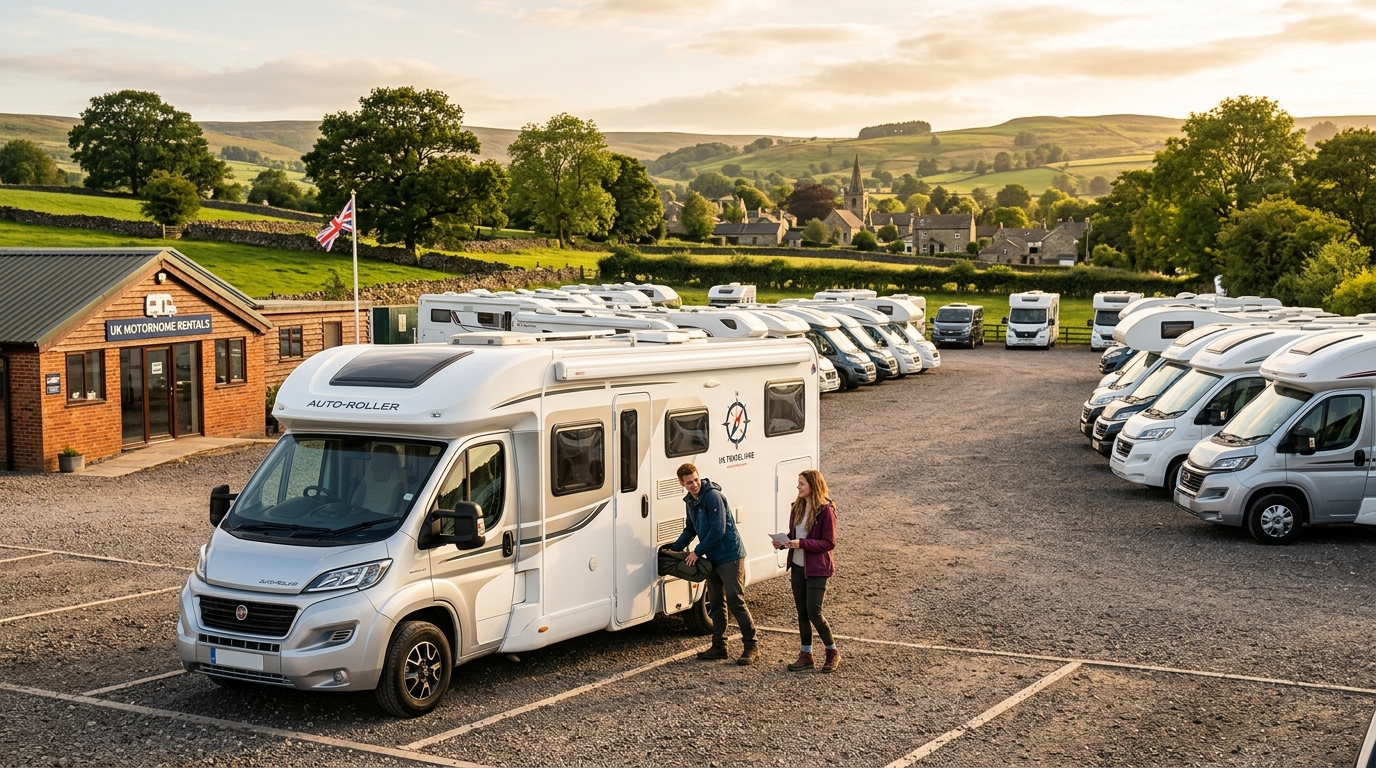
Most standard car licenses (Category B) allow driving RVs up to 3,500 kg MAM (Maximum Authorised Mass) in the UK. For RVs exceeding 3,500 kg, drivers who passed their test after January 1, 1997, generally require a Category C1 license. The minimum driver age for RV rental in the UK is typically 21 or 25, with specific conditions sometimes applying to drivers under 25 or over 70, so always check with your chosen rental provider. International Driving Permits (IDPs) are not usually required for EU, EEA, or Swiss license holders, but are recommended for other international visitors to accompany their national license, ensuring smooth communication with authorities if needed.
Road Conditions & Terrain in UK
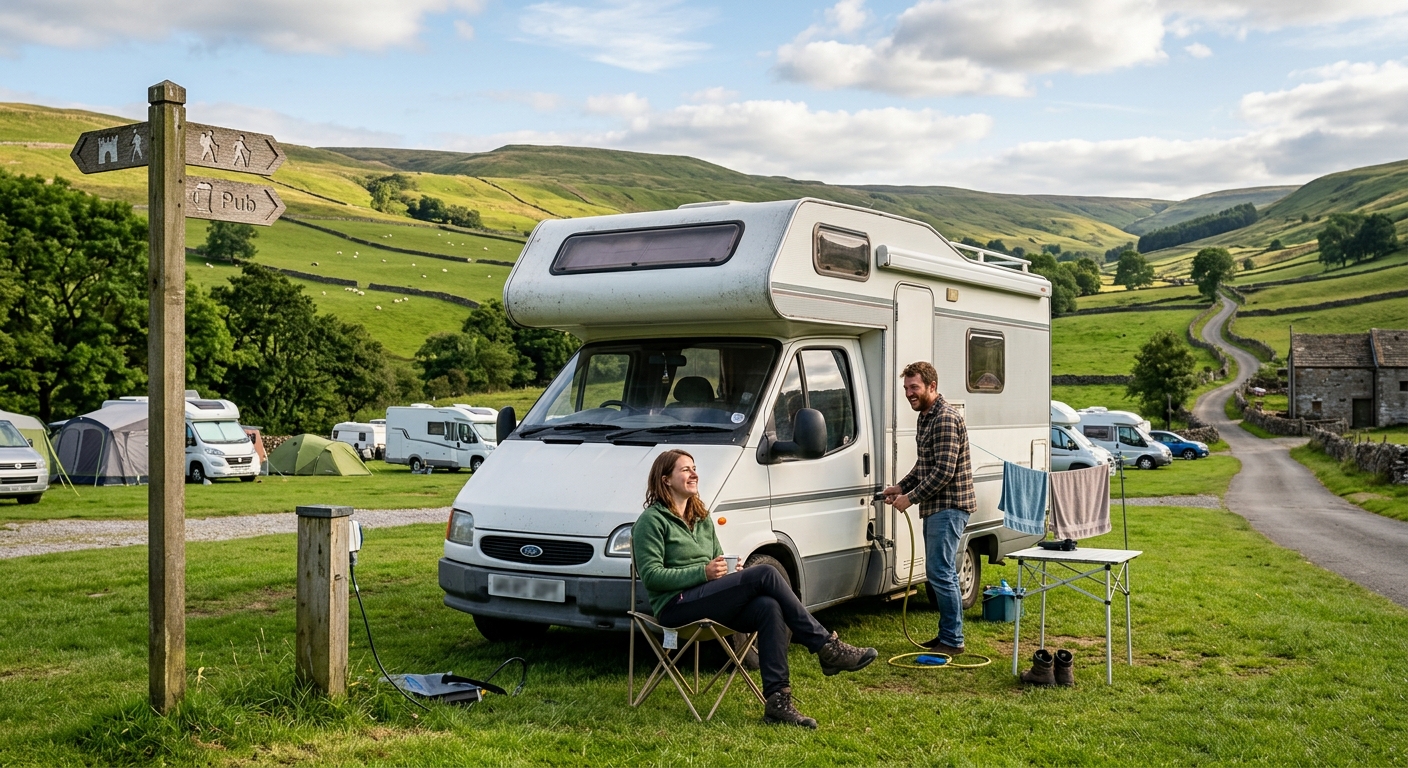
UK road conditions are highly varied, encompassing high-speed motorways, busy A-roads, and often very narrow, winding country lanes (B-roads and unclassified roads) that frequently feature passing places. The terrain ranges from flat, agricultural lowlands to rolling hills and mountainous regions in areas like the Scottish Highlands, Wales, and parts of Northern England, encouraging slower, scenic driving. Drivers must be prepared for variable surfaces and the inherent challenges of left-hand traffic, particularly when navigating roundabouts and rural routes. A weekend RV rental trip in the UK often involves enjoying the journey and scenery, making careful and unhurried driving a key aspect of the experience.
RV Size Limits, Bridges & Restricted Zones
RV drivers in the UK must be acutely aware of their vehicle's height, width, and weight, as low bridges (especially over canals and railways), narrow village streets, and weight-restricted roads are common. Historic towns and many city centers feature strict environmental zones, such as London's Ultra Low Emission Zone (ULEZ) and various Clean Air Zones (CAZ) across other cities, which levy daily charges for non-compliant vehicles. Always check road signage for height and width restrictions, which are clearly displayed, and use a reliable RV-specific sat-nav to avoid unsuitable routes. Ferry crossings to destinations like the Isle of Wight or Scottish islands impose specific length and weight limits, affecting booking and potential vehicle suitability, so factor this into your travel plans.
Fuel: Diesel vs. Petrol & Cost per 100 km
The vast majority of RVs available for rent in the UK, including Bandana's fleet, run on diesel, which is widely available at fuel stations across the country. Based on Bandana's global fleet averages, fuel consumption typically ranges from 8-10 Liters/100 km for a Class B Camper Van to 10-12 Liters/100 km for a Class C Alcove or Class A Integrated RV. The average cost per 100 km for a diesel RV in the UK can be estimated around £15-£20, depending on current fuel prices (which fluctuate) and the specific vehicle's efficiency. Some rent-motorhome providers may offer fuel discount cards or loyalty program access, which can provide minor savings over a weekend trip, so it's worth inquiring about these.
Tolls, Vignettes & Border Rules
The UK does not operate a national vignette system; instead, tolls are applied to specific motorways (e.g., M6 Toll), bridges (e.g., Dartford Crossing), and tunnels. City-specific charges, such as the London Congestion Charge and ULEZ, and Clean Air Zones in other major cities, are significant considerations for RV drivers planning to enter urban areas. It is crucial to understand and pay these tolls and charges promptly (often online or via automated systems) to avoid substantial fines. Some rent-Bmotorhome RVs allow pre-purchasing toll passes or have systems in place to handle these payments, offering a seamless experience and preventing unexpected fines, so enquire about these options when booking. On the routes offered through RV PLANET routes, you can itemize and track every expense along the way for easy budgeting.
Driving Tips for Weekend RV Rental Travelers
Mastering left-hand driving is a fundamental challenge for visitors from right-hand drive countries; take extra care, especially at junctions and roundabouts, and practice in quiet areas initially. Navigate narrow lanes with patience on rural, single-track roads; use passing places courteously and be prepared to reverse to allow others to pass. Conquer complex roundabouts by planning your lane early for multi-lane scenarios, indicating clearly and yielding to traffic from the right. Always be aware of city zone restrictions like ULEZ/CAZ and research them for your route to avoid unexpected charges. For larger RVs, utilize park-and-ride schemes or out-of-town parking to access historic city centers, which often have limited space and may impose additional restrictions.
Recommended RV Class for UK Roads
For a weekend RV rental in the UK, a Class B Camper Van or Class SI Semi-integrated RV is generally recommended due to their optimal balance of maneuverability and comfortable living space. Class B Camper Vans, averaging 5.8 meters in length across Bandana's global fleet, are exceptionally easy to drive on narrow roads and offer convenient parking, ideal for exploring remote areas. Class SI Semi-integrated RVs, with an average length of 6.9 meters, provide more amenities and interior room, making them suitable for couples or small families seeking extra comfort without being overly cumbersome. Both classes typically fit within common UK road dimensions and bridge height limits more easily than larger Class C Alcove or Class A Integrated models, offering a less stressful driving experience.
Should I Choose a Compact Van Instead of a Large RV in UK?
Choosing a compact van (like a Class B Camper Van) over a larger RV for a UK weekend rental offers superior maneuverability, particularly in tight historic centers and very narrow country lanes. While larger RVs (Semi-integrated or Alcove) are generally manageable on most main UK roads, a compact van genuinely shines when accessing remote locations or navigating areas with severe parking and access restrictions. The trade-off is often between ease of driving and internal comfort: a larger RV provides more living space, a separate bathroom, and a more equipped kitchen, enhancing the overall experience for those prioritizing amenities. For itineraries focused on rural exploration, scenic drives, and avoiding bustling city centers, a compact van often proves advantageous, whereas larger RVs are better suited for well-defined routes and campsite-based stays. For ideas you can prep on the road, watch our RV-friendly recipes playlist on YouTube.
Can I Park Anywhere? Free & Wild Camping Rules in UK
Wild camping with an RV is generally restricted across England and Wales and is largely prohibited on public land or private land without explicit landowner permission. Scotland's 'right to roam' legislation allows wild camping on most unenclosed land, provided it is done responsibly and without motorized vehicles, meaning RVs are generally excluded from true wild camping there too. Responsible etiquette includes leaving no trace, respecting local communities and wildlife, and adhering to the principle that 'wild camping' typically applies to lightweight, non-motorized camping. Practical alternatives for overnight parking include designated campsites (commercial sites, Certified Locations/Sites for club members), pub stopovers (often with a request to patronize the establishment), and official motorhome-friendly parking areas, offering a variety of options.
Can I Drive an RV Into the City Center? Heights, Tunnels & Local Signage
You can almost always drive an RV into UK city centers, but this often comes with specific challenges, including navigating narrow streets, adhering to height/weight restrictions, and managing environmental charges. Always pay close attention to local signage, as height limits for tunnels and low bridges are common, especially in older city infrastructures, and can present significant challenges for larger vehicles. Be aware of and pre-pay any applicable environmental zone charges like London's ULEZ, Congestion Charge, or other city Clean Air Zones, as these apply to many RVs and can incur daily penalties if not paid. Consider using park-and-ride facilities located on the outskirts of cities, offering convenient public transport links into the center and avoiding the stress of parking a large vehicle in confined urban spaces.
What are the unique driving challenges for RVs in the UK?
Navigating narrow country lanes, often barely wide enough for one vehicle and featuring passing places, demands constant vigilance and skillful maneuvering, especially for larger RVs. Mastering left-hand drive is a fundamental challenge for visitors from right-hand drive countries, requiring careful attention at junctions, roundabouts, and during overtaking. Complex roundabouts, some with multiple lanes and exits, are common throughout the UK and require drivers to plan their route and lane discipline well in advance. City driving presents challenges such as congestion charges (ULEZ/CAZ), stringent parking restrictions, and unexpected height or width limits in historic areas. Finding fuel stations with easy access for larger RVs can sometimes be difficult, particularly in rural areas, requiring pre-planning fuel stops to ensure you don't run low.
What are the best thematic RV routes and hidden gems in the UK?
Beyond generic tours, consider a 'Literary Landscapes RV Tour' through areas like the Lake District or the Scottish Borders, visiting sites connected to famous authors and poets, immersing yourself in literary history. Embark on an 'Ancient History & Castle Quest,' exploring lesser-known Roman ruins, Neolithic sites, and historic castles across Northumberland or Wales, uncovering fascinating historical layers. Follow a 'UK Foodie Trails by Motorhome' itinerary, focusing on regional delicacies, farm shops, local breweries, and artisanal producers in regions like Cornwall, the Cotswolds, or Yorkshire, tantalizing your taste buds. Discover 'Coastal Drives for Photographers,' such as the dramatic Causeway Coastal Route in Northern Ireland or parts of the Jurassic Coast in England, seeking out unique viewpoints and quieter beaches. Seek out hidden gems by researching local festivals, independent art galleries, and community-run attractions that offer a more authentic glimpse into UK culture, away from mainstream tourist hotspots, providing unique travel memories.
How much does a weekend RV rental cost in the UK and what are budgeting tips?
A weekend RV rental in the UK typically ranges from £300 to £700, depending on the RV class, season, and duration of the hire, with additional costs for insurance, fuel, and campsite fees. Detailed budgeting should account for varying campground costs, which can range from £20 for a basic pitch to £50+ for full-service sites at peak times. Fuel is a significant expense; budget for typical consumption (e.g., 8-12 Liters/100 km for Bandana's fleet) and current UK diesel prices, which are generally higher than many other European countries. Cost-saving tips include booking well in advance, especially for popular weekends, opting for smaller, more fuel-efficient RVs, and utilizing cheaper alternatives like certified locations (CLs/CSs) or pub stopovers. When comparing 'RV vs. Hotel,' remember an RV combines accommodation, transport, and often catering facilities, potentially offering overall savings for families or groups despite higher upfront rental and fuel costs.
Is RVing popular in the UK and what is the local RV culture like?
RVing, encompassing both motorhomes and campervans, is highly popular and a cherished pastime in the UK, with a vibrant community and a noticeable increase in interest in recent years. The local RV culture emphasizes exploration of the diverse British countryside, freedom, and self-sufficiency, often centered around family holidays and outdoor activities. Key aspects include participation in popular rally events organized by established clubs like The Caravan and Motorhome Club and The Camping and Caravanning Club, fostering a strong sense of community. The tradition of pub stopovers, where RVers can often park overnight for free or a small fee in exchange for purchasing food and drinks, is a unique and widely embraced part of UK RV culture. The community is generally friendly and supportive, with many online forums and social groups dedicated to sharing tips, routes, and experiences, fostering a strong sense of camaraderie amongst fellow travelers.
Can I travel with pets in a UK RV rental and what are the logistics?
Yes, many RV rental companies in the UK offer pet-friendly vehicles, but it is crucial to confirm availability and any associated cleaning fees with your specific provider well in advance of booking. Legal requirements for domestic pet travel within mainland UK are straightforward; ensure your pet is microchipped and properly restrained (e.g., in a crate or harness) while the vehicle is in motion for safety. Finding pet-friendly campsites is relatively easy, as a large number of UK campsites welcome dogs, though policies on leads and restricted areas often apply, so always check individual site rules. Practical tips for traveling with pets include bringing their familiar bedding, food, and water bowls, ensuring regular exercise breaks, and never leaving pets unattended in a hot RV. For travel to Northern Ireland or potential cross-border trips to Europe, more stringent pet passport and veterinary health certificate requirements will be necessary, so plan ahead for these.
Class SI - Semi-integrated for Your UK Weekend Adventure
Semi-integrated RVs, with an average length of 6.9 meters across Bandana's global fleet, offer an ideal balance of comfortable living space and manageable dimensions for most UK roads. Typically providing 3 to 4 sleeping places (average 3.8), these models are well-suited for couples or small families seeking more amenities than a campervan without the bulk of a larger alcove or integrated RV. They offer good fuel efficiency, with Bandana's fleet typically consuming 10-11 Liters/100 km, making them a cost-effective option for weekend trips. The seamless integration of the cab with the living area creates a spacious feel, and most come equipped with a kitchen, dining area, and washroom facilities, providing all the comforts for a home-away-from-home experience.
Class C - Alcove for Your UK Weekend Adventure
Class C Alcove RVs, averaging 7.5 meters in length, are an excellent choice for families or groups requiring maximum sleeping capacity, with Bandana's fleet typically offering 5.8 sleeping places. The distinctive over-cab sleeping area provides an additional permanent double bed, optimizing the main living space below for daytime use. While larger, these RVs are still manageable on most UK A and B roads, though extra care is advised on very narrow or winding country lanes. Fuel consumption for Alcove models averages 10-12 Liters/100 km, comparable to other larger RVs, balancing spaciousness with reasonable running costs for your weekend getaway.
Class B - Camper Van for Your UK Weekend Adventure
Class B Camper Vans are the most agile RV option, averaging just 5.8 meters in length across Bandana's global fleet, making them superb for navigating tight UK country lanes and urban centers. With typical sleeping for 2 to 3 people (average 3.2), they are perfect for solo travelers or couples who prioritize ease of driving and access to remote locations over extensive internal space. These vans boast excellent fuel efficiency, with Bandana's fleet averaging 8-10 Liters/100 km, contributing to lower running costs for a weekend trip. While offering fewer amenities than larger RVs, their discreet size allows for easier parking and can blend in more seamlessly, ideal for those seeking a more adventurous and flexible travel style across the UK.
Class A - Integrated for Your UK Weekend Adventure
Class A Integrated RVs, averaging 7.5 meters in length across Bandana's global fleet, represent the pinnacle of luxury and spaciousness for a UK weekend rental, typically sleeping 4 to 5 people (average 4.4 adults). They offer expansive living areas, a panoramic front windshield, and high-end finishes, providing a premium travel experience with all the comforts of home. While their considerable size requires more cautious driving on the UK's narrower roads, they provide unmatched comfort and amenities when parked at campsites or on wider main routes. Fuel consumption for Class A models averages 8-12 Liters/100 km, which is competitive given their size and luxurious features, making them suitable for those prioritizing comfort on their weekend getaway.
Class TC - Truck Camper for Your UK Weekend Adventure
Truck Campers (Class TC), with an average length of 5.5 meters, offer a unique and versatile option for a UK weekend adventure, combining a sturdy pickup truck with a detachable living unit. Ideal for 2 to 3 adults (average 2.1), these campers are excellent for adventurous travelers who might want to explore more rugged terrains or utilize the truck independently for day trips. These vehicles tend to have higher fuel consumption, with Bandana's fleet averaging 12-17 Liters/100 km, reflecting their robust build and often 4x4 capabilities. Their compact footprint and high ground clearance make them suitable for accessing more remote locations, and the ability to unhitch the living unit offers flexibility at campsites or when parked, enhancing your exploration possibilities.
What You Shouldn't Miss
- Drive a portion of the iconic North Coast 500 in Scotland for dramatic coastal scenery, but be mindful of the narrow, winding roads and passing places.
- Explore the Lake District National Park, renowned for its stunning fells and lakes, and find a campsite with at least 20 powered spots for convenience.
- Visit a historic city like Bath or York, utilizing park-and-ride facilities to navigate urban centers with a larger RV.
- Experience a traditional pub stopover in the Cotswolds for a taste of local culture and a convenient overnight stay.
- Seek out a 'Certified Location' (CL) or 'Certified Site' (CS) for a more authentic, quieter camping experience away from the larger commercial sites.
Final Thoughts
Renting an RV for a weekend trip in the UK offers a fantastic way to explore the country's diverse landscapes and charming towns at your own pace. From the rugged beauty of Scotland to the picturesque villages of the Cotswolds, a rented RV provides the freedom and flexibility to create your own adventure.
By understanding the specific driving considerations, choosing the right vehicle for your needs, and planning your routes with resources like RV PLANET (rvplan.net), you're setting yourself up for a truly memorable and enjoyable experience. Remember to pack essentials, be mindful of local rules and etiquette, and most importantly, embrace the journey and the freedom that comes with RV travel.
Get inspired for your next trip! Discover top destinations, planning tips, all in one place! Plan a trip itinerary in advance with minimal effort and maximum enjoyment. We're here to support you every step of the way, from initial booking to your return home.
