For live availability and current prices, start with our RV Rental Toronto - Complete Guide 2026 guide.
In This Guide
- Can You Drive an RV in Toronto? License & Age Rules
- Road Conditions & Terrain in Toronto
- RV Size Limits, Bridges & Restricted Zones
- Fuel: Diesel vs. Petrol & Cost per 100 km
- Tolls, Vignettes & Border Rules
- Driving Tips for RV Travelers in Toronto
- Recommended RV Class for Toronto Roads
- Should I Choose a Compact Van Instead of a Large RV in Toronto?
- Can I Park Anywhere? Free & Wild Camping Rules in Toronto
- Can I Drive an RV Into the City Center? Heights, Tunnels & Local Signage
- What is the new RV law in Ontario?
- Do you need a license to drive an RV in Canada?
- Can you park an RV on the street in Toronto?
- What is the new law on RV licensing in Ontario?
- Do you need a license to drive an RV in Ontario?
- What is the 444 rule for RVs?
- Can you get temporary RV insurance for a Toronto rental?
- How much does RV insurance cost in Ontario?
- How to insure an RV rental in Ontario?
Exploring Toronto and its surrounding regions with a rented motorhome offers an incredible blend of urban adventure and natural escape. Whether you're planning a week-long trip to explore the city's vibrant neighborhoods or embarking on an extended road trip across Ontario, understanding the local driving rules and conditions is key. For live availability and current prices, start with our RV Rental Toronto - Complete Guide 2024 guide, which will help you navigate your options with full transparency, ensuring no hidden fees or surprises.
Can You Drive an RV in Toronto? License & Age Rules
Most recreational vehicles (RVs) under 11,000 kg (24,250 lbs) only require a standard G class driver's license in Ontario, making it accessible for nearly anyone with a valid car license to embark on a motorhome adventure in Toronto. While drivers must be at least 16 years old to hold a G class license in Ontario, many RV rental companies, including Bandana's partners, typically require drivers to be a minimum of 21 years old to rent a motorhome, with no young driver surcharges for any vehicle class. International visitors holding a valid driver's license from their home country can generally drive an RV in Ontario for up to 90 days, though an International Driving Permit (IDP) is recommended for non-English speaking countries for ease of identification, but it is not mandatory.
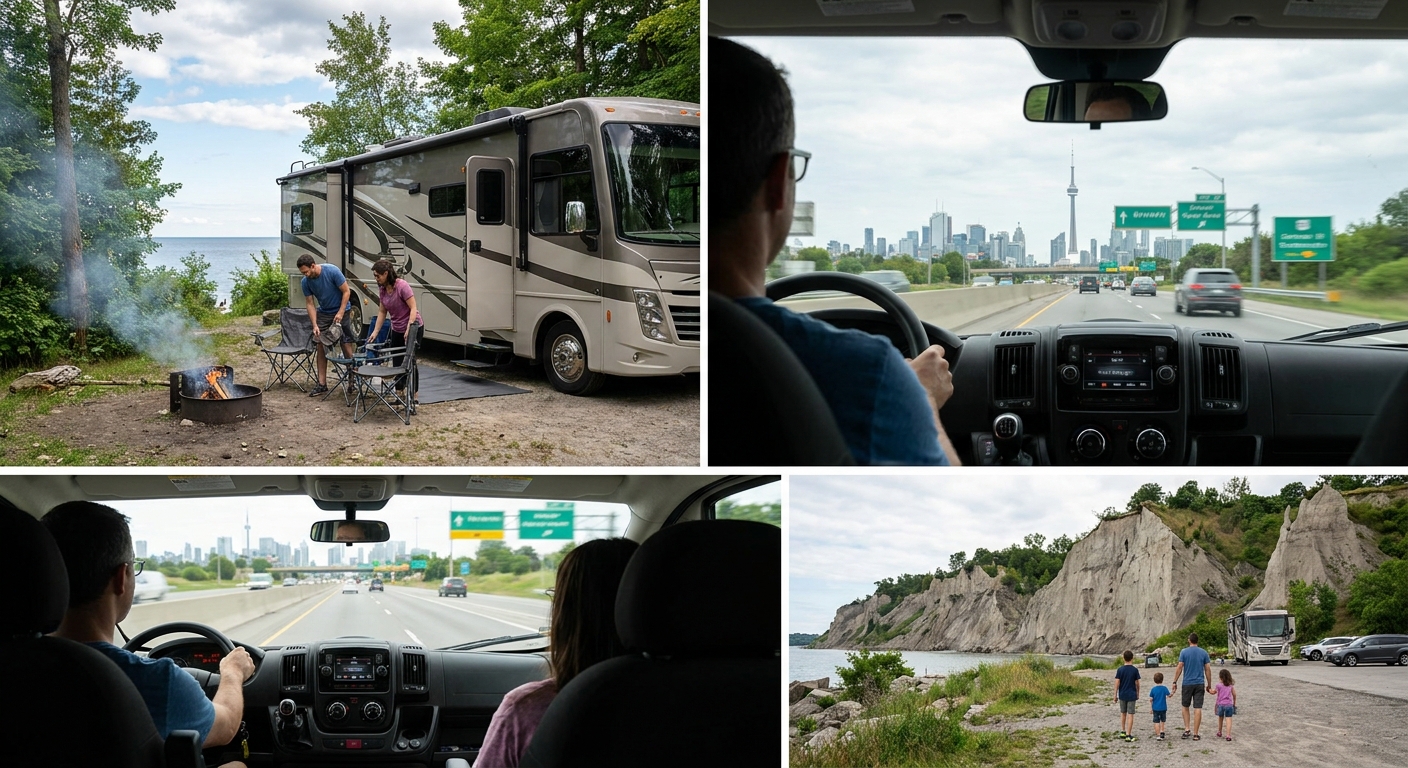
Our goal is to ensure you feel confident and prepared for your rental motorhome journey. We believe in providing full transparency on all requirements, helping you understand everything before you even book. If you're looking for an overview of broader Canadian regulations, our "RV Rental Ontario - Complete Guide 2024" is an excellent resource.
Road Conditions & Terrain in Toronto
Toronto's roads are generally well-maintained, but urban areas predictably feature dense traffic, frequent stops, and narrower streets compared to the surrounding highways. The terrain around Toronto and the Greater Toronto Area (GTA) is largely flat, which means driving a rental RV here is less challenging in terms of steep inclines or mountainous passes. However, travelers should anticipate significant congestion, particularly during peak hours or on major downtown arteries like the Gardiner Expressway and Don Valley Parkway, and plan their routes accordingly. Driving slowly and carefully, you can navigate almost anywhere without issues. No need to stress - just use common sense and pay attention, especially to road signs indicating construction or lane changes that frequently occur in a bustling city.
Planning your route in advance with tools like RV PLANET (rvplan.net) can help you identify less congested paths and make your driving experience smoother. Remember, we handle the details, you live the journey - personal service from day one until your booking is confirmed, ensuring you have reliable information at your fingertips.
RV Size Limits, Bridges & Restricted Zones
While Toronto does not impose specific city-wide RV size limits, drivers must consistently observe posted height and weight restrictions, particularly for bridges, underpasses, and parking garages. Most standard rental RVs, including larger Class C or Class A motorhomes, can navigate Toronto's main roads and highways without significant issues. However, extra care is necessary on smaller side streets or when attempting to find suitable parking, especially near popular landmarks. There are no specific "environmental zones" in Toronto that restrict RV entry based on emissions, but always be aware of local temporary road closures, construction, or special event detours, which are common in a large city.
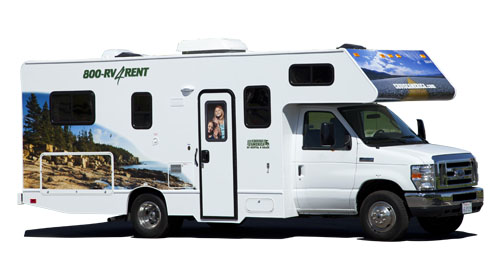
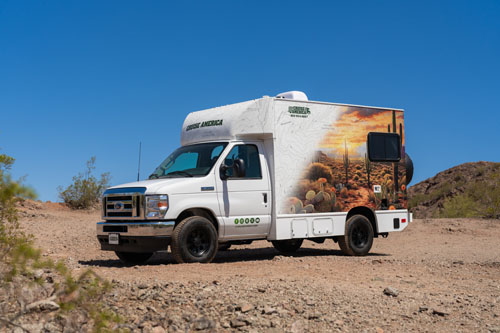
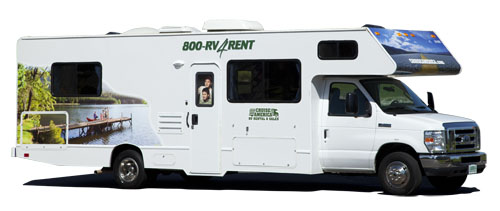
Always keep your rented motorhome's dimensions in mind. For example, a "cruise america rv rental example Explorer" might have a length of 7.1 meters, while a larger "MHC30" can be up to 9.15 meters long, requiring different maneuvering space.
Fuel: Diesel vs. Petrol & Cost per 100 km
Rental motorhomes in Toronto typically operate on either diesel or petrol (gasoline), both of which are widely available at service stations across the city and surrounding areas. Based on Bandana's local fleet data for Toronto, fuel consumption varies significantly: Class B Camper Vans, like the "Active Pop Top" which is 5.99 meters long, average 11–15 Liters/100 km, while larger Class C Alcoves, such as a "24' Class C Motorhome" at 7.46 meters, or Class SI Semi-integrated RVs typically consume around 25-30 Liters/100 km. Diesel fuel is generally more efficient for longer distances, though it can sometimes be more expensive per liter than petrol. It's always wise to factor in current, fluctuating fuel prices when estimating total trip costs. Many RV PLANET routes allow travelers to itemize and track every expense along the way for easy budgeting. Fueling larger rigs: many truck stops or larger gas stations along major highways (e.g., Highway 401, QEW) are more accessible for filling up than small urban stations. On the routes offered through RV PLANET routes, you can itemize and track every expense along the way for easy budgeting.
Tolls, Vignettes & Border Rules
Ontario features electronic toll highways, most notably Highway 407 ETR, which is cashless and relies on transponders or license plate recognition. RV renters should be aware that charges for toll usage are typically passed on by the rental company, often with administrative fees, so inquire about transponder options or toll payment processes before your trip. For example, Highway 407 ETR bills by distance and vehicle size, so a larger RV will incur higher costs. No vignettes are required for driving a motorhome in Ontario, unlike some European countries. For travelers considering crossing the Canada-U.S. border into nearby states like New York, ensuring all occupants have valid passports and being aware of customs regulations for goods and duration of stay is crucial for a smooth journey. Always have your rental agreement readily available for border officials.
For more detailed information on specific routes, including potential tolls and border crossing tips, consider using RV PLANET routes for your planning, which can help you understand all ancillary costs beyond the rental itself.
Driving Tips for RV Travelers in Toronto
To ensure a smooth and enjoyable RV rental experience in Toronto, consider several key driving tips. Firstly, always plan your route: use RV-specific GPS or navigation apps to identify suitable roads, avoiding low bridges or tight turns that might challenge larger rigs, especially when venturing near downtown Toronto. Secondly, allow ample extra time, as Toronto traffic, particularly during commuter hours or summer weekends, can cause significant delays. Thirdly, familiarize yourself with your RV's dimensions and practice parking in open lots before navigating crowded urban spaces or smaller campground spots. Fourthly, for exploring downtown attractions like the CN Tower, Ripley's Aquarium, or Kensington Market, it's often more practical to park your motorhome at an RV-friendly campground or designated parking lot outside the immediate city core and then utilize Toronto's extensive public transit (TTC). Lastly, always be mindful of your RV's height, especially when entering parking garages (many have height restrictions well below RV clearance), drive-thrus, or navigating underpasses, which can save you from costly damage and stress.
Travelling slowly, averaging max 100-150 km per day, allows you to truly feel the place, connect to the culture, the food, and the scenery of Toronto and its beautiful surroundings.
Recommended RV Class for Toronto Roads
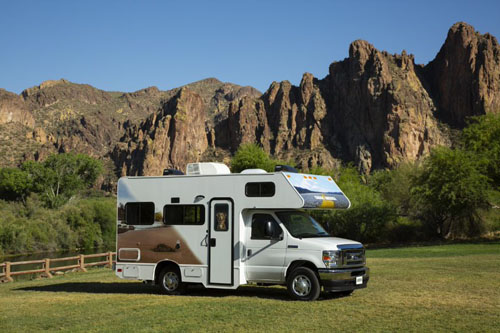
For navigating Toronto's urban environment and accessing popular attractions while retaining a sense of freedom, a Class B Camper Van or a smaller Class C motorhome is often recommended. Class B Camper Vans, like the "V3" which is 6.36 meters in length, or similar models, are highly maneuverable and easier to park on city streets or in smaller provincial park campgrounds nearby. They average 11–15 Liters/100 km fuel consumption, offering good efficiency. While Class C Alcoves, like a 7.46-meter "24' Class C Motorhome," can certainly be driven in Toronto, their increased length and height (typically over 3 meters) might make finding suitable parking or navigating tighter areas slightly more challenging. Remember, at Bandana, we are true RV specialists, not a travel agency side department, and we can help you compare final prices across 50+ suppliers to find the right size and amenities for your adventure.
Should I Choose a Compact Van Instead of a Large RV in Toronto?
Choosing a compact van, such as a Class B Camper Van, for a motorhome rental in Toronto can offer distinct advantages in urban maneuverability and fuel efficiency, but a larger RV generally presents no insurmountable issues for driving on main roads. Compact vans excel in tight parking spaces, navigating narrower city streets, and often provide better fuel economy, which can be beneficial for extensive urban exploration. For instance, a "Category Van" like an "rv rental denver example Category Van" offers features like a front air condition and is ideal for a couple, providing comfort in a smaller footprint. However, larger rental RVs, like a Class C "rv rentals example Comfort Class" with 3 double beds, provide significantly more living space, amenities, and sleeping capacity, enhancing comfort for families or longer trips outside the immediate urban core. If your primary goal is frequent city center navigation, a compact van might offer slightly less stress, but if you plan to park at an RV park a bit further out and use public transit for city exploration, a larger motorhome offers superior comfort without major driving drawbacks.
Can I Park Anywhere? Free & Wild Camping Rules in Toronto
No, free or 'wild' camping in an RV rental is generally not permitted within Toronto city limits, and overnight parking on public streets is typically illegal without a specific permit. Toronto, like most major North American cities, enforces strict municipal bylaws against unauthorized overnight vehicle parking, especially for oversized vehicles like motorhomes. Designated RV parks and campgrounds, such as Glen Rouge Campground (the only one within city limits) or privately run facilities just outside the city in areas like Pickering or Milton, offer amenities and legal overnight parking, which is the recommended approach for RV travelers. Unauthorized overnight parking can result in significant fines or even towing, so always seek out established campgrounds or private properties with explicit permission. Rules for parking and camping vary by region, so always check local regulations and follow local law before parking your rental motorhome overnight, even in less populated areas.
For finding campsites and campgrounds during your trip, we recommend using RV PLANET (rvplan.net) - a great resource for locating available spots along your route and understanding local rules.
Can I Drive an RV Into the City Center? Heights, Tunnels & Local Signage
Yes, you can generally drive an RV rental into Toronto's city center, but it absolutely requires careful attention to signage regarding height limits, tunnels, and localized restrictions. Most main arteries leading into and through downtown Toronto, such as University Avenue or Bay Street, are designed to accommodate large vehicles. However, drivers must be vigilant for low bridges, especially near railway crossings or older infrastructure, and specific restricted turn lanes that might not allow larger vehicles. Pay close attention to street signs indicating weight limits, "no turn" restrictions for commercial vehicles (which can sometimes apply to larger RVs), and residents-only parking zones. For exploring city attractions like the Royal Ontario Museum or Nathan Phillips Square, it is often more practical to park your motorhome at a designated lot or RV campground outside the busiest core, such as those accessible via GO Transit, and then use Toronto's efficient public transportation (TTC) to minimize driving stress and parking challenges.
What is the new RV law in Ontario?
While there isn't one singular "new RV law" that comprehensively changed all aspects of RVing in Ontario recently, regulations regarding licensing, parking, and insurance are continually reviewed and enforced. Key areas of regulation for RVs in Ontario primarily concern driver licensing based on vehicle weight, adherence to municipal parking bylaws (especially in cities like Toronto), and mandatory insurance requirements. Recent discussions and enforcement efforts have focused on clarifying licensing requirements for larger recreational vehicles and reinforcing rules against unauthorized overnight parking in urban areas. It's crucial for RV renters to be aware of and comply with the Highway Traffic Act, as well as specific municipal bylaws concerning vehicle dimensions and parking within Toronto, which can be found on the City of Toronto's official website.
🎬 Video coming soon
Do you need a license to drive an RV in Canada?
Yes, you need a valid driver's license to drive a motorhome or campervan in Canada, with specific license class requirements depending on the RV's weight and configuration. For most rental recreational vehicles (RVs) weighing up to 11,000 kg (24,250 lbs), a standard Class 5 (or G in Ontario) driver's license is sufficient across Canada. This means your regular car license will likely cover most rental motorhomes you'd choose for your Toronto adventure. Heavier RVs or those with air brakes might require a higher class of license or an endorsement, but these are typically not applicable to standard rental units from our partners. International visitors can generally use their valid home country's driver's license for a limited period, often recommended in conjunction with an International Driving Permit (IDP) for smooth identification, though it is not mandatory in most cases.
Can you park an RV on the street in Toronto?
No, generally, parking an RV rental on a public street in Toronto for an extended period or overnight is prohibited by municipal bylaws, especially if it obstructs traffic or violates posted time limits. The City of Toronto has strict parking regulations that typically restrict oversized vehicle parking and prohibit sleeping in vehicles on public property, aiming to manage urban congestion and maintain public order. Temporary street parking for loading or unloading your rental motorhome might be permissible for short durations, but long-term or overnight parking requires designated RV-friendly lots or campgrounds outside the city core. Violations can lead to parking tickets, significant fines, and potentially towing, so it's always best practice to seek legal, designated parking solutions for your RV rental when visiting Toronto to avoid unnecessary hassle.
What is the new law on RV licensing in Ontario?
There isn't a widely publicized "new" comprehensive law on RV licensing in Ontario as of 2024; the existing regulations under the Highway Traffic Act remain largely consistent for RV rentals. The primary requirement for driving most recreational vehicles in Ontario is a valid G class driver's license, which covers motorhomes and campervans with a Gross Vehicle Weight Rating (GVWR) of up to 11,000 kilograms (approximately 24,250 pounds). If you are renting an RV that is towing a trailer, and the combined weight of the RV and trailer exceeds 11,000 kg, or if the trailer itself weighs more than 4,600 kg, a higher class license (e.g., G with A endorsement or Class A) may be necessary. Always verify the GVWR of your specific rental RV to ensure your current license meets the provincial requirements before you pick it up.
Do you need a license to drive an RV in Ontario?
Yes, you absolutely need a valid driver's license to operate an RV rental in Ontario, and for the vast majority of motorhomes and campervans, a standard G class license is sufficient. The G class license permits you to drive recreational vehicles with a Gross Vehicle Weight Rating (GVWR) of up to 11,000 kilograms, which includes all Class A, Class B, and Class C motorhomes typically available for rent. You don't need a special license, CDL, or additional permits for any standard rental motorhome. If you happen to be towing a trailer with your RV rental and the combined weight exceeds 11,000 kg, or the trailer alone is over 4,600 kg, then a higher class license might be required. Always confirm the GVWR of your specific RV rental with the supplier to ensure full compliance with provincial driving regulations.
What is the 444 rule for RVs?
The "444 rule" for RVs is an informal guideline, primarily popular among North American RVers, that emphasizes safe driving practices and is not an official Ontario Highway Traffic Act rule. This practical rule typically suggests driving no more than 400 miles (approximately 640 km) or roughly 4 hours per day, stopping every 4 hours for a significant break, and ideally staying at least 4 days in one location to avoid driver fatigue and rushing through your journey. While not a legal requirement in Ontario, the principles behind the 444 rule-prioritizing driver rest, regular breaks, and reasonable travel distances-are excellent advice for any motorhome traveler. Adopting similar practices for your RV rental trip in Toronto will help prevent accidents, enhance your overall experience, and allow you ample time to explore the city and its surrounding attractions without feeling rushed.
Can you get temporary RV insurance for a Toronto rental?
Yes, it is possible to obtain temporary RV insurance for a motorhome rental in Toronto, typically structured as rental RV insurance provided either by the rental company or through a third-party insurer. Most RV rental companies, including Bandana's direct partners like El Monte and Cruise America, include basic liability insurance in their rental fees. However, this often comes with a high deductible and limited coverage for physical damage to the rental vehicle. Travelers can frequently purchase additional collision damage waiver (CDW) or supplemental liability insurance directly from the rental provider, or potentially through their personal auto insurance policy if it explicitly extends coverage to rental vehicles. Independent insurance brokers also offer short-term or temporary RV insurance policies for renters seeking more comprehensive coverage than what the rental company's basic plan typically provides, giving you extra peace of mind on your Toronto adventure. You can even upgrade to a top-level deductible for extra peace of mind.
How much does RV insurance cost in Ontario?
The cost of RV insurance in Ontario varies widely, influenced by factors such as the type and value of the RV rental, the driver's history, the chosen coverage limits, and the deductible amount. For a rental motorhome, the cost of basic insurance is typically incorporated into the overall rental fee, with options for additional coverage like collision damage waivers often ranging from $20 to $50 CAD per day. These additional coverages can significantly reduce your financial responsibility in case of an accident or damage. If you were considering purchasing a personal RV, annual insurance premiums could range from approximately $500 to over $2,000 or more, depending on comprehensive, collision, and liability coverage levels. Always get detailed quotes for your specific rental period and vehicle type, focusing on both liability and physical damage coverage, as these are mandatory requirements in Ontario.
How to insure an RV rental in Ontario?
To insure an RV rental in Ontario, you must ensure that a policy meeting the provincial minimum requirements for liability coverage is in place, typically arranged through the rental provider. The most common method for renters is to review and select the insurance options provided by the RV rental company during the booking process, which usually includes basic liability coverage and offers optional collision damage waivers (CDW) or similar plans. Alternatively, it's advisable to inquire with your personal auto insurance provider to see if your existing policy offers an extension of coverage for rental recreational vehicles, or if they offer a temporary RV rider. Some credit card travel insurance benefits may also cover rental vehicle damage, so checking with your card issuer is a smart step. Always read the rental agreement carefully to understand what is included and what additional coverage might be beneficial for your peace of mind.
What You Shouldn't Miss
- Explore the Toronto Islands: Park your RV at Exhibition Place or a nearby GO Station and take a ferry to this car-free oasis. Rent bikes, relax on the beaches, and enjoy unparalleled views of the Toronto skyline.
- Visit Niagara Falls: Just a 1.5-hour drive southwest of Toronto, you can easily take your rented motorhome for a spectacular day trip to see one of the world's most famous waterfalls. Find RV-friendly parking at the Fallsview Casino Resort.
- Discover Algonquin Provincial Park: Head north for a 3-hour drive in your RV rental to immerse yourself in Ontario's wilderness. Enjoy hiking, canoeing, and wildlife viewing. Remember to book your campsites in advance, especially during peak season, or look for first-come-first-serve options.
- Stroll through Kensington Market: Park your RV outside the immediate downtown core and take the TTC to this vibrant, bohemian neighborhood. Enjoy unique street art, vintage shops, and diverse international food. You can pick up fresh ingredients here to cook a delicious meal in your RV's kitchen - check out our RV-friendly recipes playlist for inspiration!
- Experience the Distillery District: A historic pedestrian village east of downtown Toronto, known for its Victorian-era industrial architecture, art galleries, boutiques, and unique eateries. Parking for RVs can be found at nearby lots further out, and a short transit ride will get you there.
- Looking for expert insights from Avi Bandana? Top 5 Adventures - recommendations from Avi Bandana will inspire your next journey.
Final Thoughts
Embarking on an RV adventure in Toronto promises a unique way to experience one of Canada's most dynamic cities, blending urban exploration with the freedom of the open road. From navigating city streets with care to escaping into Ontario's natural beauty, a rental motorhome offers unparalleled flexibility for your journey. Remember to plan your route, understand local regulations, and always consider the size of your RV for the most stress-free experience.
At Bandana Caravan, we are committed to making your RV rental process as smooth and enjoyable as possible. With our transparent pricing, expert advice, and comprehensive range of vehicles from trusted suppliers, you have everything you need to create unforgettable memories. So, pack your bags, choose your perfect home-on-wheels, and get ready to discover the wonders of Toronto and beyond.
Find Motorhome Rentals in Toronto