For live availability and current prices, start with our RV Rental Tokyo - Complete Guide 2026 guide.
In This Guide
- Can You Drive an RV in Tokyo? License & Age Rules
- Road Conditions & Terrain in Tokyo
- RV Size Limits, Bridges & Restricted Zones
- Fuel: Diesel vs. Petrol & Cost per 100 km
- Tolls, Vignettes & Border Rules
- Driving Tips for weekend rv rental Travelers
- Recommended RV Class for Tokyo Roads
- Should I Choose a Compact Van Instead of a Large RV in Tokyo?
- Can I Park Anywhere? Free & Wild Camping Rules in Tokyo
- Can I Drive an RV Into the City Center? Heights, Tunnels & Local Signage
- How Do I Navigate Urban RV Challenges in Tokyo?
- What Cultural Etiquette Should RVers Know for Japan and Tokyo?
- What are the Practical Logistics for Living in an RV in Tokyo?
- What is the Cost Breakdown for RVing in Tokyo?
- Is RV Travel in Tokyo Suitable for Families or Pets?
- What Off-the-Beaten-Path Destinations Can I Explore by RV from Tokyo?
- What are the Best Seasons for RVing in Tokyo and Surrounding Areas?
- Which RV Type is Best for Tokyo's Roads?
- What Safety and Emergency Information Do RVers Need for Japan?
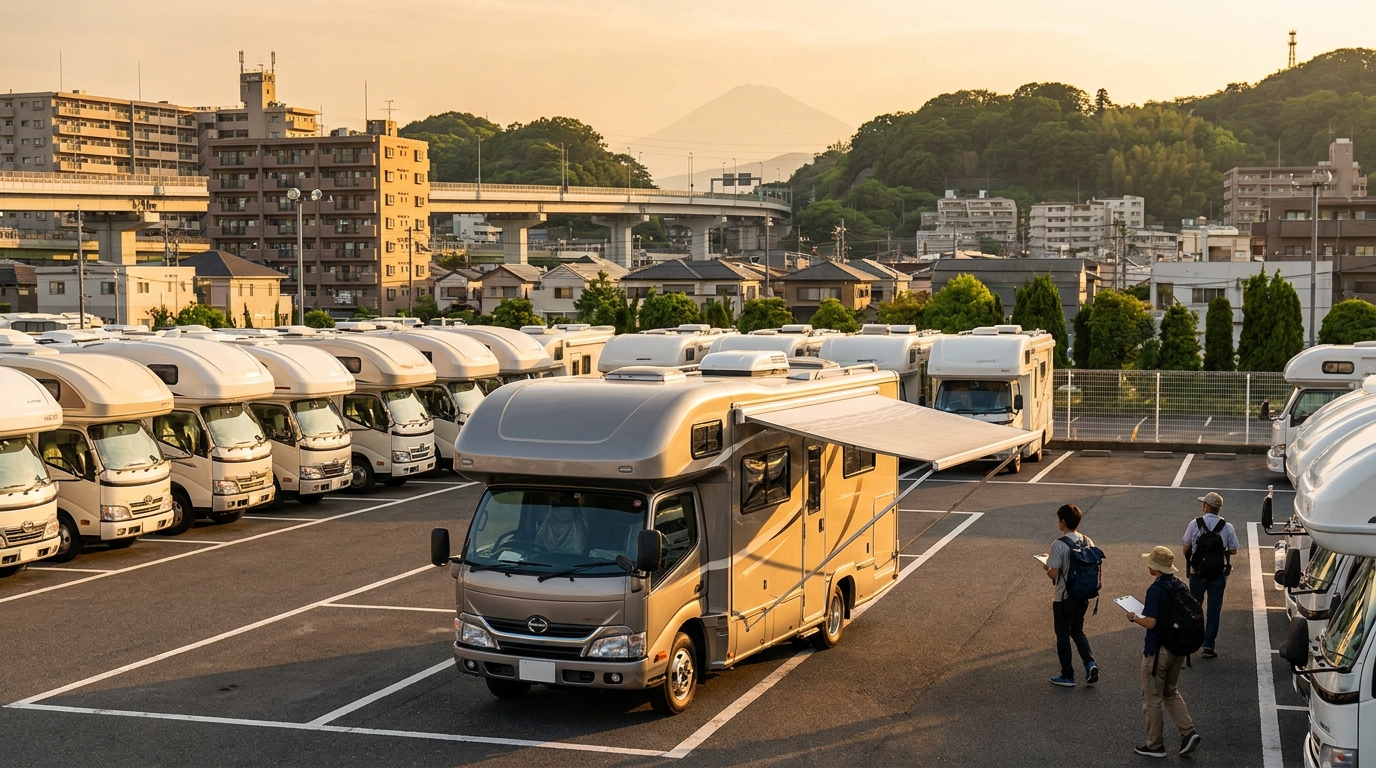
Exploring Tokyo and its breathtaking surroundings in a rented RV offers an unparalleled sense of freedom and adventure. Imagine waking up to the sounds of nature just a short drive from the bustling metropolis, or finding a peaceful spot with stunning views of Mount Fuji. A short RV trip in Tokyo can be a fantastic way to experience Japan beyond the usual tourist routes.
For live availability and current prices, start with our RV Rental Tokyo - Complete Guide 2024 guide. At Bandana RV, we understand the ins and outs of RV travel, and we're here to help you navigate every detail of your quick getaway, ensuring a smooth and enjoyable experience from start to finish. Our commitment to full transparency means no hidden fees and no surprises, just honest advice and exceptional support before, during, and after your booking.
Can You Drive an RV in Tokyo? License & Age Rules
An International Driving Permit (IDP) is essential for foreign drivers renting a motorhome in Japan, alongside your valid national driver's license. The minimum driver age for most RV rentals in Japan is typically 21 years old, and crucially, there are no young driver surcharges or vehicle class restrictions based on age for any motorhome class (Class A, Class B, or Class C). This means that a standard car driver's license is perfectly sufficient for driving any of our available rental motorhomes or campervans, ensuring a smooth pickup process for your Tokyo adventure.Navigating Japan's comprehensive road system with a rented RV is surprisingly straightforward, thanks to clear signage (often bilingual) and well-maintained roads. While an IDP is not strictly mandatory in all cases, it is strongly recommended for visitors from non-English speaking countries to avoid any potential misunderstandings with local authorities. Always carry both your national license and the IDP, along with your passport, when driving in Tokyo.
Road Conditions & Terrain in Tokyo
Japan boasts excellent road quality, even in rural areas, ensuring a smooth RV journey across the country, including the regions surrounding Tokyo. Tokyo's urban terrain, however, features densely packed and often narrow streets that necessitate careful navigation and slower driving speeds. Venturing just outside the immediate city, you'll find readily accessible mountainous regions like Hakone, offering scenic drives through lush landscapes, or the picturesque coastal routes of the Izu Peninsula, perfect for a quick RV trip.Even on wider Tokyo thoroughfares like the Metropolitan Expressway or Route 246, traffic can be dense, so planning your routes for shorter distances, perhaps 100-150 km per day on average, allows you to truly immerse yourself in the culture and scenery. The roads leading to popular destinations like the Fuji Five Lakes region or Nikko are generally well-suited for a Class C motorhome, but always be mindful of winding sections in mountainous terrain. Taking your time is key to enjoying the varied landscapes Japan offers.
RV Size Limits, Bridges & Restricted Zones
Most rental RVs, such as Bandana's typical 5-meter Class C - Alcove motorhome, are well-suited for Japanese roads, but travelers should always confirm their vehicle's exact dimensions. Navigating Tokyo's older districts and smaller towns requires vigilance for clearly marked low bridges and narrow passages. While environmental zones are less common in Japan compared to some Western countries, drivers must always observe local signage for any specific restrictions on certain streets or areas, especially around historical sites or pedestrian-heavy zones.For instance, some smaller streets in areas like Shibuya or Shinjuku might be tight, but main roads are generally accommodating. When driving a rented motorhome near Ginza or the Imperial Palace, stick to major arteries. Parking garages are often not suitable for RVs due to height restrictions, so external parking or designated RV parks outside the immediate center are often preferable. Remember, driving slowly and carefully, and using common sense and paying attention, means you can drive almost anywhere without issues.
Fuel: Diesel vs. Petrol & Cost per 100 km
Petrol (gasoline) is the predominant fuel type found at service stations across Japan, including the Tokyo area, making diesel stations less ubiquitous for RV travelers. Bandana's Class C - Alcove vehicles typically run on petrol, ensuring wide availability and ease of refueling throughout your route. While specific fuel consumption data for every Bandana RV in the Tokyo fleet is not available, most motorhomes generally consume more fuel than passenger cars; budgeting for fuel costs, which fluctuate based on global prices, is important for your weekend trip.Fuel prices in Japan can vary but are generally comparable to other developed nations. For a realistic estimate, anticipate spending approximately $20-30 USD per 100 km, depending on the vehicle's efficiency and current market rates. When planning your budget for your RV adventure, remember that on RV PLANET routes, travelers can itemize and track every expense along the way for easy budgeting. Keeping an eye on fuel levels and planning stops at larger service stations, especially along expressways, is a practical strategy for a stress-free journey. On the routes offered through RV PLANET routes, you can itemize and track every expense along the way for easy budgeting.
Tolls, Vignettes & Border Rules
Japan's extensive expressway network is tolled, making an Electronic Toll Collection (ETC) card highly recommended for convenience and potential discounts, especially when traveling around Tokyo. Vignettes, commonly used in parts of Europe for road access, are not utilized in Japan; instead, tolls are paid per section or distance traveled. As this guide focuses on domestic travel within Japan for your rented motorhome adventure, there are no international border rules or crossings to consider.You can usually rent an ETC card with your vehicle from Bandana partner suppliers, or purchase one at major service stations near Tokyo like those on the Tomei Expressway or Chuo Expressway. These cards allow for automated toll payments and often provide discounts compared to cash payments, streamlining your travel. Remember to factor tolls into your overall travel budget, as they can add up on longer routes from Tokyo to areas like Hakone or Nikko.
Driving Tips for weekend rv rental Travelers
Always remember to drive on the left side of the road in Japan, and take time to familiarize yourself with Japanese road signs, which are often bilingual (Japanese and English). Practice patience on Tokyo's narrow urban streets and in dense traffic, especially when driving a larger rented motorhome or campervan. Additionally, planning your parking in advance using apps or maps is crucial, as finding suitable RV parking in central urban areas like Ginza or Shinjuku can be challenging.Utilize Michi-no-Eki (Roadside Stations) as convenient and well-equipped rest stops during your journeys; they are fantastic for short breaks and local produce. Be aware of local customs, such as minimizing noise in residential areas, especially during evening hours, and always adhering to posted speed limits, which are strictly enforced. Drive slowly and carefully, and you can drive almost anywhere without issues. No need to stress - just use common sense and pay attention.
Recommended RV Class for Tokyo Roads
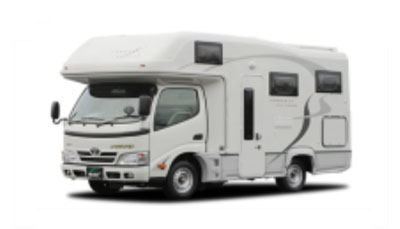
For navigating Tokyo and its immediate surrounding areas, a compact Class C - Alcove motorhome, such as those available through Bandana, offers an ideal balance of maneuverability and comfortable living space for your quick RV trip. With an average length of around 5-7 meters, these RVs are manageable on Japan's well-maintained roads and urban environments, without feeling overly cumbersome.This class comfortably sleeps up to 6 people (though often ideal for 3-4 adults or a family with children), making it a practical choice for a memorable short family or group trip. Opting for a model like the "24' Class C Motorhome" from some suppliers, with features like automatic transmission, front air conditioning, and a shower, offers both convenience and a genuine home-away-from-home feeling. For a broader perspective on options, check out our "RV Rental in Tokyo - Prices and Best Deals 2024" guide.
Should I Choose a Compact Van Instead of a Large RV in Tokyo?
While ultra-compact campervans offer superior maneuverability in exceptionally tight city alleys, a Class C - Alcove motorhome (averaging 5-7 meters) provides a significantly more comfortable living and sleeping experience without being overly cumbersome for most of Tokyo's infrastructure. The added indoor space for cooking, dining, and relaxation in a Class C - Alcove often outweighs the marginal ease of parking a smaller van, especially for a week-long trip. Consider a compact van primarily if your itinerary is exclusively focused on very narrow, historic urban centers where even a 5-meter vehicle might feel large; otherwise, the amenities of a Class C offer a much better experience.For families or groups of 3-6 people, the extra space for baggage and amenities in a Class C motorhome like the "C-MEDIUM" model, featuring automatic transmission and air conditioning, makes a big difference. This choice ensures that everyone has room to relax after a day of exploring, making your rented RV a true mobile headquarters. Our team of true RV specialists can help you compare options to find the ideal match for your Tokyo trip, considering factors like comfort versus extreme maneuverability.
Can I Park Anywhere? Free & Wild Camping Rules in Tokyo
Wild camping is generally prohibited throughout Japan, including the Tokyo metropolitan area, and is not a viable option for RVers seeking overnight stays. While Michi-no-Eki (Roadside Stations) are designated rest stops, they are not official overnight camping spots, though discreet overnight stays are sometimes tolerated if you cause no disturbance and move on early. For secure and amenity-rich overnight stays with your rented motorhome, always utilize designated RV parks and official campgrounds, which often require advance booking.Rules regarding overnight parking vary by region and specific location, so travelers should always check local regulations and follow local laws before parking overnight. Many Japanese campgrounds, such as Wakasu Seaside Park Campground in Tokyo Bay or the Fumotoppara Campground near Mount Fuji, offer amenities like electricity, water, and waste disposal points. For finding campsites and campgrounds during your trip, we recommend using RV PLANET (rvplan.net) - a great resource for locating available spots along your route.
Can I Drive an RV Into the City Center? Heights, Tunnels & Local Signage
Yes, you can generally drive a rented RV, including a Class C - Alcove motorhome, into Tokyo's city center, but it demands careful attention and prior planning. Drivers must be extremely vigilant for height restrictions, particularly when approaching parking garages, underpasses, and some tunnels, which may not accommodate larger vehicles. Central areas like Shinjuku, Shibuya, or Ginza also feature narrow streets, heavy traffic, and limited parking, making navigation challenging; utilizing RV-specific navigation apps with height and weight filters is highly recommended.Always observe local signage for any temporary restrictions, residents-only streets, or potential environmental zones, although the latter are less common in Tokyo than in some other global cities. For easier city access, consider parking your rental RV at a designated RV park slightly outside the core and using Tokyo's efficient public transport system for central sightseeing. Our specialists are here to provide support before, during, and after your booking, helping you plan your route with confidence.
How Do I Navigate Urban RV Challenges in Tokyo?
Navigating Tokyo's narrow streets with a rented RV is manageable by planning routes to favor wider avenues and utilizing GPS applications that allow for inputting RV dimensions. Finding suitable parking for a 5-meter Class C - Alcove motorhome can be challenging; travelers should utilize apps like Park4Night or specific RV parking databases, and consider parking outside central areas like the Tokyo Skytree or Shibuya Crossing, using public transport for last-mile access. Managing noise from your RV involves choosing quieter overnight parking spots or designated campgrounds further from bustling city centers, respecting local residents.Researching specific urban camping or rest spots, such as city-operated campgrounds like Wakasu Seaside Park or designated RV parks (RV sites), well in advance of your trip can greatly reduce stress. Remember, traveling slowly, perhaps 100-150 km per day on average, allows you more time to feel the place, connect to the culture, the food, and the scenery, and address any unexpected urban challenges with ease. For detailed itineraries and route plans, our Rent&Plan service offers pre-planned routes by professionals, and you can enjoy a 25% planning discount when you use rvplan.net.
What Cultural Etiquette Should RVers Know for Japan and Tokyo?
At Michi-no-Eki (Roadside Stations) in Japan, RVers should observe quiet hours, maintain impeccable cleanliness, and treat these facilities as rest stops, not full-fledged campgrounds. Practice appropriate waste disposal by diligently sorting trash into designated categories (burnable, non-burnable, plastic, etc.) at collection points, a fundamental aspect of Japanese daily life. When utilizing public bathhouses (onsen or sento), always wash thoroughly before entering the communal bath, and never bring towels into the water itself.Beyond specific rules, be respectful in all local interactions, try learning a few basic Japanese phrases like "arigato" (thank you) and "sumimasen" (excuse me), and always ask for permission before taking photographs of people or private property. These small considerations contribute significantly to a positive experience and reflect well on RV travelers. Our commitment to supporting travelers means we're with you before and after your booking, offering valuable insights into local customs.
What are the Practical Logistics for Living in an RV in Tokyo?
Reliable water refills for your rented RV can be found at dedicated campgrounds, some larger Michi-no-Eki with service facilities, or with permission at public parks. Laundry facilities (coin laundries) are widely available in urban and suburban areas across Japan, including Tokyo, making it easy to refresh clothes during your adventure. Sourcing groceries for delicious RV cooking is convenient at ubiquitous local supermarkets and 24-hour convenience stores (konbini) like 7-Eleven or FamilyMart, offering a wide array of fresh produce and Japanese staples.To ensure consistent internet connectivity for mobile setups, consider renting a portable Wi-Fi device (pocket Wi-Fi) or purchasing a local data SIM card upon arrival at Narita (NRT) or Haneda (HND) airports. Cooking inside your rental RV is a wonderful way to experience local ingredients; for inspiration, check out our RV-friendly recipes playlist. These practical tips help make your quick RV trip around Tokyo feel like a true home away from home.
What is the Cost Breakdown for RVing in Tokyo?
The total cost for a short RV trip in Tokyo includes the base rental fees for your chosen Class C - Alcove vehicle, which can dynamically change daily based on availability and seasonality. Travelers should budget for fuel expenses, with petrol being the primary fuel type and costs varying based on usage (averaging $20-30 USD per 100 km) and current prices. Expect significant costs for expressway tolls, which are prevalent around Tokyo; these are best managed with an ETC card, as mentioned in "Tolls, Vignettes & Border Rules".Realistic parking fees, especially in urban Tokyo, can be substantial, so factor these into your budget, often ranging from ¥1,000-¥3,000 per day for larger vehicles outside central zones. Include campground or RV park fees for overnight stays, typically ¥2,000-¥5,000 per night. Also, consider potential hidden costs like additional insurance, cleaning fees, or last-minute supply purchases. For detailed expense tracking, remember that on RV PLANET routes, travelers can itemize and track every expense along the way for easy budgeting. For more detailed pricing insights, refer to "Cheap RV Rental in Tokyo - Budget Guide 2024".
Is RV Travel in Tokyo Suitable for Families or Pets?
RV travel in the Tokyo metropolitan area is highly suitable for families, as Bandana's Class C - Alcove motorhome offers ample space for sleeping (up to 6 people) and comfortable living, making it perfect for an adventurous family getaway. Traveling with pets, however, requires extensive planning, as many indoor establishments, public transportation systems (like the Yamanote Line), and even some public parks in Japan have strict restrictions. Researching pet-friendly campgrounds, designated dog runs (like those at Komazawa Olympic Park), and veterinary services in advance is crucial to ensure a smooth trip for your furry companions.The flexibility of a rented RV allows families to set their own pace, easily accessing kid-friendly attractions like Tokyo Disneyland (with nearby RV parking options) or natural areas just outside the city. This freedom is one of the greatest joys of RV travel, allowing you to tailor your itinerary to your family's needs. Remember, Bandana RV offers top-level deductible reimbursement as an optional upgrade, allowing you to travel with extra peace of mind.
What Off-the-Beaten-Path Destinations Can I Explore by RV from Tokyo?
Beyond central Tokyo, a rented RV allows you to explore the scenic Izu Peninsula, offering stunning coastal drives, numerous hot springs (onsen), and fresh seafood, accessible within a 2-3 hour drive. Discover the serene, mountainous beauty of Chichibu-Tama-Kai National Park for hiking, river activities, and unique shrines like Mitsumine Jinja, just a few hours from the city. Alternatively, visit smaller, historic towns like Kawagoe (often called "Little Edo") for a glimpse into traditional Japan, easily accessible for a day trip or overnight stay.Explore the Boso Peninsula for quiet beaches, tranquil temples, and local artisan shops, providing a peaceful escape from urban bustle. Travel slowly, max 100-150 km per day on average, to take time to feel the place, connect to the culture, the food, and the scenery of these hidden gems. For more route ideas, check out "RV Travel Guide to Tokyo - Tips and Top Spots 2024" which provides expert recommendations and detailed itineraries.
What are the Best Seasons for RVing in Tokyo and Surrounding Areas?
Spring (March-May) offers pleasant temperatures and the iconic beauty of cherry blossoms, making it a highly popular and picturesque time for a short RV trip in Tokyo and its surrounding areas. Autumn (September-November) provides vibrant fall foliage, especially in mountainous regions like Nikko or Hakone, with comfortable weather ideal for outdoor activities. Summer (June-August) can be hot and humid with the potential for typhoons, requiring careful weather monitoring and flexible planning for your rented motorhome.Winter (December-February) is colder but ideal for visiting relaxing onsen (hot springs) and enjoying snow sports in nearby mountain regions, often accessible by RV, provided you're prepared for cooler temperatures. Regardless of the season, booking your rental RV 3-4 months in advance, especially for popular periods, is recommended. However, for spontaneous travelers, many national and state parks reserve 25-30% of spots for first-come, first-serve arrivals, so you'll find a spot; if not at the first campground, then the next one – just call ahead before driving.
Which RV Type is Best for Tokyo's Roads?
For navigating Tokyo's unique infrastructure and its surrounding areas, a compact RV like Bandana's 5-meter Class C - Alcove motorhome offers the optimal balance between maneuverability and comfort. While a smaller campervan might offer marginal ease in exceptionally tight urban alleys, the Class C - Alcove provides significantly more amenities, standing height, and sleeping capacity (for up to 6 people) without being overly cumbersome for typical Japanese roads and parking scenarios.This size strikes a good balance for fuel efficiency and toll costs compared to much larger, less common RVs, making it a practical choice for a quick RV trip. Vehicles like the "Class C - Alcove" are equipped with modern conveniences, ensuring a pleasant journey. You can also explore options like "Weekly RV Rental in Tokyo - Pricing 2024" to understand the costs associated with different vehicle types and rental durations.
What Safety and Emergency Information Do RVers Need for Japan?
RVers traveling in Japan should familiarize themselves with the country's emergency numbers: 110 for police and 119 for fire/ambulance services. It is also crucial to know how to contact your rental company's roadside assistance in case of a vehicle breakdown or accident with your rented motorhome; keep their number readily available in your vehicle and on your phone. Understanding basic earthquake and typhoon preparedness protocols, especially if traveling during specific seasons, is vital, and always monitor local weather warnings.Always carry a comprehensive first-aid kit in your RV and make note of the locations of nearby hospitals or clinics along your planned route, easily identifiable on navigation apps. Japan is a very safe country, but being prepared for unforeseen circumstances ensures a smoother and more enjoyable quick RV trip. We compare final prices across 50+ suppliers so you don't have to, and we're committed to your safety and peace of mind from day one until your booking is confirmed.
What You Shouldn't Miss
- Drive to Mount Fuji and Lake Kawaguchiko: Take your rented motorhome for a breathtaking drive to the Fuji Five Lakes region. Spend a night at a lakeside campground like Auto Campground Fuji for unparalleled views of Mount Fuji, especially at sunrise.
- Explore Hakone's Volcanic Beauty: Just an hour or two from Tokyo, Hakone offers scenic drives through volcanic landscapes, cruises on Lake Ashi, and relaxing hot springs. The Hakone Turnpike provides panoramic vistas perfect for a quick RV trip.
- Discover the Historic Town of Kawagoe: Head north of Tokyo to Kawagoe, known as "Little Edo," where you can wander through traditional streets, visit ancient temples, and sample local sweets. Easy parking for RVs is available at the city's outskirts.
- Relax at Michi-no-Eki: Experience Japan's unique roadside stations. Visit Michi-no-Eki Hachioji Takiyama for fresh local produce and a rest, or the Umihotaru PA on the Tokyo Bay Aqua-Line for an ocean-view stop.
- Hike in Chichibu-Tama-Kai National Park: Escape the city bustle and drive your campervan to this expansive national park within Tokyo's administrative boundaries. Enjoy hiking trails, serene shrines, and stunning natural scenery, perfect for connecting with nature.
- Looking for expert insights from Avi Bandana? Top 5 Adventures - recommendations from Avi Bandana (Video coming soon)
🎬 Video coming soon
Final Thoughts
Embarking on a quick RV trip in Tokyo and its surrounding regions is an incredible way to discover Japan's diverse landscapes and rich culture. From navigating the bustling city streets with a compact Class C motorhome to finding tranquil campgrounds near Mount Fuji, the flexibility of a rented RV opens up a world of possibilities. Remember to drive slowly, embrace local customs, and always plan ahead for parking and overnight stays.At Bandana RV, we're passionate about helping you create unforgettable memories. Our team of experts is here to ensure your journey is seamless, transparent, and filled with joy. We handle the details, so you can focus on living the adventure. So, what are you waiting for?
Find Motorhome Rentals in Tokyo