In This Guide
- Can You Drive an RV in Spain? License & Age Rules
- Road Conditions & Terrain in Spain
- RV Size Limits, Bridges & Restricted Zones
- Fuel: Diesel vs. Petrol & Cost per 100 km
- Tolls, Vignettes & Border Rules
- Driving Tips for weekend rv rental Travelers
- Recommended RV Class for Spain Roads
- Should I Choose a Compact Van Instead of a Large RV in Spain?
- Can I Park Anywhere? Free & Wild Camping Rules in Spain
- Can I Drive an RV Into the City Center? Heights, Tunnels & Local Signage
- How Much Does a Weekend RV Rental in Spain Cost?
- Regional RV Regulations and Nuances in Spain
- Essential Apps and Connectivity for RV Travel in Spain
- Emergency Preparedness and Breakdowns During Your RV Trip in Spain
- Traveling with Pets in an RV in Spain: Tips and Rules
Can You Drive an RV in Spain? License & Age Rules
Most standard RVs in Spain with a Maximum Authorised Mass (MAM) under 3,500 kg can be driven with a regular B driving license. For vehicles between 3,500 kg and 7,500 kg, a C1 license is required, while those over 7,500 kg need a C license. The minimum driving age for an RV rental in Spain is typically 21 or 25, depending on the rental company and vehicle class, even if the legal driving age for a B license is 18. Foreign drivers require a valid national driving license from their home country and, if not from an EU/EEA country, an International Driving Permit (IDP) is legally required and must be carried alongside the original license. For live availability and current prices, start with our RV Rental Spain - Complete Guide 2026 guide.
Road Conditions & Terrain in Spain
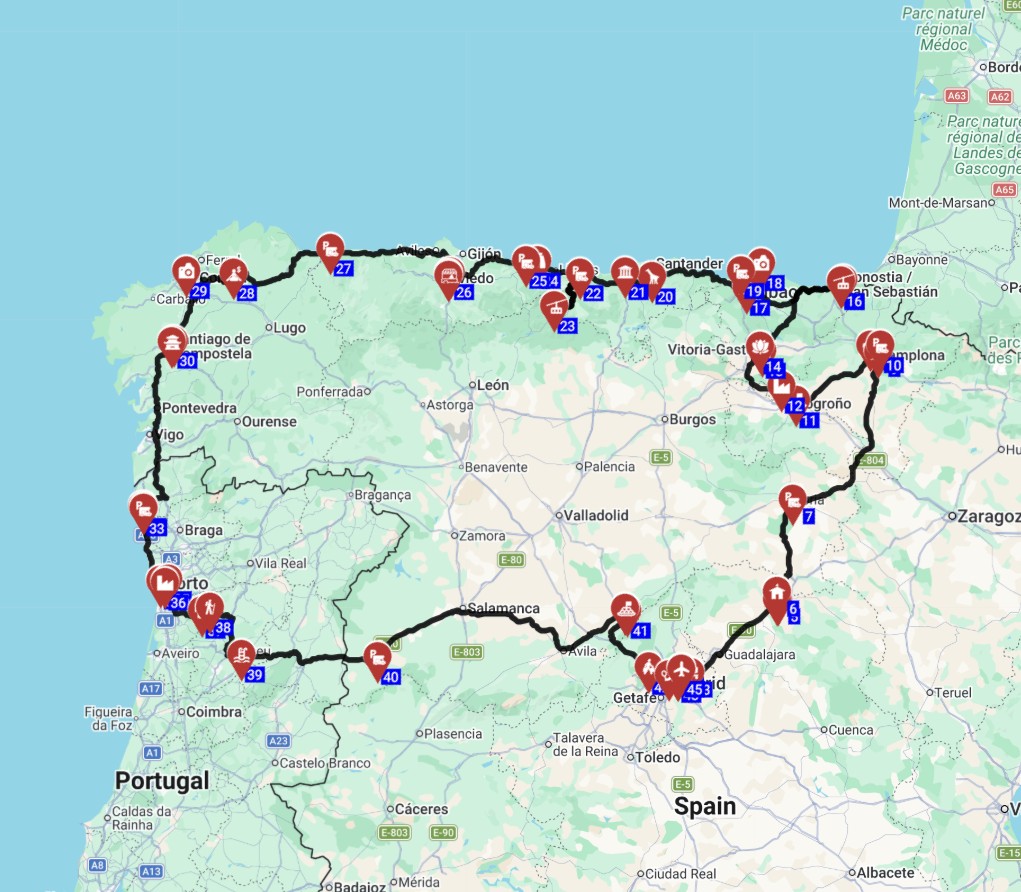
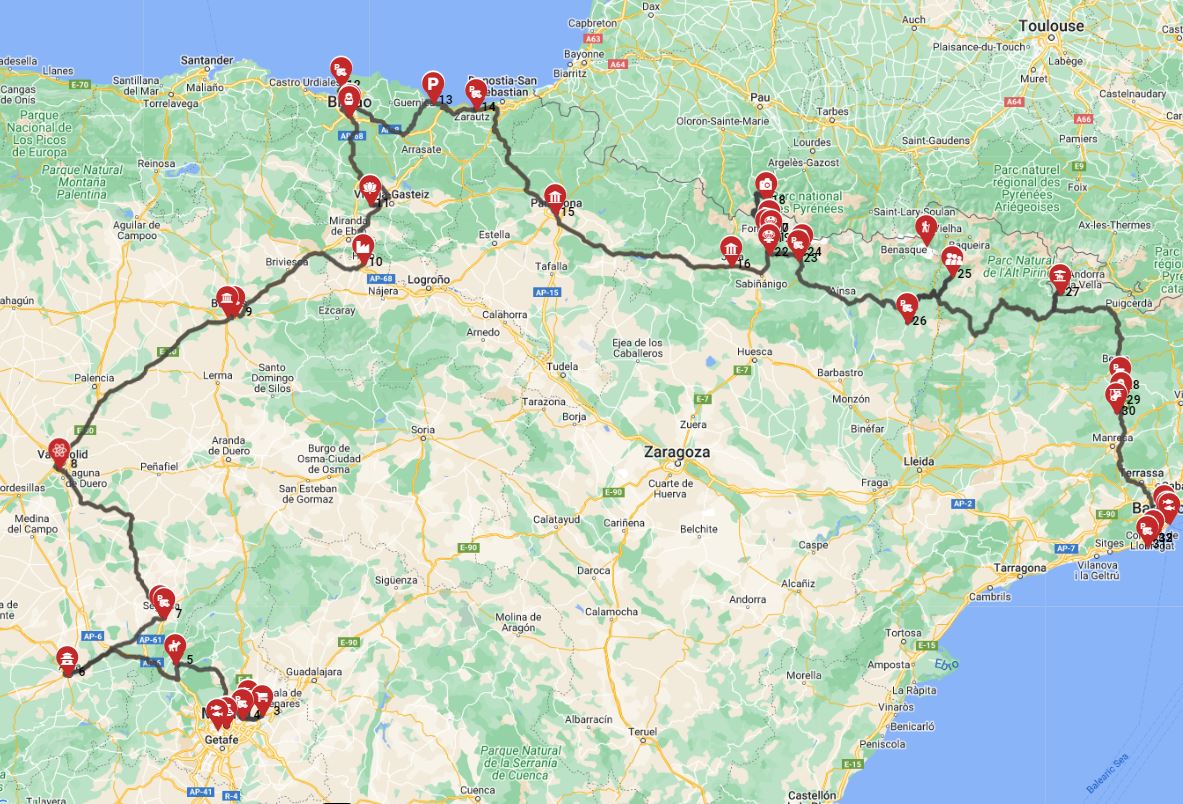
Spain offers generally excellent road conditions with a diverse terrain, suitable for RV travel, ranging from modern motorways (Autovías and Autopistas) to picturesque rural and mountain roads. The extensive network of high-quality 'Autovías' (free motorways) provides smooth and efficient travel between major cities and regions. Terrain varies significantly, from the flat plains of Castilla-La Mancha to the challenging but scenic mountain passes of the Pyrenees, Sierra Nevada, and Picos de Europa. For a weekend RV rental, embracing the slower, more scenic national (N-roads) and regional (C-roads) routes can offer a more immersive cultural experience, though they may feature narrower sections or winding paths.
RV Size Limits, Bridges & Restricted Zones
While most RVs can navigate Spain's roads, travelers should be aware of specific height and width restrictions, environmental zones in major cities, and occasional low bridges, particularly in older towns and rural areas. Standard height limits on roads are typically 4 meters, but always pay attention to specific signage for tunnels, underpasses, and historic town entrances that may be lower (e.g., 3m or 3.5m). Major cities like Madrid and Barcelona have established 'Zonas de Bajas Emisiones' (ZBE - Low Emission Zones) that restrict access for certain vehicles based on their environmental label; ensure your rental RV complies or plan routes around them. When planning ferry travel, for instance to the Balearic or Canary Islands, RV size significantly impacts booking availability and cost, as larger vehicles incur higher fees and may have fewer departure options.
Fuel: Diesel vs. Petrol & Cost per 100 km
The vast majority of RVs available for rental in Spain, including Bandana's global fleet, run on diesel (gasóleo or diésel), which is widely available at service stations nationwide, with petrol (gasolina) being less common for RVs. Based on Bandana's global fleet averages, fuel consumption typically ranges from 8-10 Liters/100 km for Class B - Camper Vans to 12-17 Liters/100 km for Class TC - Truck Campers. Considering an average diesel price in Spain around €1.65 per liter (fluctuates, check current rates), the cost per 100 km for common RV classes like Class B (avg 9 L/100km) is approximately €14.85, while Class SI (avg 10.5 L/100km) would be around €17.30. Some rental motorhomes may include fuel discount cards, which can offer minor savings, but the primary cost factor will be the vehicle's efficiency and current market prices.
Tolls, Vignettes & Border Rules
Spain primarily operates a system of paid motorways (Autopistas, designated with 'AP' prefixes) alongside free national motorways (Autovías, designated with 'A' prefixes), and no vignettes are required for road use. Tolls are typically distance-based and can be paid with cash, credit/debit card, or electronic transponders like 'Via-T' (Telepeaje) which allow for automatic payment and dedicated lanes. While some rental RVs might offer options to pre-purchase or rent toll passes to avoid manual payments and potential fines, it's always advisable to confirm with your rental provider. As Spain is part of the Schengen Area, internal borders with neighboring EU countries (France, Portugal) generally have no routine checks, but travelers should always carry valid identification (passport or national ID card). On the routes offered through RV PLANET routes, you can itemize and track every expense along the way for easy budgeting.
Driving Tips for weekend rv rental Travelers
Familiarize yourself with Spanish road signs and right-hand driving conventions, paying extra attention to roundabouts and priority rules. For families, plan your route with frequent stops every 2-3 hours to allow for breaks and exploration, making the journey part of the adventure. To manage your budget, prioritize using free 'Autovías' over tolled 'Autopistas' where feasible, and consider renting a 'Via-T' device if you anticipate frequent toll road usage. Embrace the scenic 'carreteras nacionales' (N-roads) and regional roads for a more picturesque experience, even if they add a little extra time to your weekend itinerary. Always be mindful of parking regulations, especially in towns and cities; look for designated RV parking areas or larger out-of-town car parks with good public transport links.
Recommended RV Class for Spain Roads
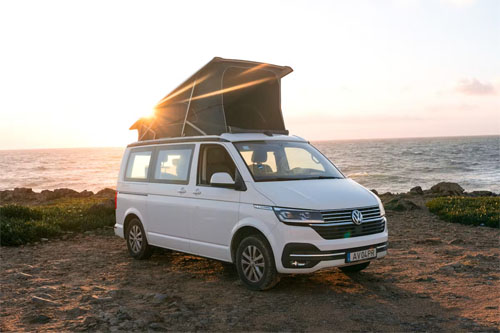
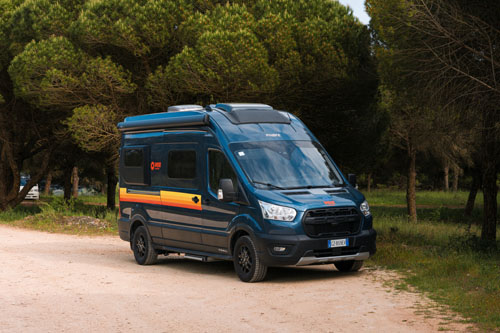
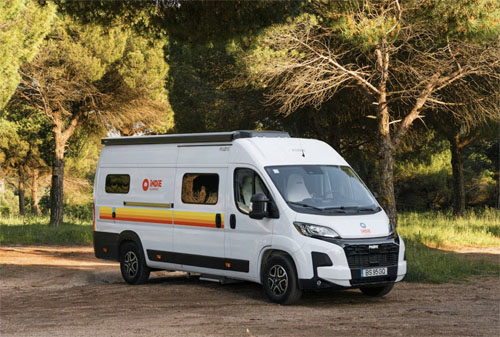
For a typical weekend RV rental in Spain, a Class B - Camper Van or a Class SI - Semi-integrated motorhome offers an ideal balance of maneuverability, comfort, and accessibility for most Spanish roads and destinations. Class B - Camper Vans, with an average length of 5.8 meters across Bandana's global fleet, are highly agile, making them excellent for navigating smaller towns, narrow country lanes, and easier parking. Class SI - Semi-integrated motorhomes, averaging 6.9 meters in length within Bandana's global fleet, provide a good compromise, offering more living space and amenities than a campervan while still being manageable on most Spanish roads. While larger Class C (Alcove) and Class A (Integrated) RVs offer more space, their average lengths of 7.5 meters can present challenges for quick stops, parking in historic centers, and navigating very tight mountain passes, making them less ideal for short weekend trips focused on diverse exploration.
Should I Choose a Compact Van Instead of a Large RV in Spain?
While compact vans offer superior maneuverability for tight urban centers and narrow mountain passes, a larger RV generally provides greater comfort and living space, which often outweighs the slight driving challenges on Spain's well-maintained road network. A compact van, such as a Class B - Camper Van (avg. 5.8m), is advantageous when your weekend trip focuses on exploring historic city centers, navigating winding coastal roads, or parking more easily in crowded areas. However, for weekend travelers prioritizing indoor comfort, more extensive cooking facilities, a separate shower/toilet, or sleeping arrangements for more people, a larger Class SI - Semi-integrated (avg. 6.9m) or even Class C - Alcove (avg. 7.5m) RV can be a better trade-off. Spain's primary road infrastructure is well-suited for all RV sizes, so the decision often comes down to your personal preference for interior space versus maximum agility for very specific, tighter locations. For ideas you can prep on the road, watch our RV-friendly recipes playlist on YouTube.
Can I Park Anywhere? Free & Wild Camping Rules in Spain
In Spain, while 'wild camping' (setting up camp with chairs, awnings, etc., outside designated areas) is generally prohibited and can incur hefty fines, 'overnight parking' in an RV (staying inside the vehicle without extending outside its footprint) is often tolerated where parking is otherwise permitted, though rules vary significantly by region and municipality. The crucial distinction lies between 'parking' (pernoctar) and 'camping' (acampar): if your RV remains within the vehicle's footprint and doesn't display any camping equipment, it's considered parked, similar to a car. Wild camping is strictly forbidden in natural parks, protected areas, and many coastal zones; enforcement can be particularly stringent in popular tourist regions. Rules vary significantly by autonomous community and even local municipality; some areas have explicit bans on overnight RV parking, while others have designated 'áreas de autocaravanas' (RV service areas) or allow it in specific spots. Useful apps like Park4Night and Campercontact are invaluable resources for finding legal overnight parking spots, service points for waste disposal, and designated RV areas across Spain. Always check local regulations and follow local law before parking overnight, as ignorance of local rules is not a defense and fines can be substantial.
Can I Drive an RV Into the City Center? Heights, Tunnels & Local Signage
Yes, you can generally drive an RV into Spanish city centers, but it requires careful attention to local signage regarding height and weight restrictions, environmental zones (ZBE), and pedestrian-only streets to avoid fines or getting stuck. Always observe height (gálibo) and weight limits posted at tunnel entrances, underpasses, and historic gateways, as these can be significantly lower than general road limits. Many major Spanish cities, including Madrid and Barcelona, have implemented Low Emission Zones (ZBE), which restrict vehicle access based on their environmental classification; ensure your rental RV is compliant or plan to use public transport from the city outskirts. Parking in city centers is often the biggest challenge due to limited space and restrictions; it's usually more practical to find designated RV parking or larger car parks on the periphery and use public transportation to explore the central areas. Be especially vigilant for 'residents only' signs, pedestrian zones, and one-way streets in older, narrow city centers, which may not be navigable for larger vehicles.
How Much Does a Weekend RV Rental in Spain Cost?
A weekend RV rental in Spain typically ranges from €200 to €500+, depending heavily on the RV class, season (peak season like summer or holidays will be higher), rental duration, and included extras. Base rental costs for a Class B Camper Van or a smaller Semi-integrated RV can start from €100-€150 per day during off-peak, increasing to €180-€250+ during high season. Beyond the rental fee, primary costs include fuel (approx. €15-€24 per 100 km for most classes), tolls (variable, but can add €20-€50+ for a typical weekend route), and campsite fees (averaging €20-€40 per night for a pitch). Additional budgeting should account for food and groceries (saving money by cooking in the RV), activities, and optional insurance upgrades or extras like bedding kits or navigation systems.
Regional RV Regulations and Nuances in Spain
RV regulations and practicalities in Spain can vary significantly across its 17 autonomous communities, influencing aspects like overnight parking, waste disposal, and even road access in certain natural parks or protected areas. Coastal regions, particularly in Catalonia and the Valencian Community, tend to have stricter enforcement regarding overnight parking and wild camping due to high tourism and environmental protection. Mountainous regions like the Pyrenees (Navarra, Aragón, Catalonia) or Sierra Nevada (Andalusia) may have specific road conditions requiring caution for larger RVs and often have strict rules within natural parks to protect fragile ecosystems. Finding waste disposal points (grey and black water) is crucial; apps like Park4Night are essential for locating 'áreas de autocaravanas' (RV service areas) that provide these facilities, as regional availability varies. Environmental zones (ZBE) are primarily a concern in major urban centers across various regions, while smaller towns and rural areas are less likely to have such restrictions.
Essential Apps and Connectivity for RV Travel in Spain
For convenient RV travel in Spain, essential apps like Park4Night and Campercontact are invaluable for finding overnight parking, campsites, and service points, while a reliable mobile data strategy ensures navigation and communication. Park4Night and Campercontact are indispensable for locating everything from official campsites to wild camping spots (where permitted), designated RV parking areas, and essential services like water and waste disposal. Google Maps or Waze are crucial for real-time navigation, traffic updates, and finding points of interest, though always double-check height restrictions if routing through unfamiliar city areas. For mobile data, consider purchasing a local SIM card from providers like Movistar, Vodafone, or Orange upon arrival for cost-effective data packages, or utilize an eSIM (e.g., Airalo, Holafly) for flexibility if your phone supports it. While many campsites and cafes offer Wi-Fi, having your own reliable mobile data ensures connectivity for planning, emergencies, and entertainment anywhere you travel.
Emergency Preparedness and Breakdowns During Your RV Trip in Spain
Preparing for potential emergencies during your RV trip in Spain involves knowing local emergency numbers, securing comprehensive travel insurance, and understanding how to access roadside assistance for peace of mind. The universal European emergency number is 112, which can be dialed free of charge from any phone for police, fire, or medical emergencies; operators often speak English. Before departing, confirm the rental company's specific roadside assistance number and procedures in case of a breakdown or accident, as they typically have dedicated services. Ensure you have comprehensive travel insurance that specifically covers RV rental, medical emergencies, and potential repatriation, especially if you are not an EU citizen (who can use an EHIC card for basic medical care). Keep a basic emergency kit in your RV, including a first-Raid kit, reflective vests (mandatory for all occupants exiting a vehicle on the roadside), and a warning triangle, as legally required in Spain.
Traveling with Pets in an RV in Spain: Tips and Rules
Traveling with pets in an RV in Spain is generally pet-friendly, provided your pet has an EU pet passport or equivalent health certificate, is microchipped, and adheres to specific rules for transport and public access. For entry into Spain from another EU country, your pet must have an EU pet passport, be microchipped, and be vaccinated against rabies; for non-EU countries, additional health certificates and possibly blood tests may be required. Many campsites across Spain are pet-friendly, but always check their specific policies and any additional fees before booking, as some may have restrictions on breed or size. While pets are welcome in many outdoor public spaces, rules vary for public transport (often requiring muzzles or carriers) and indoor attractions; beaches may also have seasonal or specific restrictions for dogs. Always carry proof of your pet's vaccinations and ensure they are wearing identification tags; veterinary services are widely available across Spain should an emergency arise.
What You Shouldn't Miss
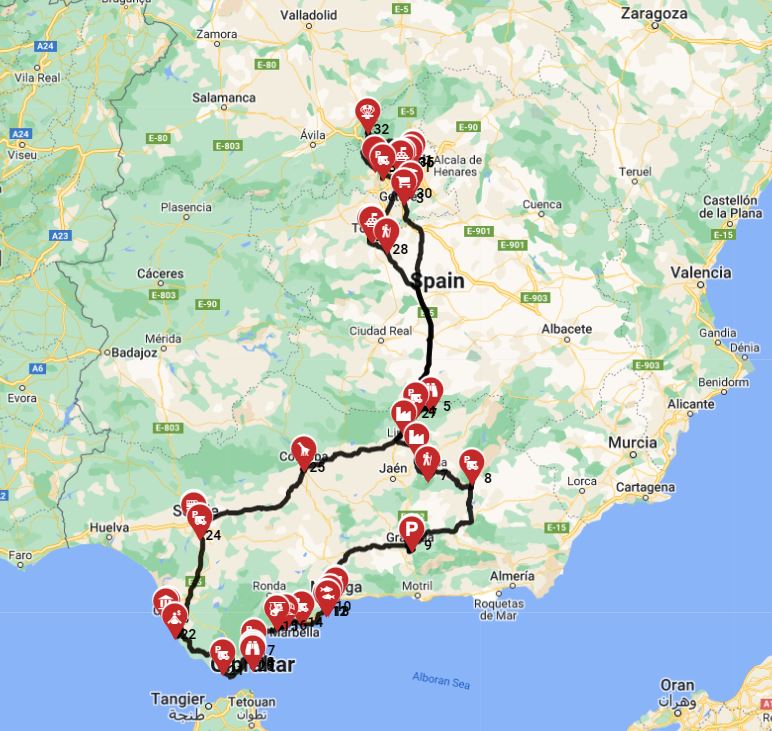
- Embark on a scenic drive through Andalusia's "White Villages" (Pueblos Blancos), stopping in charming towns like Ronda or Arcos de la Frontera for breathtaking views and local culture.
- Explore the Picos de Europa National Park in Northern Spain, known for its dramatic mountain scenery, hiking trails, and opportunities for wildlife spotting, with many smaller roads perfect for RV navigation.
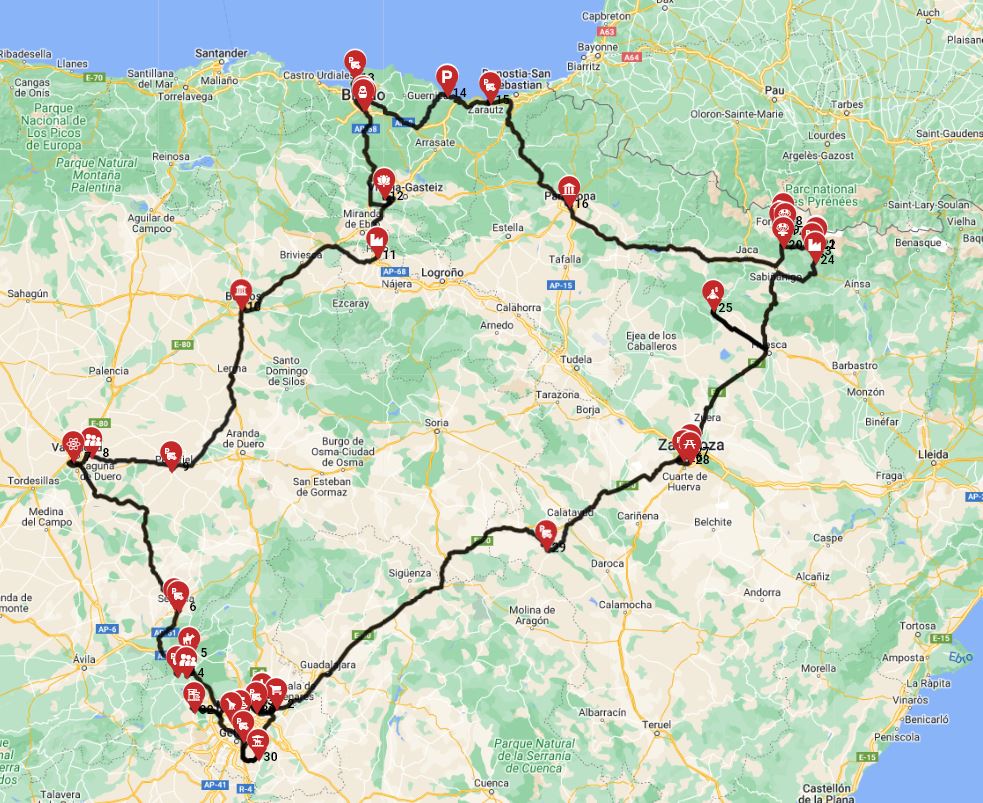
- Indulge in the wine regions of La Rioja or Ribera del Duero, visiting vineyards for tastings and enjoying the picturesque countryside, with numerous designated RV parking spots available near bodegas.
- Discover the unique volcanic landscapes of the Garrotxa region in Catalonia, perfect for RV exploration and hiking amidst ancient forests and dormant volcanoes.
- Experience the vibrant cities like Barcelona or Seville, utilizing peripheral parking and public transport to explore their historic centers and cultural attractions with your rented RV as a comfortable base.
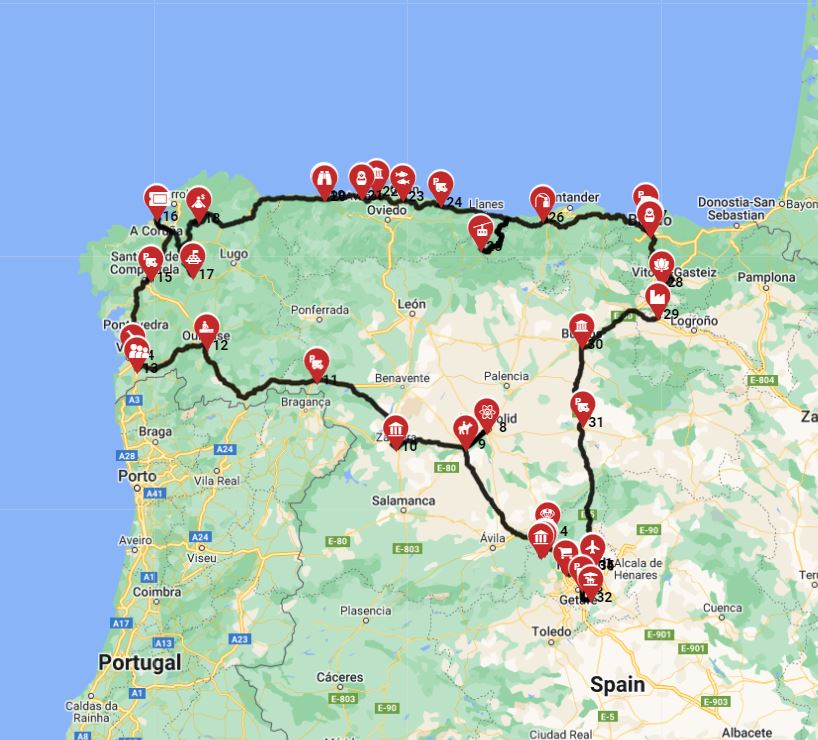
- Drive a portion of the dramatic coastline of Galicia or Asturias in Northern Spain, known for its rugged beauty, green mountains, and charming fishing villages – a refreshing contrast to the Mediterranean coast.
Final Thoughts
Renting an RV for a weekend trip in Spain offers a unique way to experience its diverse landscapes and vibrant culture at your own pace. From the winding roads of the north to the sun-drenched coasts of the south, a rented motorhome provides the freedom and flexibility to truly immerse yourself in the Spanish way of life. Embrace the adventure, travel slowly, and savor every moment of your journey.
With Bandana Caravan, planning your Spanish RV adventure is straightforward and transparent. We’re here to help you find the perfect vehicle for your needs, ensuring a memorable and hassle-free experience. Get inspired for your next trip and discover top destinations, planning tips, all in one place! Plan a trip itinerary in advance with minimal effort and maximum enjoyment.