Can You Drive an RV in San Francisco? License & Age Rules
Most standard RVs, typically those under 26,000 pounds Gross Vehicle Weight Rating (GVWR), can be driven in California with a regular Class C driver's license. Rental companies in San Francisco generally require drivers to be at least 21 years old, though some may have a minimum age of 25, particularly for larger vehicle classes or specific insurance policies. Foreign drivers will need a valid driver's license from their home country, and while not always mandatory, an International Driving Permit (IDP) is highly recommended by the California DMV for translation purposes. No special license category beyond a standard Class C is usually needed for recreational RV rentals, provided the vehicle meets the weight criteria.
Road Conditions & Terrain in San Francisco
San Francisco's terrain is famously hilly, featuring steep inclines and declines that require careful driving and appropriate gear selection for RVs. While many main roads are well-maintained, road quality can vary, with some streets presenting potholes or uneven surfaces that can be challenging for larger vehicles; driving slowly and carefully will help mitigate any impact. The city's dense urban environment means navigating narrow streets, frequent traffic, and many stop-and-go situations, all of which demand constant vigilance from RV drivers. Expect significant traffic congestion, especially during peak hours and on weekends, which can extend travel times considerably for RVs.
RV Size Limits, Bridges & Restricted Zones
While there are no blanket RV size bans in San Francisco, drivers must be highly aware of specific height and weight restrictions on certain roadways, tunnels, and parking garages. Most major bridges in the Bay Area, such as the iconic Golden Gate Bridge and the Bay Bridge, generally accommodate standard RV heights, but it's crucial to always observe posted signage. Be vigilant for low clearance bridges or tunnels on secondary roads; utilizing an RV-specific GPS or navigation app is highly recommended to avoid these potential hazards. Some areas may have designated environmental zones or specific residential districts with restrictions on oversized vehicles or requiring permits, so always look for local signage and be prepared to reroute if necessary.
Fuel: Diesel vs. Petrol & Cost per 100 km
Both diesel and petrol are widely available across the San Francisco Bay Area. Smaller RVs typically run on petrol, while larger Class C and Class A models often utilize diesel. Based on Bandana's fleet data, Class C - Alcove RVs commonly consume around 23 liters per 100 km (approximately 7-10 miles per gallon). Larger Class A - Integrated RVs in Bandana's fleet tend to average 30-45 liters per 100 km, indicating higher fuel costs. Considering average fuel prices in California for 2026, a Class C RV consuming 23 L/100km could cost approximately $37 per 100 km (assuming $1.60/liter petrol). A Class A RV, averaging 38 L/100km, could cost around $65 per 100 km (assuming $1.70/liter diesel). Some RV rentals may include fuel discount cards or offer access to loyalty programs, which can help offset the significant cost of fuel for a weekend trip. On the routes offered through RV PLANET routes, you can itemize and track every expense along the way for easy budgeting.
Tolls, Vignettes & Border Rules
San Francisco Bay Area bridges operate with cashless tolls, requiring electronic payment via FasTrak or online Pay-by-Plate methods; no vignettes are used in California for road usage. A FasTrak transponder is highly recommended for all RVs, as it provides the most convenient way to pay tolls and may offer discounts compared to manual processing. For multi-axle RVs, toll charges are often higher, and FasTrak automatically calculates these, simplifying payment and ensuring correct charges. If a FasTrak transponder is not used, tolls are processed via image recognition, and an invoice is typically mailed to the vehicle's registered owner (the rental company), who may then forward these charges to you with administrative fees. There are no vignettes or border rules to consider when driving an RV within California.
Driving Tips for weekend rv rental Travelers
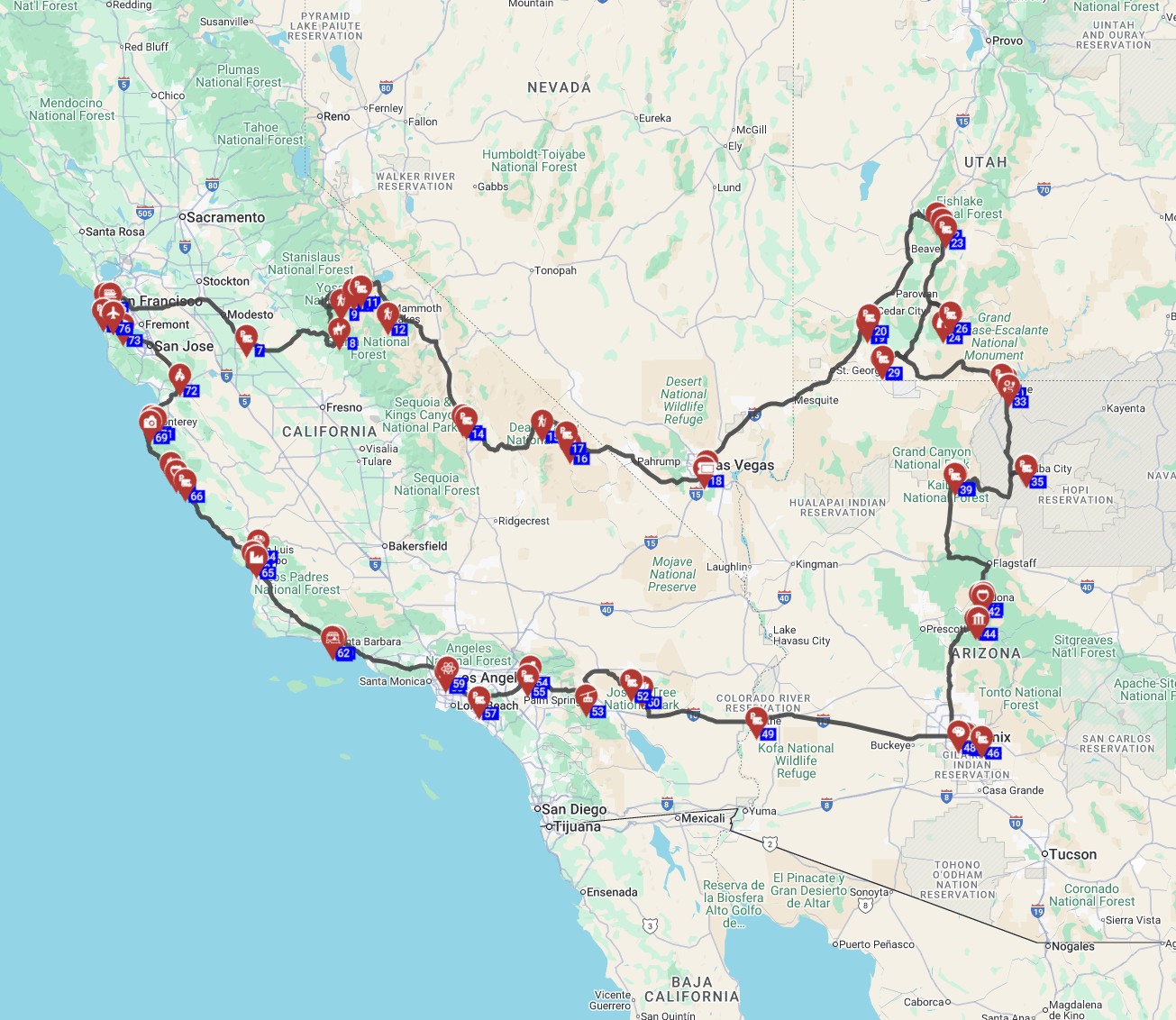
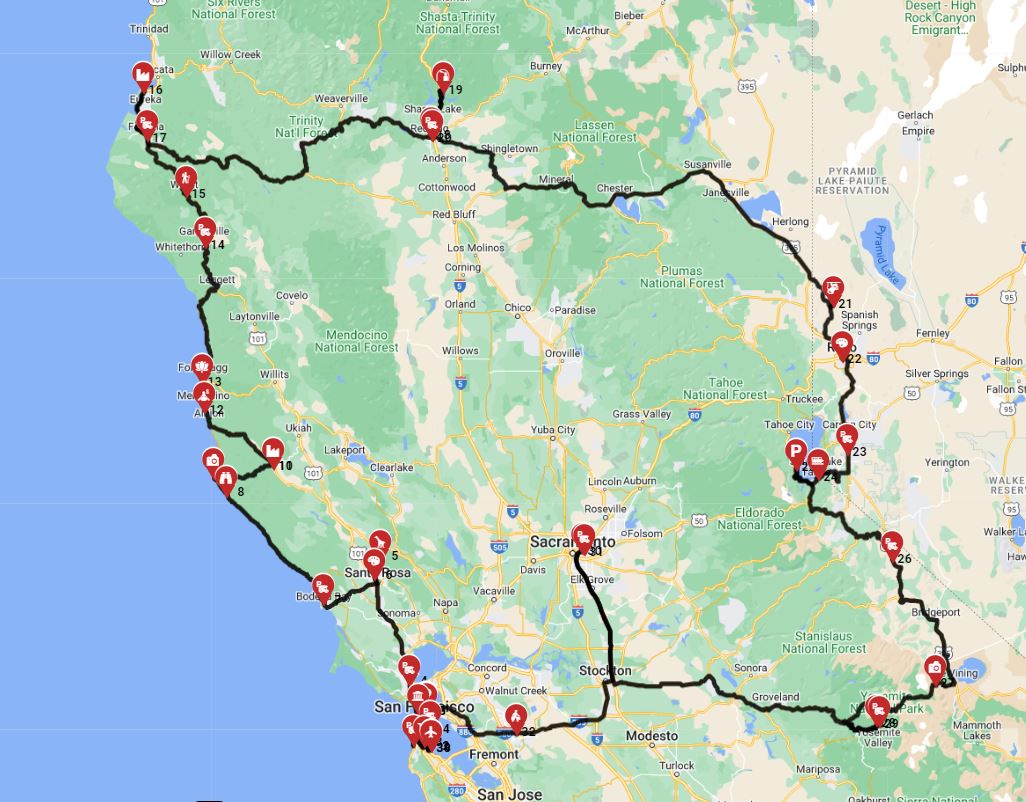
Plan your routes meticulously using RV-specific GPS to avoid San Francisco's steep hills, narrow streets, and areas with low clearance. Consider visiting during the shoulder seasons—spring or fall—to bypass the heaviest tourist crowds and traffic, making RV navigation more manageable. Always factor in extra travel time for all journeys, especially during peak hours, and be prepared for frequent stops in urban traffic. Practice safe hill driving techniques by using lower gears to control speed when descending and maintaining ample following distance. A great strategy is to utilize your rented RV as a comfortable base for exploring the wider Bay Area, perhaps visiting Napa Valley, Sonoma, Muir Woods, or the Pacific coastline, and then planning day trips into San Francisco itself via public transport.
FAQs About Renting an RV in San Francisco (SFO area)
How much does a motorhome rental cost in San Francisco?
The cost of renting an RV in San Francisco typically ranges from 70 to 150 per day for a Class C motorhome, depending on the season, rental duration, and specific vehicle amenities. Prices can fluctuate, so checking live availability through a comparison platform is recommended.
What is the minimum driver age for weekend RV rental in San Francisco?
The minimum driver age for RV rentals in San Francisco is typically 21 years old, though some suppliers may require drivers to be 25, especially for larger Class A motorhomes. Always check the specific rental company's policies when booking.
Can I pick up a weekend RV in San Francisco and return it in a different city?
Yes, one-way RV rentals are generally available from San Francisco with most suppliers. A drop-off fee may apply, depending on the route and the distance between the pickup and return locations.
Which campground near San Francisco is best for RVs with good transit access?
The San Francisco RV Resort in Daly City is a highly recommended option for RVs, offering convenient access to public transportation like BART and Muni, which easily connect you to downtown San Francisco.
What are the winter tire requirements when driving an RV from San Francisco?
California generally does not have mandatory winter tire requirements for RVs, even in mountainous areas, unless specific chain requirements are in effect due to severe weather. However, it's always wise to check road conditions and be prepared with appropriate tires for any potential winter travel.
Where is the nearest RV dump station to San Francisco Airport (SFO)?
The nearest dedicated RV dump stations are typically found at RV parks on the periphery of San Francisco, such as the San Francisco RV Resort in Daly City, or at larger truck stops and service centers along major roadways like I-80 or US-101.
Which are the most RV-friendly cities near San Francisco for overnight parking?
Cities like Pacifica, Daly City (home to the San Francisco RV Resort), and Oakland offer more RV-friendly parking and camping options, often with better access to public transit into San Francisco itself, compared to parking directly within the city.
How much does it cost to rent an RV in San Francisco (SFO area)?
Motorhome rental in San Francisco (SFO area), California typically starts around 30–50 $ US per night and can reach around 150–200 $ US per night.
When is it cheapest to rent an RV in San Francisco SFO area?
Among the upcoming quarters we sample, Jan–Mar 2027 is the cheapest: around 40–50 $ US per night for a one-week booking. This compares seasons with each other, so the lowest price for one specific date can be lower.
Is it cheaper per night to rent an RV in San Francisco SFO area for longer?
In our current weekly price samples for San Francisco SFO area, a one-month rental costs less per night than a one-week rental. Monthly rentals typically start around 30–50 $ US per night.