For live availability and current prices, start with our RV Rental Porto - Complete Guide 2026 guide.
In This Guide
- Can You Drive an RV in Porto? License & Age Rules
- Road Conditions & Terrain in Porto
- RV Size Limits, Bridges & Restricted Zones
- Fuel: Diesel vs. Petrol & Cost per 100 km
- Tolls, Vignettes & Border Rules
- Driving Tips for weekend rv rental Travelers
- Recommended RV Class for Porto Roads
- Should I Choose a Compact Van Instead of a Large RV in Porto?
- Can I Park Anywhere? Free & Wild Camping Rules in Porto
- Can I Drive an RV Into the City Center? Heights, Tunnels & Local Signage
- What is the 3-3-3 rule for RV?
- What are the camping rules in Portugal?
- What documents do I need to drive in Portugal?
- Is Portugal camper friendly?
- Is driving in Porto difficult?
- Are you allowed to sleep in your car in Portugal?
Can You Drive an RV in Porto? License & Age Rules
Most rental RVs under 3,500 kg can be driven in Portugal with a standard B license, making a week-long RV trip accessible to many drivers. For motorhomes exceeding 3,500 kg, a C1 or C category license is required, so always check the specific vehicle weight before booking. Rental companies typically enforce a minimum driver age of 21, and often require at least two years of driving experience, with no young driver surcharges for those 21 and over. Non-EU/EEA license holders usually need an International Driving Permit (IDP) in conjunction with their national license to drive legally in Portugal, although it is recommended for all non-Portuguese licenses. For live availability and current prices, start with our RV Rental Porto - Complete Guide 2024. Our true RV specialists are here to help you navigate these details, providing full transparency with no hidden fees or surprises.Road Conditions & Terrain in Porto
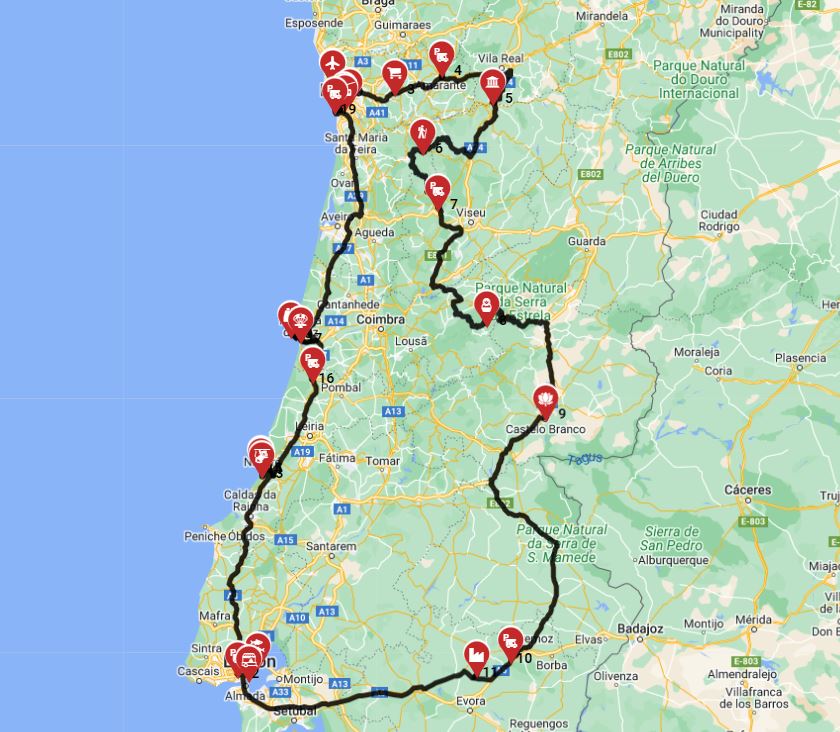
Porto's road conditions vary significantly, transitioning from well-maintained highways connecting to the city to steep, often cobbled, and narrow streets within its historic core. The region surrounding Porto offers good quality roads, particularly along the scenic Douro River and toward the coastal areas, but mountainous terrain to the east can present winding routes with sharp turns. Urban driving in Porto requires careful navigation due to dense traffic, intricate one-way systems, and limited space, especially for larger motorhomes. Drive slowly and carefully, and you can drive almost anywhere without issues in Porto, just use common sense and pay attention. For inspiration on exploring the area, consider our "Porto Roundtrip - Central Portugal Including Lisbon" route plan.RV Size Limits, Bridges & Restricted Zones
While Portugal does not impose a blanket maximum RV size limit, specific areas in Porto, particularly the historic center, have practical limitations due to narrow streets. Drivers of larger rented RVs must be vigilant for low bridges, tunnels, and narrow street entrances, checking navigation warnings and local signage to avoid issues. Porto's city center has many streets unsuitable for large vehicles, often restricted by width or weight, especially around popular tourist areas like the Ribeira district. Environmental zones (LEZ) are less prevalent for private vehicles in Porto compared to some other European cities, but travelers should always check for up-to-date local regulations on road signs. For detailed information on vehicle dimensions, check our guides like Luxury RV Rental in Porto - Premium Prices 2024 for options that fit your travel style.Fuel: Diesel vs. Petrol & Cost per 100 km
The vast majority of rental RVs in Porto operate on diesel fuel, which is readily available at petrol stations throughout Portugal. Bandana's Class SI - Semi-integrated RVs typically consume 9-13 L/100km, Class C - Alcove consume 10-14 L/100km, Class B - Camper Vans consume 9-11 L/100km, and Class A - Integrated RVs consume 11-12 L/100km. Assuming an average diesel price of €1.75 per liter, the cost per 100 km for a typical RV would range from approximately €15.75 to €24.50. This is a crucial aspect of overall trip budgeting, and you can itemize and track every expense along the way with RV PLANET routes for easy budgeting. Some RV rental companies may offer fuel discount cards or pre-paid fuel options, which can be beneficial for managing costs.Tolls, Vignettes & Border Rules
Portugal primarily uses an electronic toll system called Via Verde on its motorways, especially around Porto, with no traditional vignettes required for motorhomes. RV drivers are highly advised to obtain an electronic toll device (e.g., a Via Verde transponder), often available from rental companies, to avoid fines and simplify travel. Toll costs for RVs are generally higher than for standard cars, as they are often classified in a higher vehicle category based on height and axles. For an extended road trip that includes neighboring countries, there are no specific border rules for driving a rental RV between Portugal and neighboring Spain, beyond standard vehicle and personal identification requirements, making cross-border adventures easy. When planning your route, keep in mind that our 24/7 support is there before, during, and after your booking to answer questions about tolls and other travel logistics.Driving Tips for weekend rv rental Travelers
Planning your routes in advance is crucial, using RV-specific GPS or apps that account for vehicle dimensions to avoid Porto's narrow streets, low bridges, or restricted zones. For city center visits, it is best to park your rented RV on the outskirts of Porto (e.g., in Vila Nova de Gaia) or at a designated campsite, then use public transport (Metro, bus, tram) to explore the historic core. Be prepared for steep hills and cobblestone streets within Porto; slower speeds and increased braking distances are necessary. Utilizing electronic toll passes (Via Verde) will help you navigate Portugal's highways efficiently and avoid manual payment queues or potential fines. Travel slowly, max 100-150 km per day on average, to fully experience the culture, food, and scenery around Porto.Recommended RV Class for Porto Roads
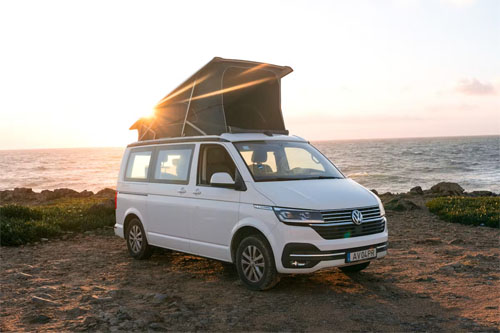
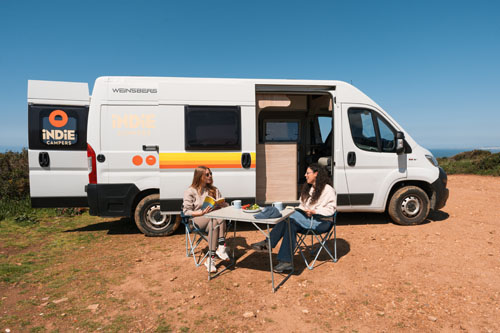
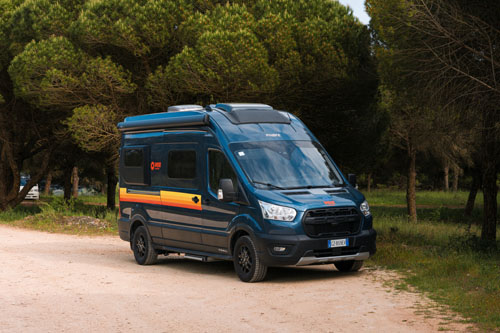
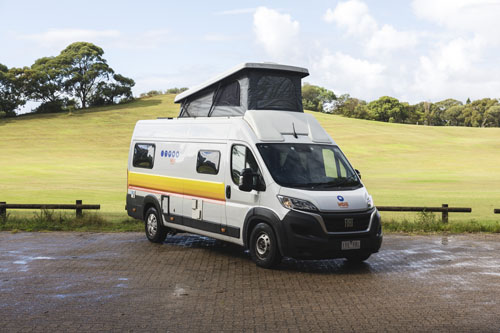
For a short RV adventure in Porto and its surrounding areas, Class B Camper Vans or Class SI Semi-integrated models offer an excellent balance of maneuverability and comfort. Class B Camper Vans, with an average length of 6.2 meters, are ideal for navigating tighter roads and finding parking more easily, making them suitable for exploring both urban fringes and rural areas. Bandana offers options like the "hire campervan example Paradise S/T" or the "Active Pop Top" which are great compact choices. Class SI Semi-integrated RVs, averaging 6.9 meters in length, provide more interior space and amenities while remaining manageable on most Portuguese roads and highways. While Class C Alcove (avg 7.1m) and Class A Integrated (avg 7.5m) offer greater space, like the "cruise america rv rental example Explorer" (7.1m long), their larger size might present more challenges in Porto's most congested or historic areas, so plan your routes carefully.Should I Choose a Compact Van Instead of a Large RV in Porto?
Choosing a compact campervan (Class B) offers superior maneuverability and easier parking in Porto's urban and historic areas compared to a larger motorhome. For example, a "Category Van" is much easier to navigate on narrow streets. However, larger RVs (Semi-integrated, Alcove, Integrated) provide significantly more living space, comfort, and amenities, which can be a valuable trade-off for a week-long trip, especially for families. For visiting Porto's city center, regardless of RV size, it is generally recommended to park outside the immediate core and utilize public transport. The decision often hinges on prioritizing either ultimate agility for navigating small villages (compact van) or enhanced indoor comfort and facilities for a more relaxed stay (larger RV). Remember, you can always upgrade to a top-level deductible for extra peace of mind, no matter your chosen vehicle size.Can I Park Anywhere? Free & Wild Camping Rules in Porto
Wild camping and unauthorized overnight parking in a rental RV are generally prohibited in Portugal, including around Porto, particularly after a law change in 2024. Designated motorhome service areas (áreas de serviço para autocaravanas or ASAs) and licensed campsites are the only legal options for overnight stays. Fines for illegal parking or wild camping can be significant, so it is crucial to adhere to local regulations and utilize official sites, such as Parque de Campismo da Madalena or Orbitur Angeiras to the north. Rules vary by region, so always check local regulations and follow local law before parking overnight, and always respect private property and environmental zones. For finding campsites and campgrounds during your trip, we recommend using RV PLANET (rvplan.net) - a great resource for locating available spots along your route.Can I Drive an RV Into the City Center? Heights, Tunnels & Local Signage
You can generally drive a rental RV into Porto's broader city area, but access to the historic center is highly restricted and not recommended for larger vehicles. Porto's historic core, including areas like the Ribeira, features extremely narrow, often one-way, and cobbled streets, steep inclines, and limited access for anything beyond small cars. Drivers must pay close attention to local signage indicating height limits for tunnels and car parks (such as Parque de Estacionamento Infante Dom Henrique), weight restrictions, and residents-only streets. The best strategy for RV travelers is to park at designated motorhome parking sites or campsites on the outskirts and use Porto's efficient public transport system to explore the city center. Drive slowly and carefully, and you can drive almost anywhere without issues. No need to stress - just use common sense and pay attention.What is the 3-3-3 rule for RV?
The 3-3-3 rule for RV travel is a widely adopted guideline encouraging a relaxed pace: drive no more than 300 miles (approximately 480 km) in a day. This allows for comfortable travel without feeling rushed or fatigued behind the wheel of your rented motorhome. The rule also suggests arriving at your destination by 3 PM, allowing ample time to set up camp, explore the immediate area, or relax. The third '3' advises staying for at least 3 nights at each location to fully experience the area without rushing, fostering a deeper connection to the culture, food, and scenery. This rule is particularly beneficial for a week-long RV rental in Porto, promoting a stress-free experience rather than constant driving. We recommend slow travel, aiming for max 100-150 km per day on average, to truly immerse yourself.What are the camping rules in Portugal?
In Portugal, camping outside of designated campsites or authorized motorhome service areas (ASAs) is generally prohibited, particularly since legal changes introduced in 2024. This law specifically targets unauthorized overnight stays in vehicles in unprotected coastal areas, natural parks like Parque Natural do Litoral Norte, and other classified environmental zones. Legal camping for your rented RV is restricted to licensed campsites that offer amenities like water, electricity, and waste disposal, or official ASAs designed for motorhomes. Violations can result in significant fines, so it is essential to plan your overnight stops at regulated sites around Porto. You'll find a spot; if not at the first campground, then the next one. Always call ahead before driving.What documents do I need to drive in Portugal?
To legally drive a rented RV in Portugal, you must possess a valid driver's license, which for most motorhomes under 3,500 kg (like a Class B Campervan or smaller Class C) is a standard Category B license. If your driver's license is not issued by an EU/EEA country, an International Driving Permit (IDP) is recommended in addition to your national license, though not strictly mandatory in all cases for short stays. Always carry your passport or national ID card, as well as the vehicle's registration documents and proof of insurance, which should be provided by your rental company. Ensure all documents are valid and readily accessible in case of a roadside check or incident, providing full transparency and peace of mind for your Porto adventure. Our 24/7 support ensures you have all necessary pre-booking information.Is Portugal camper friendly?
Portugal is widely considered very camper-friendly, offering a comprehensive network of dedicated motorhome service areas (ASAs) and campsites across the country, despite stricter wild camping regulations enacted in 2024. The country boasts diverse landscapes, from stunning coastlines to historic towns like Braga and Guimarães near Porto, and lush vineyards of the Douro Valley, making it ideal for RV exploration. Infrastructure for rented RVs, including service points for water, waste, and electricity, is well-developed in designated areas. The warm climate, welcoming locals, and scenic routes contribute to a positive experience for motorhome travelers exploring Portugal. Our extensive network of over 50 leading RV suppliers worldwide, including partners like Apollo and Britz, ensures you find the perfect campervan or motorhome for your journey. For planning your itinerary, consider the many pre-planned routes available through RV PLANET (rvplan.net).Is driving in Porto difficult?
Driving in Porto can indeed be challenging, especially within its historic center, due to a combination of narrow, winding, and often cobbled streets, and steep hills leading down to the Douro River. Traffic can be heavy, particularly during peak hours around Ponte Dom Luís I and Avenida dos Aliados, and navigating the one-way systems and pedestrian zones requires vigilance. Parking for any vehicle, let alone a rented RV, is extremely limited and costly in the city center, making it impractical for larger vehicles. For motorhome travelers, parking on the outskirts (such as at Parque de Campismo da Madalena) and utilizing Porto's efficient public transport network (Metro or tram along the riverfront) is strongly recommended to avoid navigational difficulties and parking woes. Drive slowly and carefully, and you can drive almost anywhere without issues. No need to stress - just use common sense and pay attention.Are you allowed to sleep in your car in Portugal?
Sleeping in your car in Portugal, if it constitutes unauthorized overnight parking or camping outside of designated areas, is generally prohibited under the same laws that restrict wild camping for RVs. The legislation, reinforced in 2024, aims to curb unregulated overnight stays in vehicles, especially in sensitive environmental and coastal regions like the Foz do Douro. While short rest stops might be tolerated in safe parking areas or service stations along the A1, prolonged overnight stays in non-designated spots can lead to fines. For a legal and safe overnight stay during your rented RV trip, it is always best to use official campsites or motorhome service areas around Porto, ensuring a restful and compliant experience.🎬 Video coming soon
What You Shouldn't Miss
- **Explore the Ribeira District:** Park your rented campervan on the outskirts and take public transport to Porto's colorful Ribeira district, a UNESCO World Heritage site, for a stroll along the Douro River, enjoying local food and vibrant street life.
- **Wine Tasting in Vila Nova de Gaia:** Cross the lower deck of the Dom Luís I Bridge to Vila Nova de Gaia, where many Port wine cellars offer tours and tastings. Some, like Taylor's or Graham's, might even have designated RV parking nearby, offering a unique experience. You can also whip up a delicious meal in your RV's kitchen using fresh local ingredients, inspired by our RV-friendly recipes playlist.
- **Coastal Drive to Matosinhos:** Take a short scenic drive in your rented motorhome along the Atlantic coast to Matosinhos for fresh seafood straight from the fishing boats. There are RV-friendly parking areas available, making it a perfect day trip.
- **Douro Valley Excursion:** Embark on an extended road trip into the stunning Douro Valley, a UNESCO-listed region renowned for its terraced vineyards. Many quintas offer overnight RV parking, allowing you to wake up to breathtaking views after a wine experience.
- **Conquer Parque Natural Litoral Norte:** Head north in your rented campervan to the Parque Natural Litoral Norte, a protected coastal area perfect for hiking, birdwatching, and enjoying pristine beaches, with several well-equipped campsites available.
- **Looking for expert insights from Avi Bandana? Top 5 Adventures - recommendations from Avi Bandana**
Final Thoughts
An RV adventure in Porto offers a unique blend of urban charm and breathtaking Portuguese landscapes. Whether you're navigating the historic streets with a compact campervan or exploring the wider region in a comfortable Class C motorhome, careful planning and attention to local driving conditions will ensure a memorable trip. With the flexibility of a rented RV, you have a mobile headquarters to discover everything from the Douro Valley vineyards to the stunning Atlantic coastline at your own pace. Remember, Bandana Caravan is with you every step of the way, from comparing prices for your perfect RV rental in Porto to coordinating your booking. We are true RV specialists, dedicated to making your travel dreams come true with full transparency and dedicated support. So, imagine yourself on the route, savoring local flavors, and soaking in the beauty of Northern Portugal. Why wait? Start planning your incredible journey today! Find Motorhome Rentals in PortoOn the routes offered through RV PLANET routes, you can itemize and track every expense along the way for easy budgeting.