In This Guide
- Can You Drive an RV in Namibia? License & Age Rules
- Road Conditions & Terrain in Namibia
- RV Size Limits, Bridges & Restricted Zones
- Fuel: Diesel vs. Petrol & Cost per 100 km
- Tolls, Vignettes & Border Rules
- Driving Tips for Weekend RV Rental Travelers
- Recommended RV Class for Namibia Roads
- Should I Choose a Compact Van Instead of a Large RV in Namibia?
- Can I Park Anywhere? Free & Wild Camping Rules in Namibia
- Can I Drive an RV Into the City Center? Heights, Tunnels & Local Signage
- What RV Practicalities Do I Need to Know for Namibia – Water, Waste, Power, Internet?
- How to Ensure Wildlife Safety During Your RV Trip in Namibia?
- How to Practice Sustainable and Responsible RV Travel in Namibia?
- What Emergency Preparedness is Needed for Remote RV Travel in Namibia?
- Where are Off-the-Beaten-Path RV Routes and Unique Campsites in Namibia?
- What are Key Cultural Etiquette Tips for RVers in Namibia?
- What is the Detailed Cost Breakdown for an RV Trip in Namibia?
Can You Drive an RV in Namibia? License & Age Rules
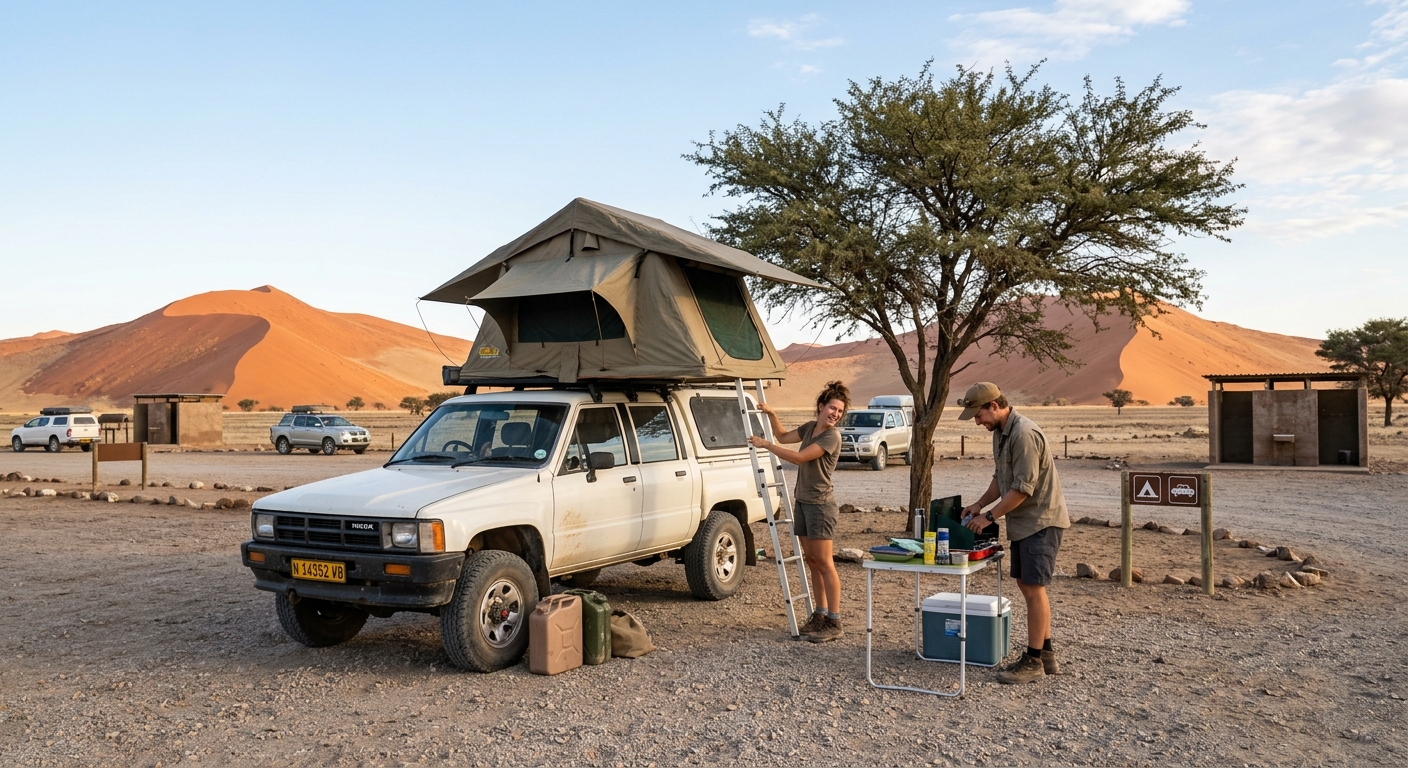
Yes, with a rented RV, you can absolutely explore Namibia's incredible landscapes. International visitors generally require a valid domestic driver's license along with an International Driving Permit (IDP) for most standard RV classes available through Bandana. RVs in Namibia typically fall under categories B (up to 3,500 kg GVM) or C1 (3,500-7,500 kg GVM), depending on the specific vehicle's Gross Vehicle Mass. The minimum age for RV rentals in Namibia is usually 21 years old, though this can vary slightly by supplier, and it’s always recommended to carry your original driver's license, IDP, and passport while driving.
For finding current prices and comparing options, start with our RV Rental Namibia - Complete Guide 2026 guide. Understanding these requirements upfront ensures a smooth start to your Namibian adventure, allowing you to focus on the stunning scenery and the freedom of the open road.
Road Conditions & Terrain in Namibia
Namibia's road network presents a unique mix: you'll encounter well-maintained tar roads on major tourist routes, but also an extensive system of gravel roads, sand tracks, and occasional salt pans. Gravel roads can vary significantly – they might be corrugated, dusty, or rocky. Therefore, maintaining slower speeds, typically between 60-80 km/h, is crucial not only for preventing accidents and tire damage but also for allowing you to better appreciate the breathtaking scenery.
Choosing the right RV is important; while some larger RVs are manageable on main routes, consider vehicles that offer good ground clearance. Tire care is paramount on gravel surfaces, so understanding appropriate tire pressure for different surfaces and knowing basic recovery techniques for sandy patches will be invaluable. Remember, driving slowly isn't just about safety; it's about soaking in the vast landscapes and being prepared for unexpected encounters with wildlife or sudden changes in road conditions.
If you're seeking budget-friendly options, our Cheap RV Rental in Namibia - Budget Guide 2026 can help you find suitable vehicles.
RV Size Limits, Bridges & Restricted Zones
When planning your RV adventure in Namibia, you'll be pleased to know that most common RV sizes are well-accommodated on the country's primary tourist routes. Specific height or weight restrictions that would significantly limit standard RVs are rare on these main roads. However, always exercise caution and be aware of potential limitations in certain national parks or more remote protected areas, which might feature narrower tracks or specific vehicle regulations.
For instance, while most national park roads are manageable, some of the more rugged tracks may be better suited to smaller, more agile RVs or those with higher ground clearance. There are generally no low bridges or tunnels on the main tourist routes that would typically restrict standard RV heights. It’s always prudent to check specific park entry requirements, as some eco-sensitive zones might have particular vehicle type restrictions, especially for off-road capabilities. For more detailed planning, explore our Namibia RV Rental - Prices and Best Deals 2026 guide.
Fuel: Diesel vs. Petrol & Cost per 100 km
Diesel is the predominant fuel type for Bandana's RV fleet in Namibia, and it's widely available at service stations across the country. However, it's essential to plan ahead, as availability can be sparse in more remote areas. For example, Class B camper vans typically consume between 8-10 Liters/100 km, making them quite fuel-efficient. Larger RVs, such as Class TC Truck Campers, might consume between 12-17 Liters/100 km. As a general rule for Bandana's global fleet, fuel consumption for RVs can range from 8-17 Liters/100 km depending on the RV class and driving conditions.
You should budget for higher fuel costs per 100 km compared to smaller passenger vehicles. Factor in fluctuating pump prices and the necessity to refuel whenever you have the opportunity, especially when venturing into remote regions. To get a clearer picture of your potential expenses, consider using our Cheap RV Rental in Namibia - Budget Guide 2026 for cost-saving tips. On the routes offered through RV PLANET routes, you can itemize and track every expense along the way for easy budgeting.
Tolls, Vignettes & Border Rules
Namibia currently does not implement a system of tolls or vignettes on its national road network, which simplifies travel within its borders and adds to the freedom of your RV journey. This means you won't encounter any unexpected charges for using the main roads. However, if your Namibian adventure includes crossing borders into neighboring countries such as South Africa or Botswana, be prepared for standard customs and immigration procedures.
Cross-border travel may require specific vehicle import permits, special insurance coverage, and potentially road taxes or carbon levies, which should be thoroughly researched in advance of your trip. Bandana does not currently offer pre-purchased toll passes for Namibia, as they are not required for domestic travel.
Driving Tips for Weekend RV Rental Travelers
Embarking on an RV rental in Namibia requires a few key considerations for a safe and enjoyable journey. First and foremost, Drive Slowly & Safely. Reduce your speed, especially on gravel roads, to prevent accidents, minimize tire damage, and ensure better control of your rented RV. Expect wildlife and livestock on the roads at any time, so Animal Awareness is paramount; it’s best to avoid night driving altogether to significantly minimize collision risks.
Effective Fuel & Water Management is critical. Plan your routes meticulously, always carry extra water, and refuel your RV whenever possible in remote regions where stations are scarce. Ensure your RV is equipped with a comprehensive Emergency Preparedness kit, including a first-aid kit, basic recovery gear for potential sand traps or flat tires, and reliable communication tools, as mobile signal can be unreliable in vast areas. Finally, Respect Local Culture & Environment by sticking to marked roads, disposing of waste responsibly, and engaging respectfully with the local communities you encounter.
For those considering a shorter trip, explore our Weekly RV Rental in Namibia - Pricing 2026 for relevant information.
Recommended RV Class for Namibia Roads
Navigating Namibia's diverse terrain is best managed with the right RV. For a balance of maneuverability and comfort on both paved and gravel roads, Class B (Camper Van) and Class SI (Semi-integrated) RVs from Bandana's fleet are excellent choices. A Class B Camper Van, typically around 5.8 meters in length and consuming 8-10 Liters/100 km, offers agility and reasonable ground clearance, suitable for varied tracks and usually accommodating up to 3.2 people.
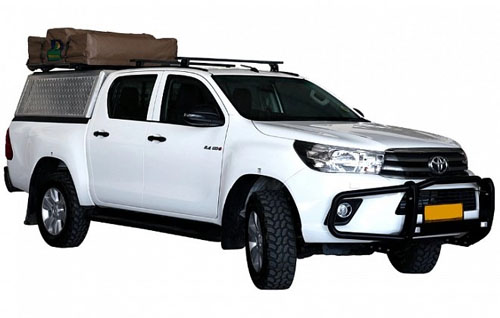
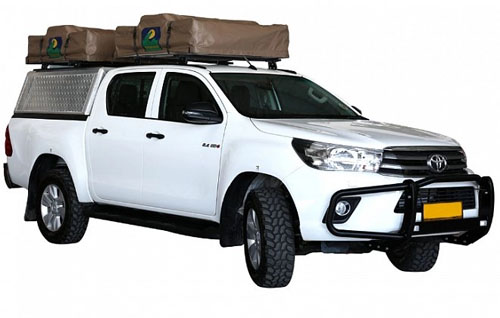
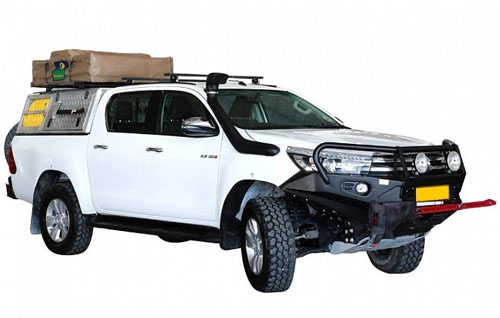
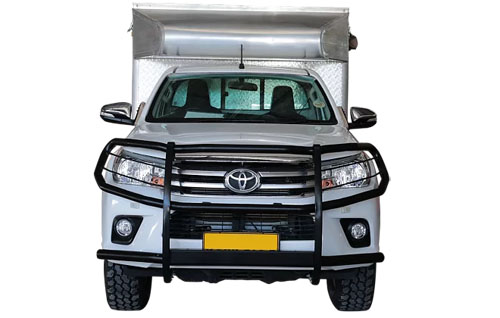
For more interior space and enhanced comfort, Class SI Semi-integrated RVs, averaging 6.9 meters in length and consuming 10-11 Liters/100 km, provide ample living amenities for up to 3.8 people while remaining manageable on gravel roads. If your itinerary includes more rugged, off-the-beaten-path adventures, consider a Class TC (Truck Camper). These vehicles, averaging 5.5 meters in length and consuming 12-17 Liters/100 km, often provide robust 4x4 capabilities and higher ground clearance, typically sleeping 2.4 people, making them ideal for exploring more remote destinations.
Should I Choose a Compact Van Instead of a Large RV in Namibia?
The decision between a compact van and a larger RV in Namibia largely depends on your travel style and intended destinations. A larger RV generally provides superior comfort, more living space, and crucial onboard facilities like ample water, waste storage, and power systems, which are vital for self-sufficient travel in Namibia's remote areas. While compact vans, such as Class B Camper Vans, offer greater agility and easier parking, most main Namibian routes are wide enough to comfortably accommodate standard RV sizes.
The choice essentially balances the desire for extensive off-road exploration, where a compact, high-clearance van might excel, against the enhanced comfort and amenities of a larger RV. For extended trips or family travel, the additional space and facilities of a larger motorhome often outweigh the maneuverability advantages of a compact van. If you're exploring our Family RV Rental in Namibia - Pricing Guide 2026, you'll find options that cater to both needs.
Can I Park Anywhere? Free & Wild Camping Rules in Namibia
Wild camping or free camping is generally prohibited across Namibia. This restriction is particularly strict within national parks, game reserves, and on private farmlands. Visitors are required to utilize designated campsites, which are plentiful and often well-equipped, or stay at established lodges. Adhering to these designated camping areas is crucial for ensuring your safety, minimizing environmental impact in fragile desert ecosystems, and respecting local land ownership and regulations.
Rules can vary by region, so it's always advisable to check local regulations and confirm overnight parking legality before settling down. Following these guidelines ensures responsible travel and helps preserve Namibia's pristine natural beauty. For those seeking unique accommodations, exploring community-run conservancy campsites in areas like Damaraland can offer a more authentic experience.
Can I Drive an RV Into the City Center? Heights, Tunnels & Local Signage
Yes, RVs can generally be driven into major Namibian city centers, such as Windhoek, without encountering significant height or tunnel restrictions. The primary infrastructure is designed to accommodate larger vehicles on main thoroughfares. However, drivers should remain vigilant for local signage that might indicate specific parking regulations, streets designated for residents only, or occasional low overhead structures, particularly in older or more densely built-up areas.
Parking a larger RV within congested city centers can present challenges. It’s often more practical to utilize peripheral parking areas and then explore the city center via taxi, public transport, or on foot. You’ll find that environmental zones are not typically a concern for RVs in Namibian cities, allowing for greater freedom of movement within urban areas.
What RV Practicalities Do I Need to Know for Namibia – Water, Waste, Power, Internet?
When traveling by RV in Namibia, practical considerations like water, waste, power, and connectivity are key. Water sourcing requires careful planning; you’ll need to refill at designated campsites or larger towns, and it's crucial to conserve water strictly as it's a precious resource in the desert environment. For waste disposal, always utilize the designated grey and black water dump stations found at campsites; never dispose of waste in natural environments to protect the fragile ecosystems.
Power management will primarily rely on your RV's solar panels and auxiliary batteries for off-grid power. Generators can be used responsibly where permitted, and 220V hookups are common at established campsites. Regarding internet connectivity, mobile data is available via local SIM cards in populated areas but drops significantly in remote regions; consider satellite communication for emergencies if your itinerary takes you far off the beaten path. Finally, remember that local provisions like food and essentials are best stocked up in larger towns like Windhoek or Swakopmund, as smaller settlements offer very limited supplies.
For a deeper dive into planning, explore our Luxury RV Rental in Namibia - Premium Prices 2026 for insights on higher-end amenities.
How to Ensure Wildlife Safety During Your RV Trip in Namibia?
Namibia is renowned for its incredible wildlife, and ensuring your safety during an RV trip is paramount. Maintain constant vigilance, especially at dawn and dusk when animals are most active. When choosing campsites, opt for fenced locations when available, and always ensure all doors and windows are securely closed, particularly at night, to deter curious visitors.
Proper food management is crucial; store all food inside the RV, sealed, and never leave garbage or food scraps outside, as this invariably attracts animals. If an animal crosses your path while driving, slow down or stop and allow it to pass; never approach or provoke wildlife. Most importantly, strictly avoid night driving, as it drastically increases the risk of collisions with animals and makes navigation hazardous.
How to Practice Sustainable and Responsible RV Travel in Namibia?
Practicing sustainable and responsible RV travel in Namibia is essential for preserving its unique natural beauty and supporting local communities. Adhere strictly to 'Leave No Trace' principles by taking all waste with you and staying on marked roads to protect fragile desert ecosystems. Be mindful of your consumption of resources like water and energy, as these are particularly scarce in Namibia's arid environment.
Engage in ethical community interactions by seeking permission before photographing people, dressing respectfully in rural areas, and learning basic greetings in local languages. When purchasing crafts, buy directly from the creators or reputable community initiatives to support local economies. By familiarizing yourself with basic cultural norms and etiquette, you foster positive relationships with Namibia's diverse communities, like the Himba and San people.
What Emergency Preparedness is Needed for Remote RV Travel in Namibia?
For remote RV travel in Namibia, thorough vehicle preparedness is non-negotiable. Ensure your rented RV is equipped with a full spare tire (or ideally two), a tire repair kit, an air compressor, basic tools, jump cables, and extra fuel and water containers. For medical emergencies, pack a comprehensive first-aid kit, any personal medications, and familiarize yourself with basic wilderness first aid; identify the nearest medical facilities along your planned route.
Communication tools are vital; a satellite phone or a GPS tracker with two-way communication is highly recommended for areas with no mobile network coverage. Keep a readily accessible list of local emergency services, your rental company's contact information, and your embassy's details. Sharing a detailed itinerary of your travel plan with a reliable contact person who can raise an alarm if you don't check in as planned is also a critical safety measure.
Where are Off-the-Beaten-Path RV Routes and Unique Campsites in Namibia?
To truly experience Namibia's less-traveled paths, consider exploring regions like the Kunene or Zambezi (Caprivi Strip) for distinct cultural and wildlife encounters. These areas often feature tracks that are more suited to capable RVs and offer a more immersive experience.
Seek out community-run conservancy campsites, which are prevalent in areas like Damaraland or the Kaokoveld. These campsites provide unique cultural immersion opportunities and directly support local communities, offering a more authentic stay. Discovering private reserves or lesser-known entry points to national parks can also provide a more secluded RV experience, though these often require advance booking. Researching local specialized tour operators can also be beneficial for advice on suitable tracks and hidden gems not typically found in mainstream guides. For those with capable vehicles, consider tracks suitable for 4x4-equipped RVs, such as certain Class TC Truck Campers, for true wilderness exploration.
What are Key Cultural Etiquette Tips for RVers in Namibia?
Namibia is a country of diverse cultures, and respecting local customs is essential for a positive travel experience. Always respect privacy by asking for permission before taking photographs of individuals, especially those from indigenous groups like the Himba or San people, who are often protective of their image.
When visiting traditional or rural areas, dress modestly to show respect for local customs and sensibilities. Learning a few basic greetings in local languages, such as 'Moro' (a common greeting in Oshiwambo), can significantly enhance your interactions and open doors to more friendly exchanges. Be sensitive to differing customs and avoid making judgments about practices that may seem unfamiliar. When purchasing local crafts, make an effort to buy directly from the creators or reputable community initiatives to ensure fair trade and support.
What is the Detailed Cost Breakdown for an RV Trip in Namibia?
An RV trip in Namibia involves several key cost components beyond the initial rental fee. RV Rental Fees are the primary expense, varying significantly based on the RV class, rental duration, and the season (e.g., Class B camper vans are typically less expensive than larger Class A motorhomes). Fuel Costs represent another significant expense, especially for larger RVs that consume 8-17 Liters/100 km, and you must account for fluctuating pump prices and the need to refuel frequently in remote areas.
Don't forget to budget for Park Entry Fees, which are charged daily per person and per vehicle for national parks like Etosha and Namib-Naukluft. Campsite Fees can range from budget-friendly community sites to more luxurious private lodges, directly impacting your nightly expenses. Additionally, factor in Activity Costs for optional excursions such as guided game drives, quad biking, desert tours, or cultural village visits. Finally, estimate your budget for Food & Supplies, as dining out options are limited in remote areas; always include a contingency fund (10-15% of your total budget) for unexpected repairs or emergencies.
To help manage these costs, consider leveraging RV PLANET routes, where you can itemize and track every expense along the way for easy budgeting.
What You Shouldn't Miss
- Etosha National Park: Experience unparalleled game viewing opportunities, especially around waterholes, from the comfort of your RV.
- Sossusvlei & Deadvlei: Witness the iconic red sand dunes and ancient, fossilized trees in the Namib-Naukluft National Park.
- Swakopmund & Walvis Bay: Explore coastal towns offering adventure activities, marine tours, and a unique German-influenced culture.
- Damaraland: Discover ancient rock art, desert-adapted elephants, and dramatic desert landscapes, often requiring more robust RV capabilities.
- Fish River Canyon: Marvel at the second-largest canyon in the world, offering stunning vistas, especially at sunrise and sunset.
- The Kalahari Desert: Experience the vast red sands and unique flora and fauna, with opportunities for cultural interactions with the San people.
Final Thoughts
Renting an RV in Namibia offers an unparalleled way to experience its vast and varied landscapes. From the stark beauty of the Namib Desert to the wildlife-rich plains of Etosha, your mobile home provides the ultimate freedom and flexibility.
Remember to plan ahead, pack smart, and embrace the spirit of adventure. By understanding the road conditions, respecting the environment, and preparing for the practicalities, you're set for an unforgettable journey across this captivating country. Happy trails!
Ready to plan your Namibian RV adventure? Explore your options and compare rental prices today!