In This Guide
- Can You Drive an RV in Denver? License & Age Rules
- Road Conditions & Terrain in Denver
- RV Size Limits, Bridges & Restricted Zones
- Fuel: Diesel vs. Petrol & Cost per 100 km
- Tolls, Vignettes & Border Rules
- Driving Tips for rv rental Travelers
- Recommended RV Class for Denver Roads
- Can I Park Anywhere? Free & Wild Camping Rules in Denver
- RV Services in Denver: Dump Stations, Propane, and Repairs
- Exploring Denver City Attractions with Your RV: Parking & Transit
Can You Drive an RV in Denver? License & Age Rules
Yes, you can absolutely drive a rented RV in Denver with a standard driver's license. For most rental motorhomes, including popular Class C and Class B models, your regular car license (a Class R in Colorado) is all you need, provided the vehicle's Gross Vehicle Weight Rating (GVWR) is under 26,001 pounds. This covers virtually every motorhome and campervan available for rent, so there's no need to worry about obtaining a special Commercial Driver's License (CDL).
The minimum age to rent a motorhome in Denver is 21. Unlike many car rental companies, our partners do not impose restrictive policies or surcharges on younger drivers, opening up the road to more adventurers. You will need to have held your valid driver's license for at least one year. For international travelers visiting from non-English-speaking countries, we recommend carrying an International Driving Permit (IDP) alongside your national license. While not always legally mandatory, it serves as a helpful, standardized translation for authorities and can simplify the rental pickup process. Getting behind the wheel is straightforward, letting you focus on the incredible journey ahead.
Road Conditions & Terrain in Denver
The road conditions around Denver are a fantastic mix of well-maintained urban highways and breathtaking mountain passes, perfect for exploring in a rented RV. In the city itself, you'll find standard multi-lane roads and interstates like I-25 and I-70 that are easy to navigate. The key is simply to drive slowly and carefully; with common sense and attention to your surroundings, you can drive almost anywhere without issues. There's no need to stress about the size of your rented mobile home. Just give yourself extra space for turns and braking, and you’ll be cruising with confidence.
As you head west from Denver, the terrain transforms dramatically. The iconic drive on I-70 into the Rocky Mountains involves steep grades and long descents. When going downhill, shift into a lower gear to let the engine assist with braking, rather than relying solely on the brakes, to prevent overheating. The altitude can also affect engine performance, so a slow and steady pace is your best friend. Many scenic byways or roads leading to more remote campgrounds might be gravel, but they are generally well-maintained and perfectly manageable in a rented camper. Just take your time and enjoy the stunning scenery that unfolds around every bend.
RV Size Limits, Bridges & Restricted Zones
There are no general size limits in Denver or Colorado that would prevent you from driving a standard rental motorhome. All major highways, including I-25 and I-70, are built to accommodate large commercial trucks, meaning any Class A, B, or C motorhome will fit comfortably. The most important thing is to be aware of your vehicle's specific height, which will be clearly marked inside your rental. Always keep an eye out for posted clearance signs on lower bridges or overpasses, especially if you venture off main roads into older parts of the city or onto smaller county roads.
Navigating Denver is very manageable. The city does not have any low-emission or environmental zones that restrict RV access, so you are free to drive into the city center. When driving in urban areas, simply pay attention to local signage, drive with care, and use a good navigation app. Finding parking downtown can be the biggest challenge, so many travelers prefer to park at a campground like the one at Cherry Creek State Park and use the city's excellent RTD light rail to explore downtown attractions. This gives you the best of both worlds: a comfortable home base and stress-free city touring.
Fuel: Diesel vs. Petrol & Cost per 100 km
Rental motorhomes in Denver are available with both petrol (gasoline) and diesel engines, and you'll find fuel stations for both types conveniently located throughout the metro area and along all major highways. Generally, Class C motorhomes, a popular choice for families, are most commonly equipped with petrol engines. Larger Class A motorhomes and some campervans might have diesel engines, which can provide better torque for climbing steep mountain roads. Your rental supplier will specify the fuel type for your vehicle, and it's also clearly marked at the fuel cap.
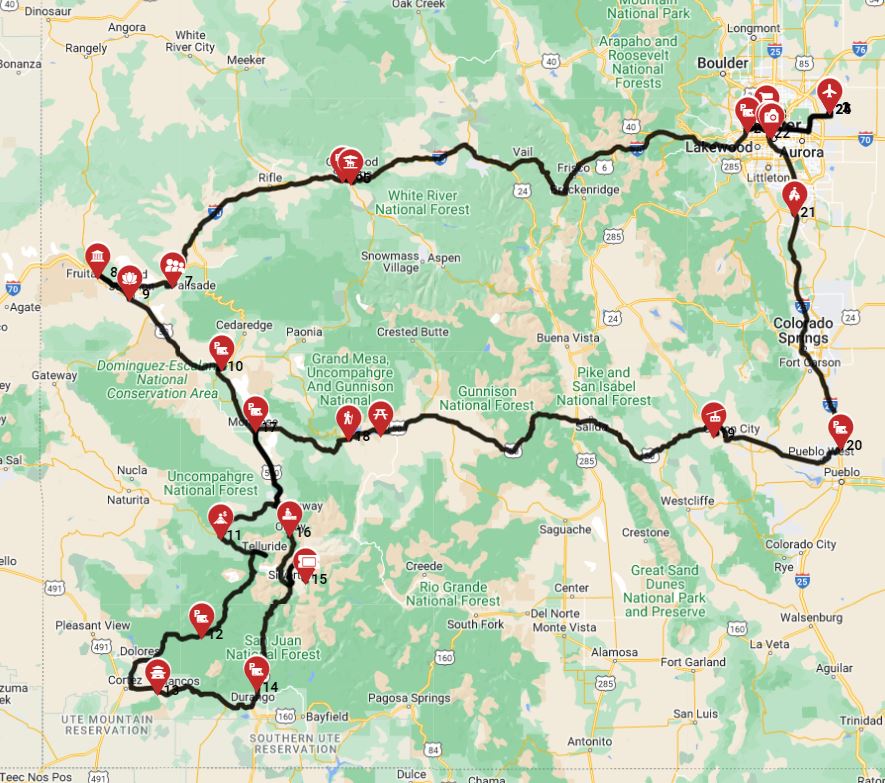
When budgeting for your trip, fuel will be a significant consideration. Based on our fleet data, a typical Class C rental motorhome has an average fuel consumption of about 23 liters per 100 kilometers (7-10 miles per gallon). To estimate your costs, you can map out your intended route and check current fuel prices, which fluctuate daily just like airline tickets. For an easy way to manage all your trip expenses in one place, the pre-planned RV PLANET routes allow you to itemize and track every cost along the way, from fuel and campground fees to groceries and activities, taking the guesswork out of budgeting. For travelers looking for ways to save, our Cheap RV Rental in Denver - Budget Guide 2026 offers more detailed tips on managing expenses. On the routes offered through RV PLANET routes, you can itemize and track every expense along the way for easy budgeting.
Tolls, Vignettes & Border Rules
When driving your rented RV around Denver, you will likely encounter toll roads, as vignettes are not used in the United States. The main toll loop around the city is E-470, which provides a convenient bypass around downtown traffic and connects to Denver International Airport (DIA). Other toll roads include the Northwest Parkway and express lanes on major highways like I-25 and US 36. These roads use an all-electronic tolling system, meaning there are no cash booths. Cameras capture the vehicle's license plate, and a bill is mailed to the registered owner.
It is crucial to discuss the toll policy with your RV rental provider before you start your journey. Many suppliers, like Cruise America and El Monte, equip their vehicles with toll transponders or have an automated billing system in place. They will typically bill you for the tolls you incur, sometimes with a small administrative fee. This is the easiest and most transparent way to handle tolls and helps you avoid higher pay-by-plate rates or potential fines. Since Denver is in the heart of the country, international border crossings are not a factor for typical trips starting from this location.
Driving Tips for rv rental Travelers
Driving a rented motorhome, especially for the first time, is an exciting part of the adventure, and a few key tips will make your Colorado journey smooth and safe. First, always travel slowly. We recommend an average pace of just 100-150 km per day. This not only makes driving more relaxed but also gives you the time to truly feel the places you visit, connect with the local culture, and savor the incredible scenery. Remember that your rented RV is heavier and taller than a car, so it requires more time to stop and wider turns. Always maintain a safe following distance from the vehicle in front of you.
🎬 Video coming soon
Second, be prepared for Colorado's unique conditions. The high altitude can affect both you and your vehicle, so take it easy for the first day or two. Weather can change in an instant, especially in the mountains; a sunny afternoon can quickly turn into a hailstorm or even a brief snow flurry in the summer. Check the forecast daily and be flexible with your plans. Finally, when descending steep mountain passes, always shift to a lower gear (typically '2' or '1' on an automatic transmission) to let the engine help with braking. This simple technique prevents your brakes from overheating and ensures you stay in complete control. For more in-depth advice, check out our RV Travel Guide to Denver - Tips and Top Spots 2026.
Recommended RV Class for Denver Roads
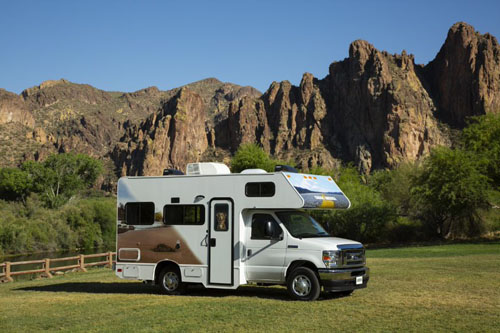
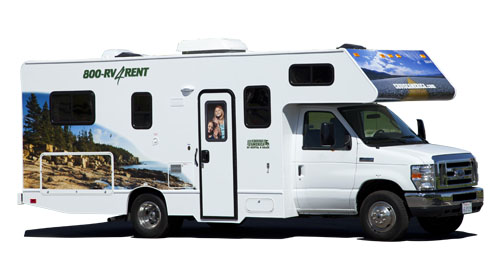
For exploring Denver and the majestic Rocky Mountains, a Class C motorhome is an excellent and highly recommended choice for most travelers. These vehicles, which often feature an alcove bed over the driver's cab, offer the perfect balance of spacious living quarters and manageable driving size. They are large enough to comfortably accommodate families with sleeping for up to 6 or 7 people, a full kitchen, and a bathroom, yet they are nimble enough to navigate city streets and mountain roads with confidence. You get the comfort of a home on wheels without the intimidation of a larger vehicle. For ideas you can prep on the road, watch our RV-friendly recipes playlist on YouTube.
For couples or solo travelers, a Class B campervan is another fantastic option. These vans are the most agile and easiest to drive and park, making them ideal for those who prioritize maneuverability for exploring tight mountain roads or finding parking in bustling towns like Boulder or Golden. While more compact, they still pack in all the essentials. For those seeking the ultimate in comfort and space and planning to stick to major highways and larger RV parks, a Class A motorhome offers a luxurious, bus-style experience. Ultimately, the best choice depends on your group size and travel style, but you can't go wrong with the versatility of a Class C for a classic Colorado adventure.
Can I Park Anywhere? Free & Wild Camping Rules in Denver
While the image of parking your rented RV by a secluded mountain lake is tempting, free or "wild" camping is generally restricted to designated areas and is not permitted within Denver's city limits. Overnight parking on public streets, in retail parking lots (like Walmart, without explicit permission), or in city parks is prohibited by local ordinances. For overnight stays in the metro area, you'll need to book a spot at a designated private campground or a state park like Chatfield or Cherry Creek State Park. For finding available spots during your trip, we recommend using RV PLANET (rvplan.net), which is a great resource for locating campsites along your route.
The good news is that Colorado offers incredible opportunities for free, dispersed camping on public lands once you leave the city. Vast stretches of National Forest and Bureau of Land Management (BLM) land surrounding Denver allow you to camp outside of developed campgrounds, free of charge. This requires being fully self-sufficient (no water, power, or sewer hookups) and practicing strict "Leave No Trace" principles, which means packing out everything you pack in. Always check with the local ranger district for fire restrictions, road conditions, and any specific rules for the area you plan to visit before setting up camp. This is where the freedom of RV travel truly shines.
RV Services in Denver: Dump Stations, Propane, and Repairs
The Denver metro area is well-equipped with all the essential services you'll need to keep your rented motorhome running smoothly. You can find RV dump stations for emptying your black and grey water tanks at most private campgrounds, state parks like Chatfield and Cherry Creek, and some large travel centers like Flying J or Pilot. Fees for using a dump station typically range from $10 to $25 if you aren't staying overnight. A great local option is the City of Englewood's Carson Nature Center, which offers a convenient and affordable public dump station.
Propane, which fuels your RV's refrigerator, water heater, and furnace, is also readily available. Most U-Haul locations, many larger gas stations, and RV dealerships like Camping World offer propane refill services. It's a good idea to top off your tank before heading into the mountains for an extended period. In the unlikely event you need repairs, Denver has numerous reputable RV service centers. Major rental suppliers like Cruise America and El Monte have their own service depots in the area, and they should be your first point of contact for any mechanical issues with your rental vehicle. Being a major hub for RV travel means you're never far from the support you need.
Exploring Denver City Attractions with Your RV: Parking & Transit
Exploring Denver's vibrant downtown is a must-do, and with a bit of planning, it's easy to manage with your rented RV. While driving a motorhome directly into the city core is possible, finding parking for a large vehicle can be difficult and stressful. The best strategy is to establish a base camp at an RV-friendly park and use public transportation. Cherry Creek State Park is a fantastic option right in the city, offering a peaceful natural setting with easy access to transit. From there, you can catch a bus or drive a short distance to a Park-n-Ride station for Denver's RTD Light Rail, which will take you directly to downtown hotspots like Union Station, the 16th Street Mall, and the Theatre District.
If you need to take your rented camper into the city for a day trip, some options exist. Look for large, open-air surface parking lots on the fringes of downtown, where you might find space, but always check for any signs prohibiting oversized vehicles. The Denver Zoo and the Denver Museum of Nature & Science have large parking lots that can sometimes accommodate RVs during the day, but it's best to call ahead to confirm. By leveraging campgrounds as your home base and using public transit, you can enjoy all that Denver has to offer without the worry of navigating and parking a large vehicle in a busy city center. Planning an extended journey? The "
What You Shouldn't Miss
Looking for expert insights from Avi Bandana? Here are some top adventures and must-see spots around Denver that are perfect for your motorhome trip.
- Drive the Mount Blue Sky Scenic Byway: Just west of Denver, this is the highest paved road in North America. The drive is a true test of mountain driving skills and rewards you with otherworldly views from over 14,000 feet. Note: This road has length restrictions, so it's best for smaller campervans or as a day trip in a passenger car from your campground.
- Camp and Play at Cherry Creek State Park: An oasis in the city. This huge park offers a reservoir for boating and swimming, miles of trails for hiking and biking, and a fantastic full-hookup campground, all just minutes from downtown Denver.
- Spot Bison at the Rocky Mountain Arsenal: A former military site turned massive wildlife refuge. Take a slow drive through the 11-mile wildlife loop in your rented campervan to see bison, deer, coyotes, and countless bird species against a backdrop of the downtown skyline.
- Explore Golden and the Coors Brewery: Park your RV and explore the charming western town of Golden. Take a tour of the giant Coors Brewery (check for RV parking availability) and enjoy the scenic drive along Clear Creek Canyon.
- Day Trip to Boulder: An easy 45-minute drive from Denver, Boulder is a vibrant city nestled at the foot of the Flatirons. Park your motorhome at a location on the outskirts and explore the Pearl Street Mall or hike the trails at Chautauqua Park.
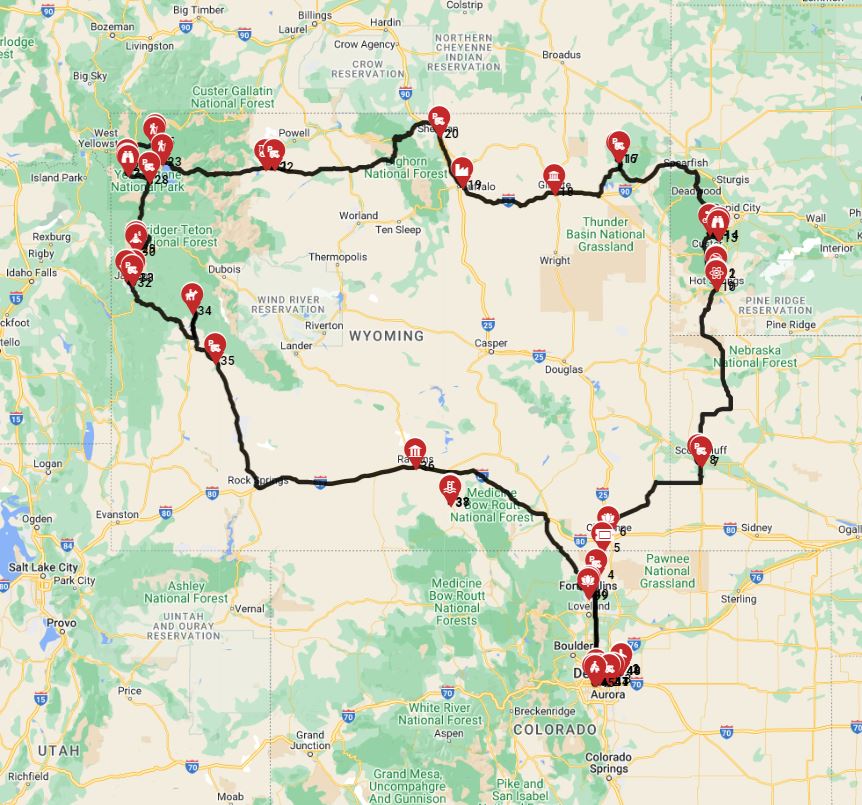
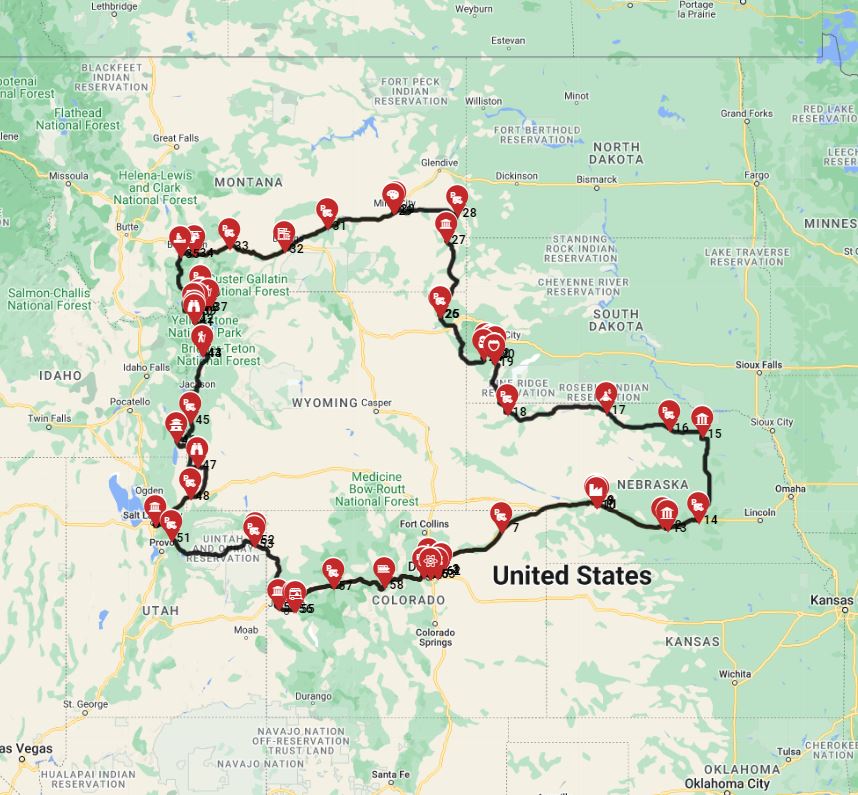
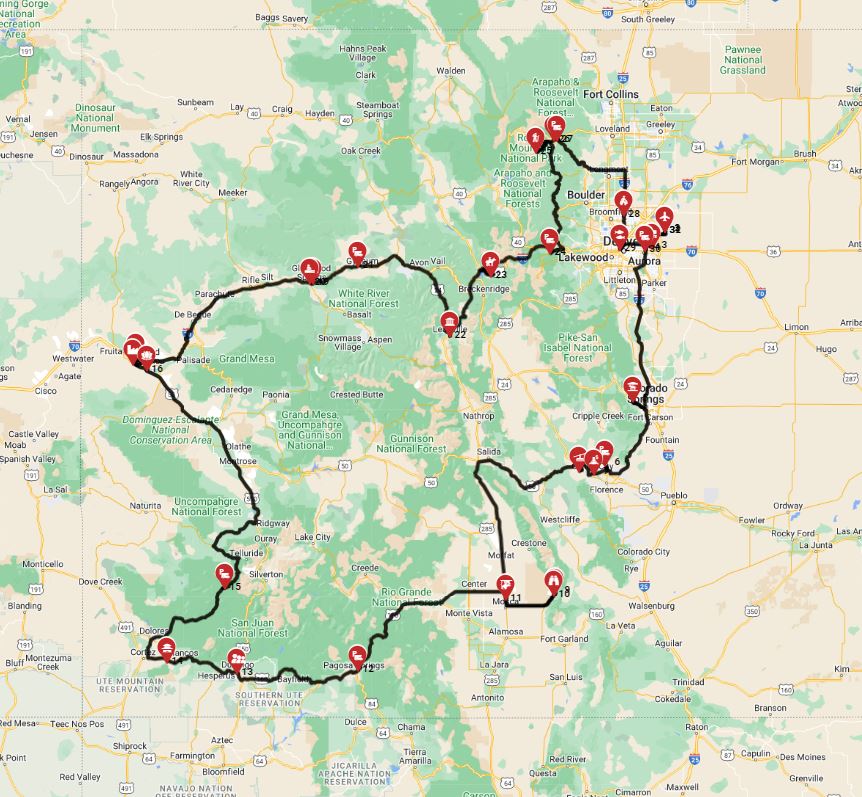
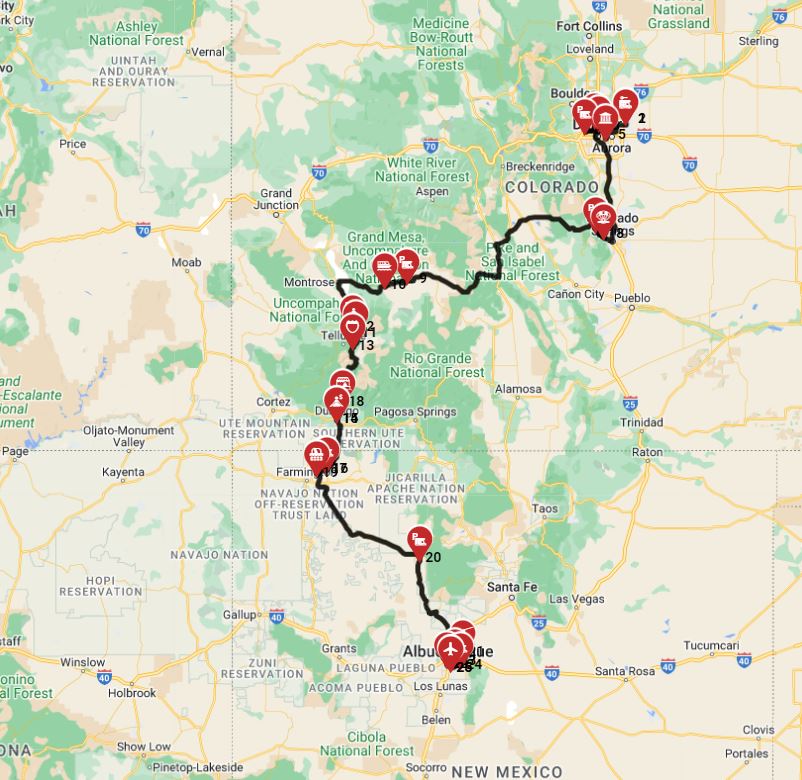
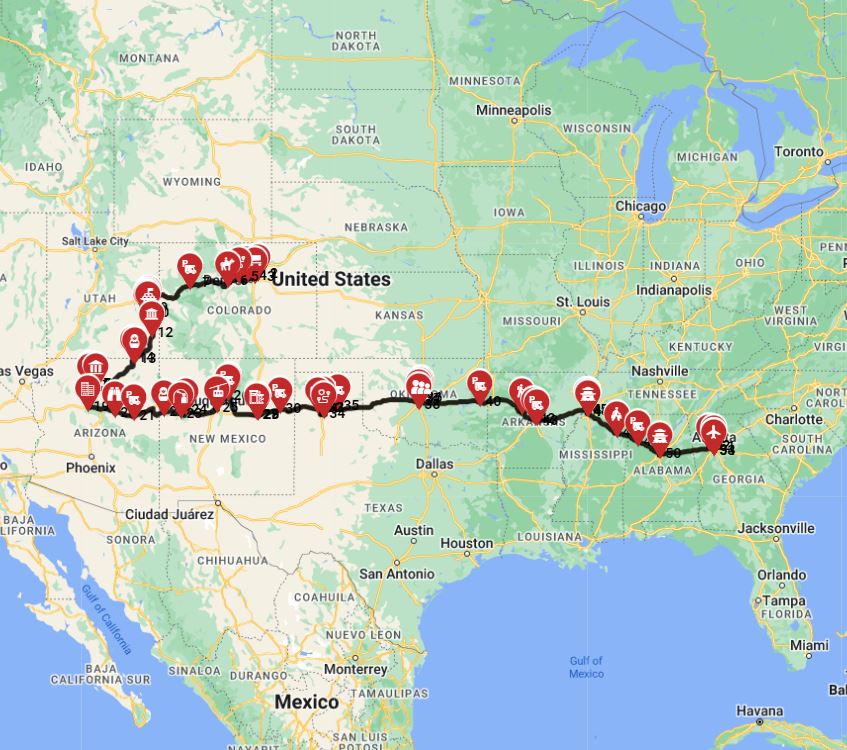
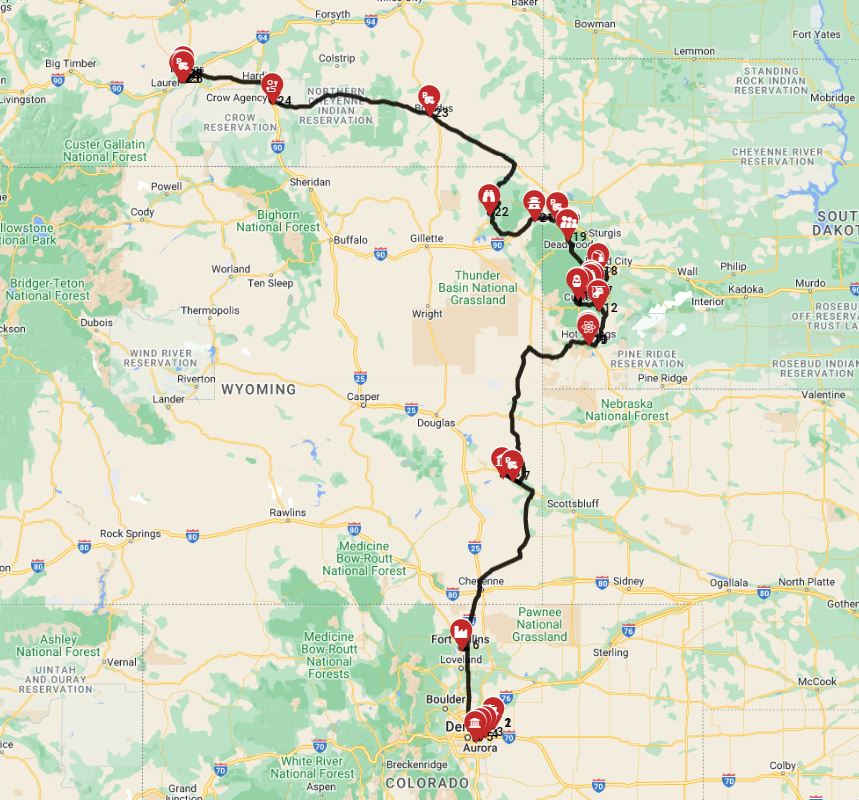
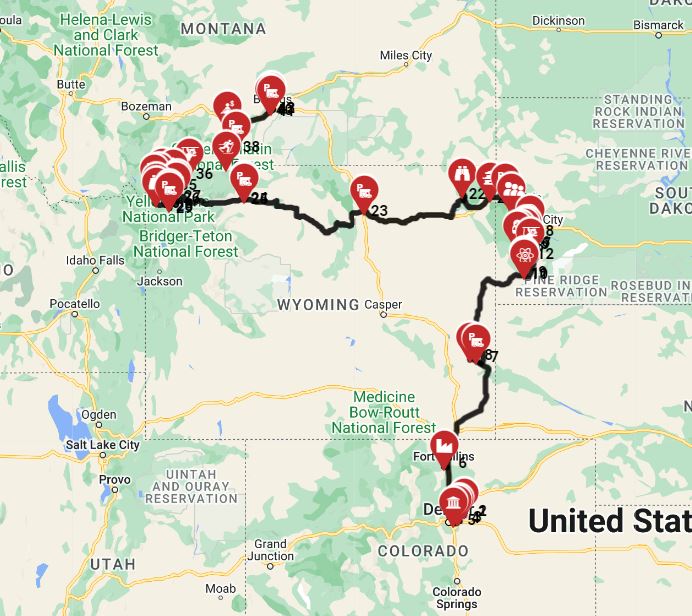
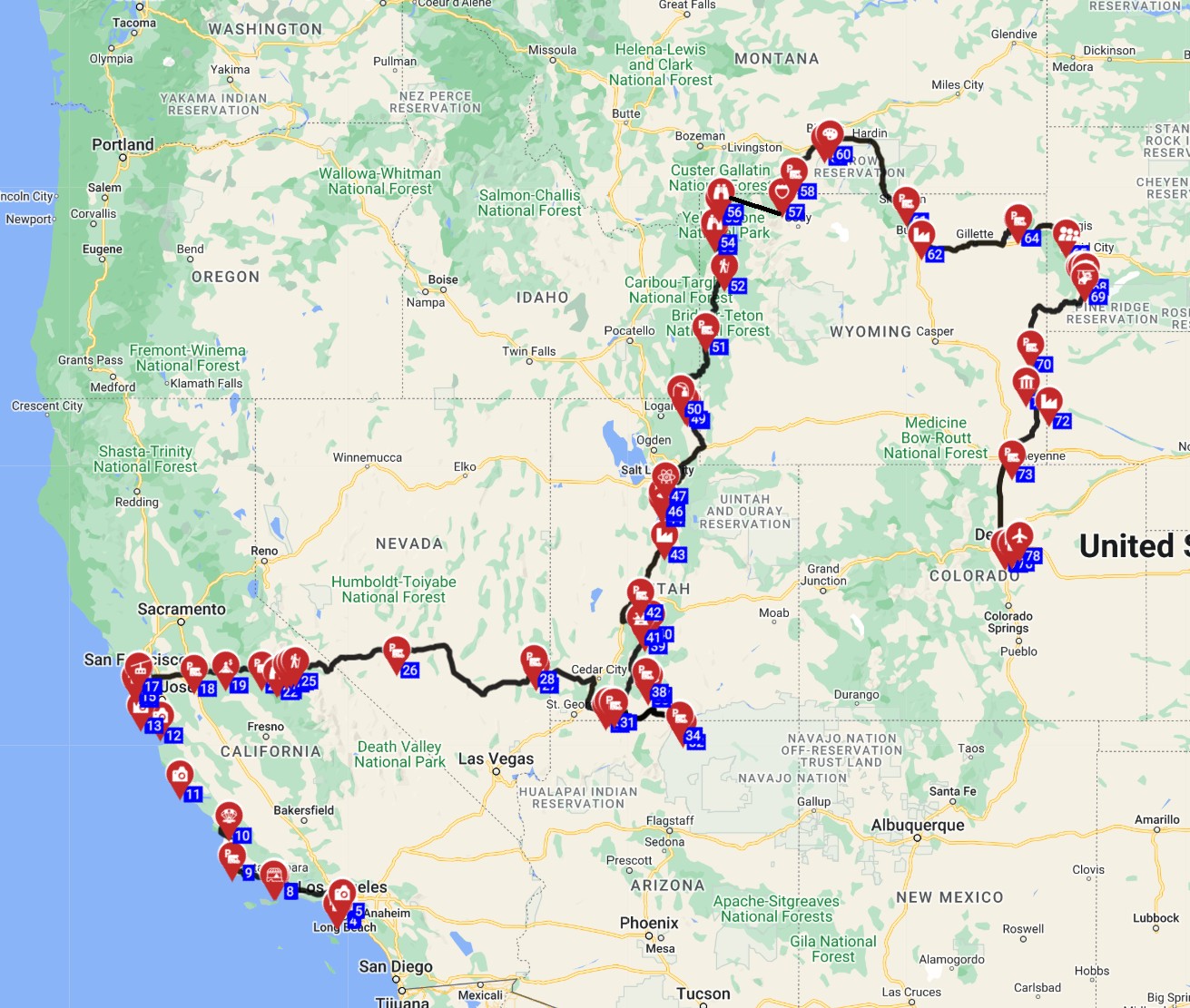
- Begin an Epic Journey: Denver is the perfect starting point for longer adventures. Consider a pre-planned route like the "Billings to Denver - Wild West by RV: A Camper Route Planner Journey" which includes 4 stunning natural features and 2 traditional visits on its 13-day itinerary.
Final Thoughts
Imagine yourself behind the wheel of a comfortable mobile home, with the Denver skyline in your rearview mirror and the majestic Rocky Mountains beckoning ahead. A motorhome rental trip from Denver isn't just a vacation; it's an invitation to explore one of America's most spectacular landscapes with unparalleled freedom and flexibility. Whether you're planning an extended family adventure or a quick escape into nature, the Mile High City is the perfect launchpad.
From the urban convenience of Cherry Creek State Park to the wild, open spaces of the national forests, your journey is yours to create. Remember to travel slowly, embrace the unexpected, and take the time to connect with the incredible places you'll visit. At Bandana, we handle the details so you can live the journey. We're true RV specialists dedicated to making your adventure easy, transparent, and unforgettable from the very first click. The open road is calling!
Find Motorhome Rentals in Denver