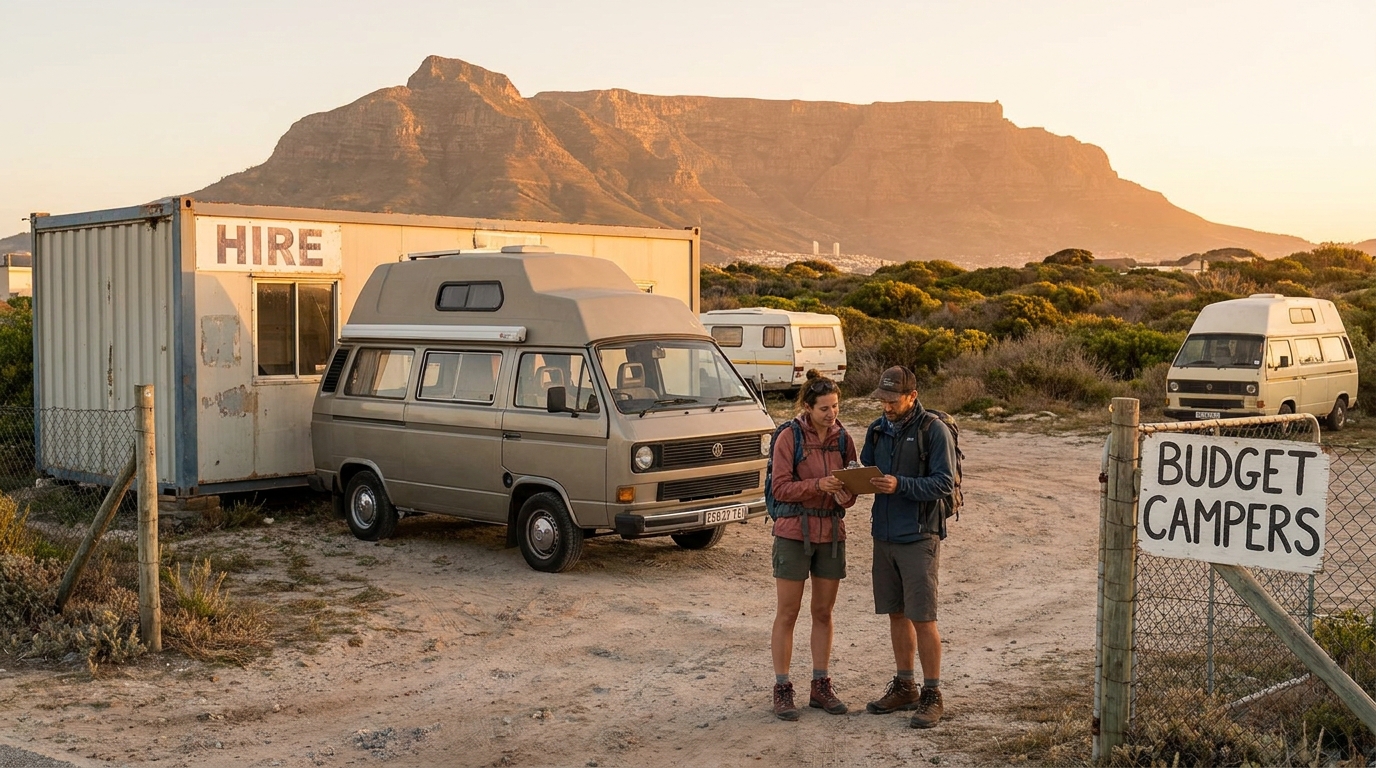
For live availability and current prices, start with our RV Rental Cape Town - Complete Guide 2026 guide.
In This Guide
- Can You Drive an RV in Cape Town? License & Age Rules
- Road Conditions & Terrain in Cape Town
- RV Size Limits, Bridges & Restricted Zones
- Fuel: Diesel vs. Petrol & Cost per 100 km
- Tolls, Vignettes & Border Rules
- Driving Tips for weekend rv rental Travelers
- Recommended RV Class for Cape Town Roads
- Should I Choose a Compact Van Instead of a Large RV in Cape Town?
- Can I Park Anywhere? Free & Wild Camping Rules in Cape Town
- How much does it cost to rent an RV in Cape Town for a weekend?
- What is the best time to rent an RV in Cape Town?
- What is included in a typical RV rental in Cape Town?
- Where can I camp with an RV in Cape Town?
- What documents do I need to rent an RV in South Africa?
- Are RVs allowed on all roads in South Africa?
- Can you drive an RV into Cape Town city centre?
- RV Safety & Security Tips in Cape Town
- Beyond Rental Costs: Comprehensive RV Trip Budget for Cape Town
- Local Driving Laws & Regulations for RVs in Cape Town
- Practical RV Logistics: Water, Dump Points, Fuel & Connectivity in Cape Town
- Wildlife Encounters: RV Safety in Cape Town's Nature Reserves
Can You Drive an RV in Cape Town? License & Age Rules
Navigating the scenic routes of Cape Town in a rented RV is certainly possible and an unforgettable experience. In South Africa, a standard Code B (formerly Code 08) driver's license is sufficient for driving RVs with a Gross Vehicle Mass (GVM) up to 3,500 kg, which covers most Class B camper vans and smaller semi-integrated models. For RVs exceeding 3,500 kg GVM, typically larger Class C alcove or certain semi-integrated models, a Code C1 (formerly Code 10) license is required. The minimum driver age for RV rentals in Cape Town is generally 21 years, though some providers may require drivers to be 23 or 25, and a surcharge for drivers under 25 is common. Foreign visitors must possess a valid driver's license from their home country, printed in English, or an International Driving Permit (IDP) alongside their national license if it's not in English.
Road Conditions & Terrain in Cape Town
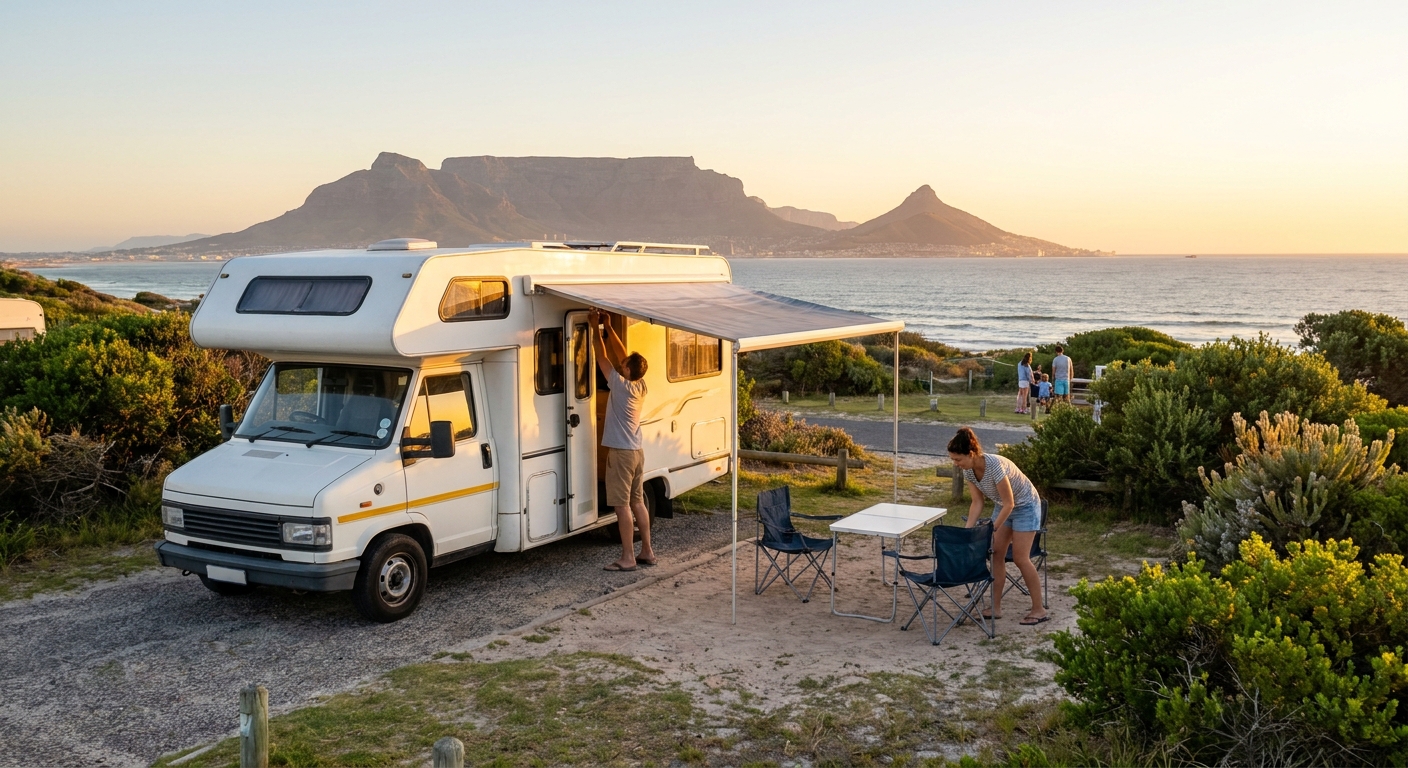
Cape Town boasts generally well-maintained paved roads, especially within urban areas and on major tourist routes like Chapman's Peak Drive or the Garden Route. You can expect varying terrain, including scenic coastal roads, gentle winelands hills, and steeper mountain passes around areas like the Hottentots Holland Mountains. While most popular tourist spots and campsites are accessible via paved roads, some more remote locations might involve gravel or dirt roads; always check your itinerary and the RV's ground clearance beforehand. Urban driving in Cape Town can be busy, particularly during peak hours, but RVs are manageable with careful navigation. We highly recommend adopting a leisurely pace to fully appreciate the stunning Cape scenery, allowing ample time for safe negotiation of winding roads and potential wildlife crossings.
RV Size Limits, Bridges & Restricted Zones
Most standard RVs available for weekend rental in Cape Town, including Class B camper vans (averaging 5.6m length) and even larger semi-integrated (6.7m) or alcove (6.7m) models, can navigate the region's roads without significant issues. Cape Town generally does not have widespread low bridges or restrictive height limits on its main roads. However, always pay attention to local signage, especially when entering underground parking garages, shopping centers, or specific nature reserves, as these may have height, length, or weight restrictions. There are no specific environmental zones or toll vignettes tied to vehicle types within Cape Town city limits, but standard toll roads are present on major routes outside the immediate metro area. On the routes offered through RV PLANET routes, you can itemize and track every expense along the way for easy budgeting.
Fuel: Diesel vs. Petrol & Cost per 100 km
Most RVs available for rent in Cape Town, including Class B Camper Vans, Semi-integrated, Alcove, and Truck Campers, run on diesel fuel, which is widely available at service stations across South Africa. For Bandana's fleet, Class B Camper Vans typically consume between 6-11 liters per 100 km, while Class SI Semi-integrated and Class C Alcove models average around 12 liters per 100 km, and Class TC Truck Campers approximately 11 liters per 100 km. Fuel prices in Cape Town, and South Africa generally, are regulated and can fluctuate; it's wise to check current prices before your trip for budgeting. Factor in an average fuel cost of approximately ZAR 23-26 per liter for diesel, translating to roughly ZAR 180-310 per 100 km, depending on your RV class and driving style. Some rental vehicles may offer fuel discount cards or loyalty programs that can provide savings on longer weekend trips.
Tolls, Vignettes & Border Rules
Cape Town and the Western Cape region have limited toll roads; the most notable include parts of the N1 and N2 highways leading out of the city, and the scenic Chapman's Peak Drive, which is a specific scenic toll route. Tolls are typically paid manually at toll gates using cash or card, or through an electronic tag system for specific routes. No national vignettes are required for driving in South Africa; tolls are paid per use at specific points. If you plan to venture beyond South Africa's borders into neighboring countries for an extended trip, additional border documentation, vehicle permits, and potentially cross-border fees will be necessary. Some rental RVs may offer the option to pre-purchase toll passes or provide guidance on electronic toll payment systems for added convenience.
Driving Tips for weekend rv rental Travelers
**Plan Your Route:** Utilize GPS or mapping apps specifically designed for larger vehicles, especially when navigating urban areas or less-traveled roads, to avoid tight turns or dead ends. **Take Regular Breaks:** For a weekend trip, encourage frequent stops every 2-3 hours, particularly when traveling with family, to stretch, refresh, and appreciate the scenic routes. **Secure Loose Items:** Before setting off, ensure all internal cabinets are latched and items are secured to prevent movement or damage while driving. **Mind Speed Limits:** Adhere strictly to South African speed limits (typically 120 km/h on highways, 100 km/h on main roads, and 60 km/h in urban areas), which are often lower for larger vehicles like RVs. **Watch for Wildlife:** Especially when driving near nature reserves or rural areas, be vigilant for wildlife crossings, particularly at dawn and dusk.
Recommended RV Class for Cape Town Roads
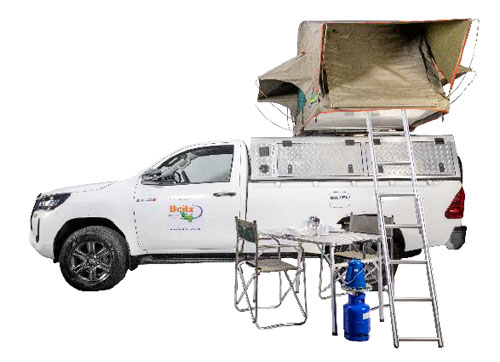
For most Cape Town weekend adventures, a **Class B Camper Van** is highly recommended due to its maneuverability and ease of parking, averaging around 5.6 meters in length. These compact RVs, typically sleeping 2-3 adults, offer excellent fuel efficiency (6-11 lit/100km) and are ideal for navigating city streets, coastal drives like Chapman's Peak, and accessing smaller campsites. If more space and amenities are a priority for a family or group of 4-6, a **Class SI Semi-integrated** or **Class C Alcove** RV (both averaging 6.7 meters in length) are suitable, as Cape Town's main roads are generally accommodating for their size. While longer, these larger classes provide enhanced comfort, more sleeping places, and ample storage, with fuel consumption averaging around 12 lit/100km, making them a great choice for exploring the Winelands or a coastal route with greater indoor comfort.
Should I Choose a Compact Van Instead of a Large RV in Cape Town?
While a compact camper van (like a Class B) offers superior maneuverability and easier parking, larger RVs (Class SI or C) generally pose no significant driving challenges on Cape Town's main roads and offer enhanced comfort. Choose a compact van if your primary focus is navigating bustling city centers, tight historical areas, or very narrow mountain passes with maximum agility. Opt for a larger RV if comfort, additional indoor space, more sleeping capacity (up to 6 adults for Class C), or extensive amenities for a longer weekend stay are higher priorities. The trade-off often lies between parking ease and living space; Cape Town's infrastructure is generally RV-friendly enough that you rarely *need* a compact van for road navigation alone. Consider your group size, desired amenities, and specific itinerary (e.g., city sightseeing vs. nature camping) when making your choice, as both options are viable for a weekend rental.
Can I Park Anywhere? Free & Wild Camping Rules in Cape Town
Free or 'wild' camping is generally discouraged and often illegal in Cape Town and throughout South Africa, particularly in urban areas, protected reserves, and private land without explicit permission. Overnight parking in undesignated areas can lead to fines, security risks, and may violate local bylaws. For safe and legal overnight stays, always utilize designated campsites, caravan parks, or private properties that explicitly welcome RVs. Many established campsites around Cape Town offer excellent facilities, security, and amenities, providing a much safer and more comfortable experience for weekend RV renters. Rules vary by region—always check local regulations and follow local law before parking overnight, prioritizing safety and respecting local communities and the environment.
How much does it cost to rent an RV in Cape Town for a weekend?
The cost to rent an RV in Cape Town for a weekend typically ranges from ZAR 1,500 to ZAR 4,500 per night, depending on the RV class, rental season, and specific inclusions. Compact Class B Camper Vans or Class TC Truck Campers are generally at the lower end of the spectrum, offering cost-effective options for 2-3 people. Larger Class SI Semi-integrated or Class C Alcove RVs, which accommodate 4-6 people with more amenities, will be priced higher. Prices can surge during peak season (December to February) and school holidays, while off-peak rentals (May to September) offer more competitive rates. Beyond the daily rental fee, factor in additional costs such as insurance, fuel, campsite fees, and potentially a one-way fee if applicable.
What is the best time to rent an RV in Cape Town?
The best time to rent an RV in Cape Town is during the summer months (November to February) for warm, sunny weather ideal for coastal drives and outdoor activities; however, this is also peak season with higher prices and more crowded campsites. For a balance of pleasant weather and fewer crowds, consider the shoulder seasons: Spring (September to October) offers wildflowers and mild temperatures, while Autumn (March to May) provides warm, calm days perfect for scenic routes. Winter (June to August) is Cape Town's rainy season with cooler temperatures, but it can be an excellent time for budget travelers looking for lower rental rates and experiencing the verdant landscapes and cozy winelands. Consider seasonal availability of specific routes or attractions; some mountain passes might experience temporary closures due to winter snow or adverse weather. Ultimately, the 'best' time depends on your priorities: weather, budget, and preference for crowds versus solitude.
What is included in a typical RV rental in Cape Town?
A typical RV rental in Cape Town usually includes basic kitchenware (pots, pans, cutlery), linens and towels, and a gas cylinder for cooking. All Bandana RVs for rent in Cape Town come fully equipped with essential amenities, including sleeping provisions, a functional kitchen, and often a bathroom with a shower and toilet. Check your specific rental agreement for details, as inclusions can vary: some might offer outdoor camping chairs, tables, or navigation systems as standard, while others may list them as optional extras. Insurance coverage (basic liability) is generally included, but inquire about excess amounts and options for reducing your liability or adding comprehensive coverage. Always confirm details regarding mileage limits, breakdown assistance, and any additional equipment you might need, such as child seats or bike racks. For ideas you can prep on the road, watch our RV-friendly recipes playlist on YouTube.
Where can I camp with an RV in Cape Town?
Cape Town and its surrounding areas offer a wide range of RV-friendly campsites and resorts, from coastal havens to tranquil winelands retreats and nature reserve parks. Popular choices include Imhoff Caravan Park near Scarborough for coastal access, Kogel Bay Resort for beachfront camping, and Berg River Resort in the Winelands for family-friendly amenities. For nature lovers, resorts within national parks like Cape Point or Bontebok National Park offer unique experiences with direct access to hiking and wildlife. Campsites vary significantly by amenities, with options ranging from basic pitches with electricity and water to luxurious resorts boasting swimming pools, restaurants, and entertainment. It's highly recommended to book your campsites in advance, especially during peak season, to secure a spot and ensure your preferred location and amenities.
What documents do I need to rent an RV in South Africa?
To rent an RV in South Africa, you will need a valid driver's license (national license in English or an International Driving Permit for non-English licenses), along with your passport. Most rental companies require a valid credit card in the main driver's name for the security deposit and payment. You will need to sign a rental agreement, which details the terms and conditions, insurance coverage, and any additional charges. Proof of travel insurance is highly recommended, and some rental companies may request it. Ensure you have copies of all essential documents, both digital and physical, for easy access during your trip and in case of emergencies.
Are RVs allowed on all roads in South Africa?
While RVs are generally allowed on most public roads in South Africa, including national highways and provincial routes, there are exceptions and considerations. Certain unpaved roads, particularly those in remote nature reserves or mountainous regions, may have restrictions based on vehicle type or size; always check local signage or park regulations. Some private farms or specific eco-lodges might have narrow access roads unsuitable for larger RVs; inquire directly if planning such visits. It's rare for an RV to be explicitly forbidden on a public road, but practical driving conditions like steep gradients, sharp turns, or very rough surfaces might make some routes challenging or inadvisable for larger vehicles. Always adhere to local speed limits, which are often lower for larger vehicles, and heed any road signs indicating vehicle restrictions.
Can you drive an RV into Cape Town city centre?
Yes, you can generally drive an RV into Cape Town city center, but it requires careful navigation due to traffic, one-way streets, and limited parking. Pay close attention to local signage, particularly for height limits when approaching underground parking garages or entering certain older, narrower streets. Most main arteries leading into and through the city center accommodate RVs, but maneuvering a larger vehicle can be challenging during peak hours. Dedicated RV parking is scarce within the immediate city bowl; consider parking at designated areas slightly outside the direct center and utilizing public transport or ride-sharing services to explore attractions like the V&A Waterfront or Table Mountain Cableway. Always be aware of road signs indicating 'no stopping' or 'residents only' parking zones to avoid fines.
RV Safety & Security Tips in Cape Town
Prioritize secure overnight parking: always choose accredited campsites or caravan parks with controlled access and security patrols over informal roadside stops. Never leave valuables in plain sight within your RV, and ensure all doors and windows are locked when you leave the vehicle or retire for the night. Be aware of your surroundings, especially in unfamiliar areas or at traffic lights; keep windows closed and doors locked. Avoid driving at night in rural or less populated areas, as road conditions can be unpredictable and emergency services harder to access. Keep emergency contact numbers handy, including your rental company, roadside assistance, and local authorities (10111 for police, 10177 for ambulance).
Beyond Rental Costs: Comprehensive RV Trip Budget for Cape Town
Beyond the daily rental fee, budget for significant fuel costs, estimated at ZAR 180-3a10 per 100 km for Bandana's fleet, which can add up quickly over a weekend. Allocate funds for specific campsite fees, which vary from ZAR 200-800 per night depending on amenities and location (e.g., coastal vs. basic park). Factor in potential toll road fees, particularly if using routes like Chapman's Peak Drive or parts of the N1/N2 outside Cape Town. Include budget for activities and excursions, such as Table Mountain cableway tickets, wine tasting tours, museum entries, and restaurant meals. Don't forget miscellaneous expenses like groceries, propane refills, mobile connectivity (local SIM card), and a contingency fund for unexpected costs.
Local Driving Laws & Regulations for RVs in Cape Town
Speed limits in South Africa are generally 120 km/h on national roads, 100 km/h on provincial roads, and 60 km/h in urban areas, with specific RV restrictions sometimes applying (check signage). It is mandatory for all occupants to wear seatbelts, and children must be secured in appropriate car seats. Driving under the influence of alcohol or drugs is strictly prohibited, with severe penalties. South African roads use left-hand traffic, and road signs largely conform to international standards, but familiarize yourself with local variations. While specific environmental zones are not prevalent, certain areas might have temporary access restrictions for larger vehicles during special events or peak tourist seasons.
Practical RV Logistics: Water, Dump Points, Fuel & Connectivity in Cape Town
Water refill stations are readily available at most established campsites and caravan parks around Cape Town. Designated dump points for grey and black water tanks are standard at almost all registered RV campsites, ensuring proper waste disposal. Fuel stations are plentiful across Cape Town and along major routes, offering both diesel and petrol; attendants typically pump the fuel for you. For mobile connectivity, purchasing a local SIM card (e.g., Vodacom, MTN, Cell C) upon arrival is highly recommended for reliable GPS navigation and internet access. Consider downloading offline maps and entertainment for areas with spotty signal, and ensure your RV rental includes a GPS or you have a reliable navigation app.
Wildlife Encounters: RV Safety in Cape Town's Nature Reserves
When camping or driving near nature reserves like Cape Point or Boulders Beach, be aware of wildlife, especially baboons, which are common and can be opportunistic. Never feed baboons or other animals; keep all food securely stored inside your RV, and ensure windows and doors are closed when unattended. Drive slowly and cautiously in wildlife areas, observing speed limits, and be prepared for animals to cross the road unexpectedly. Maintain a safe distance from all wildlife; remember these are wild animals and can be unpredictable. Familiarize yourself with the specific rules and guidelines of any nature reserve you plan to visit, as they often have unique protocols for animal encounters.
What You Shouldn't Miss
- Drive the iconic Chapman's Peak Drive for breathtaking coastal views – a must-do for any RV trip.
- Explore the Cape Winelands by RV, stopping at vineyards in Stellenbosch and Franschhoek for wine tasting and scenic drives.
- Visit Boulders Beach to see the famous African penguin colony, easily accessible with an RV.
- Take your RV up to Signal Hill or Lion's Head for panoramic views of the city and ocean, especially at sunset.
- Discover the diverse flora and fauna within the Table Mountain National Park, perhaps stopping at Kirstenbosch Botanical Gardens.
- Enjoy a leisurely drive along the coast towards Cape Point, stopping at various viewpoints and beaches along the way.
Final Thoughts
Renting an RV for a weekend trip in Cape Town offers an unparalleled sense of freedom and flexibility, allowing you to tailor your adventure to your exact desires. From the dramatic coastal scenery to the rolling hills of the Winelands, your journey promises to be as memorable as the destination itself. Remember to plan your routes, book your campsites in advance, and most importantly, embrace the spirit of slow travel.
With Bandana Caravan, you benefit from our true RV expertise and commitment to transparency, ensuring your booking process is smooth and straightforward. We're here to help you every step of the way, from initial planning to confirming your reservation.
Find Motorhome Rentals in Cape Town