In This Guide
- Can You Drive an RV in Belgium? License & Age Rules
- Road Conditions & Terrain in Belgium
- RV Size Limits, Bridges & Restricted Zones
- Fuel: Diesel vs. Petrol & Cost per 100 km
- Tolls, Vignettes & Border Rules
- Driving Tips for weekend rv rental Travelers
- Recommended RV Class for Belgium Roads
- Should I Choose a Compact Van Instead of a Large RV in Belgium?
- Can I Park Anywhere? Free & Wild Camping Rules in Belgium
- Can I Drive an RV Into the City Center? Heights, Tunnels & Local Signage
🎬 Video coming soon
Can You Drive an RV in Belgium? License & Age Rules
Yes, you can confidently drive a rented RV in Belgium, as the licensing requirements are straightforward for most recreational vehicles. A standard B driving license, which permits you to drive a typical car, is sufficient for operating most weekend rv rental models weighing up to 3,500 kg (3.5T). This includes popular Class B campervans and many Class C motorhomes. For those considering larger RVs exceeding 3.5T, a C1 license (or higher) is required, so always check the specific weight of your chosen vehicle before booking. The minimum driver age for most RV rentals in Belgium is typically 21 years old, despite the legal driving age in Belgium being 18. Foreign drivers from EU/EEA countries can use their national license without issue, while non-EU drivers are usually recommended to carry an International Driving Permit (IDP) alongside their valid national license for ease of identification, though it is not mandatory in all cases. This flexibility makes Belgium an accessible destination for an RV road trip from all over Europe, as detailed in our comprehensive RV Rental Europe - Complete Guide 2026.
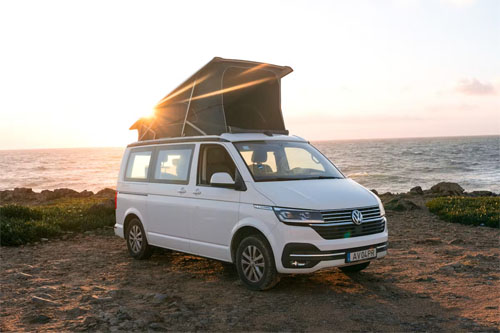
Our goal is to make your planning as smooth as possible, from understanding the legalities to finding the perfect vehicle. As true RV specialists, we're not just a travel agency side department; we live and breathe RV travel, ensuring you get the most accurate and up-to-date advice. For instance, a Class B Camper Van like the "Combi Van" with a 130 hp Diesel engine and 60-liter fresh water tank, or a "V2L" with a 115 HP Fiat Ducato engine and 100-liter fresh water tank, would comfortably fall within the standard B license category, offering ample space for a couple or small family on a quick Belgian route.
Road Conditions & Terrain in Belgium
Belgium boasts generally well-maintained road networks, including efficient motorways and picturesque rural roads, making it highly suitable for weekend rv travel. The quality of Belgian roads is consistently high across the country, ensuring a comfortable driving experience. The terrain offers delightful variety, featuring flat coastal areas in West Flanders perfect for seaside cruising, rolling hills in the broader Flanders region ideal for cycling and exploring charming towns like Bruges, and the more challenging, forested, and winding roads of the Ardennes region in Wallonia. When driving through urban areas, particularly in historic cities such as Brussels, Antwerp, and Ghent, expect denser traffic and narrower streets. We always recommend you drive slowly and carefully, and you can drive almost anywhere without issues. No need to stress - just use common sense and pay attention. Encouraging slow, scenic driving allows travelers to fully appreciate regional charm, especially when traversing the Ardennes in autumn with its vibrant foliage or exploring the coast in summer with its bustling beaches. This varied landscape means your rented motorhome can take you from the serene polders to forested valleys on a seamless adventure.
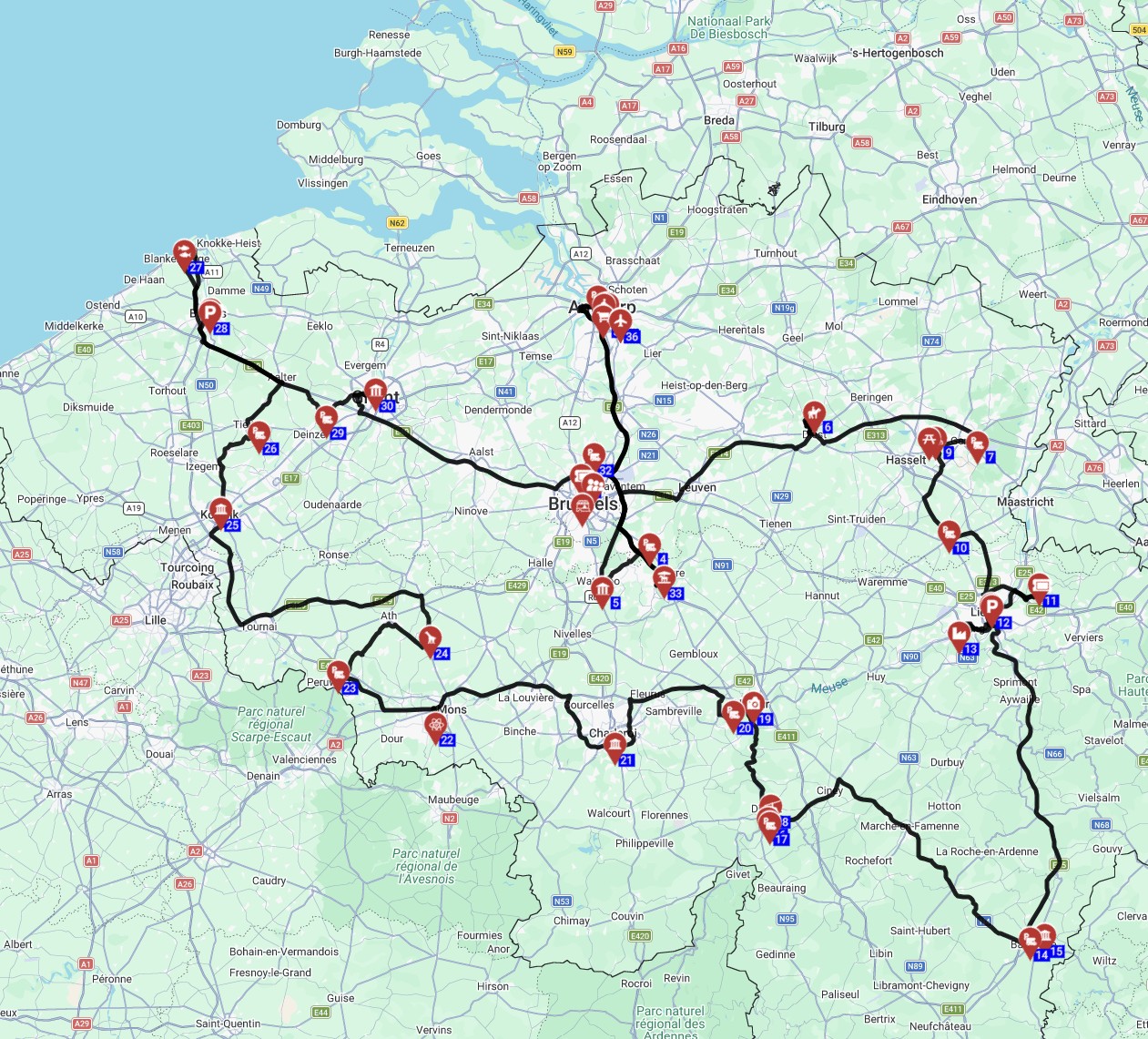
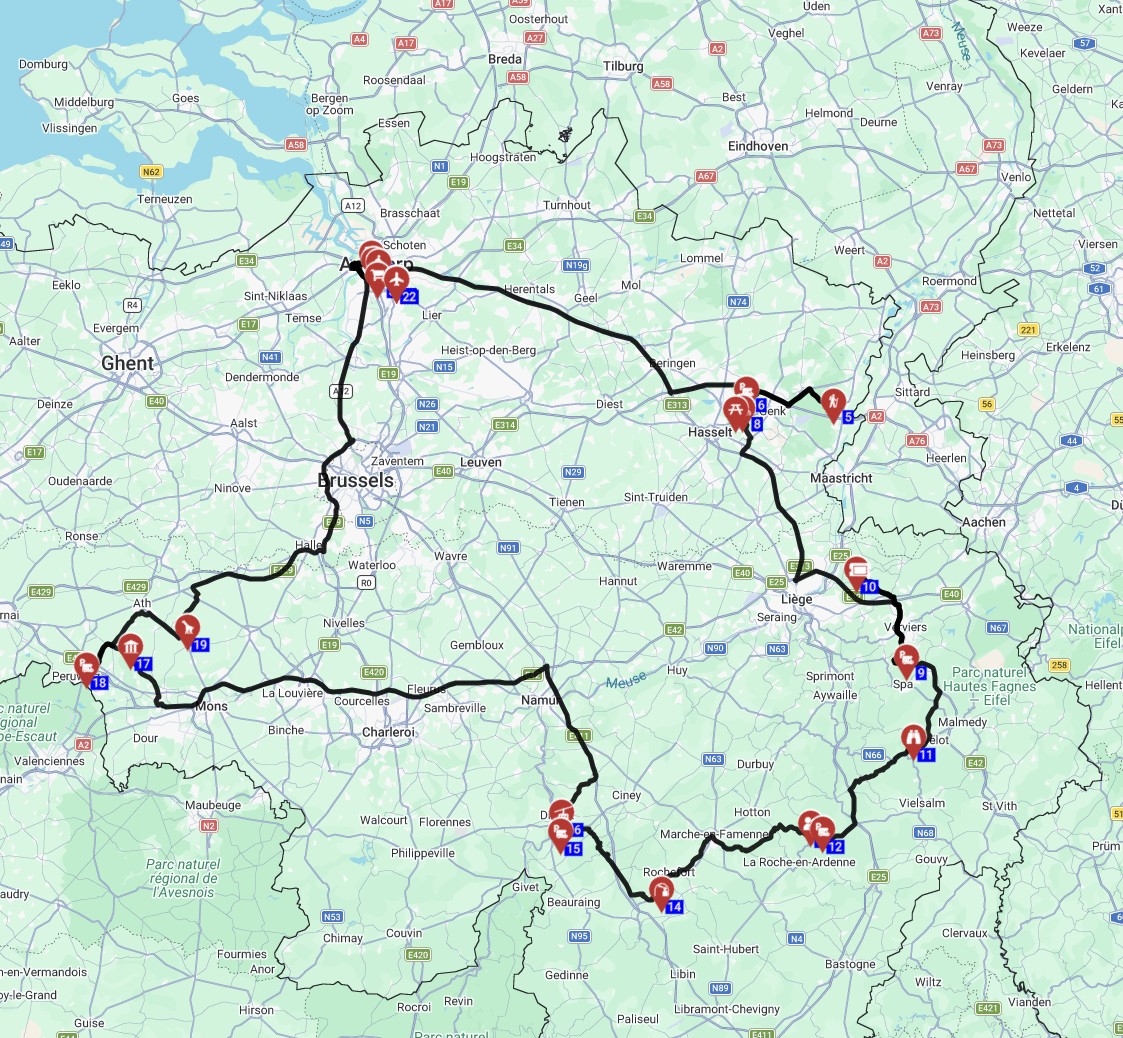
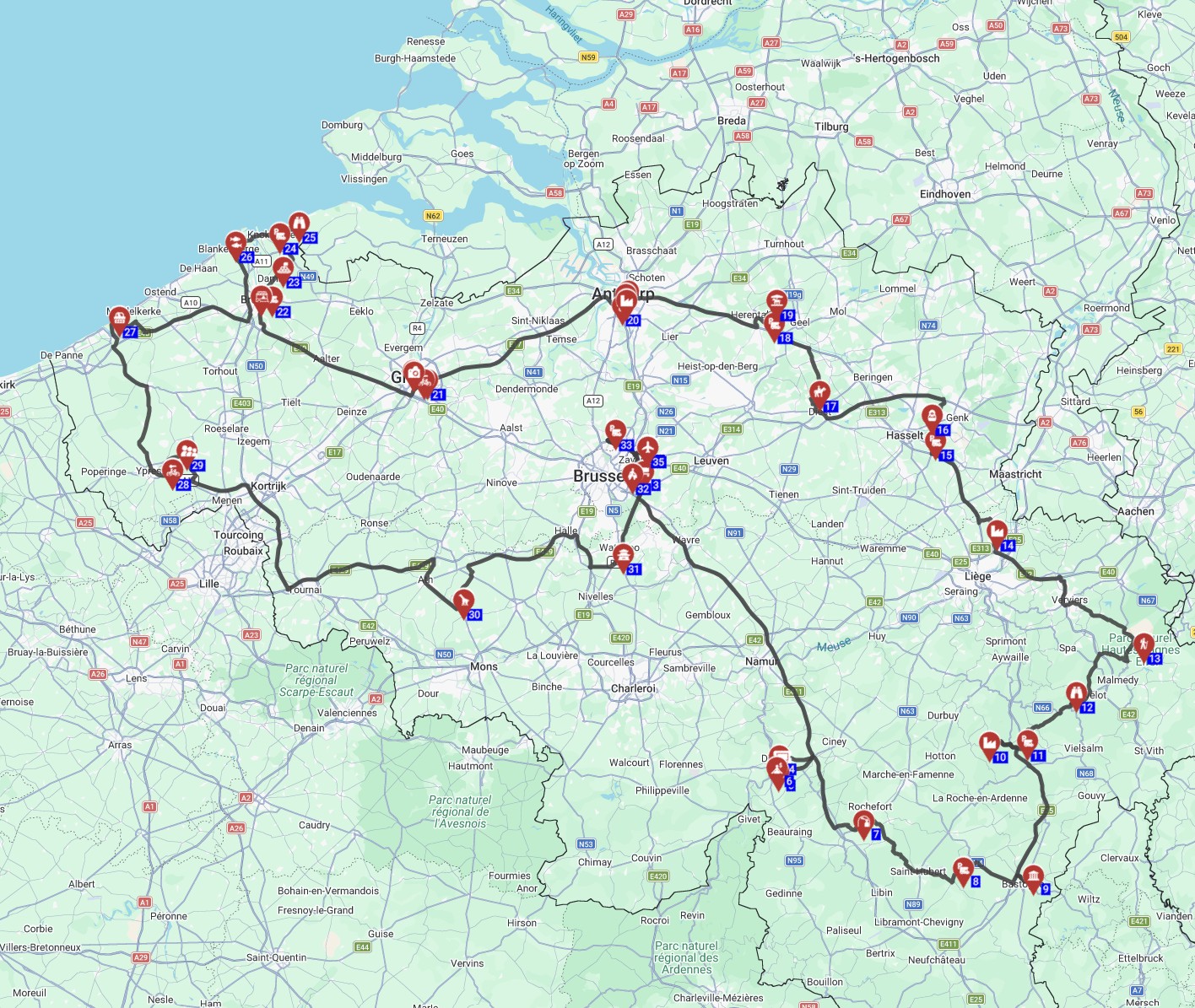
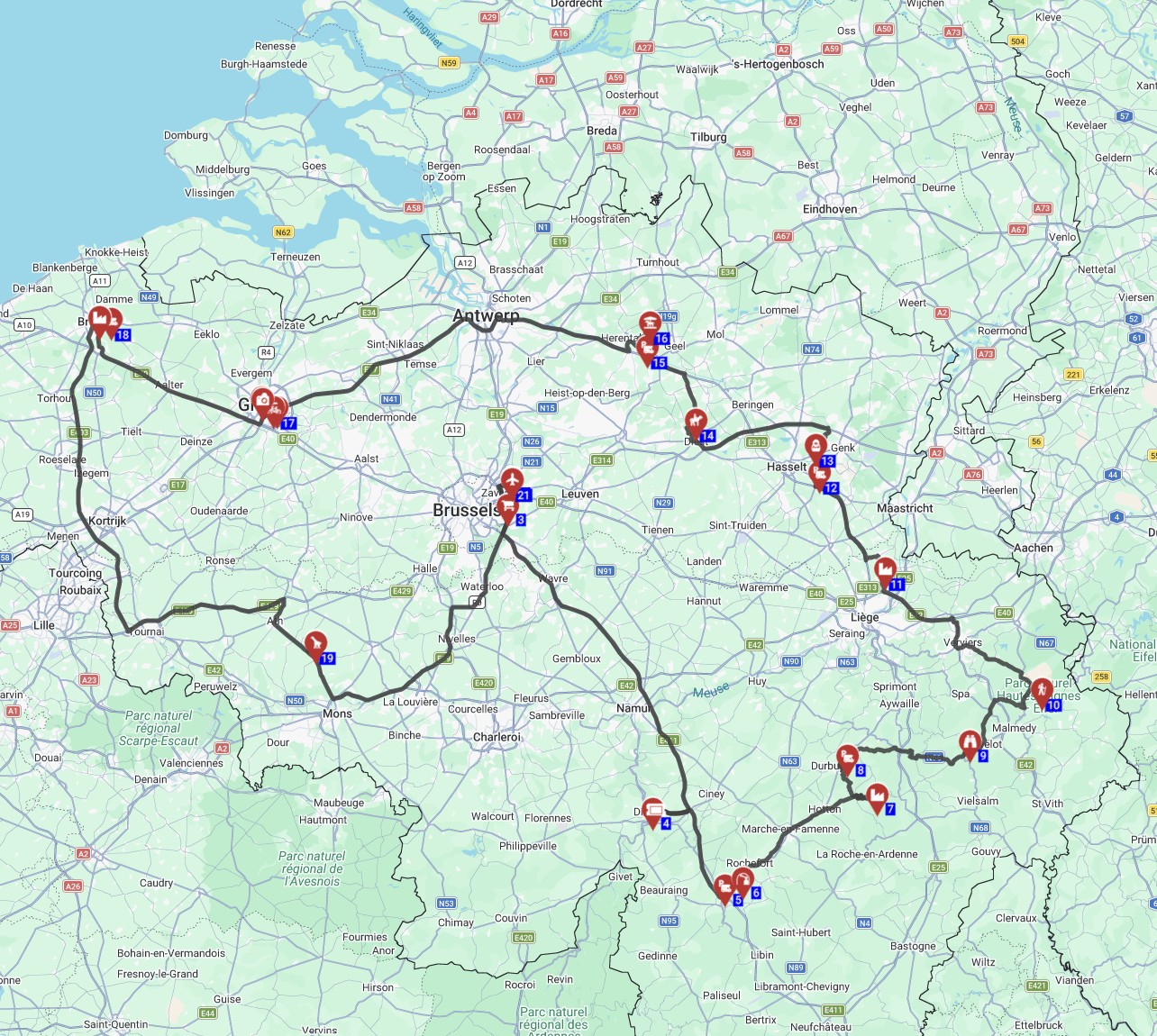
Consider planning a detailed route plan to embrace the diversity, perhaps a "Dusseldorf Roundtrip - Germany / Netherlands / Belgium" which covers 1076.2 km over 8 days and includes a historical site and two cruise terminal activities. For a comprehensive overview of prices and deals, you can also consult our "RV Rental in Belgium - Prices and Best Deals 2026" guide.
RV Size Limits, Bridges & Restricted Zones
While Belgium does not impose specific blanket 'RV size limits' on its roads, drivers of a rented motorhome must consistently adhere to standard European road signs that indicate height, weight, and width restrictions. This is especially crucial for larger Class C motorhomes, which can be up to 7-8 meters in length. Pay particular attention to low bridges and tunnels, which are more common in older towns like Bruges and rural areas, as these can pose significant challenges for taller RVs. Furthermore, environmental zones, also known as Low Emission Zones (LEZs), are actively enforced in several major Belgian cities, including Brussels, Antwerp, and Ghent. These zones require certain emission standards or prior registration for all vehicles, including RVs, to avoid fines. Always check if your rental motorhome complies or plan to park outside these zones and use public transport. If your weekend rv trip extends to neighboring countries or involves ferry travel, always verify the specific length, height, and weight restrictions of the ferry operator or destination country's regulations to ensure a smooth journey.
For navigating these complexities, our Rent&Plan service offers pre-planned routes developed by professionals, often including notes on urban access and parking. You can even get a 25% planning discount when using rvplan.net for your route. This is part of our commitment to full transparency, ensuring no surprises or unexpected fees.
Fuel: Diesel vs. Petrol & Cost per 100 km
Most motorhomes and campervans available for a weekend rv rental in Belgium, including those in Bandana's global fleet, primarily run on diesel fuel, which is readily available at service stations throughout the country. It's always wise to confirm the fuel type with your supplier at pickup. Common fuel consumption for a typical Class SI Semi-integrated RV, like the "2 Berth Tamar" (averaging 6.9m in length), is typically 10-11 Liters/100 km. Smaller Class B Camper Vans, such as the "Active Bunk Auto" (around 5.8m in length), often achieve better fuel economy at 8-10 Liters/100 km. Fuel costs represent a significant portion of an RV budget; drivers should factor in current diesel prices, which fluctuate regularly, when estimating their total cost per 100 km for their journey. On some RV PLANET routes, travelers can itemize and track every expense along the way for easy budgeting, helping manage ancillary costs like fuel, campground fees, and tolls: RV PLANET routes. This ensures full transparency and helps avoid any financial surprises. On the routes offered through RV PLANET routes, you can itemize and track every expense along the way for easy budgeting.
Tolls, Vignettes & Border Rules
For most weekend rv rentals in Belgium, specifically those under 3.5 tonnes, the country generally does not impose tolls on its extensive motorway network, which is a welcome relief for many European RV travelers. This means you can often enjoy Belgium's well-maintained highways without additional charges. However, it's important to note that heavier commercial vehicles, those above 3.5 tonnes, are subject to the Kilometre Charge System (KCM), but this typically does not apply to standard recreational motorhomes or campervans. When planning an extended cross-border trip from Belgium to explore other parts of Europe, be aware that neighboring countries such as France, Germany, or the Netherlands may have different toll systems, requiring vignettes (like for Austria or Switzerland), or direct payment mechanisms. Many Bandana partner suppliers may offer options for pre-purchasing toll passes for adjacent countries, which can help avoid fines and streamline border crossings within the Schengen Area. Our 24/7 support is there to provide pre-booking comparison and booking support for such complexities, ensuring real people are behind you every step of the planning process.
Driving Tips for weekend rv rental Travelers
To truly embrace the spirit of a Belgian RV adventure, planning regular stops every 2-3 hours is essential, especially for families, to prevent driver fatigue and allow everyone to stretch their legs and enjoy the scenery. This aligns with our philosophy to travel slowly-max 100-150 km per day on average, taking time to feel the place, connect to the culture, the food, and the scenery. When navigating urban centers like Brussels or Bruges, strategically utilize public transport from designated park-and-ride facilities on the outskirts, which often makes exploring dense city centers less stressful and avoids narrow streets and height restrictions. Always budget beyond just the RV rental cost; account for ancillary expenses like parking fees, entrance to attractions, and varied food expenses, alongside fuel and campsite bookings, for a comprehensive financial breakdown. For finding campsites and campgrounds during your trip, we recommend using RV PLANET (rvplan.net), a great resource for locating available spots along your route. Emergency preparedness is paramount: keep local emergency numbers (112 for all emergencies) handy, understand your rented RV's breakdown procedure, and carry a basic first-aid kit. Remember to practice responsible travel by utilizing designated *aires de service* for proper waste disposal and respecting local noise regulations at campsites, ensuring a sustainable and enjoyable experience for everyone. A "24' Class C Motorhome" with a 166-liter fresh water tank or a "MHC24" with a 150-liter fresh water tank and 210-liter waste water tank offers ample capacity for a comfortable, extended road trip.
When it comes to cooking on board your rented RV, planning simple, delicious meals can save money and offer a taste of local ingredients. Imagine fresh Belgian bread and cheeses for breakfast! You can find inspiration and practical ideas on our RV-friendly recipes playlist.
Recommended RV Class for Belgium Roads
For a weekend rv rental in Belgium, a Class B Camper Van or a Class SI Semi-integrated RV generally offers the ideal balance of comfort, amenities, and maneuverability for varied Belgian roads. Class B Camper Vans, such as a "Duo" with a 85-liter fuel tank and 80-liter fresh water tank, or a "Condo" with a 70-liter fuel tank, are highly recommended for their agility. These smaller campervans average around 5.8 meters in length, making them easy to navigate on narrower rural roads and city outskirts, while offering economical fuel consumption, typically between 8-10 Liters/100 km. For travelers seeking more living space and amenities without excessive bulk, Class SI Semi-integrated RVs are an excellent choice. Models like a "2 Berth Rover" or "Jayco Grandiose" (averaging 6.9 meters in length) provide comfortable sleeping capacity, kitchen facilities, and private bathrooms, suitable for couples or small families on an extended road trip. Their typical fuel consumption is 10-11 Liters/100 km. Both classes are well-suited for Belgium's diverse terrain, from the flat coastal regions to the rolling hills of the Ardennes, ensuring a pleasant driving experience.
Should I Choose a Compact Van Instead of a Large RV in Belgium?
For most weekend rv journeys in Belgium, driving a standard Class C motorhome or even a medium-sized Class SI semi-integrated RV presents no significant issues on main roads, and the added comfort and indoor space are often preferred for families or longer week-long trips. A compact campervan, typically a Class B model, genuinely benefits travelers primarily focused on frequent visits to very tight historic city centers or navigating exceptionally narrow village streets, offering superior ease of parking and maneuverability. However, larger RVs like a "Class C - Alcove" provide significantly more sleeping capacity (often 4-6 berths), more extensive kitchen facilities (like a 3-burner gas stove and a 150-liter refrigerator in the "C-30" model), and more spacious bathroom amenities, which can enhance comfort and convenience significantly for an enjoyable getaway. The decision between a compact van and a larger motorhome ultimately comes down to your travel priorities: whether you value maximum agility for urban exploration or more spacious living for relaxation and onboard amenities at campsites. You'll find a wide range of options at Bandana RV, with full price transparency and no hidden fees.
Can I Park Anywhere? Free & Wild Camping Rules in Belgium
In Belgium, wild camping or simply parking overnight in an undesignated spot is generally illegal and can result in significant fines. Travelers enjoying a weekend rv trip should be aware that Belgian authorities strictly enforce these regulations to protect natural areas and maintain public order. The most viable and recommended alternatives include official campsites, which are plentiful, well-maintained, and often well-equipped with amenities like electrical hookups, fresh water, and waste disposal points across the country. Additionally, look for designated *aires de service* (service areas) or 'Stellplätze' (motorhome parking areas), which often permit overnight parking for a small fee or are sometimes free, offering essential services like waste disposal and water refills. Some private farm stays or vineyards may also offer overnight RV parking, sometimes facilitated through specific networks; research local options before your trip. Always check local regulations, which can vary by region or municipality, and adhere to local law before parking overnight to avoid legal issues. Respecting these rules contributes to responsible and sustainable RV travel, a core value we promote at Bandana RV.
While we don't assist with finding campsites during your rental, remember that RV PLANET (rvplan.net) is an excellent resource for locating available spots and planning your itinerary. Their pre-planned route plans, such as the "Frankfurt Roundtrip - North West -Exploring Germany, Belgium, and the Netherlands," which spans 22 days and 2254.5 km, can guide you to many suitable campgrounds and attractions, including 17 points of interest and 6 local industries.
Can I Drive an RV Into the City Center? Heights, Tunnels & Local Signage
Yes, it is often possible to drive a rented RV into Belgian city centers, but doing so requires careful attention to local signage and thorough pre-planning. Drivers must be extremely vigilant for height restrictions, particularly for tunnels, historic archways, and low bridges which are common in older European cities like Bruges or Ghent. Many areas will have signs indicating maximum height in meters, so always know your RV's exact dimensions. Environmental zones (LEZs) in cities such as Brussels, Antwerp, and Ghent also restrict access for certain vehicles based on emission standards; ensure your RV complies, or proactively plan to park outside these zones and rely on Belgium's excellent public transport. Narrow streets, complex one-way systems, and residents-only parking areas can make navigating and finding suitable parking for a larger motorhome challenging. Utilizing park-and-ride facilities or public transport from city outskirts is frequently a less stressful and more efficient option for exploring urban attractions. Drive slowly and carefully, and you can drive almost anywhere without issues. No need to stress - just use common sense and pay attention. As true RV specialists, we recommend researching specific city parking rules and LEZ requirements well before your trip.
What You Shouldn't Miss
A weekend rv driving trip through Belgium offers a delightful blend of history, culture, and stunning landscapes. Here are a few must-do experiences:
- Explore Medieval Bruges: Wander through the cobbled streets, take a canal cruise, and admire the Markt Square from your base at a nearby campsite.
- Indulge in Belgian Cuisine: Enjoy fresh seafood along the coast near Ostend, savor authentic waffles in Brussels, and pair world-famous Belgian beers with frites from a local friterie.
- Hike the Ardennes: Head south for breathtaking forest trails, charming villages like Durbuy, and opportunities for kayaking on the Lesse or Semois rivers.
- Discover Ghent's Canals & Castles: Park your motorhome on the outskirts and use public transport to explore the Gravensteen Castle and vibrant street art of Ghent.
- Visit the Atomium in Brussels: A fantastic photo opportunity and a unique landmark that’s easily accessible with parking available for RVs nearby.
- Experience WWI History: Drive your rented campervan through the poignant battlefields and memorials around Ypres, including the Last Post ceremony at the Menin Gate.
Looking for expert insights from Avi Bandana? Top 5 Adventures - recommendations from Avi Bandana.
Final Thoughts
Embarking on a weekend rv driving adventure in Belgium is an unparalleled way to experience this vibrant country, offering the freedom to roam from its historic cities to its serene natural landscapes. Whether you envision a quick tour through charming towns or a deeper dive into cultural sites, a rented motorhome or campervan provides comfort and flexibility that traditional travel simply cannot match. Remember to embrace slow travel-allowing yourself to truly soak in the unique atmosphere of each destination.
With Bandana RV, you're choosing a partner dedicated to making your RV rental experience as seamless and enjoyable as possible. Our commitment to full transparency means no hidden fees, and our true RV specialists are here to support you every step of the way, from comparing options to coordinating your booking. So, imagine yourself on the scenic routes of Belgium, ready to discover its hidden gems and iconic sights from the convenience of your own mobile home.
Ready to plan your unforgettable journey? Discover top destinations, planning tips, all in one place, and compare weekend rv rental prices for Belgium to find your perfect vehicle today.