In This Guide
- Can You Drive an RV in Austria? License & Age Rules
- Road Conditions & Terrain in Austria
- RV Size Limits, Bridges & Restricted Zones
- Fuel: Diesel vs. Petrol & Cost per 100 km
- Tolls, Vignettes & Border Rules
- Driving Tips for Short RV Travelers in Austria
- Recommended RV Class for Austria Roads
- Should I Choose a Compact Van Instead of a Large RV in Austria?
- Can I Park Anywhere? Free & Wild Camping Rules in Austria
- Can I Drive an RV Into the City Center? Heights, Tunnels & Local Signage
- What are the different types of RV camping sites in Austria?
- How much does a weekend RV trip in Austria cost?
- What are some off-the-beaten-path RV destinations in Austria?
- When is the best time to rent an RV in Austria?
- Can I bring my pet on an RV rental trip in Austria?
- How do I stay connected and navigate with an RV in Austria?
- How can I RV responsibly and sustainably in Austria?
Can You Drive an RV in Austria? License & Age Rules
A standard Category B driver's license is sufficient for operating most rented RVs in Austria, specifically those with a maximum authorized mass (MAM) up to 3,500 kg. For larger motorhomes exceeding 3.5 tonnes but not more than 7.5 tonnes, a Category C1 license is required, though most rental fleet Class C motorhomes fall under the 3.5t limit. The minimum driver age for most RV rentals in Austria is 21 years, and importantly, Bandana's network has no young driver surcharges or vehicle class restrictions based on age, making RV travel accessible for younger adventurers. Non-EU/EEA license holders are strongly recommended to carry an International Driving Permit (IDP) in conjunction with their national license to ensure legal driving status and ease with local authorities. This ensures peace of mind, allowing you to focus on the scenic routes and cultural experiences Austria has to offer.Road Conditions & Terrain in Austria
Austria boasts generally excellent road conditions, particularly on its extensive network of motorways and main arterial routes, which makes RV travel very smooth for even quick getaways. The terrain, however, is predominantly mountainous, especially in the western and southern regions where the Alps dominate the landscape. This means you'll encounter numerous winding roads, steep inclines, and thrilling descents that necessitate careful driving and a good understanding of your RV's capabilities. Lesser-known valleys and charming rural areas may feature narrower, less trafficked roads, but these are typically well-maintained and perfect for discovering Austria's hidden gems with a rented RV. Seasonal challenges demand attention: winter tire and snow chain requirements are mandatory from November 1 to April 15, and some high alpine passes may experience temporary closures in colder months, but these also create unique opportunities like chasing spring blossom routes or experiencing authentic autumn wine harvest tours with a comfortable Class B campervan.RV Size Limits, Bridges & Restricted Zones
While Austria does not impose a universal RV size limit, drivers must diligently observe specific height and weight restrictions that are clearly displayed on bridges, tunnels, and certain mountain passes. Typical height limits for underpasses and city parking garages can be as low as 2 meters, making larger Class C motorhomes or Class A RVs better suited for above-ground parking or convenient Park & Ride (P+R) facilities on city outskirts. Environmental zones (Umweltzonen) are less prevalent or restrictive for RVs in Austria compared to some neighboring countries like Germany, but travelers should always check local signage, especially when planning to enter larger cities with their rented motorhome. Certain iconic mountain roads and scenic routes, such as the Grossglockner High Alpine Road, often have specific vehicle length or weight restrictions, or require extra tolls, which must be verified in advance to ensure a smooth journey.Fuel: Diesel vs. Petrol & Cost per 100 km
The vast majority of RVs available for rent in Austria operate on diesel fuel, which is readily available at service stations throughout the country. Based on Bandana's global fleet averages, common fuel consumption for a rented RV ranges from approximately 8-10 Liters/100 km for nimble Class B Camper Vans like a "Category Van" to 10-12 Liters/100 km for popular Class C Alcove RVs such as an "Explorer", and larger Class A motorhomes might be slightly more. To accurately estimate the average cost per 100 km, multiply your specific RV's average fuel consumption by the current average diesel price in Austria (always check real-time prices for 2026), allowing you to budget effectively for your week-long or extended road trip. When calculating your total ancillary costs for a trip, remember that RV PLANET routes allow you to itemize and track every expense, including fuel, for easy budgeting.Tolls, Vignettes & Border Rules
For rented RVs up to 3.5 tonnes, a digital vignette is mandatory for using Austrian motorways and expressways, which can be conveniently purchased online via ASFINAG or at border crossings and larger petrol stations. RVs exceeding 3.5 tonnes require a GO-Box for distance-based tolls, automatically calculating fees based on kilometers driven and vehicle characteristics, which is crucial for larger Class A or C motorhomes. Additional tolls are levied on specific, highly scenic routes and major tunnels, such as the Brenner Pass, Tauern Tunnel, and the renowned Grossglockner High Alpine Road, irrespective of whether you have a vignette or GO-Box; these special tolls must be paid separately. As Austria is a part of the Schengen Area, border crossings from neighboring EU countries are typically seamless, although all travelers should always carry their identity documents (passport or national ID card) and rental agreements for any potential checks. Some Bandana partner suppliers may offer the option to pre-purchase toll passes or have a GO-Box installed, significantly simplifying your journey and helping avoid potential fines.Driving Tips for Short RV Travelers in Austria
When navigating Austria's often mountainous terrain with your rented motorhome, it is highly recommended to utilize engine braking by driving in a lower gear on descents to prevent brake overheating and maintain optimal control. Always be mindful of narrow mountain roads and quaint village streets, allowing extra space for oncoming traffic, especially when encountering larger vehicles. For city visits, such as to Salzburg or Innsbruck, leverage the efficient Park & Ride (P+R) facilities located on the outskirts of major cities; from there, you can easily use public transport to explore city centers without the stress of parking a larger RV. Prepare for seasonal conditions: ensure your rental is equipped with appropriate winter tires (mandatory Nov 1 – Apr 15) or snow chains if you're traveling in colder months or venturing into high alpine regions. Essential gear for European RV travel often includes specific electrical adapters (Euro plug), robust levelling blocks for uneven terrain at campsites, and a comprehensive first-aid kit for any unexpected situations. Remember to travel slowly, averaging a maximum of 100-150 km per day, to truly savor each place, connect with local culture, food, and stunning scenery.Recommended RV Class for Austria Roads
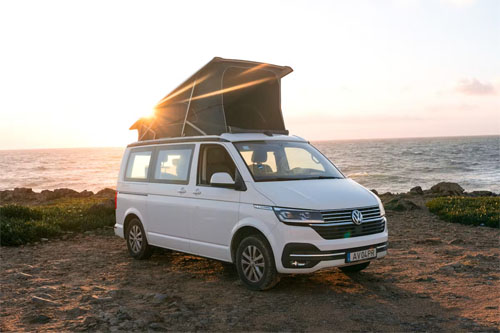
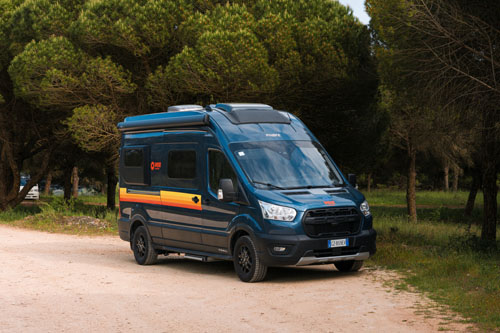
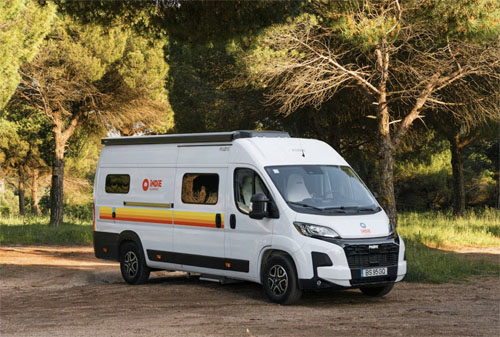
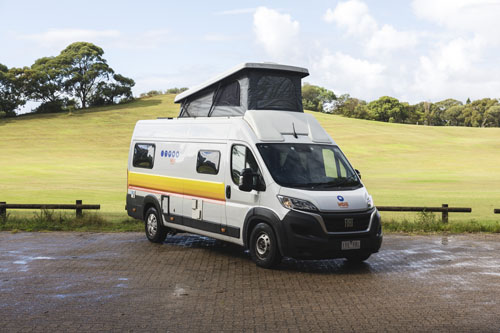
For successfully navigating Austria's diverse roads and experiencing both alpine passes and charming towns, a Class B Camper Van or a Class SI Semi-integrated RV is often recommended for short-term and extended renters, as it strikes an excellent balance between maneuverability and onboard comfort. Class B Camper Vans, like an "Active Compact Select" or "VW California Ocean", with an average length of 5.8 meters across Bandana's global fleet, offer exceptional agility for winding mountain passes and considerably easier parking in smaller towns. Class SI Semi-integrated RVs, such as the "Elnagh Baron 579" or "Comfort Standard", typically averaging 6.9 meters in length, provide more interior space, a dedicated bathroom, and enhanced amenities without significantly compromising maneuverability, making them ideal for a comfortable week-long trip with a small family or couple. While larger Class C (average 7.5m) or Class A (average 7.5m) motorhomes, like a "Jayco Conquest Royale 6", offer ample space for bigger groups, their size can be less convenient on very narrow alpine roads or in tight village centers, though they are perfectly capable on main roads and motorways.Should I Choose a Compact Van Instead of a Large RV in Austria?
While Austria's main roads and most well-equipped campsites can comfortably accommodate larger RVs, a compact van, or Class B campervan, genuinely offers superior maneuverability, particularly advantageous on very narrow mountain passes or in historic city centers with limited access. For a quick RV getaway or longer trip, the choice often involves balancing the desire for extensive indoor comfort and amenities against the ease of driving and parking; larger RVs, like a "Glamys 265" Class C, undeniably provide more living space, more substantial kitchens for preparing RV-friendly recipes playlist, and often private bathrooms. A compact van, similar to a "Maxie Deluxe 3", truly shines when your itinerary involves frequent exploration of tight village streets, navigating bustling urban areas (though Park & Ride is still highly recommended for all RVs in cities), or venturing onto more adventurous, less-maintained routes. However, for many short-term travelers and certainly for longer trips, a slightly larger Semi-integrated RV offers a compelling trade-off, providing enhanced comfort, generous storage, and comprehensive facilities that significantly improve the overall experience, with only a minor reduction in maneuverability compared to a full-size Class C or A motorhome. We are true RV specialists, ready to help you choose the right model.Can I Park Anywhere? Free & Wild Camping Rules in Austria
Generally, wild camping and unregulated overnight parking outside designated campsites are prohibited throughout Austria, a regulation strictly enforced to protect sensitive alpine environments and maintain local order. Overnight stays for rented RVs are typically only permitted on official campsites, at designated Stellplätze (specific motorhome parking areas), or on private land with the explicit, prior permission of the owner. Rules can vary significantly by region and even by municipality, with some areas having stricter enforcement, particularly within national parks, nature reserves, and popular tourist areas like the Salzkammergut. Responsible RVing practices, including proper waste disposal and careful grey water management, are absolutely critical when considering any overnight stop, whether explicitly permitted or not. Always close with: Rules vary by region-check local regulations and follow local law before parking overnight. For finding campsites and campgrounds during your trip, we recommend using RV PLANET (rvplan.net) — a great resource for locating available spots along your route.Can I Drive an RV Into the City Center? Heights, Tunnels & Local Signage
Yes, you can almost always drive a rented RV into Austrian city centers; however, diligent attention to local signage, height limits, and parking restrictions is absolutely essential for a stress-free experience. Pay particular attention to signs indicating height restrictions for tunnels, underpasses, and multi-story car parks, as these can be a significant challenge for taller RVs like Class C alcoves or Class A motorhomes. While environmental zones are less widespread or strictly enforced for RVs in Austria compared to countries like Germany, always be on the lookout for local signs designating special traffic zones or residents-only streets. Major cities such as Vienna, Graz, and Salzburg offer extensive Park & Ride (P+R) systems on their outskirts, providing a convenient and stress-free way to explore urban attractions without navigating an RV through crowded streets or searching for suitable parking. It is highly advisable to utilize navigation apps that allow you to input your vehicle dimensions to avoid unsuitable routes and low clearances. Drive slowly and carefully, and you can drive almost anywhere without issues. No need to stress - just use common sense and pay attention.What are the different types of RV camping sites in Austria?
Austria offers diverse RV camping options beyond just standard commercial campgrounds, catering to various preferences and budgets for your short RV trip or extended adventure. Commercial campgrounds are widespread and provide comprehensive amenities like electricity, fresh water hookups, grey and black water disposal points, and often include recreational facilities such as swimming pools or playgrounds. Bauernhofcamping, or farm/vineyard stays, offer a unique, authentic experience on private agricultural properties, often including opportunities to purchase local produce or participate in wine tastings in regions like Styria or Burgenland. Stellplätze (Wohnmobilstellplätze) are designated motorhome parking areas, typically simpler than full-service campgrounds, offering basic services such as fresh water and waste disposal, ideal for convenient overnight stops. Additionally, eco-friendly campsites focus on sustainability, often situated in pristine natural settings with composting facilities and energy-saving measures, aligning perfectly with responsible RVing practices. For adventurers, high-altitude alpine camping sites provide breathtaking views and direct access to hiking trails, though they may have fewer amenities and require appropriate vehicle preparation, such as leveling blocks for uneven pitches.How much does a weekend RV trip in Austria cost?
The total cost of a short RV trip in Austria, whether for a week, two weeks, or an extended month-long adventure, varies widely but typically includes rental fees, fuel, tolls, camping fees, food, and activity expenses. RV rental costs depend significantly on the vehicle class, season, and exact duration; for a compact campervan or a semi-integrated model, daily rates can often range from €80-€200+ per night. Fuel costs, based on Bandana's fleet averages, can be estimated using 8-12 Liters/100 km for most RVs, combined with current diesel prices, which could add €50-€150 for a typical week's driving (e.g., a 700km route). Tolls include the mandatory digital vignette (approximately €9.90 for 10 days in 2026 for vehicles under 3.5t) and potential additional special tolls for specific mountain passes or tunnels, which can add €10-€30 per route. Camping fees range from €25-€50+ per night for commercial campgrounds with full amenities, while simpler Stellplätze or Bauernhofcamping options might be less expensive, and food costs can be managed efficiently by cooking with local market purchases versus dining out at restaurants. Remember, prices are dynamic and change daily based on availability, seasonality, and supplier decisions, so the final price is set at the actual booking time. We provide full transparency with no hidden fees and no surprises.What are some off-the-beaten-path RV destinations in Austria?
Beyond the well-trodden tourist routes, Austria offers numerous RV-accessible off-the-beaten-path destinations for an authentic local experience during a week-long RV rental. Consider exploring lesser-known valleys such as the Lesachtal in Carinthia, celebrated for its pristine nature, traditional village life, and designated RV parking spots, or the tranquil Alpbachtal in Tyrol, which offers a more serene alpine experience away from the crowds. Seek out specific local festivals, like the traditional Kirtag festivals in various regions or specific wine harvest celebrations in Styria or Wachau during autumn, by checking regional tourism calendars; these events offer a vibrant glimpse into Austrian culture and often have RV-friendly parking nearby. Visit artisanal producers in regions like the Salzkammergut for local cheeses or Burgenland for unique wines, usually found in quaint villages with ample space for your campervan. Areas like the Waldviertel in Lower Austria, famous for its granite landscapes, medieval castles, and tranquil forests, provide a refreshingly different perspective away from the more popular alpine attractions, ideal for a peaceful RV journey.When is the best time to rent an RV in Austria?
The best time to rent an RV in Austria largely depends on your preferred activities and the specific seasonal opportunities you wish to embrace during your journey. Spring (April-May) is truly ideal for witnessing stunning blossom routes and enjoying fewer crowds, though travelers should be aware that some higher mountain passes may still be closed or require snow chains. Summer (June-August) offers the warmest weather, perfect for hiking, swimming in alpine lakes, and a wide array of outdoor activities; however, this is also peak tourist season, which brings higher prices and more crowded campsites. Autumn (September-October) is a magnificent time for wine harvest tours in picturesque regions like Wachau or Styria, with vibrant fall foliage and comfortably mild temperatures for exploring. Winter (November-March) is excellent for skiing and snow sports, but it necessitates an RV rental equipped with winter tires and potentially chains, along with careful route planning due to potential high-pass closures, ensuring a cozy and thrilling winter adventure.Can I bring my pet on an RV rental trip in Austria?
Many RV rental companies partnered with Bandana offer pet-friendly vehicles, allowing you to comfortably bring your furry companion on your extended RV trip to Austria. Rules for pets in Austrian national parks and designated nature reserves are often strict, frequently requiring dogs to be on a leash and sometimes restricting access to certain sensitive areas. Most commercial campgrounds across Austria are pet-friendly, but it's always crucial to check their specific policies regarding pet fees, leash requirements, and any designated pet areas before making a booking. Ensure your pet's vaccinations are up to date and carry their pet passport, which is a mandatory document for international travel in Europe; veterinary access is readily available in larger towns and cities should an emergency arise. Look for pet-friendly activities such as countless hiking trails outside national parks, specific dog parks, and restaurants with outdoor seating that warmly welcome pets, ensuring a joyful adventure for the whole family.How do I stay connected and navigate with an RV in Austria?
Staying connected and navigating effectively in Austria during your RV trip is quite straightforward with the right tools and a bit of preparation. Purchasing a local SIM card from major providers like A1, T-Mobile, or Drei upon arrival offers cost-effective data plans for reliable internet access, which is particularly useful when traveling outside major cities. Utilize popular navigation apps such as Google Maps, Waze, or dedicated RV-specific apps like Campercontact or park4night for efficiently finding campsites, Stellplätze, and optimizing your route while considering your vehicle's dimensions and any applicable tolls. While major roads and towns generally have good mobile coverage, mountainous regions can sometimes have intermittent signal, so downloading offline maps and campsite information onto your devices is highly recommended as a backup. Many campgrounds offer Wi-Fi, and some modern rental RVs come equipped with onboard Wi-Fi routers (always confirm this amenity with your rental provider), ensuring you stay connected and can share your incredible Austrian adventures.How can I RV responsibly and sustainably in Austria?
RVing responsibly and sustainably in Austria is paramount, particularly within its sensitive alpine environments, to preserve the country's natural beauty and show respect for local communities. Proper waste disposal is absolutely critical: always utilize designated bins at campgrounds or public waste stations, and never, under any circumstances, litter, especially in natural areas or along scenic routes. Manage grey water (from sinks/showers) and black water (from toilets) by emptying tanks exclusively at official disposal points found at campgrounds and Stellplätze, as improper disposal can harm the environment and incur heavy fines. Minimize your environmental impact by conserving water and electricity, opting for eco-friendly cleaning products when possible, and strictly adhering to speed limits to reduce fuel consumption and emissions. Respect local rules regarding wild camping, be aware of and follow any fire bans, and stay on marked paths when hiking to protect delicate flora and fauna in alpine regions, ensuring your RV journey leaves a minimal and positive footprint.What You Shouldn't Miss
- **Grossglockner High Alpine Road:** Experience one of Europe's most spectacular scenic drives, a 48 km panoramic road with 36 hairpin bends and breathtaking views of Austria's highest peak, Großglockner (3,798 m).
- **Salzkammergut Lake District:** Explore the crystal-clear lakes, picturesque villages, and dramatic mountains of the Salzkammergut, with Hallstatt, a UNESCO World Heritage site, as a must-see stop.
- **Tiroler Zugspitz Arena:** Enjoy world-class hiking, mountain biking, and cable car rides in the Tyrol region, offering stunning vistas of the Zugspitze, Germany's highest mountain, from the Austrian side.
- **Wachau Valley Wine Region:** Discover a UNESCO World Heritage landscape renowned for its terraced vineyards, medieval castles, and charming villages like Dürnstein and Melk, perfect for a leisurely cruise or wine tasting tour.
- **Hohe Tauern National Park:** Immerse yourself in Austria's largest national park, home to diverse alpine ecosystems, majestic glaciers, and abundant wildlife, ideal for extended hiking and nature observation.
Looking for expert insights from Avi Bandana? Top 5 Adventures - recommendations from Avi Bandana
Final Thoughts
Embarking on an RV adventure in Austria, whether for a quick escape or a multi-week exploration, promises an unforgettable journey through breathtaking landscapes and rich cultural experiences. From navigating the majestic alpine roads to discovering charming villages and serene lakes, a rented motorhome offers unparalleled freedom and flexibility. Remember, planning is key, and we're here to support you every step of the way, providing transparent pricing and expert advice. Imagine waking up to the crisp mountain air, a hot coffee in hand, with a panoramic view of the Austrian Alps right outside your campervan window. This is the magic of RV travel. With a little preparation and the right vehicle, you'll be ready to create cherished memories. So go ahead, dare to explore Austria's beauty at your own pace!On the routes offered through RV PLANET routes, you can itemize and track every expense along the way for easy budgeting.