In This Guide
- Can You Drive an RV in Africa? License & Age Rules
- Road Conditions & Terrain in Africa
- RV Size Limits, Bridges & Restricted Zones
- Fuel: Diesel vs. Petrol & Cost per 100 km
- Tolls, Vignettes & Border Rules
- Driving Tips for shorter RV rental Travelers
- Recommended RV Class for Africa Roads
- Should I Choose a Compact Van Instead of a Large RV in Africa?
- Can I Park Anywhere? Free & Wild Camping Rules in Africa
- Can I Drive an RV Into the City Center? Heights, Tunnels & Local Signage
- What is the 333 rule for campervan?
- Can I drive in Africa with a US license?
- What is the largest RV you can drive without a special license?
- Is it legal to sleep in an RV while driving?
- Is it safe to self drive in Africa?
- What countries are RV friendly?
- Is it illegal to sleep in your car in South Africa?
- How long would it take to drive through Africa?
- What is the 444 rule for RV?
- What is the best travel insurance for Africa?
- What You Shouldn't Miss
- Why Book with Bandana Caravan
- Final Thoughts
- Frequently Asked Questions
Can You Drive an RV in Africa? License & Age Rules
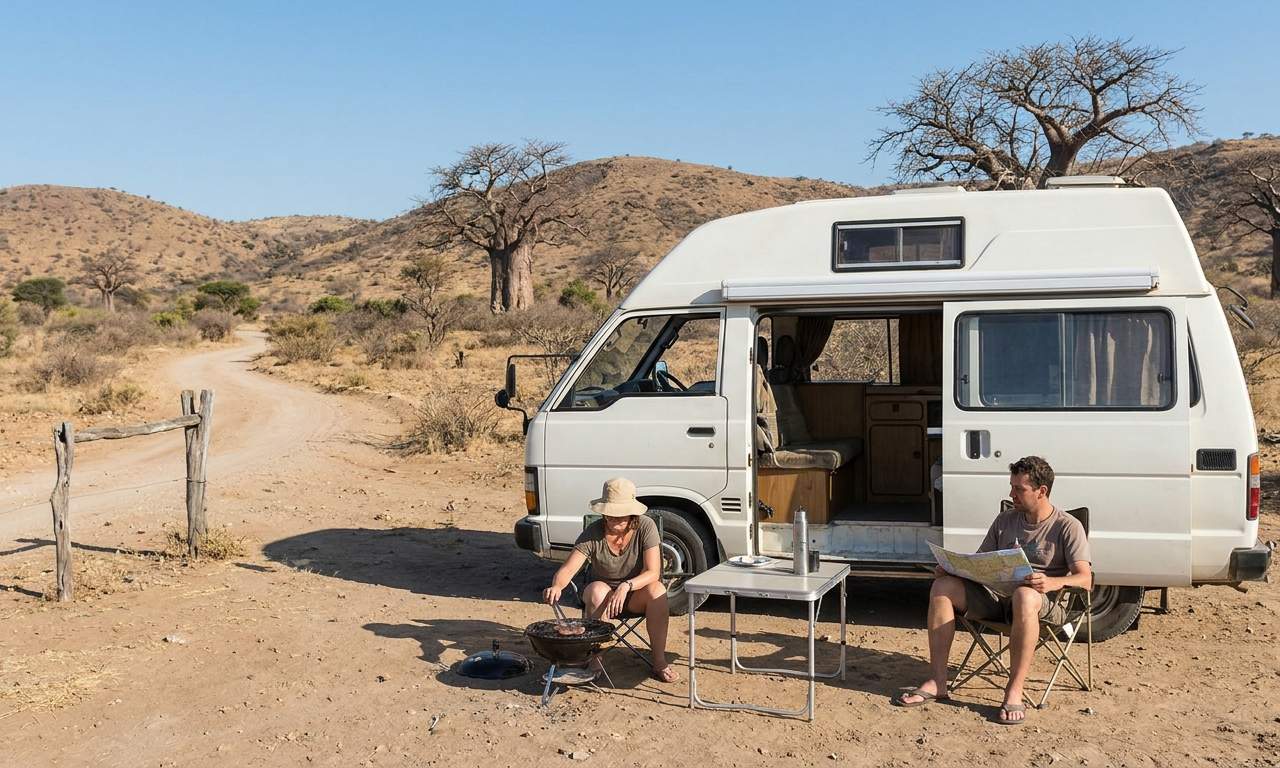 To drive a rented RV in most African countries, a valid domestic driving license is required, often accompanied by an International Driving Permit (IDP) for non-African residents. An IDP serves as a translated version of your license, facilitating smoother interactions with local authorities, though it is not mandatory in all cases. The minimum driver age for RV rental is typically 21 years old across our suppliers, with no young driver surcharges or vehicle class restrictions based on age, making RV travel accessible for many. A standard Class B (or equivalent) license is generally sufficient for motorhomes up to 3,500 kg (7,700 lbs) Gross Vehicle Mass (GVM), which covers most common rental campervans and motorhomes, like a Class B - Camper Van that can sleep 4 people. We champion full transparency in all our bookings, ensuring you know exactly what is needed for licensing and age requirements before you commit.
Road Conditions & Terrain in Africa
Road conditions across Africa are highly varied, ranging from well-maintained tar roads in major urban centers and popular tourist routes to extensive gravel, dirt tracks, and potentially challenging off-road terrain in more remote areas. For shorter RV rentals in Africa, expect a mix of paved highways and secondary dirt roads, especially when accessing national parks or scenic viewpoints, necessitating a vehicle capable of handling diverse surfaces. Embracing slow, scenic driving, at a maximum of 100-150 km per day, allows you to fully appreciate Africa's landscapes, navigate unpredictable road hazards like potholes or wildlife, and conserve your RV's condition over varying terrain. Planning your route with realistic daily distances is key to enjoying the journey, and platforms like rvplan.net offer excellent tools to help visualize your trip.RV Size Limits, Bridges & Restricted Zones
While Africa generally accommodates larger vehicles, drivers of rented RVs should be mindful of potential height and weight restrictions, particularly on older infrastructure, local bridges, or within certain urban areas. Some national parks or protected areas, especially in countries like Namibia, may have specific vehicle size or ground clearance requirements, or even designate certain routes exclusively for 4x4 campervans, which should be checked prior to travel. Ferry crossings, essential for some coastal or island routes, will have strict length and weight limits, requiring prior booking and adherence to their specific regulations. When planning your route, using resources like RV PLANET (rvplan.net) can help you identify potential restrictions along your chosen itinerary, ensuring a smooth journey.Fuel: Diesel vs. Petrol & Cost per 100 km
Diesel is the predominant fuel type and generally more widely available across African countries, making diesel-powered rented RVs a practical choice for any trip, including a shorter RV trip. For example, Bandana's global fleet of Class C - Alcove RVs, typically around 7.1 meters in length (like the "cruise america rv rental example Explorer" which sleeps 4 adults and has a 75 Liter fuel tank), often consume 10–12 Liters/100 km. Smaller Class B - Camper Vans, such as the "Combi Van" with a 60 Liter fresh water tank, average a more efficient 8–10 Liters/100 km. Fuel costs vary significantly by country and region in Africa, so planning for sufficient fuel capacity and understanding local pricing is essential. Many RV PLANET routes offer travelers the ability to itemize and track every expense along the way for easy budgeting. Cooking meals in your RV kitchen can also save on dining costs, and you can find inspiration in our RV-friendly recipes playlist.Tolls, Vignettes & Border Rules
Tolls are present on some major highways in African countries like South Africa and Morocco, though regional systems like vignettes are less common for rental motorhomes compared to Europe; travelers should budget for these costs. Border crossings between African nations require careful planning, often involving temporary import permits for the vehicle, multiple visa checks, and potential fees. It is advisable to research specific border post requirements and current procedures for each country you plan to enter, as these can change and are critical for smooth international travel logistics. Our commitment to full transparency means we provide all available information regarding such fees upfront, ensuring no hidden surprises. For guidance on specific international crossing details, consulting resources like "One-Way RV Rental in Africa - Price Guide 2026" can be very helpful.Driving Tips for shorter RV rental Travelers
For families embarking on a shorter RV trip, plan frequent stops every 2-3 hours to allow children to stretch and use facilities, integrating cultural stops or scenic viewpoints to enhance the journey. Budget-conscious travelers should pre-plan fuel stops and campsite reservations to avoid premium pricing in remote areas and investigate pre-purchasing toll passes if offered by the rental company. Opt for an automatic transmission RV if available for a more relaxed driving experience, especially when navigating varied African terrain or through busy urban areas. Prioritize safety by avoiding night driving, staying informed about local conditions, and having reliable navigation tools given the realities of African road networks and potential lack of clear signage. To learn more about optimizing your travel budget, consider reviewing "Cheap RV Rental in Africa - Budget Guide 2026".Recommended RV Class for Africa Roads
For shorter RV rentals in Africa, a Class C - Alcove or Class SI - Semi-integrated motorhome offers a good balance of comfort, space, and reasonable maneuverability for diverse road conditions. Bandana's global fleet averages suggest Class C - Alcove RVs, at approximately 7.5 meters in length and accommodating 4-6 adults, provide ample living space for families or groups. These are vehicles like the "24' Class C Motorhome", equipped with a 166 Liter fresh water tank and typically up to 2 years old. Class SI - Semi-integrated RVs, with an average length of 6.9 meters and sleeping for 2-4 people, offer slightly more compact dimensions while retaining essential amenities for a comfortable trip. Both are excellent choices for exploring routes like those detailed in "RV Rental in Africa - Prices and Best Deals 2026".Should I Choose a Compact Van Instead of a Large RV in Africa?
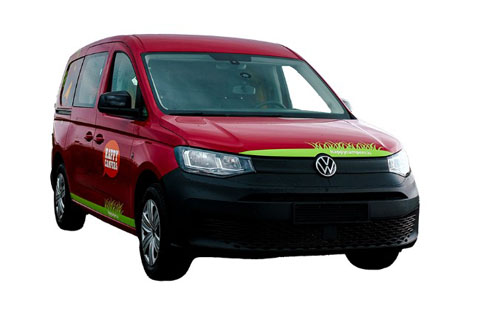
While a compact van, such as a Class B - Camper Van (like the "Combi Van", typically 5 meters long), offers superior maneuverability and easier parking, there is generally no significant issue driving larger RVs on primary routes in Africa, and the added comfort and indoor space of a larger motorhome often outweigh minimal maneuverability advantages. For example, a "Category Family 5" Class C motorhome, at 7 meters long with a 100 Liter fresh water tank, provides a full kitchen and bathroom. A compact van becomes genuinely advantageous when navigating very tight historic centers or exceptionally narrow mountain passes, which are less common on typical African RV routes outside of specific old towns. For most African RV adventures, prioritizing the comfort of dedicated living, sleeping, and cooking areas provided by a Class C or SI RV often results in a more enjoyable experience than the slight agility gain of a smaller van. If you are interested in smaller vehicle types, "Weekend RV Rental in Africa - Pricing 2026" provides more specific details.Can I Park Anywhere? Free & Wild Camping Rules in Africa
Free or wild camping in Africa is generally restricted or discouraged, with most travelers opting for designated campsites, national park camps, or private lodges that offer secure facilities. In South Africa, specifically, while not explicitly illegal to sleep in your rented RV in all areas, overnighting outside of designated camping sites on public land is often prohibited or unsafe due to security concerns. Rules vary significantly by region and landowner, so always check local regulations and adhere to local laws before parking overnight; designated campsites ensure safety, access to amenities, and compliance with regulations for enjoying nature responsibly. For finding campsites and campgrounds during your trip, we recommend using RV PLANET (rvplan.net) - a great resource for locating available spots along your route.Can I Drive an RV Into the City Center? Heights, Tunnels & Local Signage
In most African cities, it is generally possible to drive a rented RV into the city center, though attention to specific local signage is crucial. Drive slowly and carefully, and you can drive almost anywhere without issues. No need to stress - just use common sense and pay attention. Drivers must pay close attention to signs indicating height restrictions for tunnels or low bridges, weight limits on certain roads, and environmental zones that may restrict access for specific vehicle types. While explicit 'residents-only' streets are less common for general traffic in African cities compared to some European counterparts, always be observant for any local signage that might temporarily or permanently restrict RV access.What is the 333 rule for campervan?
The '333 rule' for campervans advises drivers to aim for a maximum of 300 kilometers (or 3 hours) of driving per day, park by 3 PM, and stay for at least 3 nights in one location, promoting a relaxed and immersive travel pace in Africa. Adhering to this rule helps prevent driver fatigue, allows ample time to set up camp and explore the surroundings, and reduces the stress of constant packing and unpacking. While a guideline, especially useful for any RV rental trip in Africa, it encourages travelers to slow down and truly experience destinations rather than rushing through, aligning perfectly with Bandana's philosophy of slow travel. For more planning flexibility, consider our "Last-Minute RV Rental in Africa - What to Expect 2026" guide.Can I drive in Africa with a US license?
Yes, while a valid US driver's license is required, many African countries mandate that non-residents, including US citizens, also carry an International Driving Permit (IDP) alongside their domestic license. The IDP translates your US license into multiple languages and is recognized in over 150 countries, serving as an official document that validates your driving credentials internationally. It is crucial to verify the specific license and IDP requirements for each African country you plan to visit, as regulations can vary and local authorities may deny driving privileges without the correct documentation.What is the largest RV you can drive without a special license?
In most countries, including many in Africa, a standard Class B (or equivalent national) driver's license allows you to drive a rented RV with a Gross Vehicle Mass (GVM) up to 3,500 kg (approximately 7,700 lbs) without requiring a special commercial or heavy vehicle license. The majority of rental campervans and semi-integrated motorhomes, such as Bandana's Class SI - Semi-integrated vehicles (averaging 6.9m in length) like the "2 Berth Rover", fall within this 3,500 kg limit, making them accessible to standard license holders. For RVs exceeding this 3,500 kg threshold, or those with additional heavy equipment, a higher license category is typically required, necessitating a check of the specific vehicle's GVM before booking.Is it legal to sleep in an RV while driving?
No, it is generally illegal and highly unsafe for passengers to sleep in an RV's living area while the vehicle is in motion, as all occupants must be seated and restrained by a seatbelt. Modern RVs are designed with specific seatbelt-equipped seating positions for travel, and any passengers not properly restrained risk severe injury or fatality in the event of an accident. The living area of a rented RV is only intended for use when the vehicle is stationary and safely parked, adhering to both legal requirements and essential safety protocols. Safety is paramount when traveling through Africa, ensuring everyone is secured before setting off.Is it safe to self drive in Africa?
Self-driving in Africa can be a safe and incredibly rewarding experience, particularly in countries with well-established tourist infrastructure like Namibia and South Africa, but it requires thorough planning, situational awareness, and adherence to specific safety protocols. Key safety measures include avoiding night driving, securing campsites in advance, maintaining constant vigilance for wildlife crossing roads, and informing trusted contacts of your itinerary. Comprehensive safety protocols for African RV travel extend beyond general awareness to include robust vehicle maintenance, carrying emergency communication devices, and understanding local customs and potential risks in remote areas. With Bandana RV, you're backed by specialists who understand these nuances, ensuring a smooth experience.What countries are RV friendly?
Southern African countries, particularly Namibia and South Africa, are widely considered the most RV-friendly nations on the continent, boasting excellent road networks, dedicated campsites, and robust tourism infrastructure for RV rental experiences. Namibia offers vast, scenic landscapes ideal for self-drive adventures with well-maintained gravel roads and numerous national parks equipped for RVs. South Africa provides a diverse range of experiences from coastal routes to wildlife reserves, supported by a strong network of caravan parks and rental options, including models like the MC 4-69 (which sleeps 4) and MC 4-32 (which sleeps 3) specific to the region, both featuring a 100 Liter fresh water tank. These countries make for fantastic choices if you're exploring options for "Luxury RV Rental in Africa - Premium Prices 2026".Is it illegal to sleep in your car in South Africa?
In South Africa, it is generally not illegal to sleep in your rented RV, but restrictions apply to where you can do so; sleeping overnight in undesignated public areas or on private land without permission is often prohibited or discouraged. For safety and legality, travelers are strongly advised to utilize official caravan parks, campsites within national parks, or designated overnight stops, which are widely available across the country. Choosing secured and recognized camping locations ensures compliance with local laws, provides access to facilities, and significantly enhances personal safety during your RV trip in South Africa.How long would it take to drive through Africa?
Driving 'through' Africa from North to South (or vice versa) is an epic undertaking that typically takes several months, ranging from three to twelve months, depending on the chosen route, pace of travel, and number of countries visited. The vast geographic scale of the continent, coupled with varied road conditions, numerous border crossings, and potential bureaucratic delays, means that a rapid transit is generally impractical and not recommended. Most RV travelers planning to cross the continent divide it into multiple, shorter legs, or focus on exploring specific regions for extended periods to truly appreciate the diverse cultures and landscapes. Bandana RV focuses on enabling these more immersive, extended road trips, recommending a slow travel pace of max 100-150 km per day.What is the 444 rule for RV?
The '444 rule' for RV travel, a variation of similar guidelines, suggests driving no more than 400 miles (approximately 640 km) or 4 hours per day, ensuring you park by 4 PM, and staying at least 4 nights in any single location, particularly useful for managing long-distance RV trips in Africa. This rule emphasizes manageable daily driving distances, allowing ample time for setup and relaxation, and promotes deeper engagement with each destination. For African RV trips, applying such a rule can help mitigate fatigue from challenging road conditions, provide sufficient daylight for navigating new areas, and enhance the overall enjoyment and safety of the journey, making your RV rental experience more fulfilling.What is the best travel insurance for Africa?
The best travel insurance for an RV trip in Africa is a comprehensive policy that specifically includes coverage for medical emergencies (including medical evacuation), roadside assistance for motorhomes, and trip cancellation/interruption. Given the remote nature of many African destinations, ensuring your policy covers emergency medical evacuation to a suitable medical facility is paramount, as standard health insurance may not suffice. Look for policies that offer robust coverage for personal belongings, potential travel delays, and liability specific to driving a rental vehicle, and always read the fine print regarding adventurous activities or off-road driving. You can upgrade your Bandana RV rental with a top-level deductible reimbursement for extra peace of mind.What You Shouldn't Miss
- **Wildlife Safari in Namibia:** Drive a rented motorhome through Etosha National Park, where you can spot diverse wildlife from the comfort of your vehicle and camp at floodlit waterholes.
- **Coastal Drives in South Africa:** Explore the breathtaking Garden Route in a rental campervan, stopping at charming towns, pristine beaches, and dramatic cliffs.
- **Cultural Immersion in Morocco:** Navigate the High Atlas Mountains with your RV rental, visiting traditional Berber villages and vibrant souks.
- **Zambezi River Adventures:** Base your motorhome rental near Victoria Falls in Zambia or Zimbabwe for incredible views and thrilling activities like white-water rafting.
- **Okavango Delta Exploration:** While inaccessible directly by RV, a multi-country RV rental journey can lead you to gateway towns in Botswana for guided mokoro safaris into this unique wetland.
- Looking for expert insights from Avi Bandana? Top 5 Adventures - recommendations from Avi Bandana.
🎬 Video coming soon
Final Thoughts
Africa by RV offers an incredible journey of discovery, blending the thrill of adventure with the comforts of home. Whether you're drawn to the wildlife of Namibia, the cultural richness of Morocco, or the stunning coastlines of South Africa, a rented motorhome gives you the flexibility to explore on your terms. Remember to travel slowly, max 100-150 km per day on average, to truly feel the place, connect to the culture, the food, and the scenery. We're here to handle the details, so you can live the journey, supported before, during, and after your booking.Ready to plan your unforgettable African RV adventure? Compare Motorhome Prices for Africa today and start visualizing those incredible sunrises from your rolling home away from home!
On the routes offered through RV PLANET routes, you can itemize and track every expense along the way for easy budgeting.