
For live availability and current prices, start with our RV Rental Zimbabwe - Complete Guide 2026 guide.
In This Guide
- How much does it cost to rent an RV in Zimbabwe?
- Where to Camp in Zimbabwe - Top Options
- Campground Types in Zimbabwe (National, Private, Wild)
- Featured RV Park or Campground in Zimbabwe
- Hookups & Amenities - What to Expect
- Booking Windows & Reservations in Zimbabwe
- Nearby Supermarkets & Resupply Points
- Best RV Class for Camping in Zimbabwe
- How to Save on Campgrounds in Zimbabwe
- What are the best roads to drive in Zimbabwe?
- Is it safe to drive in Zimbabwe?
- What are the rules for self-driving in Zimbabwe?
- Is a 4x4 essential for Zimbabwe?
- Can you self-drive through national parks in Zimbabwe?
- Is Zimbabwe a good country to visit?
- What is the best time of year to visit Zimbabwe?
- Do you need a visa for Zimbabwe?
- Is it easy to get around Zimbabwe?
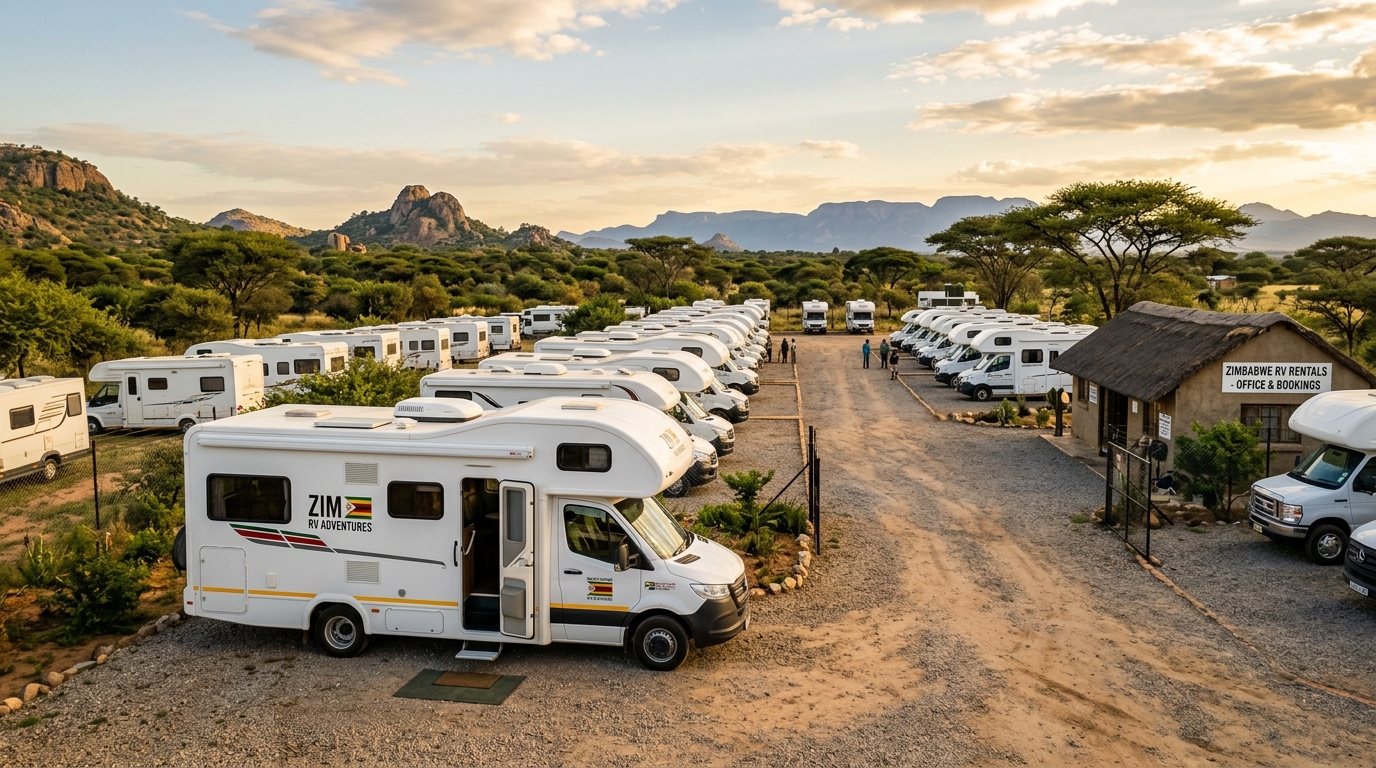
Embarking on a weekend RV adventure in Zimbabwe offers an unparalleled sense of freedom, allowing you to explore this Southern African gem at your own pace. Imagine waking up to the sounds of the African bush in your rented motorhome, preparing a delicious breakfast in your mobile kitchen, and setting off on a new discovery each day. To help you plan your perfect short stay or extended road trip, our RV Rental Zimbabwe - Complete Guide 2024 covers all the essentials. We're here to provide the insights and support you need before, during, and after your booking, ensuring a seamless and memorable experience.
🎬 Video coming soon
How much does it cost to rent an RV in Zimbabwe?
The cost to rent an RV in Zimbabwe varies significantly based on the RV class, rental duration, season, and included features, with daily rates typically ranging from $100 to $300+ USD. For example, a compact Class B Campervan might start from $100/day in the low season, while a larger Class C motorhome for a family could easily reach $250-$300+ USD per day during peak times. Beyond the base rental fee, budgeting for specific RV-related costs is essential; these include fuel (consider Class B Camper Vans' typical 8-10 Liter/100 km consumption), national park entry fees for both the vehicle and its occupants, and specific camping fees at private or national parks. You can factor in provisioning strategies, such as buying groceries in major towns rather than remote stores, to help manage food costs and keep your RV-friendly recipes playlist well-stocked. Allocate additional funds for potential border crossing fees (if applicable), comprehensive insurance coverage, and a contingency for unexpected expenses like minor repairs or roadside assistance. For detailed expense tracking and budgeting, consider using RV PLANET routes, which allow travelers to itemize and track every expense along the way. On the routes offered through RV PLANET routes, you can itemize and track every expense along the way for easy budgeting.
Where to Camp in Zimbabwe - Top Options
Zimbabwe offers diverse camping options across its major tourist regions, providing something for every type of RV traveler. Popular areas include the majestic Victoria Falls, wildlife-rich Hwange National Park, and the scenic Eastern Highlands. Campgrounds typically range from basic sites within national parks to more equipped private lodges with a wider array of amenities. For convenience and access to iconic attractions, consider areas like the Victoria Falls Rest Camp, which offers good facilities near the falls. Alternatively, for a truly immersive and wilder experience, explore secluded spots within Gonarezhou National Park, though these often require more self-sufficiency. Remember that popular campsites, especially near Victoria Falls, can book up quickly, particularly during the peak dry season from May to October.
Campground Types in Zimbabwe (National, Private, Wild)
Zimbabwe primarily offers national park campgrounds and private campsites, with wild camping generally not legally permitted or advisable outside designated areas due to safety concerns and wildlife presence. National park sites, often managed by the Zimbabwe Parks and Wildlife Management Authority, are typically more rustic, providing essential facilities like ablution blocks (toilets and showers) and sometimes braai (barbecue) areas, focusing on proximity to wildlife. Private campgrounds and lodges, on the other hand, offer a higher level of comfort and amenities, such as restaurants, pools, and organized activities, alongside secure parking for your rented motorhome. It's crucial to stick to established campgrounds or designated areas, as freedom camping is discouraged due to potential wildlife encounters and local regulations. When exploring areas near cities like Harare or Victoria Falls, you'll find a range of private and municipal options that offer different levels of comfort and access. For live availability and current prices, start with our RV Rental Zimbabwe - Complete Guide 2024 guide.
Featured RV Park or Campground in Zimbabwe
When selecting an RV park in Zimbabwe, look for facilities that offer secure parking, essential amenities, and proximity to key attractions. An ideal featured RV park would provide spacious sites, reliable water and electricity hookups (typically 220-240V with Type G or D/M sockets), and clean ablution facilities. For instance, the Victoria Falls Rest Camp is a popular choice offering convenient access to the falls, a swimming pool, restaurant, and secure sites, making it suitable for families and couples alike. Prioritize locations with robust security measures and clear demarcation from wildlife areas, especially if traveling with a family. Additionally, consider if the park offers any cultural activities or local guiding services to enhance your experience beyond wildlife viewing, such as guided walks or community visits. Before heading out, you can also explore RV PLANET routes for pre-planned itineraries that highlight top campgrounds.
Hookups & Amenities - What to Expect
In Zimbabwe, RVers can expect a range of hookup availability at campgrounds, with most private sites offering electricity, water, and sometimes a dump station. Electrical hookups typically operate on a 220-240V system, utilizing Type G (British 3-pin) or Type D/M sockets; it's always wise to bring appropriate international adapters for your rented campervan. Water access is usually available at individual sites or communal taps, though it's advisable to purify tap water for drinking, as quality can vary. Dump stations for grey and black water are less common outside of major private parks or larger urban campsites, so plan your waste disposal carefully. While Wi-Fi is increasingly available at private lodges and larger campgrounds, coverage can be unreliable or non-existent in national parks and remote areas. For staying connected, consider purchasing a local SIM card for mobile data from providers like Econet, NetOne, or Telecel in major towns like Harare or Victoria Falls. Laundry facilities, hot showers, and communal braai areas are common amenities at more established campsites, enhancing comfort during your RV trip. Many larger Class C motorhomes, such as the Cruise America Explorer, typically come with a 82-liter fresh water tank and 82-liter waste water tank, and a refrigerator to keep your ingredients fresh for RV-friendly recipes playlist meals on the go.
Booking Windows & Reservations in Zimbabwe
For RV rentals in Zimbabwe, especially during peak dry season (June to October) and around popular attractions like Victoria Falls, it is highly recommended that planners book national park campsites and popular private lodges several months in advance. Many national park campgrounds, particularly those managed by Parks and Wildlife Management Authority, typically release only 25%-30% of their spots for advance online reservations, with the remainder often allocated on a first-come, first-served basis. This structure means spontaneous travelers might find same-day or next-day availability at less popular sites or private lodges. However, calling ahead to confirm availability is always advisable before driving your rented motorhome long distances. You will almost certainly find a place to camp if you're flexible - if not at the first campground, then the next available option in the vicinity - though your preferred spot may require advance planning. Booking your Weekly RV Rental in Zimbabwe - Pricing 2024 well ahead of time can also secure better rates.
Nearby Supermarkets & Resupply Points
RVers in Zimbabwe can easily resupply at major supermarket chains found in larger towns and cities throughout the country, such as OK Zimbabwe, Spar, and Pick n Pay. These supermarkets offer a comprehensive range of groceries, fresh produce, toiletries, and other essential supplies for your RV journey, making it easy to stock up for your next leg of travel. For remote areas or national parks, it is crucial to stock up sufficiently before heading out, as smaller general stores often have limited selections and higher prices. Planning your route with resupply stops in mind can significantly aid in managing your budget and ensuring you have all necessary provisions for your trip, allowing you to enjoy your cooking in your campervan without interruption. Our Cheap RV Rental in Zimbabwe - Budget Guide 2024 offers more tips on managing ancillary costs. Remember to check local market days for fresh, seasonal produce and unique local flavors. Many rented RVs, like the Class C motorhome 'cruise america rv rental example Explorer' have a 90-liter refrigerator to store fresh food.
Best RV Class for Camping in Zimbabwe
The best RV class for camping in Zimbabwe depends heavily on your intended routes, comfort preference, and driving experience, with Class B Camper Vans and Class SI Semi-integrated models often providing a balanced choice for varied conditions. Bandana offers a diverse fleet to suit different needs. Our Class B Camper Vans, averaging 5.8 meters in length and providing 3.2 sleeping places, are highly maneuverable and fuel-efficient (typically 8-10 Liter/100 km), making them ideal for navigating varied road conditions and more remote, smaller campsites. For greater comfort and space, Bandana's Class SI Semi-integrated RVs, averaging 6.9 meters long with 3.8 sleeping places, provide more amenities like a full kitchen and bathroom, and can still handle most main tarred roads, consuming around 10-11 Liter/100 km. For those seeking true off-road capability in national parks, Class TC Truck Campers, averaging 5.5 meters and 2.4 sleeping places, are often mounted on 4x4 chassis, making them excellent for challenging dirt roads and deeper sand, albeit with higher fuel consumption (12-17 Liter/100 km). Consider a smaller campervan if you plan to explore less accessible areas, or a larger motorhome if comfort and space are your priorities.
How to Save on Campgrounds in Zimbabwe
To save on campgrounds in Zimbabwe, consider utilizing any available RV rental company campground discount cards, which can offer significant savings at participating private parks. Booking your RV trip during the shoulder season (e.g., April-May or November) can often result in lower campsite fees and fewer crowds compared to the peak dry season, which typically runs from June to October. Opting for municipal or national park campgrounds over luxury private resorts can substantially reduce costs, as they typically offer more basic facilities at a fraction of the price. Staying three or more nights at a single location can sometimes qualify you for weekly rates or extended stay discounts, which are more economical than nightly bookings. If traveling in a group, sharing hookups or splitting the cost of a larger site can also be an effective strategy to manage your camping budget. For comprehensive route planning that helps manage your budget effectively, including estimated campground costs, explore RV PLANET routes.
What are the best roads to drive in Zimbabwe?
The best roads for driving a rented RV in Zimbabwe are generally the well-maintained tarred highways connecting major cities and tourist hubs, such as the A1 from Harare to Chirundu and the A5 to Victoria Falls. These primary routes offer smoother travel, though drivers should remain vigilant for potholes, pedestrians, and livestock, especially outside urban areas. Drive slowly and carefully, and you can drive almost anywhere without issues. No need to stress - just use common sense and pay attention. For accessing national parks and more remote attractions, gravel and dirt roads are common, requiring careful navigation and often a 4x4 vehicle for optimal safety and accessibility. It's wise to utilize reliable offline mapping tools like Maps.me or Gaia GPS, downloaded prior to your trip, as mobile network coverage diminishes significantly in rural and park areas. Consult our One-Way RV Rental in Zimbabwe - Price Guide 2024 for routes along these main arteries.
Is it safe to drive in Zimbabwe?
Driving a rented RV in Zimbabwe can be safe for RVers who exercise caution, remain vigilant, and adhere to essential safety protocols, though awareness of local conditions is crucial. Roadside emergencies like breakdowns require preparedness; carry a comprehensive emergency kit including spare tires, basic tools, a first-aid kit, and sufficient water. It's always a good idea to have local emergency numbers programmed into your phone. When encountering wildlife, particularly in or near national parks, maintain a safe distance and never approach animals on foot, especially after dark. Interact respectfully with local communities, park your campervan in secure, designated areas, and avoid night driving on unlit roads due to increased hazards like pedestrians, livestock, and large potholes. For secure parking, always choose established campgrounds or private lodges that offer guarded facilities for your RV overnight. Our 24/7 support is there to assist you with pre-booking comparisons and post-booking coordination, ensuring you feel confident and supported.
What are the rules for self-driving in Zimbabwe?
Self-driving a motorhome in Zimbabwe requires adherence to specific traffic laws, including driving on the left-hand side of the road and possessing a valid international driving permit alongside your national license for visitors from non-English speaking countries. Speed limits are typically 120 km/h on highways, 100 km/h on main roads, and 60 km/h in urban areas, though lower limits may apply in national parks or near villages. It is mandatory to carry two red reflective triangles and a fire extinguisher in your vehicle at all times. Always be prepared for police checkpoints by having your driver's license, vehicle registration, and rental agreement readily available. Respect local customs and etiquette, particularly when interacting with officials or in rural areas, maintaining a polite and cooperative demeanor. A standard car driver's license is sufficient for all motorhome classes (Class A, B, and C) for your rented camper in Zimbabwe.
Is a 4x4 essential for Zimbabwe?
A 4x4 vehicle is not always essential for all RV travel in Zimbabwe, but it is highly recommended and often necessary for accessing national parks, remote areas, and navigating challenging road conditions, especially during the rainy season. While a 2x4 RV like Bandana's Class SI Semi-integrated (averaging 6.9m length, 3.8 sleeping places, 10-11 Liter/100 km fuel consumption) can manage main tarred roads comfortably, its viability diminishes significantly on gravel, dirt tracks, or during the rainy season. For optimal access to iconic safari destinations such as Hwange or Gonarezhou National Park, or for exploring less-trafficked routes, a 4x4 capable RV, such as a Class TC Truck Camper (averaging 5.5m, 2.4 sleeping places, 12-17 Liter/100 km fuel consumption), provides crucial ground clearance and traction. Before your trip, conduct a thorough pre-trip RV inspection, paying close attention to tire condition, suspension, and undercarriage, and consider carrying spare parts like fuses or a tire repair kit. Our expert team can advise on the best rented motorhome for your specific itinerary.
Can you self-drive through national parks in Zimbabwe?
Yes, self-driving through national parks in Zimbabwe is not only permitted but highly encouraged, offering an unparalleled sense of freedom and adventure with your rented RV. Popular parks like Hwange National Park, Mana Pools National Park, and Matobo National Park welcome self-drivers, providing maps and clear signposting for major routes. Challenges within national parks include unpaved roads, deep sand, corrugations, and potential river crossings, often requiring a 4x4 vehicle and confident off-road driving skills. Remember to drive slowly and carefully, and you can drive almost anywhere without issues. No need to stress - just use common sense and pay attention. Strict rules apply inside parks regarding speed limits, remaining in your vehicle, and maintaining a safe distance from wildlife to ensure both visitor safety and animal welfare. Always check park-specific regulations and road conditions before entering, especially during the rainy season (November to April) when some roads may become impassable, particularly for non-4x4 motorhomes. For finding campsites and campgrounds during your trip, we recommend using RV PLANET (rvplan.net) - a great resource for locating available spots along your route.
Is Zimbabwe a good country to visit?
Zimbabwe is widely considered an excellent country to visit, offering a rich tapestry of natural beauty, diverse wildlife, and profound cultural experiences that extend beyond traditional safaris. RVers can engage with local communities respectfully by visiting rural markets, supporting local art cooperatives, or participating in cultural tours that provide insights into Shona and Ndebele traditions. Beyond wildlife viewing, you can explore historical sites like the Great Zimbabwe Ruins, a UNESCO World Heritage site, witness the geological marvels of the Matobo Hills, or experience the vibrant local food scene through street food or traditional restaurants. Discover unique cultural RV stops such as community-run campsites that offer authentic interactions and contribute directly to local economies, creating a more immersive and rewarding travel experience. Travel slowly, max 100-150 km per day on average, to fully immerse yourself in the place, connect to the culture, the food, and the scenery. To learn more about exploring the wider region, see our RV Rental Africa - Complete Guide 2024.
What is the best time of year to visit Zimbabwe?
The best time of year to visit Zimbabwe for an RV adventure is generally during the dry winter season, from May to October, offering optimal wildlife viewing and favorable driving conditions. During these months, vegetation is sparser, and animals congregate around permanent water sources, making them easier to spot from your rented camper. The dry season also brings cooler temperatures and fewer mosquitoes, enhancing comfort for camping and outdoor activities. While the rainy season (November to April) transforms the landscape into lush greenery and offers incredible birdwatching opportunities, some roads, especially in national parks, can become impassable for RVs, particularly non-4x4 vehicles. Planning your trip during the dry season will allow for easier navigation of various terrains and more comfortable camping in your motorhome.
Do you need a visa for Zimbabwe?
Whether you need a visa for Zimbabwe depends on your nationality, with many countries qualifying for visa-free entry, a visa on arrival, or requiring a visa in advance. Visitors from specific countries, including most SADC (Southern African Development Community) nations, can enter Zimbabwe without a visa for short stays. Many other nationalities, such as those from the UK, USA, Canada, and Australia, are eligible to obtain a visa on arrival at major ports of entry for a fee (e.g., $30-$50 USD for a single-entry tourist visa). Always check the latest visa requirements for your specific nationality with the Zimbabwean embassy or consulate in your home country well in advance of your travel date, as regulations can change. If you are planning to cross borders into neighboring countries like Zambia (Victoria Falls border) or Botswana (Kazungula border) with your rented RV, be aware of their respective visa requirements and potential multi-entry visa options for Zimbabwe, as well as vehicle temporary import permits or Carnet de Passage requirements for your campervan.
Is it easy to get around Zimbabwe?
Getting around Zimbabwe with a rented RV can be relatively easy on major tarred routes, but navigation becomes more challenging on secondary and national park roads. The primary highway network is generally well-maintained, connecting key cities like Harare and tourist destinations such as Victoria Falls, although vigilance for potholes and livestock is crucial. Drive slowly and carefully, and you can drive almost anywhere without issues. No need to stress - just use common sense and pay attention. Reliable offline mapping tools, such as Maps.me or Gaia GPS, are indispensable for navigation, especially in areas with limited to no mobile network coverage. While roadside signage is present, it can be inconsistent or damaged in some rural areas, so always cross-reference with your GPS. For those venturing into national parks or off-the-beaten-path locations, a 4x4 motorhome and experience driving on gravel or dirt roads will significantly enhance ease of travel. Consider starting your adventure from hubs like RV Rental Harare - Airport 2024 or RV Rental Victoria Falls - Airport 2024 for convenience.
What You Shouldn't Miss
- Victoria Falls: Witness the awe-inspiring Mosi-oa-Tunya, "The Smoke that Thunders," one of the world's largest waterfalls. Explore the rainforest on foot and consider a helicopter ride for a breathtaking aerial perspective.
- Hwange National Park: Embark on a self-drive safari in your rented 4x4 campervan to discover vast herds of elephants, lions, and diverse wildlife. Plan for multiple days to fully explore its diverse ecosystems.
- Great Zimbabwe Ruins: Step back in time at this UNESCO World Heritage site, exploring the ancient stone city that was once the capital of the Kingdom of Zimbabwe.
- Matobo Hills National Park: Home to dramatic granite kopjes (rock formations) and a sanctuary for both black and white rhinos, this park also offers stunning San rock art. Guided walking safaris to track rhinos are a highlight.
- Eastern Highlands: Drive through the scenic mountains, tea plantations, and waterfalls of Nyanga and Chimanimani, offering cooler climates and opportunities for hiking, trout fishing, and golf.
- Kariba Dam and Lake: Enjoy houseboating, fishing for tiger fish, or simply relaxing by the vast man-made lake. Sunsets over Lake Kariba are legendary.
Looking for expert insights from Avi Bandana? Top 5 Adventures - recommendations from Avi Bandana
Avi Bandana, our founder, always emphasizes immersing yourself in the local culture. "Beyond the incredible wildlife, Zimbabwe offers such warmth in its people and vibrant traditions," he says. "Take the time to visit a local village or market. Those are the moments that truly make an RV trip unforgettable." His personal top adventures include a sunrise drive through Matobo Hills, experiencing the sheer scale of Victoria Falls, a multi-day safari in Hwange, exploring the Eastern Highlands, and enjoying fresh local produce bought from roadside stalls along your journey. You can plan a trip itinerary in advance with minimal effort and maximum enjoyment with RVPLAN.net.
Final Thoughts
Exploring Zimbabwe in a rented RV offers an extraordinary adventure, blending breathtaking wildlife encounters with rich cultural experiences and stunning landscapes. From the thundering Victoria Falls to the serene Matobo Hills, your motorhome becomes your personal gateway to discovery, allowing you to craft a journey truly your own. Whether you're a meticulous planner or a spontaneous traveler, the freedom of the road in Zimbabwe is an experience not to be missed.
At Bandana Caravan, we are dedicated to making your dream RV trip a reality. With our transparent pricing, comprehensive support, and expert knowledge, you can confidently compare and book your ideal campervan or motorhome. We're here to support you every step of the way, ensuring your Zimbabwe adventure is filled with joy, wonder, and unforgettable memories.
Ready to hit the open roads of Zimbabwe? Discover the perfect home on wheels and start envisioning your unique journey.
