In This Guide
- Where to Camp in West Europe — Top Options
- Campground Types in West Europe (National, Private, Wild)
- Featured RV Park or Campground in West Europe
- Hookups & Amenities — What to Expect
- Booking Windows & Reservations in West Europe
- Nearby Supermarkets & Resupply Points
- Best RV Class for Camping in West Europe
- How to Save on Campgrounds in West Europe
- How do I plan an RV trip in Europe?
- Is an RV a good idea for Europe?
- What is the best month to RV in Europe?
- Is it safe to RV in Europe?
- Is it cheap to rent an RV in Europe?
- How much does a campervan cost in Europe?
- What is the cheapest RV rental in Europe?
- How much does it cost to RV in Europe?
- Is it easy to drive an RV in Europe?
- Can you sleep anywhere in an RV in Europe?
- Is it worth renting an RV in Europe?
Where to Camp in West Europe — Top Options
West Europe offers diverse and well-equipped camping options, from picturesque coastal sites to serene mountain retreats, catering to every RV adventurer. For weekend trips, focusing on regions with a high density of campgrounds and attractions maximizes your exploration time. Popular areas include the stunning French Alps, the scenic Black Forest in Germany, and the sunny Algarve coast in Portugal, all renowned for their developed RV infrastructure and accessibility.
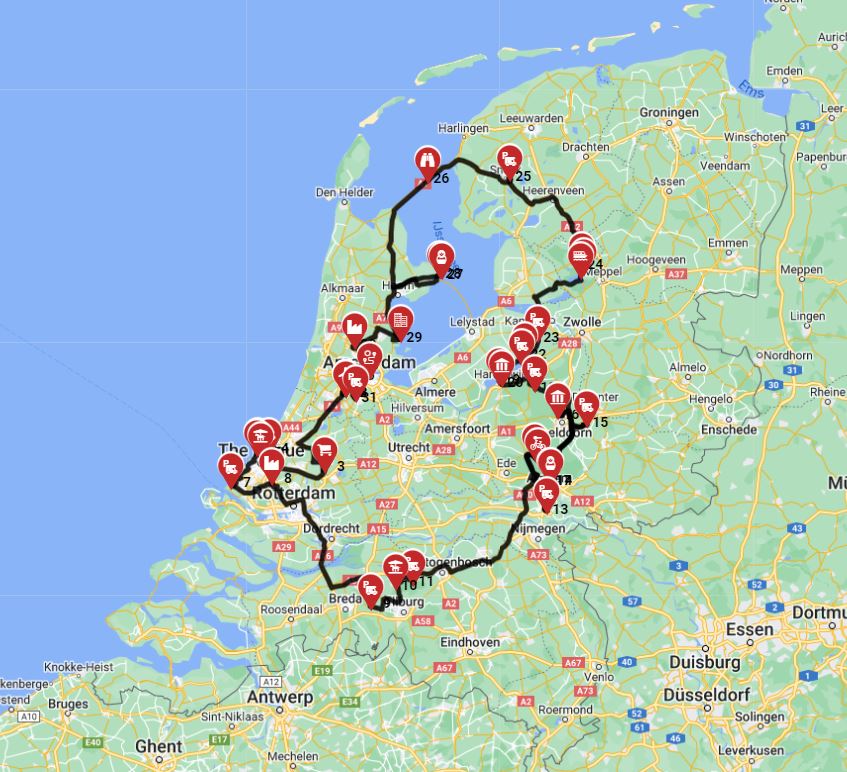
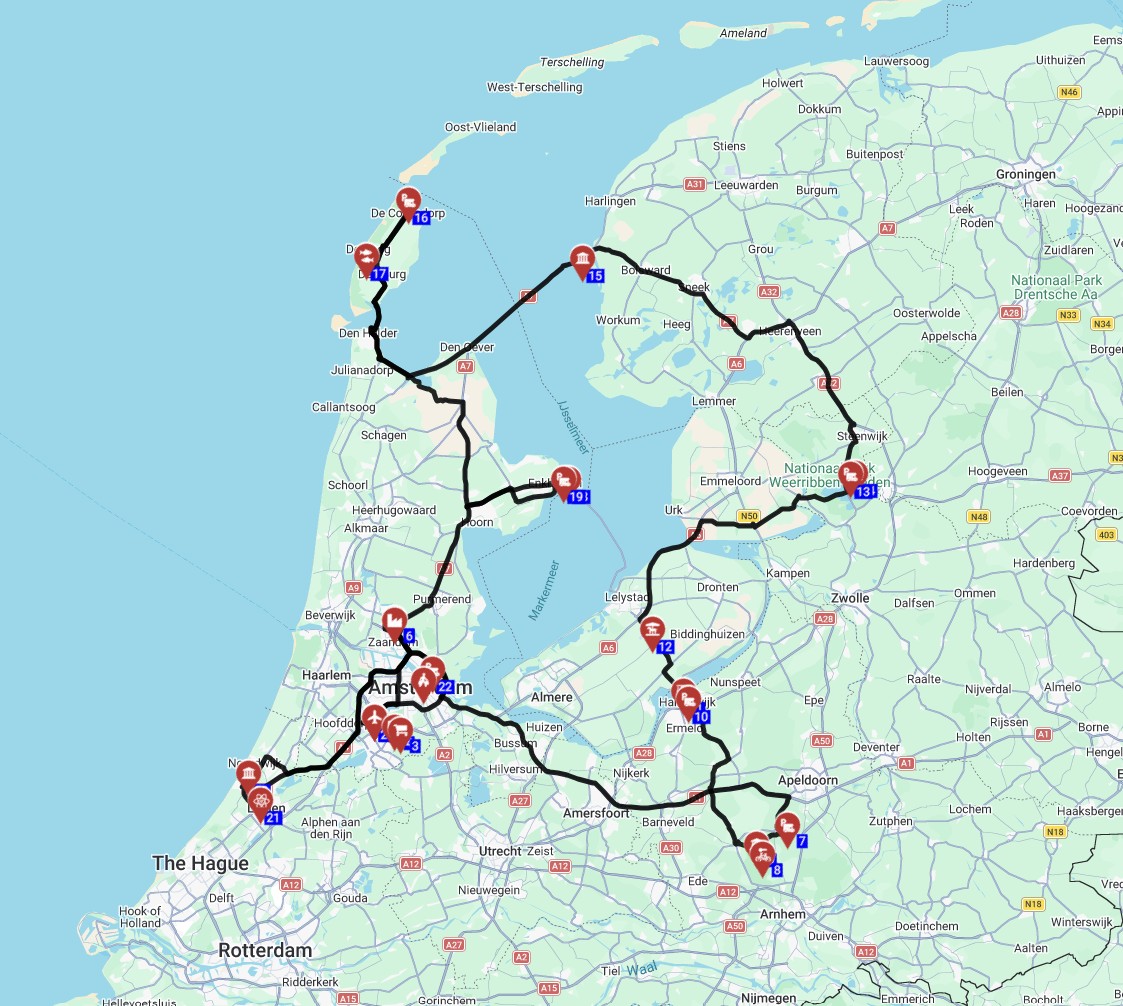
Consider destinations like the Netherlands for its extensive network of well-maintained campsites easily accessible by RV, or the Belgian Ardennes for its beautiful forests and charming towns, offering a shorter, scenic escape. For those seeking coastal beauty, the French Riviera or the Portuguese coastline provide numerous RV-friendly options. These locations are not only beautiful but also provide the necessary amenities and accessibility for a comfortable and enjoyable weekend RVing experience. For live availability and current prices, start with our RV Rental West Europe - Complete Guide 2026 guide.
Campground Types in West Europe (National, Private, Wild)
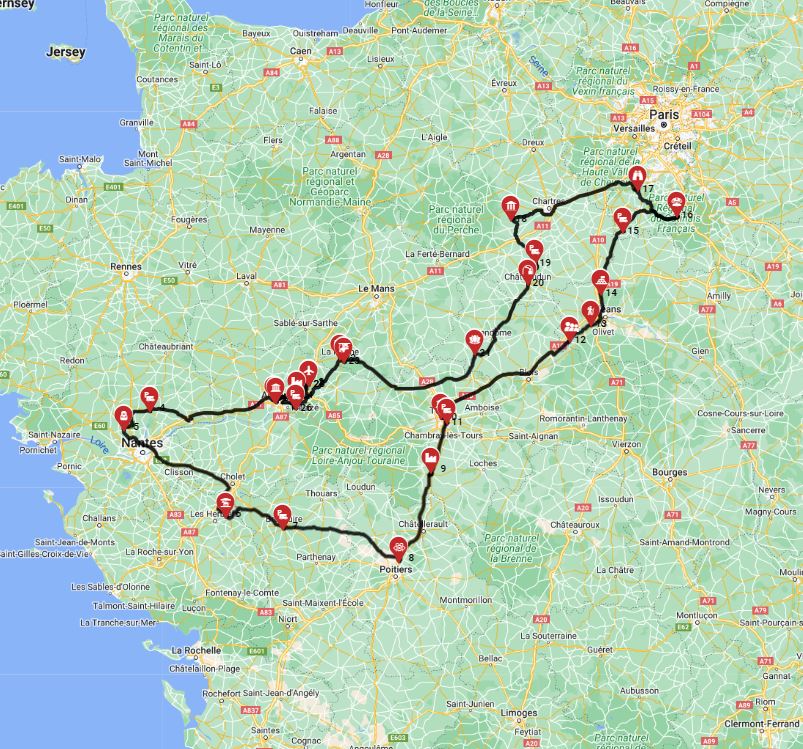
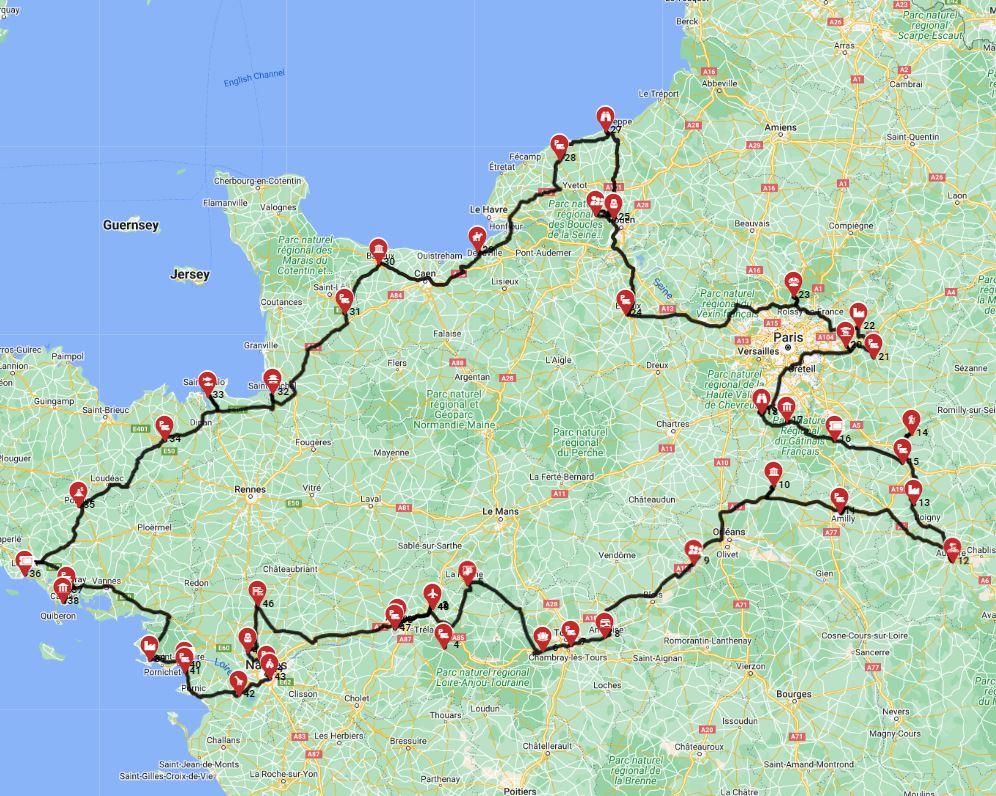
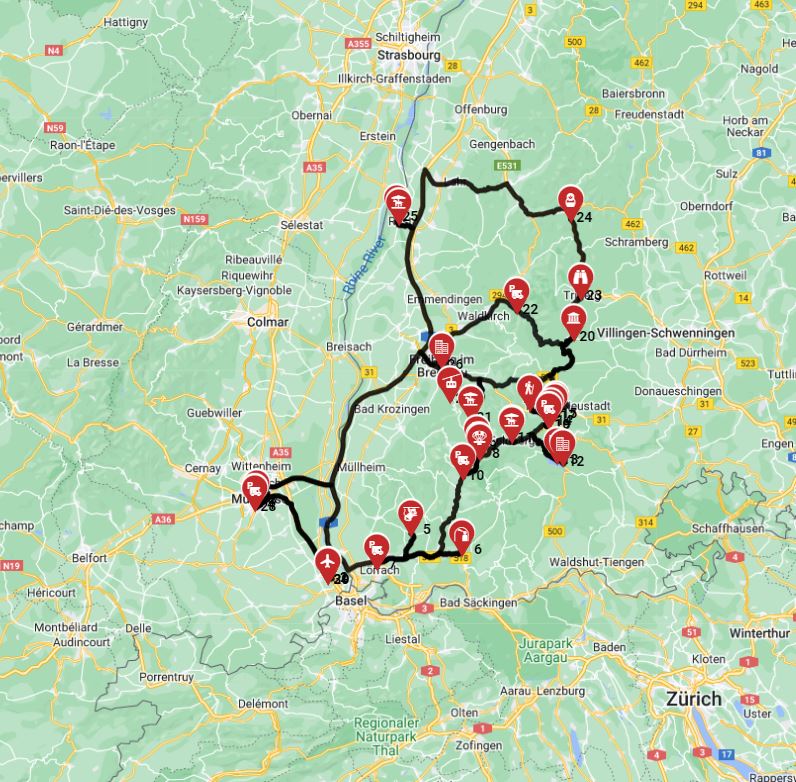
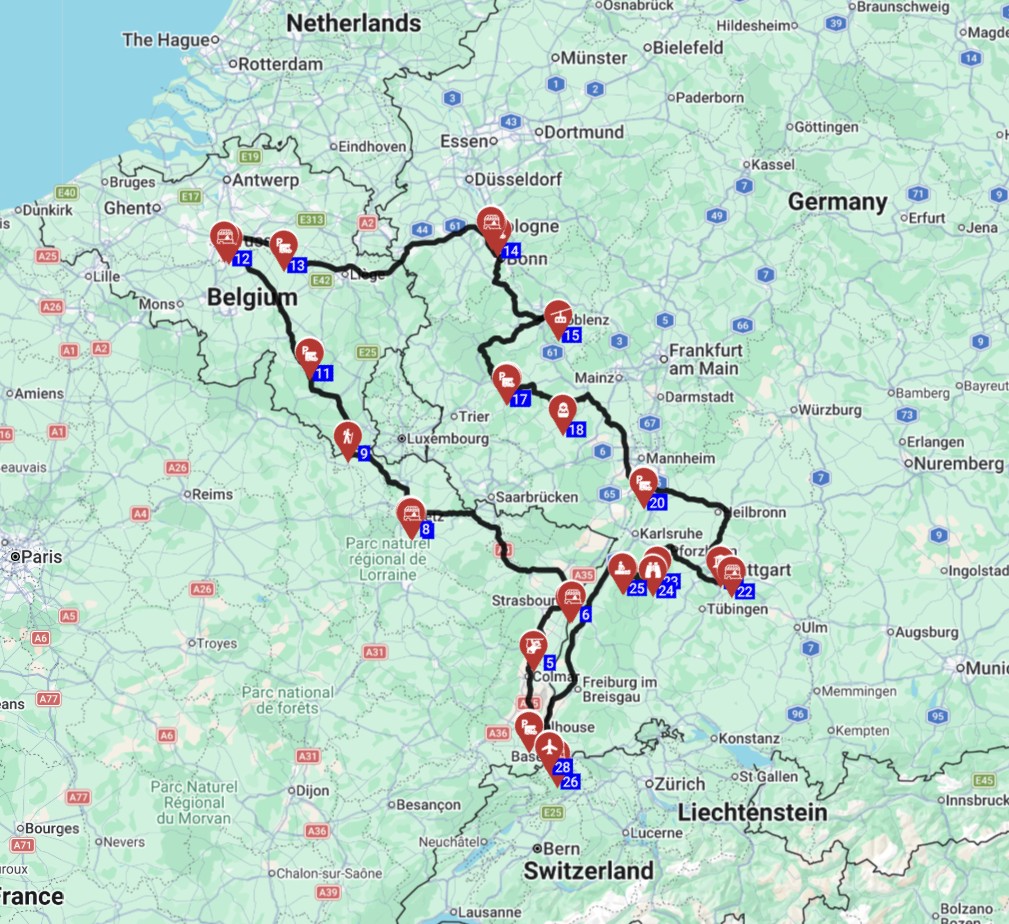
In West Europe, RVers can choose from national park campgrounds, private campgrounds, and varying legalities for wild camping. National park sites often provide a more natural experience with basic amenities, ideal for those seeking tranquility. Private campgrounds typically offer a wider range of facilities, including full hookups, modern sanitary blocks, swimming pools, and organized recreational activities, enhancing comfort during your trip. When planning your routes, check out RV PLANET routes for discovering these diverse options.
Wild camping, often referred to as 'freedom camping,' is largely restricted or illegal in most of West Europe. While some areas may tolerate overnight parking in designated `stellplatz` (motorhome parking areas) or specific informal spots, it is crucial to verify country-specific and local regulations to avoid fines and ensure responsible travel. Always prioritize official campgrounds or designated motorhome parking areas to ensure a hassle-free experience. Understanding these distinctions is key to a successful West Europe RV adventure, and our guide to RV PLANET routes can help you find appropriate spots.
Featured RV Park or Campground in West Europe
When selecting an RV park in West Europe for your weekend getaway, prioritize locations that offer a blend of essential amenities, proximity to natural beauty, and convenient access to local attractions. An ideal campground will provide spacious pitches, clean and modern sanitary facilities, and potentially additional perks like on-site shops or restaurants, ensuring a comfortable experience.
Look for parks with consistently good reviews regarding cleanliness, staff helpfulness, and ease of access for RVs of various sizes. For example, sites in the popular regions of the French Alps or the Black Forest in Germany often feature excellent facilities and stunning natural surroundings. Many campsites also offer specialized services for RVs, such as waste disposal points and fresh water refills, making extended stays convenient. For finding campsites and campgrounds during your trip, check out RV PLANET (rvplan.net) — a great resource for locating available spots along your route.
Hookups & Amenities — What to Expect
RVers in West Europe can generally expect standard hookups at most well-equipped campgrounds, including electricity (typically 230V, requiring a CEE blue plug adapter), fresh water supply, and grey/black water dump stations. These amenities are essential for a comfortable and convenient experience, especially for weekend trips where efficiency is key. You'll find these services available at a majority of private and larger national park campgrounds. On the routes offered through RV PLANET routes, you can itemize and track every expense along the way for easy budgeting.
Many sites also offer additional conveniences that enhance your stay, such as Wi-Fi (sometimes available for an extra charge), laundry facilities, and hot showers, ensuring you can maintain comfort and cleanliness throughout your journey. It's advisable to carry the appropriate adapters for electrical connections and to ensure your RV's systems are compatible with European voltage standards before your travel. Considering Bandana's fleet, which includes Class B camper vans (average 5.8m) and Class SI semi-integrated models (average 6.9m), you'll find they are well-suited for these European amenities and infrastructure. Many of these vehicles can be found in our RV Rental West Europe - Prices and Best Deals 2026 guide.
Booking Windows & Reservations in West Europe
For weekend RV rentals in West Europe, particularly during peak seasons like summer holidays or for highly sought-after destinations, booking your campgrounds well in advance is highly recommended to secure your preferred spot. This is crucial for popular national parks where only 25-30% of spots are typically released for reservations, with the remainder being first-come, first-served.
Spontaneous travelers might still find same-day or next-day availability, especially outside of peak times or in less crowded regions. However, to ensure a smooth trip and avoid disappointment, it's always wise to call ahead to your desired campground to confirm availability, especially for weekend stays. Remember, while flexibility can lead to spontaneous adventures, having a reservation can alleviate stress and guarantee your spot. You'll almost certainly find a place; if not at the first campground, then at the next one, making pre-booking a helpful strategy for a relaxed short break.
Nearby Supermarkets & Resupply Points
Accessing supermarkets and resupply points is convenient throughout West Europe, with numerous familiar chains readily available near towns and major travel routes, perfect for stocking up your RV during a weekend trip. You'll find popular European supermarket chains such as Lidl, Aldi, Carrefour, E.Leclerc, Rewe, and Spar, all offering a wide range of groceries and essential supplies at competitive prices.
These supermarkets are strategically located, making it easy to replenish your provisions without straying far from your planned route or campground. While many campgrounds feature small on-site shops for basic necessities, visiting larger supermarkets allows for greater variety and more efficient stocking for your onboard kitchen. Exploring local markets can also be a delightful way to discover regional specialties and fresh produce, adding a unique culinary dimension to your West Europe RV adventure. For those interested in planning their resupply points along specific routes, our comprehensive guide to RV PLANET routes can be a valuable resource. For ideas you can prep on the road, watch our RV-friendly recipes playlist on YouTube.
Best RV Class for Camping in West Europe
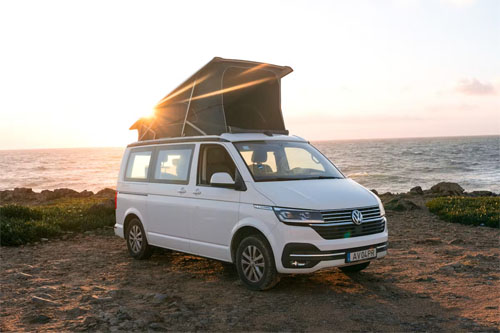
For weekend RV camping in West Europe, `Class B - Camper Van` and `Class SI - Semi-integrated` models are often the most suitable, offering an excellent balance of maneuverability and living comfort. Bandana's `Class B - Camper Van` fleet, averaging 5.8 meters in length and accommodating 3.2 sleeping places, is ideal for navigating narrow European roads and historic city centers, typically consuming around 8-10 liters/100 km. These are perfect for couples or small groups looking for agility.
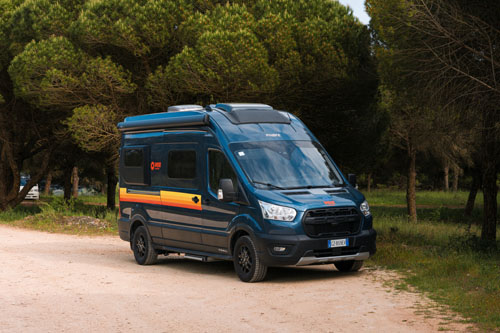
Alternatively, Bandana's `Class SI - Semi-integrated` models, with an average length of 6.9 meters and accommodating 3.8 sleeping places, provide more spacious living while remaining manageable for most European routes, consuming approximately 10-11 liters/100 km. While larger `Class C - Alcove` (avg 7.5m) and `Class A - Integrated` (avg 7.5m) motorhomes offer extensive living space, they can present challenges on very narrow roads or in historic city centers. For a more detailed comparison and to explore pricing, consult our RV PLANET routes which often feature specific vehicle recommendations based on the itinerary. You can also find useful information in our RV Rental West Europe - Prices and Best Deals 2026 guide.
How to Save on Campgrounds in West Europe
RVers can significantly reduce campground costs in West Europe by utilizing specialized discount cards, such as ACSI or CampingCard International (CCI), which often offer reduced rates during off-peak and shoulder seasons. These cards can provide substantial savings, making your weekend trip even more affordable. Other effective saving strategies include booking your trips during the shoulder seasons, like spring (April to June) or early autumn (September to October), when demand is lower and prices are more competitive.
Choosing more affordable municipal or regional campgrounds over larger private resorts can also lead to savings. Many of these smaller sites offer excellent value and a more authentic local experience. Additionally, taking advantage of weekly rates by staying three or more nights can often provide a discount. If traveling in a group, sharing hookups with other RVers, where permitted, can further decrease individual pitch fees, spreading the cost and fostering a sense of community. Considering different RV classes can also impact overall costs, with smaller campervans like Bandana's Class B options often being more fuel-efficient and cost-effective for shorter trips. Learn more about specific pricing in our RV PLANET routes and our RV Rental West Europe - Prices and Best Deals 2026 guide.
How do I plan an RV trip in Europe?
Planning an RV trip in Europe involves defining your route, selecting an RV that suits your travel style and the regions you plan to visit, budgeting for all expenses, and thoroughly understanding local regulations. Start by researching specific destinations and attractions, considering options like scenic drives through the Alps or culinary tours along the coast. Then, map out a realistic itinerary that accounts for driving times, potential road conditions, and campsite availability.
Crucially, familiarize yourself with country-specific RV legalities, including low-emission zone (LEZ) requirements, necessary road vignettes for highways, and overnight parking rules. Planning for practical aspects such as mobile internet strategies, essential RV navigation apps (which often include vehicle height and weight restrictions), and pet travel guidelines, if applicable, will ensure a smoother journey. Utilizing resources like RV PLANET routes can provide structured itineraries and essential planning information. For more detailed insights, explore our RV Travel Guide to West Europe - Tips and Top Spots 2026 video guide.
Is an RV a good idea for Europe?
An RV is an excellent idea for exploring West Europe, offering unparalleled freedom and flexibility to discover diverse landscapes and cultures at your own pace, especially for weekend getaways. It provides a comfortable 'home away from home,' allowing for spontaneous detours to hidden gems and a more immersive travel experience. Furthermore, it can be a cost-effective solution for families or groups by combining accommodation and transport costs.
However, it's important to consider that navigating larger RVs through narrow historic city streets or mountain passes can be challenging. This makes smaller campervans, like Bandana's Class B models, often a better choice for certain European itineraries, providing easier maneuverability and parking. The key is selecting the right vehicle size for your intended destinations and travel style, which can be a great starting point for your planning by looking at our detailed RV comparisons in our RV Rental West Europe - Prices and Best Deals 2026 guide.
What is the best month to RV in Europe?
The best months to RV in West Europe are typically during the shoulder seasons—late spring (April to June) and early autumn (September to October). During these periods, you can expect pleasant weather, fewer crowds at popular attractions, and often lower prices for RV rentals and campgrounds. This makes them ideal for a relaxed weekend trip or a more extended exploration.
Summer (July and August) offers the warmest temperatures and a vibrant atmosphere, but also means peak tourist numbers, higher campground costs, and the necessity of booking well in advance for weekend trips. Winter RVing is feasible in some regions, particularly for those heading to skiing destinations, but requires a winterized RV and preparedness for colder conditions and potential road closures. For those seeking the best balance of weather and fewer crowds, exploring options during April-June and September-October is highly recommended, as detailed in our RV Rental Europe - Complete Guide 2026.
Is it safe to RV in Europe?
RVing in West Europe is generally safe, provided travelers prioritize common sense precautions regarding road safety, vehicle security, and awareness of local conditions. Focus on road safety by understanding specific European driving styles, carefully navigating potentially narrower roads, adhering to posted speed limits, and being aware of specific regulations for larger vehicles like RVs, such as low-emission zones. This proactive approach ensures a secure and enjoyable trip.
To enhance security, implement theft prevention measures, such as using additional security locks on doors and windows, parking in well-lit designated areas, and keeping valuables out of sight. Always have emergency protocols in place, including contact information for breakdown assistance and knowledge of local healthcare access. Having a reliable support system, like Bandana's 24/7 assistance (for booking queries) and access to resources like RV PLANET routes for planning, further contributes to peace of mind.
Is it cheap to rent an RV in Europe?
Renting an RV in Europe can be a cost-effective way to travel, especially for families or groups, as it combines accommodation and transportation costs. While prices can vary significantly by season, RV type, and booking window, the ability to cook your own meals and avoid hotel expenses often leads to overall cost advantages.
The initial rental fee might seem higher than a budget car, but when factoring in the savings on accommodation and the flexibility to explore at your own pace, an RV can be very economical. For weekend rentals, comparing prices across various platforms and opting for smaller, more fuel-efficient models like campervans can make it a particularly affordable travel option. You can find a wide range of options and compare prices in our RV Rental West Europe - Prices and Best Deals 2026 guide.
How much does a campervan cost in Europe?
Renting a campervan in Europe is typically the most budget-friendly RV option, with weekly costs generally ranging from €500 to €1200, depending on the season, model, and pick-up location. Campervans, such as Bandana's `Class B - Camper Van` fleet, are smaller, more fuel-efficient, and easier to drive and park, making them an ideal and often cheaper choice for couples or small families on a weekend trip.
Prices for campervans are usually lower during off-peak times and for older models, while newer, more luxurious conversions will command higher rental fees. Flexibility with your travel dates and choosing a pick-up location slightly outside major city centers can also help secure better rates. For detailed pricing comparisons, our RV Rental West Europe - Prices and Best Deals 2026 guide is a great starting point.
What is the cheapest RV rental in Europe?
The cheapest RV rental in Europe can typically be secured by opting for smaller campervans, booking during the shoulder or off-season, and reserving your vehicle well in advance of your travel dates. Flexibility with your travel dates, especially avoiding major holidays and school breaks, will significantly lower prices, as will considering pick-up locations slightly outside major city centers or airports.
Comparing offers from multiple rental platforms, like those available through Bandana, and selecting slightly older models or less amenity-rich campervans can further reduce your rental expenses for a weekend trip. Always check for early bird discounts or special offers mentioned in our RV Rental Deals in West Europe - Latest Offers 2026 guide to maximize your savings.
How much does it cost to RV in Europe?
The overall cost of an RV trip in Europe extends beyond just the rental fee, encompassing fuel, campground fees, food, and activities. A weekend trip, for instance, can range from approximately €100 to €250+ per day, depending on your choices and travel style. Fuel is a significant variable expense, with prices differing by country; for context, Bandana's semi-integrated and alcove classes typically consume 10-12 liters/100 km.
Campground fees generally fall between €20-€50 per night for a pitch with basic hookups, though this can vary greatly by location and amenities offered. Food costs can be managed effectively by cooking meals in your RV, which often proves more economical than dining out for every meal. Utilizing the planning tools on RV PLANET routes can help you itemize and track these ancillary costs for better budgeting. For a more detailed cost breakdown, explore our RV PLANET routes.
Is it easy to drive an RV in Europe?
Driving an RV in West Europe is generally manageable but requires adaptation to potentially narrower roads, different driving styles, and country-specific traffic laws. Smaller RV classes, such as Bandana's `Class B - Camper Van` (average 5.8m) or `Class SI - Semi-integrated` (average 6.9m), are considerably easier to maneuver on European roads and fit better into smaller parking spaces and historic towns.
Be prepared for manual transmission, which is common in most rental RVs, and understand specific road restrictions like low-emission zones (LEZ) and mandatory vignettes for highways. Planning routes using RV-specific navigation apps that consider vehicle height and weight restrictions is essential for safer travel. Our RV Travel Guide to West Europe - Tips and Top Spots 2026 can offer more insights into navigating European roads with an RV.
Can you sleep anywhere in an RV in Europe?
No, generally you cannot sleep anywhere in an RV in West Europe. Wild camping or 'freedom camping' is restricted or illegal in most countries, with specific regulations varying significantly by nation and local municipality. While Scandinavian countries have the 'Allemansrätten' (right to roam) allowing wild camping, West European nations typically require overnight stays in designated campgrounds, `stellplatz` (motorhome parking areas), or official overnight parking spots.
Always research specific country and local laws before attempting to wild camp, and ensure you respect private property signs and environmental regulations to avoid fines and promote responsible travel. Utilizing resources like RV PLANET routes can help identify designated overnight parking and camping locations across Europe, ensuring compliance and a stress-free experience.
Is it worth renting an RV in Europe?
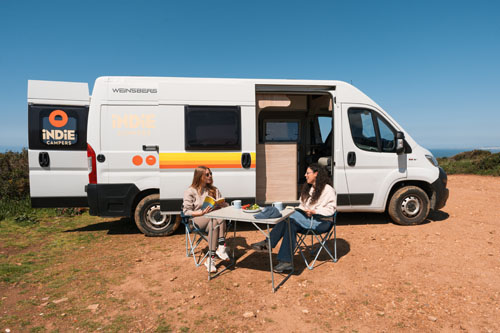
Renting an RV in Europe is undoubtedly worth it for those seeking a flexible, immersive, and memorable travel experience, particularly for a weekend adventure allowing exploration beyond traditional tourist paths. The freedom to move between diverse landscapes, cook your own meals, and wake up to new views each day offers a unique value proposition that hotels cannot match, making it an excellent choice for independent travelers or families.
Considering the convenience, the ability to access remote natural beauty, and the potential for cost savings over conventional travel methods, an RV rental provides an enriching and highly recommended way to explore West Europe. The extensive network of routes and campground information available via RV PLANET routes further enhances the value of an RV rental. Many of Bandana's partner suppliers offer excellent options detailed in our RV PLANET routes.
What You Shouldn't Miss
- Drive the Romantic Road in Germany: A classic route showcasing picturesque medieval towns, fairy-tale castles, and rolling Bavarian hills, perfect for a weekend exploration.
- Explore the French Alps: Experience stunning mountain vistas, charming villages, and scenic drives, with many campsites offering breathtaking views.
- Discover the Black Forest, Germany: Known for its dense forests, charming cuckoo clocks, and scenic drives, this region is ideal for RV exploration.
- Tour the Algarve Coast, Portugal: Enjoy beautiful beaches, dramatic cliffs, and excellent RV infrastructure along this popular southern European coastline.
- Visit the Netherlands' Keukenhof Gardens (Spring): If your weekend trip falls in spring, a visit to these world-renowned tulip gardens is a must-see.
- Cycle the Rhine Valley, Germany: Combine your RV trip with cycling to explore charming riverside towns and vineyards, utilizing the extensive network of cycle paths.
Final Thoughts
Renting an RV for a weekend trip in West Europe offers an unparalleled blend of freedom, flexibility, and immersion in local culture and stunning landscapes. Whether you're drawn to the dramatic peaks of the Alps, the charming villages of the Black Forest, or the sunny coasts of Portugal, an RV provides the perfect mobile base for your adventures.
Remember to plan ahead, especially regarding campgrounds and popular routes, and choose an RV class that best suits your travel style and the destinations you aim to explore. By leveraging resources like Bandana Caravan and RV PLANET (rvplan.net), you can ensure a seamless booking process and access a wealth of information to make your short RV getaway truly unforgettable. Get inspired for your next trip!