In This Guide
- Where to Camp in Tokyo - Top Options
- Campground Types in Tokyo (National, Private, Wild)
- Featured RV Park or Campground in Tokyo
- Hookups and Amenities - What to Expect
- Booking Windows and Reservations in Tokyo
- Nearby Supermarkets and Resupply Points
- Best RV Class for Camping in Tokyo
- How to Save on Campgrounds in Tokyo
- How much does an RV rental cost in Tokyo
- Can you rent an RV in Japan
- Is it hard to drive an RV in Japan
- What is a Michi-no-Eki and how can I use it for RV travel
- Where can I go with an RV from Tokyo
- What are the rules for camping and RVing in Japan
- What should I pack for an RV trip in Japan
- What is the best time of year to rent an RV in Tokyo
- How do I handle emergencies while RVing in Japan
- Are RV parks in Japan accessible for travelers with disabilities
- What You Shouldn't Miss
Imagine yourself escaping the bustling energy of Tokyo, then effortlessly transitioning to a serene nature retreat in your very own rented motorhome. Weekend RV camping in Tokyo offers a unique blend of urban adventure and peaceful natural escapes, allowing you to explore the vibrant city and its stunning surroundings with unparalleled flexibility. For live availability and current prices, start with our RV Rental Tokyo - Complete Guide 2026 guide.
Where to Camp in Tokyo - Top Options
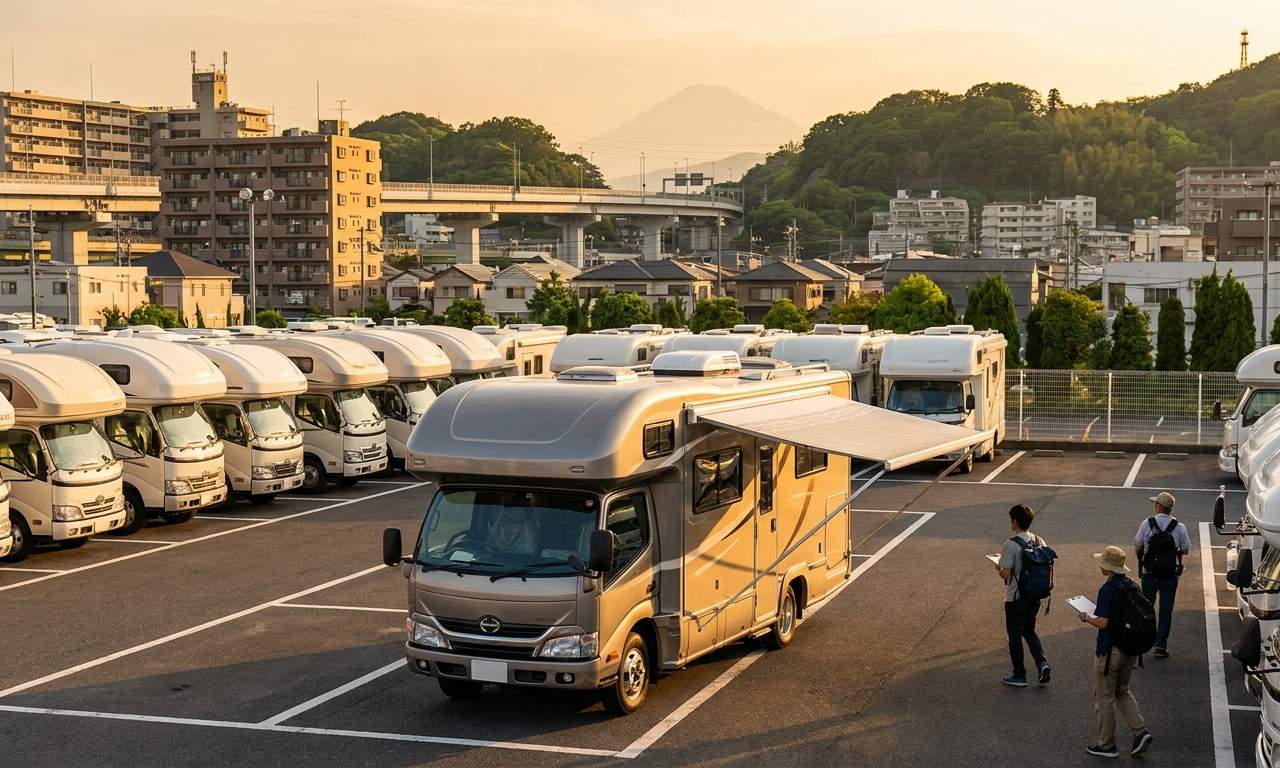
Several campgrounds exist within a few hours' drive of Tokyo, offering convenient nature escapes without venturing too far from the metropolis. Areas like the Chichibu-Tama-Kai National Park to the west of Tokyo or scenic destinations in Kanagawa Prefecture, such as near Hakone or Lake Sagami, are popular choices for RV travelers seeking natural beauty.
For exploring Tokyo itself, it's often practical to consider campgrounds with easy access to public transport, like JR train lines. This allows you to park your rented RV outside the city center, avoiding dense traffic and urban parking challenges, and use Japan's efficient rail system to explore iconic Tokyo landmarks such as Shinjuku Gyoen National Garden or the Shibuya Crossing. Remember to travel slowly, averaging max 100-150 km per day, allowing plenty of time to truly experience each destination.
Campground Types in Tokyo (National, Private, Wild)
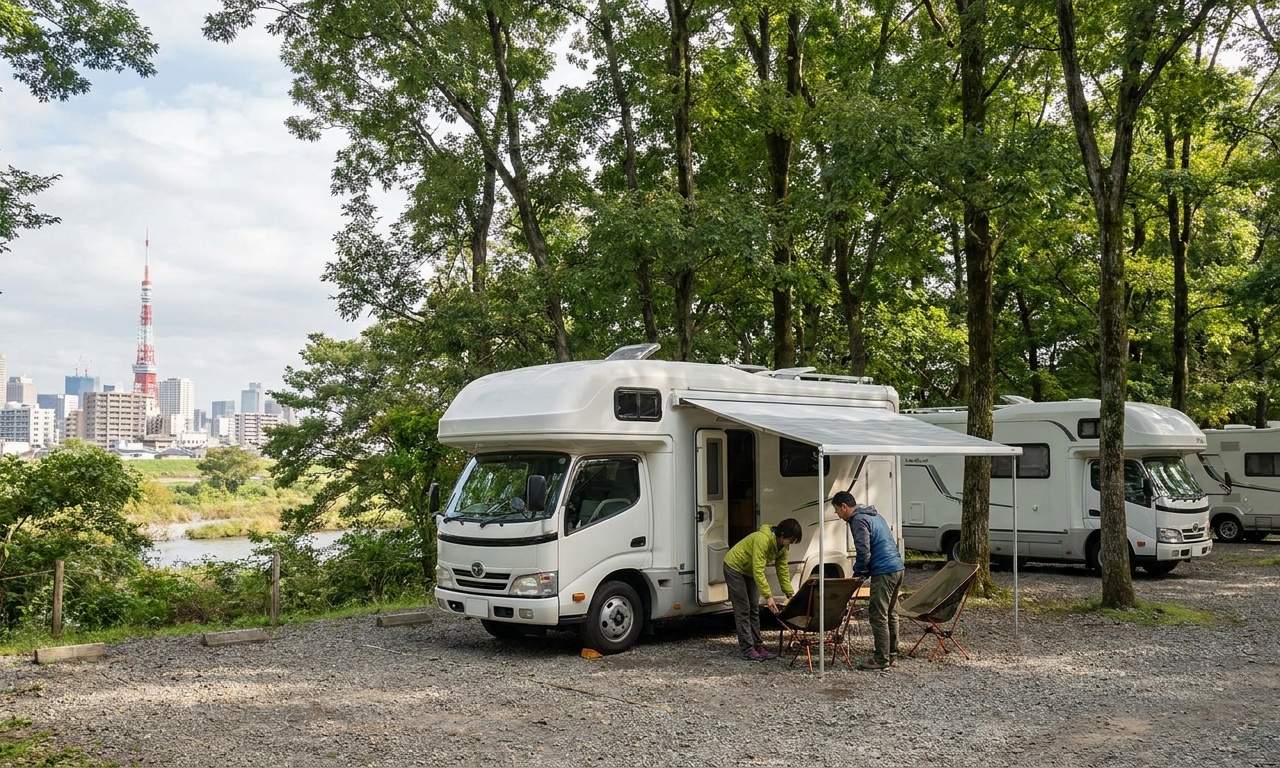
Japan offers a mix of national and private campgrounds, each providing different amenities and atmospheres for your weekend RV rental in Tokyo. National park campgrounds, often found in regions like Chichibu-Tama-Kai National Park, generally provide a more rustic experience with basic facilities like restrooms and water access, appealing to those seeking a closer connection to nature.
Private campgrounds, like Pica Sagamiko, tend to offer more extensive amenities such as powered sites, showers, laundry facilities, and sometimes even recreational activities. Wild camping (boondocking) in undesignated areas is generally not permitted or tolerated in Japan due to property laws and cultural norms, emphasizing the importance of utilizing official campgrounds or Michi-no-Eki for overnight stays.
Featured RV Park or Campground in Tokyo
When selecting an RV park near Tokyo, prioritize facilities that offer essential hookups like electricity and fresh water, ensuring a comfortable stay in your rented motorhome. Many popular campgrounds such as Pica Sagamiko Resort Pleasure Forest in Kanagawa Prefecture provide these amenities.
Locations with easy access to Tokyo's public transportation system are particularly advantageous for seamless city exploration, allowing you to park your vehicle and take a train into the urban core. Furthermore, consider parks that provide family-friendly amenities such as clean restrooms, hot showers, and potentially play areas for children, ensuring a pleasant experience for families traveling with their Weekend RV Rental in Tokyo - Pricing 2026 in mind. You can typically expect a nightly fee of around ¥5,000 for a powered site at a well-equipped private campground.
Hookups and Amenities - What to Expect
Most RV parks and campgrounds in Japan provide electric hookups, typically 100V with Type A/B outlets, and fresh water access for your rented campervan. While these are common, it's always a good idea to confirm specific hookup types and availability when booking, as some older or more rustic sites might offer fewer options.
Dump stations for grey and black water are commonly available at designated campgrounds, ensuring proper waste disposal. Beyond essential hookups, expect amenities like shared showers, often coin-operated, and coin-operated laundry facilities. Wi-Fi can be spotty or limited to common areas, so consider having a portable Wi-Fi device or local SIM card for consistent internet access. For finding campsites and campgrounds during your trip, we recommend using RV PLANET (rvplan.net) – a great resource for locating available spots along your route. On the routes offered through RV PLANET routes, you can itemize and track every expense along the way for easy budgeting.
Booking Windows and Reservations in Tokyo
For weekend RV rentals in Tokyo, pre-planners should book campgrounds several weeks to months in advance, especially during peak seasons like cherry blossom viewing (late March to early April) or autumn foliage (October to November). Popular campgrounds, especially those near key attractions or with excellent public transport links, can fill up quickly.
Many national park campgrounds and some private sites release a limited percentage (often 25%-30%) of spots for reservations, with the remaining available on a first-come, first-served basis. While spontaneous travelers may find same-day or next-day spots, it's highly recommended to call ahead before driving to a campground to confirm availability, particularly for popular weekend destinations such as those in the Fuji Five Lakes region. Remember, you'll find a spot; if not at the first campground, then the next one. Our commitment is to support you before, during, and after your booking, making your adventure smooth.
Nearby Supermarkets and Resupply Points
For grocery shopping and resupply during your weekend RV trip in Tokyo, major supermarket chains like Aeon, Ito-Yokado, and Seiyu are widely available near urban centers and often within a reasonable driving distance of most campgrounds. These stores offer a wide selection of fresh produce, pantry staples, and local delicacies.
Foreign travelers should familiarize themselves with common Japanese product labels or utilize translation apps for understanding ingredients and product types, especially for items like cooking oils, sauces, or specific dairy products. Additionally, look for local "Michi-no-Eki" (roadside stations) or smaller local markets for fresh, seasonal produce and unique regional specialties. Preparing meals on board your rented motorhome's kitchen is a fantastic way to save money and enjoy local flavors. For culinary inspiration, check out our RV-friendly recipes playlist.
Best RV Class for Camping in Tokyo
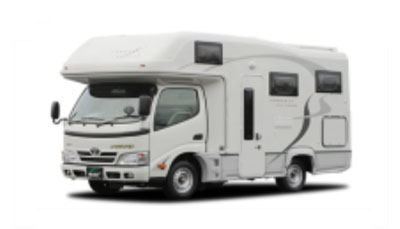
For camping in and around Tokyo, a Class C - Alcove RV offers an excellent balance of maneuverability and comfortable living space. Vehicles like the "24' Class C Motorhome" with a sleeping capacity of 5, a queen mattress, and a length of 7.46 meters, or the slightly larger "29′ Class C Motorhome" with sleeping for up to 7, are popular choices.
With an average length of around 5-7 meters, these RVs are suitable for families (2+2) or small groups (3 adults) while still being manageable on Japan's narrower roads and in parking areas outside central Tokyo. Their compact size compared to much larger Class A motorhomes makes them easier to navigate, while still providing essential amenities like a shower, toilet, and a refrigerator for a comfortable camping trip. Smaller campervans, such as an "Acer" or "Active Standard" model, are also great for couples or solo travelers seeking maximum agility.
How to Save on Campgrounds in Tokyo
To save on campground fees for your Weekend RV Camping in Tokyo - Quick Stays 2026 adventure, utilize any available campground discount cards or membership programs. Sometimes, these are offered by your RV rental provider or can be purchased online from Japanese camping associations.
Traveling during the shoulder seasons (late spring, May-June, or early autumn, September-October) typically offers lower prices and fewer crowds compared to peak times like Golden Week or the cherry blossom season. Opting for municipal or regional campgrounds over private resorts often results in more budget-friendly nightly rates, sometimes as low as ¥2,500-¥4,000, and consider multi-night stays, as many campgrounds offer weekly discounts. Booking in advance through platforms like RV PLANET (rvplan.net) can also help secure better rates.
How much does an RV rental cost in Tokyo
An RV rental in Tokyo typically ranges from ¥15,000 to ¥30,000 (approximately $100-$200 USD) per day for a standard Class C motorhome or campervan, but the total cost of your trip will include more than just the daily rental fee. These prices are dynamic, changing daily based on availability, seasonality, and supplier marketing decisions, similar to flight tickets.
Beyond rental fees, budget for significant ancillary costs such as expressway tolls, which can accumulate quickly (e.g., a round trip to Hakone can be ¥3,000-¥4,000). Also, consider the rented RV's fuel efficiency, which is often lower than a standard car, impacting fuel expenses (e.g., a Class C might average 10-15 liters per 100 km). Parking costs vary widely, from free overnight parking at Michi-no-Eki to paid urban lots that can be expensive, so plan your itinerary with diverse parking strategies. Don't forget propane refills (around ¥2,000-¥3,000), dump fees (often ¥500-¥1,000 if not included at campgrounds), and groceries. On RV PLANET routes, travelers can itemize and track every expense along the way for easy budgeting, ensuring full transparency with no hidden fees.
🎬 Video coming soon
Can you rent an RV in Japan
Yes, it is absolutely possible to rent an RV in Japan, with numerous rental companies including international partners of Bandana like Apollo and Britz, and several reputable local operators, offering a variety of motorhome classes and campervans. You can easily find options that suit your travel style, from compact Class B campervans perfect for a couple to larger Class C motorhomes ideal for families.
Foreigners need an International Driving Permit (IDP) or a Japanese translation of their driver's license (depending on their home country of issue) to legally drive a rented RV in Japan. Booking in advance, especially for popular seasons and specific RV types like a 6-berth Class C Alcove, is highly recommended to ensure availability and secure better rates. Our "RV Rental Japan - Complete Guide 2026" offers more comprehensive information for planning your adventure.
Is it hard to drive an RV in Japan
Driving an RV in Japan can be challenging, especially within urban areas like Tokyo, due to narrow streets, dense traffic, and specific height restrictions in tunnels and some parking structures (often 2.5 meters or less). However, drive slowly and carefully, and you can drive almost anywhere without issues.
No need to stress - just use common sense and pay attention to road signs, especially those indicating height limits (背の低い車 - low vehicles only). For practical logistics within Tokyo, consider 'park and ride' strategies: park your rented RV at an outer-city Michi-no-Eki or designated large parking lot near a train station, then utilize Tokyo's incredibly efficient public transportation system (JR lines, subway) to explore the city center. This approach allows you to experience the city without the hassle of urban RV driving or expensive central parking. For a more visual guide, check out our "RV Travel Guide to Tokyo - Tips and Top Spots 2026".
What is a Michi-no-Eki and how can I use it for RV travel
A Michi-no-Eki (Roadside Station) is a government-designated rest area that typically provides free parking, clean restrooms, local product shops, and often restaurants, serving as an excellent resource for RV travelers in Japan. These stations are generally suitable for overnight stays, often referred to as 'car camping' or 'park-and-rest,' offering a convenient and safe place to stop.
To effectively use Michi-no-Eki, plan to arrive earlier in the day, ideally before sunset, to secure a good spot as they can fill up. Utilize their amenities like local food stalls and information centers for regional tips and fresh ingredients. Remember that Michi-no-Eki are not campgrounds, so respect local etiquette: keep noise to a minimum, especially at night, properly dispose of all waste in designated bins, and avoid setting up extensive outdoor camps with awnings or chairs. Always leave the area cleaner than you found it, adhering to the Japanese principle of cleanliness and respect.
Where can I go with an RV from Tokyo
Beyond popular destinations like Hakone and Fuji, an RV from Tokyo opens up numerous RV-friendly itineraries catering to diverse interests and durations. For a fantastic week-long trip, consider the Izu Peninsula for scenic coastal drives, breathtaking ocean views, and abundant *onsen* (hot springs).
Alternatively, the Yamanashi Prefecture offers delightful wine tasting experiences and seasonal fruit picking, especially during late summer and early autumn. For longer adventures or off-the-beaten-path immersion, explore the Japanese Alps for hiking and nature immersion, discovering unique campgrounds in lesser-known areas of Chiba or Ibaraki Prefecture. Time your visit with local festivals for a deeper cultural experience, but remember that traveling slowly, max 100-150 km per day on average, allows you to truly feel the place, connect to the culture, the food, and the scenery.
What are the rules for camping and RVing in Japan
Japan has clear and generally strict rules for camping and RVing, primarily restricting 'wild camping' or boondocking in undesignated areas; always use official campgrounds or approved overnight parking spots like Michi-no-Eki. These rules are in place to preserve natural beauty and ensure public order.
Cultural nuances and etiquette demand respectful behavior: properly dispose of all waste, strictly adhering to Japan's detailed waste separation guidelines, and keep noise to a minimum, especially at night at Michi-no-Eki and campgrounds. Respect the privacy and property of locals, and always adhere to local signage regarding parking restrictions and no-camping zones, which can vary by region. Being a considerate traveler will enhance your experience and help maintain good relations with local communities.
What should I pack for an RV trip in Japan
Essential items for an RV trip in Japan include a reliable GPS with English mapping capabilities to navigate roads and locate services, comfortable walking shoes for exploring cities and nature trails, and universal power adapters for charging your electronics. Most RVs will have standard 100V outlets, so ensure your devices are compatible.
Consider packing light layers for varying temperatures, as Japan's climate can change throughout the day, along with good rain gear, especially during the rainy season (June-July). A small first-aid kit is always a smart addition. For cultural considerations, a translation app or a basic Japanese phrasebook is invaluable for communicating at local shops or in emergencies. Don't forget cash (Yen), as many smaller establishments, particularly outside major cities, may not accept credit cards. Specialized RV supplies might be harder to find, so bring what you anticipate needing for your chosen RV PLANET routes.
What is the best time of year to rent an RV in Tokyo
The best time to rent an RV in Tokyo for pleasant weather and scenic beauty is during Spring (March-May) for the iconic cherry blossoms or Autumn (September-November) for vibrant fall foliage, offering ideal temperatures for outdoor activities and comfortable camping.
To avoid crowds and potentially secure lower prices for your "Cheap RV Rental in Tokyo - Budget Guide 2026", consider the shoulder seasons just before or after these peak times. Be mindful of seasonal considerations like the June-July rainy season, which can bring heavy downpours, and the typhoon season from August to October, when severe weather can impact travel plans. Winter RV travel around Tokyo is generally mild, but routes to mountainous regions like the Japanese Alps may require snow tires or chains, and peak seasons will see higher demand and crowds at popular spots, making early booking crucial.
How do I handle emergencies while RVing in Japan
For effective emergency preparedness while RVing in Japan, carry essential contact numbers including your RV rental company (for breakdowns), your insurance provider, and local emergency services (110 for police, 119 for fire/ambulance), which are the same nationwide. Your rental agreement will often have specific roadside assistance numbers.
In case of breakdowns, contact your RV rental company first for guidance and roadside assistance. For medical emergencies, ensure you have comprehensive travel insurance, and be prepared to overcome language barriers by using translation apps on your phone or by carrying a small notebook with pre-written Japanese phrases for critical situations. Keeping a physical map or an offline GPS as a backup is also wise, especially in rural areas with limited mobile signal. We're with you before, during, and after your booking, offering peace of mind.
Are RV parks in Japan accessible for travelers with disabilities
Accessibility at RV parks and related facilities in Japan for travelers with specific needs varies significantly, with newer or recently renovated sites generally offering better accessible features. While Japan is making strides in universal design, older facilities might not meet all modern accessibility standards.
Many public facilities in Japan are improving accessibility, but it is always recommended to directly contact the specific RV park or campground beforehand to inquire about their accessible restrooms, showers, and site availability. Look for information on barrier-free access, wheelchair-friendly paths, and dedicated facilities when planning your RV trip if accessibility is a key concern. Websites and contact information for these facilities are often available through resources like RV PLANET (rvplan.net).
What You Shouldn't Miss
- **Lake Ashi (Hakone):** Cruise on a pirate ship across the serene Lake Ashi with views of Mount Fuji and the iconic Hakone Shrine gate. Park your rented RV at a nearby campground, then explore the Hakone Open-Air Museum and traditional *onsen* towns.
- **Chichibu-Tama-Kai National Park:** Discover stunning mountain vistas, deep gorges, and hiking trails just a couple of hours west of Tokyo. Camp at sites like Auto Camping Base Genryu for a refreshing nature immersion.
- **Izu Peninsula Coastal Drive:** Embark on a scenic drive along the Izu Peninsula, enjoying dramatic coastlines, charming fishing villages, and numerous hot springs. The area is dotted with RV-friendly stops and Michi-no-Eki.
- **Kawaguchiko (Fuji Five Lakes):** Witness breathtaking views of Mount Fuji, visit the Chureito Pagoda, and explore the tranquil lake by boat. Several well-equipped campgrounds cater to RVs here, offering direct views of Japan's most iconic peak.
- **Nikko National Park:** Travel north to explore the UNESCO World Heritage shrines and temples of Nikko, surrounded by lush forests and waterfalls. Park your rented motorhome at a local RV park and use local buses to navigate the sacred sites.
- **Looking for expert insights from Avi Bandana?** Top 5 Adventures - recommendations from Avi Bandana:
🎬 Video coming soon
Final Thoughts
A weekend RV rental in Tokyo offers an incredible opportunity to experience both the vibrant pulse of one of the world's greatest cities and the serene beauty of Japan's natural landscapes. With careful planning and an adventurous spirit, your rented motorhome becomes your versatile base for unforgettable memories. From navigating the Shuto Expressway to unwinding at an *onsen* near Mount Fuji, every moment promises discovery.
Remember to embrace the slow travel philosophy, allowing yourself to truly connect with the culture, food, and scenery of each place you visit. We're here to handle the details, ensuring your booking process is transparent and supportive from day one. Get inspired for your next trip and discover top destinations, planning tips, all in one place!
Ready to embark on your Japanese adventure? Find Motorhome Rentals in Tokyo now and start planning your perfect quick getaway.
Find Motorhome Rentals in Tokyo