In This Guide
- Where to Camp in Switzerland - Top Options
- Campground Types in Switzerland (National, Private, Wild)
- Featured RV Park or Campground in Switzerland
- Hookups & Amenities - What to Expect
- Booking Windows & Reservations in Switzerland
- Nearby Supermarkets & Resupply Points
- Best RV Class for Camping in Switzerland
- How to Save on Campgrounds in Switzerland
- How Much Does a Weekend RV Trip in Switzerland Cost
- Is Wild Camping Legal for RVs in Switzerland
- What RV Size is Best for Swiss Mountain Roads
- What are the Driving Rules and Challenges for RVs in Switzerland
- Experiencing Swiss Culture and Cuisine by RV
- RV Travel in Switzerland During Off-Season - What to Expect
- Traveling with Pets in an RV in Switzerland
- Responsible and Sustainable RV Practices in Switzerland
Embarking on a weekend RV adventure in Switzerland offers an unparalleled opportunity to immerse yourself in breathtaking alpine landscapes and charming villages. For live availability and current prices, start with our RV Rental Switzerland - Complete Guide 2026 guide. This comprehensive guide will help you navigate everything from finding the perfect campervan to understanding local driving rules, ensuring your quick stay is as memorable and seamless as possible.
Where to Camp in Switzerland - Top Options
Switzerland offers diverse RV camping experiences across stunning regions such as the Bernese Oberland, Valais, and along the picturesque shores of Lake Geneva or Lake Lucerne. Imagine waking up to panoramic views of snow-capped peaks or the tranquil glisten of a pristine lake, with your rented motorhome providing your mobile basecamp. Popular camping areas like Interlaken or Lauterbrunnen often feature well-equipped sites with easy access to hiking, biking, water sports, and charming Swiss villages. Many of these regions, for instance, in the "
Campground Types in Switzerland (National, Private, Wild)
Switzerland primarily offers well-equipped private and municipal campgrounds, which are the most common and legally sound options for travelers in a rented RV. These sites typically provide a range of amenities, ensuring a comfortable stay. Wild camping with a rented RV is largely illegal across Switzerland, particularly in national parks, nature reserves, and agricultural zones, with significant fines for violations, often exceeding CHF 100 for a first offense. Instead, consider alternative overnight stays like designated Stellplatz (motorhome parking areas), which are often found on the outskirts of towns and offer basic facilities for a small fee, or some farm stays (Agroturismo), though these require advance contact.
Featured RV Park or Campground in Switzerland
Camping Jungfrau in Lauterbrunnen, near Interlaken, is a highly-rated Swiss RV park renowned for its panoramic natural views of waterfalls and alpine valleys. This campground offers modern, clean facilities including private bathrooms, a restaurant, and convenient access to local attractions like the Trümmelbach Falls and scenic hiking trails. Its proximity to Interlaken makes it an ideal hub for mountain adventures, featuring amenities like playgrounds and direct access to swimming areas that cater to families and couples alike.
Hookups & Amenities - What to Expect
Most Swiss RV campgrounds provide standard electric hookups (220-230V with Europlug/Schuko sockets), fresh water access, and grey/black water disposal stations. Expect modern and clean shower blocks, laundry facilities, and waste recycling points at most sites. Some premium campgrounds, especially those catering to a higher-end experience, may offer additional features such as heated pools, on-site restaurants, or small grocery stores, further enhancing your stay in a rented camper. Always remember to ask about Wi-Fi availability and potential extra fees.
Booking Windows & Reservations in Switzerland
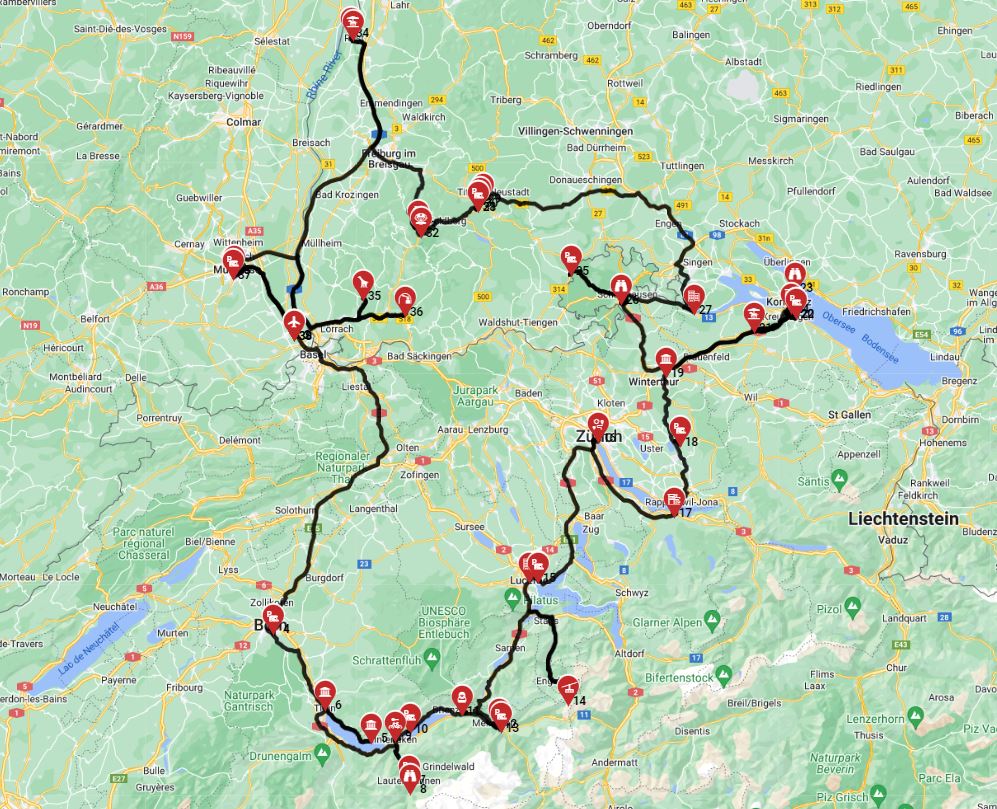
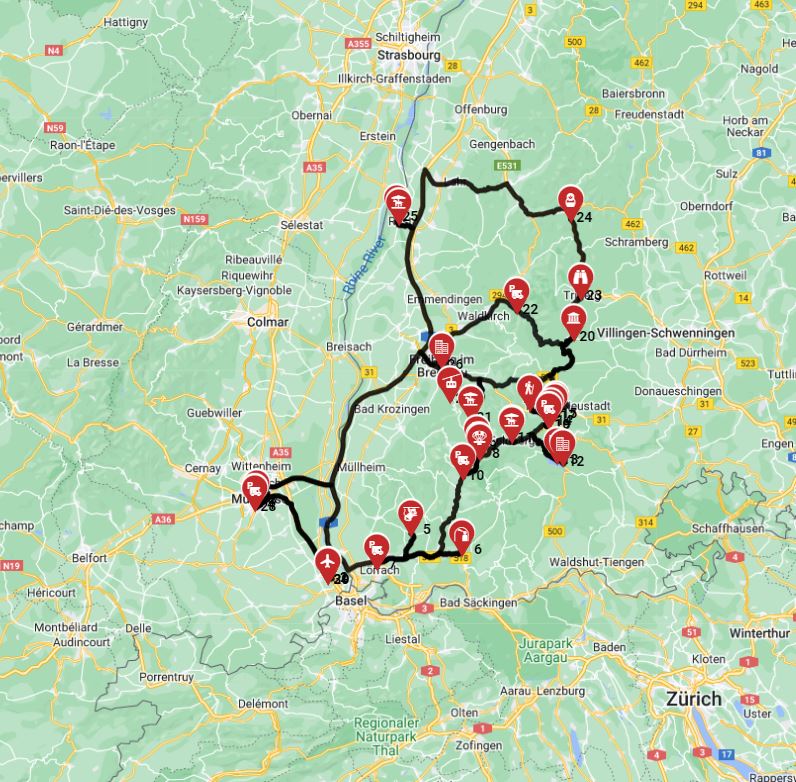
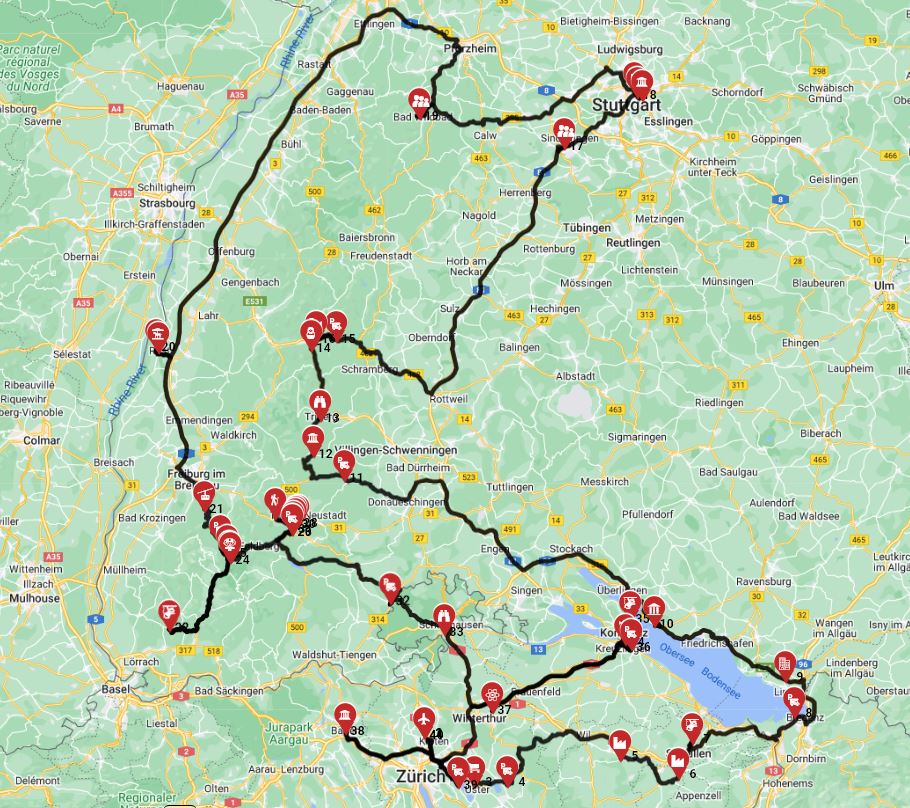
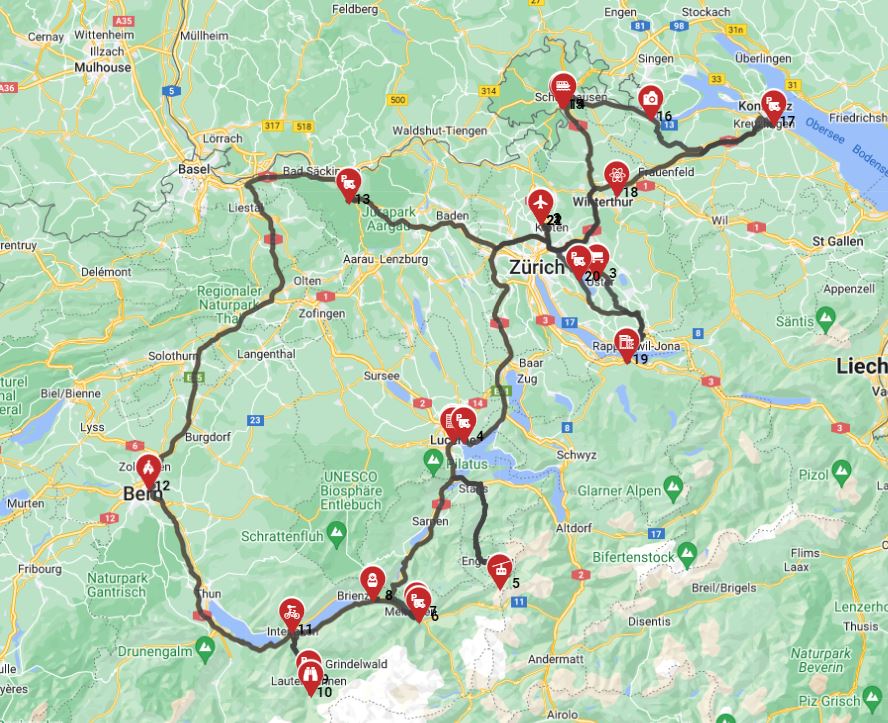
For weekend RV rentals in Switzerland, it is highly recommended to book campgrounds several weeks to months in advance, especially for popular destinations and during peak season (June-August) or public holidays. For example, during a route like "Basel Roundtrip - Switzerland & Black Forest", popular sites near the Black Forest with over 170 campsites in total can fill quickly. While many national park-affiliated campgrounds might reserve only 25-30% of their spots for advance bookings, leaving the rest for first-come, first-served visitors, popular private sites fill up quickly. Spontaneous travelers can often find a place by calling ahead on the day of travel; flexibility with location and amenities is key, and you will almost certainly find a spot, even if it's not the first choice. Just call ahead before driving to confirm availability!
Nearby Supermarkets & Resupply Points
RVers in Switzerland can easily resupply at major supermarket chains such as Coop and Migros, which are ubiquitous in most towns and cities and often have convenient parking for a rented motorhome. For fresh, local produce and regional specialties, seek out smaller village shops or weekly farmer's markets in larger towns like Bern or Lucerne. Planning stops around these well-stocked supermarkets ensures you have all necessary groceries and supplies for your weekend trip, and with the kitchen facilities in your motorhome, you can easily prepare delicious meals on the go. Check out our RV-friendly recipes playlist for inspiration! On the routes offered through RV PLANET routes, you can itemize and track every expense along the way for easy budgeting.
Best RV Class for Camping in Switzerland
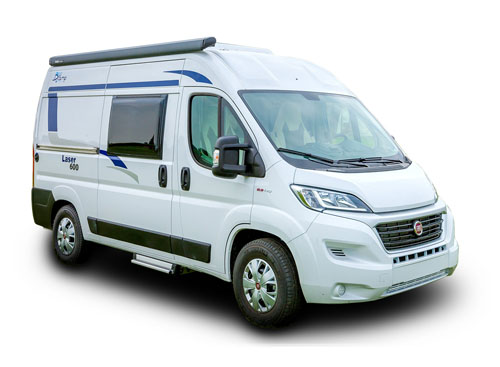
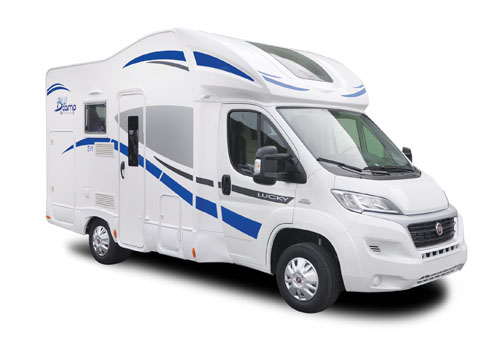
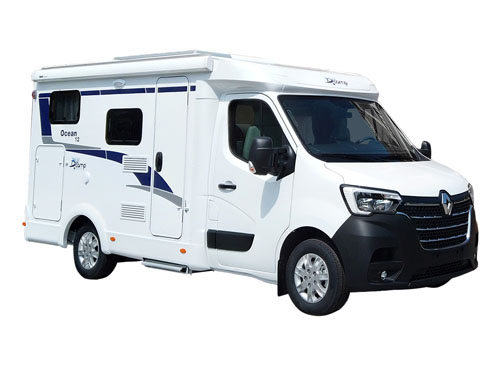
For navigating Switzerland's diverse landscapes, particularly its narrow mountain roads and charming villages, compact RVs like Class B Camper Vans or smaller Class SI Semi-integrated models are generally recommended due to their superior maneuverability. Bandana offers Class B Camper Vans, averaging 5.8 meters in length with typically 3.2 sleeping places and a fuel consumption of 8-10 Liters/100 Km, which are ideal for ease of driving and parking in Swiss urban and alpine environments. Class SI Semi-integrated RVs, averaging 6.9 meters in length with 3.8 sleeping places and 10-11 Liters/100 Km fuel consumption, offer a good balance of comfort and agility. Larger Class C Alcove models (average 7.5 meters, 5.8 sleeping places, 10-12 Liters/100 Km fuel consumption) provide more space but can be more challenging on tight Swiss roads, though driving slowly and carefully allows you to drive almost anywhere without issues.
How to Save on Campgrounds in Switzerland
To significantly save on Swiss campgrounds, explore discount cards or special offers, such as the ACSI CampingCard or other regional passes, which can provide reduced rates of 10-20% during off-peak periods. Opting for shoulder seasons (spring or autumn) over peak summer can result in lower prices and fewer crowds at campsites, with daily rates potentially dropping by CHF 10-20. Choosing municipal or regional campgrounds often proves more economical than private resorts, and staying for three or more nights can sometimes unlock weekly rates, offering better value per night. Many RV PLANET routes include cost breakdowns for ancillary expenses, helping you budget effectively for camping and other fees.
How Much Does a Weekend RV Trip in Switzerland Cost
A comprehensive budget for a weekend RV trip in Switzerland typically ranges from CHF 300-800+, encompassing various expenses for a 3-day rental. RV rental costs are a primary expense, varying significantly based on RV class (e.g., a compact Class B Camper Van starting around CHF 100-150/day versus a larger Class C Alcove at CHF 150-250+/day) and booking season, with peak season rates 30-50% higher. Travelers should budget for fuel (Bandana's fleet averages 8-12 Liters/100 km for most classes), the mandatory motorway vignette (CHF 40 for 2026), potential mountain pass tolls, campground fees (CHF 30-60/night for a powered site), groceries (CHF 50-100), and any planned activities or permits. For finding campsites and campgrounds during your trip, we recommend using RV PLANET (rvplan.net) – a great resource for locating available spots along your route and itemizing expenses.
Is Wild Camping Legal for RVs in Switzerland
Wild camping with a rented RV is generally illegal throughout most of Switzerland, particularly in national parks, nature reserves, and agricultural areas, with strict rules enforced to protect the environment and private property. Violating wild camping regulations can result in substantial fines, which can start at CHF 100-200 and increase significantly for repeat offenses or environmental damage. Ethical considerations strongly emphasize minimizing impact on sensitive natural environments; alternative, legal overnight options include designated Stellplatz, some farm stays (contact in advance for availability), or official campgrounds. Always check local municipal regulations, as rules can vary by canton or commune.
What RV Size is Best for Swiss Mountain Roads
For navigating Switzerland's famously winding and often narrow mountain roads, a compact RV such as a Class B Camper Van (averaging 5.8 meters in length) or a smaller Class SI Semi-integrated model (averaging 6.9 meters in length) is highly recommended for its superior maneuverability. These smaller rented motorhomes make hairpin turns and narrow village streets much more manageable. Larger RVs like Class C Alcove (averaging 7.5 meters) or Class A Integrated (averaging 7.5 meters) can face challenges on tight roads and with parking, though driving slowly and carefully means you can drive almost anywhere without issues. Always consider vehicle dimensions (length, width, height) in relation to posted road signs for tunnels, bridges, and mountain passes, as well as the average load capacity which might impact handling on steep inclines.
What are the Driving Rules and Challenges for RVs in Switzerland
Driving a rented RV in Switzerland requires adherence to specific regulations, including the mandatory purchase and display of a motorway vignette, which costs CHF 40 for 2026 and is essential for all vehicles using Swiss motorways. Speed limits are strictly enforced (e.g., 80 km/h for motorhomes over 3.5 tons on main roads, 100 km/h on motorways) and can differ for vehicles over 3.5 tons, making attention to signage critical as fines are exceptionally high. Switzerland operates with right-hand traffic. Unique challenges include navigating narrow mountain roads, steep inclines (some passes have gradients up to 12%), limited parking in historic city centers, and understanding specific road signs indicating restrictions on vehicle size or type (e.g., maximum weight, height, width, no entry for caravans). Be prepared for potential one-way systems in villages, the need for winter tires or chains during colder months on certain passes from November to April, and generally higher fuel costs compared to other European countries. Drivers aged 21 with a standard car driver's license are permitted to rent and drive all motorhome classes in Switzerland.
Experiencing Swiss Culture and Cuisine by RV
An RV trip in Switzerland allows for an immersive cultural experience beyond scenic vistas, providing unique opportunities to explore local villages, sample regional delicacies, and engage with Swiss communities. Travel slowly, with a maximum average of 100-150 km per day, allowing ample time to feel the place, connect to the culture, the food, and the scenery. Seek out local farmer's markets for fresh produce, artisanal cheeses like Gruyère or Emmental, and cured meats such as Bündnerfleisch. Visit traditional 'Buvettes' or 'Gasthäuser' for authentic Swiss meals like fondue, raclette, or Zürcher Geschnetzeltes. Consider integrating visits to local festivals, artisanal workshops (e.g., watchmaking in the Jura, chocolate production in Broc), or taking scenic routes through lesser-known regions to discover unique traditions and connect with locals. This approach to travel allows for a truly personal adventure.
RV Travel in Switzerland During Off-Season - What to Expect
Off-season RV travel in Switzerland, particularly in spring (April-May), autumn (September-October), or winter (November-March), offers unique experiences like fewer crowds, potentially lower prices (up to 20% savings on rentals), and distinct seasonal landscapes. However, careful planning for road conditions and campsite availability is crucial; many mountain passes, including the famous Stelvio Pass, may be closed due to snow in winter and early spring (typically from October to May), necessitating alternative routes or tunnels. Some campgrounds may operate on reduced hours or close entirely from November to March. Winter RV travel specifically demands appropriate equipment, including winter tires (mandatory for certain passes) and snow chains, and offers unique activities such as skiing, snowshoeing, visiting festive Christmas markets, or exploring frozen lakes.
Traveling with Pets in an RV in Switzerland
Traveling with pets in a rented RV in Switzerland is generally permissible, but requires adherence to specific regulations, including a valid pet passport, up-to-date rabies vaccinations (administered at least 21 days prior to travel), and a microchip for identification. Ensure your pet's health checks are current before crossing the border, and research individual campground pet policies, as not all sites are pet-friendly, or may have restrictions on size or breed. Always keep pets on a leash in public areas, be prepared for waste disposal, and identify pet-friendly hiking trails or attractions to ensure a comfortable and compliant journey for your furry companion. Bandana works with suppliers who often offer pet-friendly RV options.
Responsible and Sustainable RV Practices in Switzerland
Practicing responsible and sustainable RV tourism in Switzerland is crucial for preserving its pristine natural environments, involving strict adherence to waste disposal regulations, respecting wildlife, minimizing noise pollution, and supporting local economies. Always utilize designated grey and black water dump stations found at nearly all official campgrounds, and properly dispose of all trash and recycling, never leaving anything behind. Aim to minimize water and energy consumption during your trip, especially when cooking delicious meals in your rented campervan. Adhere to 'Leave No Trace' principles by staying on marked paths, respecting quiet hours (especially on Sundays), and prioritizing interaction with local businesses and communities to foster positive environmental and social impact. Choosing local shops for groceries or artisanal products helps sustain the Swiss economy, making your adventure even more meaningful.
What You Shouldn't Miss
- **The Matterhorn:** Visit Zermatt for iconic views of the Matterhorn, accessible via a rented campervan park-up in Täsch with onward train travel.
- **Interlaken's Adventure Hub:** Experience skydiving, paragliding, or white-water rafting in Interlaken, a popular base for outdoor enthusiasts.
- **Lake Geneva & Montreux:** Drive along the scenic shores of Lake Geneva, explore Chillon Castle, and enjoy the vibrant jazz scene in Montreux.
- **Lucerne's Medieval Charm:** Wander through Lucerne's Old Town, cross the Chapel Bridge, and take a boat trip on Lake Lucerne, easily accessible with your RV parked at a nearby campground.
- **Swiss National Park:** Explore the trails of Switzerland's only national park (near Zernez), noting that RVs are restricted to designated parking outside the park boundaries.
Looking for expert insights from Avi Bandana? Top 5 Adventures - recommendations from Avi Bandana
Final Thoughts
A weekend RV camping trip in Switzerland is an incredible way to experience the country's stunning natural beauty and rich culture at your own pace. With careful planning and adherence to local guidelines, your rented motorhome becomes your personal window to alpine meadows, charming villages, and serene lakes. Remember, we're here to support you before, during (with booking coordination), and after your adventure, ensuring a smooth and joyful journey.
From choosing the right campervan for navigating mountain roads to understanding local customs, every detail contributes to an unforgettable experience. So, pack your bags, prepare your route plan, and get ready for the Swiss adventure of a lifetime. Discover top destinations and planning tips, all in one place!
Plan a trip itinerary in advance with minimal effort and maximum enjoyment. The open road of Switzerland awaits!